Reading as an Ethical Act: The Best Filipino Books of 2025
These books do not demand agreement or applause—they ask for attention, imagination, and a willingness to sit with what justice might actually require.
Published on Dec 27, 2025
Anna Quindlen is often quoted saying that all stories have already been told. What remains, then, is not what, but how and by whom.
In a time of endless content, the books that endure are those that treat storytelling as an encounter—between writer and reader, text and lived experience. A good story survives by finding new ways to be felt and to be built upon by readers.
This year’s best Filipino books work on that principle. They are not closed systems that dictate meaning, but open works that invite the reader in as collaborator and co-creator. Through silence, ambiguity, restraint, or excess, these books trust the reader’s imagination. They ask us to linger, to fill in gaps, to recognize ourselves in what is left unsaid. In this sense, the story does not fully exist until it is read; and it is not fully read until you’ve conversed with your community.
While literature has always made room for violence and sex, a clearer hunger emerges: justice. Not as spectacle or slogan, but as something intimate and structural, personal and collective. These stories offer justice at multiple scales—within the self, across communities, and against history—reassuring us that reading itself can be an ethical act.
Mulias: Mga Tula by John Brixter Tino
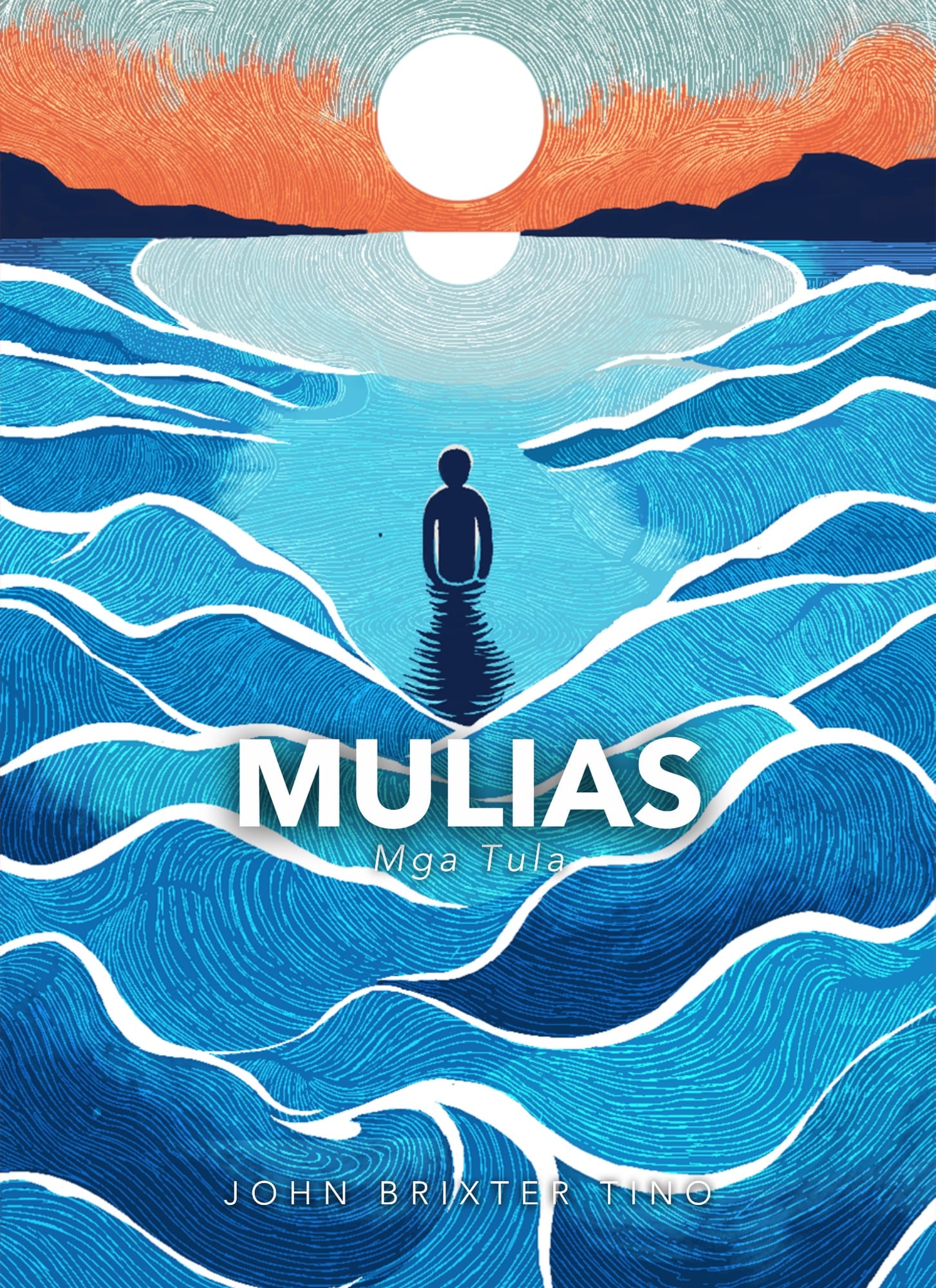
Publisher: Sierbosten Publishing Services
The risk with poetry is that language meant to illuminate can just as easily overwhelm; without that brilliance, however, it becomes inert, barely poetry at all. John Brixter Tino navigates this tension with precision. His poems cast a clear, unsentimental light on mortality and frailty, on the ways the body inevitably betrays the vital spirit it carries. Lineages are examined, culpability traced, anger briefly clenched like a stone in the hand—only to be released, finally, in an act of mercy.
The collection includes the Palanca-winning collection Dugo ng Aking Dugo, and throughout Mulias, pain is rendered with restraint, compassion for the self carefully rationed, almost like prescription medicine. What emerges is poetry that refuses excess, choosing clarity over spectacle and grace over accusation.
A Chain Is a House to Sleep In by Deirdre Z. Camba
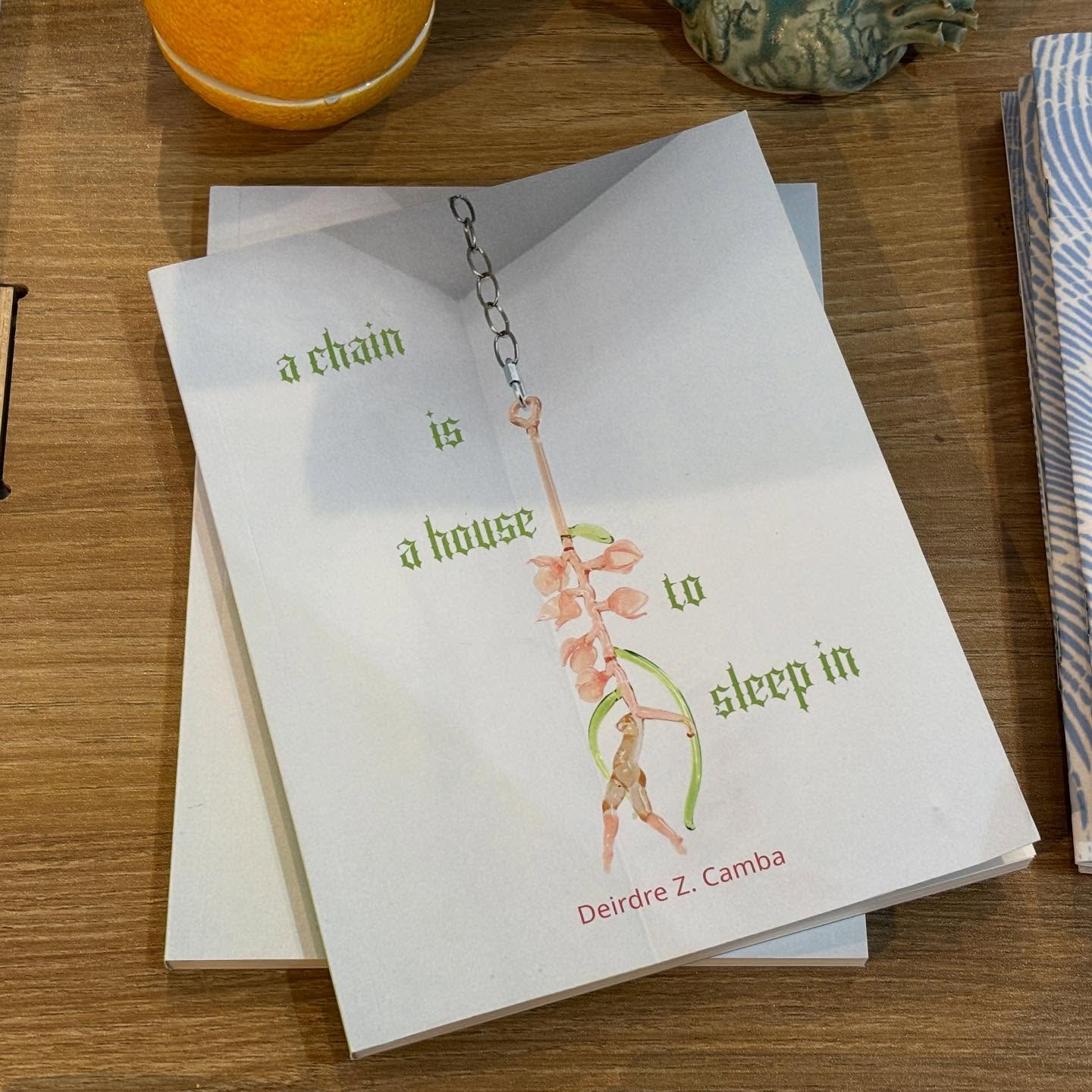
Publisher: Everything’s Fine
This poetry collection moves through contemporary consciousness—parasocial desire under climate catastrophe, guilt shaped by class awareness—always attentive to the position from which it speaks. Even amid millennial hustle culture, ecological collapse, and the long, exhausting pressure of the male gaze, Deirdre Z. Camba’s poetic conceit refuses diminishment.
Icons of desire and locality—figures like Mr. Pogi 1996—are tethered to Marikina’s histories of flooding, survival, and the spectacle of suffering. A Chain Is a House to Sleep In insists that attention, memory, and lyric invention remain viable forms of resistance. Across its lyrical arc, the reader is often led to assume that the “you” is an unnamed beloved; instead, the book reveals a more difficult attachment. The beloved here is modern life as a woman in Metro Manila—unromantic, relentless, and deeply intimate.
The Greatest Fight of Sunny Granada and Other Stories by Kenneth Yu
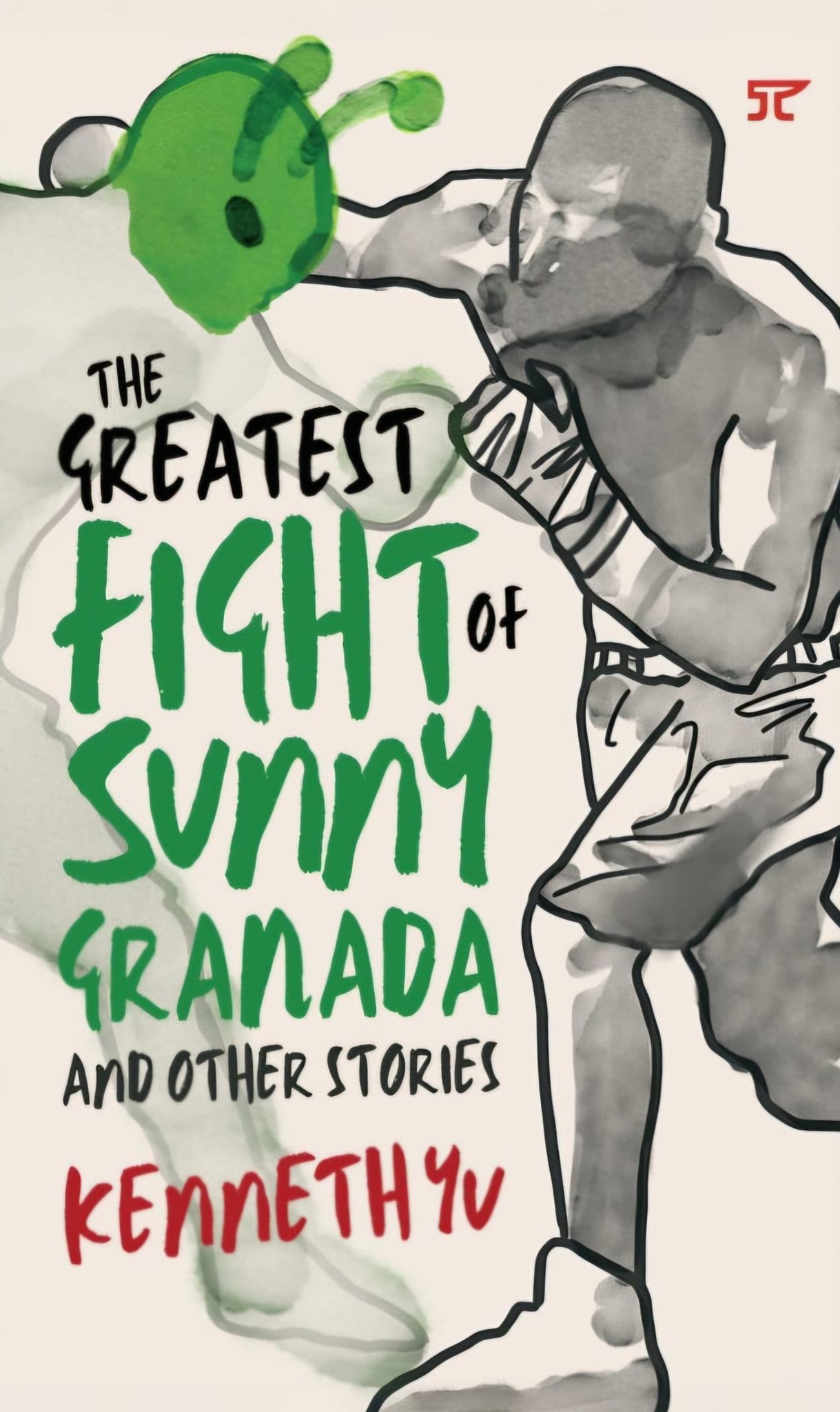
Publisher: Anvil Publishing, Inc.
Kenneth Yu’s writing is accessible and evocative, even when individual pieces feel deliberately incomplete or leave questions hanging. That friction is part of the collection’s charge. Stories like “Spider Hunt” tighten around faith and forgiveness, while “The Probe,” brief as it is, opens onto both hope and disappointment. Others provoke anger, curiosity, or unease, often all at once.
Yu ventures into unconventional form: a classified ad becomes myth-making in “For Sale: Big Ass Sword,” while “Operation: Bleach” unfolds through marketing copy and interviews to sharp effect. The title story’s nonlinear arc is quietly moving, charting loss and endurance with restraint. Genre boundaries blur—science fiction gives way to horror, fantasy, magical realism, and superhero reimagining—resulting in a collection as varied as it is assured.
Magsimula Tayo sa Panghalip by Andyleen Feje
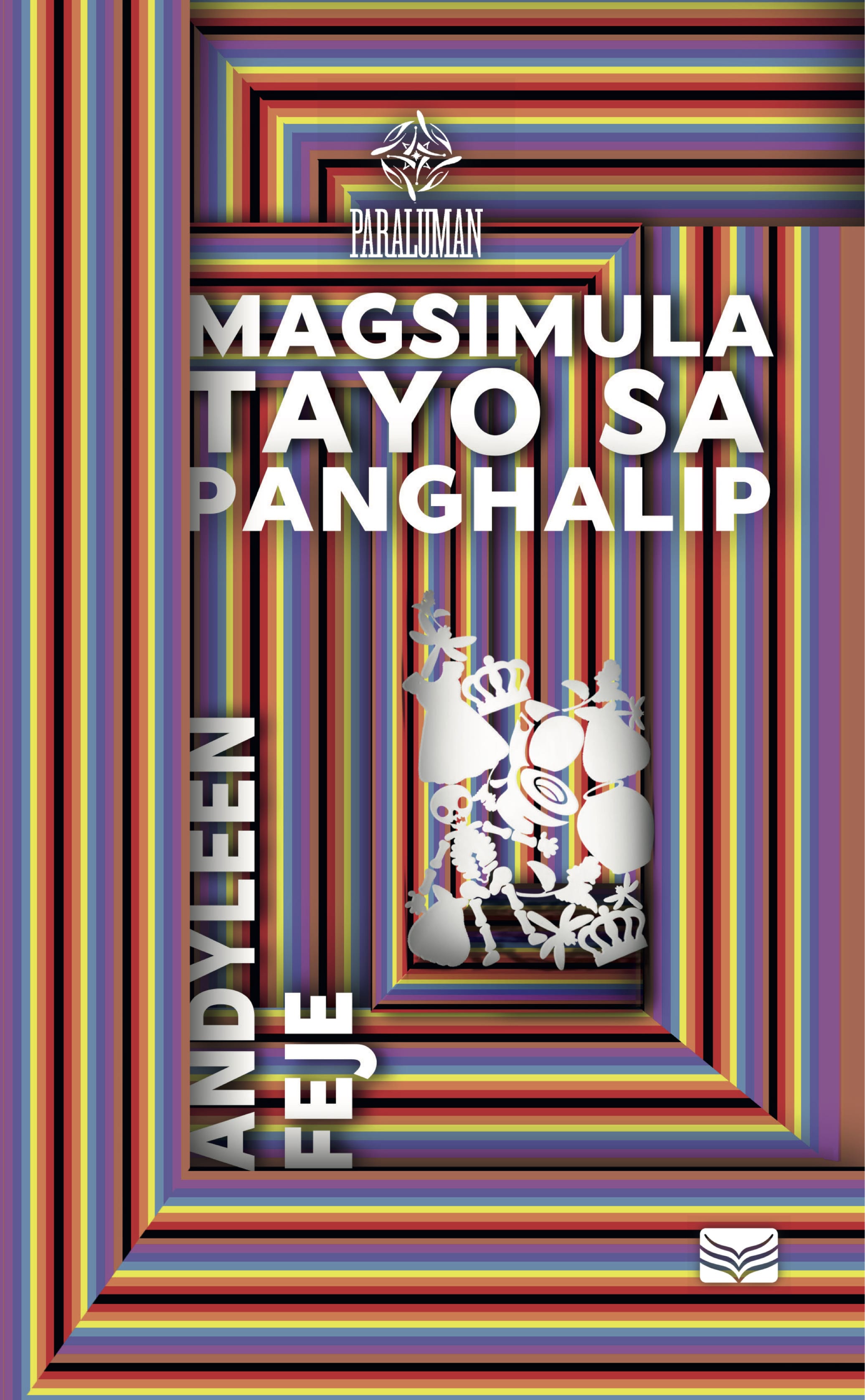
Publisher: Vibal Foundation, Inc
For some, lesbian existence is treated as a transgression. A love is tolerated only in theory, provided it never asks for recognition, while desire is either erased or fetishized through a gaze that turns intimacy into spectacle. In lesbian literature—and in Girls’ Love or WLW more broadly—joy becomes an act of resistance, and a happy ending is the radical gesture.
Magsimula Tayo sa Panghalip by Andyleen Feje does not shy away from the violence of growing up lesbian in a language that offers few affirming choices. The available vocabulary veers toward self-derogation or collapses into polite vagueness through ungendered pronouns like siya or kaniya. The irony is pointed: Filipino is gender-neutral by design, yet social custom leaves little room to ask for or honor identity with care.
And still, these stories insist on tenderness. They end with kisses, with self-recognition, with a hard-won sense of justice. One hopes the book finds a wider readership—and perhaps a future edition that matches the care and conviction of its contents.
Barefoot in Fire: A World War II Childhood by Barbara Ann Gamboa-Lewis
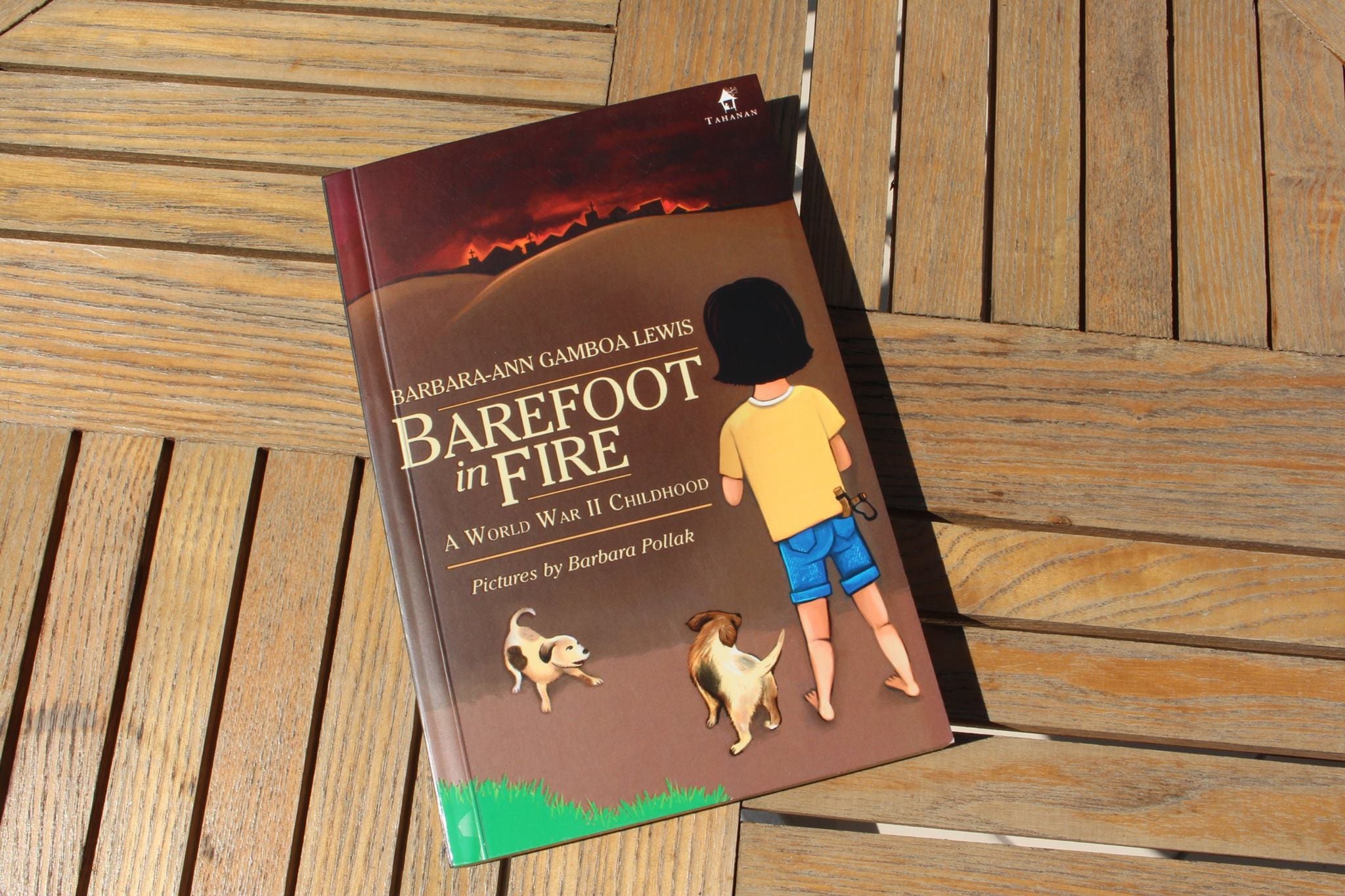
Publisher: Ilaw ng Tahanan Publishing, Inc.
This year saw three middle-grade books focused on women surviving the Japanese Occupation: Luis Gatmaitan’s Ang Sekretong Alyas ni Lola Nene, Erin Entrada Kelly’s At Last She Stood, and the 20th-anniversary reissue of Barefoot in Fire. Gamboa-Lewis’s memoir stands out for its tonal balance. Often funny, it recounts a childhood under air raids and the threat of starvation, remembered with the clarity of hindsight but the openness of a child alive to wonder. Being carefree in such times becomes, retrospectively, a form of resilience and hope. Even in crisis, finding joy is an act of defiance. Barefoot in Fire gives occupied Manila historical weight while maintaining youthful curiosity. Rich in detail, with vivid spaces and voices, the memoir captures how small moments of wonder sustain us—and why survival itself can feel like triumph.
Cerco un Centro di Gravità Permanente by RM Topacio-Aplaon
Publisher: Isang Balangay Media Productions
While many contemporary novels lean inward—mapping emotional mindscapes through extended trauma—RM Topacio-Aplaon stays cerebral by way of the visceral. His protagonist is a high-rise window washer, suspended between heaven and earth, permanently poised between disaster and beauty. From this vantage point, he wrestles with the fact of his underemployment, a condition his family and peers never let him forget. He believes in the dignity of all labor, yet can’t escape the hypocrisy of wanting more for himself, even as the system has made underemployment a necessary means of survival. It sounds bleak on paper, perhaps even austere, but Aplaon Topacio’s prose is anything but. Expansive settings, bright characters, and sharp cultural references root the novel firmly in the Filipino zeitgeist.
Son of a Dead '80s Bold Star by Chuck Smith
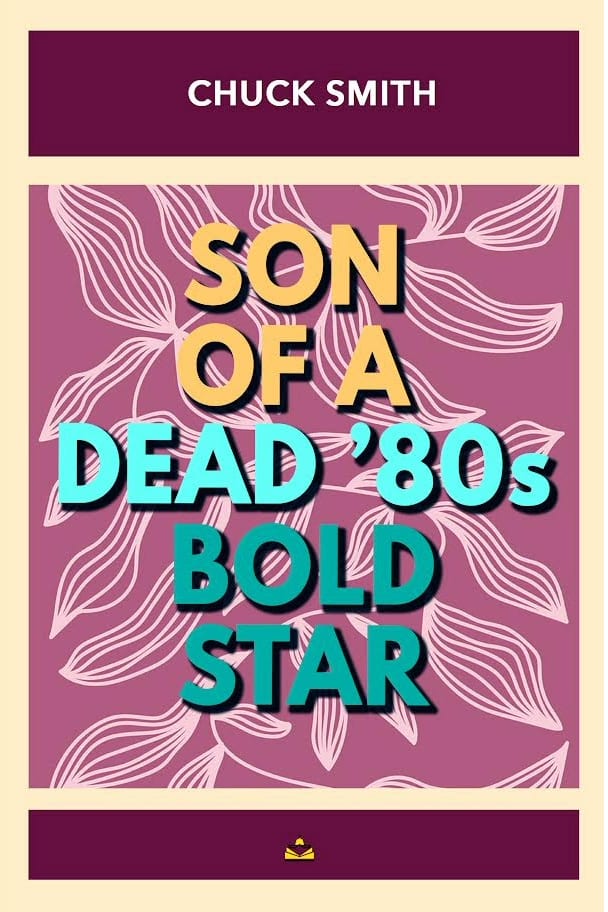
Publisher: UST Publishing House
This essay collection opens with an arresting premise: the author spent his formative years believing his biological mother was Pepsi Paloma, one of the most tragic and mythologized figures in Filipino pop culture. As Smith expands on his Palanca Award–winning essay “Origin Story,” the book traces a far more complicated reckoning—with identity, inheritance, and the long shadow of scandal.
Writing from the margins of notoriety, Smith charts his emergence as an artist and professional in a world rarely generous to bastards regardless of appearance, body type, or flamboyance. Sincerity can also be remarkably poised, capable of sharp humor pointed at its own grief. Vulnerable does not have to mean indulgent, the collection balances sorrow with wit and precision. More than a memoir of lineage, Son of a Dead ‘80s Bold Star is a meditation on self-making.
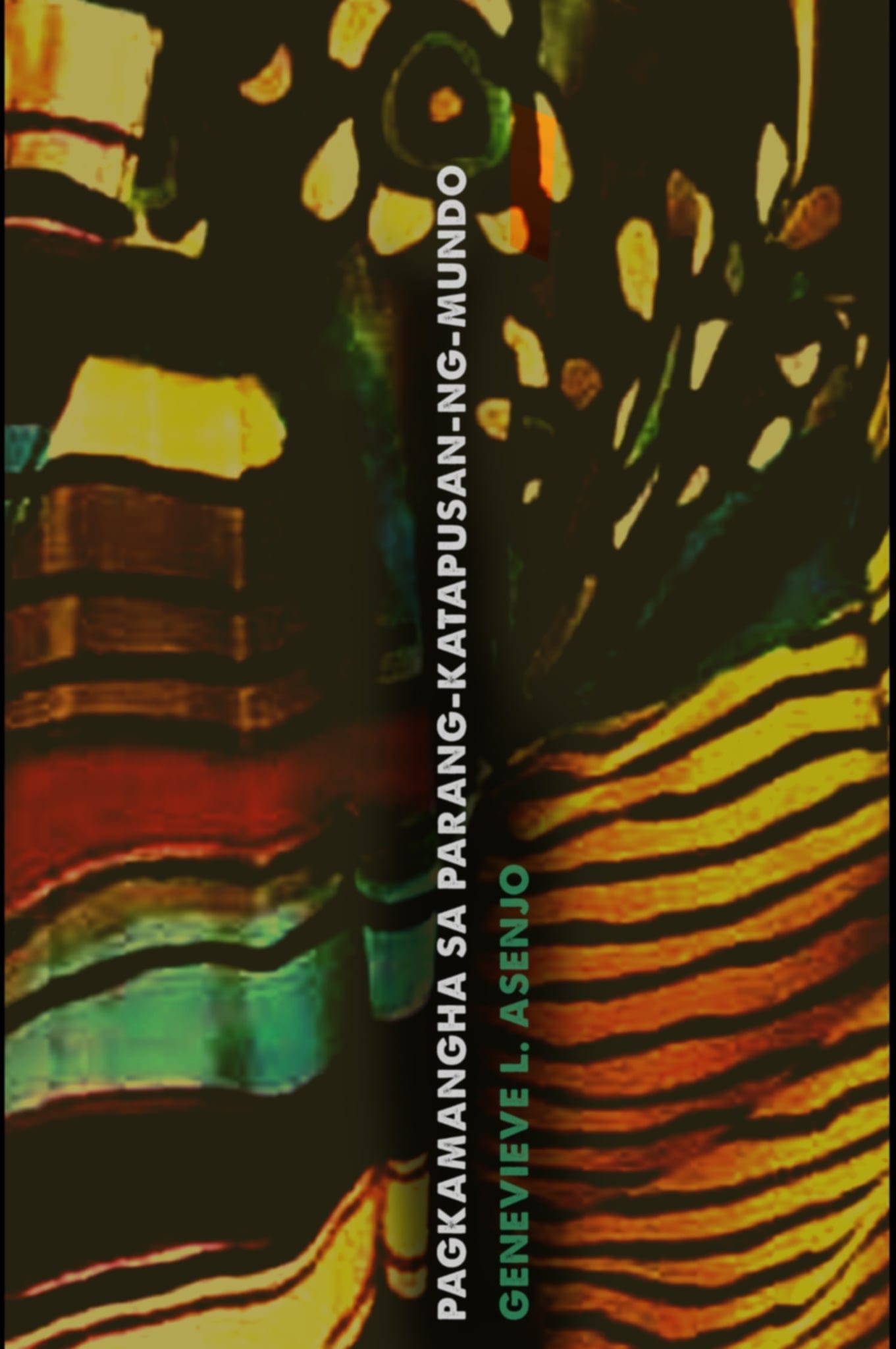
Pagkamangha sa Parang-Katapusan-ng-Mundo by Genevieve Asenjo
Publisher: Isang Balangay Media Productions
This collection of personal essays reads as a quiet manifesto for surviving end-stage capitalism—with wonder. Millennials and Gen Z move through the world with a constant sense of urgency: climate collapse feels inevitable, inequality has deepened, and in 2021, a pandemic brought everything to a halt. Asenjo proposes two responses to this scale of crisis: frustration over what should have been, or awe at what might still be possible. The world may be ending either way, but these essays choose attentiveness over despair. Grounded in the specificity of a singular self, the book remains insistently relatable—suggesting that this sense of amazement, however fragile, is something anyone can practice.
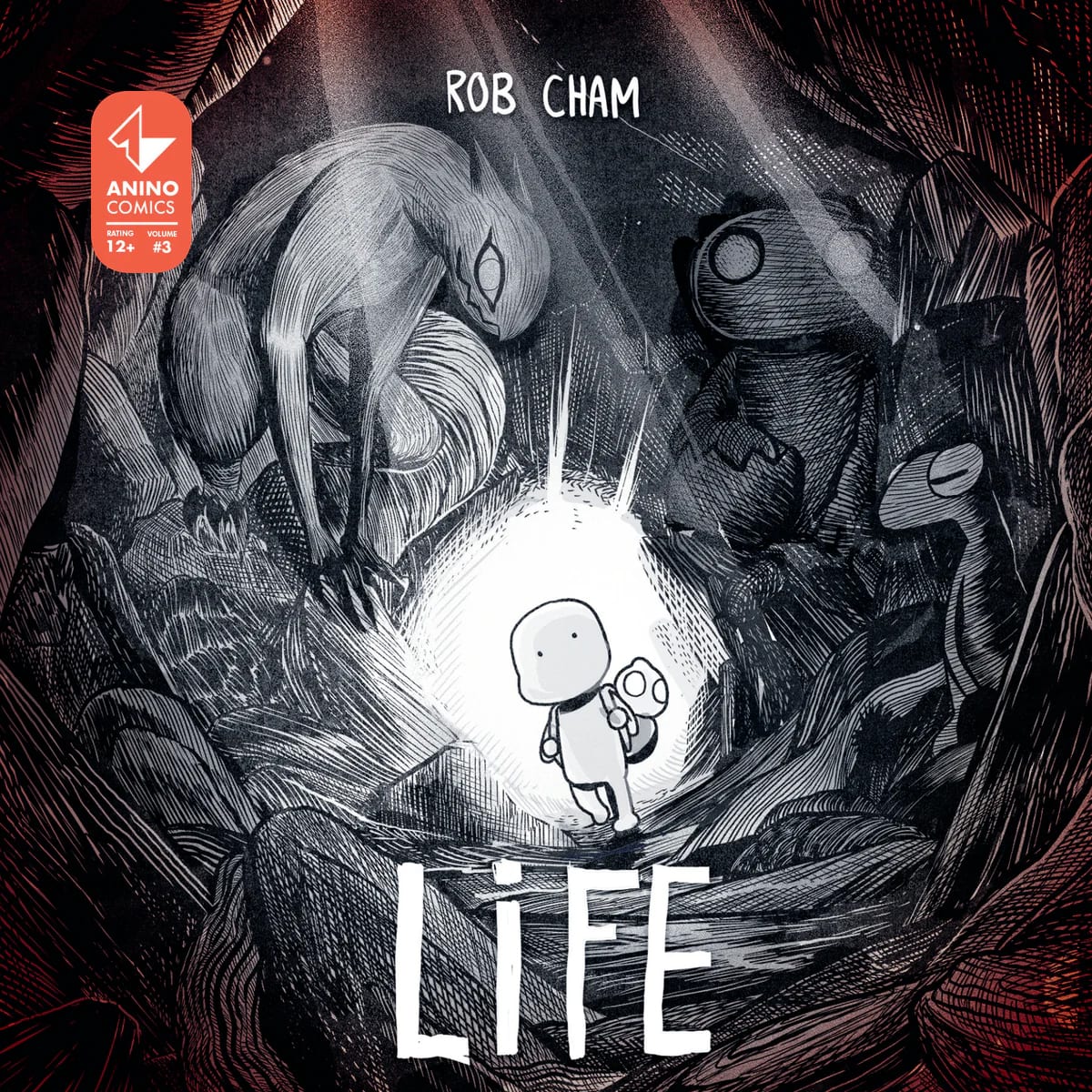
Life by Rob Cham
Publisher: Anino Comics, an imprint of Adarna House, Inc.
Life continues Backpack’s story after the National Book Award–winning Light and its sequel Lost, though each book stands fully on its own. Filipino film and theatre have long shaped local graphic storytelling, often resulting in heavy narration and dialogue that hand-hold the audience through every scene. On the comics page, this usually means dense blocks of all-caps text competing with the art. Cham moves in the opposite direction. His storytelling is so confident, it is entirely wordless. Readers linger, scan, and discover the narrative at their own pace—or share the pages with a friend, lover, or child, inventing stories together from what they see. Along the way, despite the intent for multiplicity of meaning, Life gently but firmly reckons with humanity’s capacity for conservation as an act of altruism.
Doobiedoo Whatcha Up2? by Bambi Eloriga-Amago, Jakob Amago, and Roland Amago
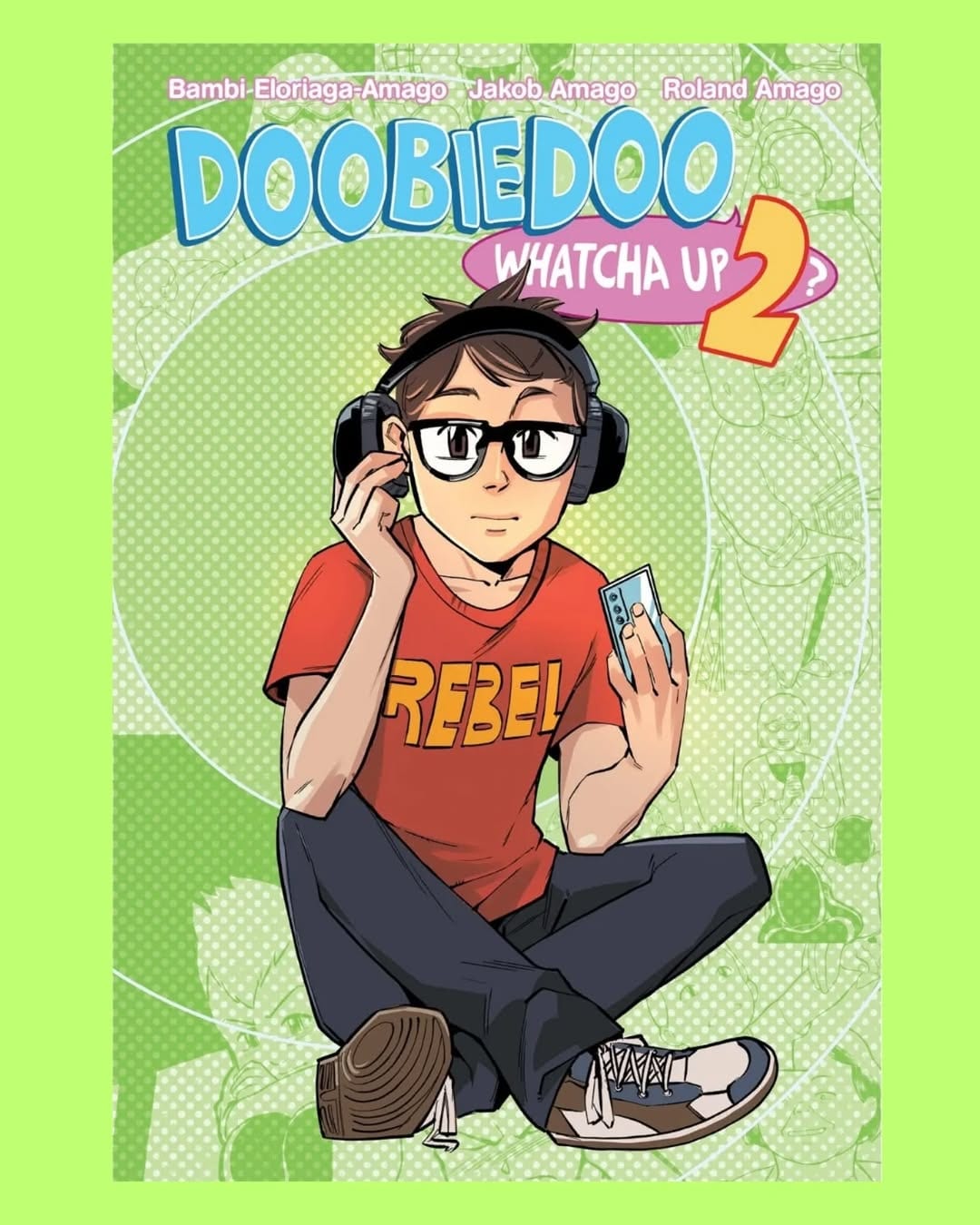
This update to Doobiedoo Asks shifts perspective from anxious parents to a young man growing up on the autism spectrum. Quiet, carefully observed scenes like the parking lot argument convey how overwhelming the world’s noise can be, without resorting to explanation or apology. One panel, in particular—where the protagonist resists cringing at being congratulated—says everything it needs to. This is not a pity narrative, but a celebration of empathy and systems that work better when they account for difference. Cheerful without being naive, Doobiedoo Whatcha Up2? reminds us that when people are supported with care and respect, everyone gains the freedom to thrive.
Craft cocktails, social justice, books, board games, and TTRPG. Chopsuey.
View More Articles About: