House of the Dragon Grows Some Teeth in Season 3
The pieces are in place. Most importantly, the stakes have weight. The dance can only be deadly.
Published on Aug 12, 2026
*This piece contains spoilers for the third season of House of the Dragon
The season maintains its momentum after the explosive premiere, "Salt and Sea, Fire and Blood." Zooming out, two big battles bookend the season: one at sea and one on land, reminiscent of an epic The Two Towers sequence. But a lot progresses in between. Rhaenyra Targaryen takes King's Landing, and Harrenhal passes from Daemon to Aemond. Tension simmers within the Blacks and the Greens more than it does between them, and important characters die abruptly while new ones quickly take their place.
George R.R. Martin stopped working with House of the Dragon showrunner Ryan Condal during the show's second season, an outcome attributed to their "abysmal" relationship. The third season, with Condal as lone showrunner, shows an apparent shift in gears. The plot progresses evenly; the structure is tighter. The pacing melds character work into set pieces, keeping this season frenetic enough that it never bogs down the way the previous two did.
But Condal's reign comes with caveats. For two seasons, Martin and Condal had to sketch motives onto Fire & Blood's blank-canvas characters. In this third season, Condal paints on his own, and frankly, his strokes fall into two archetypes: the madwoman and the emasculated man. Whether that holds up has to wait until the full picture reveals itself in the show's fourth and final season.
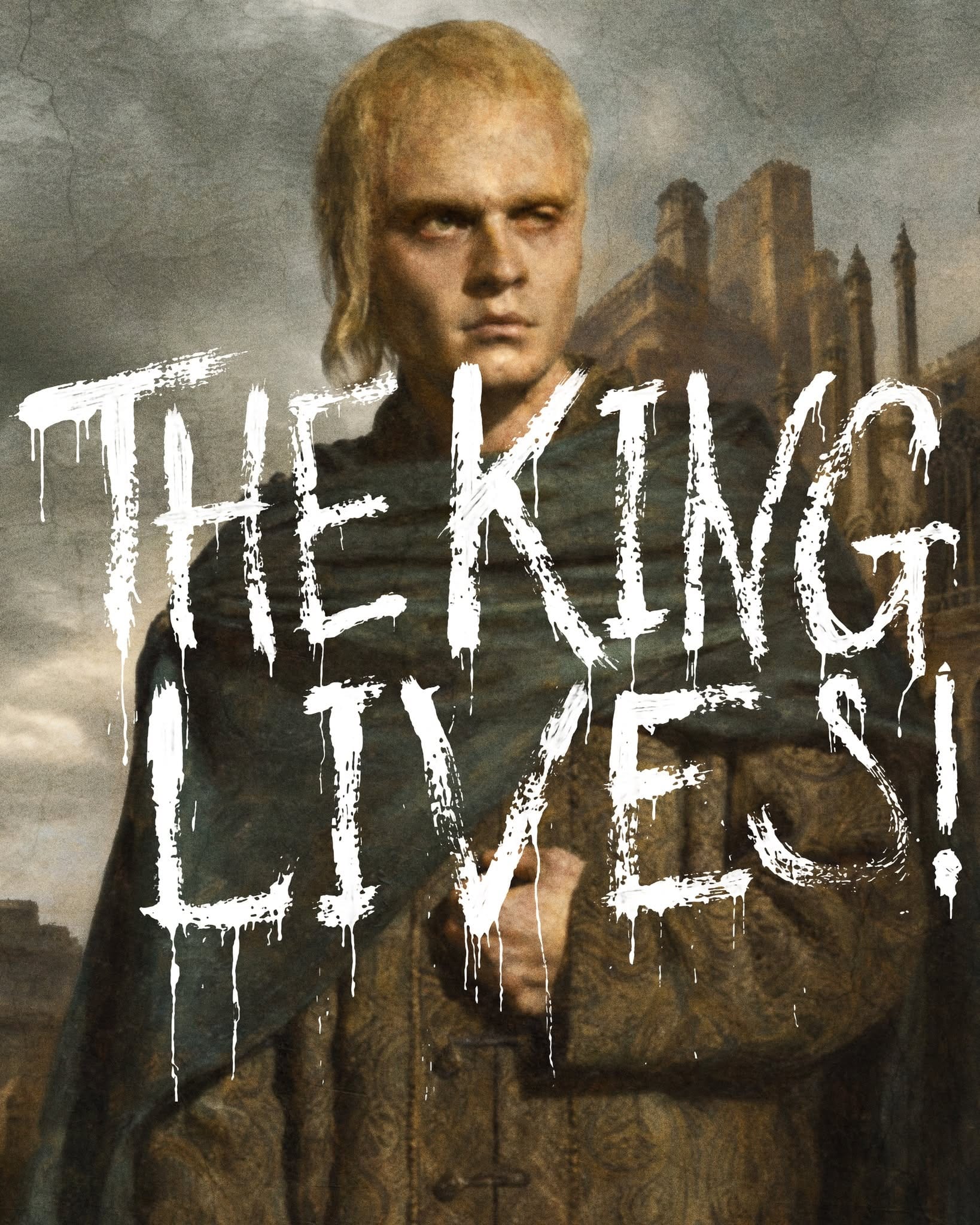
We All Go A Little Mad Sometimes
In the third episode, "Rhaenyra Triumphant," Rhaenyra finds herself weighed down by the very crown she sought. It's an aspect of regency the franchise has never really explored: that ruling and maintaining Westeros, or in this case just King's Landing, is far more difficult than installing yourself in power.
Throughout the season, Rhaenyra is portrayed as prone to emotional outbursts. After all, she has just lived through the deaths of her sons on top of a kingdom divided. Yet what does it say to viewers when a queen constantly needs the crutch of others, as if she can't handle her own kingdom's whims? Could it be read as a retroactive justification for Daenerys' abrupt descent into madness or proof of what Rhaenyra's detractors have said all along, that women aren't fit to sit on the throne?
Likewise, what does it say when a dowager queen surrenders the throne to her enemies the moment the pressure becomes too much to handle? Alicent is a weird character. She's definitely not a Penelope. Having started the dispute between the Greens and Blacks and the Dance of the Dragons itself over the question of lineage, she undergoes a change of heart. She now sees the true monsters as the children she bore, not the villains who murdered her grandson not so long ago.
Alicent Hightower and Helaena Targaryen accompany Rhaenyra in the Red Keep, albeit as hostages. We learn Helaena has visions. It's implied that the show's opening credits are her tapestries, woven with the images she sees in her dreams.
The last scene of the finale, "The Treasons at Tumbleton," sees Helaena dead after seemingly committing suicide. Meanwhile, Rhaenyra glimpses her own bloody fate through Helaena's final work.
It's a strong last impression, but one that doubles down on Game of Thrones' most controversial creative decision. What qualification could Condal offer in HOTD's final season to discern whether madness is a Targaryen trait and not a woman's? Martin has made his distinction known through his lore. Benioff and Weiss made theirs through their series finale.
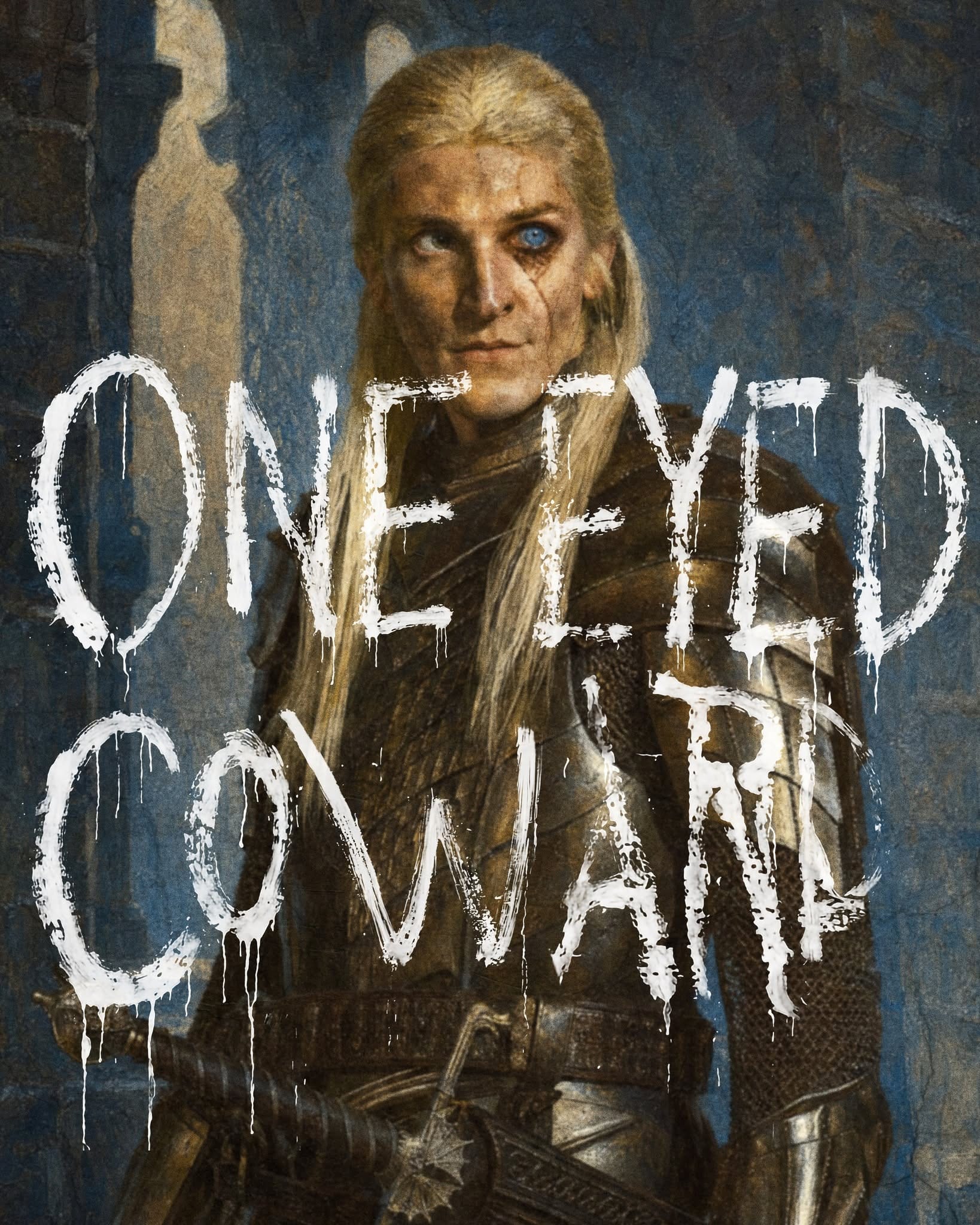
Ennui and Men in Limbo
In fairness, the Targaryen men are in no better shape. Brothers Aemond and Aegon experience their own ills of the heart, and continue to be foils to each other even as they drift leagues apart. At Harrenhal, Aemond succumbs to the charm of the mystic Alys Rivers, whose mysterious motives lead him to confront his brother's torment and the neglect he suffered from their mother as a child. Somewhere in the Crownlands, Aegon contends with his broken stature after the Battle of Rook's Rest.
In the penultimate episode, "The Dragon in Winter," Aegon's travels with Larys Clubfoot bear fruit as Sunfyre, seemingly dead, comes alive to reunite with his equally mutilated rider. Meanwhile, Aemond is poisoned by his own mother, who travels all the way from King's Landing to Harrenhal, but is easily treated by his betrothed, Alys. The Targaryen brothers reunite in the finale with their positions switched from where they stood at the start of the season: the battered Aegon stands tall with his dragon as Aemond, once fearsome, kneels penitent and dragonless.
Daemon Targaryen wanders through the season without much of an arc. The most formidable character of the first season becomes a glorified lackey of Rhaenyra's. His biggest plot beat is lying to his wife to protect his daughter Rhaena, then facing no real consequence once he's found guilty. Since the Battle of the Gullet, Rhaena has been ridden with guilt and becomes a hermit far from the war while she haphazardly tries to tame the dragon Sheepstealer to make amends. Episode 7 sees Caraxes, Syrax, and Sheepstealer battle on the ground, a novelty fans can appreciate. Past the finale, Rhaena and Daemon continue looking for their place in the grand scheme of things.
Corlys Velaryon bookends this season in precarious situations. He's given up for dead after the premiere, yet the finale finds him held hostage by the Greens and neglected by the Blacks; the Queen refuses to grant his lineage, and his faith in Rhaenyra has been shaken. With Driftmark and his fleet in shambles, the Lord of the Tides reassesses his position in the war his departed wife, Rhaenys Targaryen, involved him in.
Corlys's bastard sons, Alyn and Addam, have climbed far in station yet still want legitimization. Both take their allegiances seriously, albeit in differing ways, and like their father, sometimes wonder whether Rhaenyra is using them as mere tools for her ends. The brothers have huge potential for growth next season. This season, they'll have to make do as "underrated."
The Dance of the Dragons is basically a family civil war, and it's clear that women hold the reins. The final season will tell whether that standing holds. Threats to Rhaenyra's rule have proven fickle so far, yet minuscule changes in fortune can be fatal.
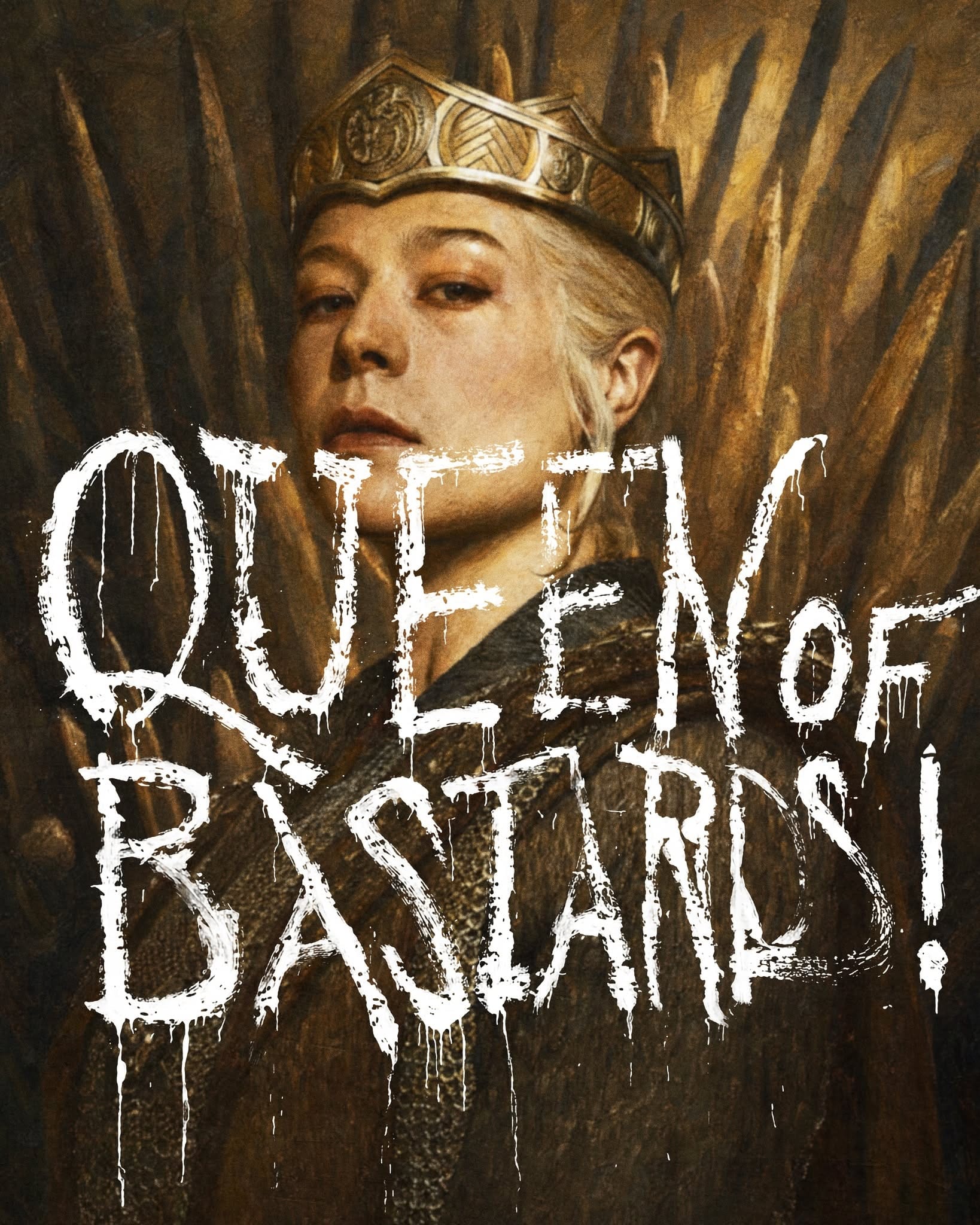
Once and Future Players
In the opening minutes of the sixth episode, "Faceless Men," Ser Criston Cole dies unceremoniously at the Butcher's Ball after a season of mounting misfortune. The vacuum for scummy villainy is quickly filled by Ormund Hightower, introduced in the premiere and given a spotlight in the fourth episode, "Tumbleton." He, along with Daeron Targaryen, represents a new breed of major player this season. Where Ormund reminds viewers of Joffrey Baratheon (to be clear, the two have very different temperaments), Daeron is reminiscent of pre-Season 8 Daenerys, proof that amid the war, a just and noble Targaryen can still exist.
This season, Aemond and Aegon are sidelined to make way for Ormund. "The Treasons at Tumbleton" ends Ormund's threat and returns the siblings to the forefront. Now the duo has the potential to become a trio with Daeron, whose gravity in the Dance is yet to be realized. The enigmatic Alys Rivers could also prove more important than she seems.
The finale puts focus on a new problem: the Dragonseeds. In the book, Ulf the White and Hugh Hammer are grouped together as traitors. It seems the show will explore the nuances of Hugh's character down the line; for now, he's a tragic bystander. As for Ulf, the seeds of his treachery have already been planted. The "surprise" turn is but a reaping of what was sown. How Addam factors into the Dance remains to be seen.
It's commendable how Season 3 supplies character motives that make sense. The Dance of the Dragons moves into its next, and most probably final, phase. The pieces are in place. Most importantly, the stakes have weight. The Dance can only be deadly.
View More Articles About: