The Best Show on Television Is a Source of Pinoy Pride
HBO Max’s celebrated medical drama, The Pitt, is peak television that shines the spotlight on Filipino healthcare workers in America.

by Zach Yonzon
Published on Mar 6, 2026
About one in seven immigrant healthcare workers in the United States is a Filipino, with over 140,000 working as Registered Nurses and around 11,000 as physicians. Filipino nurses make up over 28% of the immigrant RN workforce, the most of any immigrant contingent; and physicians about four percent, behind India, China, Pakistan, and Canada. Overall, there are a total of 348,000 Filipinos in the healthcare sector, including nursing assistants and therapists, the most among all immigrants in the country. No wonder, then, that the most accurate medical drama on television today — and perhaps of all time — features three Filipinos, two nurses and a doctor, in an ensemble cast of around 12 to 15 people. That’s insane representation. The Pitt, arguably the best show on television today, is a showcase of Filipino talent, competence, and compassion at a time when the country is in dire need of it.
The Pitt came away with huge wins at the recently concluded SAG-AFTRA Actor Awards, including Outstanding Performance by an Ensemble in a Drama Series, which saw the three Filipinas on the show, Isa Briones, Amielynn Abellera, and Kristin Villanueva, raise their Screen Actors Guild trophies in triumph. Briones plays Dr. Trinity Santos, a fiercely competitive and confident second-year resident with a somewhat forward and abrasive personality. Abellera and Villanueva play Perlah Alawi and Princess dela Cruz, nurse besties who often converse or talk in Filipino when they don’t want others listening in. One of the funniest moments of the second season, which started airing in January, was Perlah muttering, “ay, tanga,” under her breath when a patient recounts how he willingly got branded with a sub-zero branding iron. When Perlah volunteers Princess to temporarily take charge as head nurse, the latter admonishes her with a sharp, “punyeta ka!” But Princess is more than up to the task, shining even more brightly in the second season as it’s revealed that she speaks an astounding six languages, including American Sign Language and French.
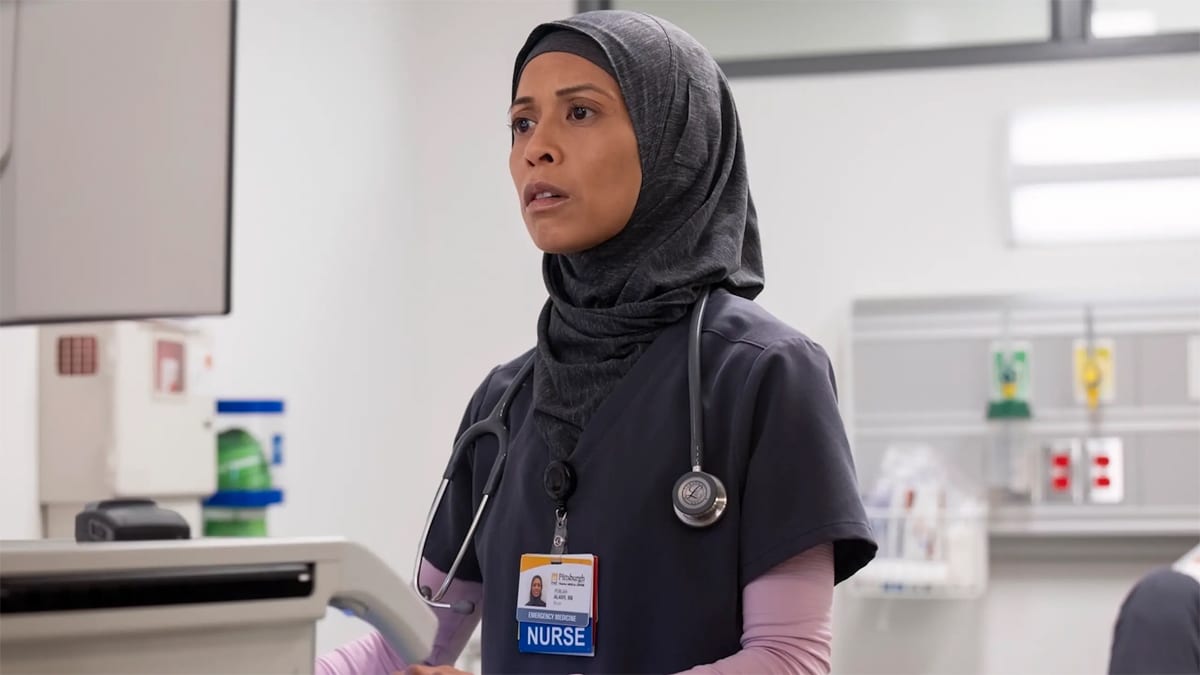
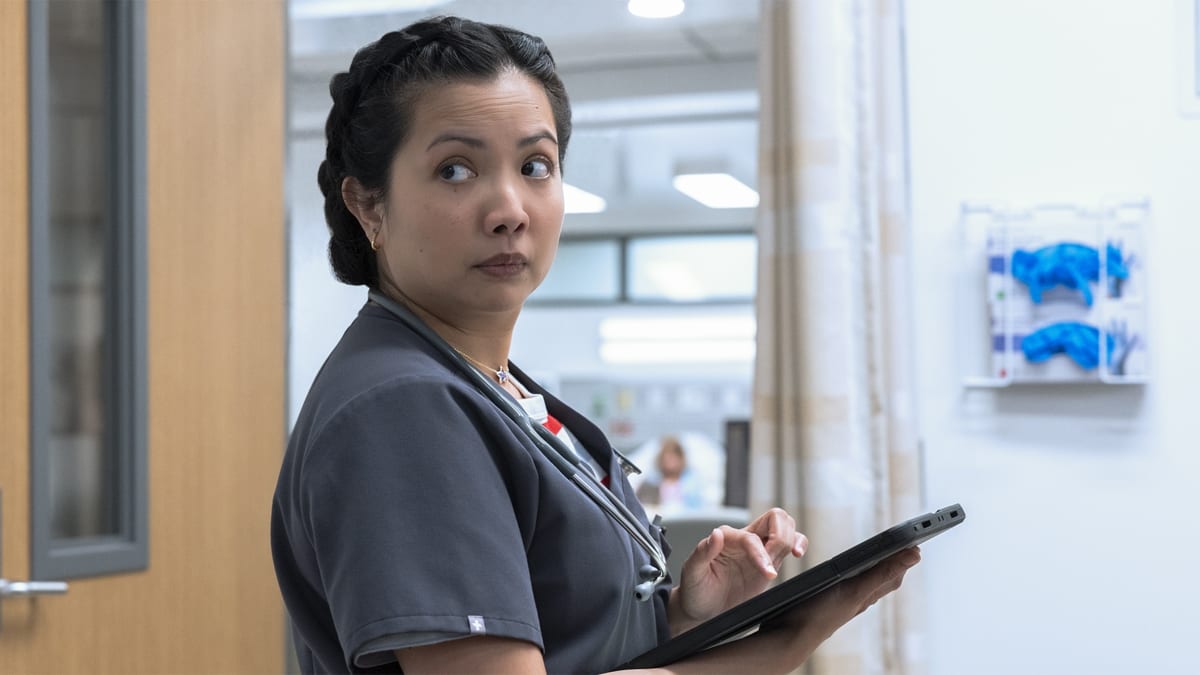
The show never misses an opportunity to shine a light on its Filipino staff, from Tagalog conversations to a news-making scene where Dr. Santos sings a Hiligaynon lullaby to an abandoned baby. From Princess’ overqualified competence to Perlah’s devotion to Islam to Dr. Santos’ protective instincts, the Filipino staff at Pittsburgh Trauma Medical Hospital is an ode to Filipino healthcare workers everywhere. It’s impossible, and frankly wrong, not to feel pride when watching The Pitt because the Filipino contribution to America’s healthcare simply can’t be discounted. In an interview on the carpet at the SAG-AFTRA, Isa’s father, Jon Jon Briones, said that, “We (Filipinos) have very little to be proud of sometimes, but what we have is heart, talent, and love. And that’s what we’re hanging on to.”
That heart and talent seem to have been passed on, too, as Isa is actually something of a nepo baby, as both her parents are veterans of the stage. Jon Jon Briones is a legendary theater actor who played The Engineer in the West End revival of Miss Saigon, which earned him an Olivier Award nomination. But Isa Briones isn’t the only nepo baby in the cast, which includes Fiona Dourif as Dr. Cassie McKay and Taylor Dearden as Dr. Melissa King. Fiona is the daughter of Brad Dourif, who might be more familiar to people as Grima Wormtongue in The Lord of the Rings or as the voice of Chucky in the Child’s Play horror franchise. Meanwhile, Dearden is the daughter of Breaking Bad’s Bryan Cranston. In a way, other members of the cast are nepo babies themselves, beginning with series executive producer and lead actor Noah Wyle, who is the son of a Registered Nurse. Patrick Ball, who plays Dr. Frank Langdon, was born to a paramedic father and an emergency room nurse mother. Katherine LaNasa, who won an Emmy and Critics’ Choice Award for her portrayal of head nurse Dana Evans, is the daughter of a surgeon. As Oscar Wilde said, ‘life imitates art more than art imitates life,’ and The Pitt is a show that’s garnered accolades for its verisimilitude, no doubt in part to its cast’s intimacy with the industry. If there’s even anything at all that’s unrealistic about The Pitt, it’s the fact that hardly any of the doctors wear masks.
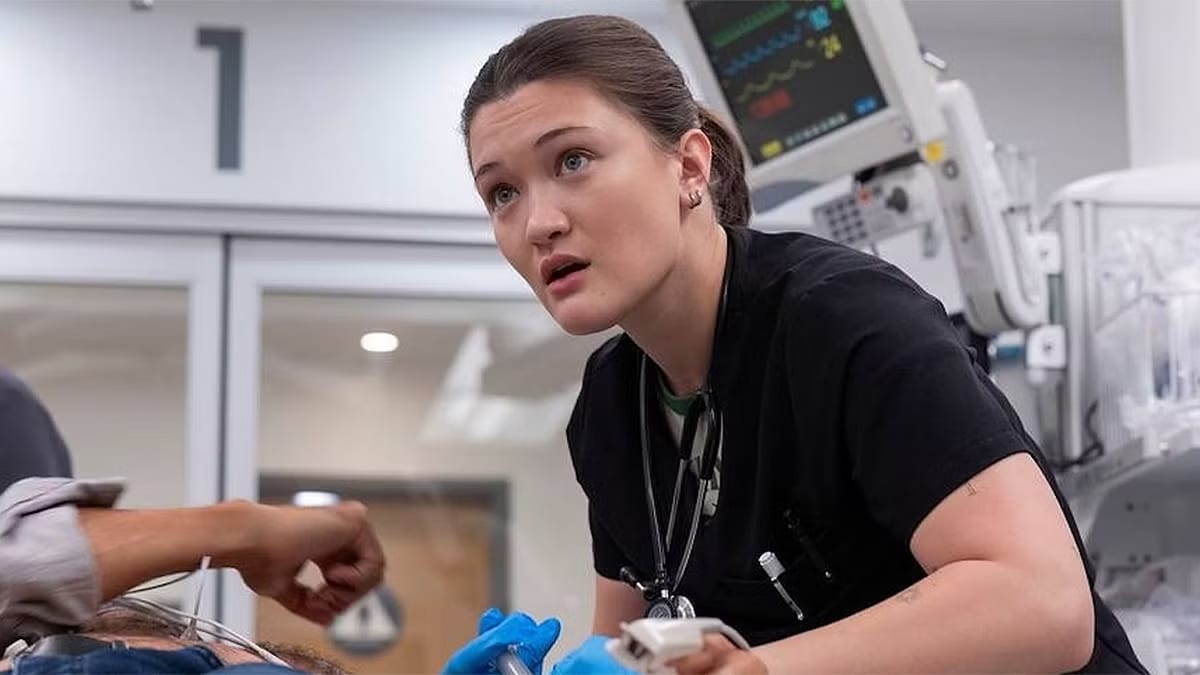
The Pitt’s conscious effort to put Filipinos on center stage is merely one of the ways through which the show celebrates the medical profession. Every episode in the real time drama (each show is one hour of a full shift) is brilliant in its focus on various issues from the United States’ utterly broken healthcare system that leaves many low-income families by the wayside to a dubious penal system that doesn’t provide inmates with sufficient care. It’s impressive how The Pitt manages to shine a light on so many issues without losing any of its power while centering the heroism and dedication of the healthcare professionals.
In fact, The Pitt might be one of the most important and valuable shows of all time if only because of the couple of episodes focusing on SANE, or Sexual Assault Nurse Examiner procedure. When Pittsburgh Trauma, or The Pitt, receives a victim reporting sexual assault, Dana immediately leaps into action. Dana is one of the few (and maybe only) SANE workers at The Pitt, and she quips to newly graduated nurse Emma (Laëtitia Hollard) that more nurses should undergo the training required for it. As of 2025, fewer than 2,150 nurses are certified in the entire United States, a terrifying shortage considering 81 percent of all women and 43 percent of men experience some form of sexual harassment in their lifetime. A shocking one in five women in the United States are victims of rape or attempted rape, yet very, very few healthcare workers have the forensic nursing knowledge or experience to handle it.
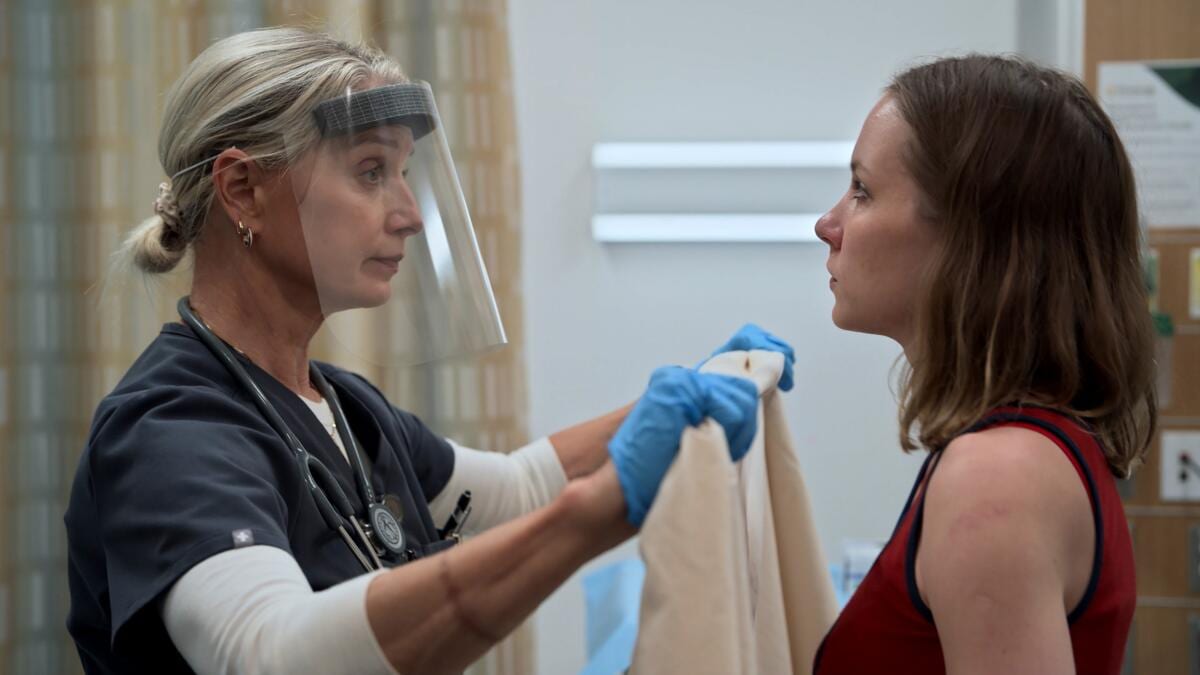
The Pitt’s compassionate depiction of the entire process is eye-opening and revolutionary. From the moment the victim comes in, Dana takes exceptional care to ensure that the victim is in control. She hands power back to the person who lost it. Everything is consensual, informed, and the event is treated with the utmost care and respect, with every step of the process gently explained to the victim. SANEs provide exceptional care in a situation that demands it, and it’s heartbreaking to realize that this doesn’t happen with the majority of the cases, where evidence is often literally scrubbed away because typical Emergency Room procedures don’t prioritize forensic evidence. For these couple of episodes alone, The Pitt should be required viewing.
But the beauty of The Pitt doesn’t stop there. In the second season alone, on top of what’s sure to be an award-winning depiction of sexual assault evidence gathering, the show touches on the dangers — and sure, some benefits — of AI, the impact of obesity, homelessness, and palliative care. The Pitt is brilliant because it is the pinnacle of showing, not telling, on television. Yes, the script is loaded with medically accurate jargon that’s so well-researched and on point that even actual doctors learn a thing or two from it, but what’s truly great is in all the unsaid things that audiences see. From a moribund cancer patient’s heartache at seeing her husband seemingly waste his life on her day-to-day care, to a morbidly obese patient’s apologetic demeanor and shame for his weight, The Pitt is one of the most painfully human shows ever made. It’s very clear that the people behind this show have a deep, deep love for humanity and go to great lengths to showcase the best of it in a time when all we can see are the worst parts of ourselves.
There’s nothing quite like The Pitt, a medical drama that foregoes the usual convoluted sexual politics and sensationalized medical cases that most television fiction is built upon. Instead, the show tackles real-world issues through the fast-paced, constantly swinging doors of the emergency room, featuring cases that reveal cracks in the system. It’s a show with a clear vision and conscience that picks apart important, even systemic, issues without being heavy-handed or preachy. It’s the best show on television right now for many, many reasons, and Filipinos everywhere have every right to be proud to see ourselves represented in the best possible way.
ALSO READ:
Noah Wyle Finally Won an Emmy—and Knew Exactly Who to Dedicate It To
The Good Doctor, 5 Years and 101 Episodes Later
Zach really, really, really loves films.
View More Articles About: