This Supergirl Isn’t Like Superman—and That’s the Point
DC Studios chiefs James Gunn and Peter Safran share what makes Supergirl a very different kind of Kryptonian story.

Published on Jun 24, 2026
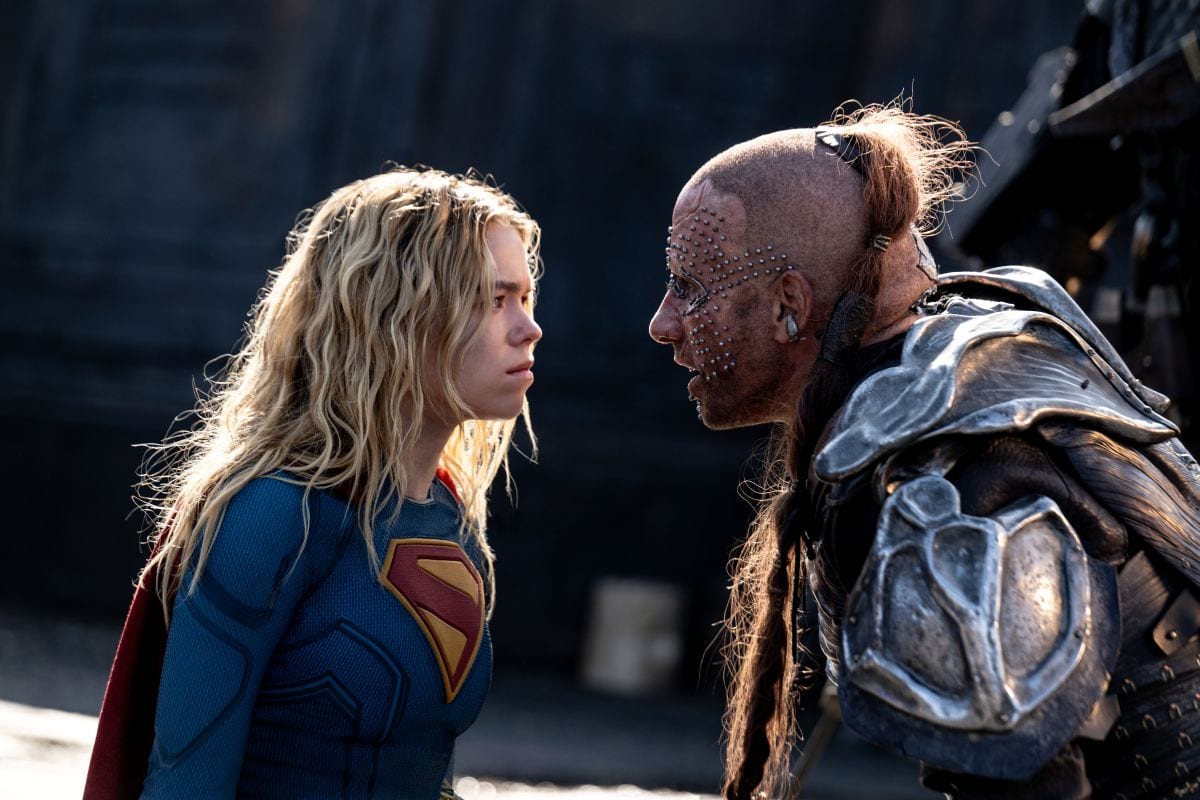
Adapted from Tom King’s critically acclaimed comic Supergirl: Woman of Tomorrow, Supergirl introduces a different kind of Kryptonian hero—one scarred by trauma, loss, and a far harsher upbringing than her cousin Superman.
In this exclusive interview, DC Studios co-chairs James Gunn and Peter Safran share why the project stood out to them, how Ana Nogueira’s script immediately set it apart, and what makes Kara Zor-El’s journey across the stars creatively distinct within the expanding DC Universe.
What made Supergirl the right film for DC Studios’ next feature?
Peter Safran: Supergirl: Woman of Tomorrow is a comic book that James and I have always loved and wanted to adapt. We thought it was a great story and that it would give us an exciting way to introduce Supergirl to audiences as they’ve never experienced the character before. Tom King, who’s one of our collaborators, wrote the comic book with artist Bilquis Evely, and it truly is something special. It takes you on this high-stakes adventure across stars and planets; there are aliens, space battles… and yet resonating through all this action are powerful themes about hope and sacrifice and justice. One of the interesting ideas in this story is that it asks: what would you be willing to take on as a burden if it meant sparing somebody you care about from having to carry that burden themselves? Kara is thrust into a position to have to make that choice when she meets Ruthye—a young girl who is on a quest to avenge the family she lost. And Kara wants to save Ruthye from the burden she’ll have to carry for the rest of her life if she gets the vengeance she’s chasing. So, it’s a highly emotional story, but it’s also a revenge story, which is not something you normally expect to see with Supergirl.
The interplanetary setting was another element that drew us to this story. It feels fresh and unique in the genre, and also gives us a fun way to push out from the Earth-like world we experience in Superman and see what else is out there. Kara’s journey is almost entirely in outer space, so it has a completely different look and feel from anything we’ve experienced thus far in the DCU.
But one of the biggest reasons why Supergirl had to be our next film up was simply that Ana Nogueira, our writer who adapted the comic book, handed in an extraordinary screenplay with her first draft. And once we read it, there was no second choice—we knew it was a film we wanted to make.
What sets Supergirl apart from other superhero films?
James Gunn: Supergirl is creating a space fantasy that I think is amazing in so many ways. Craig employed a lot of old-school practical effects, which just gives it a completely different vibe than the Superman movie. I also think that Kara is interesting in that she’s a mess; she’s definitely not Clark Kent or Superman who can pull it together despite everything he’s been through. You’ll see the differences in how their experiences have affected them—that Superman was raised by these loving parents in a completely solid home with no issues, and Supergirl grew up on a chunk of a disintegrated planet where people were dying all around her constantly—including her own parents—and she had to watch that happen. That trauma is part of her now. So, obviously, for Superman, it’s a little easier to believe in the goodness of the universe than it is for Supergirl, who has no basis to believe in that. Kara forms a relationship with this young girl, Ruthye, whose family was murdered and is out for revenge, and she can understand that. So, they form a multi-layered, interesting relationship over the course of the film.
What was it about Craig Gillespie that made him the perfect choice to direct Supergirl?
JG: I, Tonya was one of my favorite movies of 2017, the year it came out, so when Craig threw his hat into the ring to direct Supergirl, I paid very close attention. We listened to a few directors, some very talented people, but Craig came in and just seemed to have it all together. I respect the guy tremendously. He has been exactly the type of partner that we like to have at DC Studios. He listens and considers what we say but, at the same time, he has his own point of view, and is not scared of fighting for what he believes in. It’s been a very balanced approach, and that’s what we want with our partners—a conversation happening at all times about the character and the direction we’re going with the film. It has been an amazing collaboration. He’s a fantastically talented director and, of course, Ana Nogueira, who wrote the script, is just the greatest.
PS: I’ve always been a fan of Craig. He does big-budget studio movies; he does more modestly budgeted indies, and they are all good; they are all character-first. He gets extraordinary performances from his leading actors, specifically women, and obviously we have very strong female roles in this film. So, all things combined, we knew that in his hands our actors would give their best possible performances. But I think what really won him the gig was he came in and presented us with such a complete vision. It was so clear what he wanted to do. He understood the characters, but he also understood the scope and the action and the story, the themes and the tone—and all of it was driven by character. He has been an incredible partner.
What was the process of working with writer Ana Nogueira to set Supergirl’s story within the larger DCU?
PS: The magic trick was to make sure that the film remained tethered to Superman but felt thoroughly different at the same time. And I think we have been able to do that as a result of, first, the script that James wrote for Superman, and then integrating Ana into everything we were doing with Superman so she could have a clear grasp of the connective tissue between the two stories. Then, of course, we have the greatest connective tissue of them all, which is Krypto. He has a major role in Superman and is, in many ways, the inciting incident of Supergirl. So, those points of connection will give the audience a natural bridge from one film to the next, and Ana has been a big part of that.
What made Milly Alcock right for the role of Kara Zor-El/Supergirl?
PS: Milly brings a bit of punk rock to Supergirl, and that was something we were looking for because we wanted to set her apart from Clark Kent. And, as we were developing the script, we would talk about the prototype for the character as we envisioned her, and James would always mention Milly. He talked about House of the Dragon and how, in those first couple of episodes, you could not take your eyes off of her. And he loved the fact that, yes, she may be somewhat diminutive, but she just brings a power, and she enforces respect towards her. And that was always the prototype for Kara Zor-El. And then, when Milly came in and read, we all had tears in our eyes as she was going through the scenes for us during the camera test. From that moment, I felt that she was as special and as perfect for this role as David Corenswet was for Superman.
How did Jason Momoa become part of Supergirl?
PS: I had a long relationship with Jason through the Aquaman years, so when James and I first took this job, I think the first text we each got was from Momoa and it just had four letters, all caps: LOBO.
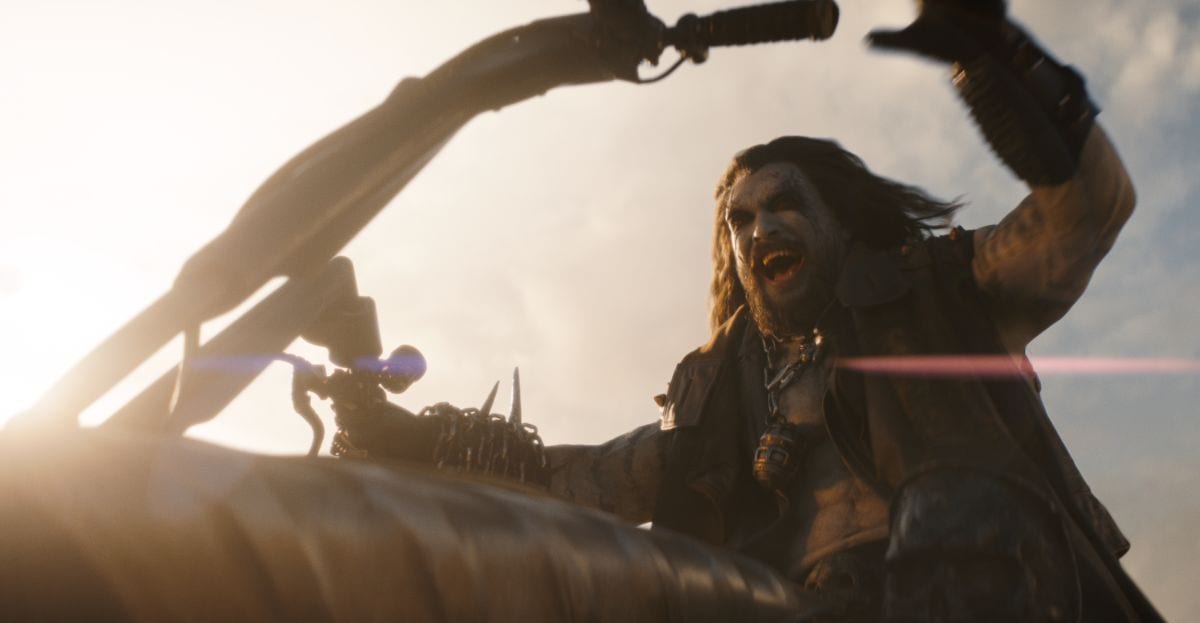
JG: When Peter and I formed DC Studios, I had two actors that I talked to immediately. One was Jason Momoa, and he was like, “Oh yeah, Lobo. I’m diving in, man.” I was like, “Yeah, I think that works.” So, Jason basically knew from that time that he was going to be Lobo, it was just about how we were going to work him into it. Lobo is this space bounty hunter that Kara and Ruthye run into and have to deal with, and if you know anything about Lobo, you know that’s not going to be easy.
Can you talk more about Eve Ridley as Ruthye, Kara’s unlikely ally and partner in this adventure?
PS: Ruthye was an exceptionally tough role to cast because of the age of the character and the depth of the part. She’s both a foil and a partner for Kara because here is someone who, like Kara, lost everyone she loves and seen things too terrible to bear. But Ruthye has not yet given in to hardness and bitterness. Beneath the steel, she’s still a child—that’s what Kara sees in her. And Ruthye fights—a lot—and wields a mighty sword. So, we saw a lot of talented young actors for the role, but it wasn’t until we saw Eve Ridley that we knew we had something. Then, when we tested her, it was just unanimous that Eve was the perfect Ruthye.
We’ve been excited to see more of Krypto since we saw him in Superman. Can you tell us more about his role in Supergirl?
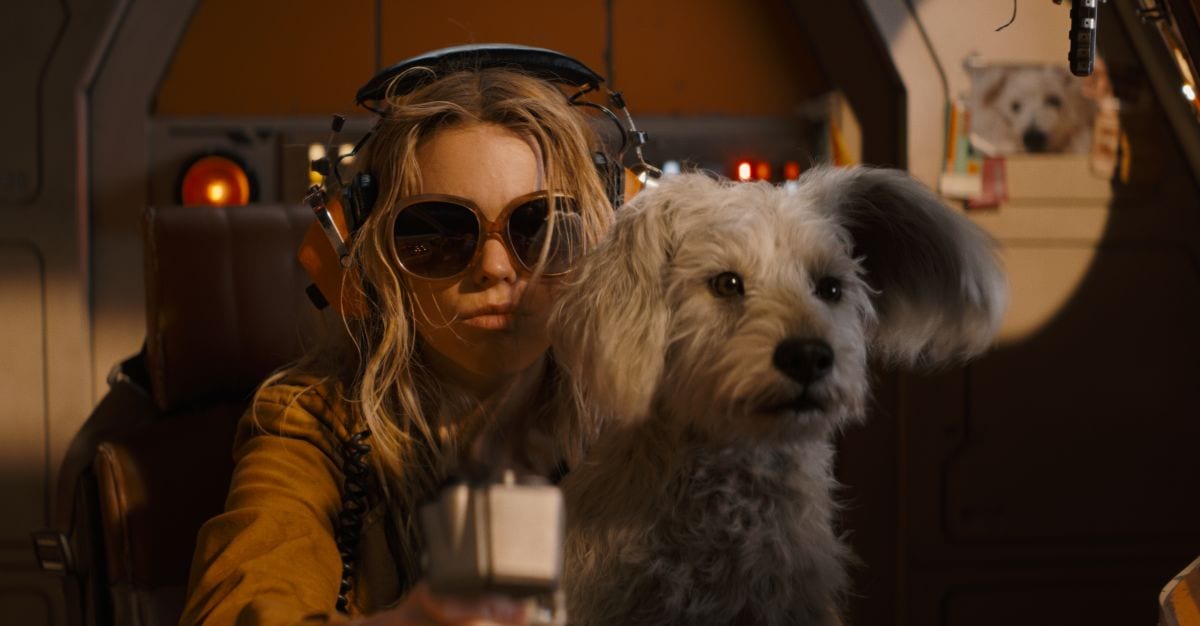
PS: Krypto is staying with Clark when we meet him in Superman, but he’s Kara’s dog, and in this film, we get to see Krypto as a puppy, which I love. He’s funny and destructive and Kryptonian, which only amps up the chaos, but he just lights up her life and she would do absolutely anything to protect him… which, of course, makes him the perfect target for the adversary to strike Kara where it hurts and effectively propel her into a trap.
Supergirl opens in Philippine cinemas June 24. Rated PG
View More Articles About: