From Group Chats to Systems: The End of Managing Restaurants Through Messaging Apps
Coordination isn’t the same as control—and most restaurants are running on the former.
There’s a reason group chats became the default operating system of many restaurants. They’re fast, familiar, and frictionless. A manager sends a schedule. Someone replies with a shift swap. Another asks about their payslip. Everything moves in real time.
Until it doesn’t.
What feels efficient at 10 people begins to strain at 20—and quietly breaks at 30. Messages get buried. Instructions get missed. Decisions live in threads no one revisits. The restaurant keeps moving, but the system underneath it starts to fray.
The appeal of chat-based operations is obvious. It’s immediate. It’s accessible. It requires no onboarding. But speed without structure has limits. There’s no single source of truth, no reliable record, no clear accountability. What you gain in convenience, you lose in control.
This is where the cracks begin to show.
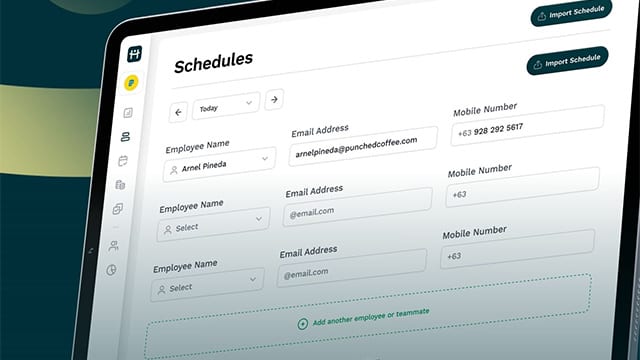
Schedules overlap or fall through. Attendance becomes a matter of trust rather than verification. Payroll relies on fragmented inputs—manual logs, screenshots, memory. Errors creep in. Not dramatic ones, but small, repeated miscalculations that lead to disputes, rework, and quiet frustration.
Then there’s the human side of it. An employee needs cash before payday. The options are limited: wait, borrow, or ask. None of them are ideal. These are the moments where systems—or the lack of them—become personal.
As teams grow and operations expand, complexity compounds. More staff means more shifts, more requests, more variables to track. What once felt manageable becomes noise. Managers spend more time coordinating than leading. HR spends more time encoding than thinking.
At a certain point, the question is no longer about communication. It’s about structure.
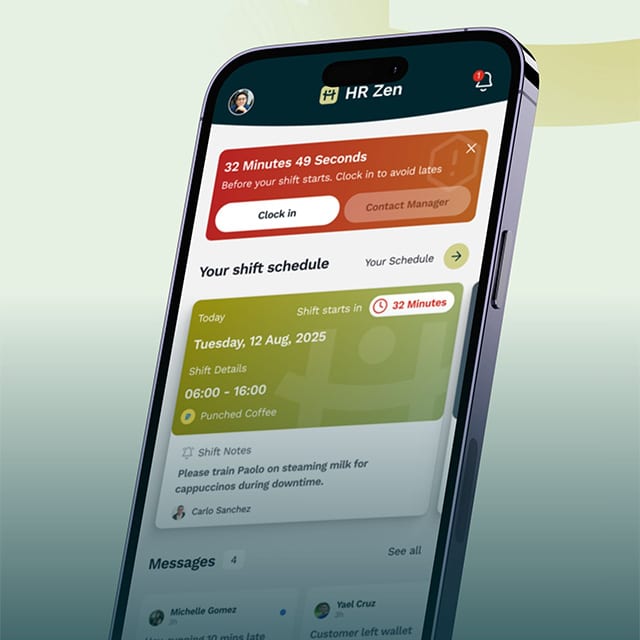
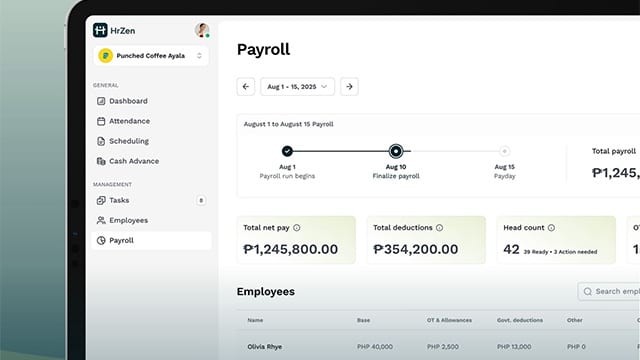
This is where platforms like HrZen enter the conversation—not as another tool, but as a shift in how restaurants run. Built specifically for F&B, HrZen replaces scattered processes with a single, integrated system. Scheduling becomes visible and organized. Attendance is tracked through biometric or GPS-based logs. Payroll is automated, calculated accurately, and tied directly to real data—not estimates or guesswork.
Employee requests—leave, shift swaps, corrections—move through defined workflows instead of chat threads. Payslips are digital, accessible, and clear. Even early payout options allow staff to access a portion of what they’ve already earned, without the friction or awkwardness of asking.
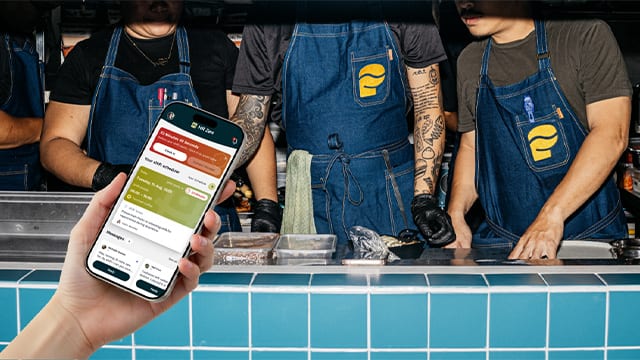
What replaces the noise is something quiet, controlled, and deliberate. The restaurant still moves fast. But the foundation underneath it holds.
Messaging apps will always have a place. They’re useful for quick updates, informal coordination, and the daily rhythm of service. But they were never designed to run operations.
Messaging helps teams talk. Systems help teams run.
And for restaurants looking to move from reactive to intentional, that distinction matters. To learn more about how HrZen is reshaping F&B operations, visit their website or follow their channels.
This article was created by Summit X in partnership with HR ZEN.