'Loving My Wife Through ALS'
One man’s story of marriage, sacrifice, and staying when ALS slowly took the woman he loved.
by Ric Rufino
Published on Apr 1, 2026
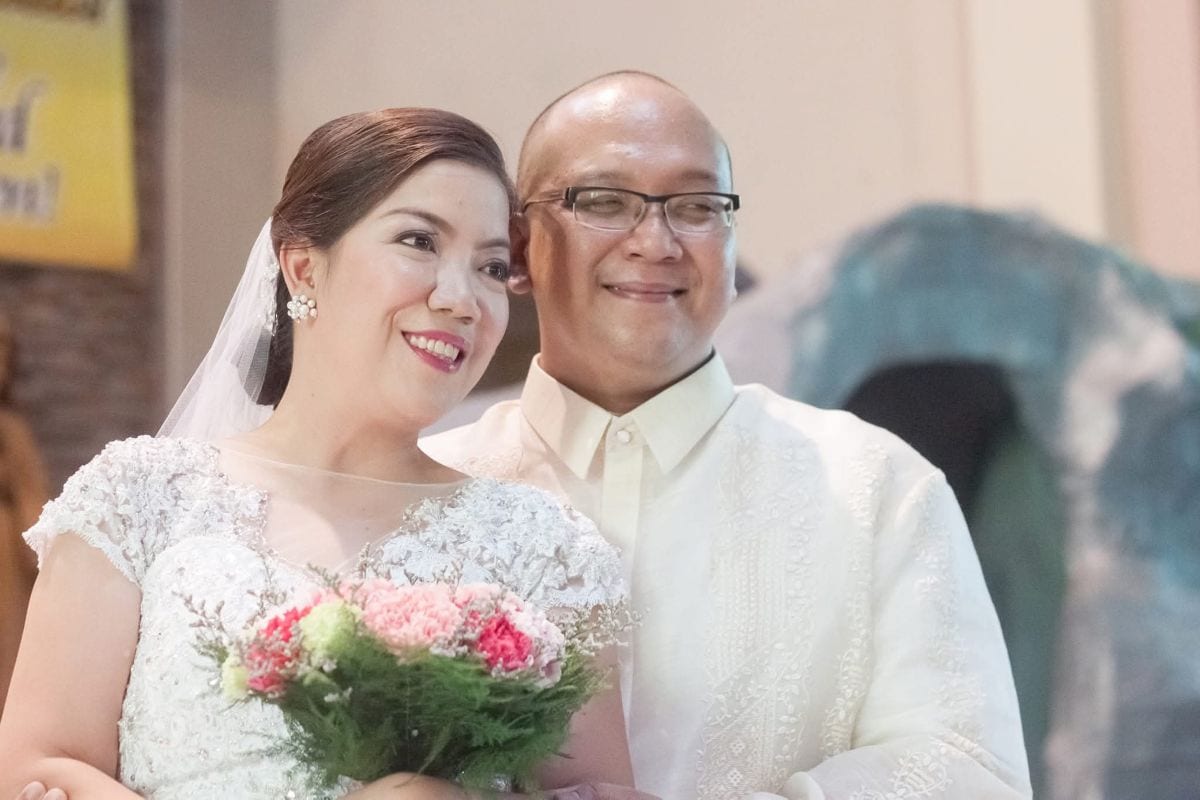
Annie and I started like any normal couple. We had a simple life and simple dreams. We were happy and at peace. When we got married, everything felt right. We built our family together, and before long, we welcomed our first son, then our second. Our home was full—full of laughter, noise, and small everyday routines that made life meaningful.
Nothing extraordinary. Just a family living quietly and happily.
Then, slowly, something began to change.
At first, it was easy to ignore. Annie would complain of weakness, fatigue, and small changes in her strength. We thought it was just stress, maybe exhaustion from taking care of the children. But it didn’t go away. Instead, it progressed.
Then came the pandemic. In the middle of uncertainty, lockdowns, and fear of the outside world, our third son was born. It was a moment of joy in a difficult time. But almost immediately after, we received the diagnosis.
ALS.
It was a word we barely understood at first. But as we learned more, we realized what it meant. There was no cure. No treatment that could stop it. Only a slow, irreversible progression that would eventually take everything.
ALS, or Amyotrophic Lateral Sclerosis, is a neurodegenerative disease that attacks the motor neurons—the nerves responsible for controlling voluntary muscles. Science still does not fully understand why it happens.
What it does is slowly shut down the body.
Muscles weaken. Movement fades. The ability to walk, to use your hands, to swallow, to speak—one by one, they are taken away. But the mind remains clear. The person is fully aware, fully conscious, fully feeling everything… while trapped in a body that can no longer respond. That’s when fear settled in—not sudden, not loud, but constant. Because we knew what was ahead. We just didn’t know how fast it would come.
At first, we tried to continue life as normal. Annie could still move a little. I would assist her, help her with food, guide her movements, support her when she walked. We adjusted. We told ourselves, kaya pa.
But ALS does not stop.
Her hands weakened, then her legs, until she could no longer stand. Then she could no longer walk. Eventually, she could no longer move. She became quadriplegic.
Then she lost her voice.
That was one of the hardest parts. Because she was still there—aware, present, feeling everything—but she could not speak.
Through everything, one thing never changed—the way I loved Annie.
From the very beginning, she was my dearest. She was the one I chose, the one I committed my life to. When we got married, I said my vows like any husband would—in sickness and in health, for better or for worse. At that time, I understood those words in a simple way. I knew they meant commitment, loyalty, and love. But I did not fully understand how much they would be tested.
ALS gave those vows a deeper meaning.
As the years passed and Annie’s condition progressed, her body began to change. She lost movement, she lost strength, and eventually, even her appearance was affected by the illness. But through all of that, I never saw her any less. I never saw her as anything other than the woman I fell in love with.
I still saw Annie.
The same person I chose. The same woman I promised my life to.
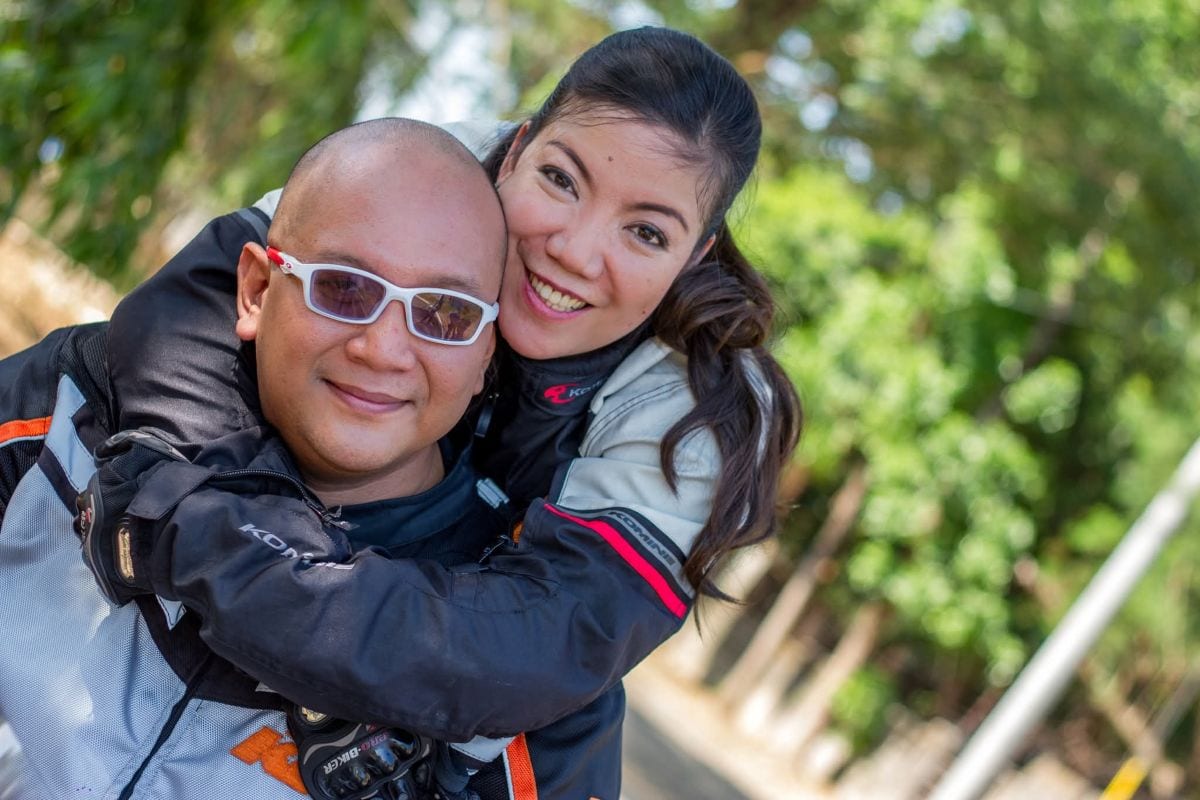
While others might have seen her condition first, I didn’t. I saw her eyes. I saw her presence. I saw the love that remained in her. And because of that, my love for her never diminished. If anything, it grew deeper.
That is why when everything started to fall apart, I chose to stay—not out of obligation, but out of love. I gave up my career, my stability, and the life I once planned for us, because in my heart, there was no other choice. She was my wife, and I wanted to take care of her myself.
There were many quiet, unseen moments in those years. Simple things that no one else would notice, but meant everything to me. Holding her hand. Fixing her hair. Touching her face. Whispering to her. Telling her “I love you” over and over again.
Even when she could no longer respond the way she used to, I continued.
Because I believed she felt it.
I believed that my presence, my touch, and my love were helping her endure each day.
I became her full-time caregiver.
At first, it was helping her eat. Then it became feeding her. Holding the spoon, making sure she could swallow, adjusting her position so she wouldn’t choke.
As the years passed, it became even more difficult. About a year before she passed away, I had to start blending her food. I would prepare her meals, blend them, and feed her slowly using a syringe. One small amount at a time. Carefully. Patiently. One wrong movement could cause her to choke.
Each meal would take almost two hours, sometimes more.
She refused to have any tubes attached to her. No feeding tube. No breathing tube. That was her decision. She wanted to live naturally, and when the time came, to go naturally.
So everything, we managed manually.
I bathed her, changed her clothes, transferred her from bed to wheelchair and back again. I adjusted her position constantly to avoid discomfort. I scratched her nose when it itched, wiped her saliva, supported her head when it tilted. I became her body.
At night, there was almost no rest. Her discomfort would wake her up again and again.
Sometimes every hour. We would end up sleeping at 3 a.m., and I would still wake up early to prepare the boys for school.
Then I would return to her and continue the whole day.
At the same time, life outside did not stop.
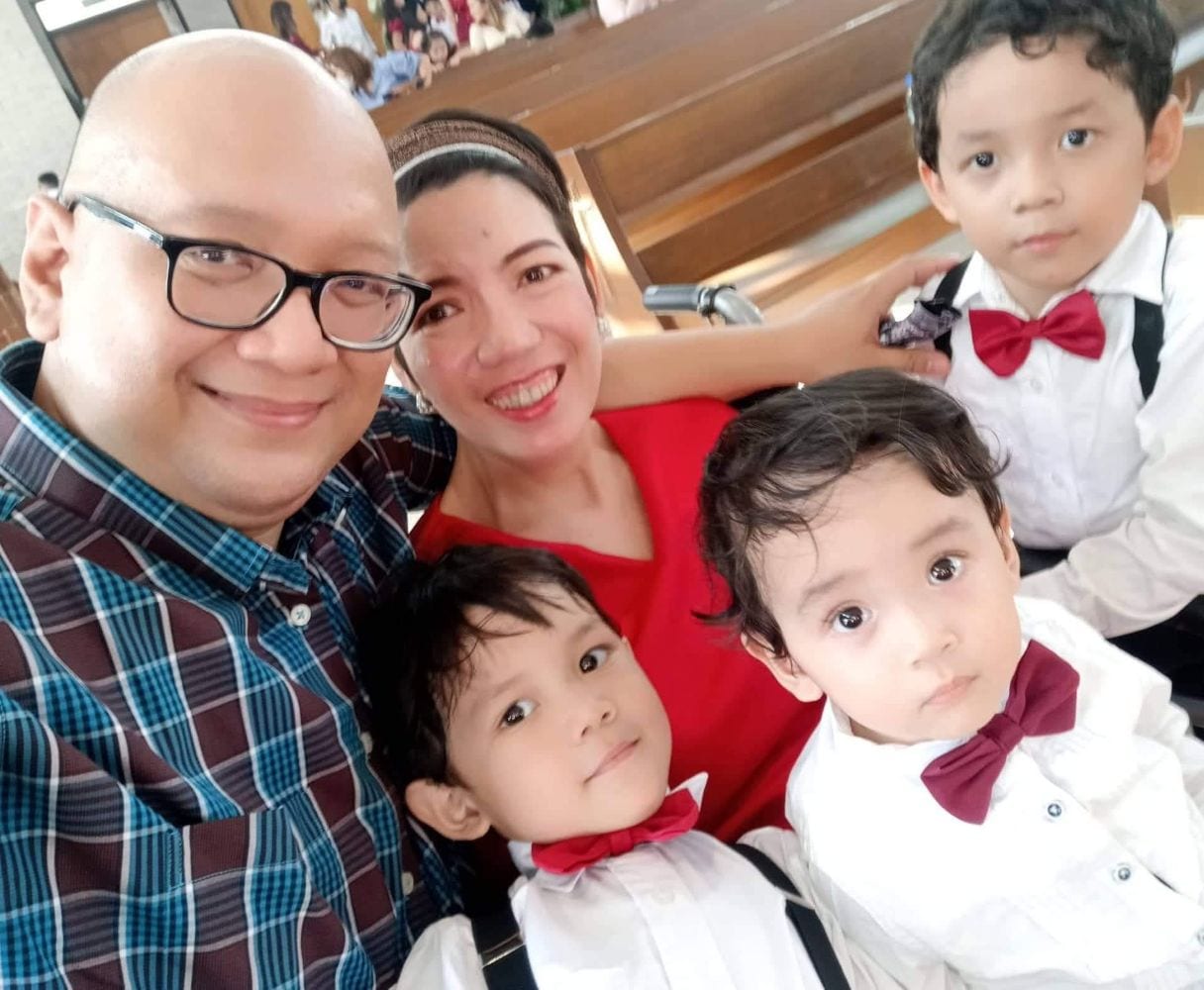
We had three boys to raise. Expenses continued—medicine, food, school, daily needs. I gave up my career to take care of Annie, so there was no steady income. There were days I would just sit and feel the weight of everything.
But even in that, God kept sending help.
People came into our lives. Friends, even strangers. Messages, prayers, support. Financial help would come exactly when we needed it. Not always in big ways, but always on time.
One of the biggest blessings we received was Annie’s communication device—a Tobii eye-gaze machine. It had a camera that tracked her eye movements, allowing her to type and communicate. Through that device, Annie found her voice again.
Every day, she was online. Posting reflections. Writing prayers. Sharing our journey. Encouraging people. Praying for others. Even in her condition, she continued to serve. Her world became small physically, but her reach became wider than we ever imagined. We were also held up by our faith and our community.
Our parish became our refuge. I continued to serve, even when I was tired, even when it was difficult, because that was where I found strength.
Our communities—Couples for Christ and the Brotherhood of Christian Businessmen and Professionals—stood by us. They didn’t just pray for us. They showed up. They visited. They supported us emotionally, spiritually, and even financially. They journeyed with us until the end.
And Annie… she held on.
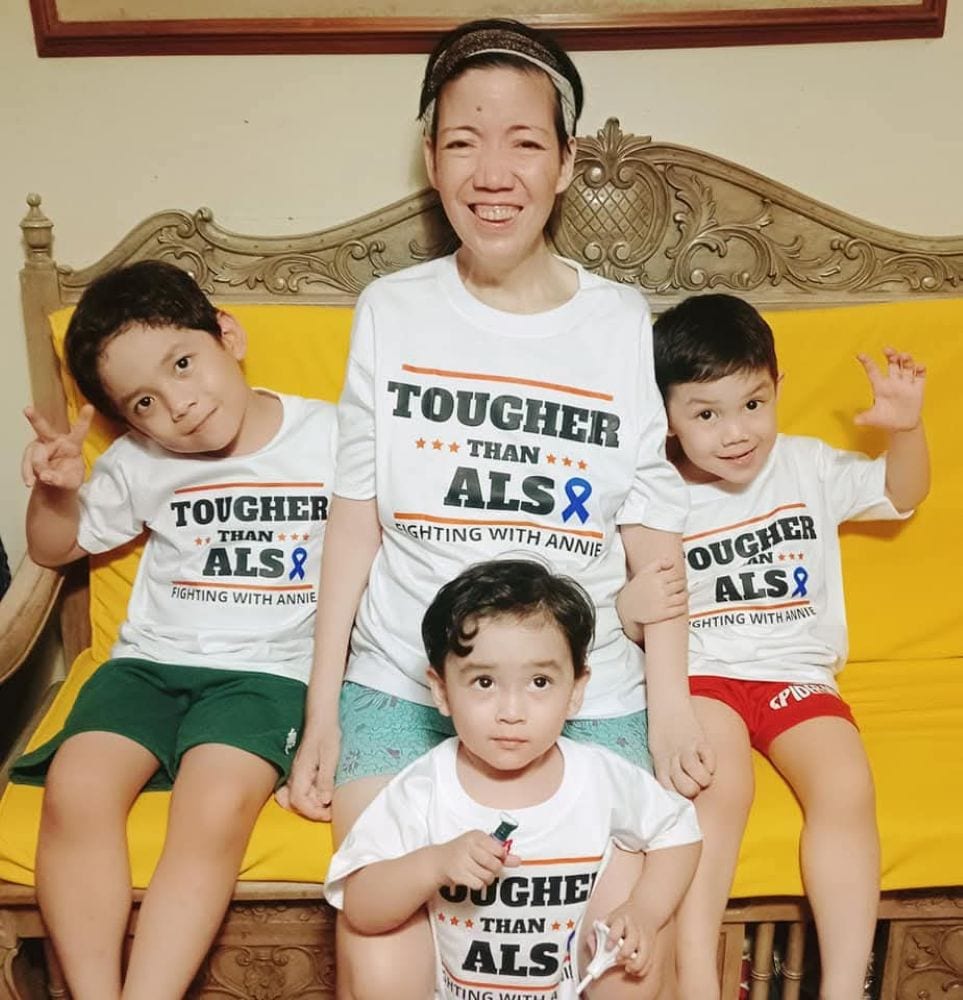
Doctors said two to three years. She lived for seven. Seven years of suffering, but also seven years of grace.
Because even in pain, she chose faith.
She attended Mass daily—sometimes three to four times a day online. We prayed the Rosary every night. The Divine Mercy Chaplet. The Chaplet to St. Michael. Every day. She offered everything, even her pain.
Toward the end, her body became more fragile. She developed pressure sores. Her bones pressed against her skin. Every time I would sit her up, I knew it hurt.
And yet, she still chose to sit.
Because she wanted to continue praying. Continue writing. Continue loving.
There were moments I would just look at her and cry.
And I would ask God, “My God, my God, why have You forsaken me?”
Because I was giving everything, and yet the suffering did not stop.
But even then, miracles were happening—not loud, not dramatic, but real. Provision. Strength. Time.
Then came the final chapter.
A few weeks before she passed, her pain became more intense. Her body grew weaker. Everything became harder.
I remember praying, “Lord, hanggang kailan pa ito? I know the end is near, but I’m scared.”
Then one day, I came home and found her unresponsive.
I panicked. I cried. I was shaking. “Sorry baby…”
But she did not leave right away.
She stayed for four more days.
Four days without food, because her body could no longer take it.
I tried feeding her because my son begged me to. But she choked. So I gave her small sips of
water through a sponge, just to wet her lips.
And every time I did that, I remembered Jesus on the cross, being given a sponge. Those four days felt sacred.
We stayed beside her—me and the boys—talking to her, holding her, kissing her. Family came. Friends came. One by one, they said goodbye.
On the final night, we prayed. We sang worship songs, and I saw tears fall from her eyes.
We prayed the rosary.
And in that moment, something changed.
I stopped asking “why.”
I began to understand that we were not losing her.
We were giving her back.
At exactly midnight, she passed.
Peacefully.
Surrounded by all of us.
And now, I am here.
Still grieving. Still missing her every day.
Looking back now, I do not regret anything I gave up.
Because those years, those sacrifices, those moments—they were not losses. They were love.
And if I were given the chance to live it all again, even knowing how it would unfold, I would still
choose the same path.
To love her.
To stay with her.
To take care of her.
From the beginning… until the very end.
And yes, there are still moments I say, “My God, my God, why have You forsaken me?”
But now, I say it differently.
Because I have seen that He never left.
He was there in the strength I did not know I had, in the people He sent, in the years Annie was
given, in the voice she found again through her eyes, and in the love that never left our home.
And in the way she left this world—peacefully, surrounded by love.
So even now, in my grief, I still hold on.
Because even when I felt abandoned, He was there all along.
View More Articles About: