Chef Jorge Mendez: ‘Good Food Comes from a Place of Joy’
One thing about this millennial chef: he’s not only imaginative but also fearless—unafraid to bend or break the rules when the dish demands it.

Published on Nov 18, 2025
Every year, Esquire Philippines presents Man at His Best, the local iteration of a global signature event where we celebrate extraordinary Filipino men and women reshaping society as we know it. These are the dreamers and doers who have made a profound impact on the Filipino's way of life, who are using their talents and skills to make something of themselves and inspire the rest of us to do better with our lives.
This year, we're honoring eight visionaries in film, politics, music, business, F&B, journalism, and literature. They are the Architects of Tomorrow: laying the groundwork for a better, more progressive country—embodying what it means to be a Man at His Best.
Meet Esquire Philippines' Chef of the Year, Jorge Mendez
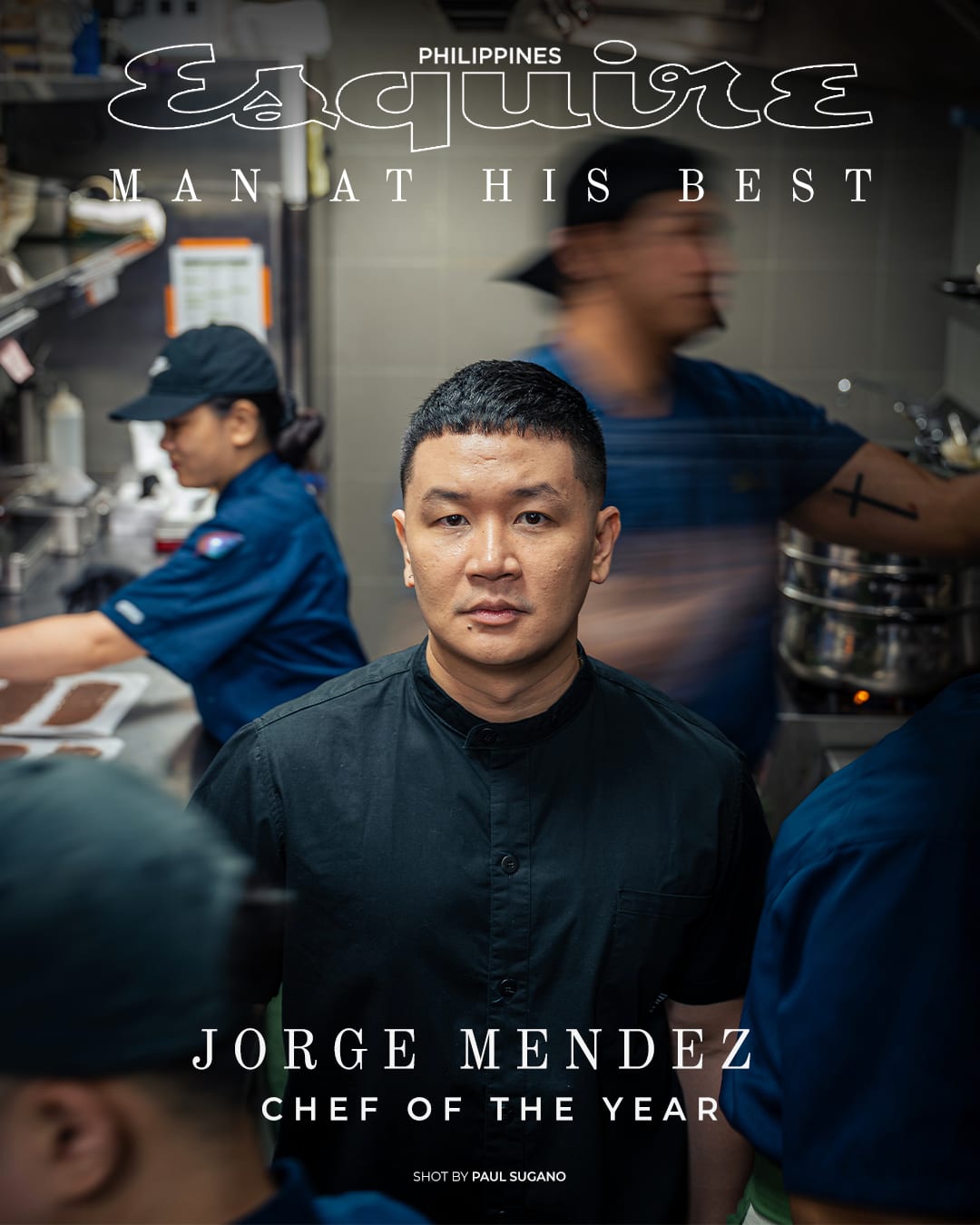
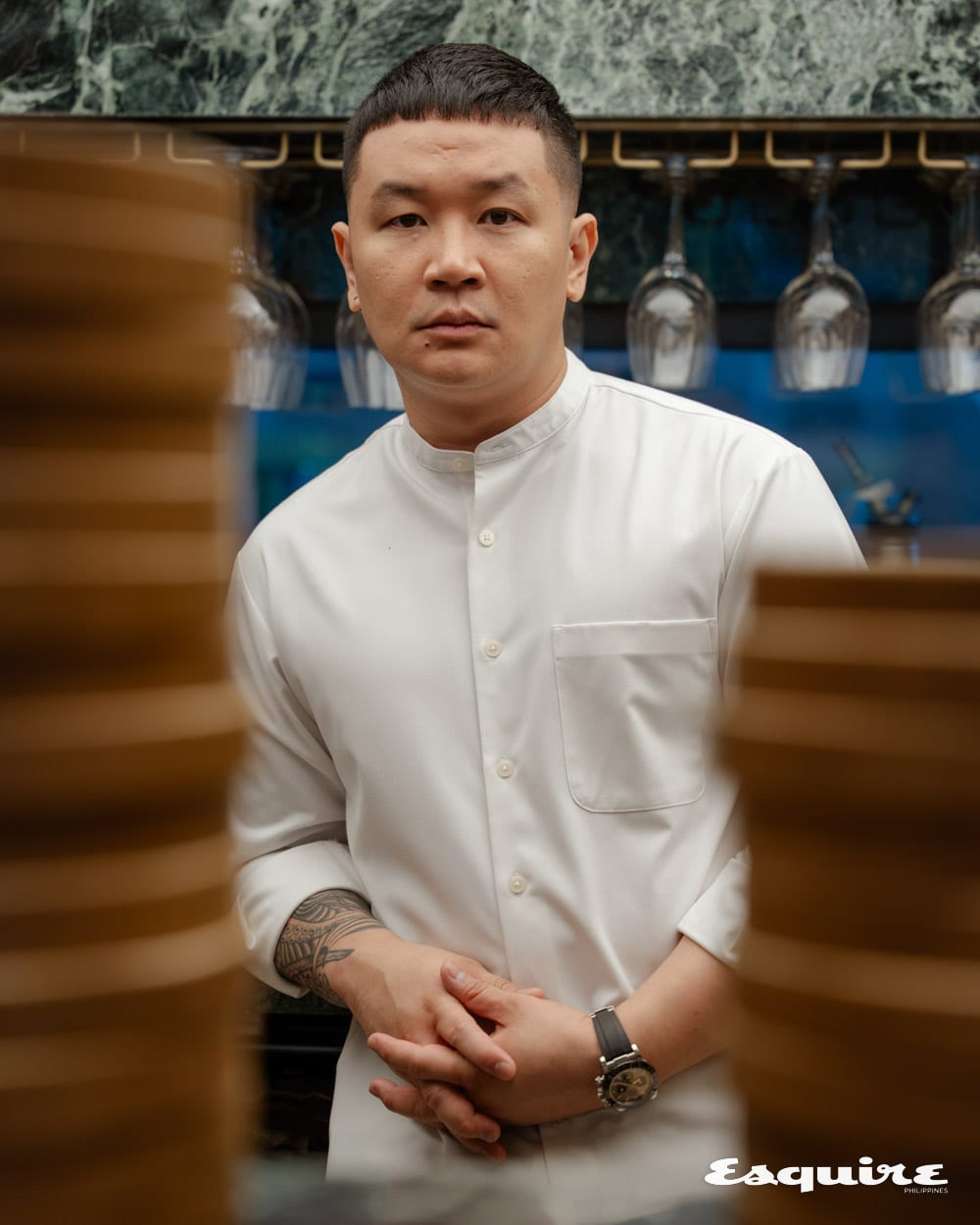
Growth cannot be forced or faked. To earn experience and achieve maturity, you have to go through the rigors and challenges of the culinary profession. Chef Jorge Mendez—the mind behind successful concepts like Ohayo Comfort Food, Modan, Mugen Ramenya, Some Thai, and Makanai—is living proof of this truth.
After earning his culinary degree at Global Academy, he polished his craft further in the Philippines, Japan, Singapore, and New York, where he was mentored by some of the industry’s most respected chefs. “Margarita (Forés) inspired me to stay humble, treat people kindly, and cherish every ingredient I use in my cooking. LG Han in Singapore patiently helped me understand the technical aspects of cooking. Yusuke Namai encouraged me to see my dishes as an art form, inspiring my creativity. Kenji Kawasaki guided me in communicating with each ingredient and understanding its unique function, deepening my appreciation for the culinary process. Kito Nakawara also taught me that you don't always need a recipe to create a dish; it must come from the heart first to make something truly unique,” he says.
At 23, Mendez was already working as head chef for Ascott BGC, managing 50 people who were mostly older than him. He earned the respect of his peers through hard work and a relentless drive to refine his skills. “Experience will build how you create, how you position yourself, how you do the service,” he tells actor-turned-restaurateur Marvin Agustin in an interview for Esquire Philippines. The 34-year-old chef attests that it’s not the number of years that matters, but what you choose to do with them.
Over time, Mendez became Research & Development (R&D) Chef for Cibo, the Forés-founded restaurant group. His latest pride is the modern Japanese restaurant Makanai, which was his and Forés’ brainchild. “I’m sure Margarita is smiling now (seeing our dream come to life),” he says.
Two of Mendez’s restaurants have also earned distinction from the Michelin Guide: his modern Japanese restaurant Modan was named Michelin Selected, while his contemporary Thai concept Some Thai received the coveted Bib Gourmand for offering exceptional food at great value. These recognitions highlight his ability to take familiar Asian flavors and reinterpret them with creativity, precision, and a strong sense of identity.
One thing about this millennial chef: he’s not only imaginative but also fearless—unafraid to bend or break the rules when the dish demands it. He creates from instinct and experience, aiming for food that lingers in a diner’s mind—something that slips into their “memory bank.” He wants his dishes to be the spark that brings families and friends together. This dedication to crafting meaningful, lasting experiences makes him a strong and confident culinary voice in the Philippine dining scene.
Esquire Philippines’ Man at His Best (MAHB) Chef of the Year honoree shares more in this fun yet insightful interview.
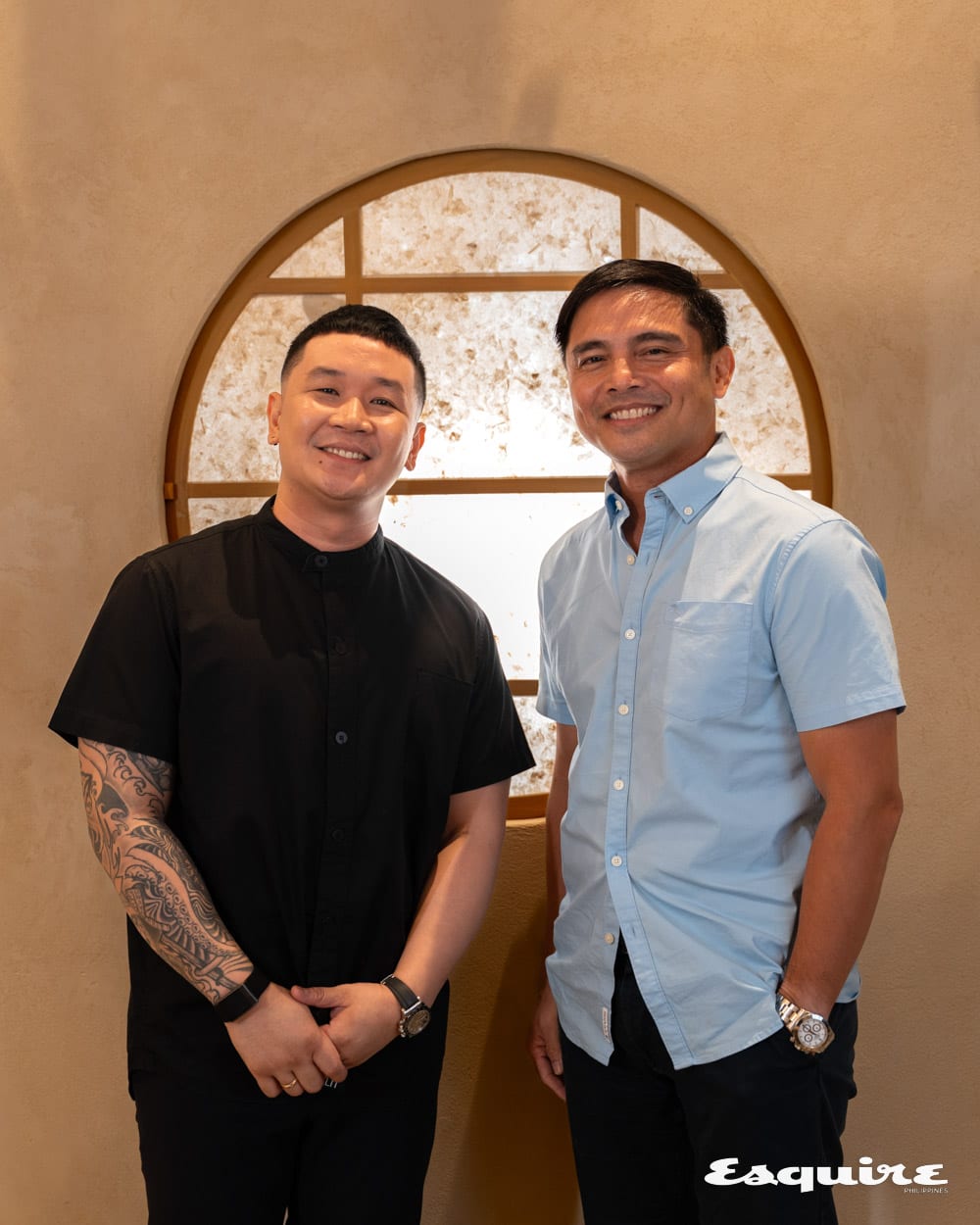
Marvin Agustin: The first time we met was in Ohayo (Japanese Comfort Food). It was during the pandemic. Meron akong little vlog where I was featuring restaurants that were surviving or thriving during that time.
Jorge Mendez: Yes. Thank you. It helped us a lot.
MA: Nakita ko kung gaano ka ka-detailed at serious doon sa Ohayo. I also witnessed your journey. You're opening Modan, Some Thai...and almost all of the restaurants that you opened, nakita ko kung gaano kadaming tao (ang sumuporta). I'm actually not surprised that you're very, very successful now. But our conversation stopped in Ohayo. Ina-admire lang kita from afar. I want to know, how was your journey like from Ohayo to Modan to Some Thai, and now Makanai.
JM: What inspired me to put up Ohayo? My mom was a big influence on how I developed an interest in Japanese culture and food kasi nag-work siya sa Japan for about five years when I was young. She had a band with my uncle. She was a singer. I had memories of her cooking temaki. When I got older and had the money to experience Japan, I fell in love with their culture and food. Na-addict ako to a point na every quarter, we’d go to Japan to explore and relax. That led to opening Modan.
But sabi ko, I don't want a strictly Japanese menu. I want something different, food that people can’t find in Japan. So I decided to add a neo-Japanese touch in the dishes that I was creating. Now, we're calling it abstract Japanese. There's no inspiration. We don’t follow rules. Everything is made from scratch. Everything comes from our imagination and creativity.
MA: Pero yung foundation at technique ay Japanese?
JM: Yes. Then people started telling us that they liked the food. “I don't know what it is pero it tastes Japanese.”
MA: Yun ‘yung magic!
JM: Yeah. Nakuha namin ‘yung tamang formula for our dishes.
I thought of Some Thai naman because my mom used to work as an English teacher in Bangkok. So every once in a while, pumupunta din kami doon. I realized, ang sarap din ng food nila. Parang Pinoy pero mas diverse. Mas maraming herbs, mas maraming flavors. That became my and my wife’s dream restaurant.
MA: Some Thai pala is a dream restaurant.
JM: At first gusto kong siyang gawin with my wife lang, but my business partners also love Bangkok. So sabi ko, “Sige, let's do it together.”
The reason din why we built Some Thai is because we want something for our parents because they’re retired na. We want to have funds to give them.
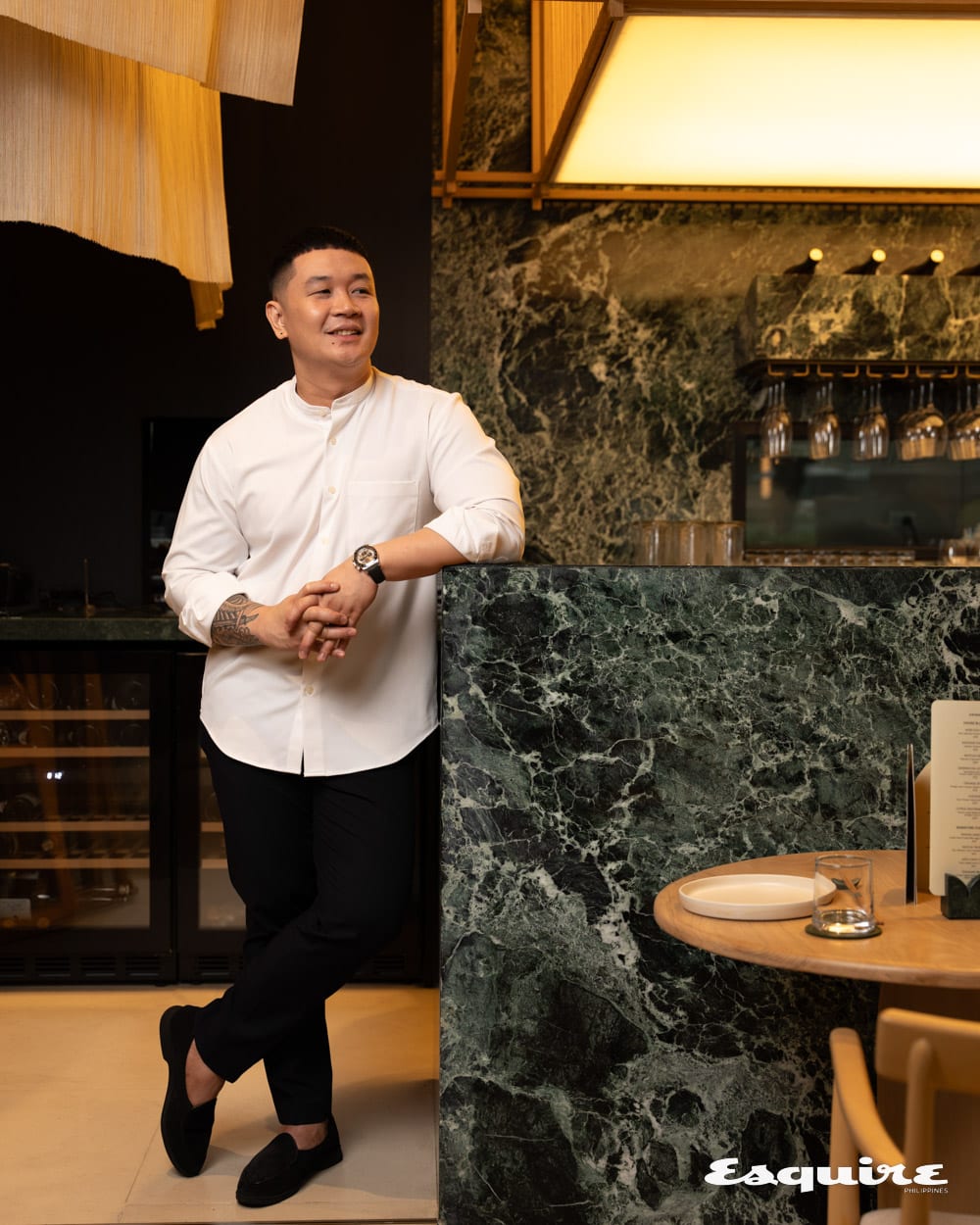
MA: (After Some Thai), bumalik sa Japanese with Mugen... Ramen naman.
JM: I remember during my stage at Ode Restaurant, a Michelin-starred restaurant in Tokyo, I would go to different ramen shops during my break time. Later on, I fell in love with ramen. Then when I went to Fukuoka, I discovered that most of the top ramen shops are there. Sabi ko, “Okey to ah.” Then I realized na walang ramen shop here in the Philippines na kapareho ng mga lagi kong dinadayo sa Japan. I wanted something medyo formal, premium. So we created Mugen Ramenya.
MA: Which I will try very soon. Alam ko kung gaano kahirap pumila doon. I will try to line up. I think that's part of the appeal (of Mugen). That's part of the experience and charm that you have to line up for good food. Then from Mugen, now we're here in Makanai.
JM: Makanai means family meal. Google translates it to "staff meal.” Pero we call our staff family di ba? That’s the term we use for everyone when we eat before the service. Family meal talaga.
But the inspiration talaga to put up Makanai came from my collaborations with Margarita (Forés) abroad. One time, we heard this chef yelling, "Makanai! Makanai!" So me and Margarita looked at each other. Sabi namin, "Catchy 'yung name na ‘yon ah?" The chef told us that Makanai means family meal. It's connecting with your people before the hectic service. Sabi ko, "Parang that can be a name for a restaurant in the future." So fast forward, I opened Modan and then Margarita called me saying, “Jorge we don't have a project together." Napaisip ako. Then I told her, “Why don't we do Makanai na?" She was very happy. Kaso, she passed away. My main problem talaga building this project was how can I create the menu without her? We had a lineup of dishes na but without her approval. Tapos bigla siyang nawala. So medyo nagpahinga ako. I rested for about a month, tapos binalikan ko ang menu. Sabi ko, "This is not me and Margarita eh." I looked at my pictures, looked back at my memories with her. I asked myself: “What do we usually enjoy together ‘pag kumakain kami? Ano ba 'yung gusto ng anak niya?” Later on, na-puzzle out ko siya. "Okay. Let's try first sa isang dish." Tapos biglang nag-work. And then nagsunod-sunod na. Then it became a reimagined Japanese family meal talaga, and something I know na she will be proud of 'pag nakita niya. I’m sure she’s smiling now.
MA: I think she is very proud, because I saw the menu last night. I got the chance to try it. It was actually very, very delicious. I felt na comforting siya. Ang delicate ng flavors pero hindi siya intimidating kainin. And the way that the staff were serving them, ramdam mo na parang pamilya 'yung atmosphere dito. Great service, great food. I think Margarita is very proud.
Ang klaro ng mga inspirations mo for all the concepts that you've created. Many were inspired by your childhood.
JM: I think it’s because I’ve never really experienced eating with my family. So I want people to gather around the table and eat my food. I want my food to be the reason for people to gather. More personal talaga (ang motivation ko).
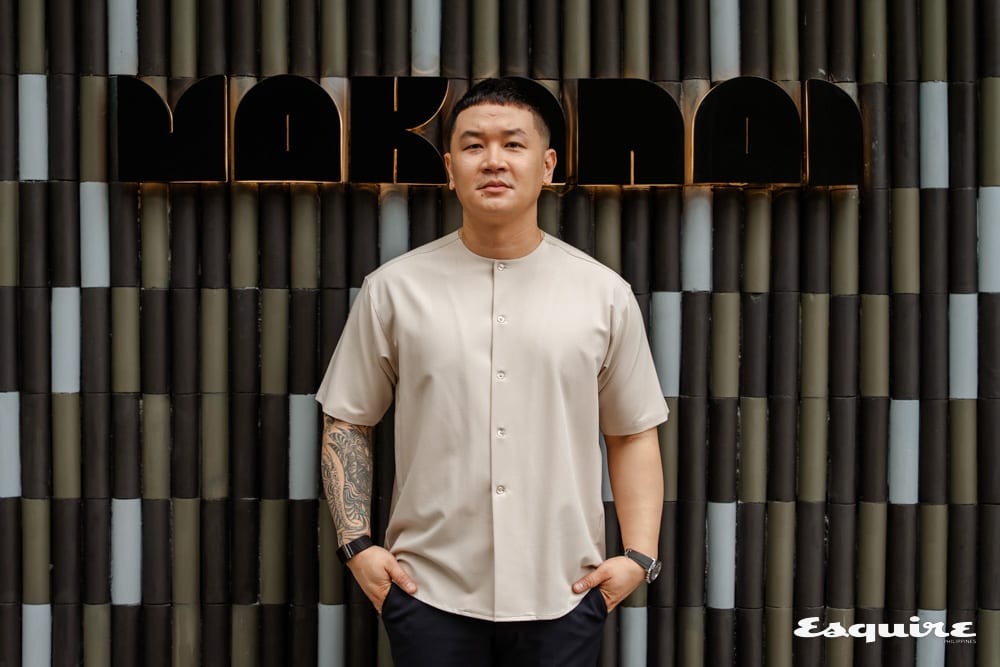
MA: Chef, ang ganda ng momentum ng career mo. All your restaurants are very successful. At what point in your journey did you find your voice in the kitchen and the purpose of what you do?
JM: When I worked as a corporate chef at another company and I realized that people listened to me. But deep down, I wanted to challenge myself: "Kaya ko ba 'to sa ibang lugar?” So that led me to working in a restaurant way back in 2015. I remember asking myself, “How can I make my voice heard in this kind of setup?” What I did was I really carved my name there through hard work and long hours. I used my expertise to create the menu—from pool bar, in-room dining, buffet, as well as the banquet. I got to see and learn a bit of everything. I got to learn also what it takes to handle different concepts.
Ang laking foundation n’un. And then people started to listen to me. I’m 23 at that time and I'm the head chef and managing more than 50 people na older than me. People started to see and respect what I could do and add to the table.
MA: Hindi talaga mafe-fake yung character development 'no?
JM: Yes.
MA: Yung hard work na sinabi mo trying all these different jobs in the restaurant industry, kung hindi mo napagdaanan, kung hindi mo tatrabahuhin, kung hindi mo aalamin. Talking to these senior and more experienced chefs, kung hindi nila nararamdaman na totoo yung confidence mo, hindi ka nila pakikinggan eh.
JM: Yes: But it will show kung paano ko gumalaw, because experience will build how you create, how you position yourself, how you do the service.
MA: Disiplina, I guess.
JM: Disiplina talaga.
MA: When you're at home and when no one's watching, ano’ng niluluto or kinakain ni Chef Jorge?
JM: I don't normally cook at home. But when I do, it's always something comforting, something easy, and something healthy. Like, a marinated chicken over basmati. Sometimes, grilled eggplant ensalada with bagoong over hot rice with tomatoes and onions. Very simple. Sometimes I make my own tapa. Something easy na I don't feel like I'm working.
MA: Who usually cooks at home?
JM: Sometimes ‘yung wife ko. Pero since pareho kaming busy, we usually just order food.
MA: Parang R&D na rin siya. Nagtatrabaho ka pa rin pala hanggang bahay. (Laughs)
JM: Yes. (Laughs)
MA: Chef, sa lahat ng binuksan mong restaurants, nagbago ba ang perception mo on what good food is?
JM: It's a big foundation na the more you eat different kinds of cuisine, the more you develop yourself, the more you know what kind of approach, technique, and flavors you want to carry in your restaurant. Malaking factor siya. I think parang nag-iba (ang perception ko). Kasi sometimes ‘pag babalikan ko ang ibang dishes na nagawa ko, pinapalitan ko siya kasi may natikman akong mas masarap dun or halos pareho ang flavor profile, so I need to adjust mine.
MA: When you're creating something or eating out, what do you consider good food?
JM: It’s tricky because it has to fit into my flavor combos. Pero good food for me is simple and comforting, and something that feels like home. If I’d choose between fine dining food and sobrang sarap na adobo over hot rice, I’d choose the latter. For me, comfort food talaga. Especially luto ng mom ko, ‘yun talaga ang weakness ko.
MA: ‘Yung sincere, straightforward, honest, comforting, at hindi pretentious na pagkain. Sabi mo nga, ‘yung luto ng nanay natin.
JM: ‘Yun talaga. Walang tatalo ‘dun.
MA: At saka hindi rin sa years of working in the industry. Marami tayong kilala sa industry na matagal nang nagtatrabaho. Yes, they're great cooks. They're great chefs. But iba kapag pinag-usapan na ‘yung leadership in the kitchen and creating concepts that would succeed.
JM: Not everyone can lead a kitchen. Maybe pwede silang team player, pero iba yung managing people.
MA: Bibigay ka sa pressure at sa stress.
JM: Yes. Very stressful siya.
MA: Masarap gawin ang negosyo. Pero ang pinakamahirap handling the entire team and keeping them together.
JM: For me that's the 50 percent di ba? Paano ka tatagal? It's because of them so, kung hindi mo kayang i-manage ang staff mo, yung 50 percent mo, zero na agad.
MA: Fun question naman. What’s one Filipino ingredient or flavor na tingin mo hindi pa masyadong nae-explore sa culinary landscape natin dito sa Philippines?
JM: For me, sampalok. Kasi we use it only for sinigang. But it could really do a lot more. It can be a glaze. It can be a marinade. It can be a sauce. It can be a vinaigrette. It can be a sampalok caramel, a sampalok teriyaki. There's a lot that you can do with sampalok. At saka favorite ko kasi ang sinigang eh, and mostly ‘pag nakaka-dissect ako ng flavors, I always think, "What can I do with this kind of flavor? Saan ko siya pwedeng ilagay?"
MA: Ganyan ka ba mag-start ng dish or concept? Nagsisimula sa flavor?
JM: Yes. Flavor talaga. For example, if I have this good flavor combination...
MA: Yun ang north star?
JM: Yes. I’d think, can it be cold or can it be hot? Can it be served na like tiny bite or a snack? I concentrate first on what is my flavor. Ang dami kasing pwedeng gawin, pero you have to know how to incorporate that flavor, so that it will be cohesive na hindi pare-pareho ang lasa.
MA: That's what we balance when we create the menu. So when customers try different food in the menu, they have different experiences and parang you're taking them on a journey of flavors.
JM: You ate the food, nasarapan ka. Pero ikukuwento mo ba siya after mo siyang makain? After two hours or after a day. Yung ang experience talaga.
MA: Mapapanaginipan ko ba ito?
JM: Papasok ba siya sa memory bank ko?
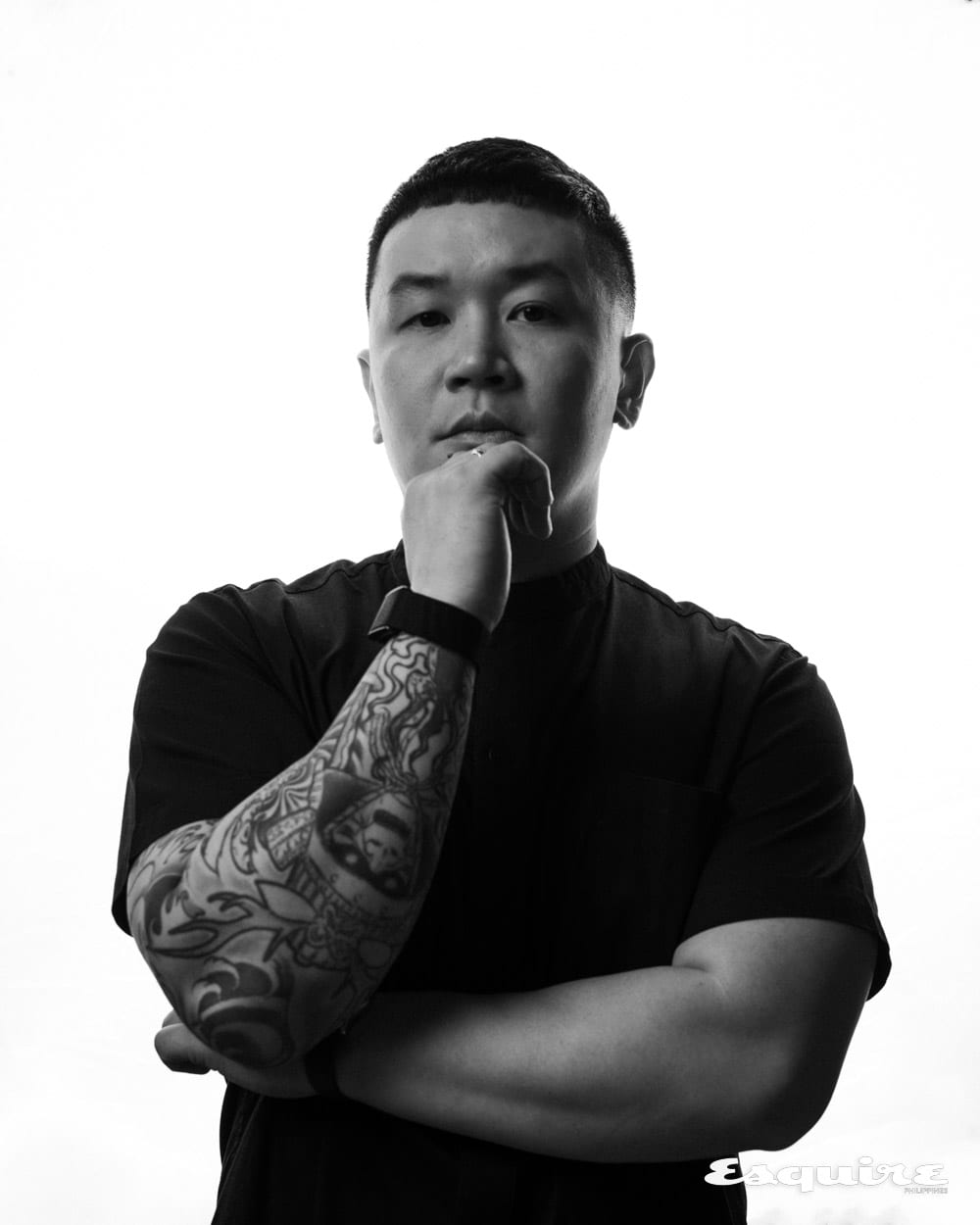
MA: Let’s go back to how you operate the kitchen and manage your teams. Alam kong nakaka-burnout ang trabaho sa kusina at sa restaurant. Sabi nga nila, ito ang isa sa pinakamahirap na trabaho. How do you keep your staff motivated para hindi sila ma-burnout?
JM: I know running a kitchen or a restaurant is very stressful because it's fast and it's loud. Stress never really gets away. But for me, it's more about balancing it. So I always tell my staff na good food comes from a place of joy. If you're not enjoying what you are doing even in the middle of chaos, it will show on the plate. I've been in that kind of environment before, 'yung sobrang stressful, sigawan. But honestly, I don't want that kind of kitchen. Very different ‘yung gusto ko, kasi I am more calm in the kitchen. Maybe planning and organizing different parts of the business, that's where the chaos comes in. Pero sa kitchen alam ko na kung paano ako mapipikon, at nama-manage ko na siya.
MA: At saka alam na nating chaotic ang industrya...
JM: 'Wag mo nang dagdagan di ba? Ayoko nang dumagdag.
MA: Ito ang industriya o negosyo na hindi ka mabo-bored kasi lagi’t laging may problema.
JM: Breakfast mo ‘yung problema. (Laughs)
MA: Kuha ko ‘yung point mo na kung hindi sila nag-e-enjoy, kung hindi sila masaya, paano sila magpapasaya ng tao? Lagi ko ding sinasabi ‘yan sa team ko... the best form of marketing is what's on the plate. Kasi ito ‘yung culmination ng lahat ng trabaho natin. At saka sila ang supposedly influencers at ambassadors natin because they're the ones in the restaurant facing the customers.
I have a Miss Universe-type of question. Bukod sa akin, sino pa ang gusto mong i-invite sa dream dinner mo? Joke lang. Sino ang tatlong tao na gusto mong i-invite sa dream dinner mo?
JM: Dead or alive?
MA: Sana isa lang ‘yung dead tapos dalawang alive. Kasi ‘pag puro dead, kakatakot. Halloween special naman ‘yun. (Laughs)
JM: That would be my wife, my mother, and Margarita.
MA: Aww.
JM: Kasi those three people know me very well and they will never judge me. I don't have to impress. I can just be myself and I would cook adobo for us because that's our favorite. And it feels comforting, it feels like home. 'Pag kasama ko sila, I'm comfortable. I feel like I'm home. So the three of them. Kasama ka pala, so five tayo. (Laughs)
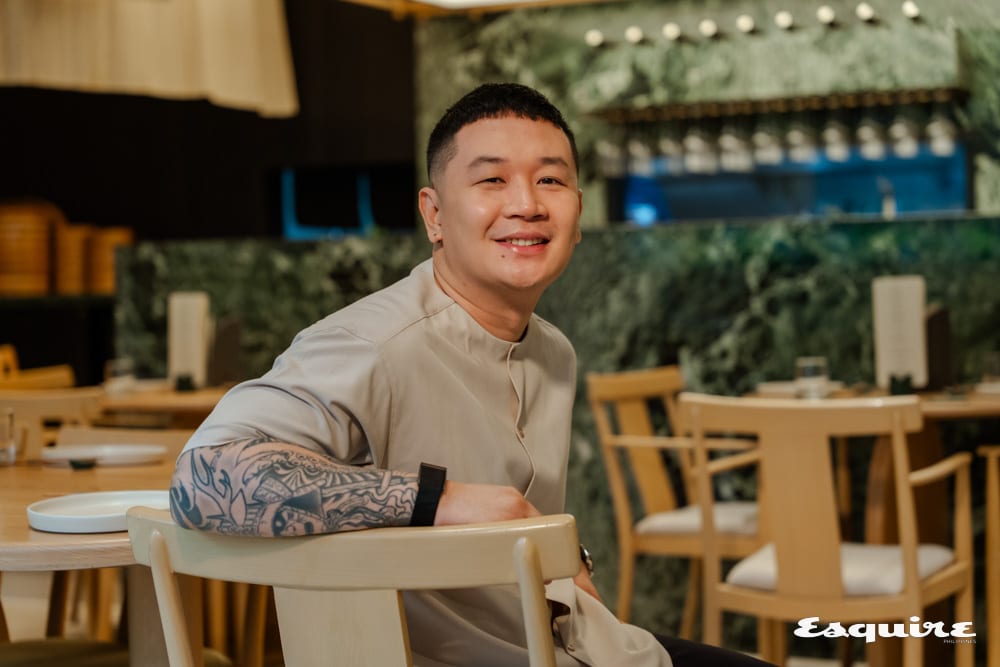
MA: Chef, sa dami ng ginawa mo, from Ohayo, Makanai, Modan, ano pa ang nagpapa-excite sa 'yo as a chef, as a creator of great concepts?
JM: Before, it’s creating new dishes. Now, it’s creating new concepts kasi there's something about building something from scratch and seeing it come to life. Nakaka-addict siya. Lalo na kapag nag-work siya, especially when you see people enjoying it.
MA: I feel you. Creating a new world and then inviting people over to experience that world.
JM: Some people think na we just want to have a business, but no. We want them to go inside our world, discover our inspiration. For me, hindi lang siya basta business, kasi it's more of I want you guys to gather around the table and experience my food. So at least that can be a reason para magsama-sama. ‘Yun talaga number one.
MA: A lot of chefs are inspired by how you work. Ang dami mong recognitions, awards. What advice can you tell those who want to get into the profession?
JM: My advice is, number one, be a sponge. Absorb everything that you can and ask the right questions when you need to. Cherish the moments you're working because later on, it will be a story. So at least you will have a story to tell everyone, especially to your future team. There will come a time when your instinct, your skills will tell you that you're ready to have your own space or restaurant. Trust that everything has its right timing. Huwag nating pilitin. Kung bata ka pa o kulang pa ang experience, ‘wag muna. Kasi darating din ang time na ikaw mismo ang magsasabing, ‘Kinakabahan lang ako, pero kaya ko na.’ Build your foundation first, learn a lot of things. Marami ka pang matututunan, at darating ang panahon na lahat ‘yan magsasama-sama sa isang toolbox—at doon mo na sila magagamit nang buo at maayos.
MA: Beautiful. Thank you, Chef.

Interview: Marvin Agustin and Jorge Mendez
Production: Esquire Philippines Team
Editor-in-Chief: Paul John Caña
Creative Direction: Igi Talao
Photography: Paul Sugano
Videography: John Mariano, Jo Tamesis
Grooming: Lilian Yeung
Shot on location at Makanai BGC.
View More Articles About: