‘We Need Heroes, But We Also Need the Truth’: A Conversation With Lav Diaz
Esquire Philippines’ chief film critic sits down with the master of slow cinema.
by Zach Yonzon
Published on Nov 18, 2025
Every year, Esquire Philippines presents Man at His Best, the local iteration of a global signature event where we celebrate extraordinary Filipino men and women reshaping society as we know it. These are the dreamers and doers who have made a profound impact on the Filipino's way of life, who are using their talents and skills to make something of themselves and inspire the rest of us to do better with our lives.
This year, we're honoring eight visionaries in film, politics, music, business, F&B, journalism, and literature. They are the Architects of Tomorrow: laying the groundwork for a better, more progressive country—embodying what it means to be a Man at His Best.
Meet Esquire Philippines' Creative of the Year, Lav Diaz
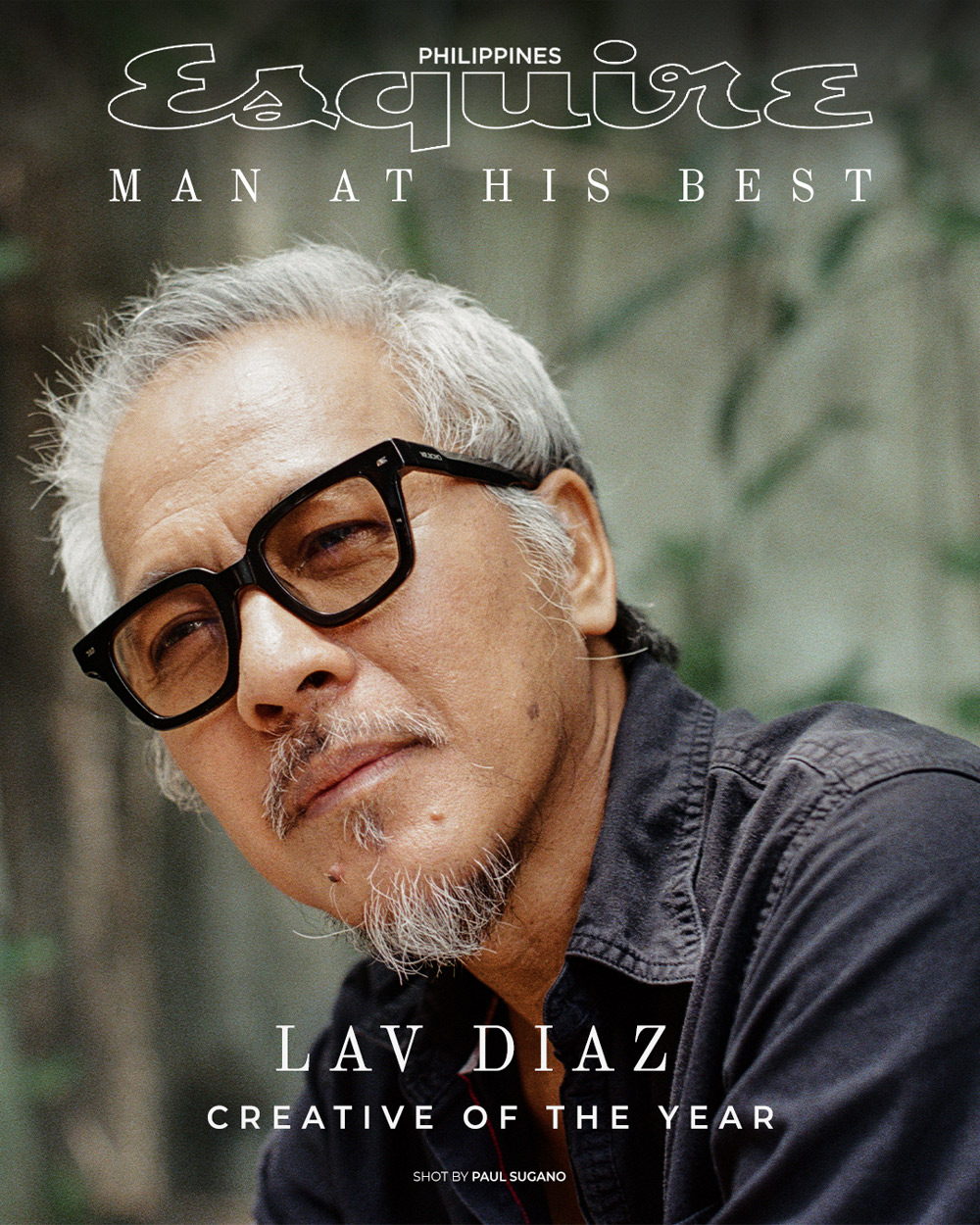
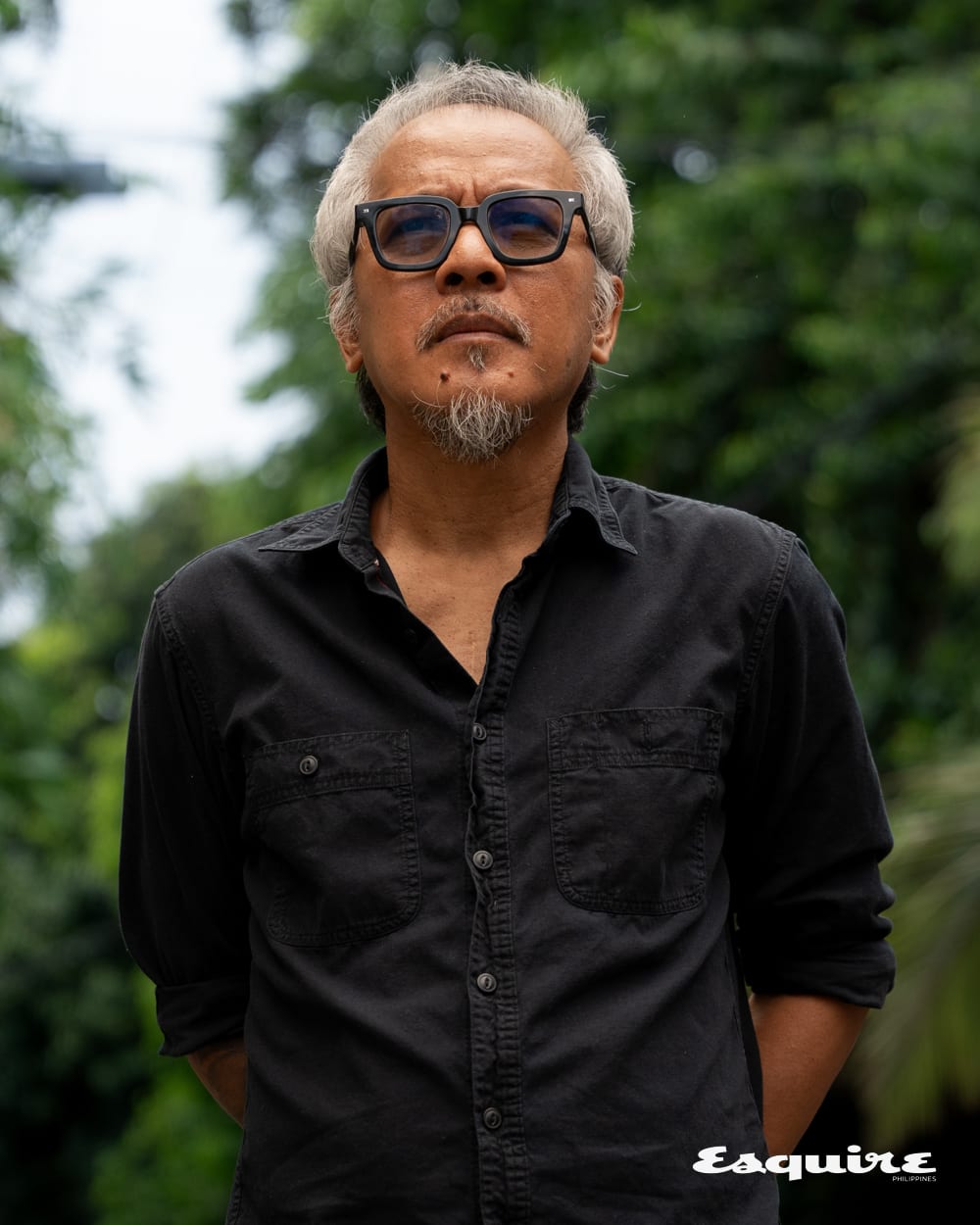
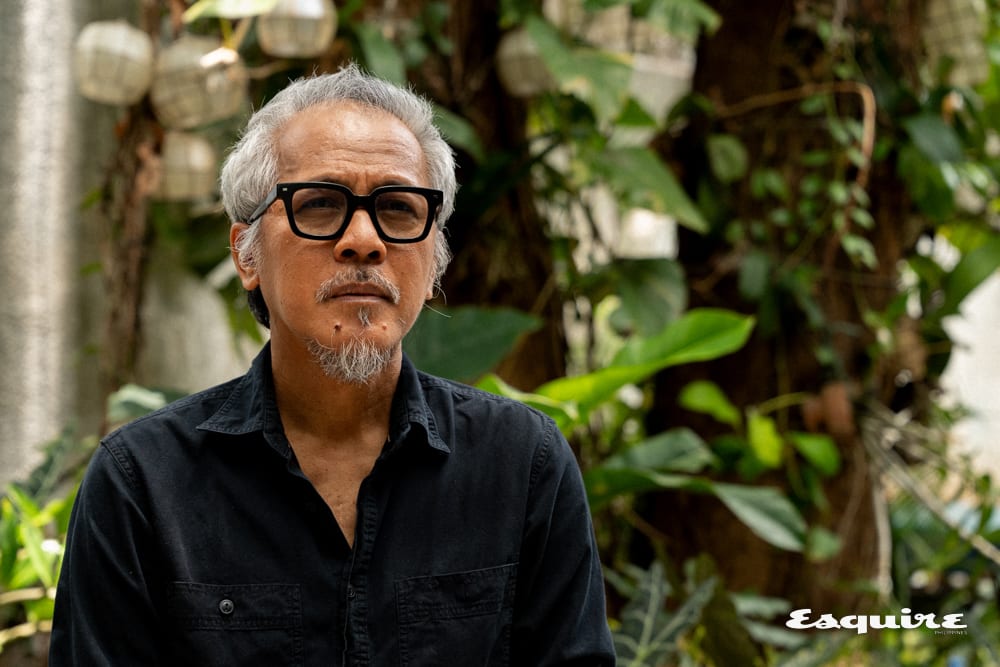
Sixty-six-year old filmmaker Lavrente Indico Diaz has made some of the most critically acclaimed films in Philippine cinema. From the sprawling, 10-and-a-half hour generational epic Evolution of a Filipino Family to the five-hour crime drama Batang West Side, Diaz tells the stories he wants to tell in the way he wants to tell them.
His mastery of slow cinema has earned for him a notable collection of little golden animals: a Golden Leopard from the Locarno Film Festival in 2014; a Golden Bear from the 66th and 68th Berlin International Film Festivals; and a Golden Lion from the 73rd Venice International Film Festival. The self-proclaimed chronicler who has delivered long, languid glimpses into the Philippine experience goes back 500 years in his latest project to look at Magellan, the man, Lapu-Lapu, the myth, and how their story became the legend we know today.
Lav Diaz: Esquire Philippines' June Cover
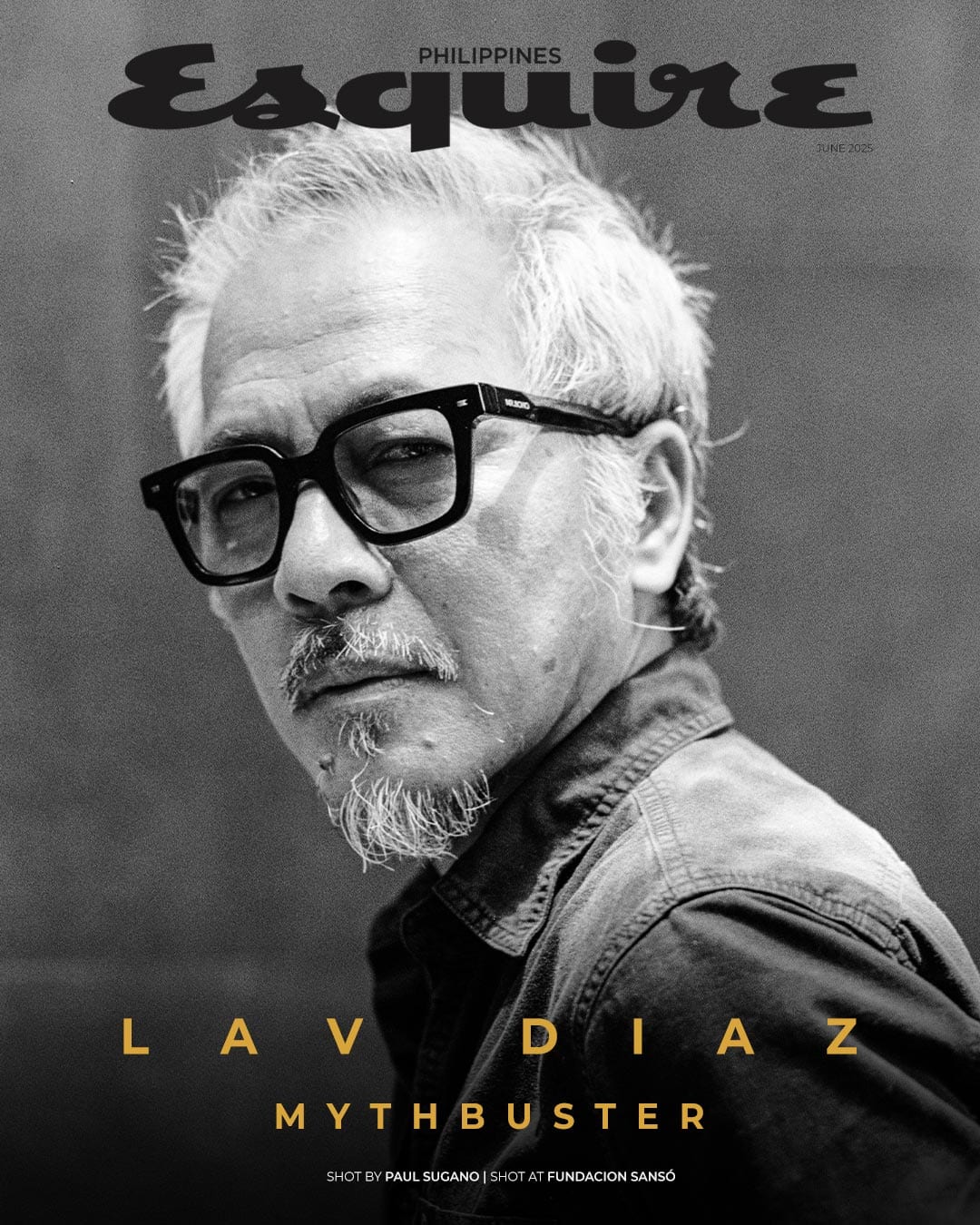
In this extensive chat, the chief proponent of what he terms “comatose cinema” talks about dismantling the culture of myth-making, drinking with his star Gael Garcia Bernal while discussing the cinema of Orson Welles and the philosophy of Karl Marx in Portugal, and giving up filmmaking to write the great Filipino novel.
This interview was done in June, before the nationwide screening of Magellan. It has been edited for length and clarity.
Zach Yonzon: Your latest project, Magellan, was well-received at Cannes. Congratulations.
Lav Diaz: Nabola na naman sila.
ZY: You've always said that films are supposed to be witness to or protect history. So you choose your films based on stories you'd like to tell about our country. Why Magellan?
LD: Well, lahat kasi ng ginagawa ko, gusto kong i-anchor sa isang period ng kasaysayan natin, ng history natin, kung anong epoch na pwedeng gawin. It's part of examining our past. It's part of educating our people, as well. So there's a lot of research 'pag gumagawa ko. Like, if I choose Magellan, the research was seven years. Kasama na 'yan ang paghahanap namin ng budget, of course. So it took us seven years. And the shooting, the eighth year, last year. So yeah, importante 'yon sa akin na bahagi ng struggle ko sa paggawa ng sine, sa cinema, to infuse, to integrate parts of our history for educating our people. Importante 'yon. It's part of the advocacy of my cinema, to educate our people. It's more on that.
ZY: Speaking of education, one of the things that you said was that you're afraid that this film might receive a bit of backlash…
LD: Yes, yes.
ZY: ...And be accused of historical revisionism. Why do you say that?
LD: Nasanay na tayo na Magellan na… kasi, the Lapu-Lapu story is already there. And in fact, he was declared a National Hero by (President) Duterte during his term. We believe that. So naka-integrate na sa psyche ng Pilipino. It's very much a part of our history. And he's supposed to be the first National Hero now. During my research, he was being mentioned by so many historians, even the confessions and accounts of people who survived the expedition, especially the book of the chronicler Pigafetta.
But if you are an investigator, the way they do it now, like genetic genealogy, you can sense na there's something wrong here. Parang walang Lapu-Lapu. He was just mentioned. And if you, again, investigate it more, parang it's all the handiwork of, uh, Rajah Humabon. So we should go back to that. Kailangang balikan. For our historians, gusto kong bumalik sila. Especially young historians, they should go back, examine, investigate, and discourse more on this thing. Kasi one of the biggest cultural debacles ng culture—ng bayan natin—is myth-making, man. That's why we have Marcos, we have Duterte, we have all these demagogues because of myth-making. Ang daling gawin eh. Sa populist perspective, you can always do it and then people will believe. They work on the ignorance of our people. So we need to examine it palagi. Myth-making is very dangerous. So they can use this—they can use it. Lalo na yung mga balahurang politiko.
ZY: You've always stood against populist dictators.
LD: Yeah, yeah. We should fight them.
ZY: And you have a very strong stance about that. A lot of your films center around that theme. In the case of Lapu-Lapu, whom you were referring to as a populist myth or fabrication, how do you weigh that against the necessity? Because certainly the creation of Lapu-Lapu, if he is indeed a myth—served a greater purpose than, say, populist leaders like Duterte or Marcos who used their larger-than-life status for their own benefit.
LD: Yes, yes.
ZY: The creation of the Lapu-Lapu myth, arguably, was largely in favor of the Filipino people. So how do you weigh the creation of Lapu-Lapu versus other populist creations? Like what you might be trying to compare it to is the mythification of Ferdinand Marcos, how he was ‘mythified’ into this soldier who fought and discovered gold. This is all a fabrication, right? Wouldn’t Lapu-Lapu's elevation as a mythical hero or figure serve a different purpose? Who benefited from that?
LD: It can work both ways, eh. We benefited from it and at the same time, it propagates yun nga, yung culture of myth-making. So medyo maselan siyang diskurso in terms of paano tinatanggap ng bayan. Yes, so we need heroes but also we need the truth. You know, those two things, nagbabanggaan yan, eh.
Noong pinalabas yung pelikula ni Marcos na Iginuhit Ng Tadhana, when it was shown…sumabog talaga. He won by a landslide during the election in 1964 and that created the myth. With Lapu-Lapu, it's different kasi may chronicles nga, but nobody saw him. Yes, we need the greatness of that mythical hero, I’m saying it now. But at the same time, we also need to dig (for) the truth on the matter. We're not destroying Lapu-Lapu pero kailangan nating malaman yung totoo. Yun lang naman, as a chronicler, gusto ko yun. I want to see the truth on the Lapu-Lapu thing. Yun lang naman ang very simple perspective dun sa cinema na ginawa ko. What do you think? We need heroes but we also need the truth.
ZY: Love that line.
It's really important now.
ZY: You are one of the more honest filmmakers of today. It's because you are not necessarily beholden to an audience in the sense that you have always created films for yourself. You’ve said before that you don’t really think about who's going to watch it.
LD: Yeah, yeah.
ZY: Right? So maybe you are the anti-Darryl Yap. Because you create films which is truth from your perspective but also has limited reach. Unlike, say, Yap who creates films with a specific message, but is also geared to reach as wide an audience as possible.
LD: Yes, yes.
ZY: How do you weigh the importance of telling the truth against creating a piece of art that’s very niche and has limited reach. How do you spread the truth to as many people as possible?
LD: Yeah, problematic yung discourse na yan in terms of ... if you consider cinema as art, then you don't really think about the audience. You work hard on aesthetics, on being honest with it. So ang diskurso ng cinema ko, I don't want to rush on the issue of education kasi you don't need an easy fix eh. We cannot educate our people that way. Kung labinlimang pelikula every year or 25 na pelikula, it's all commercial. Yes, kumikita nga sila. They're being experienced. Pero nae-educate ba sila? It's all facade. It's all entertainment. Yes, we need entertainment, pero mas deep, mas deeper kasi yung role ng art sa akin, eh. Part of it is education and part of it is also transcendence. We have to see life. We have to understand the human condition more. Importante yun. We don't rush that, especially given the situation now with the information highway, the internet, everything. Mas gumawa tayo ng…I don't want to say mabagal, pero solid yung foundation where people can go back and understand life more. Mas importante sa akin yun.
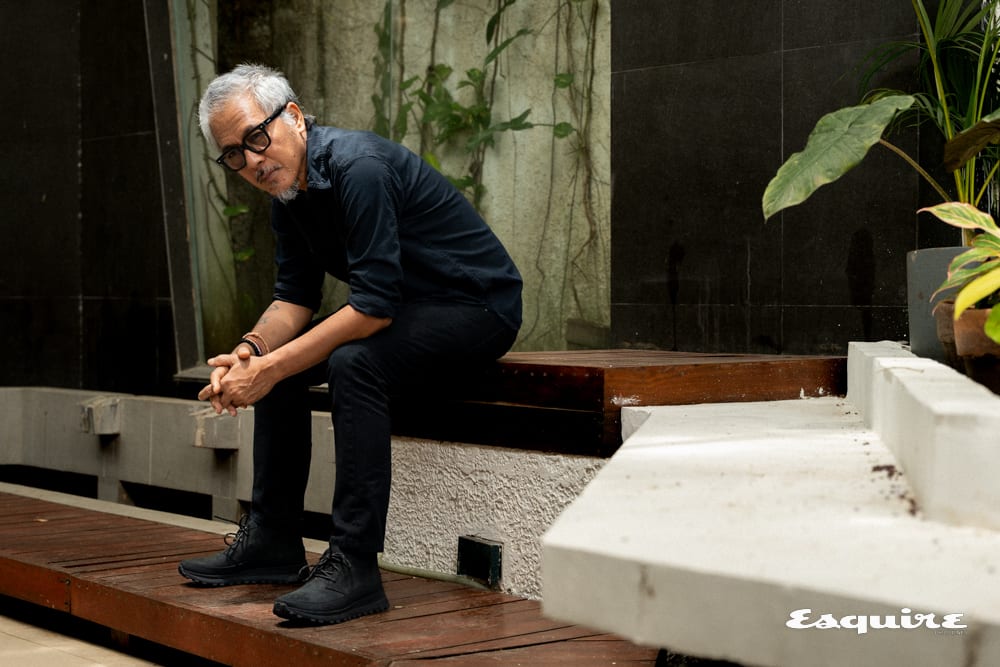
ZY: Speaking of mabagal, you are the champion of slow cinema in the Philippines. One of the leading proponents of…
LD: Comatose cinema.
ZY: Uh, slow, sleepy cinema.
LD: Ah.
ZY: This type of filmmaking is very contrary to the existing trend of short-form storytelling, which has arisen, as you mentioned, from the new medium that we have. For example, the rise of TikTok, which is really shaping the next generation of viewers.
LD: Yeah, yeah.
ZY: Your cinema appeals more to those who are already mentally or intellectually open versus the people that it needs to reach.
LD: Yeah.
ZY: How do you balance this against your purpose or the purpose of your films? Or do you believe that it'll just be viewed from the rearview mirror long after all of this is finished?
LD: No, of course, you yearn for that. You long for that. That it will be seen by more people. But at the same time, kailangan ilaban mo 'yun eh. The wall of ignorance is the biggest problem of the world now. This, in spite of TikTok, all this fast information, Wikipedia … (despite) all these things, ang totoo, lalong lumalaki yung wall of ignorance. And we need to fight that. So I don't want to...I don't want to rush my works. I want to be part of the struggle to destroy the wall of ignorance. That's part of the, you know, obligation or responsibility of my cinema. It's part of it—to destroy, to be part of the struggle. Para ma-survive natin ang lahat nitong wall of information. It’s destroying us actually because of the speed, the fastness. And hindi nadi-dissect masyado ng mga tao (kung ano) ’yung totoo at hindi. It's more of just, you know, eating and eating a lot of garbage. And it's destroying us. I don't want to be part of that. I don't want my cinema to be part of that.
ZY: You said you don't want to rush your cinema. But, uh, incidentally, Magellan also happens to be one of your shorter films.
LD: It's less than three hours now.
ZY: This is one of your shorter works.
LD: Yeah. Two hours and 30 minutes.
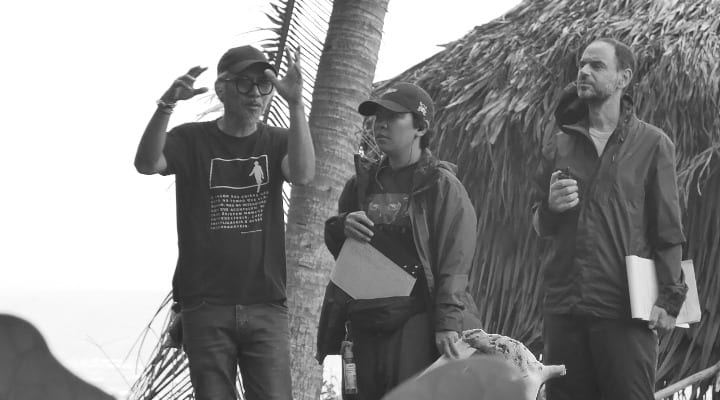
ZY: Do you think you were able to tell the story that you wanted to tell? As a filmmaker who's made a 10-hour film, I know that you're not somebody who compromises at all in your editing.
LD: It's a first step. It's a first step. I have a nine-hour cut of the film. But it will be shown two years from now.
ZY: There you go.
LD: Kumbaga, this Cannes film, itong lumabas, it was well-received naman. It's an acid trip lang, eh. The novel will come later, two years from now, which is nine hours. So, yeah. It will be a continuing discourse with the film, as well. I want my audience or so-called people who want to watch the film to struggle that way as well. You know, okay, may nakita na kami. We want more. So there's that coming nine-hour version, which is more extensive, expansive. It will give you more on the discourse of Lapu-Lapu; Beatriz, the wife (of Magellan), who is not really known; and the struggles of Magellan and his people. And of course, I balanced the film. Half of the film is the Malay perspective, the Malaysian ng Malayan Peninsula, so to speak, during that time. So may boses tayo as a culture and as a people in the film.
ZY: Not sure if you've worked with a bigger star, but how was it to work with an actor like Gael Garcia Bernal?
LD: You know, there's a clash of cultures, of course. Kasi galing ako sa...I started doing cinema alone. And my team now is just, like, five, seven people. It's very lean. With Gael, Hollywood ideologue siya. 'Yung big production perspective siya so...Well, I've done that with Regal. I've done four films with Regal na. Ang daming tao. But still, they have a very different way of doing things. Parang storyboarded 'yung mga galaw. Pero I didn't do a storyboard in this film. I adjusted my process, my praxis, my practice. I adjusted it with them. Ganun naman ang paggawa ng cinema eh. You have to psychoanalyze everything. You work like a psychiatrist.
So with Gael, inobserbahan ko siya. Tumambay kami sa Lisbon. We did a lot of, uh, drinking and talking about Orson Welles up to Karl Marx. Ganon. Kwentuhan lang. It's just everything. And you'll understand his psyche. You will understand his process. Pero pagdating sa shooting, nag-iiba siya. He changes into…'yung actor na. Talagang pinapasok nya 'yung character. And he's a very intelligent person. Napakatalino niyan. He reads a lot. Talagang para syang encyclopedia rin ng cinema. And he's from an acting family. From the parents, mga theater actors sila. So he understands the medium well, theater and cinema. So ang ganda niyang kasama in terms of, you know, doing those interactions sa paggawa. It helped me also. And marami akong natutunan from their process to our process here in the Philippines.
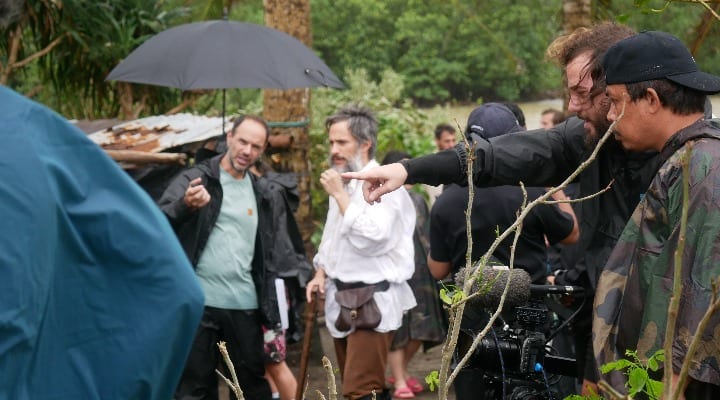
ZY: Would you say that Magellan is the most commercial film that you've worked on?
LD: Not really. May ginawa akong apat sa Regal. Mga two hours lang sila, two hours 30 minutes, so that really works. So mas commercial yung mga ‘yon. This one is really … not really commercial talaga, eh. This is more of a, you know…parang acid trip nga, I tell you. This one that was shown in Cannes. I still impose my own aesthetics. Yes, static shots, the long shots, it's there. Yeah. I decided also na maging kulay naman 'to. May kulay siya. It has colors so not really black and white.
ZY: You mentioned that there’s a nine-hour cut of Magellan. Do you have shorter versions of your other, longer films? Do you have any intention or think of condensing some of those six- or ten-hour films into more digestible versions?
LD: Well, before, I didn't want to do it. Now, I allow them. Like the 11-hour film, The Evolution of a Filipino Family, some institutions now, they want to cut the film into, like, five parts so I allow it now para lang magkaroon nga ng so-called audience or interaction with the work. I understand the capacity ng tao na hindi sila masyadong sanay sa mahabang pelikula, to sit down (for long periods). So I allow it now. Yes, in some works, watching them now, kaya ko naman iksian siguro. You have to abridge them or summarize them in some ways. May mga ginawa akong ganon na mas installation. I did some in Europe at saka sa America. Like, mga galleries na, "Oh, we wanna see your work as a form of installation." So yeah, parts of a five-hour film, ginagawa kong images lang. So I'm doing that as well.
ZY: Your films don’t often have widespread releases and it can sometimes be a challenge to find them. Have you ever considered the streaming format as a way to tell your stories?
LD: There's a very, very strong and popular streaming platform. Have you heard of Mubi? M-U-B-I, Mubi?
ZY: Mubi, yes.
LD: Yes, it's very popular. Ang lakas nun. I have, like, seven films there. Ang lakas naman. And mind you, in Paris, France and in even in India, an 11-hour film, nagli-lineup ang mga tao. It's full. Totoo yun. I mean, nag-grow na rin ang audience especially in Europe. In France, specially, or even Portugal and India, it's amazing how they love cinema. They don't care about the length. If the film is good for them, kailangan nilang panoorin. They have big festivals na talagang mahahaba. Nakapila sila.
ZY: That’s interesting.
LD: Yeah, yeah, yeah. It has to grow. Kasi yung panonood ng cinema, it's culture. It's like that. You have to teach our people to learn how to understand cinema more beyond the entertainment sphere or realm of cinema. Kasi kelangan yun eh, na ibuhos natin, and in fact it's growing here na. You go to the festivals pag pinapalabas yung mahabang films, puno naman. At umiikot kami sa mga campuses. Puno siya sa mga estudyante. Years ago, iniikot namin sa mga barrios. Nagpapalabas kami ng video. Nanonood yung mga taga-barrio. We just tell them, ‘Mahaba po yung pelikula, siyam na oras. Pwede kayong mag-stay. Pwede kayong umuwi at magluto. 'Pag balik niyo, tumatakbo pa rin yung pelikula.’ They do that. Pinatigil lang kami ng military eventually kasi parang, again, the red-tagging.
So we stopped doing that, yung pagpapalabas sa mga barrio. We did that before. We conducted discourses with them. Ang ganda. Naunawaan nila yung mahabang pelikula, ‘May cinema pala na ganyan. May pelikula palang ganyan.’ And we tell them, ‘It's you. It’s about you. These films are about you.’ And we have discourses on the human condition and politika na nangyari sa bayan, and why they are poor. They connect it, they thread it with what's happening in the film na napapanood nila, and it's great. Hindi lang nagtuloy-tuloy because sa red-tagging nga, nakakatakot. You will just be shot there. And people were being warned na, “Itigil nyo na ‘yan.” You know? So 'yun.
ZY: You’ve worked on several movies at a time.
LD: Mm-hmm.
ZY: Because you just take, as a lot of independent filmmakers do, you just take footage.
LD: Kung kailan may pera, shoot.
ZY: What lies in the future, or at least immediate future for you? Is there anything that you have planned or something that you're working on that you might want to talk about?
LD: Well, yeah. Marami pa ring akong tinatapos ng pelikula. May mga five unfinished works. I want to finish them. Some documentaries. But I want to transition to writing novels, Filipino novels. Kasi nakikita ko yung…in fact, my struggle with cinema is how to achieve the level of the novel where you can have great spaces, the details, real discourse with the reader. And it's very powerful. The novel form is really powerful. I want to achieve that in my cinema. And I think limited ang cinema. Limited ang cinema in terms of really digging into the human condition. So I want to write novels starting next year siguro. I'll stop doing cinema na siguro. I'll be writing novels at saka tula na lang.
ZY: Ironically, the goal of a lot of writers, when they have a book, is to transform it into…
LD: Cinema.
ZY: …cinema. But film is arguably the perfect art form.
LD: Yes, you can say that.
ZY: Because it has everything. It is visual, it is sound…
LD: The sensory (aspect) ang lakas, eh.
ZY: … and it is words. It’s also the most collaborative of all art forms, some would say the perfect art form. So while some writers yearn for their books to be made into films, it’s very interesting that you're the reverse.
LD: Limited sya sa tingin ko.
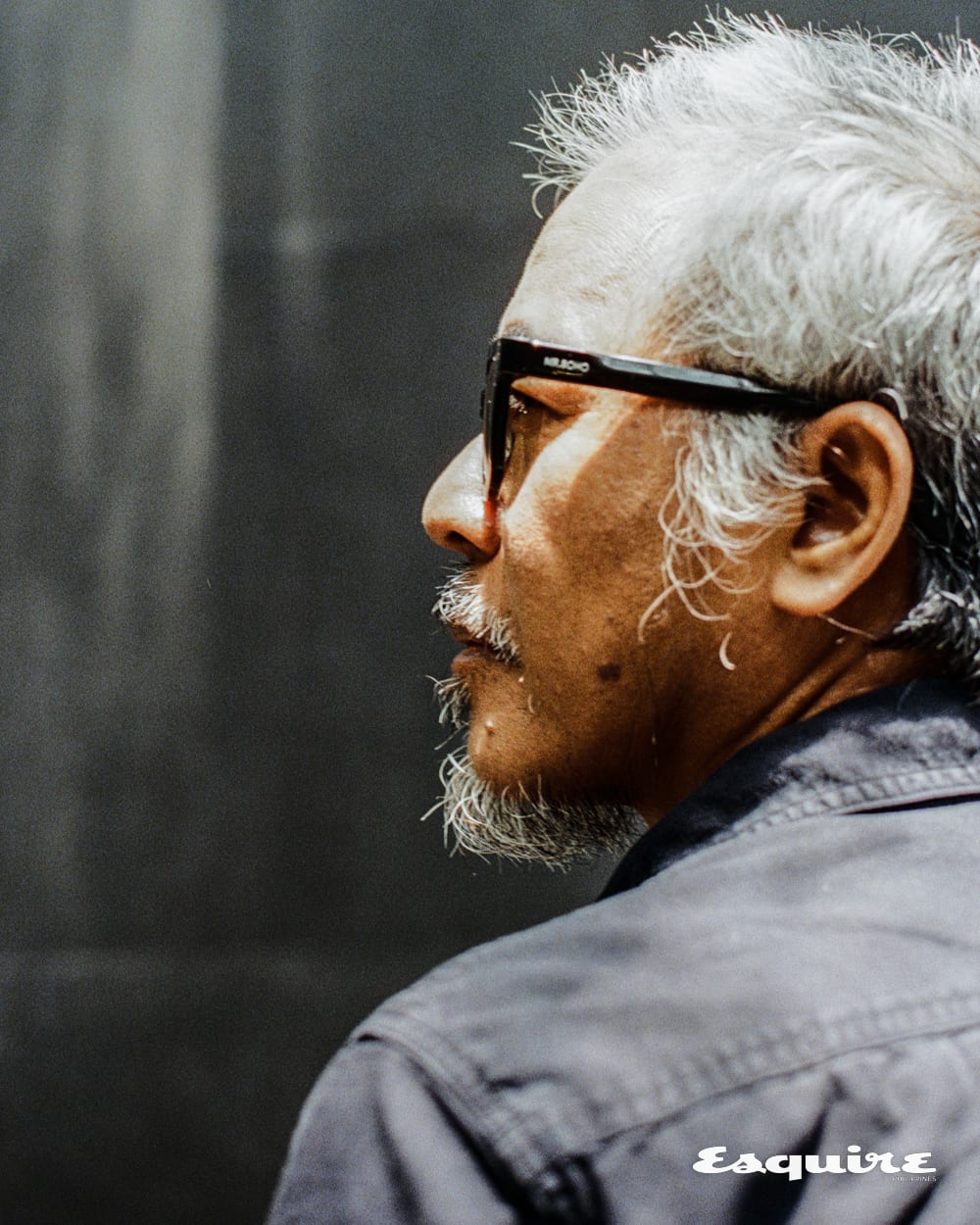
ZY: Can you kindly expound more on the power of the written word as opposed to the cinematic experience?
LD: Yeah. On the issue of transcendence na lang. You know, experiencing words, specifically poetry, novels, even essays and the short story form, cinema…the image is very immediate kaya sinasabi mo na it’s the perfect art form. Sensory-wise, everything. It works immediately but it won't stay, eh. Hindi masyado. Unless it's a really great film na it will stay with you for a while. With words, yung impact niya, transcendent talaga, eh. It will bring you always to a zone na. It will—I want to use the word—change you. Read a great novel and totally you will be changed, like, Magic Mountain or War and Peace. You know, Brothers Karamazov. Even Moby Dick. Finish the book, ibang tao ka na after reading that book. You know? Don Quixote. It's very transcendent. Iba siya.
Gusto kong ma-achieve yan sa cinema pero mukhang hindi kaya eh. I've been trying to do that. Pero hindi, eh. Hindi kaya. Limitado sa akin ng images eh, the combination of images.
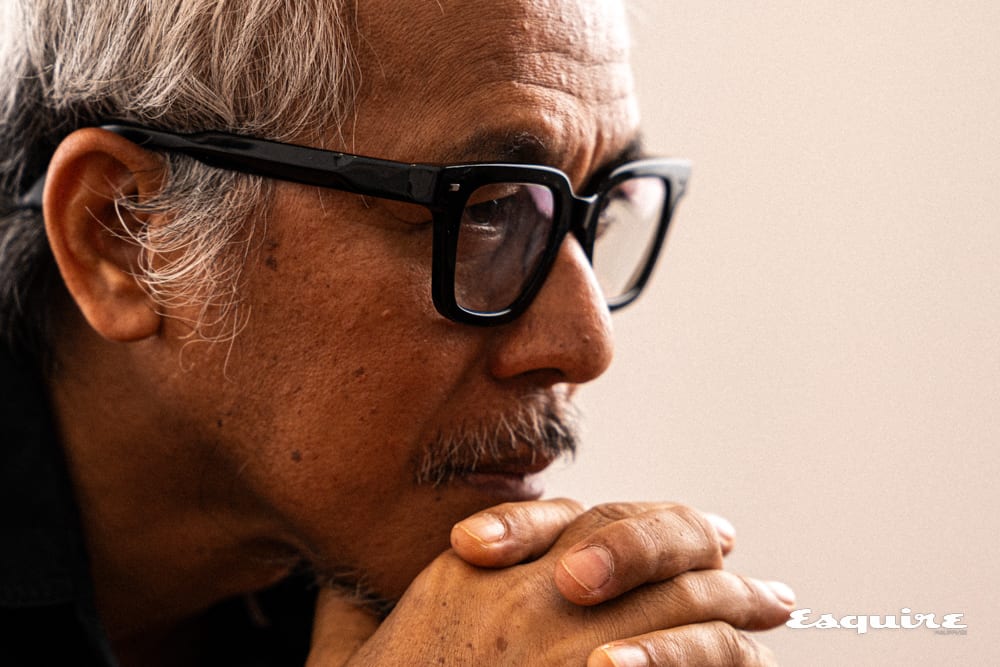
ZY: But it’s almost certain that your films have changed people.
LD: Well, madami. I've seen people na nabago ng cinema ko. Pero yeah, I still feel it's limited. I don't know. Meron akong ganoong pakiramdam, eh. Every time I do the camera work, the writing and then, you know, applying it sa formula ng cinema, nali-limitan ako, eh. You're faced with actors na 'di nila makuha yung gusto mo. Tapos pagdating sa editing, you want more or… Kulang eh, kulang. With the novel, you can just go on and on. With poetry, you can just go on and on and it's great. Yung pakiramdam ng freedom, ang kalayaan ng paggawa.
With cinema, there are limitations,. Especially pag gumawa ka tapos may mga imposing pa na producers and you cannot do it. You know, the limitations, ang dami. You can go on and on about the limitations. Pagdating sa post-production din, may gusto kang gawin, 'di mo magawa unless it's a blockbuster film that you can just put all the VFXs there. But if you work on ideas and perspectives and discourses, it's hard with cinema. You watch the (film) and then lumabas kayo, mag-usap kayo, magkape and it becomes the novel form. It becomes poetry. It's not cinema anymore. Yeah. Parang trigger lang yung cinema, yung image. It's a façade.
ZY: When did this feeling of limitation set in for you?
LD: Right from the very beginning. Kasi from the very start sinubvert ko na yung cinema. Kasi cinema is language. So from the very start, “I will create my own language,” sabi ko. And it's evolving. Language keeps evolving, no? So I can't understand why people keep repeating the same thing in cinema. The same angles, the same everything. Sabi ko, "Fuck it. It's language, it's culture. Bakit inulit-ulit niyo yung ginagawa ng Hollywood? Why do you keep repeating that? Invent. Create your own language. That's why it's language. Hindi nila ginagawa. That's why stunted ang cinema eh. We keep repeating the whole thing and we keep repeating the two-hour, one-hour thing. Eh, malaya ang cinema. It's just a very young medium. Palayain natin ang cinema.

Interview: Zach Yonzon and Lav Diaz
Production and Editor-in-Chief: Paul John Caña
Sittings Editor and Creative Direction: Igi Talao
Photography: Paul Sugano
Videography: Mig Mabanta, Kieffer Carrascal
Grooming: Xy M. Eugenio and Mutya Cabrera
Shot on location at Fundacion Sanso, San Juan City.
Special thanks to Fundacion Sanso (Tedrick Yau).
Zach really, really, really loves films.
View More Articles About: