Sen. Bam Aquino: 'Marami Tayo. Dumadami Pa Tayo. We Shouldn't Feel Powerless'
Senator Bam Aquino suffered a stinging loss in 2019 that left his future in government service in doubt. However, in May 2025, he won the second-most number of votes in the Senate race.
Published on Nov 16, 2025
Every year, Esquire Philippines presents Man at His Best, the local iteration of a global signature event where we celebrate extraordinary Filipino men and women reshaping society as we know it. These are the dreamers and doers who have made a profound impact on the Filipino's way of life, who are using their talents and skills to make something of themselves and inspire the rest of us to do better with our lives.
This year, we're honoring eight visionaries in film, politics, music, business, F&B, journalism, and literature. They are the Architects of Tomorrow: laying the groundwork for a better, more progressive country—embodying what it means to be a Man at His Best.
Meet Esquire Philippines' Maverick of the Year, Sen. Bam Aquino
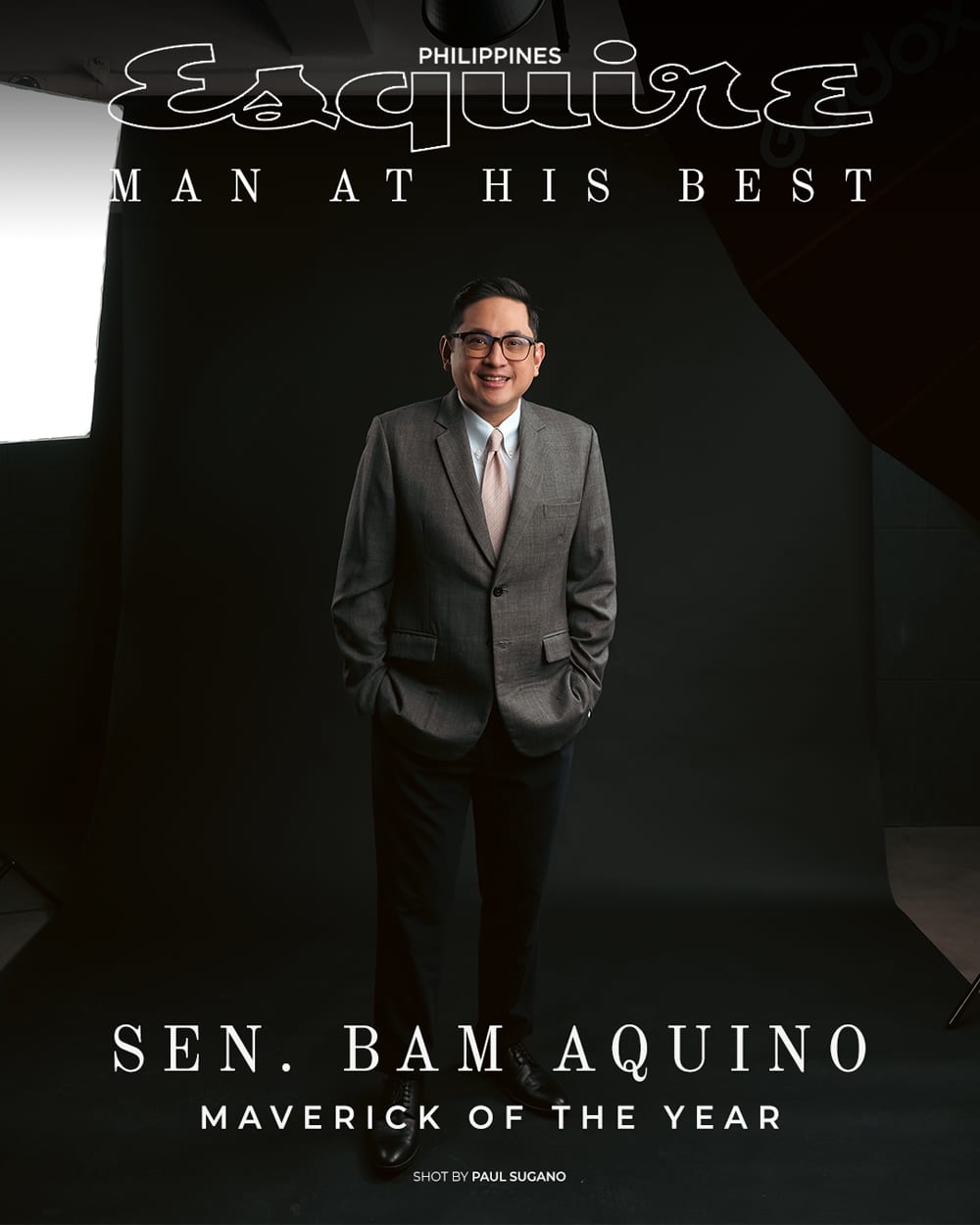
If Bam Aquino existed in a parallel timeline, he would have been a different kind of household name, though the summa cum laude in BS Management Engineering would still be part of his resumé. Because brilliance like his is bound to manifest in any universe.
But instead of the Senate floor, maybe you’d find him behind a podcast mic, turning deep dives into binge-worthy entertainment. Or building ventures that made him one of the country’s most admired social entrepreneurs. In this version of the story, politics would have been too messy, too constraining.
After all, he’d be the type to thrive anywhere else—from boardrooms to classrooms, to grassroots communities. Had history tilted even slightly, he could’ve been in Silicon Valley leading a startup, or somewhere in Asia, running an NGO that reshapes lives.
You could even imagine him winning a Ramon Magsaysay Award. It’s not that far-fetched. After all, we’re talking about Bam Aquino.
Sen. Bam Aquino: Esquire Philippines' August Cover
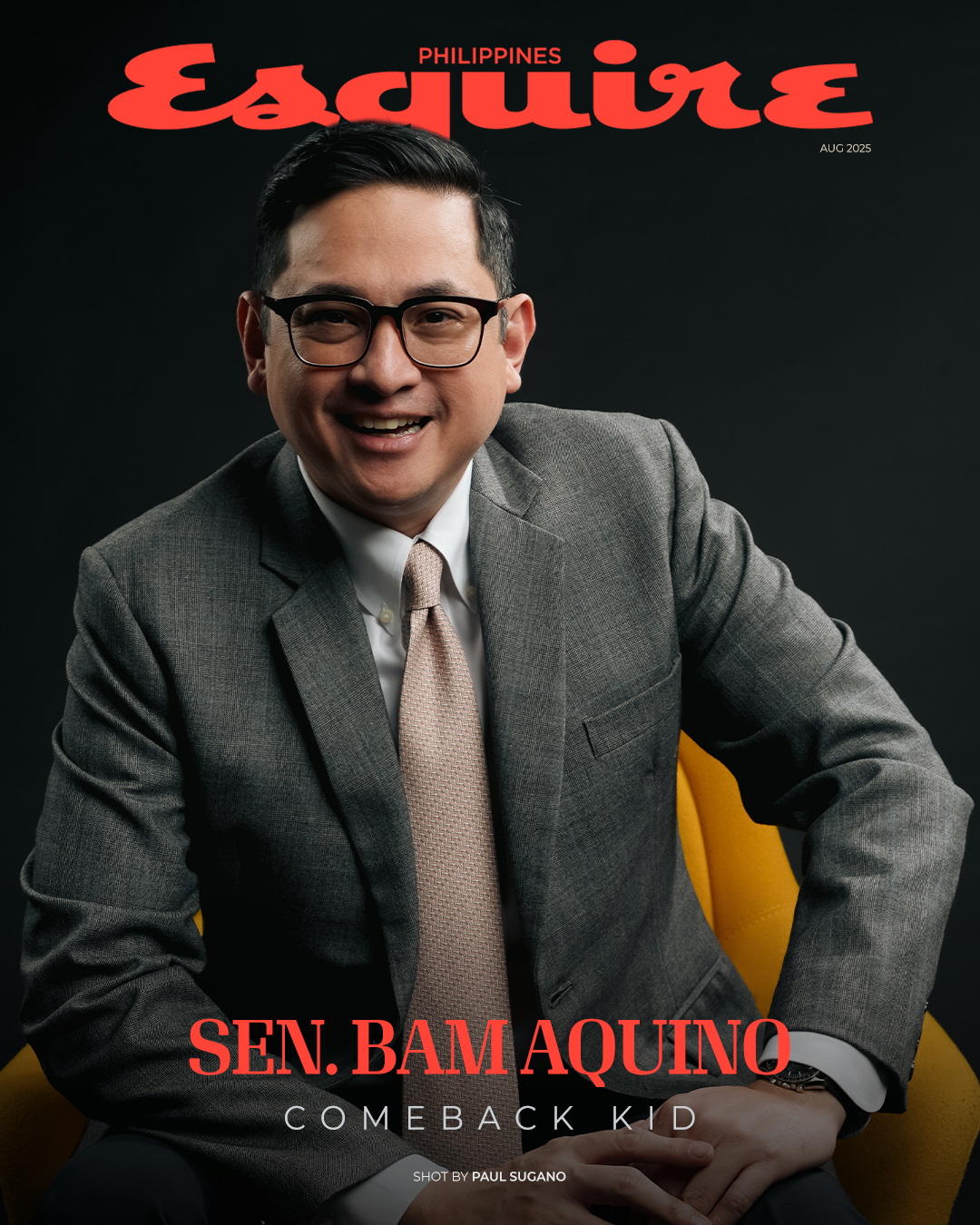
But here in the Philippines, in the timeline we’re in, an Aquino is never just an Aquino. The name comes with a compass, a burden, a legacy. Bam grew up with reminders of that responsibility. From visiting his Tito Ninoy in prison as a boy, becoming the youngest chair of the National Youth Commission at 25, and later championing micro-entrepreneurs through Hapinoy. These were signposts pointing him toward a life less about personal glory and more about public service.
His first Senate stint in 2013 left its mark through landmark laws such as the Go Negosyo Act and the Free College Education Act. But his 2019 loss seemed to close that chapter.
Until May 2025.
Against the odds, Bam Aquino staged a comeback that rode on an unstoppable wave of mostly youth voters, surprising even his allies. This time, his campaign wasn’t propped up by family name alone. It leaned on credibility, on reform, on a track record that spoke louder than hollow campaign one-liners.
In this one-on-one with Esquire Philippines, Senator Paolo Benigno "Bam" Aquino IV reflects on that return, the weight of carrying a legacy, and what it takes to serve in a political arena that is now far harsher and far less venerated than when he first entered it.
This interview has been edited for length and clarity.
Gerry Cacanindin: Last August 21 was Ninoy Aquino Day. How do you and your family normally mark the occasion?
Bam Aquino: All the August 21 commemorations, lagi akong nando'n, maybe except for one year na hindi ako nakapunta. I remember when I was a young boy, the first year anniversary, sobrang daming tao talaga. And then through the years, sometimes maraming tao, sometimes konti lang ‘yung tao. Sometimes, marami ang pupunta, sometimes wala masyadong pupunta. Pero every year, we commemorate his death anniversary kasi it was an important time in our history. And I always say, especially sa mga kabataan, "We remember him not only as himself but as somebody na nagmahal sa bayan."
Kasi in our recent history, parang ang hirap itukoy e, sino ‘yung mga talagang nagmahal sa bayan, di ba? And if we know somebody in our recent history—of course, for me, hindi ganoon kalayo yung 1983, although I understand for the Gen Z, medyo malayo na talaga yung 1983. At least in our recent history, we have somebody who really lived and died for the country. At pag naalala mo ‘yun, parang kahit papaano sana mapukaw rin ‘yun sa puso mo. So I always say it's really important to remember that day when we had somebody in our recent history who lived and died for the country, na nagmahal sa ating bayan.
[Nung August 21], ‘yung message ko was ‘yung mga pinaglaban niya, pinaglalaban pa rin natin. Yes, meron tayong demokrasya pero yung good governance, pinaglalaban pa rin natin. And we had the August 21 commemoration in the backdrop of the flood control issue, our education and classroom issues, napakaraming issue sa ating bansa na pinaglaban rin niya. So kung gusto nating siyang maalala, if we want to remember him, if we want to honor him, we continue the fight. Kahit namatay na siya 42 years ago, ‘yung mga pinaglalaban niya buhay pa rin dapat sa atin. Tayo na dapat ‘yung magpatuloy.
‘Yung binanggit ko lang na quote niya in the airport was—he used to say, "You cannot depend on one man. You have to depend on all of us." We are all dispensable in the cause of freedom. So lahat tayo mahalaga. May papel na kailangang gampanan. Hindi pwede tayo nakaasa lang sa isang tao, sa mga politiko o sa mga bilyonaryo. Kailangan lahat tayo may role na ginagampanan, 'no? And some people are vloggers. Some people need to vote better. Some people are doing it in their own work or in their own workplaces. Pero lahat tayo may papel dito sa pagmamahal sa ating bayan. That's what I always try to impress upon young people na habang tumatagal ‘yung panahon, palayo na nang palayo na yung 1983 sa kanila.
GC: Lagi kayong nako-compare…
BA: I think it's the looks. More than anything else.
GC: Do you still get those direct comparisons with Ninoy Aquino? Do the Gen Zs even make that connection?
BA: No.
GC: Kasi parang sa kanila, kumbaga Rizal na si Ninoy.
BA: Exactly.
GC: They don't have memory. But do you still get that?
BA: I do. I do. And normal na ‘yun sa akin. In fact, I don't even think it's it's bad. Kinikilig ako pag sinasabi ng mga tao na kamukha ko ‘yung tito ko, kasi idol ko siya e. Tsaka pogi naman siya. Pag kino-compare ka sa pogi, nothing wrong with that, di ba?
People still say it, "Ikaw talaga yung kamukha ng ng uncle mo." But that's really more from people my age and older. ‘Yung mga Gen Z, wala na sila masyadong reference kay Tito Ninoy. Tama ka e, for them, hindi na siya tootong tao. Para na siyang nasa pera or airport or para na siyang Rizal.
But ako kasi growing up...more or less naalala pa natin ‘yung time na buhay siya at noong namatay siya. So he's more real to us. Kaya pag kino-compare ako sa kanya or pag sinasabi kamukha ko siya, I'm actually very flattered talaga.
GC: Itong last campaign was traumatic for us…
BA: In 2022?
GC: Not even 2022.
BA: 2019?
GC: 2019. Doon pa lang, ‘yung trauma na meron na doon eh.
GC: How would you characterize the people who voted this time around? And do you believe ‘yung assessment ng mga survey na hindi raw kasi nila na-capture yung Gen Zs?
BA: Well, kung di nila na-capture ‘yung Gen Z, parang inamin na rin nila na their results aren't valid. After the 2022 campaign, I was the campaign manager ni VP Leni, 'di ba? It was really difficult and devastating afterward. I gained like 15 pounds. Tapos nagka-psoriasis ako for the first time in my life. And then, kasi I'm diabetic, but controlled diabetic ako. So after that campaign, talagang sabog lahat. Physically, naramdaman ko rin ‘yung difficulty tsaka ‘yung stress.
But by November of 2022, nag-start mag-invite ‘yung first youth group, specifically Angat Taytay. So yung kabataan ng Rizal na nag-organize into their own youth organization, sila yung first invitation na, "Sen, punta ka naman, magsalita ka dito. Nag-oorganize na kami." And they were heeding the call of VP Leni na mag-convert into NGOs and to people's organizations.
May ‘yung eleksiyon, of course, June, July, talagang malungkot. Lahat tayo malungkot. But by November, sila ‘yung unang nag-invite. And after that, na-feel ko na, "Oh, itong mga kabataan parang willing pa rin silang lumaban."
I think yung edad natin yung pinakaapektado eh. Kasi in any other election, panalo dapat tayo e. I mean, from our history, especially of People Power, the feelings were there e. Nandoon ‘yung feelings, nandoon ‘yung dating, and maybe any other election we probably would have won. And yet talo tayo.
But for a lot of the young, marami sa mga youth, first time silang lumaban. They were also very, very devastated. Pero ang bilis nila nakapag-rebound. And I felt that they were the fastest group in the 2022 campaigners, na nakapag-rebound kaagad. And they started inviting in November. Tuloy-tuloy 'yun hanggang 2023. And then I had time, a fellowship in America end of 2023. So pagbalik ko, sabi ko, "I wanna go back and I want to run again."
Kaya lang nung May of 2024, yung survey ko was 24 to 32. Sobrang layo. Wala kang karapatan tumakbo kung 24 to 32 ka sa survey, 'di ba? It was really far. May kausap akong pastor na kaibigan ko. Sabi niya, "You know, in every person's life there's always that moment na you have to take a leap of faith. Na kahit walang kasiguraduhan, you don't know what's going to happen, wala kang safety net, di mo alam kung may tubig yung swimming pool, kailangan ka pa rin tumalon. And maybe this is that time for you," sabi niya.
So I went on Karen Davila’s show in May of 2024. Sabi ko, "I'm going back into politics." At 24 to 32 (ranking).
Si Senator Kiko was better. Wala rin siya sa top 12 or baka nasa 11 siya. Gilid. Pareho kaming tumalon sa swimming pool na hindi namin alam kung may tubig o wala. And that started, more or less, the campaign towards October. And then, of course, February ‘yung start of the campaign.
From October, ‘yung talagang nandoon from the start ‘yung mga kabataan. They were really there from the beginning. So all of those youth groups na lumabas nung time ni Ma'am Leni, at marami sa kanila hindi nakaboto in 2022 kasi hindi sila rehistrado e, pero ngayon rehistrado na sila. They were the first groups that came out to support as early as October. Filing pa lang nandoon na sila.
A lot of the pink groups na kaedad natin came up very, very late. Maybe even March na siguro sila lumabas. They didn't come out in Feb. Kasi in Feb, pareho rin kaming out of the top 12 e. But we started to pick up siguro end of March, April? And by April, may mga survey na kaming medyo pumapapasok-pasok na nang konti. And we felt it also. We felt it on the ground. We felt it when we would go around the Philippines or even on social media, nagpi-pick up rin siya. Until eventually going into election day, nagna-nine na ako sa OCTA, although there was one survey that had me at 15. Kami ni Kiko, 8 to 15 range, May 6 or May 7, di ba? But mostly, pumapasok-pasok na.
Going into election day, I kind of felt na papasok, pero nobody expected number two. Nobody expected ‘yung surge of support in the end na parang bumulusok siya. And even for Senator Kiko na nag-number five, he didn't expect it also. We're very happy na umabot kami.
For the record, I think it was really young people, the youth. Mga naka-benefit from the free college law. Mga lumabas noong 2022. Mga naghahanap ng bagong leadership. Ito ‘yung mga nagdala talaga sa akin. And they were able to register, they were able to vote, and they were able to convince their parents.
Kasi nung bandang last few weeks pag umikot kami, mga lumalapit sa’kin sinasabi, "Sen. Bam, boboto lang kita dahil sa anak ko ha? Kung hindi, magagalit ‘yung anak ko sa’kin," ganyan. So padami nang padami 'yun when I would go around. So I also think that's how we were able to break out of the usual pink and yellow base na 2019 and 2022, medyo limited tayo to that number of voters. Naka-breakthrough tayo because young people were able to get their parents to support and to vote. And that eventually talagang broke through at umabot tayo ng almost 21 million votes.
GC: Let’s talk about some of your platforms and policies. What are your priorities and your approach in shaping next year’s national budget? How will you ensure resources are allocated toward programs with the highest impact on economic growth and social development?
For example, Senator, yung sabi niyo, ‘yung budget natin sa flood control, pwede na niyang punuan ‘yung budget para sa…
BA: Classroom gap.
GC: How do we make that happen?
BA: Bakbakan 'yan. People don't realize kung paano nabubuo yung budget. ‘Yung budget kasi, it's a push and pull. May mga grupo who want to fund this, and there are other groups who want to fund other things. So you have to make the case. Make the case to the public para may public pressure. You make the case to your fellow colleagues kasi, at the end of the day, lahat kayo boboto dito, di ba? Tapos babantayan mo 'yan. Di mo pwedeng pakawalan 'yan. Kailangan every step of the way, babantayan mo 'yan.
Yung maganda now is, I sense a convergence happening. You have moves from the executive, moves from the legislative, and a very commendable chairman of (Committee on) Finance, si Senator Gatchalian. They all said that they want to push for transparency, and they want to make the 2026 budget the best budget we've ever seen. Syempre ako, inunahan ko na. Sabi ko, if best budget 'yan, kailangan education yung pinaka-napopondohan.
You're following what we do in the Senate. I'm sure naintindihan mo na ‘yung ginagawa namin is not just a pitch to my colleagues, but it's also a plea to the public. Gawin nating acceptable na walang flood control na peke at nakapondo ‘yung edukasyon. At hindi lang siya naka-fund based on the current spending, kasi as we know, P3.4 million yung classroom ng DPWH. Dapat nakapondo siya sa tamang presyo, which for me, I think is about P1.5 to P1.7 million per classroom. So madodoble mo yung dami ng classroom kung may good governance ka, 'di ba? So pag binawasan na 'yung flood control at ilagay mo 'yun sa education...
By the way, other groups have started to talk this way. Sa Congress, namo-monitor namin na some congressmen are moving to realign the flood control budget to education. Parang may openness si BBM. May openness rin ang Malacañang. Of course, makikita natin 'yan sa final output. Pero kung ‘yung taumbayan mismo nakatutok na, tama na yung flood control na peke, ang pondohan natin edukasyon. Pondohan natin classrooms, tulong sa teachers, Internet connection...we'll be able to actually create real reform.
Hindi siya parang, "Kasi gusto ko 'to kaya mangyayari." Kailangan mo siyang itrabaho. You have to work with the media. You have to work with your fellow colleagues. You have to sense rin kung nasaan ‘yung gusto ng tao. And I'm getting the sense that we will be realigning, hopefully, a huge part of this flood control budget na kapag hinimay mo 'yan, palagay ko marami diyan dapat matanggal na. I-realign natin 'to sa edukasyon.
Maraming modality. Maraming paraan na sinasuggest ng DepEd. Now they're looking at the PPP (Public-Private Partnerships), which is similar to what PNoy and Brother Armin (Luistro) did during their time.
Nasara nila 'yung classroom gap ha. When they entered in 2010, there was a 66,000-classroom gap. Okay? And by the end, nasara nila 'yon through the efforts of Brother Armin and PNoy, mostly through a PPP. Ngayon, we have a 166,000 gap. Can you imagine 166,000? Wala pa do'n 'yung to be repaired. Wala pa do'n 'yung double shifting. So it's really more than that.
And the first step pagdating sa classroom gap is to get the right price. Kasi kung nasa presyo tayo ng DPWH ngayon, masyado siyang overpriced. We're having the TWG (Technical Working Group) next week. Malalaman namin kung bakit magka-iba yung mga presyo. Of course, we will publish that also. So we will find out why there's a difference in price. Pag na-peg mo na 'yung presyo, then you talk about the different ways to be able to distribute the funding. I don't think the DPWH route is working. Hindi talaga. Kaya nga lumaki 'to nang 166,000 kasi, in 2018, nilagay lahat ng classroom budget sa DPWH. It's not working. Lumaki nga 'yung gap e.
Ano ‘yung mga pwedeng ibang gawin? So one is a PPP, which is basically working with a private corporation, na babayaran mo lang based on their output. Medyo doon papunta si DepEd. Pero 'yung isang magandang tingnan rin is to allow LGUs and NGOs—with a track record in school building, to participate in the national fund. Kasi kung sabay-sabay tayong gagawa, may tsansa tayo. Kung isang ahensya lang 'yan, deka-dekada 'yan bago 'yan matapos. And we've seen that some LGUs and some NGOs can build beautiful, well-made classrooms at half the price of DPWH. So 'yun 'yung gusto naming makita.
Lahat ng mayor, barangay captain, ang raming humihingi ng classroom kasi punong-puno na 'yung mga classrooms nila with schoolchildren. If the money is given directly to them at sila na 'yung gumawa, palagay ko mas mabilis at mas kayang ma-maintain 'yung presyo rin. And that's the solution that we're trying to pass right now, 'yung Classroom Acceleration Program, which is the first bill in the Committee on Education. Mangyayari 'yan.
GC: The Philippines is targeting upper-middle-income status by 2027. Tina-target natin, but we missed it by $26. So hindi pa tayo nandoon.
BA: But that's averages, ha? That's not the reality that many Filipinos are facing. So ito naman, hindi naman 'to issue ng administration na 'to. Ever since naman, our development is a concentrated development. Naka-concentrate siya sa mga siyudad, naka-concentrate sa ilang pamilya, naka-concentrate sa ilang industriya. We are not able to distribute that wealth across the country.
And, what are the two proven ways to distribute wealth? Education and SME development, which are both my advocacies also. So kung 'yung kasaganahan natin on average maganda, like GDP growth. Oh, maganda naman. Pero regular Filipinos don't really feel that. Di naman ‘yan nararamdaman, 'di ba? Kasi 'yung concentration ng development or concentration ng wealth nasa iilan lang.
So this is why we are also looking at supporting the minimum wage increase, how to support your farmers, your SMEs, your startups, kasi lahat 'yan distributive e. Di lang siya growth, it's also distributive in nature, meaning mas nakakalat mo 'yung development sa mas maraming tao at mas maraming lugar. Medyo misleading 'yung mga, "Oh, malapit na tayo..." "Middle-income na tayo!" ganun.
GC: Hindi siya inclusive growth.
BA: Hindi siya inclusive growth, which we know was also the focus in the term ni PNoy. Inclusivity is very important. 'Yun 'yung challenge ko lagi sa mga business groups, malaking kompanya mga Philippine Chamber, Go Negosyo!, I always challenge them. Maganda 'yung mga training, maganda 'yung mga scholarship ng mga MSME. Pero 'yung pinakamagandang programa is kung kasama sila sa supply chain ninyo. If a big business can open up its supply chain to smaller businesses, mas nakakalat niya 'yung stability and wealth e.
That's the challenge. How do we open up our formal economy to the informal economy? How do we let our workers participate in the gains of the companies. Kasi right now, ang gain lang nila, sweldo. Pero itong mga kompanya, ang laki-laki ng kinikita, hindi naman 'yun nakakalat sa mga workers nila. So our economy for the past so many decades, naka-concentrate siya sa ilang lugar, specifically Metro Manila, Metro Cebu, Metro Davao, mga siyudad, at mga ilang pamilya who we've seen have become ultra-rich talaga. Pero 'yung karamihan ng mga Filipino have not been able to participate in those gains. So 'yun 'yung kailangang challenge ng economy natin, hindi lang pagpapalaki kundi pagpapakalat rin.
GC: Naging issue din siya nung time ni PNoy e. It was being used as a talking point na hindi nararamdaman 'yung gains.
BA: Totoo naman talaga, but it's a major reconfiguration of our economy also to make it more inclusive. But government can incentivize the big players in different areas na mas magkaroon ng growth rin sa mga lugar nila.
It can be done kasi other countries were able to do it. Pero tayo kasi masyado nating idol ang Amerika. If you look at the US, diyan talaga; inequality is one of the highest in America. Our inequality is one of the worst, also. In fact, I think we're the worst in the ASEAN or one of the worst in the ASEAN pagdating sa inequality. So ang challenge ko nga d'yan, hindi lang siya growth, pero, inequality rin 'yung kailangang tingnan.
So one of the things we're looking at also is living wage. Did you know, Gerry, na sa Constitution natin, nakalagay 'yung katagang “living wage”? Hindi siya minimum wage ha?
It's there. It says “living wage.” I don't have the exact wording, but kailangan aspiration ang gobyerno na magbigay ng living wage sa bawat Pilipino. Hindi lang siya minimum wage. So if you talk about living wage, you're talking about what you're able to earn from your work, plus what the government is able to provide. Itong what the government is able to provide, nandiyan 'yung free education, free health care. Na hindi rin naman talaga siya perfect at marami pang kailangang gawin rin. Pero kung i-add mo 'yan, that should be the living wage that every Filipino should be able to have.
So this aspiration of the Constitution, hindi pa rin 'yan naaabot. And we have to work towards that. And our contribution, I think, is really on education. Kung 'yung educational system natin mas maayos, mas patas, and can really create quality graduates, skilled graduates who can participate in the workforce of the future, mas makukuha mo 'yan. You'll be able to achieve that faster. And then 'yung good governance side is to make sure na 'yung pera ng gobyerno o pera ng bayan na nasa gobyerno, nabibigay nang tama. And if you add all of that, that should provide some more support for our countrymen.

GC: Speaking of education, you ran on a platform focused heavily on education. Pero 'yun nga, sobra 'yung inequality. The Philippines has consistently ranked low in international assessments like PISA, particularly in math and science. You always mention 'yung EDCOM 2 with Dr. Karol Mark Yee. Ano 'yung nakita niyo doon na kailangan talaga natin ng reform?
BA: Firstly, ako, I’d like to commend the EDCOM report kasi it doesn't look like a government report. Kasi napakapranka niya, napakabrutal niya. Walang sugar coating. So I commended Dr. Karol, Senator Gatchalian, for really pushing this report to come out. Kasi all solutions to problems begin with recognizing the problem. So na-recognize niya 'yung problema. I think our educational system has lost track of the basics.
Ano ba 'yung basics? 'Yung mga bata dapat kayang matuto. Hindi nila kayang matuto kasi gutom sila. That's like really, really basic. And we've been funding a feeding program for years. Now it's time to increase the coverage, increase the funding, make sure na 'yung mga bata may kakayahang matuto. It begins with that. Kailangan pagpasok nila, conducive 'yung kanilang pinapasukan, na matuto sila. Hindi sila matututo kung walang classroom, kung siksikan sila, kung triple-shifting sila.
Kung triple-shifting ka, the first class is at 5 a.m. Can you imagine nine years old, papapasukin mo ng 5 a.m.? Kailangan conducive siya. 'Yung classroom maayos, may upuan. We have five million aisle learners, that means five million kids na walang upuan. They're on the floor, nasa aisle sila. Can you imagine? Paano ka matututo no’n, 'di ba?
Kailangan may learning material sila. 'Yung mga textbook, hindi dumadating sa kanila. 'Yung isang pantapal natin diyan, Internet connection. If they have an Internet connection, kahit ma-late 'yung textbook, kahit papaano may access 'yung teachers and students to learning materials.
'Yung curriculum, we have to graduate Grade 12 na employable. It's not happening, 'di ba? So there's a seven-point agenda we laid out in our committee. Seven different points 'yan. Ano 'yung commonality niya? We have to go back to basics.
'Yung teachers natin kailangan nakapagtuturo. E kung marami kang pinagagawa sa mga teacher, hindi na sila nakapagtuturo. You have to support them with training and equipment so that they can do their jobs.
Teachers, classrooms, Internet, food...it's the basics. We have to go back to basics. Kumbaga 'yung foundation natin, mahina. That's what the EDCOM report is basically saying. Everything we have, our workforce, our SMEs, lahat 'yan, ang pundasyon niyan is a solid and stable educational system. At ito nawala or nawawala o nawala. And we have to go back to basics. Bring back those building blocks. And then from there we rebuild our educational system.
Maraming pwedeng gawin. Maraming kailangang gawin. And obviously, mas marami sa seven 'yung kailangang gawin. But I think the seven represent the building blocks. If we can have reforms dito sa building blocks, fund it properly, we can build on that para our education system can be competitive in the ASEAN or even in the world.
GC: Ito medyo controversial, Senator. 'Yun nga, once and for all, ano ba 'yung thinking? Medyo nagkaroon ng debate about the way you and Senator Kiko joined...
BA: The majority.
GC: Although marami naman nakaintindi ng thinking behind, but 'yun, "once and for all." Nakalagay dito ha!
BA: Once and for all. (laughs)
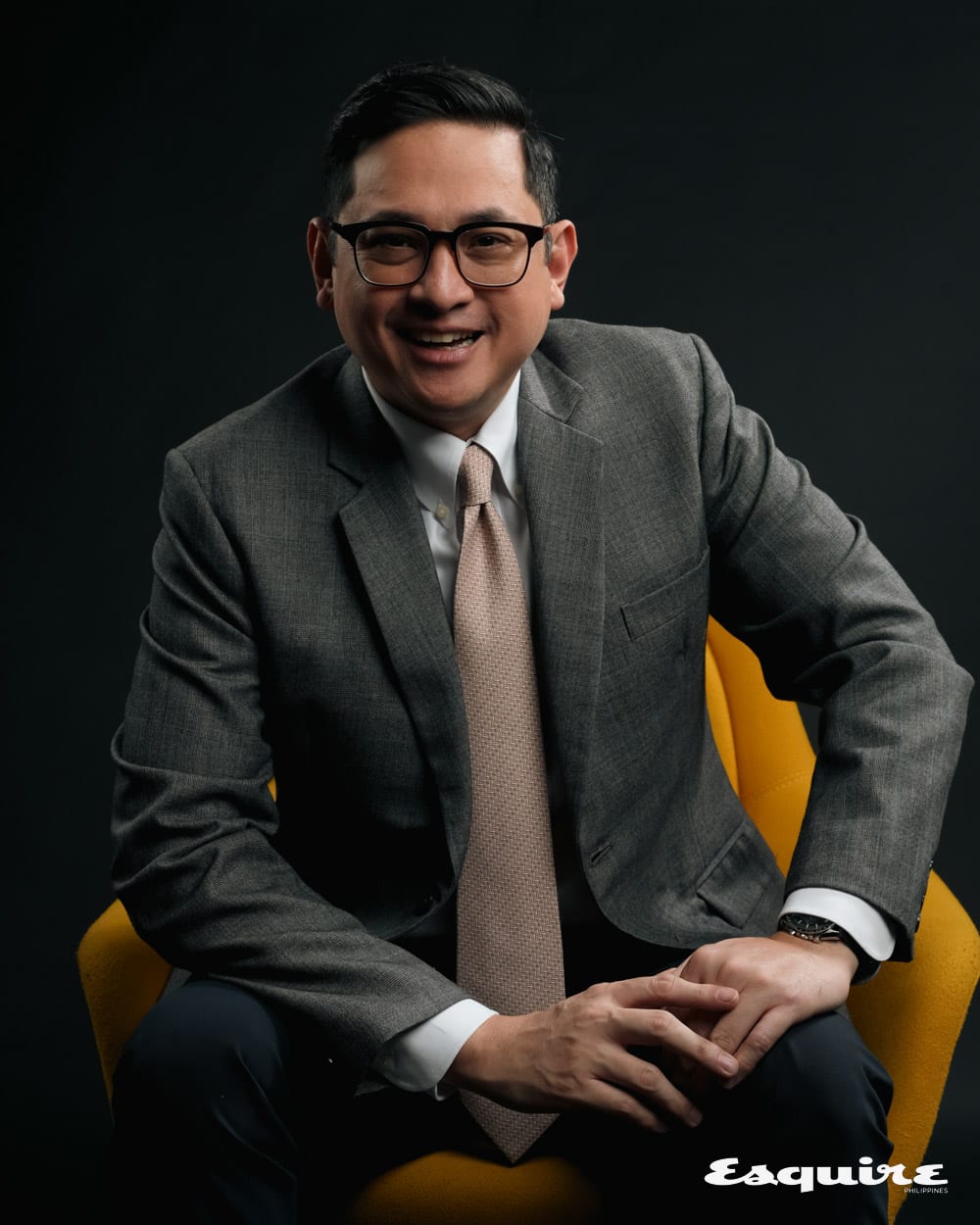
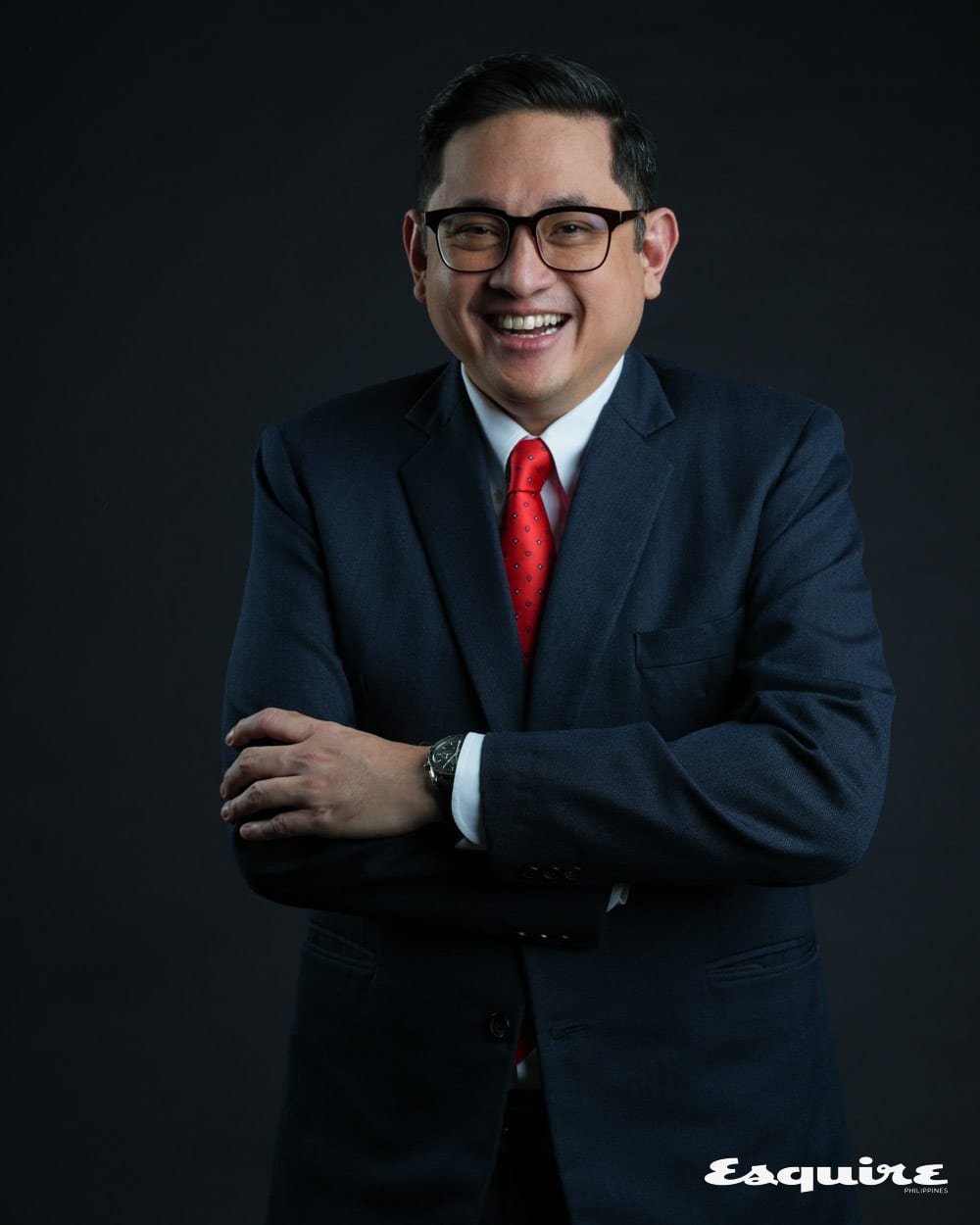
Photography: Paul Sugano
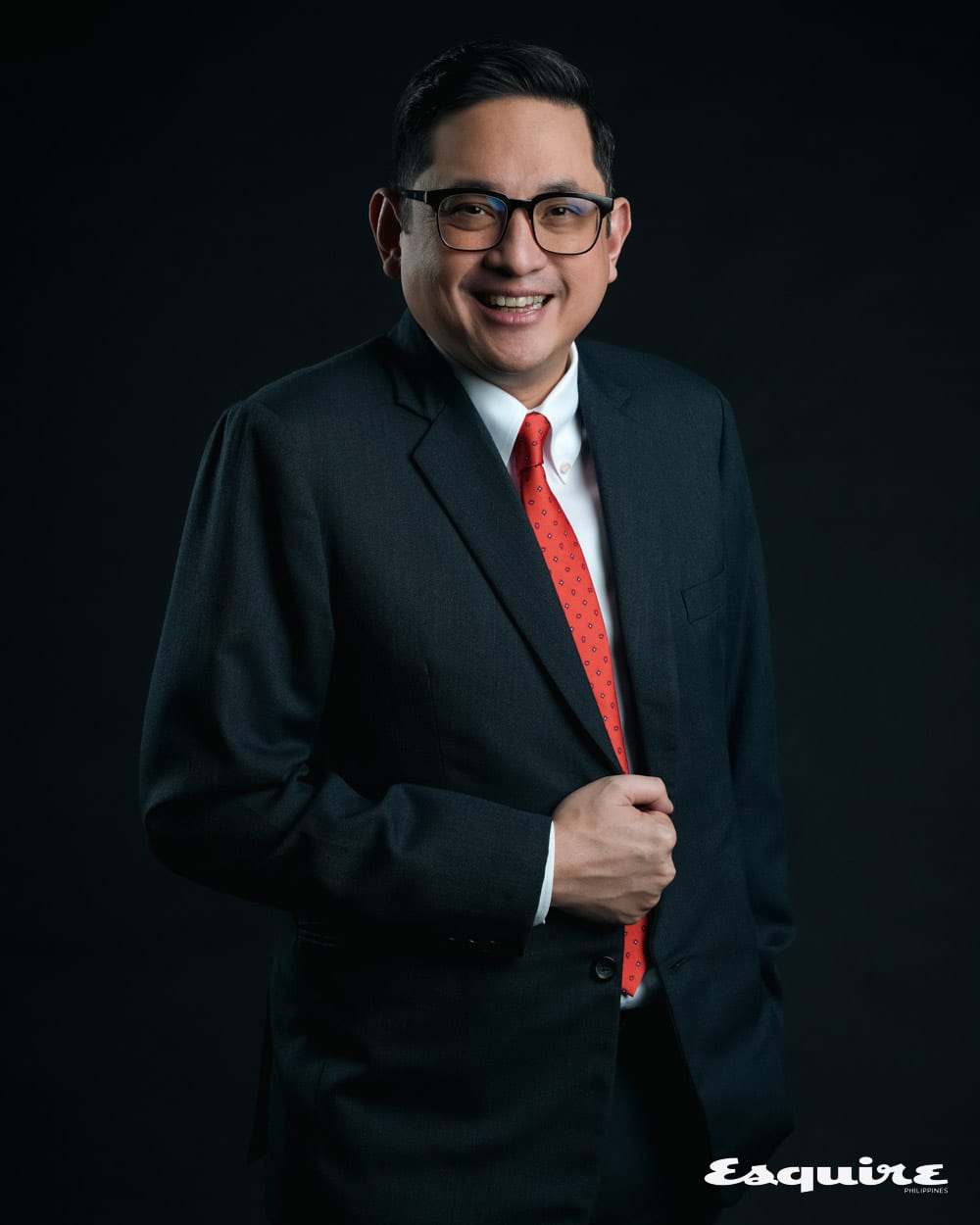
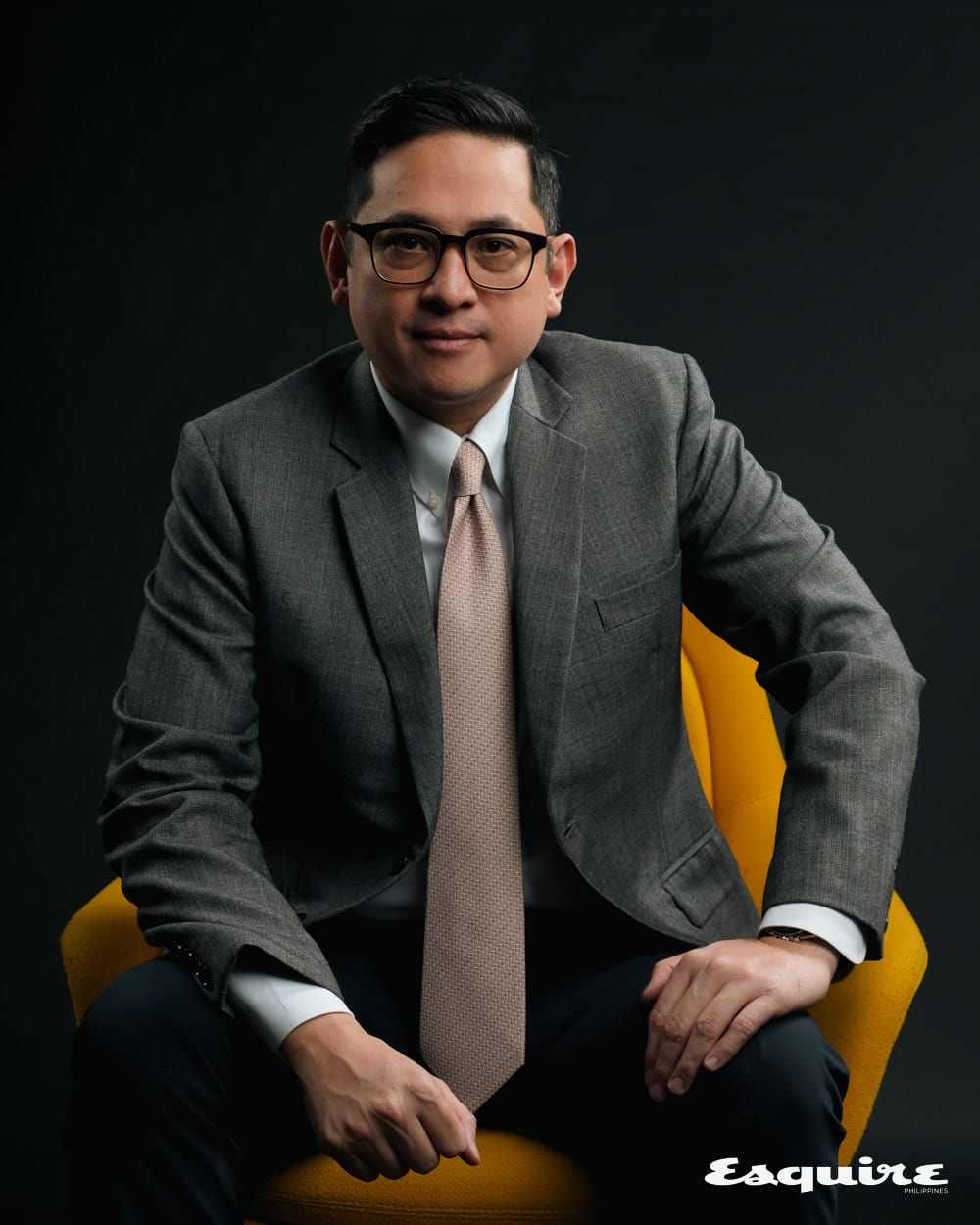
Photography: Paul Sugano

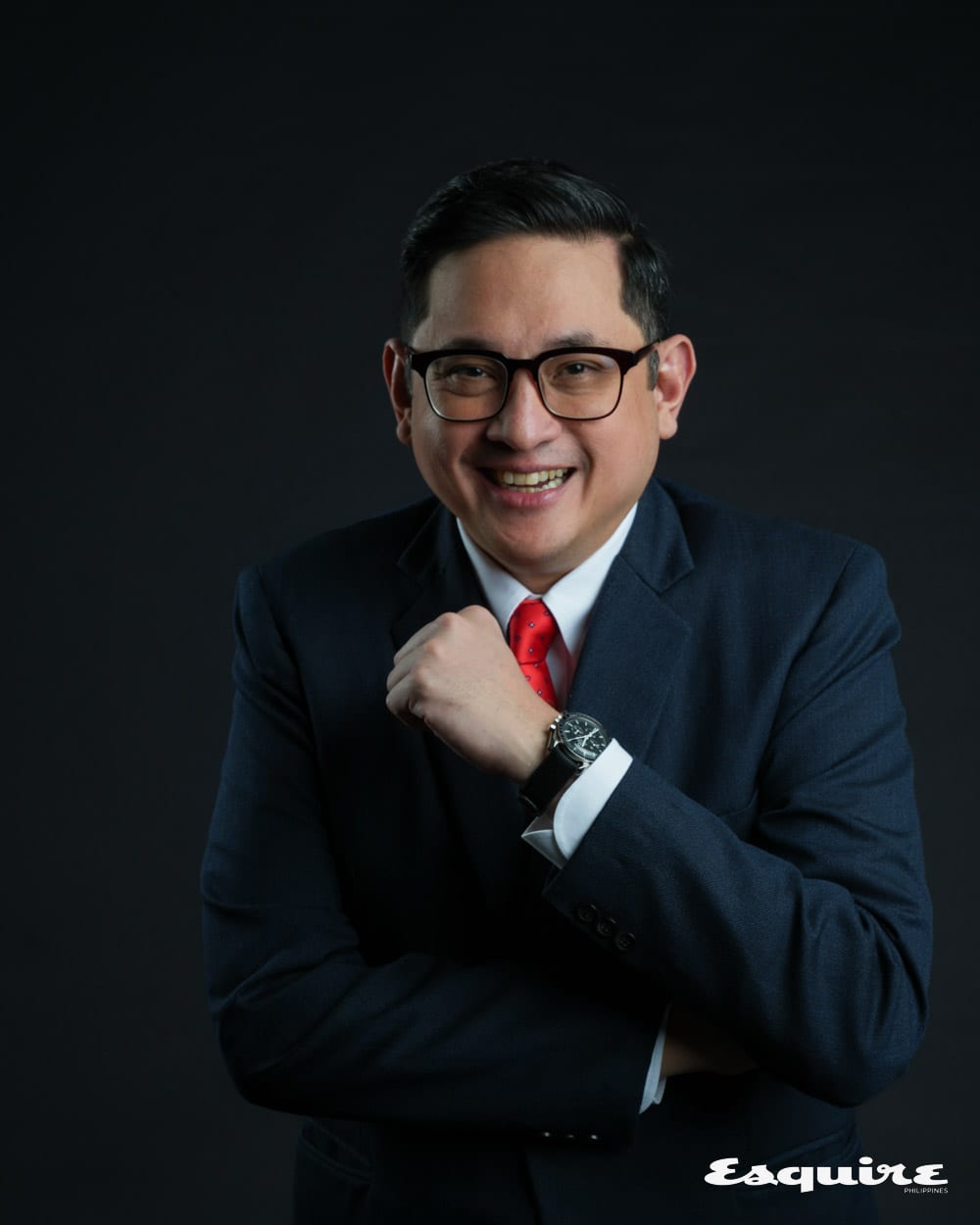
Photography: Paul Sugano
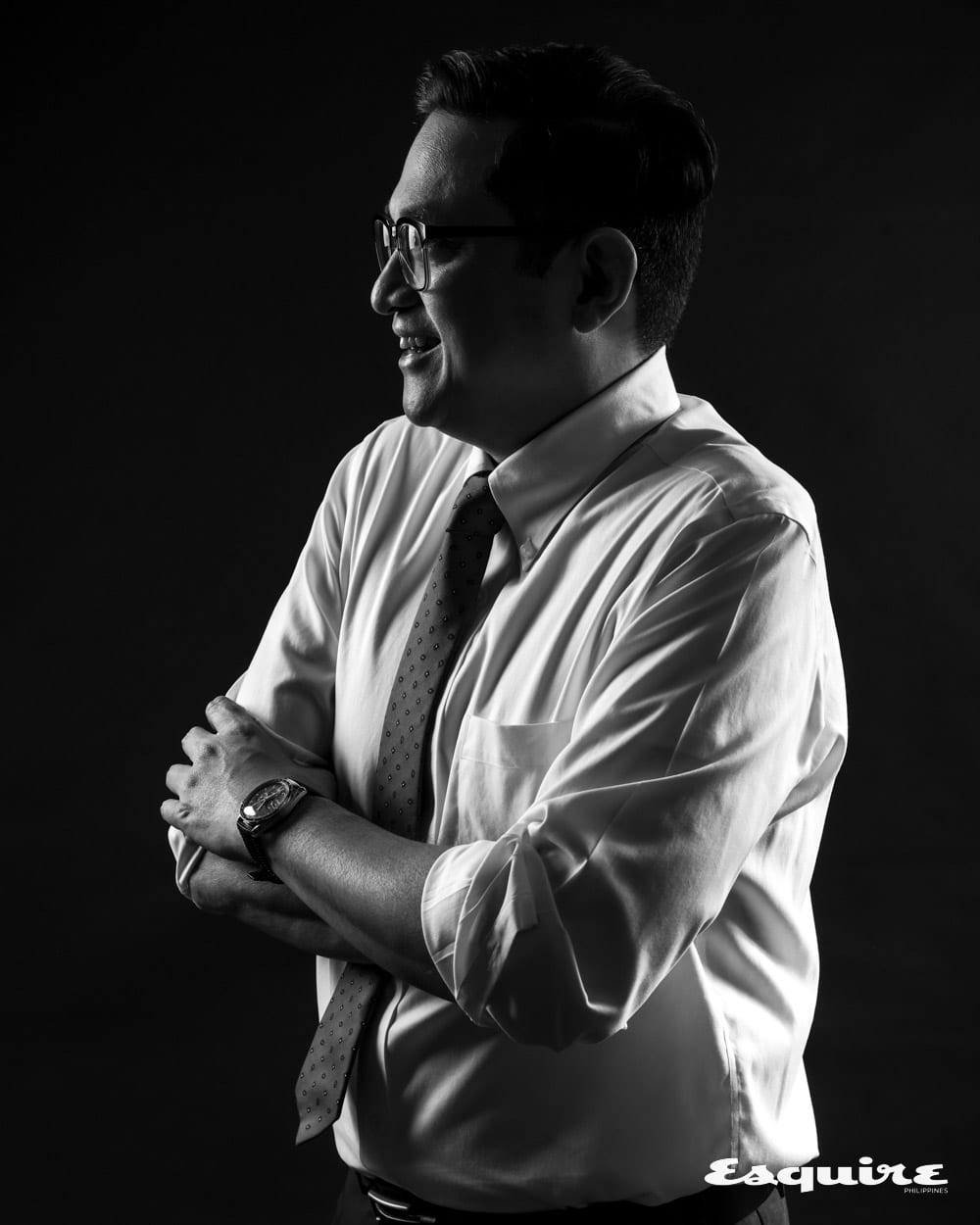
Photography: Paul Sugano
Photography: Paul Sugano
Photography: Paul Sugano
photos to expand
GC: Once and for all, what is the thinking behind the decision to join the majority?
BA: I think na-explain ko na rin e. It's really your ability to create reforms. Hindi mo makukuha 'yun kung wala kang committee. And from my first term to the campaign and until now, education is like a common thread. Dito kami nag-focus kasi mahalaga 'to e. And when that opportunity to get the committee came up, talagang I grabbed it.
Maybe sa House iba. Sa House kasi, bloke-bloke talaga bumoto diyan e. Sa Senate kasi, every single senator votes their own way. You can't control how a senator will vote on any issue at napakita rin naman amin 'yan during the impeachment vote, di ba?
So I think people misunderstood na magbabago ‘yung national alignment with the choice to be in the majority in the Senate, and we tried our best to explain na iba talaga ‘yung dynamics dito sa Senado, but of course, marami na ring nagsalita at marami na ring nakisawsaw, di ba? But at the end of the day, I think we let our performance and our votes speak for themselves. Kapag nakapagpapasa na kaming ng reforms for education, I think maiintindihan ng tao bakit mahalaga ‘yung committee. At the same time, when it comes to important votes or important stands on gambling, in the impeachment vote, ngayong flood control issue, makikita naman kung nasaan kami pagdating sa political alignments din.
GC: 'Yun. Gets naman ng karamihan kung bakit 'yun ganun.
BA: May mga iba rin kasing kunwaring hindi nila gets.
GC: Ito, next question. Nasagot niyo na 'to in 2020, may nakita akong article dito. Pero siguro kailangan ng update.
GC: What do you say to people, particularly young people, who are disillusioned with Philippine politics and have become cynical about government?
BA: Oh, I have a better answer. May updated answer na ako.
Ang rami natin. I think the 2025 elections show na marami tayo. For the longest time during the Duterte administration and with the loss in 2022, parang tinanggap at naniniwala tayo na wala tayong kapangyarihan. And lahat ng mga authoritarian governments, iyan 'yung gagawin nila. They will make you feel powerless, and they will make you feel alone. But we've shown in 2022 and 2025 na marami tayo, malaki 'yung boto natin, at dumadami tayo. So we shouldn't feel powerless. We're powerful. Mabilis lang natin makalimutan.
If we can remind ourselves na, hindi, actually marami tayo. Noong 2022 na puno natin. Kada probinsya ang pinuntuhan ni VP Leni, punong-puno 'yung mga rally, napakaraming tao lumabas. In fact, sobrang daming volunteers na sometimes nagkaka-conflict pa kung sino 'yung mga volunteers in a particular area. And in 2025, even if we didn't have that same energy or the rallies weren't as big, in the end, we hit almost 21 million votes. Numerically and in our own experience, nakita natin na marami tayo.
So don't believe 'yung propaganda na mahina tayo at kokonti lang tayo. Marami tayo, makapangyarihan tayo, and we can win. Kaya nating manalo. Sana, if there's one thing we pick up from 2025, kaya nating manalo, 'di ba? And sometimes ako pa 'yung nagpapaalala sa mga tao e. “Guys, kakapanalo lang natin. Ang bilis nating makalimutan na we won.” We just won in a big way.
I mean, don't just look at my votes. Look at Kiko's votes, look at Heidi Mendoza's votes. She hit almost nine million. Akbayan, of course, ML (Mamamayang Liberal), groups na akala natin walang ka-tyansa-tyansa a year before. Actually, even three months before. Nagpakitang-gilas at lumabas 'yung mga tao. So we shouldn't forget that. That's what we should always remember, na marami tayo at dumadami pa tayo at kaya nating mag-compete in any electoral contest in the Philippines.
GC: Nakaka-inspire.
GC: Last question, Senator. Going into 2028, in your opinion, what are the most important qualities that the next leader of the Philippines should possess?
BA: Napakarami. I guess we have to learn from everyone na dumaan. I'll go back to the Jesse Robredo 'MM'—matino at mahusay. I think 'yung pagiging matino, noong time ni PNoy, 'yun 'yung kanyang plataporma. And then for some reason naging negative siya. Parang, "Oh, masyadong nagmamalinis” or “Kayo na lang 'yung tama," mga ganun. But, 'yung basic na hindi ka magnanakaw, 'yung basic na hindi ka magpapayaman ng mga kaibigan, 'yung pera ng bayan mapupunta sa tama. Kasi Gerry, ang raming pera ng Pilipinas.
We have a P6.7 trillion budget. We have a P350 billion budget in 2025 for flood control. This year. it's P243 billion pesos. Ang raming pera ang pinag-uusapan natin, nakakalula siya. Kung 'yung perang 'yan napupunta sa tama, ang raming Pilipinong matutulungan. Ito mga issues natin sa kalusugan, sa edukasyon, marami diyan mabibigyan ng tamang pansin if the right funding actually gets to the right programs. So 'yung pagiging matino, sobrang mahalaga 'yan. Di siya pwedeng mawala.
'Yung pangalawang M, mahusay. Hindi pwedeng matino ka lang e. Kailangan effective ka, kailangan may performance ka. And this is what I keep telling our allies and friends, especially coming from the 2025 elections. Kailangan may performance tayo. Hindi ka lang iboboto dahil magkakulay tayo o dahil you took a stand on certain issues. Kailangan talaga maipakita mo na kaya mong baguhin 'yung buhay ng mga kababayan natin. May plano ka, may track record ka, may plano kang nagawa mo na talaga at kaya mo pang gawin.
Matino at mahusay pa rin ang hinahanap natin. Throughout our history, I guess varying degrees. Hopefully, the next president, who will have so many challenges—napakaraming challenge na haharapin ng susunod na presidente, can exhibit both. Hopefully, we find the right person.

Interview: Gerry Cacanindin and Sen. Bam Aquino
Production: Esquire Philippines Team
Editor-in-Chief: Paul John Caña
Creative Direction: Igi Talao
Photography: Paul Sugano
Videography: Greeko Junio
Grooming: Lilian Yeung
Special thanks to Nico Atos from the Office of Sen. Bam Aquino.
View More Articles About: