Inside Cebu's Thriving Creative Ecosystem
TOPS ArtFest, Lost Books, and Atua Midtown are at the forefront of the Queen City of the South's art and culture landscape.
Published on Nov 16, 2026
Cebu is recognized as the first Spanish colonial capital and the oldest city in the Philippines. It's a city that's rich in history, driven by culture, and central to the trade of goods and ideas alike. And so, on the question of whether Cebu has a thriving creative ecosystem, the answer can only be an unequivocal yes (obviously). You can see it in at least three distinct efforts taking root in the city: an annual art event known as TOPS ArtFest; the little indie book shop along Osmeña Boulevard aptly called Lost Books; and a mixed-use creative and cultural hub along F. Manalo Street called Atúa Midtown. To see how this ecosystem operates, one must start at the top—albeit literally.
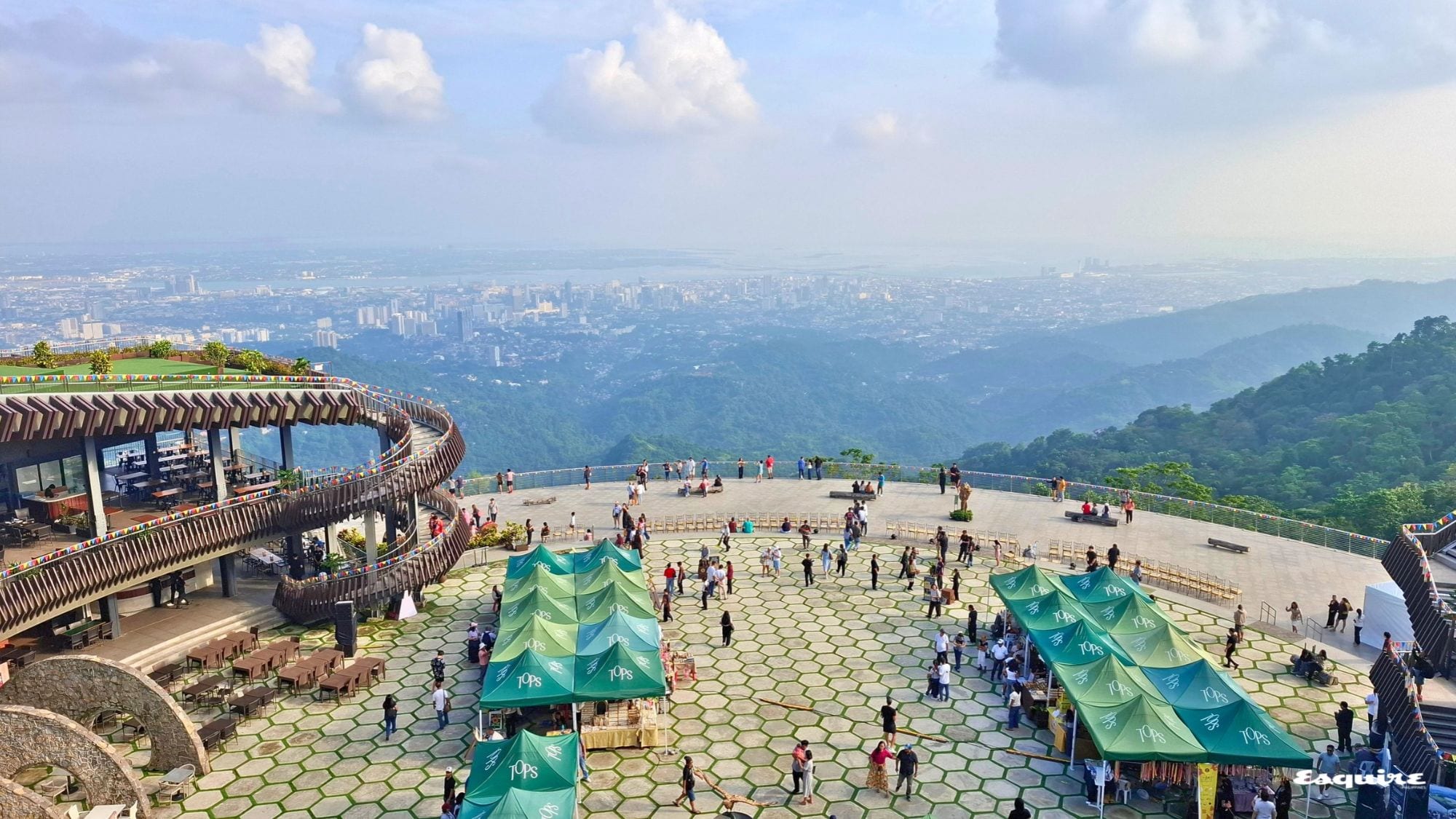
The "Tethering Transition" at TOPS ArtFest
"In a nutshell, I'd describe it as a 'tethering transition'," TOPS ArtFest Enzo Dino tells Esquire Philippines when asked to describe Cebu's current art landscape. The four-day festival, which is now on its third edition, ran from October 22 to 25 at TOPS Cebu—a mountaintop lookout with panoramic views of Cebu. Its third-floor events venue served as exhibition space for around 50 galleries from across the Philippines, while the courtyard below became a flexible space for the plein-air painting competition, performance art, and the unveiling of two Ronald Ventura sportscar artworks. The sheer variety highlighted an art scene that is actively moving, diversifying, and testing its boundaries.
Dino explained that for decades, Cebu's visual art landscape has been anchored in traditional realism, a foundational context established by its veteran professional painters. To outside observers watching the global art market lean heavily into contemporary forms, Cebu's adherence to classical technique and foundation in realism was often misread.
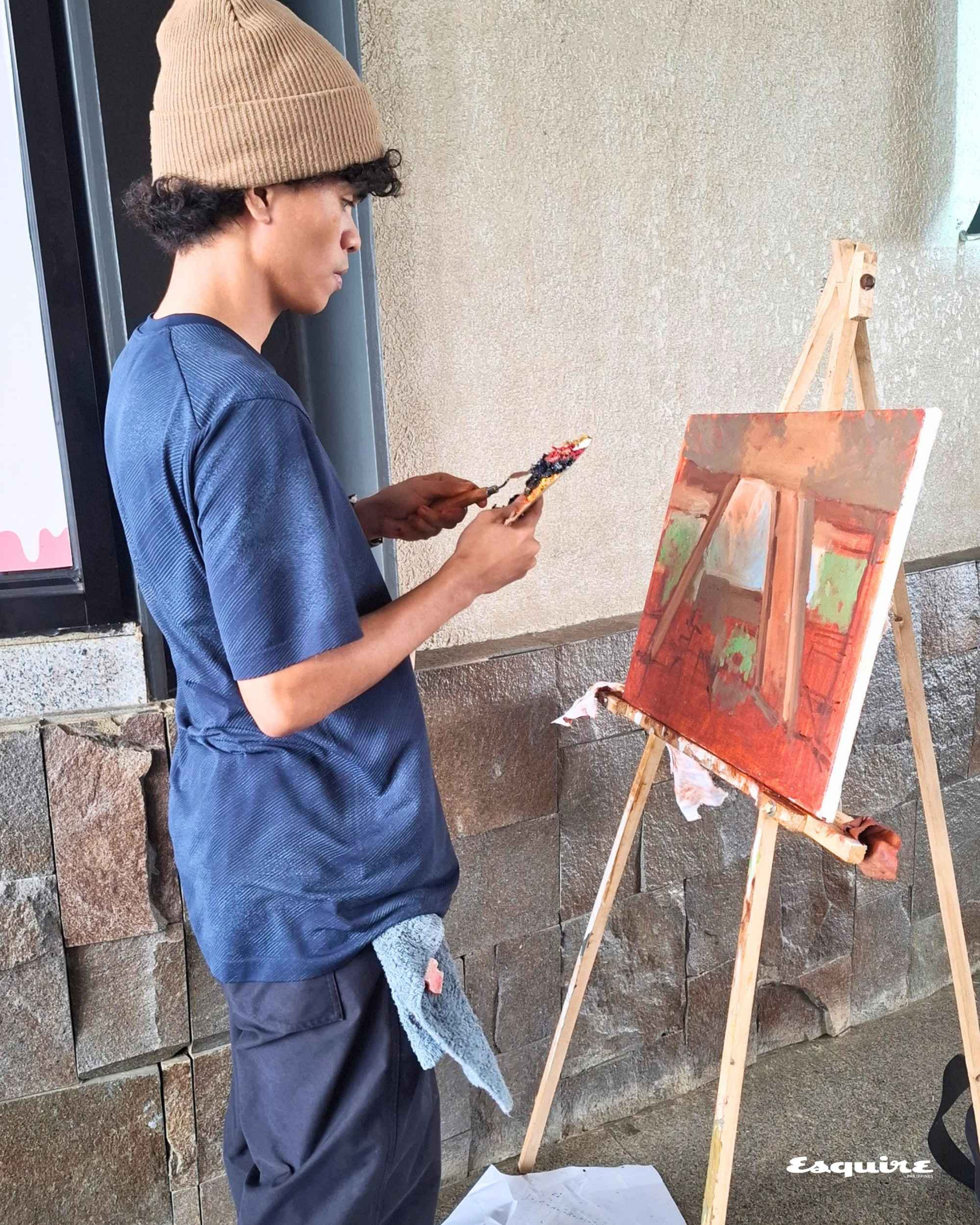
The festival director pushes back on that outsider perception, viewing it not as stagnation, but as "creative pressure building within." He explains:
"As the world goes contemporary, it becomes more of a rarity to see people practicing in traditional realism. And I guess that in itself is our strength, too. And a refreshing pause for the world to also come back to. It’s nice to touch base with our foundations every now and then. But of course, time doesn’t stop; it keeps going, and so does our thirst to 'build and break norms' with artists and people within the community, ever growing in their own definitions of art."
That long-simmering tension between foundational technique and new expression has finally reached its tipping point, he added.
"Today, I feel that we're coming at a breaking point, where many more local artists are finding the courage to break free and explore new ways to express, but in ways that still ground their practice in their roots," Dino says. "‘Tethering transition’—the moment catalyst sparks transformation. I feel like all these decades of withstanding the flow is finally starting to open up and burst into new possibilities that we are just starting to touch on and explore! And it’s so exciting to get to witness this as our artists journey more intentionally into their practice."
So it's only proper that this year's theme for TOPS ArtFest was "Building and Breaking Norms," where the festival explored the delicate balance between tradition and innovation.
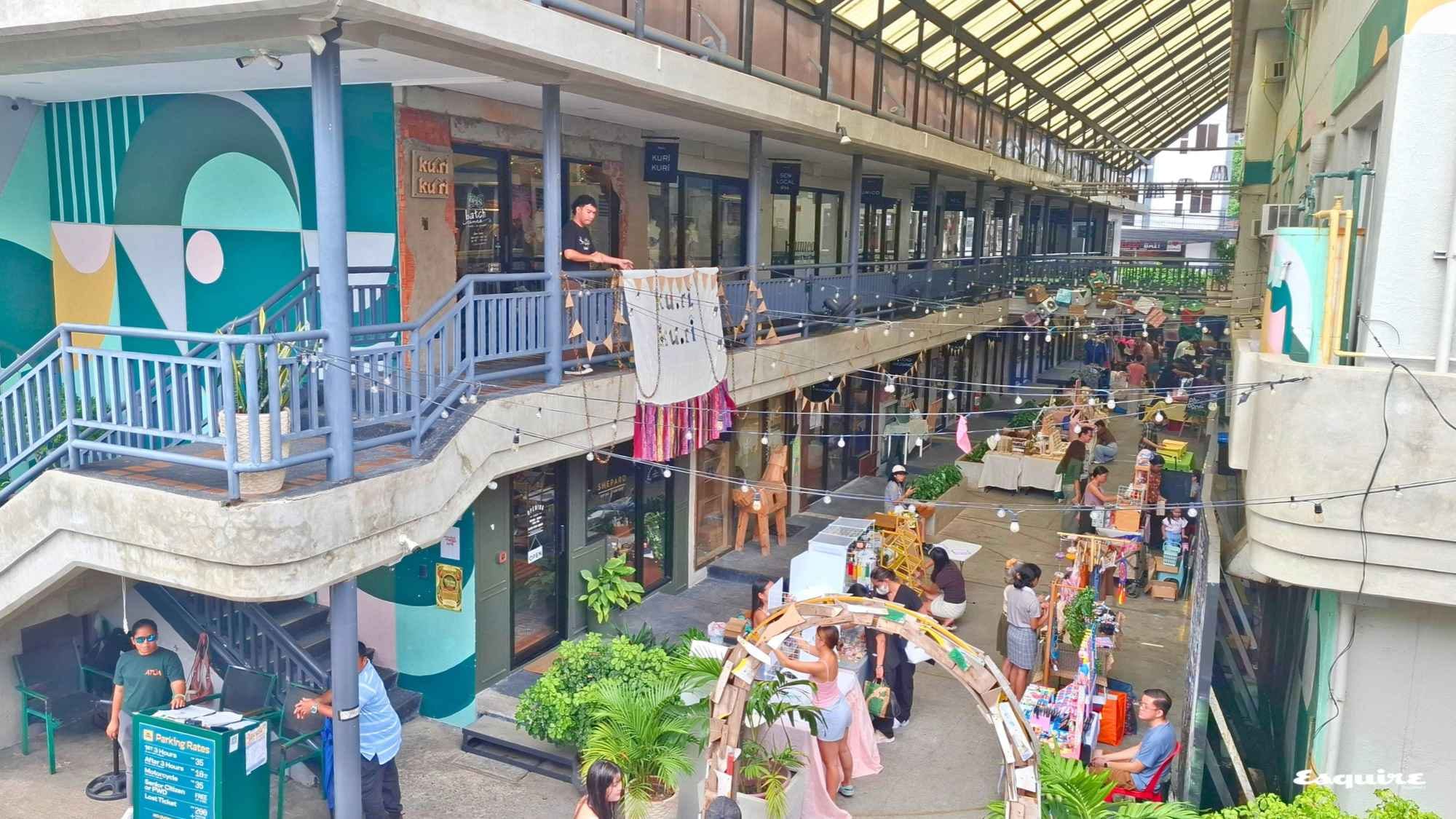
Atúa Midtown as an Incubator for Creative Entrepreneurs
This spirit of innovation continues in a place like Atúa Midtown, located in a nondescript neighborhood along F. Manalo Street (near the Mango Square area). The complex once housed Beverly Boutique Hotel, which was active in the late '80s to early '90s, but like most hospitality establishments that went under during the pandemic, it was eventually closed and abandoned. When the restrictions finally lifted, the original owners of the site were thinking about whether to continue in the hotel business.
"Our founder, Allen Arvin Tan, had that option. And I think, frankly, it would have been the path of least resistance to fix it up a little bit and have someone else take over," Kae Batiquin, Atúa Midtown's Community Manager, told us during a visit in June 2026. Tan then thought of turning it into a creative hub. "We say Cebu is a Creative City; we better walk the talk. It's only us who know that we're creative. That doesn't sound right." Atúa is derived from the Cebuano word that means "ours."
Cebu City was officially designated as a UNESCO Creative City of Design on October 31, 2019, joining the UNESCO Creative Cities Network (UCCN).
The whole site has been revamped to house creative businesses of different disciplines: Solarpop by Happy Garaje sells handmade things and quirky finds, Shepard Life Goods champions sustainable personal care and lifestyle products, MIL or Made In Love is known for its handcrafted sandals, and Kurî Kurî is an artisan shop selling handmade crafts. Its F&B outlets, like Luna Gazette and Owl Stories & Spirits, have grown into favorite hangouts. But more than providing a space for creativity, Atúa Midtown makes sure that the creative entrepreneurs thrive business-wise.
"We have what we call a creative grant in place, which favors first-time creatives who are looking to open a brick-and-mortar," Batiquin explains. "A lot of creatives and artists, over the pandemic, quit their jobs. They realized they have a talent for crochet, they have a talent for fashion design, and that's what's become their staple. We have a lot of that here. Let's give them a space. The creative grant has a very forgiving rent for homegrown businesses that are starting up."
That's one less thing to worry about while they get their feet beneath them.
Atúa Midtown operates as a hub that not only connects the creatives who are there, but also connects them to the city at large. And maybe even to other parts of the Philippines, especially with all kinds of people coming to the city looking for new places to visit.
Radical Literacy at Lost Books
Speaking of spaces worth seeking out, Lost Books along Osmeña Boulevard is radicalizing what it means to be cool—through a bookstore, at that.
"Since we opened, I don't know if it's the hype or just people wanting to use experience to escape the Internet, but we have been really lucky," Lost Books founder Donald Villamero tells us, also during a visit in June. "We're so shocked that people love to read again."
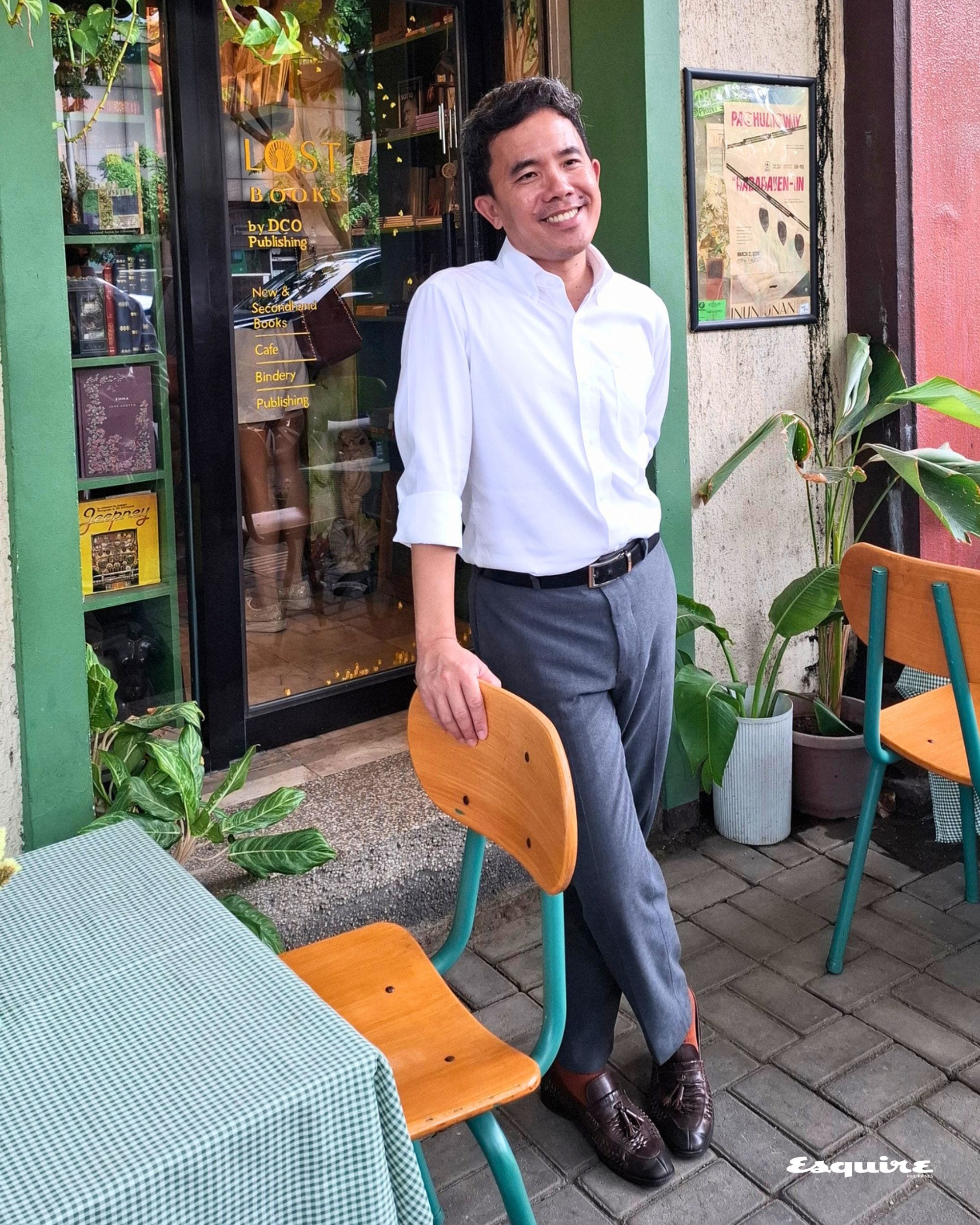
Lost Books, which opened in October 2024, used to be an ATM on the ground floor of CAO Mercado Building, thus its size that's only as wide as its glass door. The bank closed down after the pandemic, and the owner didn't know what to do with such a small space. It didn't help that there's no parking in front.
"The last independent bookstore in Cebu closed in 2013. And we really wanted to open one again—a place that really celebrates especially our local literary culture," adds Villamero. So it's only apt that they named it the "Lost Books," harking to a time that was lost.
"In a way, our books, even to us, they are lost. So until we open, there are only a few ways you can get local books. It's either you go to a certain university, you're part of a writing group, or you have friends who are self-published authors. So yes, we just wanted to make a beautiful space where we have that."
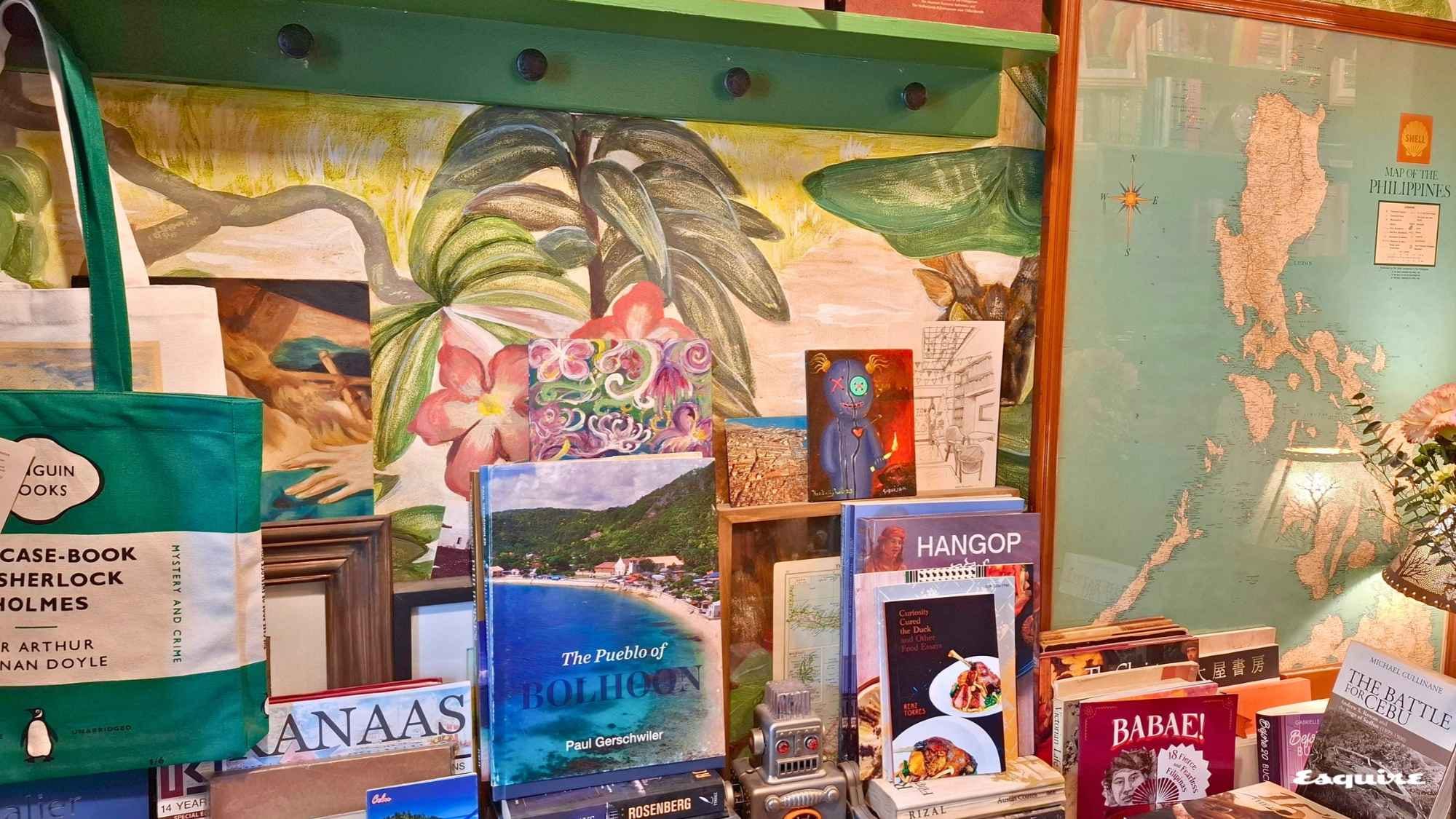
Lost Books champions authors from Cebu and the rest of the Visayas, but it also sells titles from universities like Ateneo Press and UST Publishing House and self- or indie-published books. Most recently, they feature rare titles, including writings from the Philippines from the early 1900s.
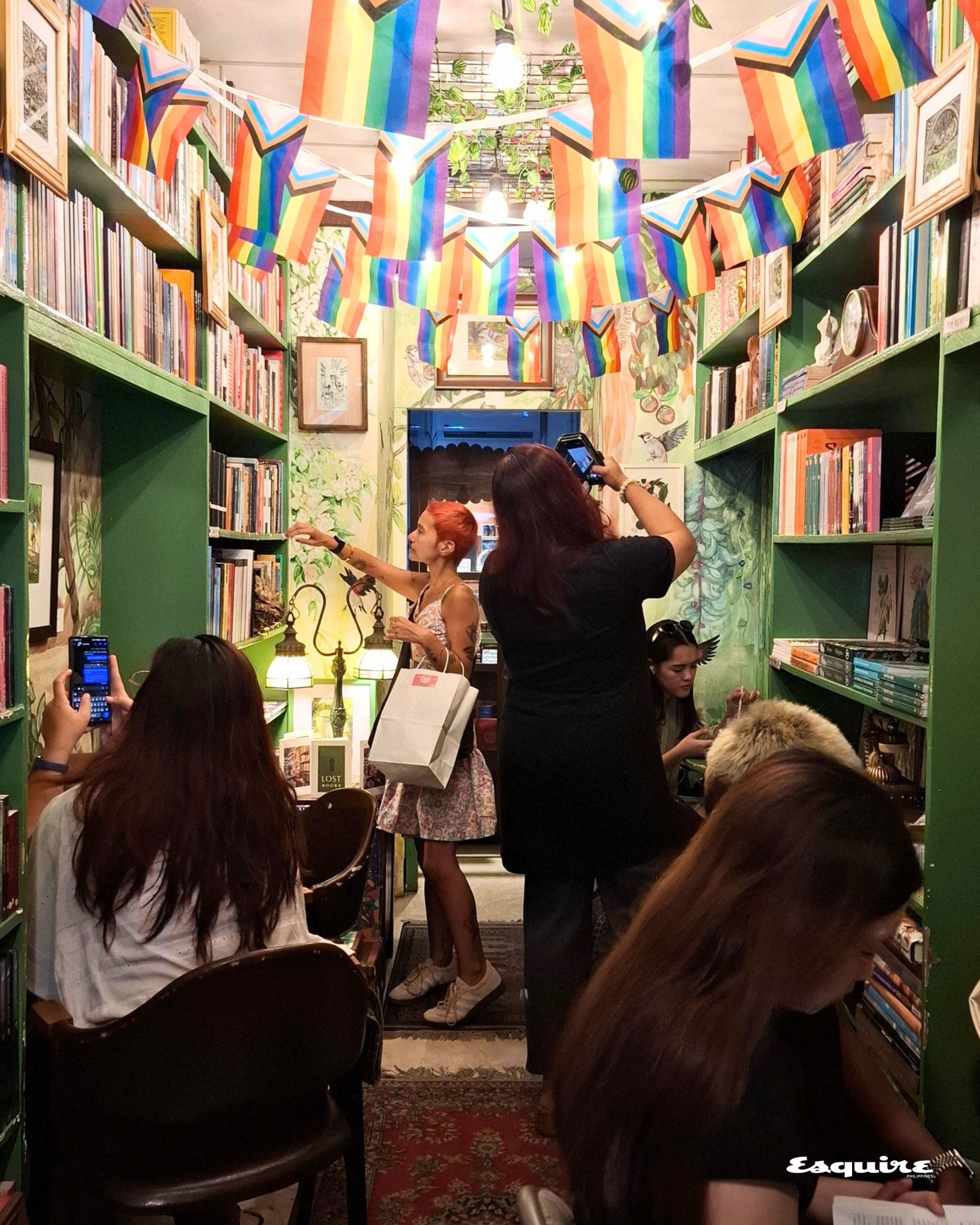
But more than a bookstore, Lost Books makes its biggest mark by serving as a community library.
"Although we're a bookstore, we also allow people to read our collection for free. We don't want money to be an issue why they cannot read books. Our collection is all for reading for free as long as they take care of the books. And then we get so many donations, and we just have them here for anyone to take if they want to."
From a sliver of space the size of an ATM to a former boutique hotel and a mountaintop hosting an annual art event, these three efforts share a common thread: accessibility. It's about everyday readers reconnecting with local stories, entrepreneurs opening their first store, and veteran and student artists alike sharing a space. As the people behind Atúa Midtown said, calling Cebu a creative city means little unless the community walks the talk.
ALSO READ:
Philippines' First Radisson RED Property Opens in Mandaue City
A Drive Across the Cebuano Countryside in the Land Cruiser FJ
Christa I. De La Cruz is a Palanca Award-winning writer with over 15 years of experience in feature writing for print and digital media. She earned her Sertipiko sa Malikhaing Pagsulat sa Filipino from the University of the Philippines Diliman and holds an MFA in Creative Writing from De La Salle University. Her poetry collection, "Dáyo: Mga Tula" (2026), is published by the DLSU Publishing House and Grana Books.
View More Articles About: