The Art of Roel Obemio Lets You See the World Differently
Discover the stories hidden inside the works of one the country’s most sough-after visual artists today.

by Mikko Abello
Published on Oct 3, 2026
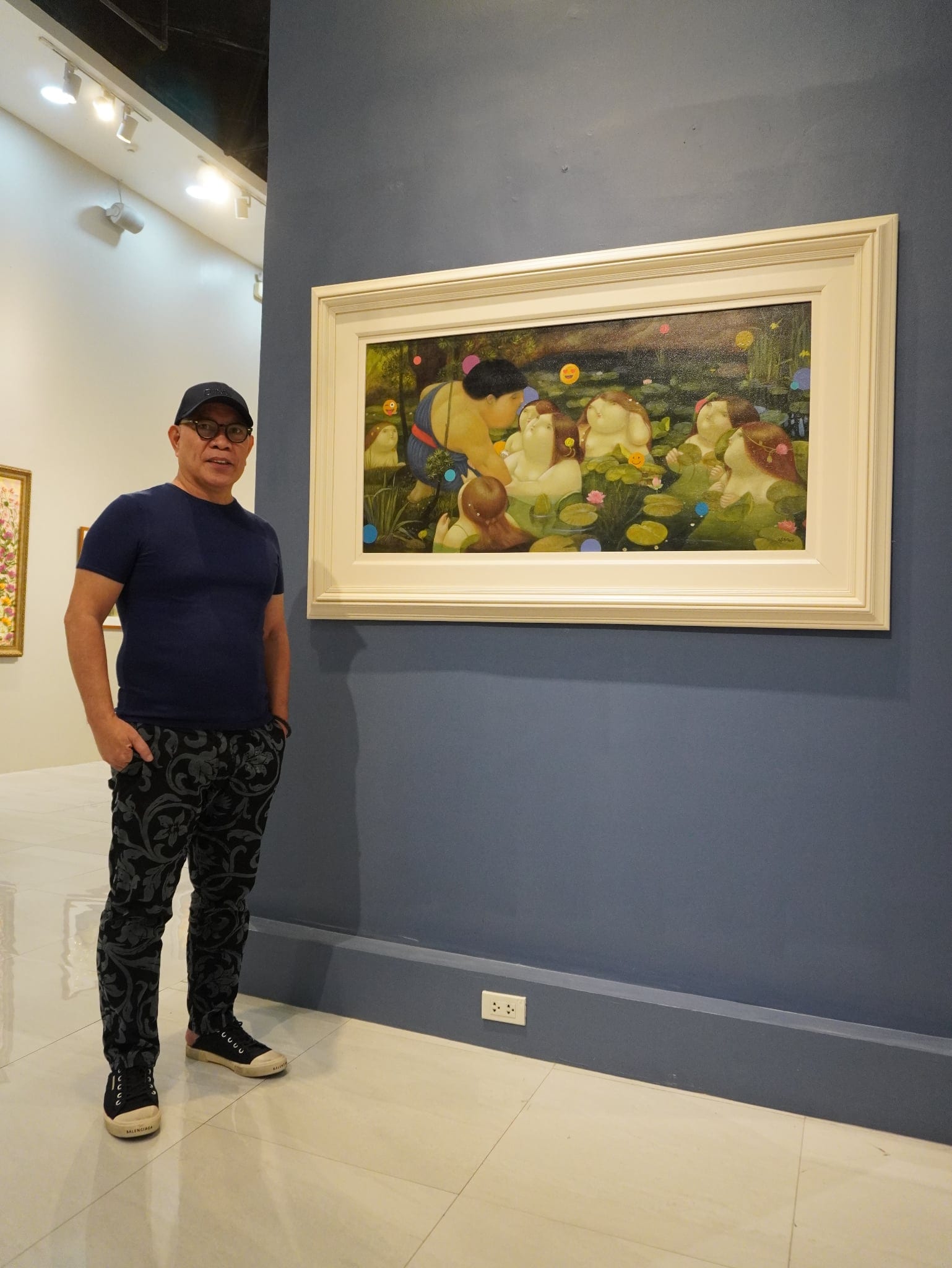
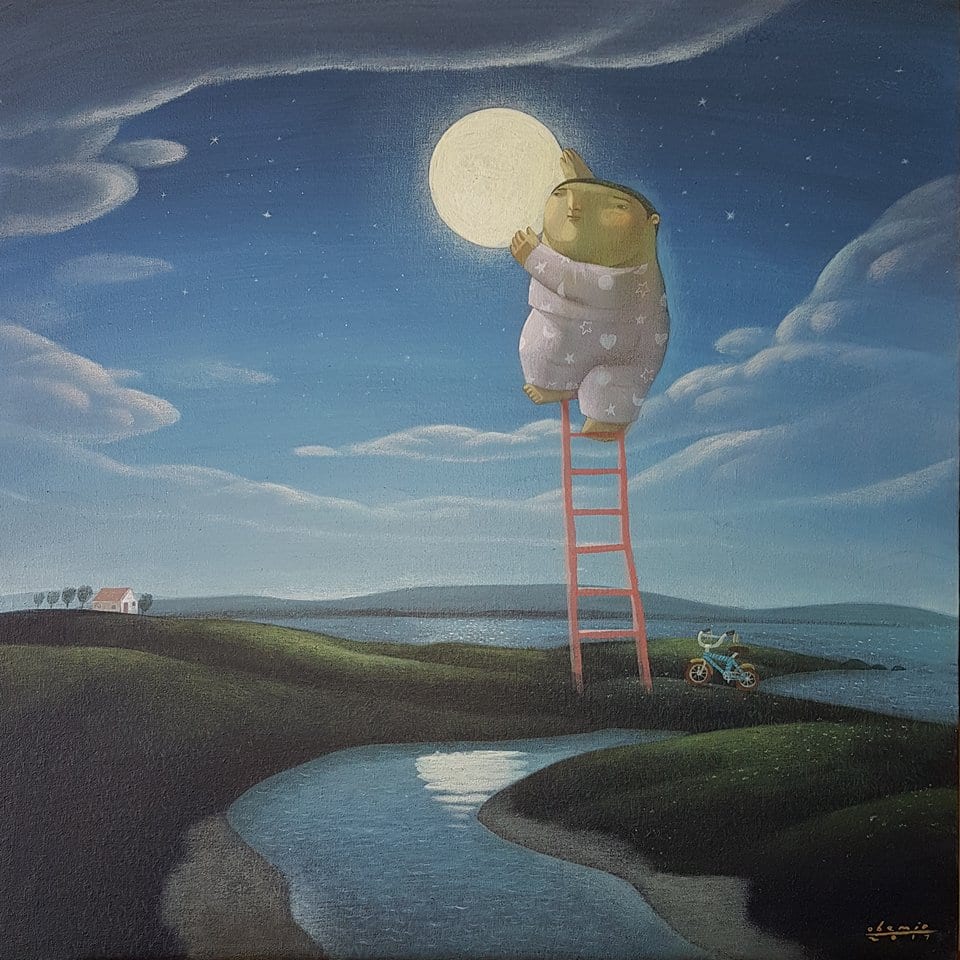
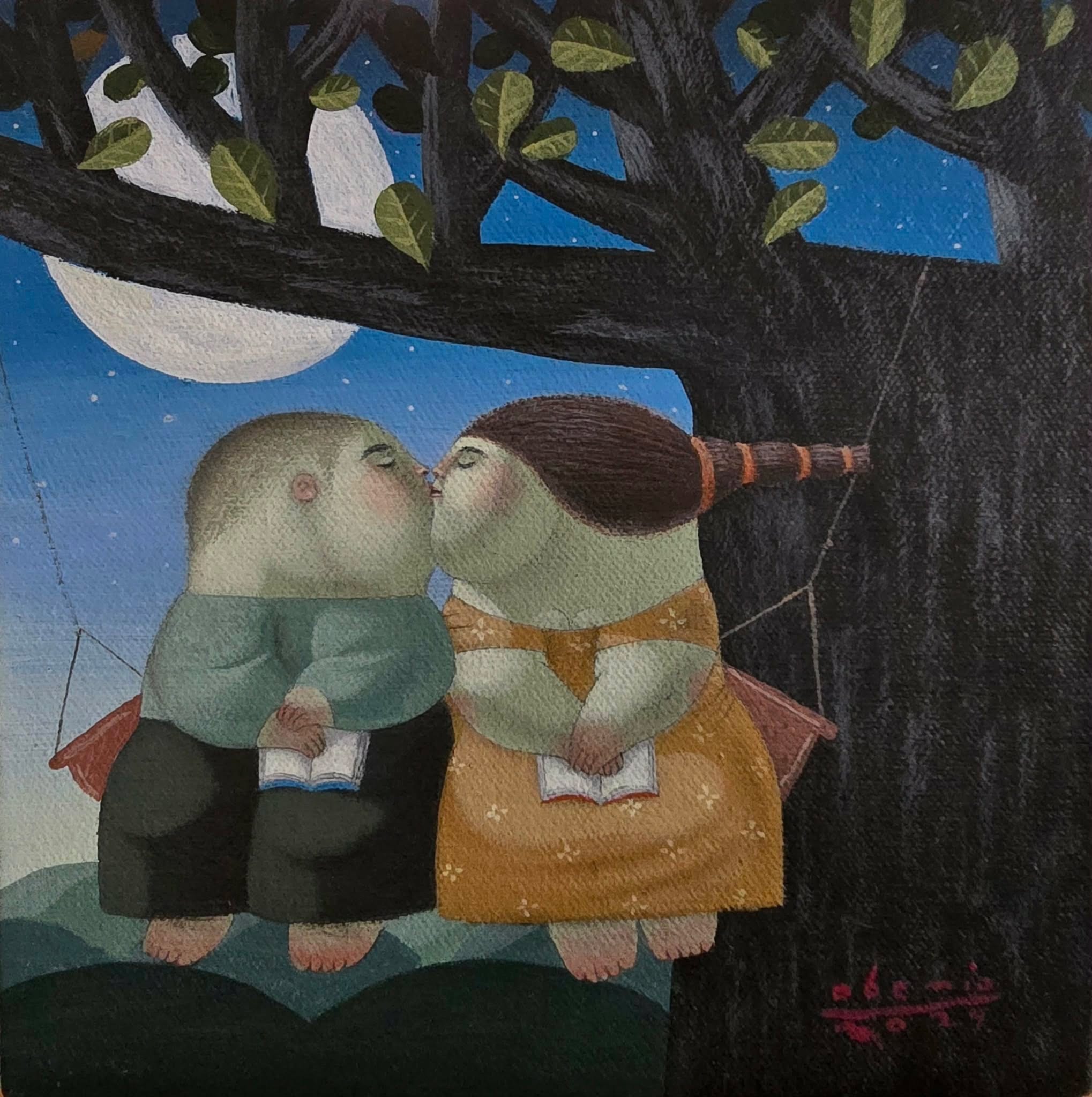
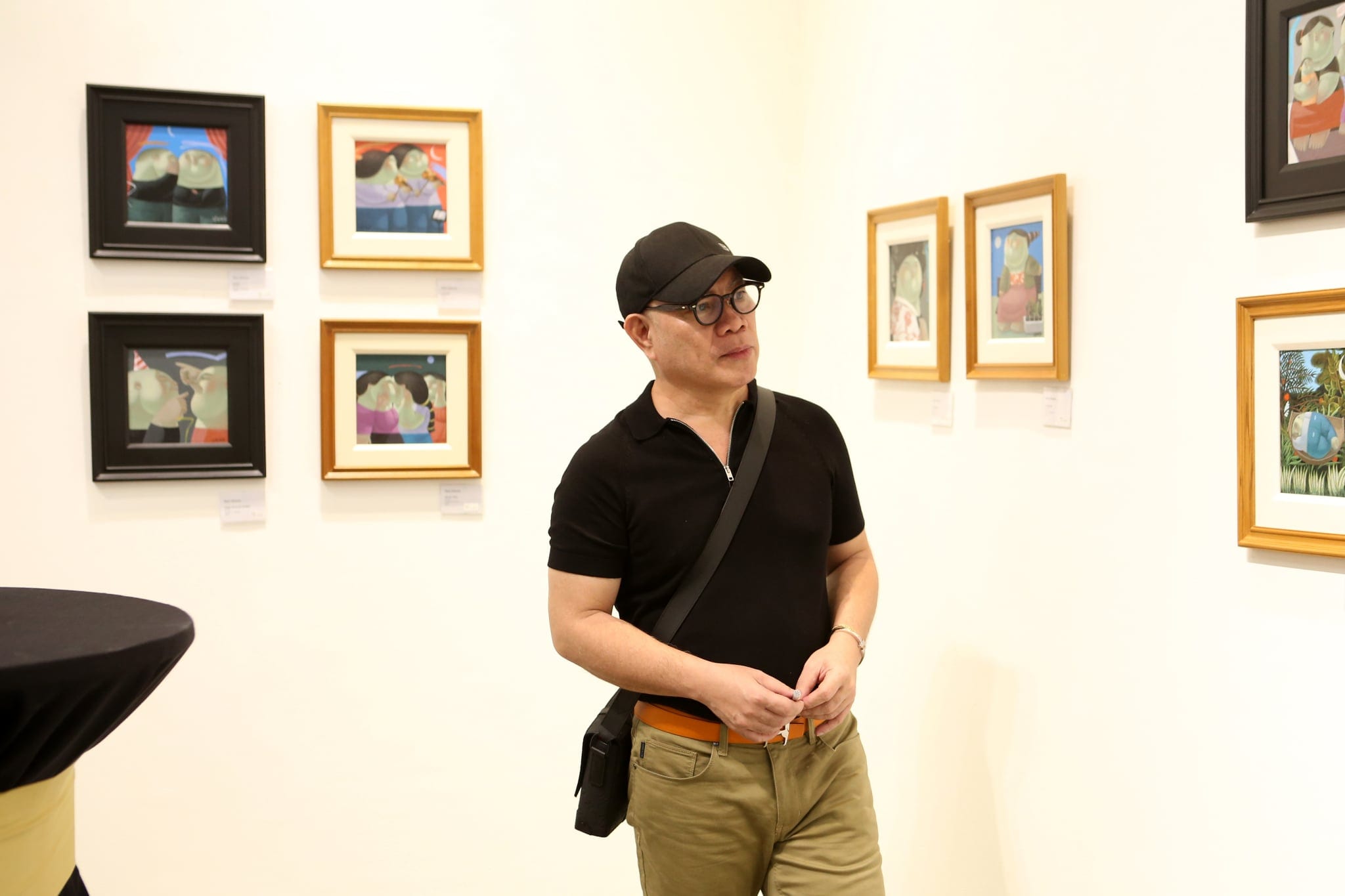
Roel Obemio is one of the country’s most sought-after visual artists today. His works, which he says are an extension of his soul, feature volumetric figurations heavily influenced by his background in caricatures as well as his past work as an animator. These whimsical children’s book-like creations are on most art collectors’ wish lists.
But before all his success in the big city, Obemio’s story began all the way in Mindanao.
Small Town Origins
Born and raised in Cagayan de Oro, Obemio is the second of seven siblings. A younger brother also showed promise as an artist.
“Tinuturuan ko rin siya dati pero he passed away,” he says. “Bigla yung pagkawala niya. Hindi na nakagising.” Obemio believes their youngest sibling, still based in Mindanao, also has potential in the arts. His father worked as an accountant at the Coca-Cola Company while his mother was a housewife. Although neither of his parents were artists, the senior Obemio loved music and the son says his dad probably would have been a pianist in another life. On his mom’s side of the family, Obemio’s grandfather studied drafting so that may have contributed to his grandchildren’s inclination to art, something that manifested early in life.
Obemio’s parents recall him doodling as early as the age of two, catching him drawing on the walls of their house. “Napapalo ni Mama yung kamay ko. Umiiyak ako,” he remembers. “Pero si Papa pag umuwi yan from Coca-Cola, may mga makapal na extra scratch paper siyang inuuwi kaya drawing lang ako ng drawing doon.” Once when he was about four years old, the young Obemio sat on the stairs of their CDO home sketching visiting relatives who were in the living room below. An uncle who was on his way downstairs failed to spot the young artist and they both came tumbling down the steps. Many, many years later, he still has not forgotten that small accident caused by his love for drawing. “Masakit, eh,” he laughs.
Obemio attended Xavier University-Ateneo de Cagayan from Grades 1 to 6 but struggled and had to seek help from a tutor.
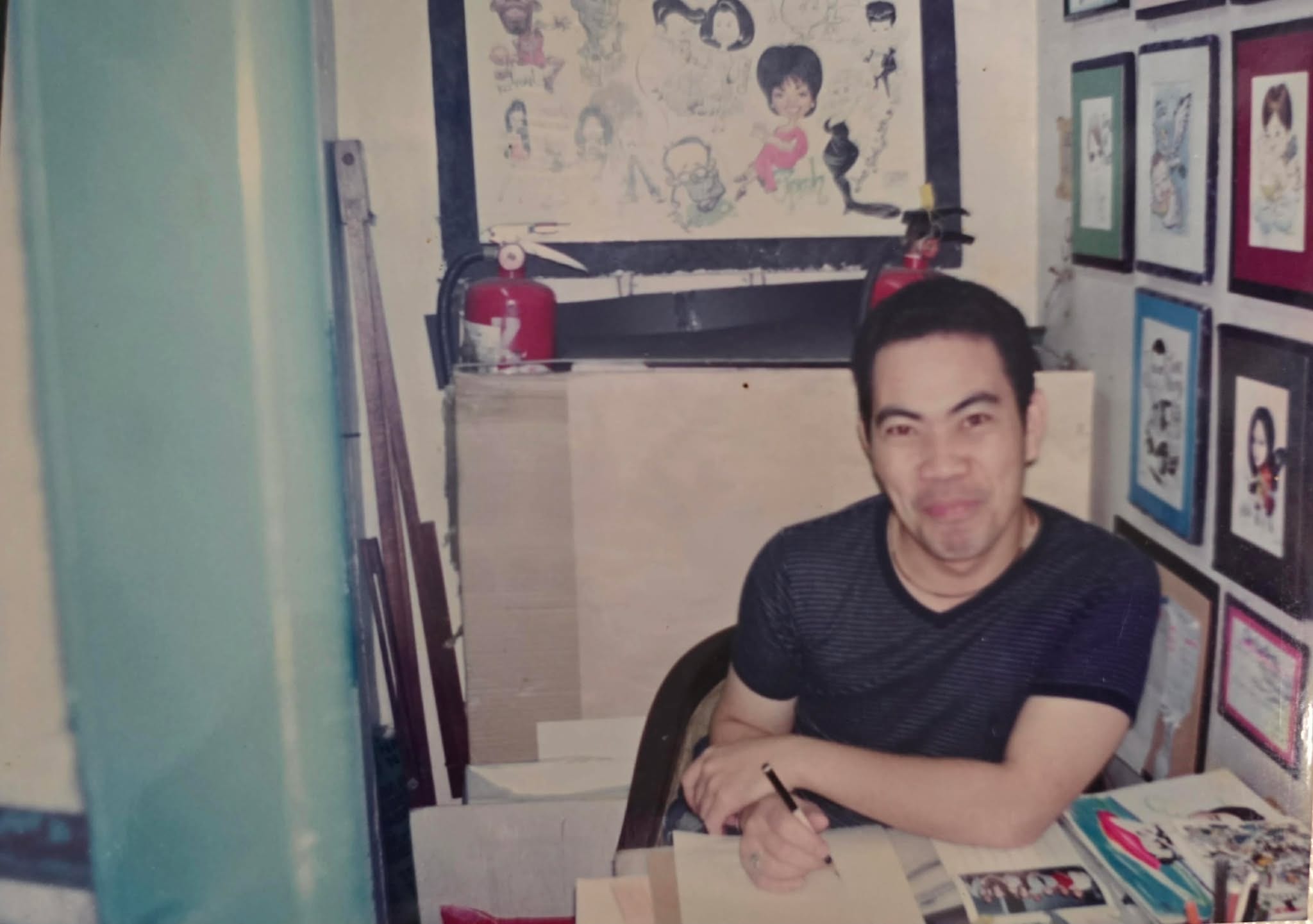
“Si Papa pinapagalitan ako. Puro daw kasi ako drawing,” he recalls. “Napagsabihan ako ng teacher kasi yung likod ng notebook ko may kung anu-anong drawing.” He transferred to Don Mariano Marcos Memorial Polytechnic State College of Northern Mindanao, now called University of Science and Technology of Southern Philippines, for his high school education. It was there where he started joining art competitions.
“Lagi akong nananalo. Dati pa, ang dopamine ko tumataas pag may art competition,” he explains. “Hindi siya trabaho for me. It’s where I get to express something na umaapoy sa loob ko. Parang wala na akong gustong ibang gawin. Art lang.” It was also in high school where he began to paint for extra cash with teachers paying Obemio to make portraits of their children. “Nagsimula ako para may pera pakonti-konti. Nakatulong sa akin ‘yon,” he recalls.
Despite early indications of an extraordinary gift, nobody ever really saw art as something that would eventually become his bread and butter. “Siyempre sa probinsya walang Fine Arts. Wala naman kaming Amorsolo,” he explains. “Ang nakikita lang nila doon ay yung nagpipintura sa sinehan. Yun na siguro yung highest kind of art para sa kanila. Walang pera doon so siguro hindi nila gaano nakita na ito pala ang pupuntahan ng karera nitong bata na ito.”
Obemio enrolled in a two-year vocational course in Architectural Drafting in Misamis Oriental. A professor told him that his architecture was decent but his talent seemed to lie elsewhere. “Sabi niya destined talaga ako for painting kasi medyo hirap ako sa mga computation. May math kasi. Pero sa mga drawing ko ng bahay, wala silang masabi,” he says. “Understanding the light, shade and shadow. Sabi nila nasa painting ang soul ko, hindi sa drafting.”
After finishing his course there, Obemio’s father asked if he was really serious about pursuing Fine Arts and if his introvert son, who spent most of his time alone in his bedroom, could bear to be away from his family. Obemio made the big move to Manila and lived with an uncle in Quezon City to chase after his dream and study Fine Arts Major in Painting at the University of the East in Caloocan.
ALSO READ
In the Big City
Obemio enjoyed his time in UE. One exam required his class paint a jar and he could not believe how fun and effortless it was. Something he could do with his eyes closed. “Yung iba nahirapan pero sabi ko ganito pala yung exam dito. Ang sarap,” he remembers. He balanced his time between classes and the many art competitions he participated in and won.
“Dun ako na-discover ng UE,” he says. “Lagi akong finalist sa Shell. Sa Commission on Human Rights naman nakuha ko yung grand prize.” Obemio also recalls how Mr. Florencio B. Concepcion, then-Dean of UE’s College of Fine Arts, Architecture and Design, noticed his frequent absences and asked the young artist if there was anything wrong. Obemio confided that his parents sometimes struggled to send him money. Concepcion offered to refer Obemio to his friend, National Artist Cesar Legaspi who was president of the famed Saturday Group of artists at the time. Concepcion instructed Obemio to apply for a scholarship.
“Sabi niya sa akin, ‘Pumunta ka sa Finale Gallery sa Makati. Wala pa akong estudyanteng na-refer pero nakita ko yung potential mo.’ Hindi daw ako pwedeng huminto,” he remembers. “Magpakita daw ako ng isang trabaho ko kay Cesar Legaspi.” But the legendary artist’s mestizo features and use of English overwhelmed the reserved Cagayanon. While waiting to meet Legaspi, Obemio asked the receptionist if he could use the restroom, exited the gallery, and never came back.
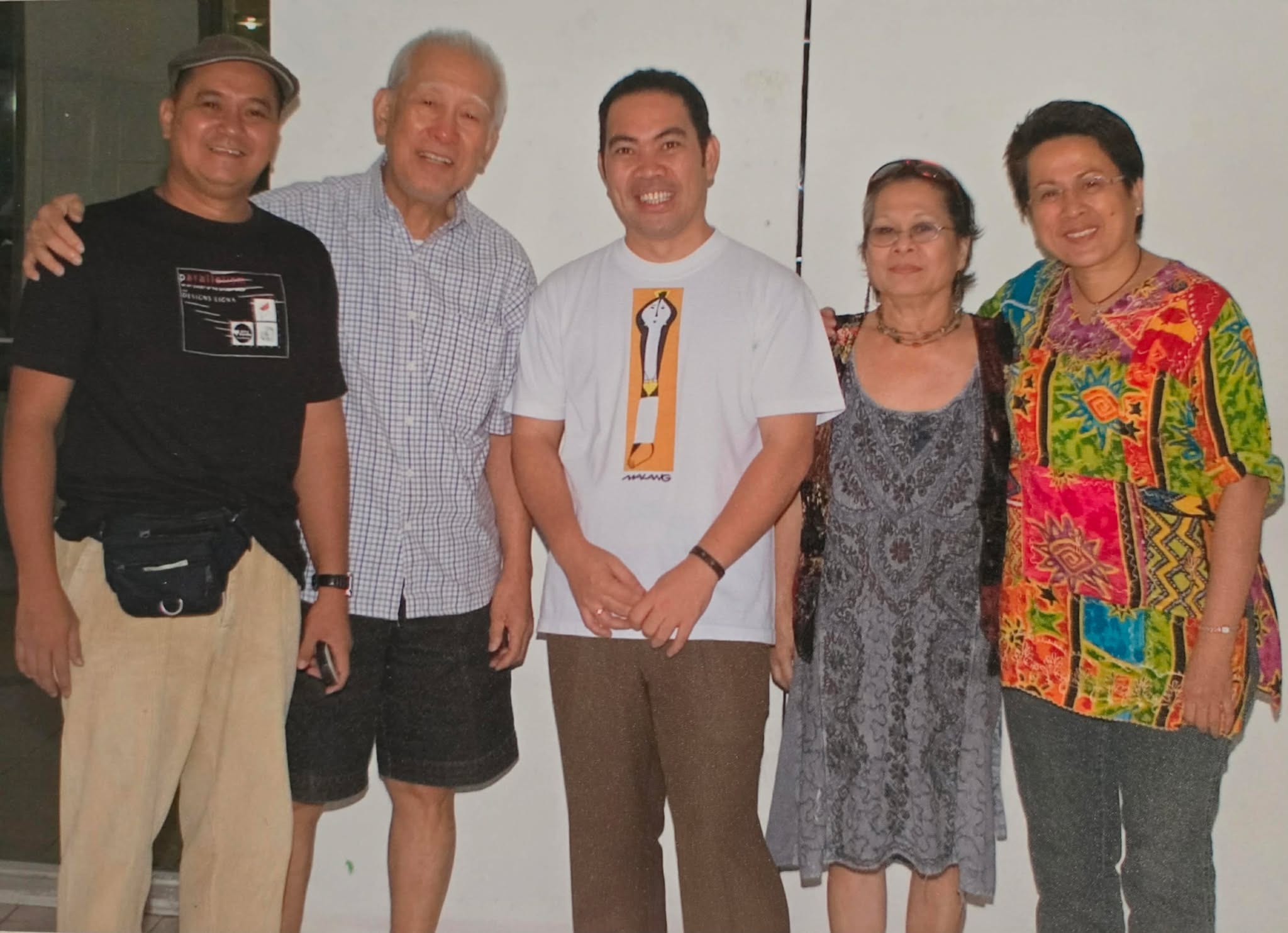
Years later, the shy artist would once again come across the Saturday group in Shangri-La Plaza when he attended one of their weekly sketching sessions. A Fine Arts professor of Obemio’s happened to be a member and Obemio asked if he could join. “He was my backer. After a few months, he introduced me to the elders and the rest is history. I will forever be grateful to Mr. Buds Convocar,” he says. Obemio officially became part of the Saturday Group in 2002 and eventually became the illustrious club’s president for a time.
“Putol-putol ang naging pag-aaral ko. Minsan umuuwi ako ng province kapag nagkulang sa financial support si Papa tapos balik aral ulit kapag meron,” he shares. He spent five years in UE but still was not able to finish his studies. “Nahiligan kong mag-sideline. Noon pa, madiskarte na talaga ako,” he says. His first job was as a commercial artist making pastel or charcoal portraits in the malls. He also did caricatures for children’s parties where he got paid P4,000 for three hours at children’s parties, conferences and corporate events. Obemio used to draw 70 to 100 caricatures per day during those early years. Other work he ventured into were t-shirt printing and glass etching before finding a job in the local animation industry.
His Reasons for Being
“We got married in September 2002,” Obemio’s wife Connie recalls. “A month later, he told me he had good news and bad news.
“The animation business closed but the good news was he could finally start painting full-time.” It was something Obemio had always wanted to do, but at the time, he had yet to find his dreamy style of painting collectors all love today.
“Dini-develop pa lang niya yung kanyang style noon,” Connie says. “I had to be the breadwinner but he told me, ‘Don’t worry, Hon. Just give me five years.’ At that time, I had no idea talaga kung ano yung art kasi corporate yung background ko,” she remembers. “Magkaiba kami ng mundo. Noong time na yon, hindi ko pa alam ano yung ugali ng artist. It was very challenging for both of us pero somehow look at us naman: 24 years married this year.”
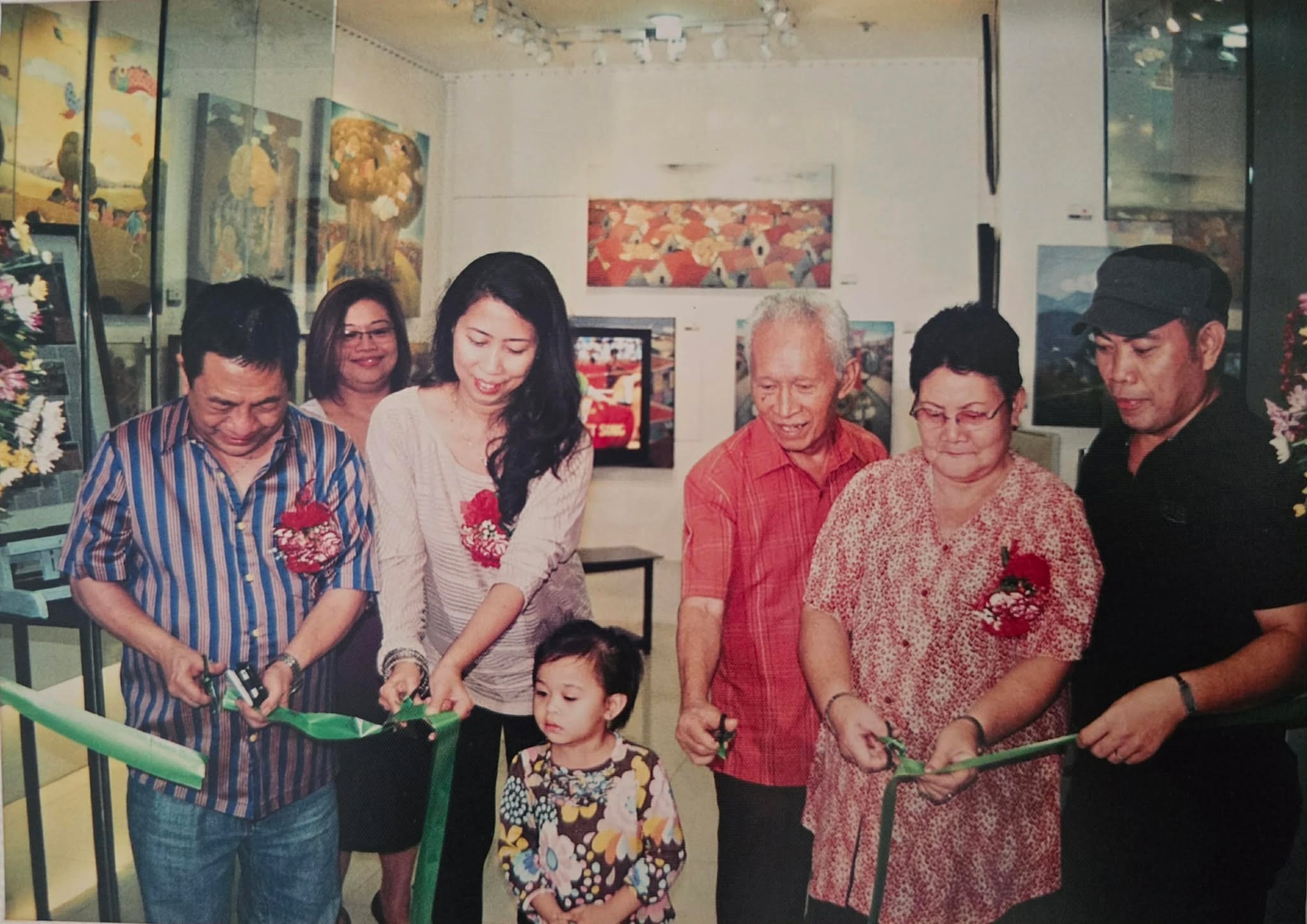
His better half has been a constant source of strength, balance, and inspiration for the soft-spoken artist. Mrs. Obemio, with the guidance of her husband, has also evolved into an artist herself with Art Lounge Manila hosting her first solo show just last year. Their 17-year-old daughter Ria also grew up with an inclination for art. Starting out with drawing and playing with crayons during her formative years, she now enjoys fashion styling, sports, and baking. “Ang success, hindi ka nag-iisa. Hindi ka solo sa journey. You need inspiration from your wife, your family, and friends,” reflects Obemio.
During those early years, the artist had to juggle working on his craft with trying to provide for his wife and child as well as his family back in Cagayan de Oro. “Yung paghanap ng distinct style, part siya ng paglalakbay. Natakot lang akong hindi mag-succeed kasi ang Papa ko may sakit noon,” he remembers. “Siyempre uunahin ko ang pamilya ko pero umaasa rin sa akin sa Mindanao yung mga magulang ko na matanda na.”
Finding His Form
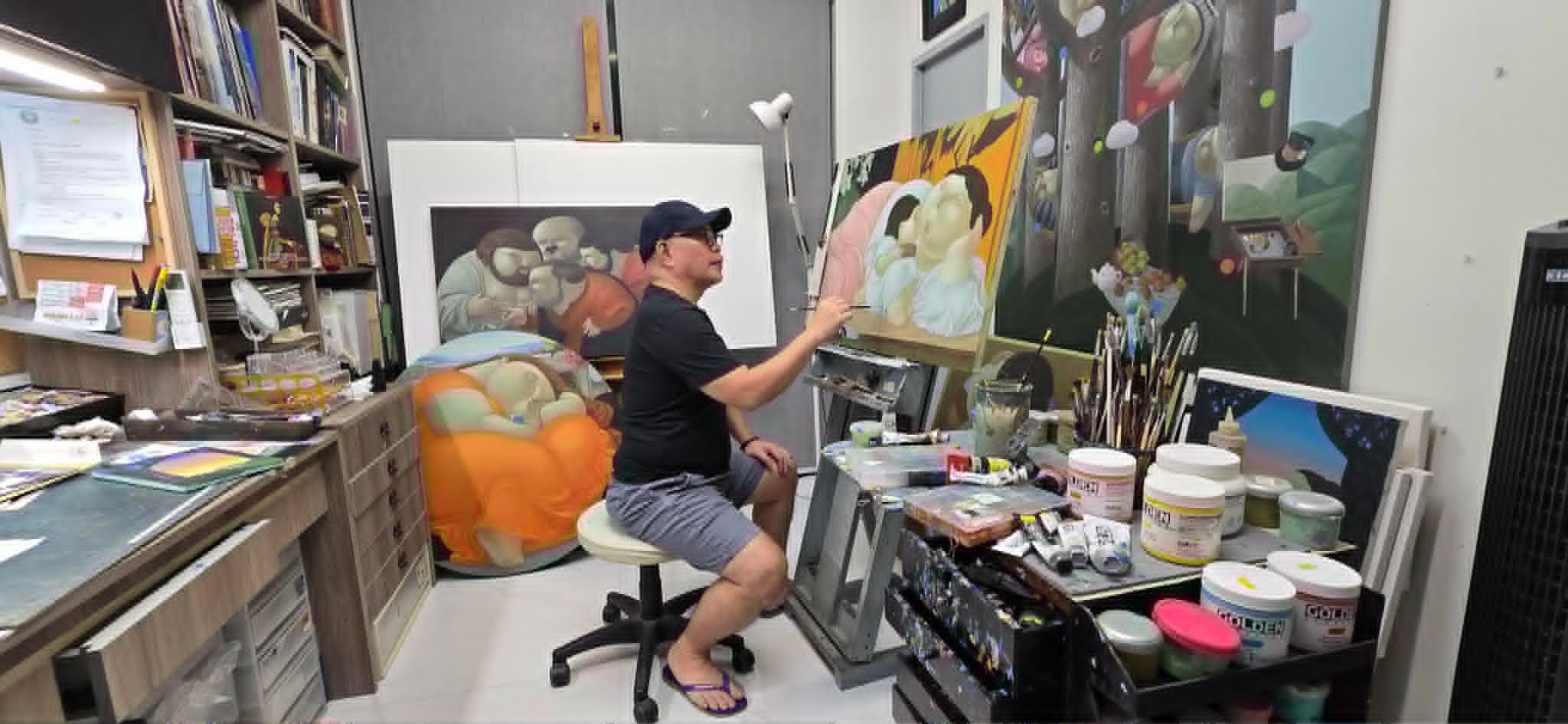
While studying different styles and searching for his own, he greatly admired the works of Ang Kiukok, Mauro “Malang” Santos, and Botong Francisco. “Ang hirap maghanap ng distinct style sa realism. Kailangan may form. Sila (Elmer) Borlongan, Marcel Antonio, marami akong pinag-aralan until I came across the Colombian artist Fernando Botero,” he remembers. Botero’s works took Obemio’s breath away, depicting characters in large and exaggerated volume and often with very political narratives.
“I loved the figures. Simple lang,” he shares. “Also, maliban sa paghanga ko kay Botero, subconsciously lumaki ako sa magulang na malaki lalo na si Mama.”
Obemio began exaggerating features of his subjects often making them appear rotund and injected childlike humor and contemporary themes and elements to iconic subjects such as the Mona Lisa or Girl with a Pearl Earring. Although there were similarities to Boterismo, Obemio’s style differs with his use of techniques that he accumulated from his many experiences throughout his career as an artist, all of which have helped mold his new style.
“Mostly three and a half yan na galing sa sukat ng mga figure ng animation sa Fil Cartoons na trabaho ko dati. The highlight, galing sa discipline ng pagpo-portrait ko. Yung pagkakinis, galing din yan sa commercial art using pastel with brush. In-incorporate ko yung mga experiences ko sa style na ito,” he points out. “Also, if Botero uses his subjects as a means to critique, my subject naman uses volume as a narrative device to convey whimsy and fantasy.”
Obemio’s first solo show “The Circus of Life” at Le Souffle in June 2006 was a mix of figurative realism featuring clowns, lovers, and maternal subjects. “Meron medyo cartoon yung subject, medyo whimsical, may influence ko sa animation at meron naman subjects na inspired ni Botero. Parang dun ang baseline ng ‘Obemized’ style. Multi-style pa yung first solo show ko noon. Parang crossroads pa,” he says. His second solo exhibit at the Ayala Museum in November 2008, which featured children’s book illustration published by Center for Arts New Ventures and Sustainable (CANVAS), was where Obemio fully embraced his full-figured style.
Deeper into the Art
“Simpleng maunawaan ang mga subjects ko,” he says. “May mga romantic works ako at narrative fantasy. I also pay homage to iconic works of art with a touch of contemporary keeping it hopeful, positive, and aligned with my own ‘Juanderland.’” Obemio also explains how much of his soul and unique worldview come into play when he paints. Seeing things through a Mindanaoan’s lens makes the color of the moon and how it shines on Obemio’s subjects a bit different from how somebody from smoggy old Metro Manila does. “Mahilig ako sa dark (scenes) kasi wala kaming kuryente noon for how many years kaya lagi akong nakatingin sa buwan,” he explains. “Hindi ka aware pero lalabas yung soul mo dyan,” he says.
One of his pieces displayed during this year’s Modern and Contemporary Art Festival (MoCAF) back in July was inspired by a certain work of Fernando Amorsolo. Although it bore similarities to the first-ever National Artist’s original, it of course was given Obemio’s signature spin.
“Gumawa ako ng kwento na nagbago na ang panahon,” he points out. “Yung mga nagtatrabaho sa field, naka Grab na sila. Yung nakaupo meron nang Starbucks at ang likod na palayan, meron nang housing project. Nabubutas na din yung bundok dahil sa mining.” Social narrative plays an important part in Obemio’s works and the introverted artist does not hold back with what he has to say.
His stories, as he fondly refers to the paintings he creates, tell more about the artist than his own words ever could. Obemio often uses the colors blue and green, which are reminiscent of the river where he used to swim and the foot of the mountain right behind their house where he and his siblings used to play. He also curiously uses a lot of red whenever he paints scenes involving mothers. His mom explained to him she once had a red ‘daster’ that she used to wear when he was little.
“Nakita mo yung paintings ko, yung ibang bumibili may cancer. Kaya daw sila bumibili kasi gusto nilang nakikita tuwing gumigising sila,” he shares. “Yung pinaka soul ko na positive, ina-apply ko yan sa art ko.”
Obemio says he uses happy colors that don’t clash and have harmony. Even when telling a heavy story, he balances the energy by using hues that would still make you feel light. He believes that this is what he can contribute as an artist: to let us into his world of flight and fancy. “Beyond all the social media chaos, the geopolitical turmoil, my works are imbued with positivity and hope. They are meant to be uplifting, sometimes with humor and a personal sense of nostalgia,” he says. “Nage-enjoy ako sa mga kwentong gusto ko ipinta. Living in the moment in a simple ‘Juanderland.’”
On the Horizon
Obemio is far from done with his masterful own way of telling stories. “Ang dami ko pang gustong gawin. Yung Spoliarium by Juan Luna, gusto ko siyang gawing kwento regarding its political narrative,” he says. “Gusto kong magkwento.” Looking back at the many creations he has breathed life to over the years, Obemio is frequently asked about what his favorite piece is.
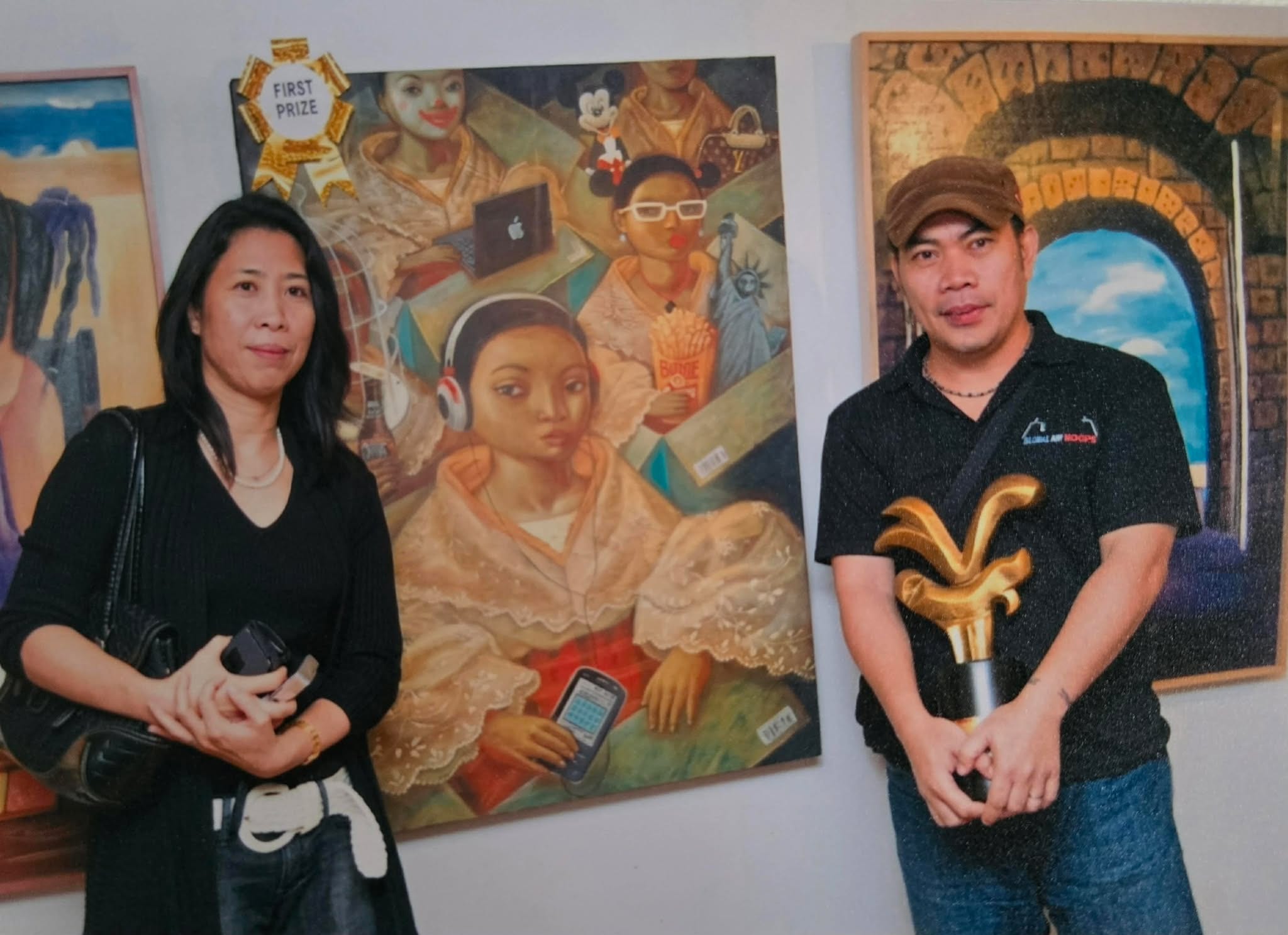
“Sabi nga ni Picasso, ‘my next one.’ Parang inclined rin ako sa pilosopiya niya kasi nag-iimprove ka habang papunta ka sa iyong obra maestra,” he reflects. “Pero isa sa mga kwento na hindi ko binibenta ay yung napanalo ko yung grand prize ng 2006 GSIS Annual AAP Competition Painting Category. It speaks of resilience and dreams. Talo, nasaktan, pero tuloy pa rin. Yung obra na yan ay nasa bahay namin.”
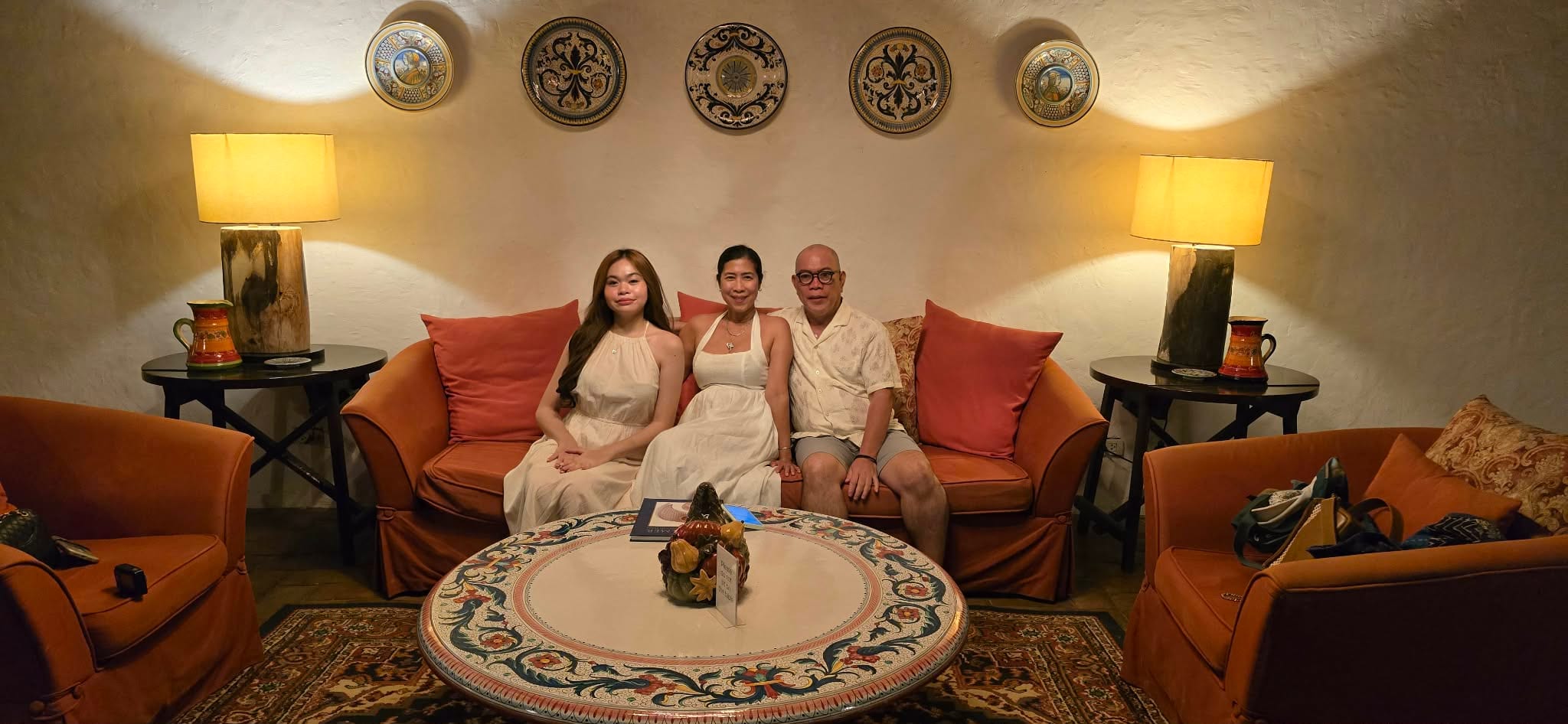
He does focus more nowadays on what truly matters and family, as it always has been, is number one on Obemio’s list of priorities. He devotes most of his time to being with his daughter Ria. “Ngayon bumabawi ako kaya less na yung time ko sa pag-pipinta. Alam kong darating ang panahon na aalis siya. Mag-aasawa rin siya,” he explains. “May time pa ako to prove myself as a father. Nag-iisa lang siya. Hindi naman lahat puro karera.”
Obemio and his family enjoy a life blessed by art and he is grateful for everyone who has supported him through the years. “Hindi ko naman akalain na ganito ang magiging impact ng ating simpleng expression,” he says. For Obemio, it’s a confluence of his many experiences both in life and throughout his career as well as the cultural landscape in Mindanao, which has greatly shaped him both as an artist and an individual. “Marami rin pala ang may gusto ng ganung klaseng mundo.”
View More Articles About: