Why Benilde Open Bets on the Unfinished Ideas of Filipino Creatives
DLS-CSB just announced the 10 finalists of the second edition of Benilde Open Design + Art.
Published on Mar 17, 2026
Governments rise and fall, the economy cycles through chaos, yet one thing remains constant: the Philippine creative spirit is always thriving. We see exhibition openings happening almost every week, art fairs and events occupying our calendars, and awardings that recognize the best of the best. But at the De La Salle-College of St. Benilde, a different kind of creative energy is being cultivated—one that values the messy, uncertain middle of a breakthrough.
Now in its second edition, Benilde Open Design + Art has returned with a provocatively ambitious theme, “Extension of Nature.” Like the first edition, it continues its radical approach to institutional support. By providing ten finalists with a P300,000 production grant each, the program isn't just handing out trophies; it is placing a high-stakes bet on the Filipino imagination.
The 10 Benilde Open grantees are: Andi Osmeña; Bianca Carague; Karl Castro; Kiri Dalena and Ben Brix; Krishner Appay; Mac Andre Arboleda; Mikael Joaquin; Nicole Racal; Niño Tayao; and Studio Unosinotra.
From "Curious" to "Extension of Nature"
The transition from the inaugural edition to this year’s cycle was a deliberate move toward depth. The first edition, themed Curious, was designed to test the waters. "The idea for Curious was that it was a much larger, wider net...because it was the first one," Joselina Cruz, one of the convenors, tells Esquire Philippines. "We needed to see how it felt, from what was there, who would be interested."
That "wider net" caught a massive haul of 300 applicants. But for the second edition, the organizers wanted to steer the ship toward a more specific direction. "The first one had like 300 participants. It was a bit much," Gabby Lichauco, another convenor, admitted. "So, maybe for the second one, we thought maybe we could focus on a particular theme. We were toying around with inventions. We wanted to try and invite engineers, inventors, just to bring in more interests from different industries."
This led to the 2025 theme: Extension of Nature. It is a prompt that challenges the traditional hierarchy of the "useful" versus the "expressive." It asks for poetic machines, hybrid ecosystems, and projects that treat nature not as a resource to be conquered, but as a collaborator. "Nature is always going to be a topic—climate change, sustainability," the Lichauco noted. "The topic’s still wide enough that any discipline can participate, can send a proposal."
They ended up having 130 applicants, "which is still a good number," he added. From there, the convenors started the process of winnowing, immediately taking out projects that "you know from the get-go have nothing to do with the theme," Cruz explained. The remaining 50 projects were handed to the international jury.
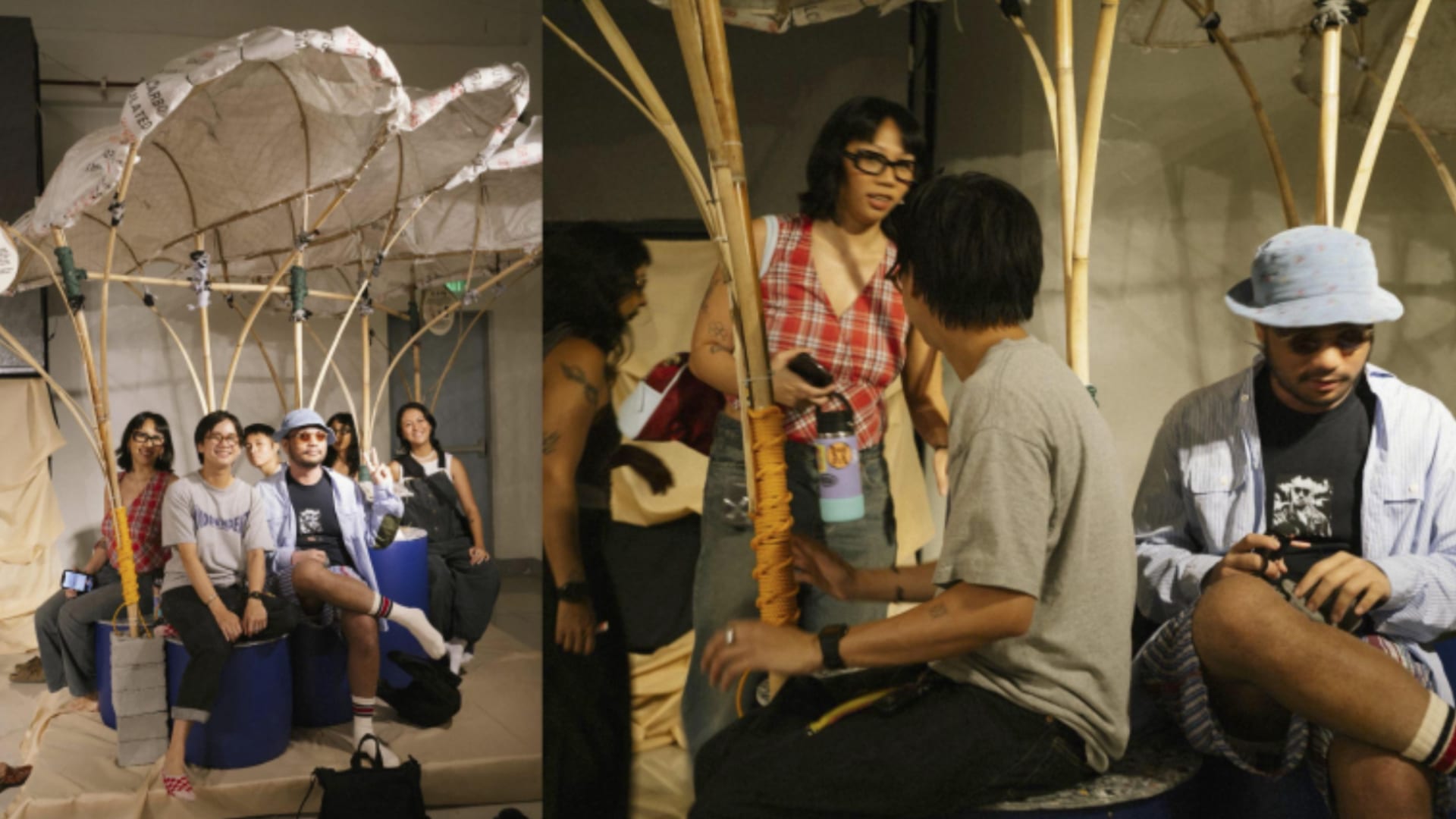
"The jurors, it was interesting. They were everywhere, from Madrid, Australia, California, and New York. So some had to wake up at 5 a.m., some had to stay up until 2 a.m. [for deliberations]," co-convenor Rita Nazareno recalled. "You could see the sheer engagement from them. To have your work discussed in a jury, I think, is already amazing—to have all these minds to be talking about it in all seriousness, I think it’s already such a huge thing, whether you got in or not."
The international jury represented a cross-section of global design leadership: Jihoi Lee (Curator, MMCA Korea; founder of Watch & Chill), Mireia Luzárraga (Co-founder, TAKK; Assistant Professor, Columbia GSAPP), Nathalie Huni (Managing Director, Head of Design, Wells Fargo), Timothy Moore (Curator of Contemporary Design and Architecture and Melbourne Design Week, NGV; founder of Sibling Architecture; Senior Lecturer, Monash University), and Freddy Anzures (Filipino-American designer from the original iPhone team and holder of numerous iPhone-related patents).
For the convenors, the international makeup of the jury wasn't about seeking foreign validation, but about benchmarking.
"We thought that it serves a couple of purposes. One, we wanted to benchmark the thinking of our designers and artists in what is happening out there in the world," co-convenor Ayi Magpayo explained. "And the second purpose is to benchmark the school itself. How is it measuring up to the expectations of the various industries, not only in the Philippines, but around the world? I think that’s a healthy engagement or conversation that’s happening there."
Benilde Open Design + Art as a Grant Initiative
What sets Benilde Open apart from a typical art competition is its "generative" nature. In most art contests, the money is a prize for the product or the end goal of a project. Here, the money is the fuel for an idea, a project that's just starting.
"The easy answers are to have an award, to have a competition, to have a fair," Cruz explained about how the idea of Benilde Open came about. "Those things are endpoints, right? 'You’re fantastic. Here’s your crown.' But we thought we wanted to do something that’s a bit more generative, which allows us to seed the ground for more. They’re not done projects. They’re not finished. That is what the Benilde Open does. It seeds the project."
This requires a rare commodity in the institutional world: Trust.
"Rita used the word trust, and I think that’s super important," she added. "You trust the artist, trust the designer, you trust the researcher. We believe in your project. We just don’t believe you and say 'Congratulations.' We believe in you. We give you the capacity to actually work on it."
With grants of P300,000 for the main category and P50,000 for the Best of Benilde student category, the College is effectively buying time and space for its creators. "We’re betting on you. We’re betting on your brain, your talent. Let’s see how far you can take it," Lichauco said, emphasizing the word "betting."
"I venture to guess that Benilde is the only school that gives out money for that sort of support and engagement," Magpayo said. "The strings attached are not so much," Nazareno added.
Art Without Guard Rails
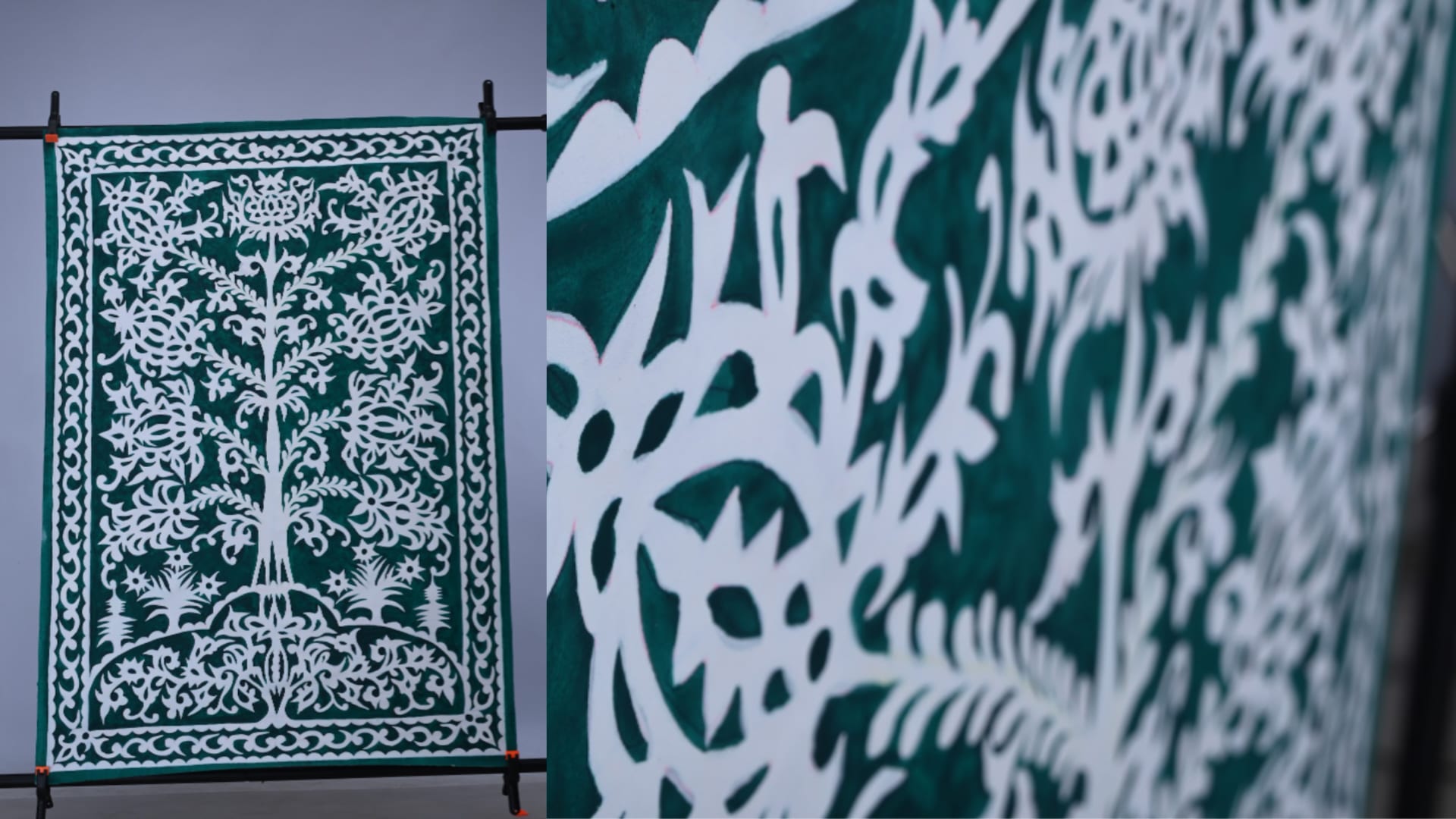
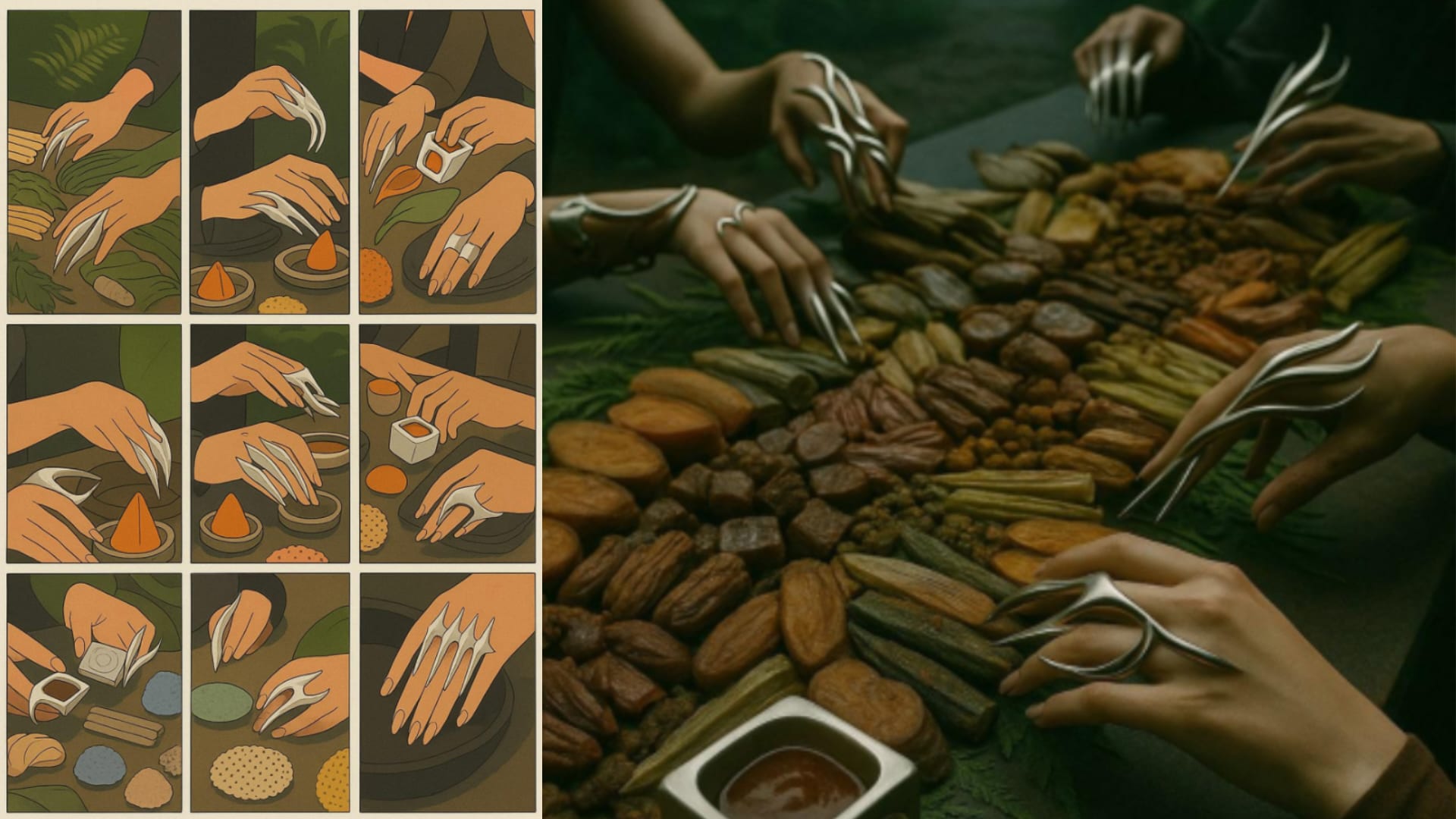
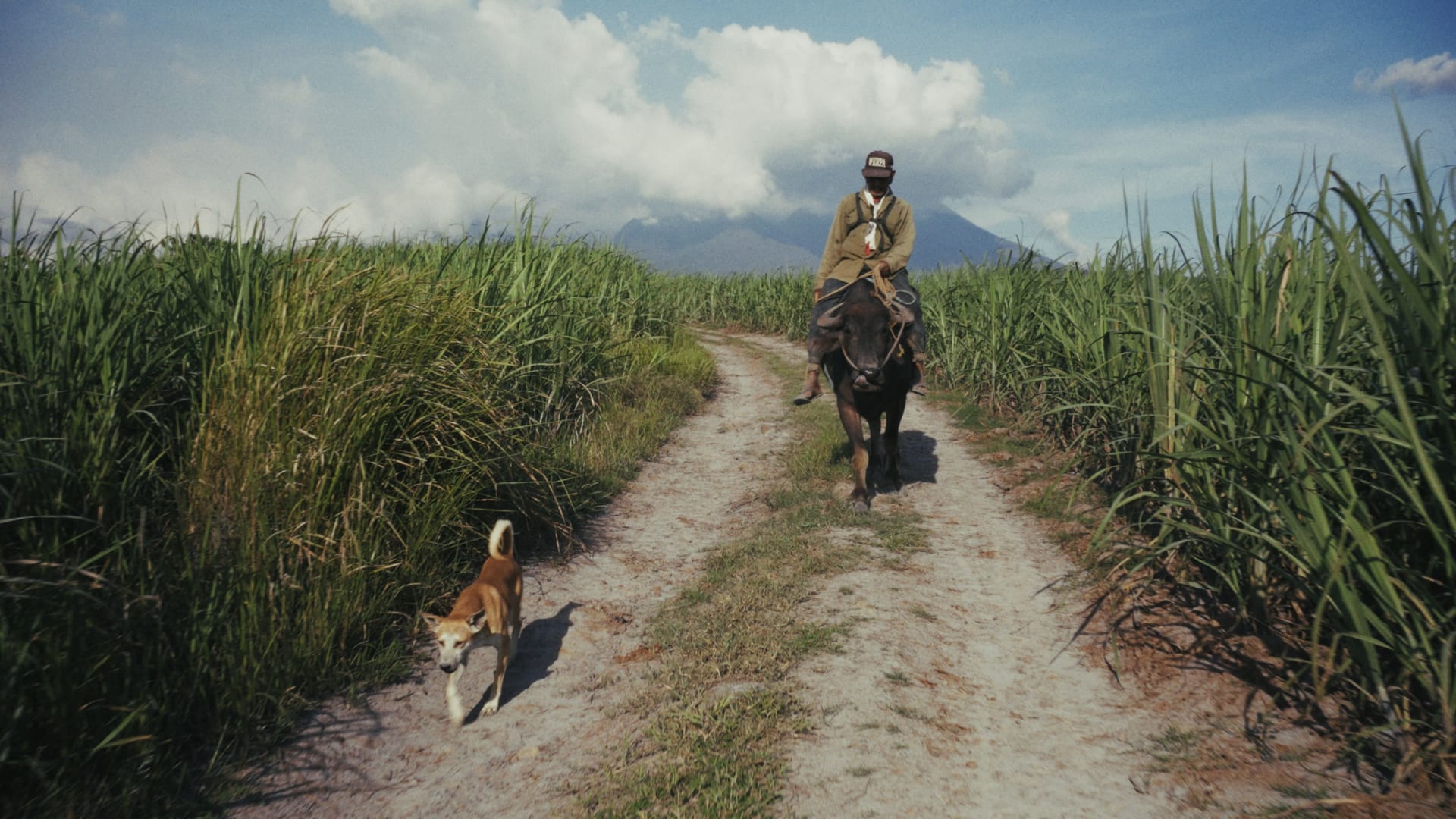
The projects selected for the second edition—ranging from the industrial inquiries of Bianca Carague and the textile explorations of Andi Osmeña to the collaborative media works of Kiri Dalena and Ben Brix—reflect a rejection of safe art.
"[Art is] one of the many things that need to think about [nature]," Cruz said about using art to tackle issues of climate change. "I think because there are no guard rails, really, when you’re with art. It’s not something that you put rules around, right? Then it has the capacity to push against the norm. I think that's the most valuable thing about art and design. It follows rules, but it knows how to break them at the same time."
This rule-breaking is particularly vital when addressing the environment. By allowing artists and designers to tackle issues," Benilde Open creates a bridge between the classroom and the street. "If you look at the grantees, you will see how they are reacting to the situation around them—flood, everything, our dying crafts. You know it is something that they live. And then now they’re able to express it through design and art," Magpayo added.
The impact of these grants is intended to outlive the exhibition dates of April 11 to April 27, 2026. Individually, the presentation can be of any progress of the project, not exactly a final product. Collectively, the continued development of the prototypes and ongoing research is meant to ripple through the creative industry.
"It’s that sort of visioning that [Benilde President] Brother Dodo [Fernandez] has. What can be done in the future? What will it give to the rest of the world?," Cruz relayed.
ALSO READ:
Esquire Philippines' Best Visual Artists Awards 2026
Movers of Filipino Contemporary Art: 25 Artists We Love
Christa I. De La Cruz is a Palanca Award-winning writer with over 15 years of experience in feature writing for print and digital media. She earned her Sertipiko sa Malikhaing Pagsulat sa Filipino from the University of the Philippines Diliman and holds an MFA in Creative Writing from De La Salle University.
View More Articles About: