10 Books to Sharpen Your Sociopolitical Discourse in 2026
Reading is the antidote to brainrot.

Published on Dec 28, 2025
To read widely, especially books that present ideas that challenge you, is to resist atrophying in a few ways. First, mentally: such books animate and reroute your thinking. Then, interpersonally, the way you think changes your conversations and the way you interact with others. And finally, socially: honest, well-informed, carefully thought-out, and compassionate discussions can domino throughout a community and, if not destabilize toxic systems, then at least ground us in a world that feels like it’s spinning out of control.
At the very least, new ideas help us burst out the the echo chambers that algorithms lock us in. Books are read in isolation, but they paradoxically connect us to others. In the age of doomscrolling, even when ratioing with the odd pithy take in the comments section, discourse can feel like something we watch rather than something we’re a part of. But reading ensures engagement with the ideas in a way that refuses the oversimplification of a quick tweet or repost.
Despite entering a new year, the chaos and need for clarity probably feel as familiar as ever. These 10 books, all published within the last several years, are for readers interested in challenging frameworks, expanding empathy, getting grounded in history, and arming themselves with language that helps make sense of what we see happening in our world.
Unbecoming by Angeli Lacson
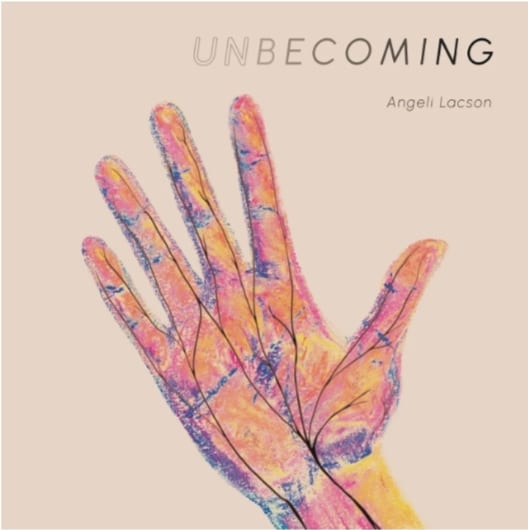
Lacson’s essays on disability, empire, and wellness are searing and tender. She treats the body as a site and symptom of sociopolitical control, urging the reader to consider a more inclusive view of justice. While this is essential reading for Filipinos, the author’s reminder that equity isn’t charity, but foundational to democracy, is relevant to all audiences.
Necropolitics by Achille Mbembe
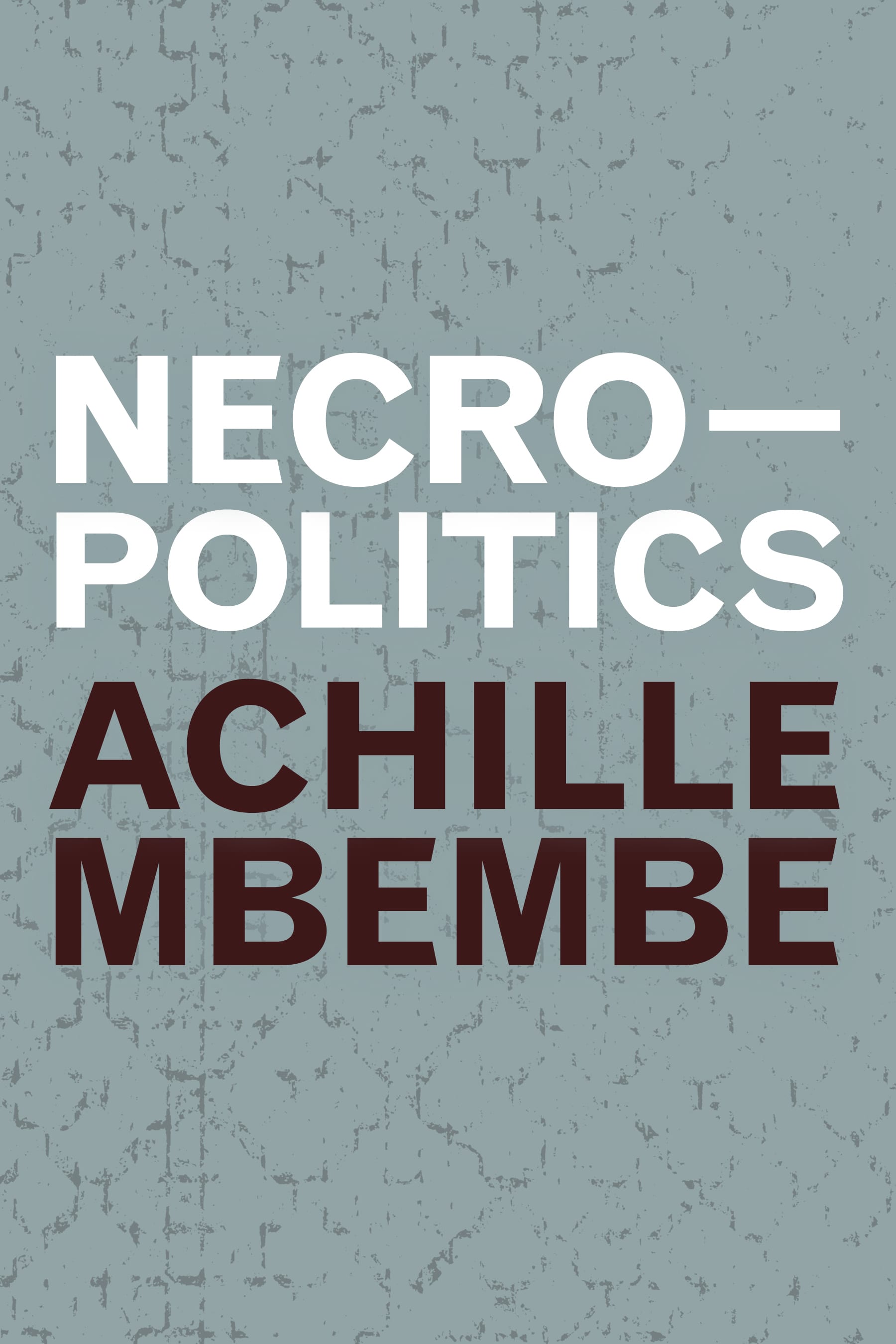
Mbembe’s now-canonical theory gives us the language to describe what we are seeing in real time: the use of power to dictate how some people may live and how some must die. This is essential reading for understanding why and how our lives are being “systematically cheapened and habituated by loss.”
U.G. an Underground Tale: The Journey of Edgar Jopson and the First Quarter Storm Generation (Third Edition) by Benjamin Pimentel
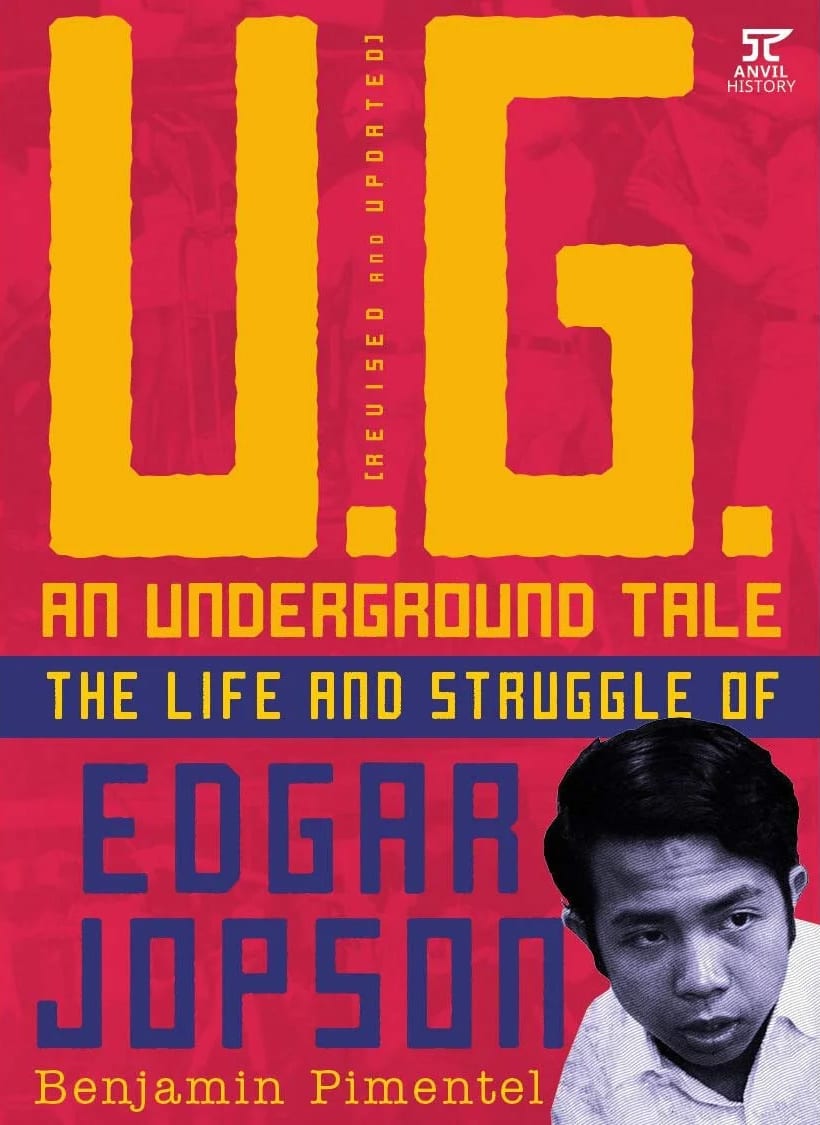
Benjamin Pimentel revisits the life of Edgar “Edjop” Jopson, the student activist who became an icon of the First Quarter Storm (FQS). This definitive edition expands his earlier work to reveal the complexities often erased by heroic myth. In today’s climate of unrest, which many historians liken to the political climate of the FQS, this book is a reminder that ordinary people can still compel extraordinary change.
Minor Detail by Adania Shibli

Shibli’s slim but powerful novel, translated beautifully by Elisabeth Jaquette in 2020, is a haunting meditation on the machinery of colonial and military occupation, blurring fact and fiction to chilling effect. For readers in the Philippines, it mirrors how the trauma of state violence is passed down to new generations.
The Drama of Dictatorship by Joseph Scalice
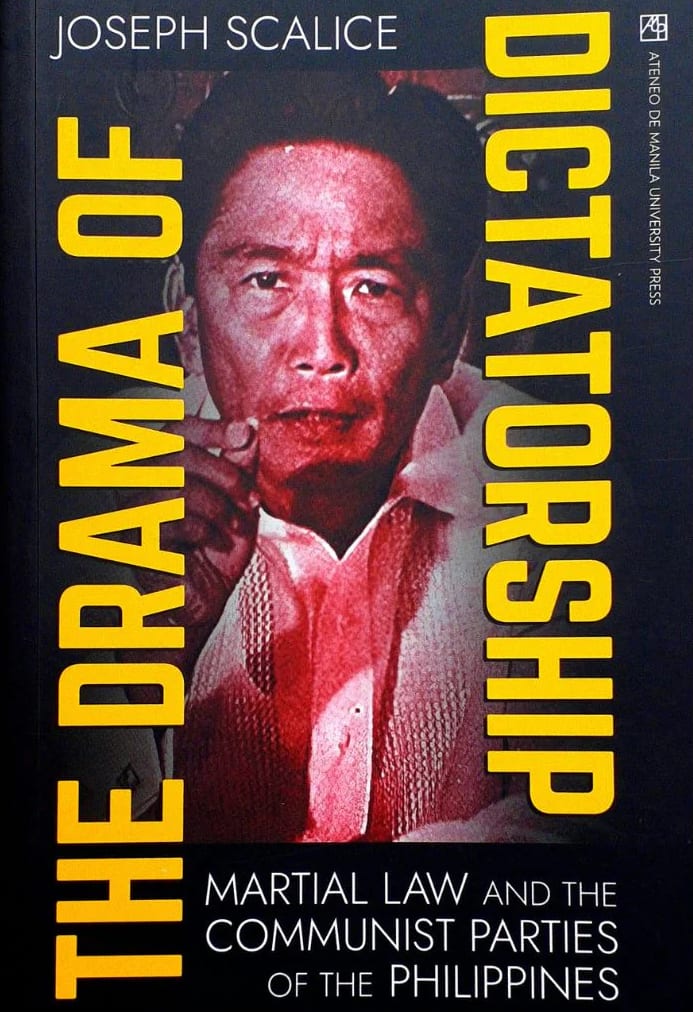
Scalice dismantles the myth that Martial Law was a solo project driven by personal greed, revealing instead how a consensus among the country’s ruling elite sustained it. His work forces readers to confront the structural complicity behind tyranny, while grounding readers in historical texts. It’s an antidote to revisionism, yes. But it’s also a means of broadening our understanding of society's ills beyond placing the blame on individuals.
Become Ungovernable: An Abolition Feminist Ethic for Democratic Living by H.L.T. Quan
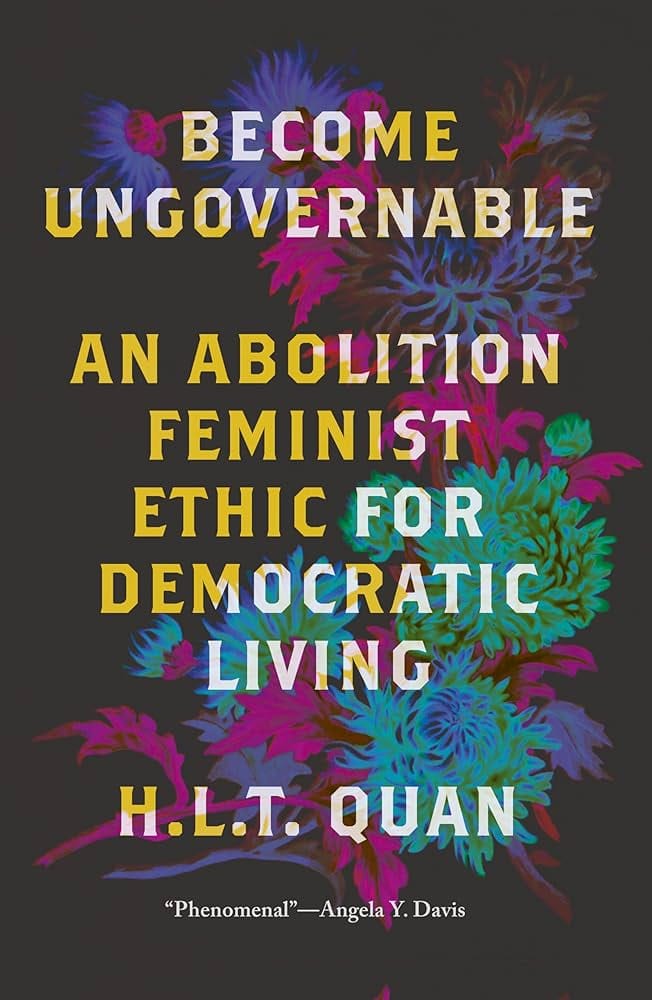
There’s no room for the performative man here. This is a book that requires actual engagement with revolutionary ideas about freedom, justice, and democracy through the lens of abolition feminism.
Counterrevolution: The Global Rise of the Far Right by Walden Bello

Bello maps the global rise of the far right through comparative sociology and history, with the Philippines as a recurring case study. His analysis traces the backlash against social movements and globalization’s broken promises. With his trademark lucidity, Bello gives readers a framework to name the political fatigue of our times.
I’m Laughing Because I’m Crying by Youngmi Mayer
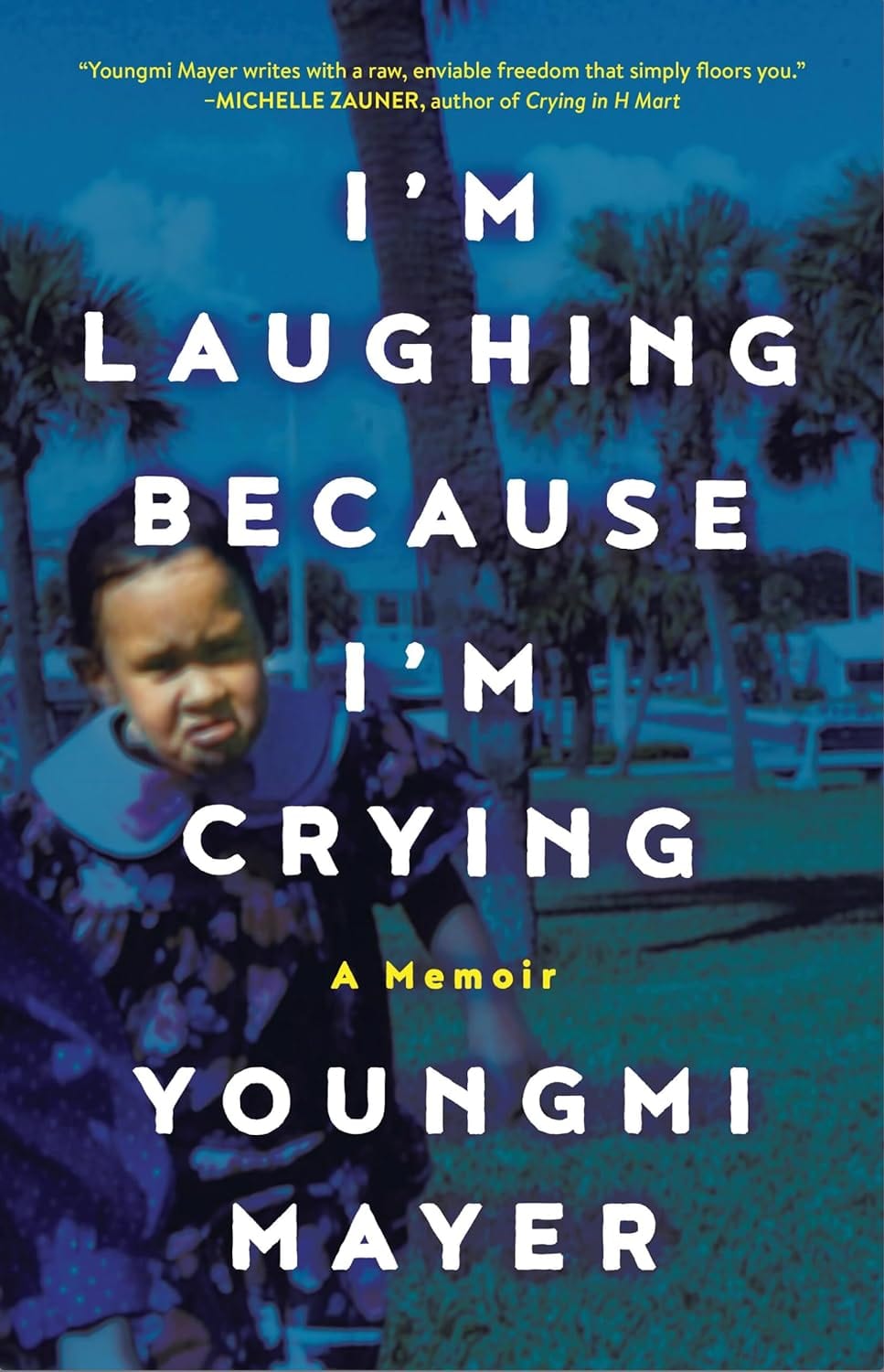
This memoir by mixed-race Korean-American comedian Youngmi Mayer threads intergenerational trauma through the immigrant and postcolonial experience. On paper, it has nothing to do with the Filipino experience. But the way she writes about identity, comedy, and pain as intertwined political inheritances dovetails with Filipino history, especially as it relates the the American militarization of our land. When people say the personal and political are inextricable from each other, this funny, heart-wrenching book is what they mean.
One Day Everyone Will Have Been Against This by Omar El Akkad

El Akkad’s nonfiction debut, which also won the National Book Award for non-fiction in 2025, examines how Western societies manufacture consent for empire through censorship and equivocation. With his journalist’s precision and novelist’s empathy, he dissects why complacency persists despite atrocity. This book holds up a mirror to our own deference to power—especially relevant in the Philippines in 2026.
A Chain Is a House to Sleep In by Deirdre Z. Camba
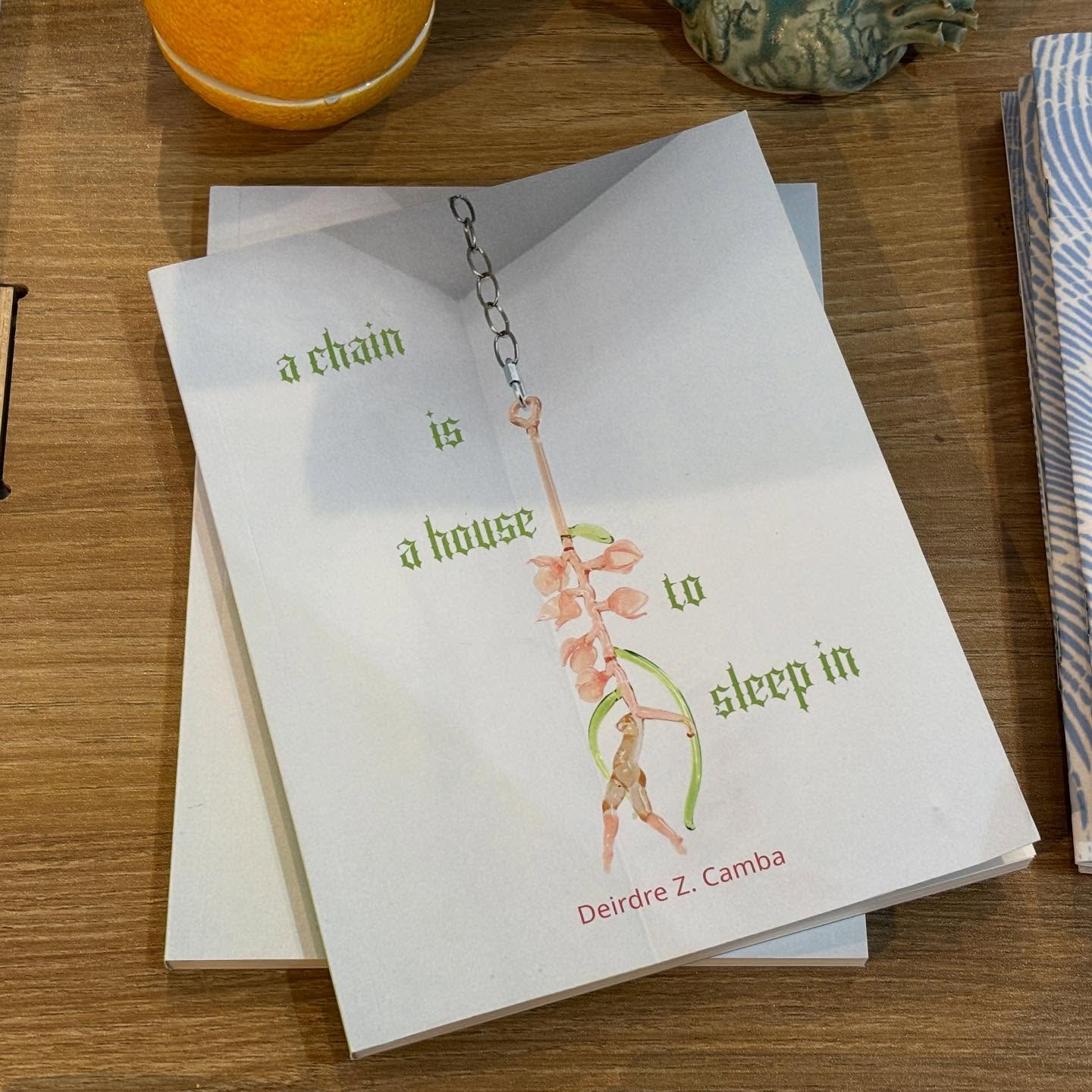
As Filipinos continue to navigate flood control project corruption, ever-escalating typhoons due to climate change, and the absurdity and/or relief of pop culture glossing the chaos, this book of poetry from Deirdre Camba does the essential work of opening a space for tenderness and rage amid (*points around frantically*) everything, reminding us that while words are not revolution, they’re not nothing. This collection captures our current moment—the dull but deep and daily sufferings—in a way that helps us see each other clearly, as much as it helps us ourselves feel seen.
Pauline is a contributing writer preoccupied with decolonization, conceptual art, counterculture, and long conversations over flaky pastries. Follow her on IG: @pauline_arnould
View More Articles About: