This Exhibition Shows How the Manila Galleons Brought Distant Worlds Together
Somos Pacífico explores the people and objects from both sides of the Pacific Ocean.

by Jed Surio
Published on Mar 10, 2026
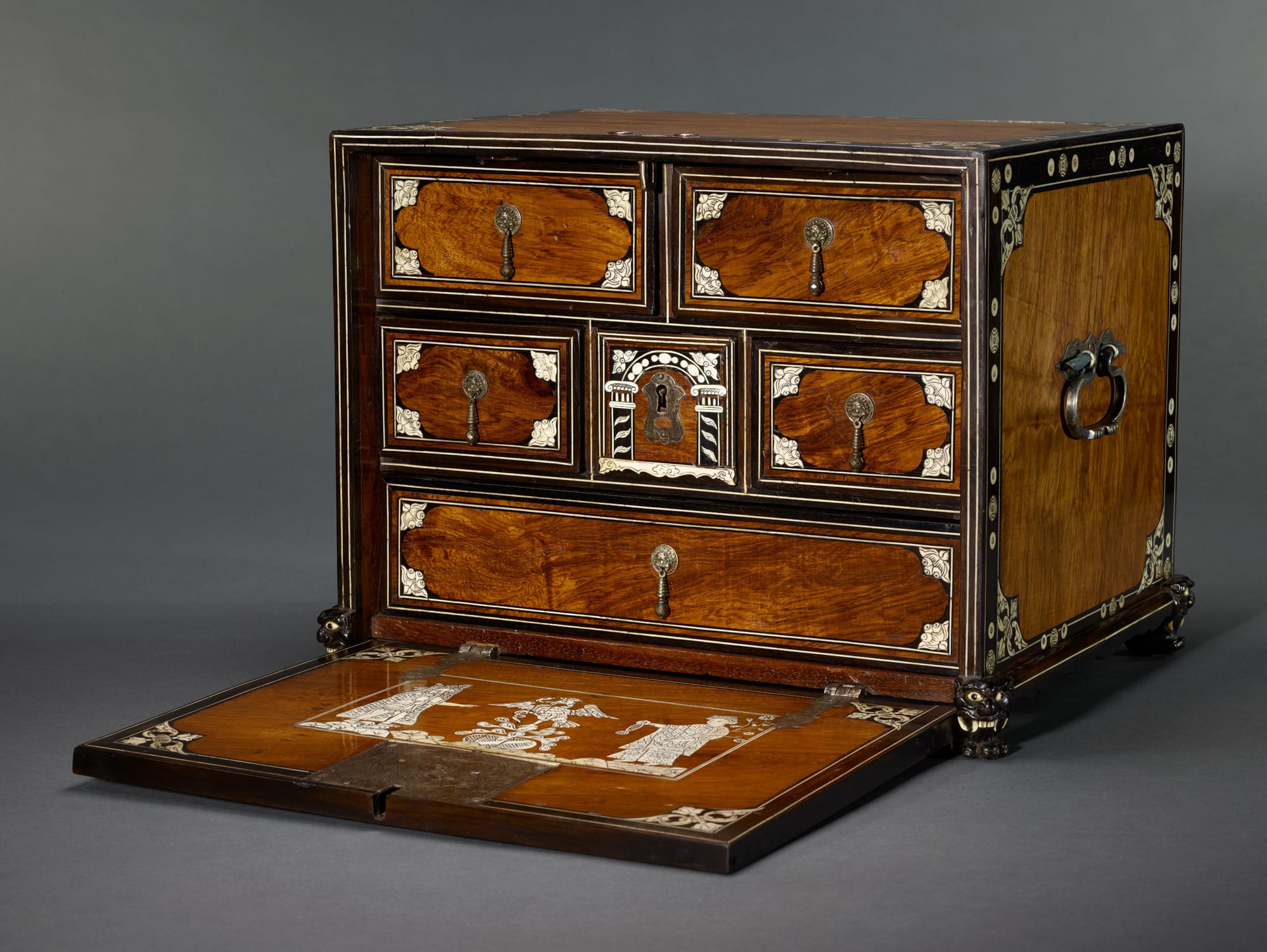
Inside a museum in the heart of Mexico City, there’s a peculiar 17th-century writing cabinet made of wood, bone, and silver. It seems to be from the Philippines. Or Mexico. Or China. Or perhaps even Spain.
It’s difficult to say exactly where it’s from. The cabinet looks European in form, but it appears to have been made by Filipino and Chinese craftsmen. It also has decorative inlay that depicts the foundation myth of Tenochtitlan, the capital city of the Aztec Empire.
Certainly, it’s a product of globalization—long before the word even existed—and physical evidence of how cultures from across the Pacific began to collide and entangle.
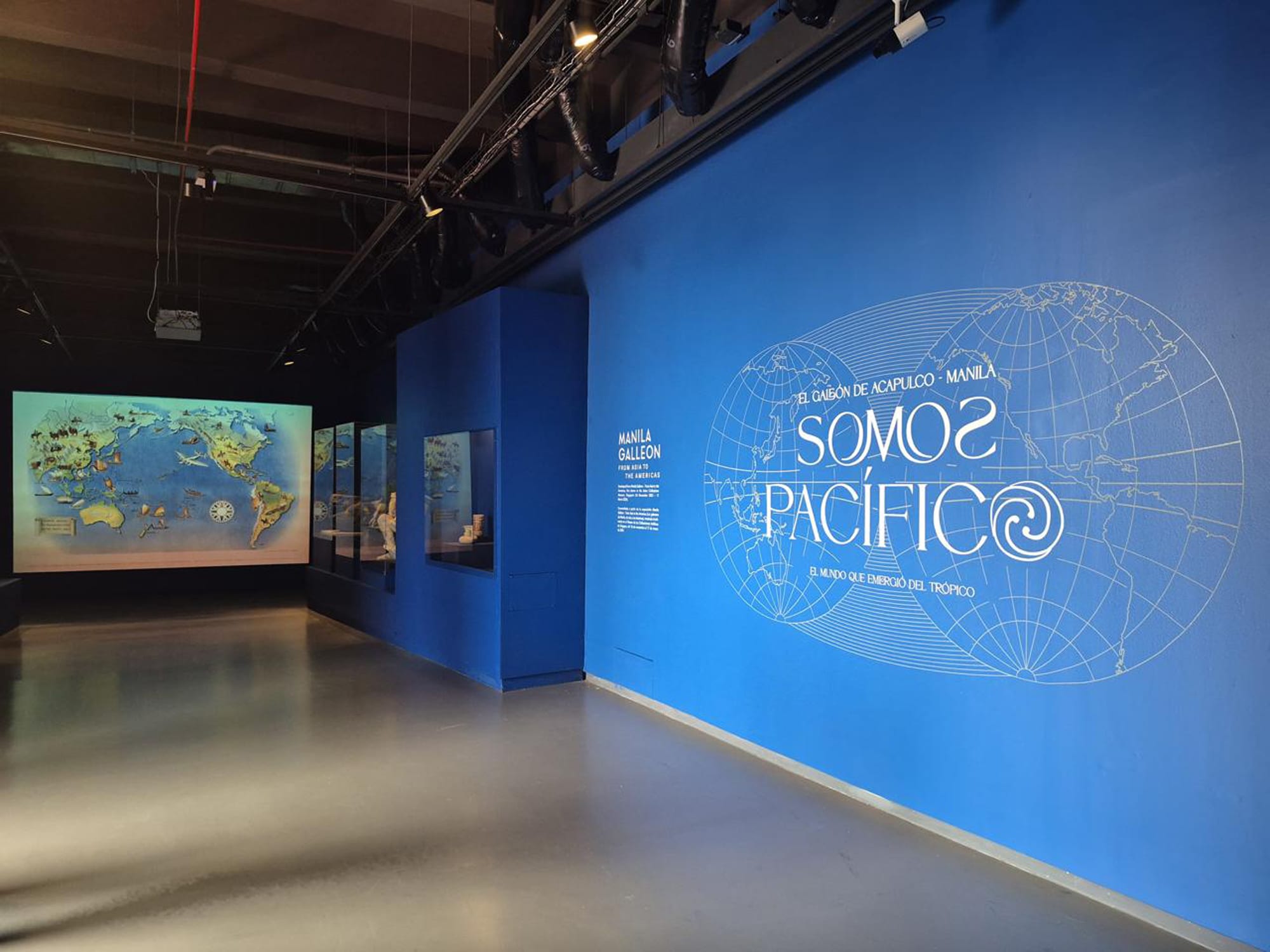
It is precisely this complexity that anchors the exhibition El Galeón Acapulco–Manila. SOMOS PACÍFICO. El Mundo que emergió del Trópico, which is currently on view at El Colegio de San Ildefonso. The show—with a title officially translated to The Acapulco-Manila Galleon: We Are the Pacific, A World Born of the Tropics—builds upon previous exhibitions in Singapore focused on the Manila galleons and Southeast Asian art. This new iteration, prepared in collaboration with Mexican and Filipino teams, includes more than 300 works, ranging from archaeological artifacts and religious objects to 20th-century paintings and contemporary fashion.
“My goal was to talk about this history through the most unfiltered and unbiased lens possible,” says Clement Onn, director of the Asian Civilisations Museum and the Peranakan Museum in Singapore. “We wanted to feature the good, the bad, and the ugly.”
Before the Galleons
The exhibition begins with the incontestable yet often-neglected fact that history in Mexico and the Philippines did not begin with the arrival of the Europeans. Here, an array of pre-colonial objects highlights the rich civilizations of both countries, showing that cultures in these regions interacted long before contact with Europe. Through the gold objects from Mindanao, for instance, we see that Hindu, Buddhist, and Islamic influences played a large role in the development of Philippine material culture.
Trade and Exchange
As we move into the colonial period, the curatorial narrative centers primarily on trade. This approach, Onn notes, gives audiences the opportunity to learn more about the complexity of colonialism while also reminding them that the global connections forged through this trade still shape the world today.
Three specific themes frame these heavier discussions surrounding trade: chocolate, saints, and silver. Altogether, this allows viewers to engage with the exhibition’s content, helping them find personal points of connection within it. Looking at history through chocolate, for instance, reveals that people across Asia and the Americas loved drinking chocolate and owned similar jars and pots for its storage and consumption. The concept of chocolate also becomes an accessible entry point to explain the importance of other commodities—such as chilies—and how they influenced how both sides of the world eat.
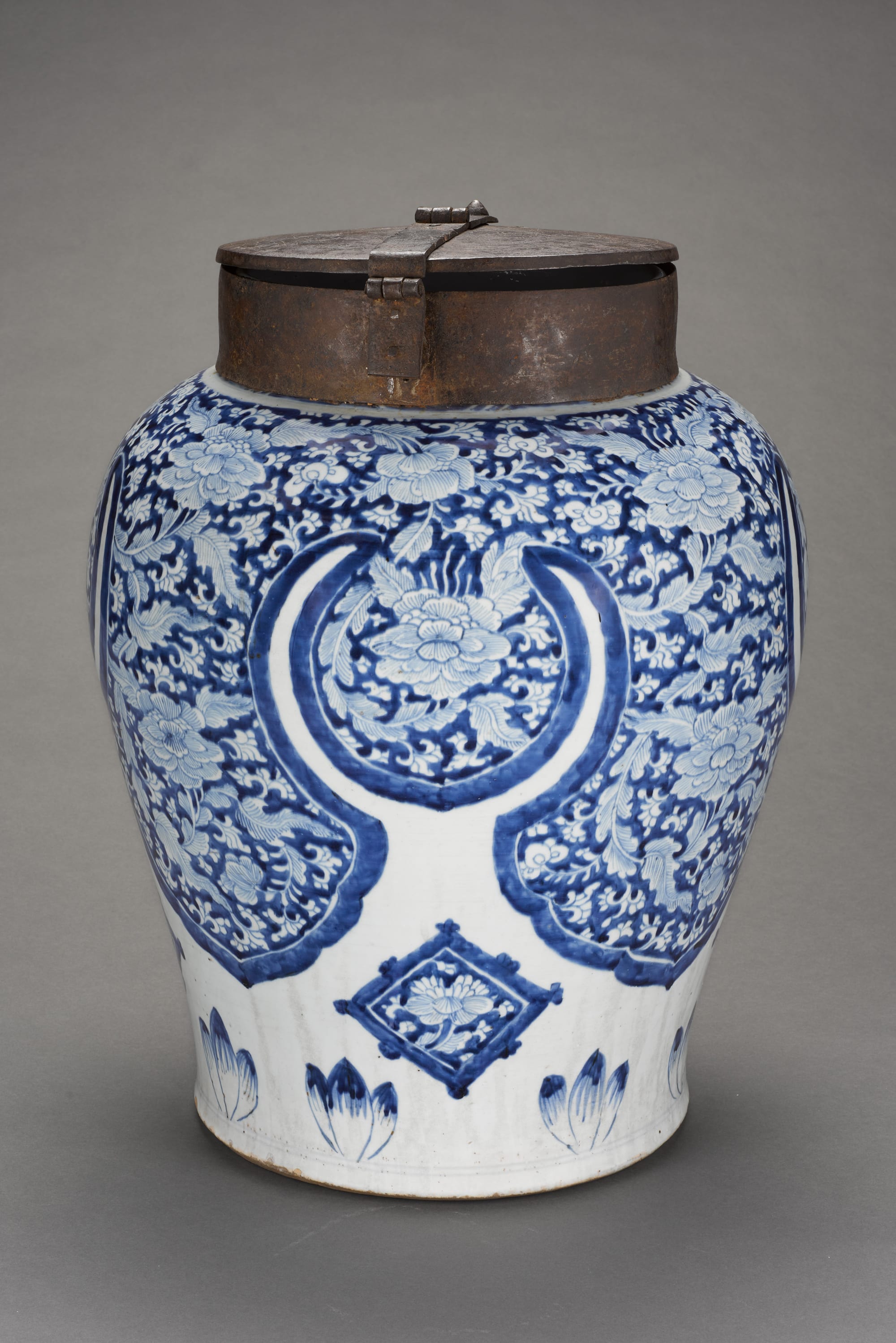
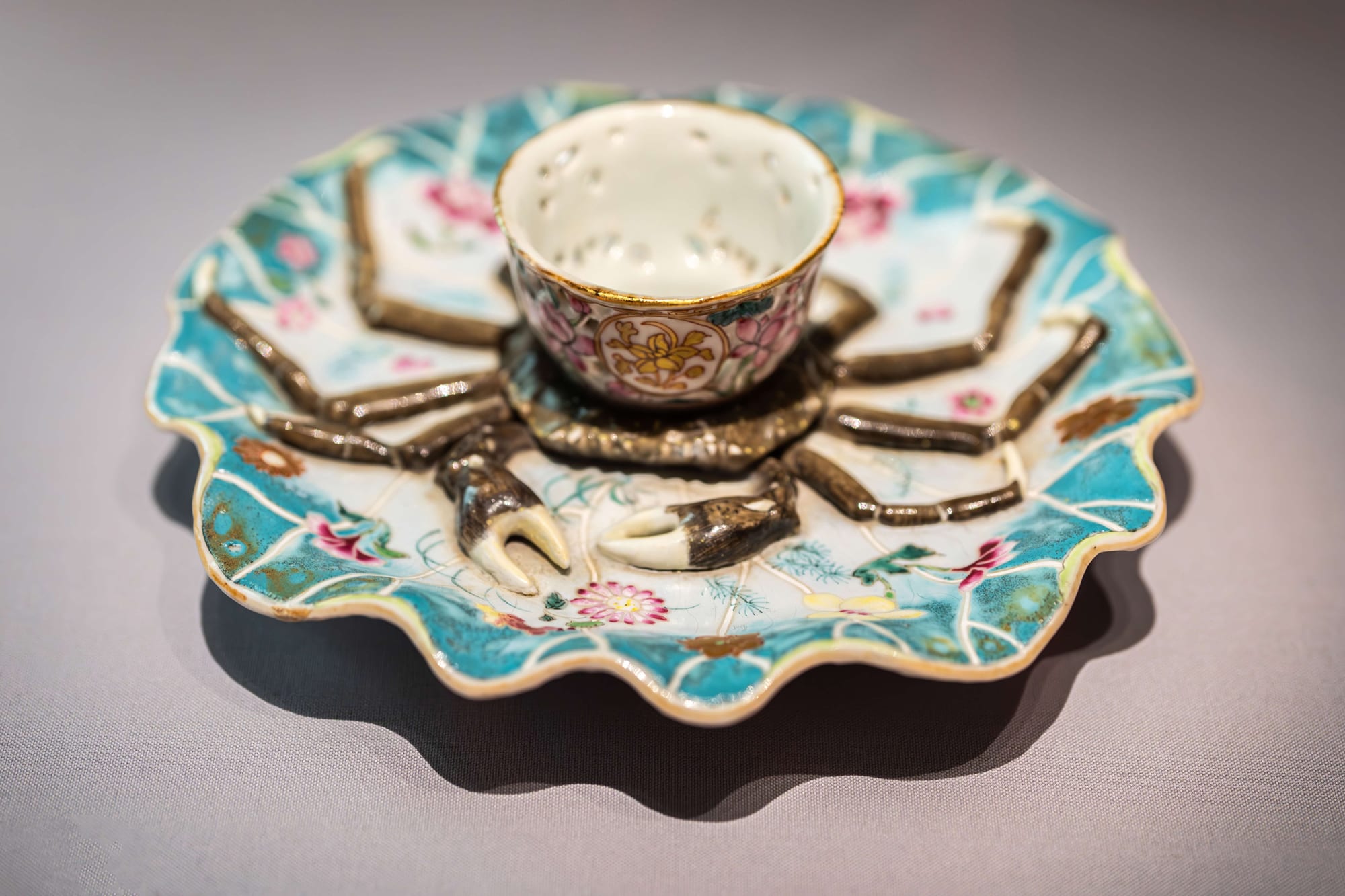
That idea of shared but evolving traditions underscores the parallel histories that formed across the globe because of the galleons. In fact, in an earlier iteration of the show, a video brought together participants from various countries to discuss local food memories and culinary histories. When the conversation turned to adobo, it became clear that different versions of the dish existed in Spain, Mexico, and other regions. All of them are called adobo, yet each one is slightly different. That moment, as Onn puts it, neatly captured the spirit of the exhibition, even bringing to mind the Singaporean adage: “Same same, but different.”
Traveling Objects
The curatorial team of Somos Pacífico highlights art and objects that have been previously overlooked by scholars and museums. For example, they place much emphasis on furniture, as this offers a revealing glimpse into the movement of people across the Pacific Ocean. Many of these pieces are compact, portable, and clearly designed to travel alongside their owners. Their scale alone suggests a world in motion, where merchants, missionaries, or diplomats carried their possessions with them across oceans.
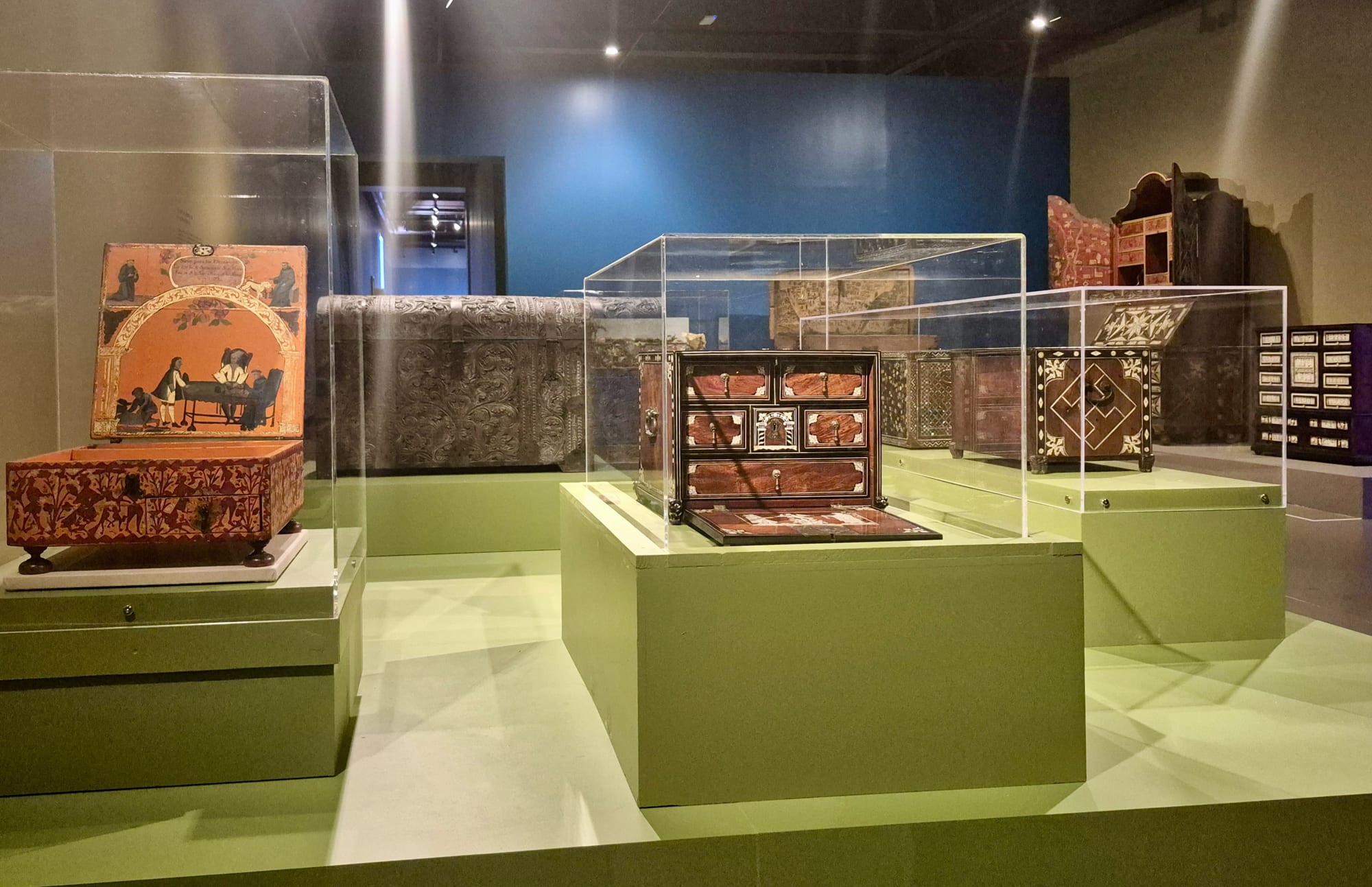
The furniture also reflects the blending of the artistic traditions that defined this period. Onn explains, “We have some furniture and chairs, but we honestly don’t know where they were made.” A chair or cabinet might look characteristically European but was produced in the Philippines by local or Chinese artisans. It’s possible, too, that it was later shipped to Mexico, where decorative elements might have been added. If damaged, it could have been modified again by craftsmen in the Philippines. “Objects go through different lives. Sometimes it’s not enough to attribute them to just one place because, like cultures, they evolve.”
For Onn, the hybridity in the exhibition is reminiscent of the craftsmanship visible at San Agustin Church in Intramuros. Historical records show that Chinese artisans worked alongside local craftsmen to produce objects for churches, ilustrados, and other patrons in the Philippines and overseas. As a result, a distinctive visual language emerged, shaped by local and foreign conventions.
A Shared Legacy
In its concluding sections, the tone of the exhibition becomes more reflective. In particular, it takes a contemporary look at the relationships between Mexico and Asia. Through fabric, clothing, and the story of textile production, for example, we see that visual copying has existed for centuries and has long been a fundamental part of cultural exchange. It also brings to mind ideas about today’s textile trade and how borrowing and copying drives a large part of innovation within the industry.
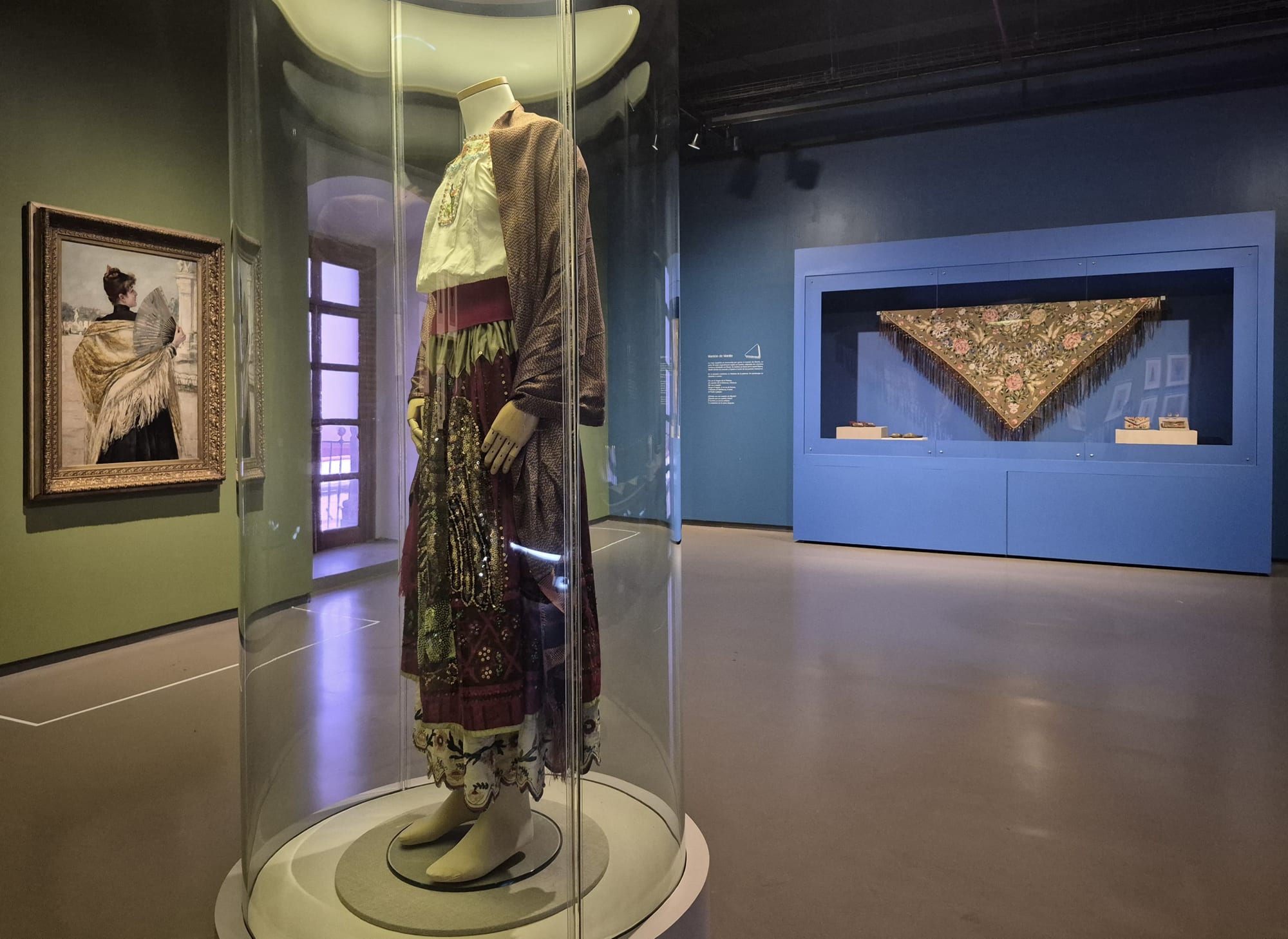
Toward the end, there are also works of art that engage with notions of independence and post-independence. In particular, they highlight how a succession of artists, writers, and thinkers have asked: What does it mean to be Filipino? What does it mean to be Mexican?
Certainly, this type of question isn’t limited to those two cultures. In fact, it’s relevant to many groups, especially those from countries with long histories of colonial rule. Onn even says, “We felt that it was very much a Singapore story as well, given that we are also an island country founded by trade.” And, while the exhibition focuses on the geographic pillars of Manila and Acapulco, audiences from elsewhere can still consider these works and reflect on what it might mean to be Singaporean, Asian, South American, or European.
Ultimately, Somos Pacífico is more than just a history lesson on trade and early globalization. It shows that we truly are the legacy of the ocean that once divided us but now unites us.
More importantly, this exhibition reminds us that we are all, as the Singaporeans say, same same, but different.
El Galeón de Acapulco-Manila. Somos Pacífico. El mundo que emergió del trópico. is on view until May 31, 2026, at El Colegio de San Ildefonso, Justo Sierra 16, Centro Histórico de la Ciudad de México.
ALSO READ:
Filipino Rum Brand Don Papa Launches New Variant Inspired by the Historic Manila Galleon Trade
What Manila Looked Like in Its Heyday
Jed Surio is an arts writer and museum professional currently based in the United States.
View More Articles About: