When Bacolod Became the Heart of Slow Food in Asia
Bacolod’s first Terra Madre Asia & Pacific sparked a new awareness of food, culture, and community across the region.

by Rhia Grana
Published on Nov 30, 2025
It was a proud moment not only for Slow Food advocates in Negros but also for supporters of Philippine gastronomy in general, as Bacolod City, named the Slow Food Hub in Asia, hosted the very first edition of Terra Madre Asia & Pacific.
With the theme “From Soil to Sea: A Slow Food Journey Through Tastes and Traditions,” the five-day event was a great opportunity not only to learn (and taste!) what Slow Good is really about, but also to dive deeper into our own food culture and those of other countries.
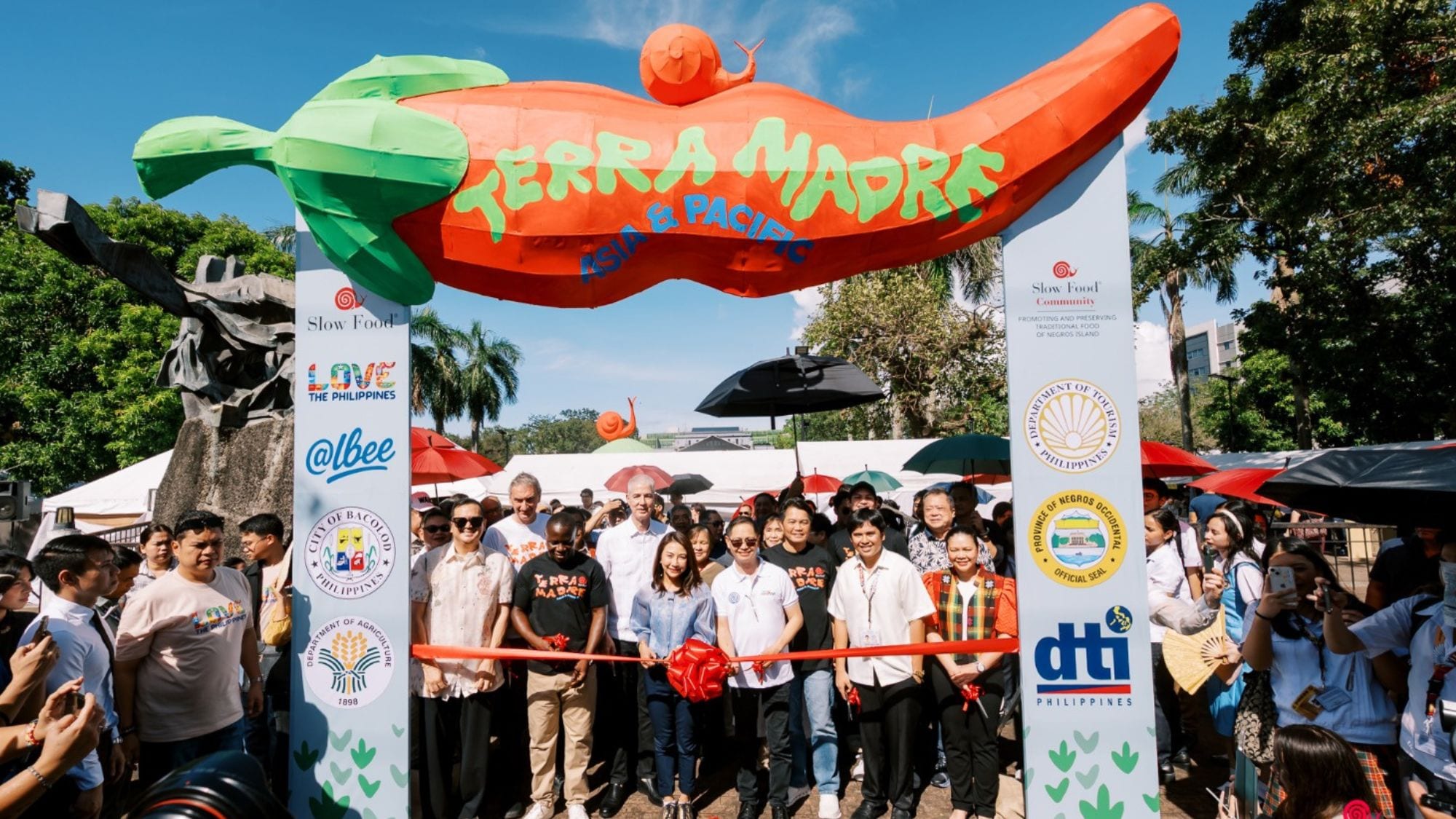
According to the organizers, the event brought together 2,000 delegates from over 20 countries—including, Japan, South Korea, Australia, New Zealand, Indonesia, Sri Lanka, Thailand, India and Pacific Island nations—and presented 200 talks and activities.
From November 19 to 23, the Provincial Capitol Lagoon of Bacolod became a venue for farmers, fishers, chefs, cooks, indigenous communities, sustainability advocates, students, and ordinary folks to learn from each other, forge partnerships, and share best practices on slow food.
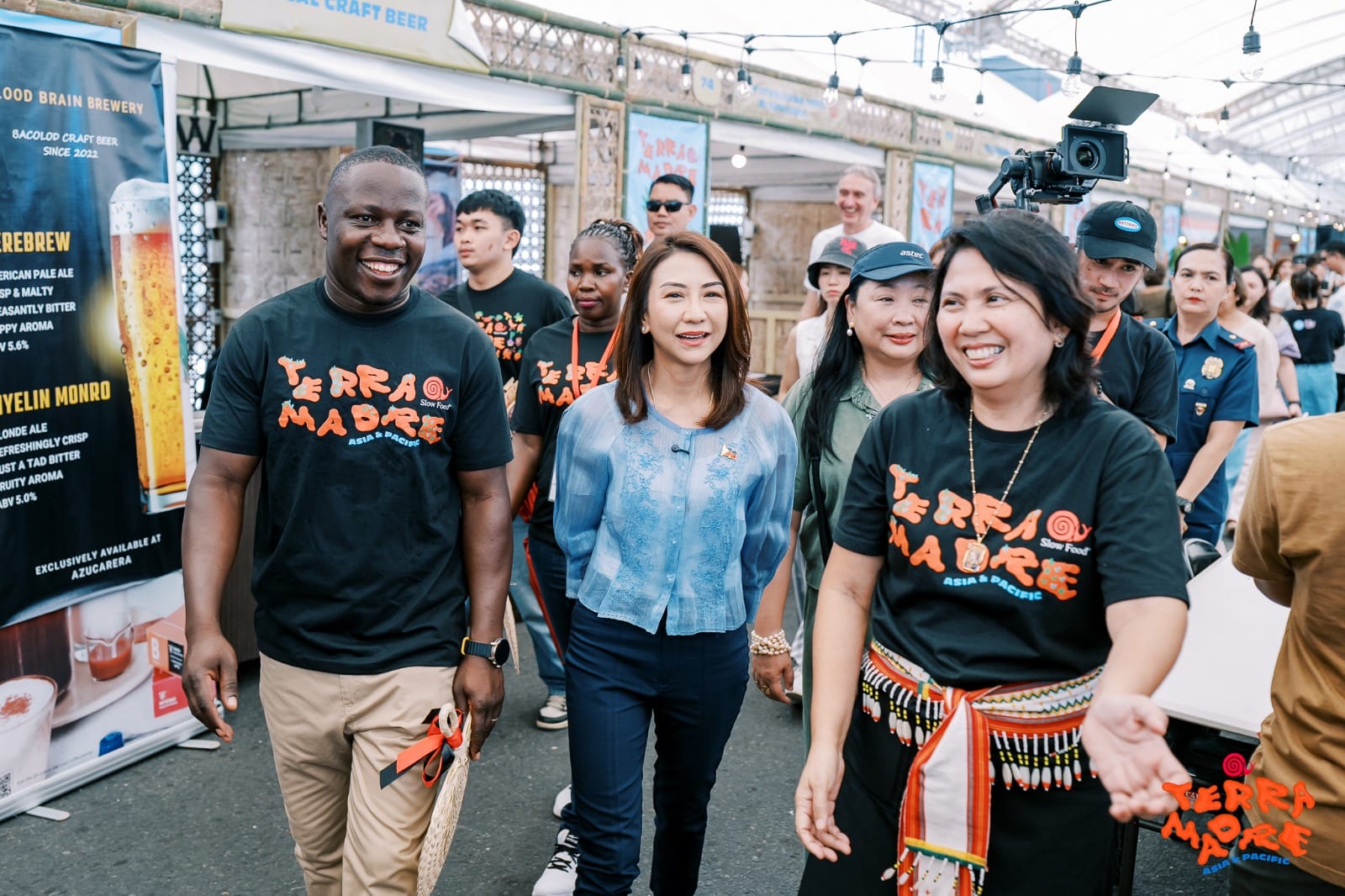
“This very first edition was truly overwhelming,” Terra Madre Asia & Pacific Executive Director Reena Gamboa tells this writer just days after the event, still sounding both exhilarated and exhausted in the best way. “Based on the police estimate, there were about 10,000 to 12,000 people a day just in the street food area. Tapos siguro mga 5,000 pa inside because there were Taste Workshops, Slow Drinks, the Coffee Coalition etc. In the Foodways exhibit area, where we explain the different food chains, ang dami rin. And the kids—around 1,000 a day—were coming in and out.”
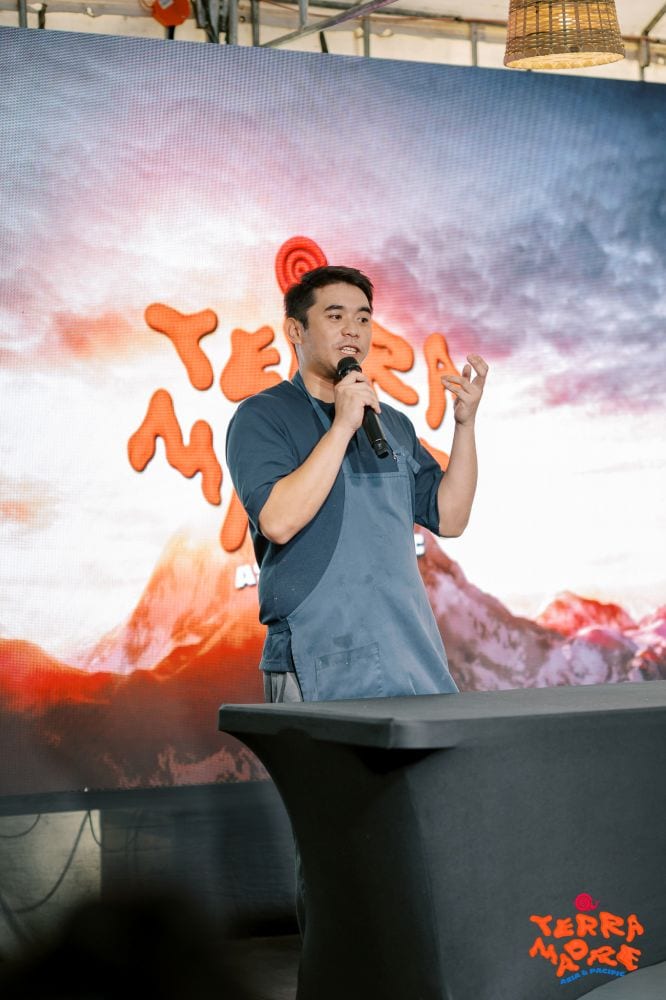
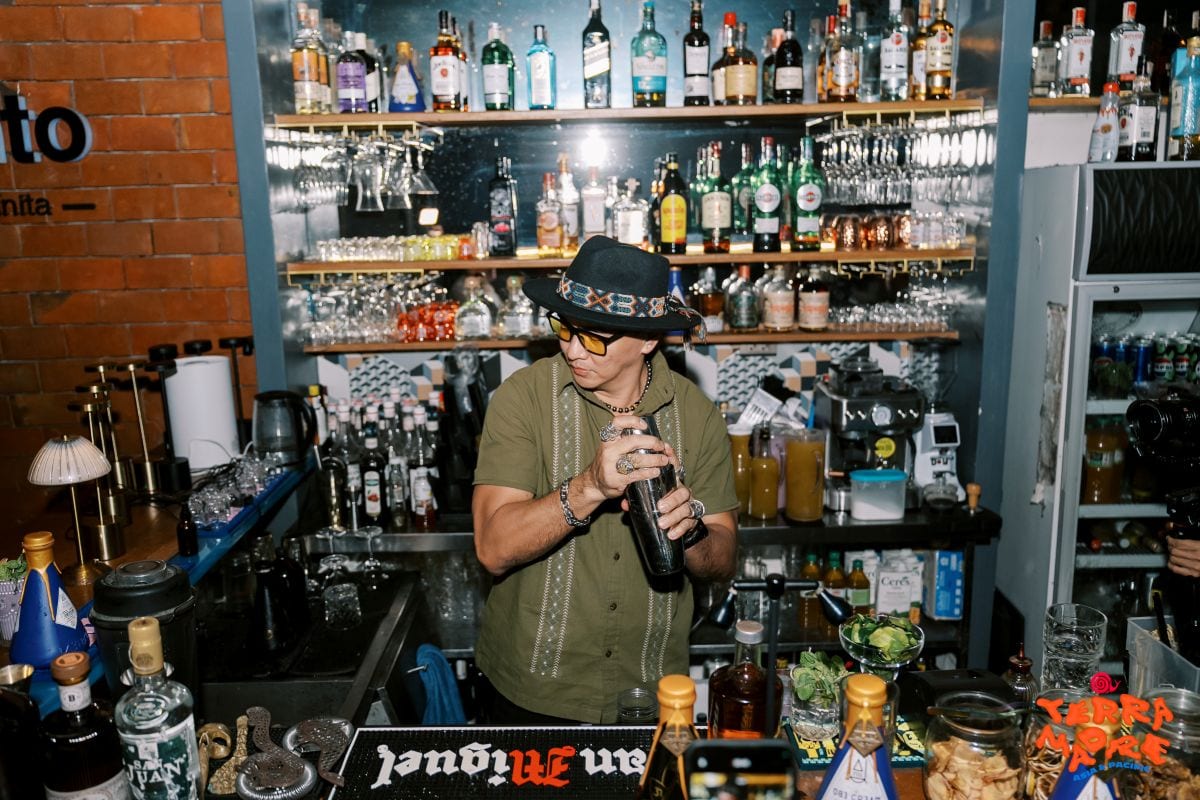
Based on the information provided to the media, there were a total of 43 local and international chefs, and 17 local and international mixologists who took part in the TMAP 2025 activities.
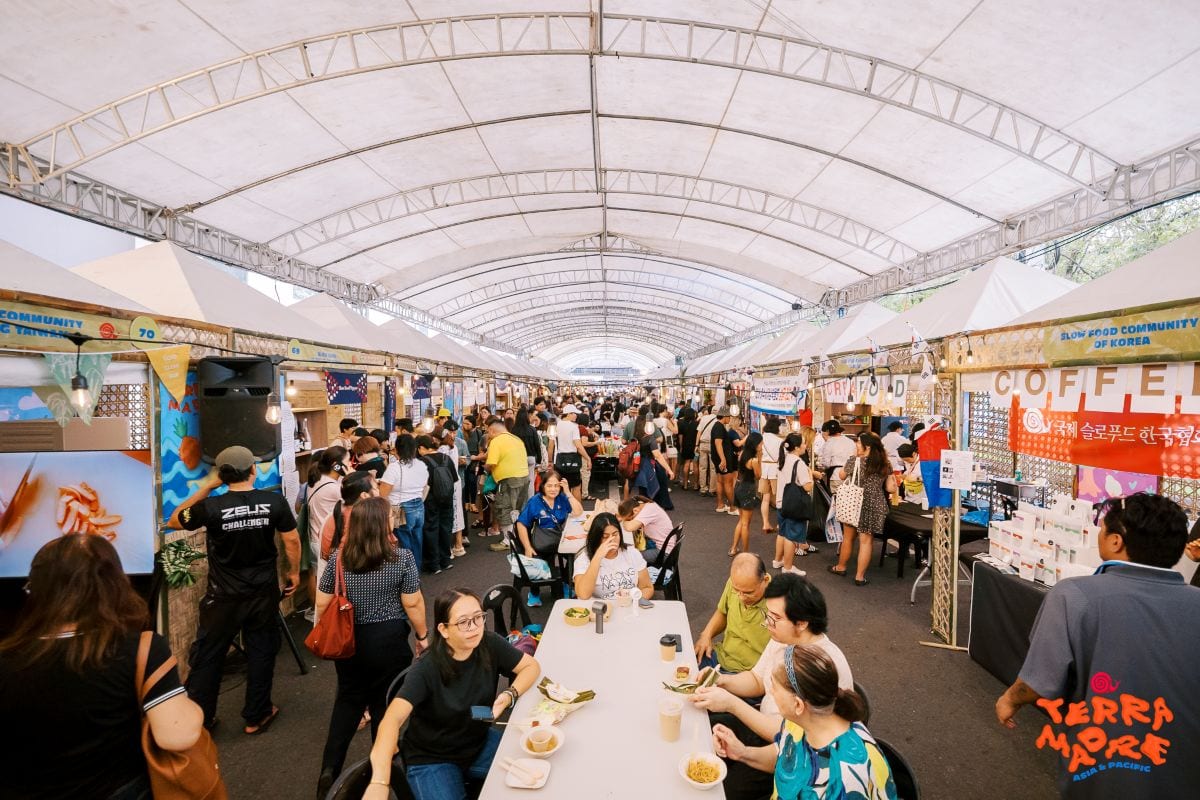
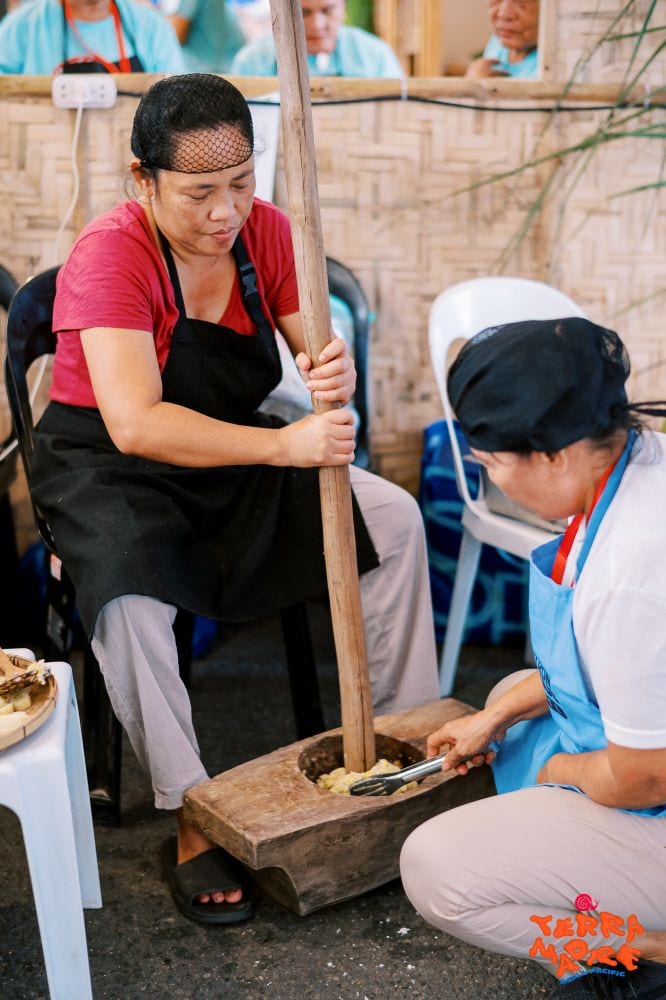
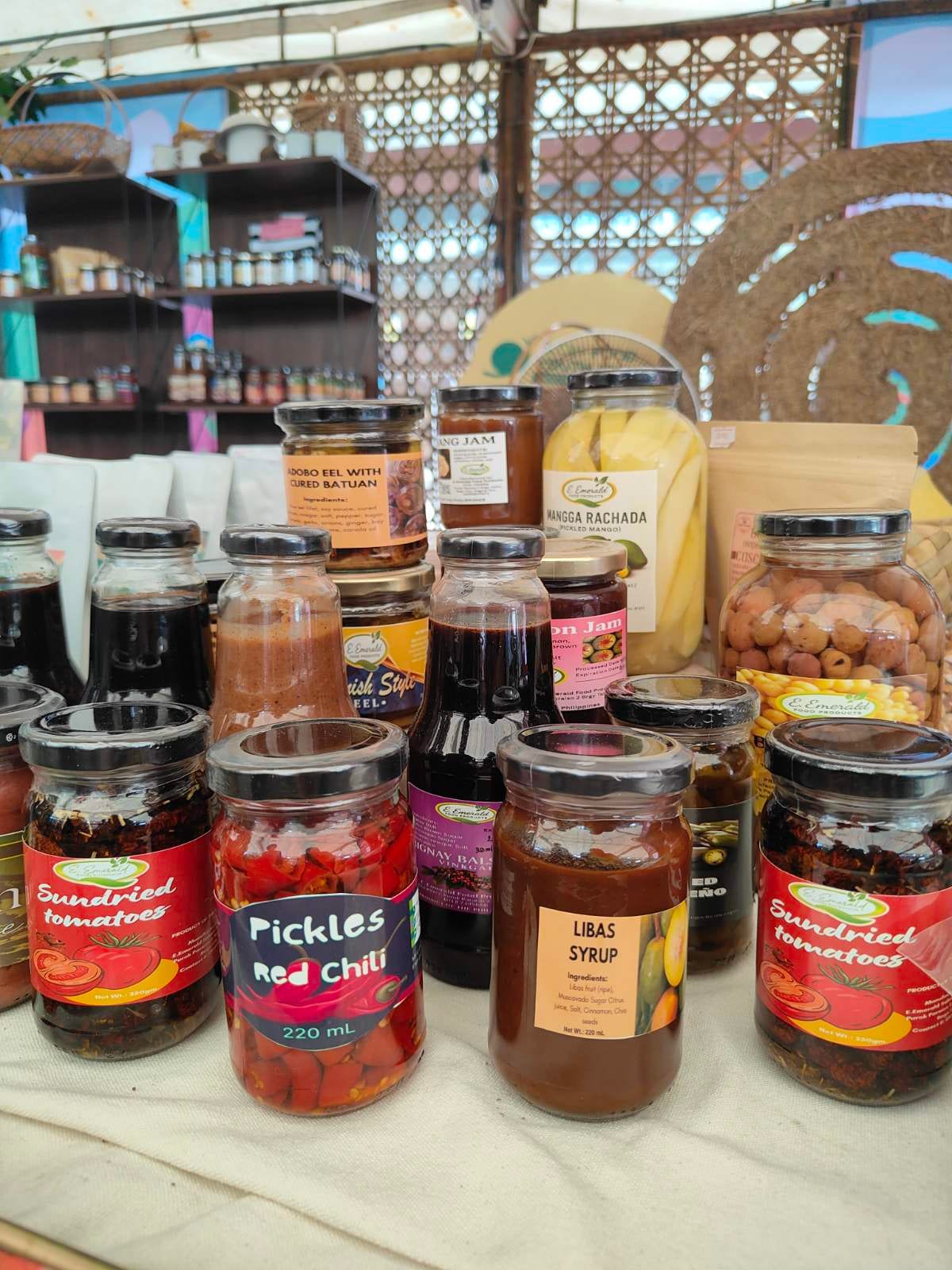
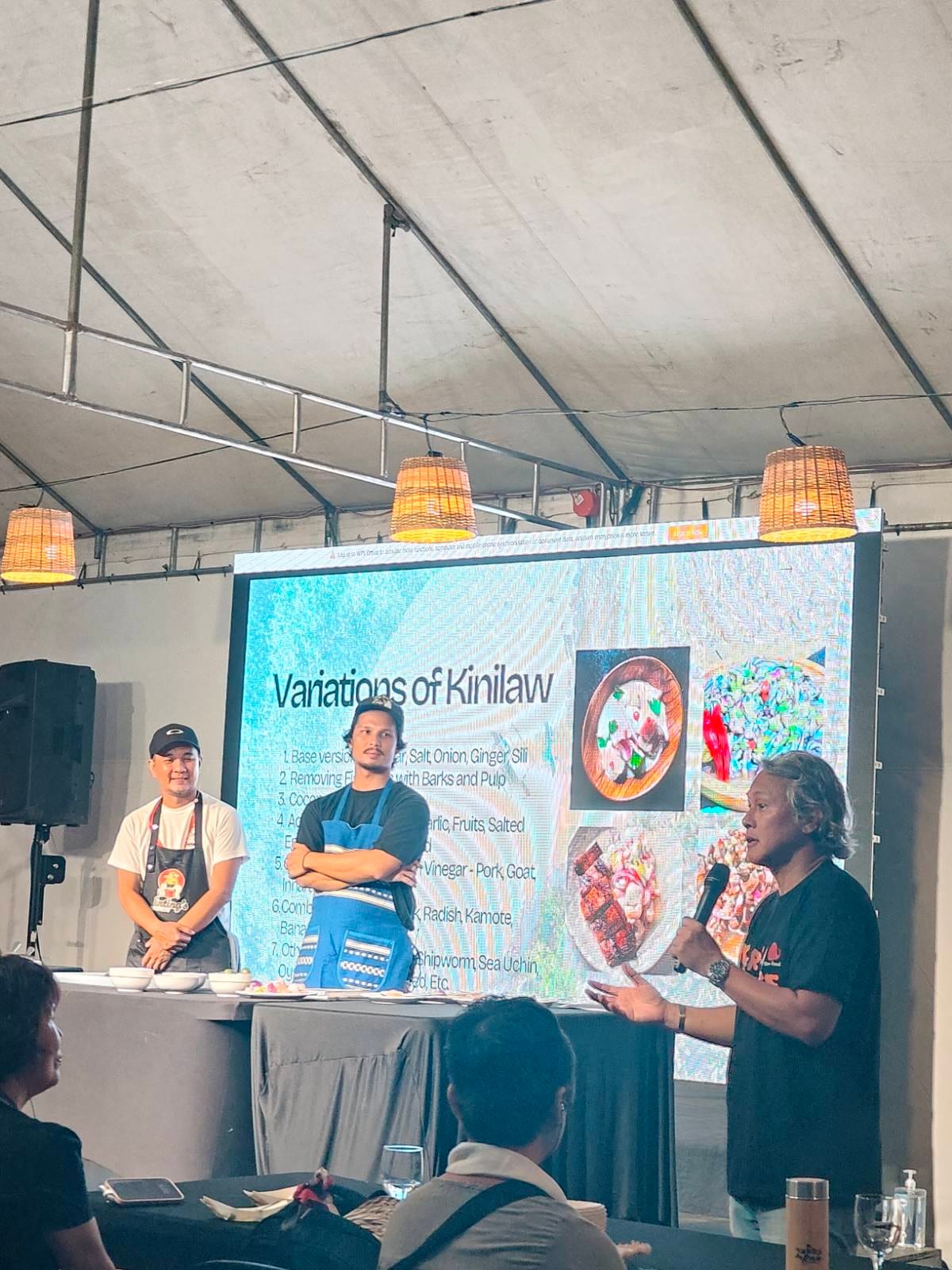
Esquire Philippines was there to witness the groundbreaking event, which was filled with enriching talks for anyone looking to deepen their knowledge on Slow Food and other related topics. We frequented the Terra Madre Kitchen and Taste Workshops, which featured guided tastings and cooking demonstrations led by respected chefs. Among the sessions I caught—and enjoyed immensely—were those on lechon, kilawin, palapa and sambal, and burong kanin. Michelin Guide’s Young Chef Awardee Don Baldosano’s talk, “Pigafetta’s Philippine Feast: A Modern Outlook on Pre-Colonial Filipino Food,” was equally fascinating, giving us a taste of history both literally and figuratively. I also got to see firsthand how El Born makes its cheesecake, using cheeses from Negros.
Beyond Expectations
Preparing for the event took a year and a half, but Gamboa says every challenge was worth it. She shares that they’ve received inspiring feedback from the Slow Food community. “[Slow Food International] did not expect it to be this big. All of us did not expect it to be this big,” she says, amused. To think this was the first time Bacolod City had hosted an international event of this scale made the achievement even more remarkable.
“The whole event almost didn’t happen because we had two typhoons one after another. But we pushed through because we believe that, now more than ever, Slow Food carries an important message—to take care of our world, to care for our environment, and to be more conscious of climate change,” she says.
What moved her most, says Gamboa, was witnessing the farmers, food artisans, and advocates form genuine bonds: “Like a community… we are of one understanding that we all promote good, clean, and fair food. That is really the message of Slow Food. It’s really the community.”
The Slow Food advocate also recalls one particularly emotional moment during a regional meeting. In the Q&A portion, there were no questions—just a chorus of ‘Thank yous.’
“You could feel the appreciation—and the sense of truly being valued in the community. They knew they could make a difference, empowered instead of just sitting back and blaming the government. We’ve developed a stronger bond, realizing we all feel the same way,” she says.
Just as they hoped, the event sparked a new awareness of food choices. “I think it has brought the participants a new consciousness of what they will be eating in the near future,” Gamboa says. “Even hesitant participants, like restaurant owners initially unsure about welcoming another chef into their kitchens, ended up enjoying the experience and ‘would like to do it again.’”
Building a Future Rooted in Good, Clean, and Fair Food
One of the key highlights of the TMAP 2025 was the power of regional exchange. Gamboa notes that countries like Indonesia, with less-established Slow Food communities, were able to showcase their Earth Market, while the Coffee Coalition Network brought different coffee farmers from Asia and the Pacific to share knowledge on coffee.
Meanwhile, Slow Drinks, a new initiative, caught the attention of younger participants. “If that will get the young people involved, why not? It’s a way of appreciating our local ingredients—fermenting them, turning them into really nice drinks—instead of buying sodas or anything commercial,” Gamboa explains.
Beyond raising awareness, the event has opened doors to new opportunities, including funding support. “I was able to talk to a few organizations who are willing to help fund the advocacy, which is good because then we cannot always rely on the public sector all the time,” she says.
For Gamboa, the event was an affirmation that the Slow Food movement is on the right path. “It is correct to focus on good, clean, and fair food because most of the ingredients will simply disappear if we stop using them,” she stresses. A fourth-generation sugar planter, she admits she once relied solely on conventional farming, but her involvement in Slow Food has inspired her to start converting parts of her land into a Slow Food farm “because I think that is really the way to go to be able to feed the world and protect our biodiversity and environment.”
Slow Food President Edward Mukiibi echoes this vision on a larger scale: “This comes at a moment when we urgently need to take concrete action against the climate crisis: action that goes beyond negotiations and high-level talks. Lasting climate solutions grow from the ground up,” he emphasizes. “They are rooted in biodiversity, indigenous knowledge, and strong local food systems that put communities, not corporations, at the center. The solutions we need already exist within our communities and within Slow Food farms: agroecology strengthens resilience today while mitigating emissions for the future. The final commitment of Terra Madre is therefore to amplify agroecological practices, defend biodiversity, and reject industrial, unsustainable models of agriculture.”
View More Articles About: