Happy Pitt Day to Those Who Celebrate
"I was skeptical when The Pitt, a new medical drama on HBOMax, found its way to my algorithm in mid-2025," says this medical professional. It ended up being "obviously the best show in the world."

Published on Apr 7, 2026
Medical dramas are notoriously inaccurate. Too many medical misconceptions have been shown on television. For instance, you do not shock a flatline. Doctors don’t spend all their time hooking up. And no, you cannot arouse someone back to the living world with a blowjob.
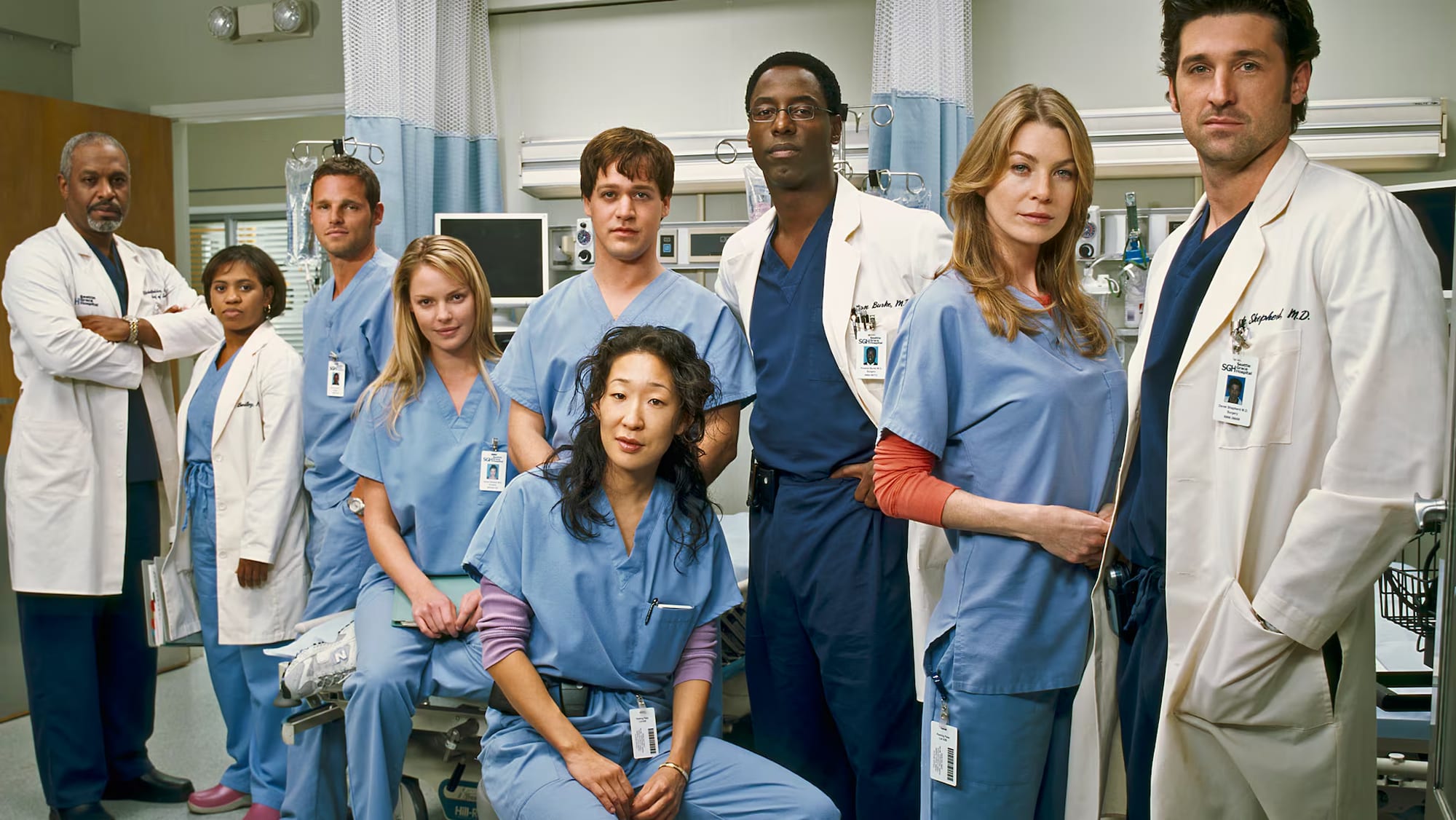
And yet, medical dramas thrive. A high-stakes environment with problems that are not their own is exactly what an audience looks for. As a doctor, I’ve made peace with the fact that shows like this prioritize entertainment over accuracy. The hospital is but a backdrop for whatever character or plot they want to highlight. Grey’s Anatomy focuses on the drama and messy relationships. House, MD asks us to root for a genius doctor with horrible bedside manner and a drug addiction. Scrubs sacrifices accuracy for a more hilarious approach, using caricatures and slapstick comedy.
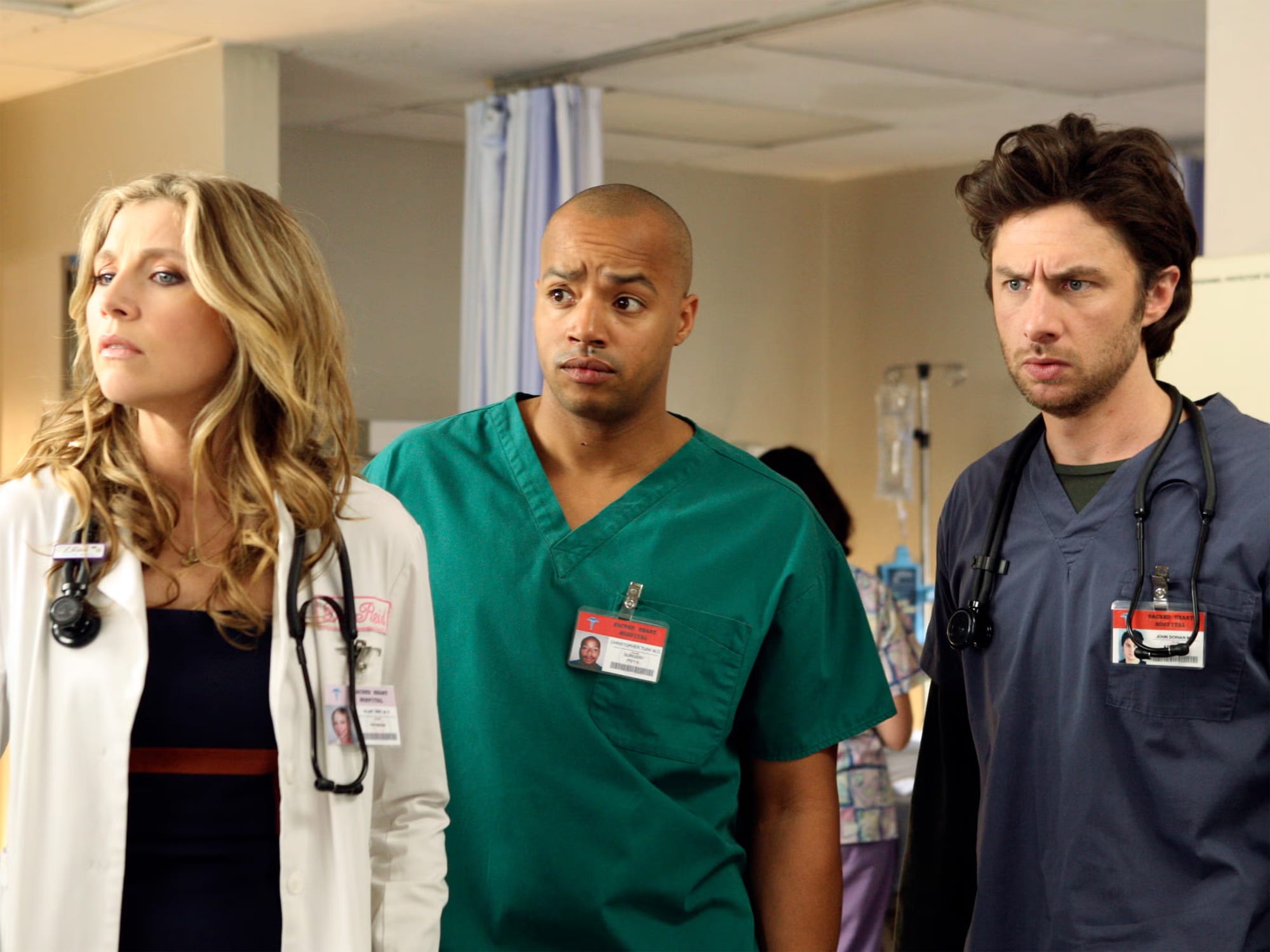
Don’t get me wrong—these are all very entertaining shows, and they grab audience attention for a reason. They aren’t completely false either. Doctors can have messy relationships and can be disrespectful. Drug addiction among doctors does happen. Hospital life can be comical. Come on, you don’t spend all that time dealing with every possible body orifice without a few funny stories in between. But in medical dramas, it becomes too medically and logistically unrealistic to be believable or relatable. Dr. House could not possibly run his entire department with all of four fellows at his beck and call, doing everything from extracting blood and giving meds to illegally searching patients’ homes. New Amsterdam’s Dr. Max Goodwin can’t just ignore meetings or fire the entire cardiology department on a whim, no matter his good intentions. And I’m not saying getting laid in hospital callrooms doesn’t happen, but this is the stuff of hospital gossip and urban legend, not something that happens on a regular Tuesday. Doctors would more likely actually sleep than sleep with each other. Besides, these are often shared quarters with bedsheets that go unwashed and unnoticed for weeks. If I wanted to get laid, there are far better options. On a side note, I co-host a podcast about doctors’ lives called Kwentong Callroom, and whether or not doctors hook up in hospital callrooms is still one of the most common questions we get. Thanks a lot, Grey's Anatomy.
To be fair, life in a hospital is difficult to capture. It’s too complex to explain to friends or family. For any story, rant, or joke to come across, we need to provide layers and layers of context. My loved ones have seen me go on duty for years and still don’t understand my schedule. Patient privacy also limits the things we can share with the world. Besides, I don’t like talking about my work day, especially the particularly difficult ones. I’d rather take a shower, binge-eat, and watch a mindless comfort show before sleeping it all off. Still, it’s been tough going through such difficult training and not being able to illustrate it properly. I love my friends outside of medicine—maybe sometimes more than my friends from the hospital—but I will never be able to explain to them what I mean when I say my shift was toxic, or why I hate my gunner/slacker/know-it-all blockmate, or why I’m in big trouble for mixing up my patient’s sodium and potassium values.
So I was skeptical when The Pitt, a new medical drama on HBOMax, found its way to my algorithm in mid-2025. It had been released for several months then, and by the time I caught wind of it, people were calling it “the most realistic medical drama ever.” High claim, probably not true, I thought to myself. But it did get me curious, and before I knew it, I was bingeing all 15 episodes of the first season.
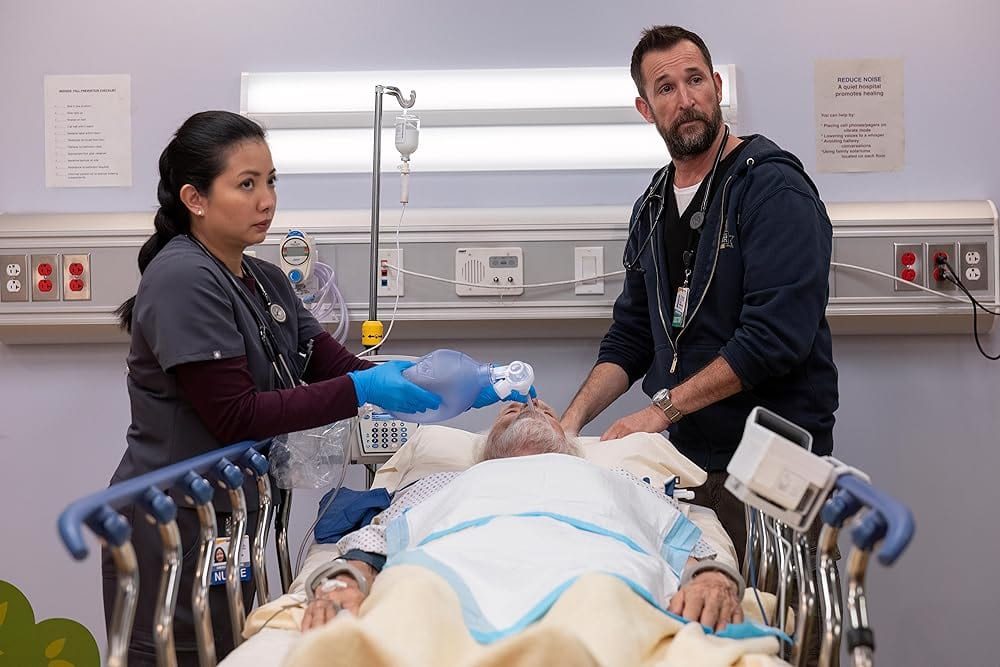
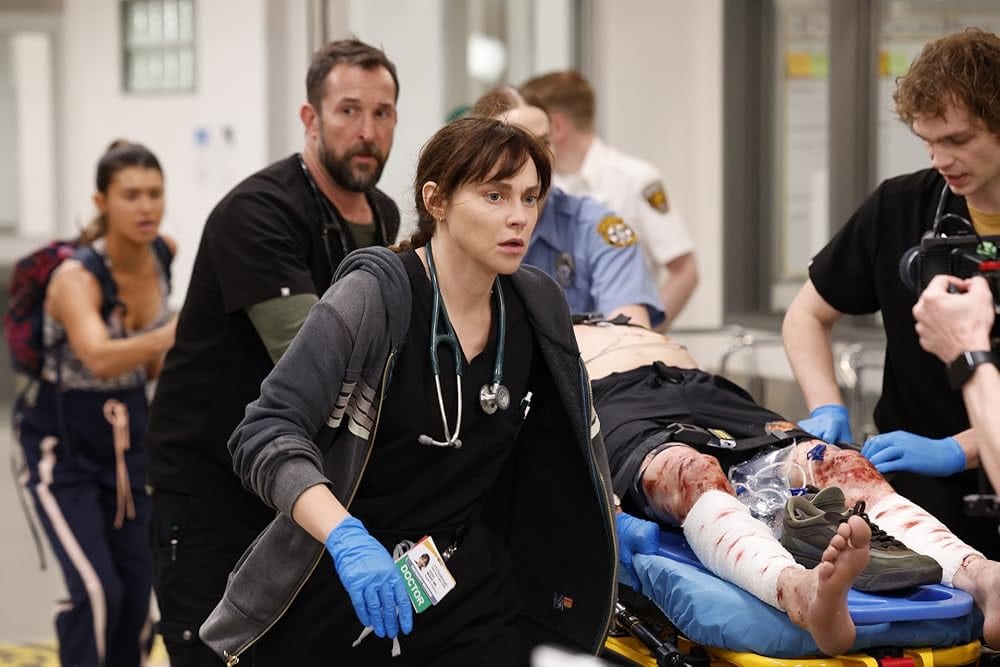
The entire season happens over a single shift in the emergency room, with each episode corresponding to an hour, like Jack Bauer’s 24 in the early aughts. The show is set in the fictional Pittsburgh Trauma Medical Center, hence the title The Pitt. As I watched each episode, I was admittedly waiting for them to mess up at something – an unlikely diagnosis, a wrong intervention, an awkward and unrealistic order. But lo and behold, every case was believable, even reminding me of actual cases we saw in our emergency department. “When you hear hoofbeats, think horses, not zebras” was a dictum we were taught in med school. Medical shows, on the other hand, focus heavily on the zebras. They tend to conflate the drama value of death and illness, using extremely rare diseases like chimerism or Walking Corpse syndrome, or common conditions with obscure presentations, like breast cancer in the knee. If not rare or weird, they go for the tragic, with some action-packed cliffhanger or heartbreaking backstory. The Pitt does away with that because it finally understands that real life is dramatic enough. The patients that come through the doors are the same patients I would see on a regular day at the ER.
The show takes medical realism very seriously. It does not gloss over how gruesome medicine can be, with wounds and procedures in glorious graphic detail. It was a fun experiment to see what I could still be squeamish about. I watched without batting an eyelash when maggots emerged from a forgotten wound and when a lady’s leg got severed, things I’ve seen one too many times during training. Still, I shut my eyes completely at a degloving injury —skin peeling off of an extremity— or bones sticking out. Thank heavens I didn’t specialize in surgery. Every scene plays out like I’m in the ER with them, which is both nostalgic and triggering. In the cast and crew interviews I’ve watched (as one does when nursing an obsession), they say the set can function like an actual ER, with all the right instruments and tools. Actual doctors and nurses are part of the production, helping the actors rehearse lines of medical jargon and perform procedures accurately. The actors even take a two-week medical bootcamp before they start filming. They cite accurate medical data and research papers, too. I squealed in delight when two characters were citing updates on diabetic emergencies. This extra information does not detract from the story, but it’s a much-appreciated nod to the nerds like me. It shouldn’t be so extraordinary that information is fact-checked and that writers do their homework, but our current disinformation climate begs to differ.
But The Pitt showrunners are astoundingly committed to realism. Beyond the medicine, every patient encounter is incredibly poignant. I am reminded of how hard it is to tell someone that their father is dying, or that their kid won’t make it, or that we have to remove their leg. The show manages quiet devastation astoundingly well, not with the fanfare of screams and over-the-top music, but in the nuances of a look, the spite in an offhand comment, the palpable tension in conversations cut too short. It’s definitely excellent teaching material for students, both for the clinical and nonclinical aspects of medicine, the latter I would argue being much harder to teach.
Many times in watching, I see-saw between “That’s exactly how we do it,” and “Damn, I wish we did that, too.” Had patients on the show found themselves in a public hospital in the Philippines, the first words would not be “We’re here to help” but “Magpalista po muna kayo” before being directed to triage. The patients would not have a room to wait in, but instead rows of stretcher beds and gang chairs that we call “The Airport.” When the ER gets particularly full, you’ll be assigned to in-between locations like “IFO nurses’ station” (in front of the nurse’s station) or “Bed 4.5” (between Beds 4 and 5). On the show, I’m always surprised that mechanical ventilators and ultrasound machines are in abundant supply, not the coveted equipment they are around here. Or that emergency surgeries are actually managed emergently, not the 1-3 day waiting time for a slot in the operating room. In one episode, a young man needs emergency dialysis. He gets his potassium results in minutes and they’re told that the dialysis machine will be down in a quarter of an hour. Around here, the poor resident would have to follow up his labs every few hours, refer to nephrology for dialysis and a vascular surgeon for the dialysis access, gather the equipment needed, and then get a slot for dialysis, which is not something you just bring to the ER. The whole process would take at least eight hours, and that’s on a good day.
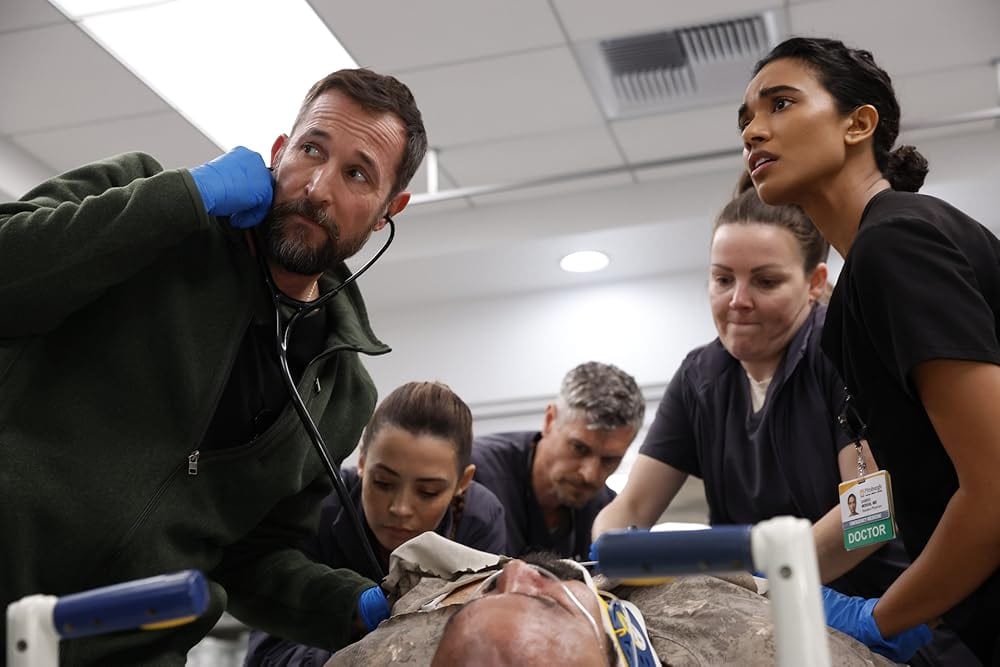
But The Pitt staff have their own problems, and many of them are familiar to us, too. They, too, have bed shortages that back up an already-full ER. They, too, have healthcare workers that snap in frustration and exhaustion. The Pitt shows what experience already taught us: that medicine is never enough to cure illness. Healthcare is limited by poverty, budget cuts, staff shortages, trauma, and burnout, for patients and health professionals alike. And this is a first-world country, supposedly, albeit with a fucked up healthcare system. Healthcare never does well when pushed to the breaking point, and that’s true wherever in the world you are. The show presents insurance cuts, healthcare worker assault, and mental health struggles, among others. It’s all too real, and some of my colleagues stay away from the show precisely because of that.
The characters are on point, too. The Pitt resists the simplicity of one-sided characters. No one character is simply amazing or annoying; often, they’re a mixture of both, which makes online fan discussions and debates incredibly engaging. Even the main lead, Dr. Robbie, played by award-winning Noah Wyle, can be infuriating. The spotlight shines equally on doctors, nurses, and even often unrecognized members of the staff — pharmacists, social workers, respiratory therapists, and nurse practitioners – professions I wasn’t even aware of before I entered the field. Each character reminds me of someone I know in real life. They show characters across the spectrum of medical training, headless-chicken med students, struggling residents, obnoxious residents, and hardcore, larger-than-life attendings. Watching med students faint over procedures and get soaked in bodily fluids was incredibly validating as a once-fumbling med student myself. But it was also inspiring to see that eventually, they do come out less clueless than before, even reaching a point of competence enough to teach the next set of trainees.
In between patients and plot points, now and then, characters make fun of each other, meander through awkward conversations, share an inside joke, or lust over hot radiologists. It’s not a laugh-out-loud sitcom, but enough to get you a chuckle or two. And if all that weren’t enough, there are three Filipinos in the cast! While that’s a lovely “Go, Philippines!” nod, it’s actually pretty accurate. There’s hardly a hospital in the States without a Filipino on staff, given that more than 300,000 Filipino healthcare professionals work in the United States. It’s fun to see classic Filipino chismisan, curse words, and even a lullaby used on a globally beloved show. I was once told that I look like Trinity Santos, a character played by Broadway star Isa Briones, and though I have mixed feelings about her character on the show, like the Pinay I am, I will take any association I can get.
It’s obviously the best show in the world for me now. Before an episode drops, I have to steer away from social media to avoid spoilers, knowing damn well that fans will be all over episode details in a matter of hours. Once an episode is released, like the lunatic I am, I greet co-fans with a “Happy Pitt Day to those who celebrate!” After watching an episode, most people are content to turn off the TV, maybe a small “Wow, great episode” when the credits roll. I am not most people. After an episode, I proceed with my line-up of favorite The Pitt reviewers on YouTube. I listen to The Pitt Podcast, a companion podcast produced by HBOMax and released after each episode. I consume every online resource the algorithm sends my way: episode previews, cast interviews, behind-the-scenes promos, social media discussions, episode predictions, fan edits, and thousands and thousands of memes. And while The Pitt resists putting romantic relationships at the forefront (as they should), shippers have already paired up their favorite characters. It’s so absurd sometimes that every random look suddenly becomes evidence of growing romantic tension. I am not immune to this absurdity, as I shamelessly have twenty-five open tabs of fan fiction on my browser, and those are just the ones I’ve yet to read (I am a strong #LangdonMel stan. Part of me says I shouldn’t be, but I just can’t help it. Fight me).
I consume content in bed, on the toilet, in the elevator, in between clinics, and in the hours way past midnight, scrolling until my thumb is sore. I’ve interacted with strangers on Twitter and Threads, known to me only by their fandom account. I do all this to get me through what some fans are calling The Pitt Withdrawal Syndrome—the excruciating wait time between episodes. So it’s never just a 50-minute watch every week, more like hours-long deep-dives and rabbit-holes until a new episode gifts us with content. Even offline, I insert The Pitt in every conversation to anyone who would listen. “What have you been watching recently? Because there’s this really good show…”
The second season aired on January 8, 2026, starting another 15-episode run. In that same month, I was due to take my specialty board exams in endocrinology, a career-defining rite of passage. The plan should have been obvious: Focus on studying. Stay off social media. Binge all episodes in one sitting as a reward after the exam. But I did no such thing. I still watched every episode as they came out and went through all the motions of my obsession. It’s a study break, she said. It’s about medicine anyway, she told herself. It’s just an hour, she insisted (It was not an hour). And right after my board exam, my only wish was 1) Jollibee Chickenjoy, and 2) to watch yet another episode. Don’t worry, I passed the boards, but kids, don’t try this at home.
All this to say: I love the show simply because I finally feel seen. Any time I have to explain what it’s like to be a doctor, I can just ask them to watch The Pitt. I know it’s a love letter to healthcare workers, but I think it’s a letter to the rest of the world, too. We can be sad or be excited or be entertained, but we should also be angry, because this is how broken the system is. The beauty of The Pitt is in how clearly it holds up a mirror to humanity. Medical dramas can feel separate from reality—I’ve felt that way about them for years—but let me tell you that The Pitt shows plenty of what’s right and wrong with healthcare today. Remember that these are problems to solve, not just problems to watch.
ALSO READ:
The Best Show on Television Is a Source of Pinoy Pride
Noah Wyle Finally Won an Emmy—and Knew Exactly Who to Dedicate It To
Ella Mae Masamayor is an internist-endocrinologist, writer, and podcaster. She co-hosts the Kwentong Callroom Podcast, a podcast dedicated to demystifying and humanizing medicine.
View More Articles About: