The Real Horror of 'Primate' Is Rabies
Paramount Pictures’ new horror thriller with a killer monkey hits closer to home for Filipinos.

by Zach Yonzon
Published on Jan 16, 2026
Primate is a rabies story, sort of like Cujo but with a monkey instead of a Saint Bernard. The film opens with a description of hydrophobia and a little blurb about how, if untreated within 48 hours, there is no cure. Hydrophobia is one of the symptoms of rabies, but the intro is only half right because once the clinical symptoms of rabies begin to show, there’s no treatment at all. Rabies is caused by a Lyssavirus that targets the central nervous system and has a 100 percent fatality rate once symptoms appear, making it arguably the deadliest virus known to man. It makes for a fantastic plot for a horror story set in Hawaii, which is rabies-free, but it’s a reality for Filipinos, where rabies kills over 400 people every year.
For Filipinos, having a household pet without a rabies shot is unthinkable, or it should be, considering the rabies vaccine is administered free through Republic Act No. 9842 or the Anti-Rabies Act of 2007. The Philippines has one of the highest rabies cases in the world, with over 3,000 patients treated for rabies daily at the San Lazaro Hospital in Manila alone. Only five other countries in the world have higher cases, which frames Primate’s horror story more as an exception in developed countries where rabies is almost non-existent. The film features a domesticated chimpanzee, Ben, who contracts rabies and goes on a killing spree. Primate never answers where the rabies came from, but it doesn’t really matter, only that it explains why the people in the film are so unprepared.
ALSO READ:
Horror Movies That Are Even Scarier Because They're Based on True Stories
27 Horror Movies for People Who Don't Love Horror Movies
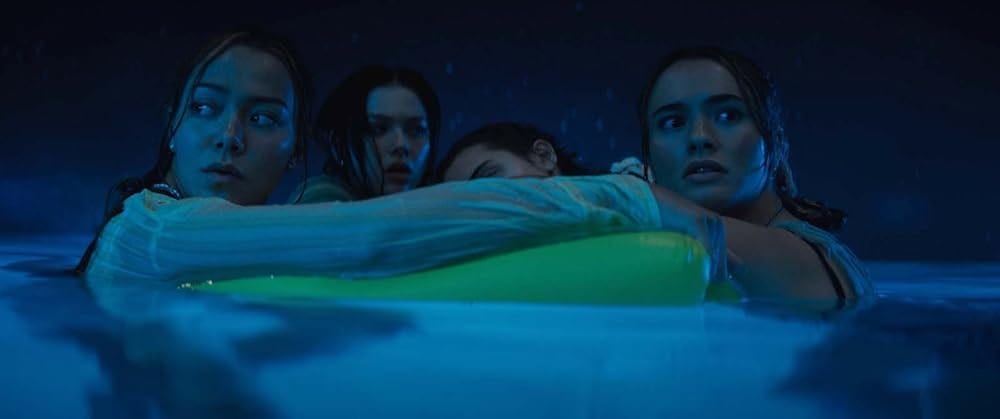
The terrifying part is that even in the Philippines, where rabies is endemic, people are still unprepared, and many Filipinos — mostly children below 15 years old from low-income households — still succumb to a completely preventable disease. Ben is unvaccinated, which sort of makes sense in Hawaii, where there’s no rabies, but many household pets and especially strays in the country still don’t have rabies shots. In the film, Ben gets bitten by a rabid mongoose, and his behavior changes almost overnight, which is fine for a horror movie but scientifically inaccurate because Lyssavirus is slow-moving and can incubate in an infected host for weeks or months before clinical symptoms show. This partly explains how it still claims victims in the Philippines despite widespread vaccination programs, because small bites or scratches from animals are often taken for granted because symptoms won’t show up for a long time, and by then it will have been too late. Rabies immunoglobulin, administered post-exposure to the virus, also tends to be expensive and requires multiple shots, so many victims never bother.
Primate is a formulaic summer slasher with the requisite number of nubile young women and hormonally-charged young men isolated in a remote location at the mercy of a homicidal maniac. For all intents and purposes, it’s perfect. College student Lucy (Johnny Sequoyah) comes home to Hawaii with her best friend Kate (Victoria Wyant) and unwelcome but invited (by Kate) guest Hannah (Jessica Alexander) for a summer of teenage hijinks. Sequoyah is reminiscent of a young Lily James or Brie Larson, but she also looks like she could be related to her co-stars, which makes distinguishing the three women from one another a little confusing at the start.
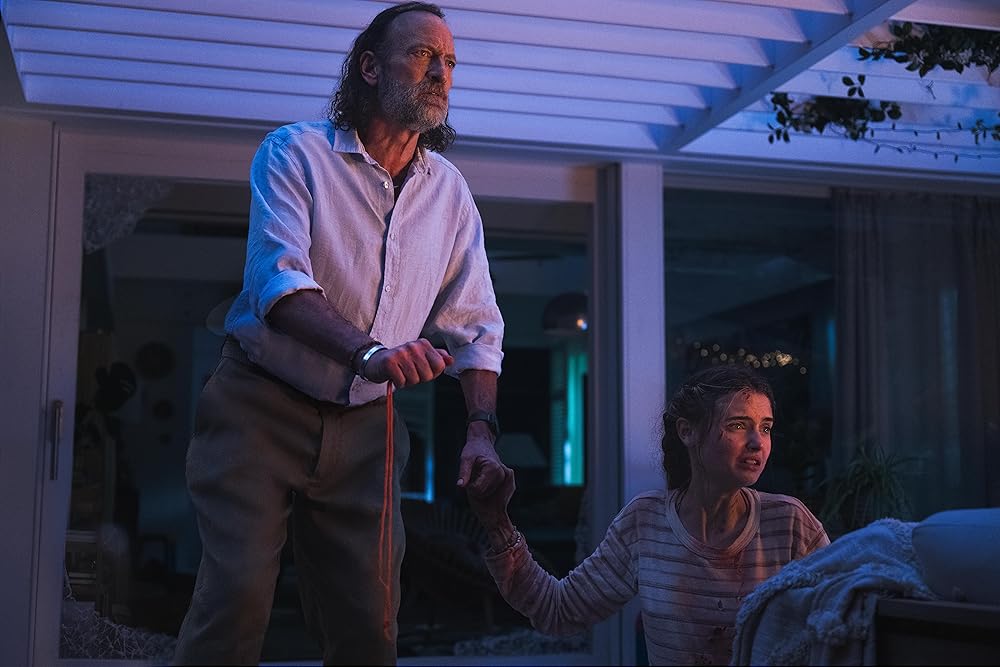
Lucy’s dad, Adam (Troy Kotsur), is a famous deaf author who lives with her younger sister Erin (Gia Hunter) in a fancy, remote cliffside house with an infinity pool where they tend to Ben, a chimpanzee raised to communicate with humans by their late linguist mother. Throw in a bunch of partying dude bros, and you’ve got the perfect set-up for some serious monkey business. A rabid Saint Bernard is fine and dandy, but an intelligent and inhumanely strong monkey is next-level terrifying. Primate has a serious body count with some truly gruesome and creative kills, so horror fans are in for a real treat.
The creative horror of a rabid chimpanzee in Primate could very well be a sign to once again adapt Poe’s The Murders in the Rue Morgue to film. You can do a whole lot more with a bigger, stronger, more terrifying orangutan than a chimpanzee, after all. Primate is a promising start for horror films in 2026, although it’s technically a 2025 release that got shunted to January thanks to the MMFF. It’s also a great reminder that rabies is a very real, very frightening threat for Filipinos. An infected monkey might not be as savagely homicidal as in the film, but any rabies-carrying animal is dangerous and even deadly. Go out and watch Primate to convince yourself to get your pets and your household vaccinated for rabies. Check your local barangay for a vaccine schedule and make sure to get you and your pets inoculated. Horror movies are a lot of fun. Real life horror, not so much.
ALSO READ:
Do You Suspect Your Dog Has Rabies?
10 Best Horror Movies in Black-and-White
Zach really, really, really loves films.
View More Articles About: