Why Anya Resort Tagaytay Is Betting on the Filipino Traveler
Rather than relying solely on international guests, the resort is building its business around Manila-based Filipinos, weddings, personalized service, and local experiences.

by Rhia Grana
Published on Sep 18, 2026
When Anya Resort Tagaytay opened nine years ago, General Manager Mikel Arriet admittedly felt a bit apprehensive about finding their place in the competitive hospitality market. Luxury travelers, which they intend to cater to, would typically choose destinations such as Boracay, Siargao, or El Nido, where they can find established luxury resorts, more extensive leisure offerings, and a well-developed vacation experience.
Yes, Anya is in Tagaytay, a popular destination for those who want to enjoy cooler weather but find Baguio a little too far. But it doesn't offer a view of Taal Volcano, which is sought after by many, and isn't the most accessible.
"This is going to be a challenging project," he thought at that time.
But through the years, the premium resort has found its place under the sun, building a strong reputation and gaining brand recall along the way. "After nine years, we are established and many people know Anya," he happily says.
Milestones
According to Arriet, the market that they cater to is mainly Filipinos from Manila as well as expats living in the city.
“Something we need to think about is that Tagaytay is only an hour from Manila. Manila is a city of millions of people, and those millions represent an opportunity. It’s true that the company is always looking to go beyond our borders and attract foreigners, and that’s fine. But we should never forget that 25 million Filipinos travel within the Philippines every year,” he says.
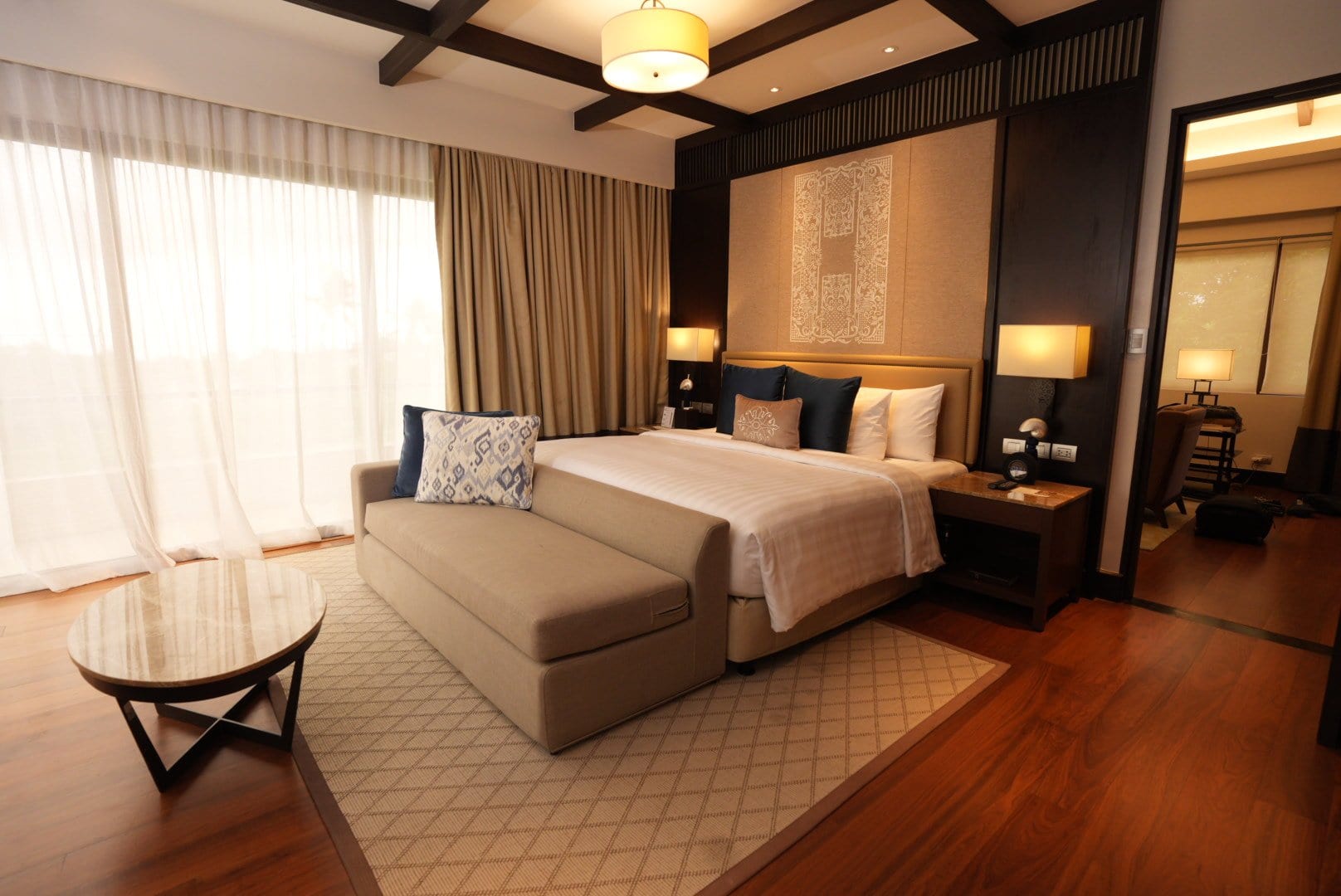
One thing he realized after all these years is that it really doesn’t matter if they don't have volcano views. At the end of the day, it’s good service that matters. That is the highlight of our guests’ stay here,” he adds.
They also do very good business with the wedding market, which often chooses Anya as a holding area or venue for wedding preparations. The property can also host intimate weddings in its function room, which accommodates up to 100 guests, with ceremonies held at Tala Garden.
“We knew that the wedding market in Tagaytay was strong, but we never thought it would be this strong. Bookings are made at least a year in advance, and it would take something extraordinary to cancel one. It’s the only type of business where they don’t cancel even when there’s a typhoon, and obviously, it’s very good business,” he adds.
They've accepted the fact that they cannot compete in the corporate group segment, because Anya's rates aren't exactly cheap. But they are big on free independent travelers (FITs). "Anya is getting good reviews. People say we have very good service and our staff are very sincere, and that warms our heart," Arriet says, smiling.
The general manager takes pride in the personalized service they offer. “You won’t see commercial brands of chips or soda in the suites because, as much as possible, we want to do everything in-house. Our juices are natural. We don’t buy canned juices. Our catsup and chili sauce are homemade,” he offers. “It’s easy to buy these things, but there’s a certain satisfaction in doing them yourself.”
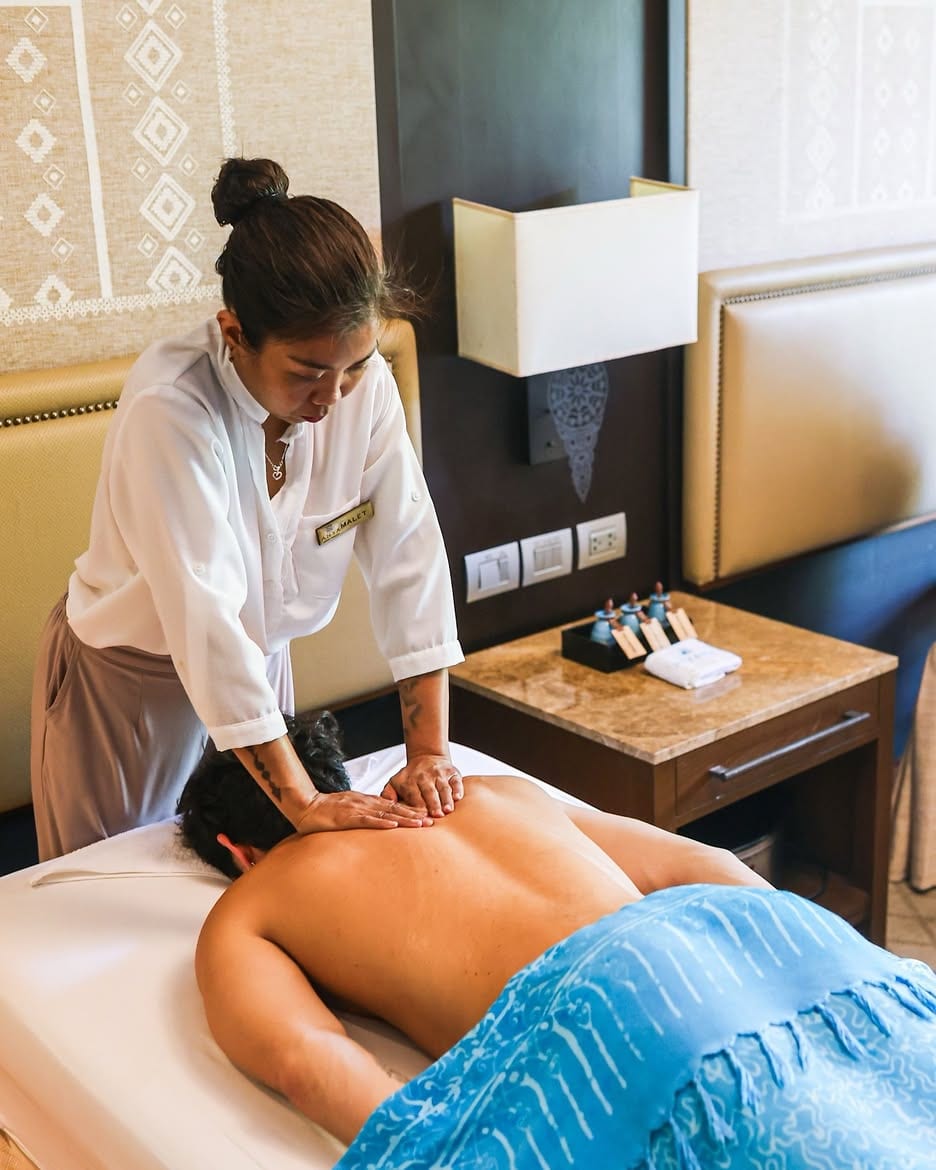
Arriet is also pleased that Anya’s Niyama Wellness Center, particularly its spa program, is gaining a following. “Everybody knows Thai massage, Shiatsu, or Swedish massage. Here, we want to highlight Filipino Hilot, which makes use of locally sourced ingredients such as banana leaves and coconut oil.”
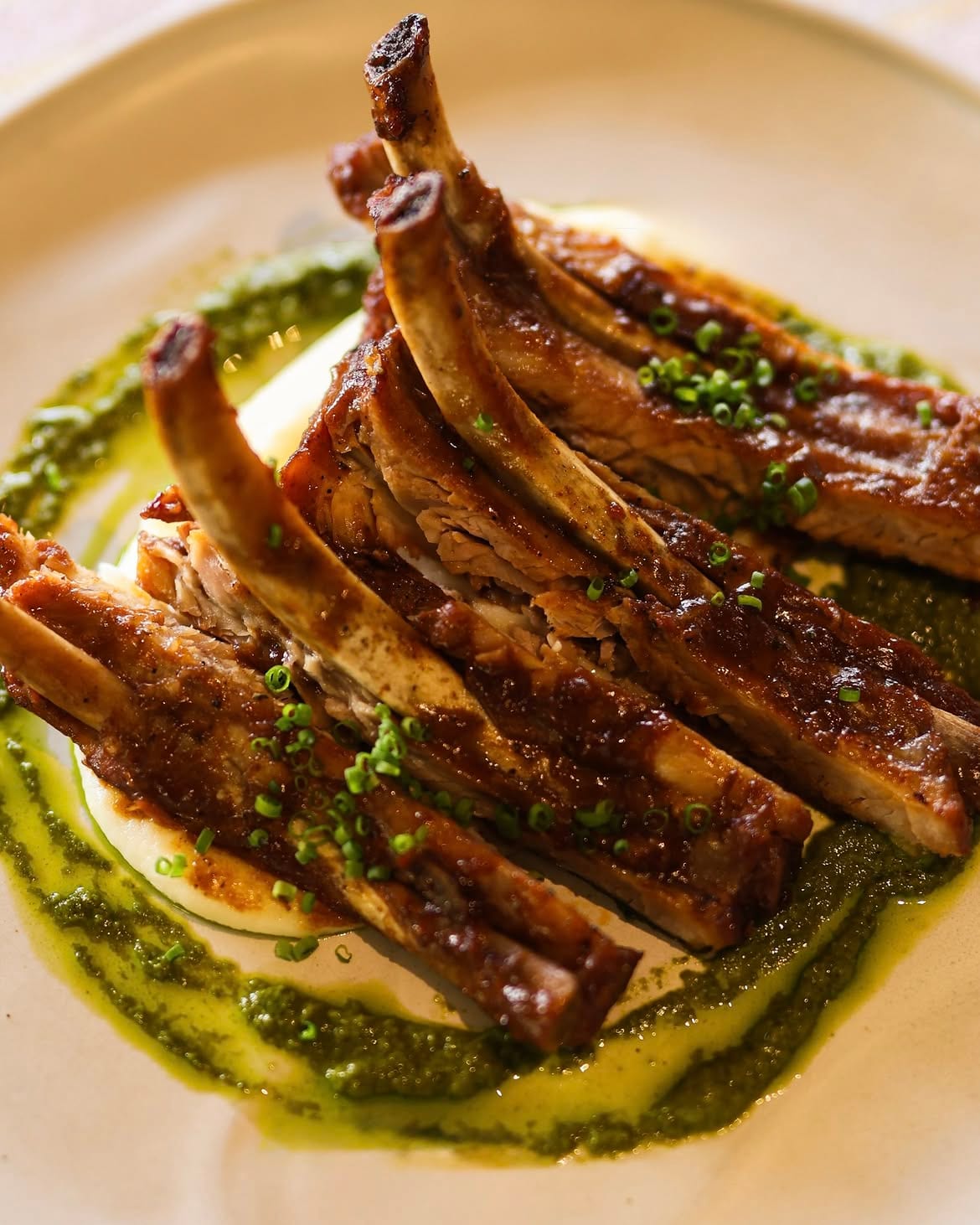
Dining is, of course, another exciting part of the Anya experience. To attract gourmands, Anya tapped Michelin-starred chef Chele Gonzalez, who has spent the past four years working his culinary magic at his eponymous restaurant, Samira by Chele Gonzalez, where he celebrates the flavors and traditions of Spanish cuisine.
“We brought Chele in to attract walk-in guests, to make a little noise and say, ‘We are here.’ And we’ve been able to achieve that,” he says.
Looking forward
Nine years on, things are getting even more exciting for Anya. By the end of 2028, the resort hopes to complete another phase, Anya Villas, which is currently under construction.
“By Q3, the land development is going to be done. They’ve already started putting in the concrete for the pathways. By the last quarter of the year, we’re going to start building one of the villas. It will be completed in 2028, with 17 individual villas, each measuring 500 square meters.
“Each villa will have just one floor, with no second floor. One building will have a master bedroom with a complete bathroom, including a bathtub. Every villa will also have a small heated swimming pool, a plunge pool. The next building will have a kitchenette and living room that can be converted into a bedroom if you bring your family.
“This is an investment product that you can purchase, and then we manage it through a rental pool and share the income with you. We’re receiving so many inquiries from guests who are really looking for that kind of privacy,” Arriet shares.
Anya is also planning to build a dedicated building for Niyama, complete with a gym studio and spa offering water therapies. “We were supposed to start two years ago, but because of the pandemic, everything got delayed. Now, we’re pushing for it,” he says.
Championing sustainability is also shaping Anya’s approach to its operations. Last month, the resort shifted to 100 percent renewable energy through a new power supply arrangement, sourcing its electricity from wind, solar, or geothermal power. The resort was also recently awarded Platinum certification by Green Destinations in recognition of its sustainability practices.
Anya is likewise placing greater emphasis on local culture and sourcing, with Caviteño products and partners taking priority, followed by those from Calabarzon and the rest of the Philippines. This extends to its restaurants, where the focus has shifted from imported ingredients to more locally sourced produce. “In the beginning, we were using a lot of foie gras and US tenderloin. But now we are really shifting to more local. Chocolates, fruits, vegetables from our partners. There has been a big change in that area.”
The resort is also reducing its use of plastic and minimizing waste in its suites. Water bottles are refillable, while canisters are used in place of single-use containers, helping reduce the amount of waste generated from guest rooms.
All these initiatives point to a resort that has become more confident in what it wants to be. Nine years ago, Arriet wondered whether Anya could find its place in Tagaytay’s competitive hospitality landscape. Today, the resort has established its market, built a reputation for personalized service, and is preparing for its next phase of growth.
For Arriet, there is still another milestone to pursue. Anya’s inclusion in the Michelin Guide was already a goal achieved, but he is looking ahead to the next one. “Now that we’re on the list, the next goal is to earn the Michelin Key,” he says, clearly optimistic about what lies ahead.
ALSO READ:
Even After Repeat Visits, El Nido Can Still Offer Plenty of Surprises