At the Edge of Sea and Sky: A Portrait of Batanes
A cultural worker's personal journey into the raw, unguarded beauty of Batanes—an island province that leaves a permanent impression long after you leave its shores.
Published on May 23, 2026
My work in heritage conservation, particularly in the preservation of Ivatan houses on Sabtang Island, has brought me to Batanes a few times over the years. It is a privilege I do not take lightly. With airfare to the remote island province often prohibitively expensive, returning to Batanes more than once is a rarity for many Filipinos.
Even before I ever set foot in Batanes, my fascination with it was already running high. Years ago, a Sri Lankan lawyer and friend of mine, Jeetendra Marcelline, spoke so fondly of his meaningful stay there that I remember feeling a quiet twinge of envy, knowing how close it was to home yet still out of reach given my circumstances and limitations at the time. That fascination deepened further when I wrote an exhibition text for a group of Ivatan artists who mounted a show in Manila. Their stories as locals added texture and meaning to everything I had previously gathered from magazines, travel shows, and the internet, turning distant impressions into something more vivid and grounded.
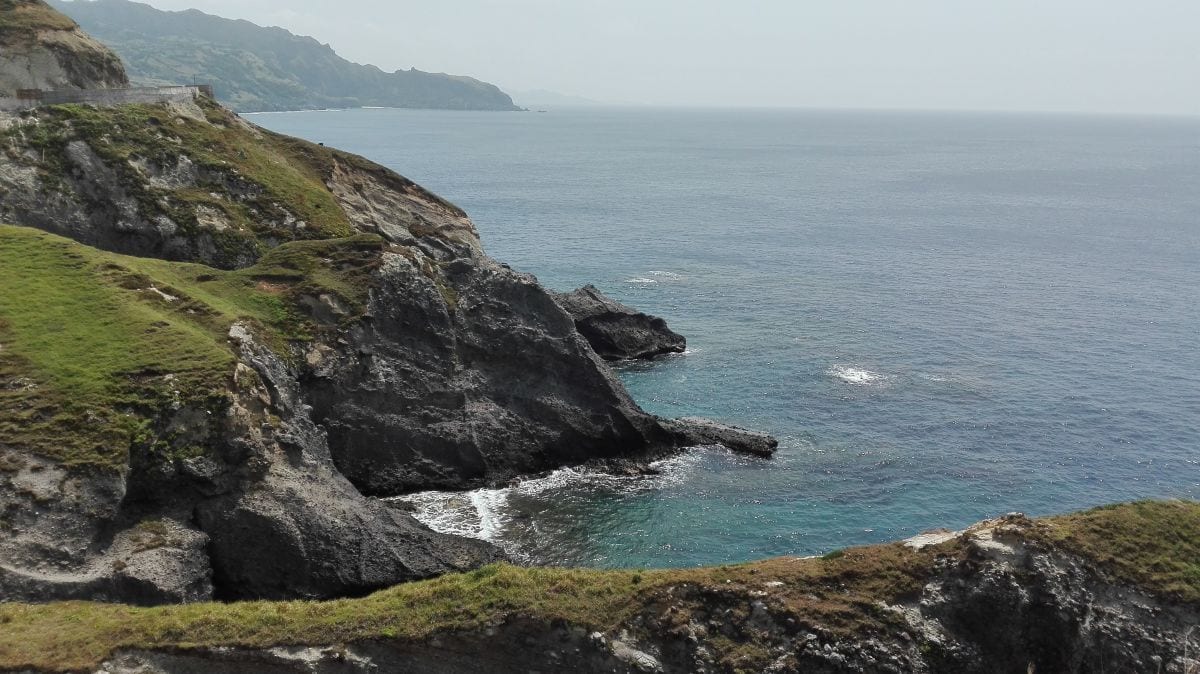
People often speak of Batanes as a sanctuary of cultural heritage, a place where stone houses, Ivatan traditions, and a slower rhythm of life have endured against time and weather. But beyond its well-photographed beauty lies something far more overwhelming: nature in its rawest form and you have to be there to understand it. Its natural heritage is the island group’s most enduring allure; it is what etches the place into memory while you are there and long after you have left. For many visitors, what lingers longest is the feeling of being exposed to the vastness of nature.
My first encounter with Batanes’ natural wonders was at Vayang Rolling Hills. The trail was fiercely windswept. Every step demanded attention—I had to plant my feet firmly or instinctively reach for tufts of tall grass just to stay upright against the gusts. Many describe Marlboro Hills as having a New Zealand-like landscape, but for me it felt closer to Hawaii, as if I were gazing toward Diamond Head or watching one of those wide establishing shots from Jurassic Park, where the earth appears both serene and untamed. Still, the experience sent a shiver through me and brought a quiet tear, as if some part of me wanted to simply pack up, relocate, and stay there indefinitely.
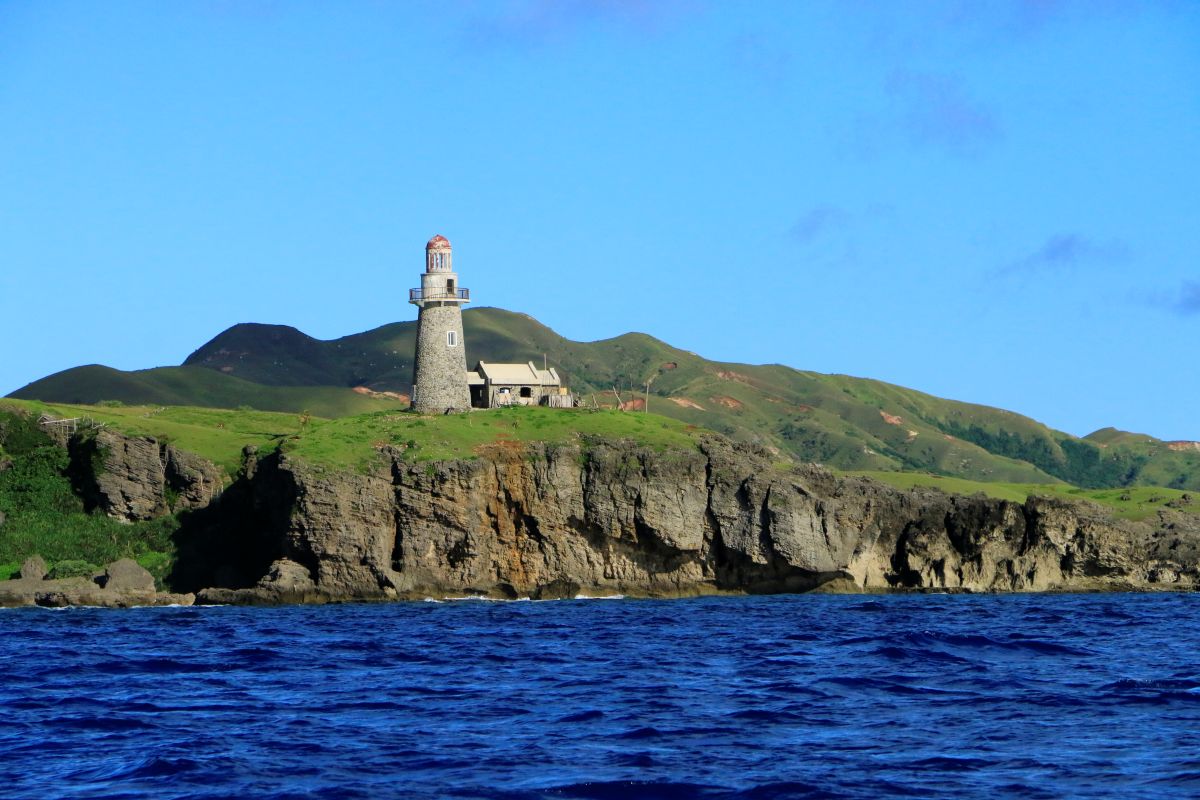
In Sabtang, the Chamantad-Tinyan Viewpoint is another spectacular experience that feels almost earned through hardship. The trail climbs and descends through uneven terrain where a single misstep could send you tumbling toward the cove or the sheer drop-offs below. The landscape seems to conspire with anticipation, and by the time you reach the cliff’s edge, the strain dissolves into awe. The view opens abruptly, vast and unguarded, as if you have arrived at one of the earth’s final thresholds, where land gives way to sea and sky: a horizon without end.
During typhoon season and the off-peak months for tourism, the wind arrives with startling force, pressing against the body from every direction while waves hurl themselves violently against the shore. In this part of the country, firmly within the typhoon belt, nature is never passive. It announces itself loudly and without apology.
.jpg)
There were two moments in Batanes when nature revealed itself with particular force. One night, I stepped out of my room at the Pananayan Pension House in Sabtang, drawn by the howl of the wind and the distant thunder of waves crashing against the shore. For hours, I stood there witnessing this action between the sea and wind. The breeze carried a raw, palpable energy. It was an experience that lodged itself permanently in my memory.
The second came in Basco, as a Signal No. 2 typhoon swept through the islands while we waited for our flight to push through. From a distance, I watched waves hurl themselves against the cliffs, surging upward as though trying to swallow the land itself. The sea did not simply move that day; it roared, climbed, and battered the coastline with terrifying power. It was awe-inspiring.
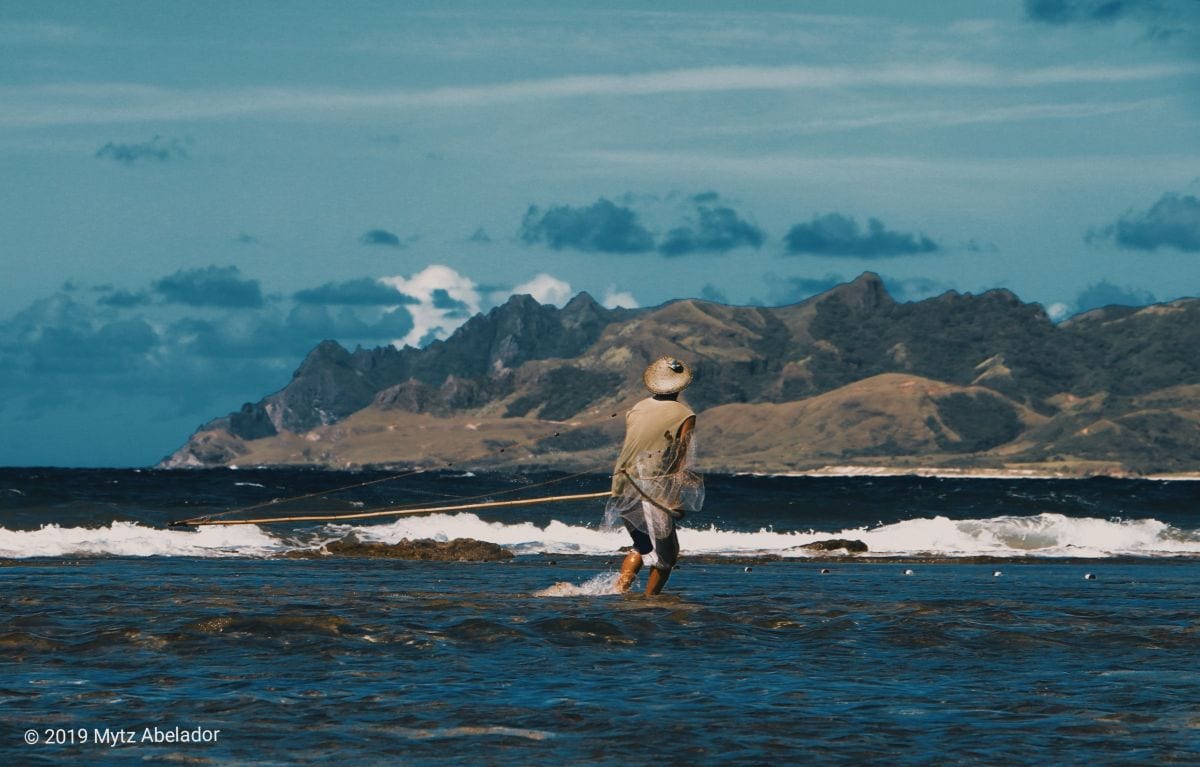
And then there is the night sky. Far removed from the haze of the city, the darkness over Batanes becomes a theater of light. Millions of stars flicker into view with astonishing clarity, turning the islands into a place where the cosmos feels close enough to touch.
Crossing open waters from Basco to Sabtang aboard a small sea vessel is something else entirely. In the vastness of the ocean, the journey is equal parts exhilarating and unnerving. Beneath the boat stretches deep water, made all the more daunting by the modest scale of the craft ferrying passengers between islands.
On one of those day trips, I remember joining the rest of the passengers in a mix of suspended gasps, mild panic, and nervous laughter, as if we were on a carnival ride mid-drop, our boat charging headlong into a series of giant waves.
One experience I cannot forget was drifting into sleep in a hammock strung beneath a row of coconut trees along the Sabtang coast, a natural windbreak against the open wind. Whenever I wander this part of the island, everything’s on autopilot. The breeze instantly lulls me into rest, carrying away the heat of the day like a quiet exhale from the sea. I probably should not be going there with work waiting, but at that moment, who am I not to give in to such an irresistible pause?
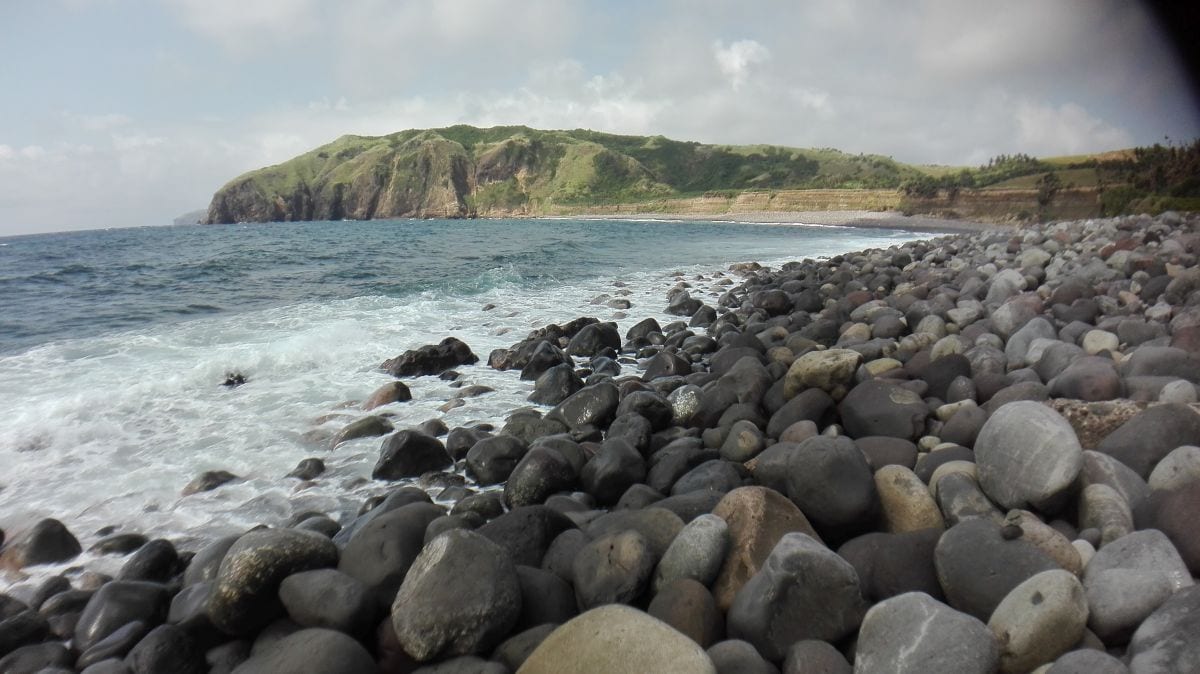
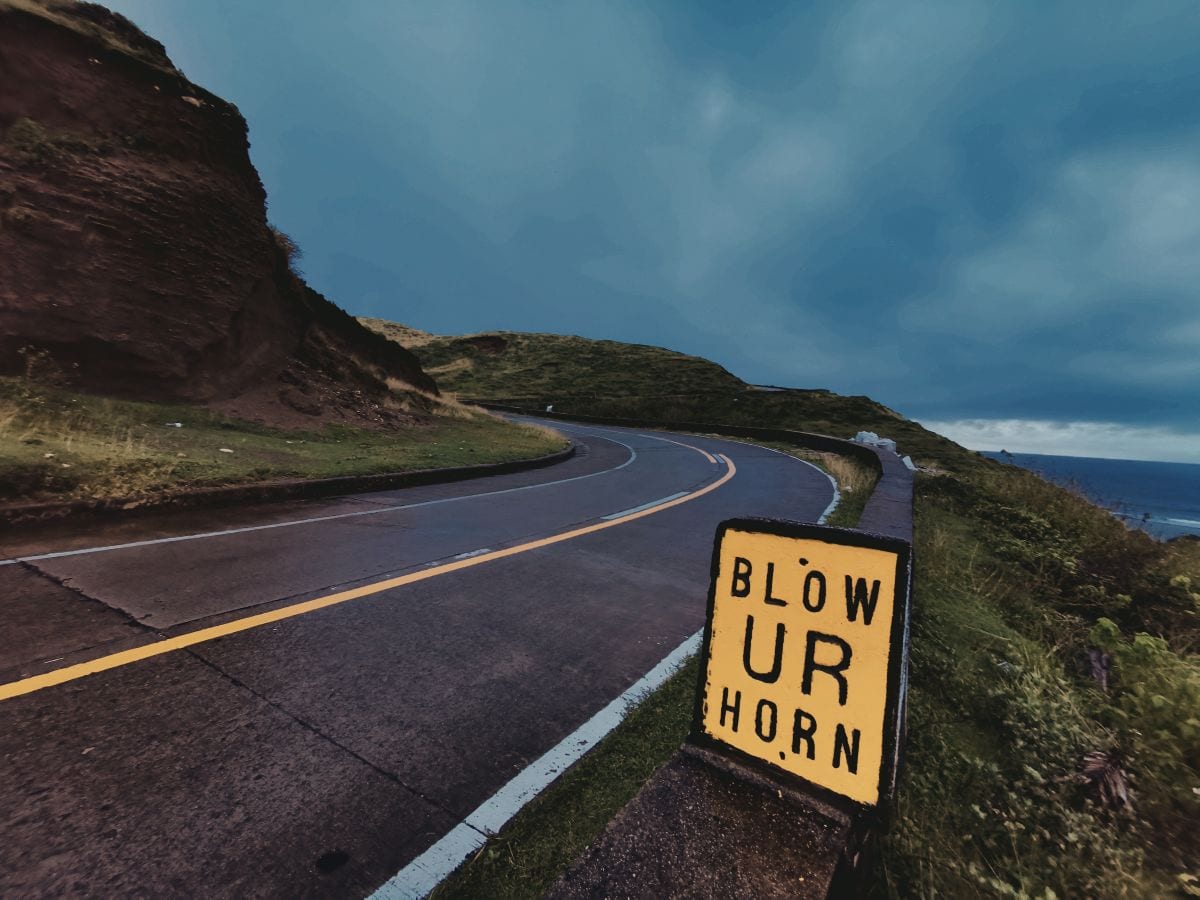
During my time there, my encounters with the coves and beaches were mostly brief and passive, yet still enough to glimpse stone-stretched shorelines and pockets of white sand. It is something I wish I had explored more deeply, and I intend to return to make up for it when the opportunity comes again. But the drive along coastal roads across Batanes—especially those linking Basco, Mahatao, and Ivana—is already enough to merit a significant part of any trip to these parts.
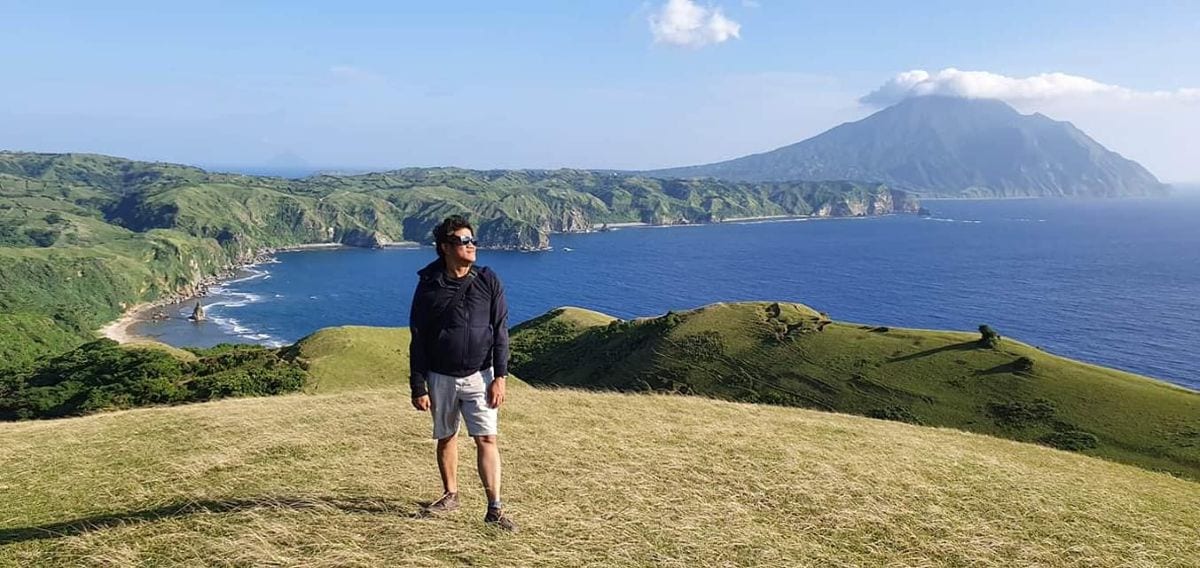
What remains unforgettable about these islands is not simply its scenic beauty, but its ability to make people feel small in the most humbling way.
Online, I stumbled upon a post about Batanes and found myself drifting into the familiar pull of its landscape. I checked the basic tour details almost instinctively. It is May, the tail end of the year’s ideal travel window. If you have the time and resources, please go.
As for me, I do not have any immediate plans, but the thought lingers quietly: I would like to return again someday.
View More Articles About: