Beyond the City: Davao by Land, Hills, and Sea
A three-and-a-half-day journey through city roads, uplands, and island calm in southern Mindanao.
by Ria de Borja
Published on Feb 14, 2026
Davao occupies a wide stretch of southeastern Mindanao, bordered by agricultural lowlands, forested highlands, and the Davao Gulf. The scale is immediately apparent: distances are long and the urban core is spacious. To the west, Mount Apo anchors the landscape. To the east, the water leads directly to Davao del Norte, where Samal Island sits just offshore. Davao City is the largest city in the Philippines.
Geography informs how Davao is best experienced. When traveling its expanse, move through the city roads first, then its highlands, followed by its seas. Our itinerary followed that logic. The trip was part of an ASEAN Travex post-event tour, with close to 50 participants, which made logistics and pacing especially important. Davao accommodated the scale and allowed the experience to remain grounded.
Our first stop was the Malagos Garden Resort. The property combines wildlife enclosures and cacao production. Malagos is best known for its chocolate, but the broader experience highlights how agriculture, tourism, and conservation intersect in Davao City. Walking through the grounds, the emphasis is on cultivation of plants and systems that are meant to last. Educational elements are woven into the experience, from learning how cacao moves from tree to finished product to understanding how native species are protected within the property. The layout encourages unhurried exploration, allowing visitors to observe how different components such as farming and habitat management function together.
As an opening stop, Malagos provided useful context for the days ahead, grounding the trip in the idea that Davao’s strengths are closely tied to how it manages and values its natural resources.
From there, we visited the Philippine Eagle Center, one of the most important conservation sites in the country. The Philippine eagle is central to the visit, and seeing it at close range provides context that photos or videos can’t convey. Its size and unflinching posture are immediately apparent, even as it perches hundreds of feet above the ground.
Among the eagles housed at the center is Viggo, whose image appears on the P1,000 bill, linking everyday life directly to the conservation work happening on the ground. Learning about Viggo’s background, care, and role within the breeding program outlined the center’s long-term efforts in habitat protection, research, and education. It frames the eagle not just as a national emblem, but as a living species whose survival depends on sustained commitment.
That evening, the group checked into Seda Abreeza, a practical and comfortable base within the city.
The next day we went to FrogKaffee, a casual spot known for approachable food. One item stood out: charcoal coffee. Dark-roasted and smoky, it was an unexpected variation that set an upbeat tone for the rest of the day.
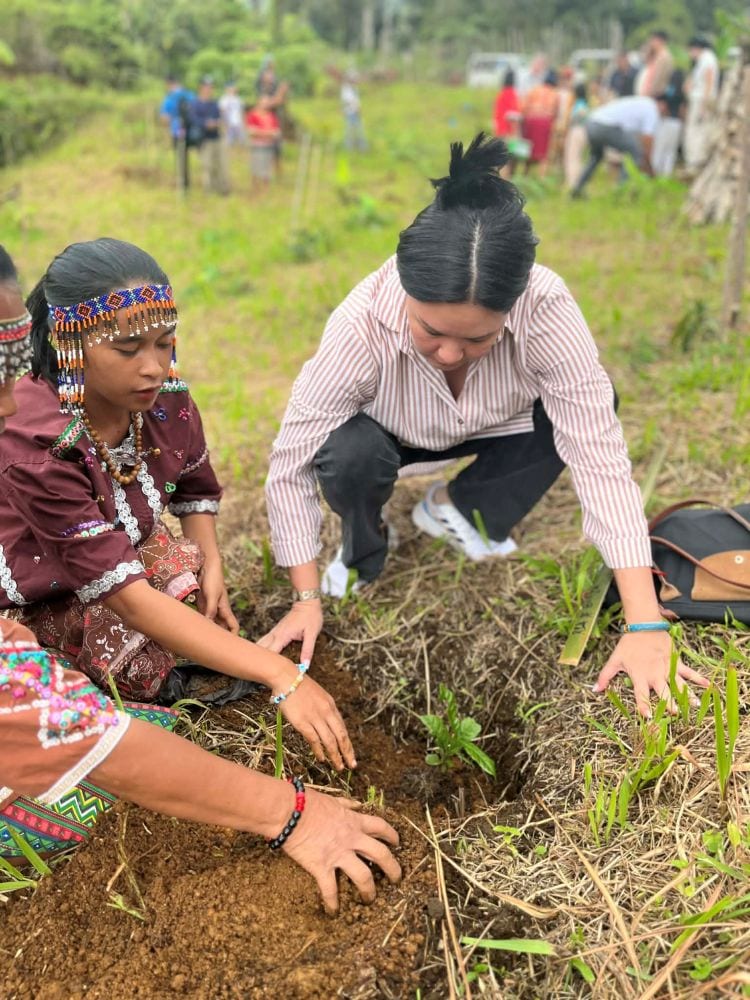
Then there was the Upper Catigan Cultural Experience. The visit focused on participation. We learned about indigenous traditions, daily practices, and relationships with the land. Coffee planting was a key part of the experience in these hills. Each participant planted a young coffee tree, with the understanding that it would mature over decades. The idea of returning in the future to see that tree in full bloom placed the visit within a longer timeline. It was a nifty and meaningful addition to the trip.
We also visited the highlands at Eden Nature Park and Resort, where we learned how to make turon, replete with durian and langka. Nobody was fazed by the scent of the durian and we all gobbled up the snack, along with mangosteen and other fruits, before a hearty lunch.
Eden combines landscaped gardens with outdoor activities. The park offers several rides and experiences, including the Skycycle, Skyswing, and zipline, all designed to take advantage of the terrain. These attractions are balanced by forest walks and themed gardens. The cooler climate and open views provide a contrast to the city below.
One of our stops on the trip was Kadayawan Village, where local crafts are presented in a curated setting which includes houses of the indigenous tribes of the region. Kadayawan encourages goods-shopping without the density of a traditional market. That density came at Poblacion Market Central, where produce vendors, small shops, and everyday commerce operate side by side.
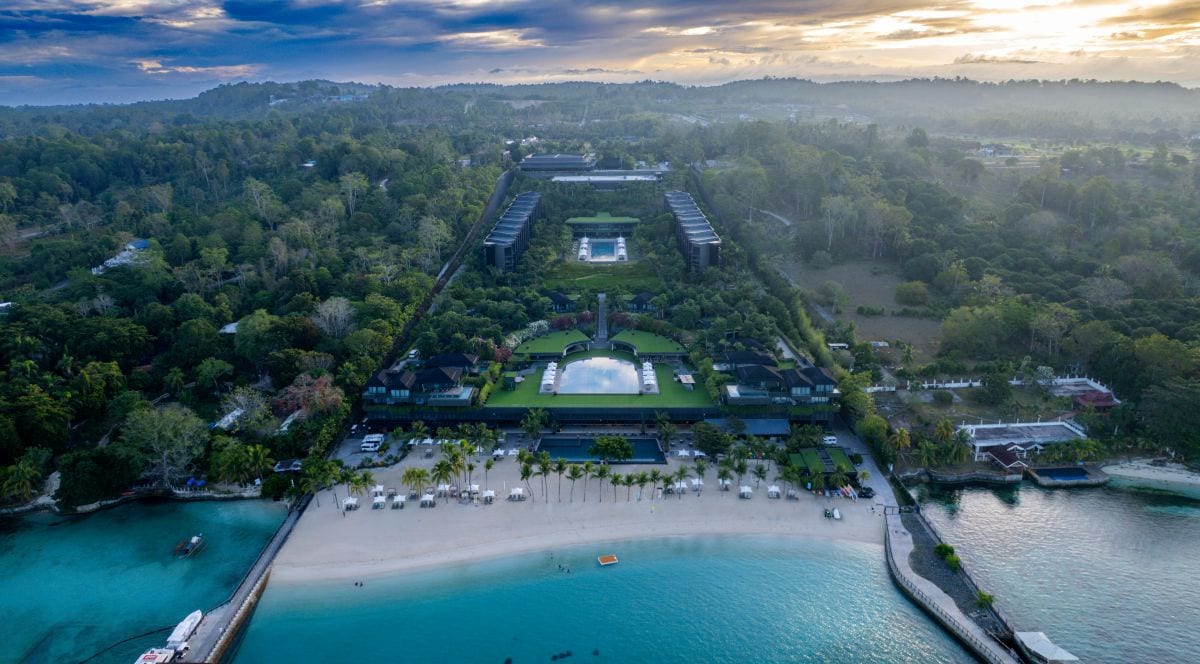
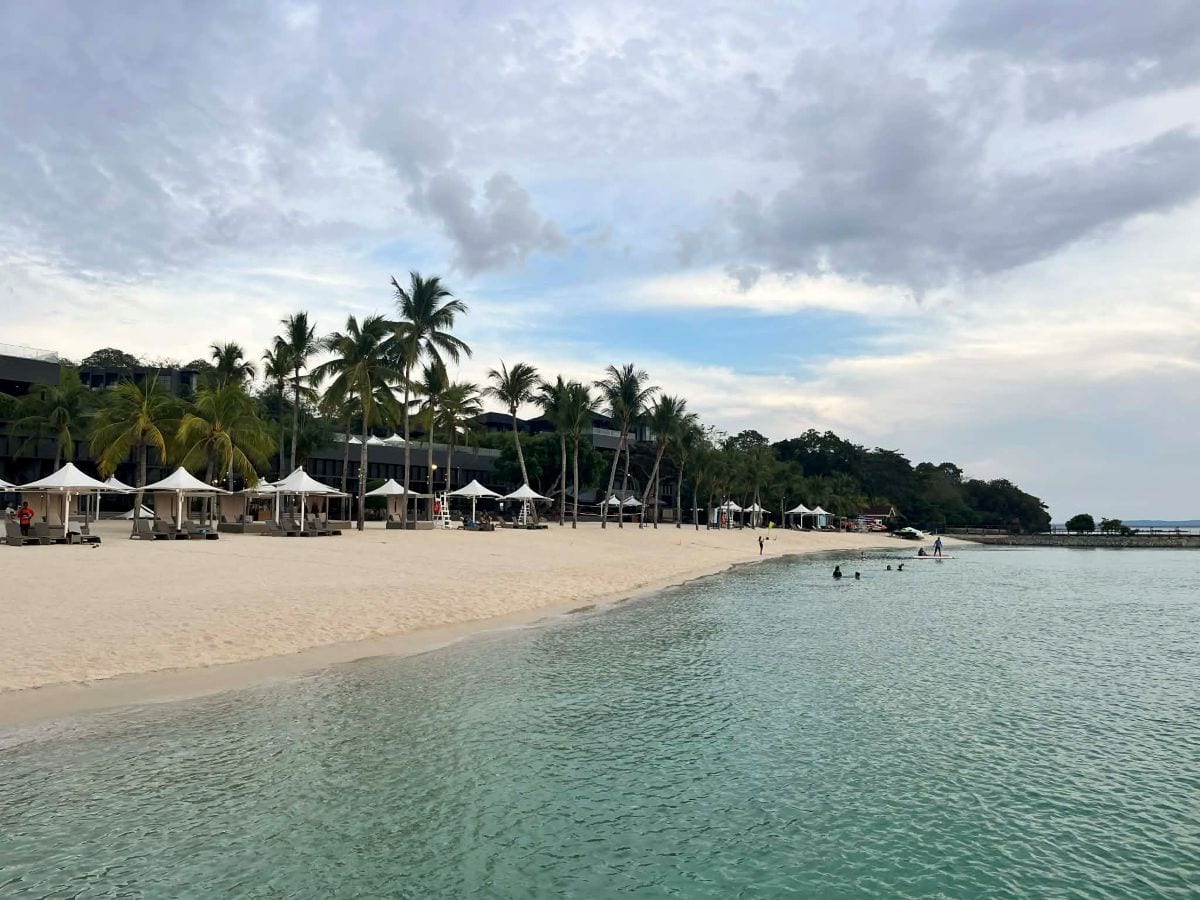
The transition to Davao del Norte took place by boat, crossing the Davao Gulf to Discovery Samal. Samal Island is close to the city, but the vibes shift quickly to island-life pacing. Discovery Samal is set along the coast and is designed to accommodate guests in a large, rambling and ultra-luxurious resort.
Activities on Samal Island were deliberately lighter. Snorkeling sessions with clear waters and visible marine life was one of the activities, as was kayaking, which was enjoyable. That afternoon centered on a meal served aboard a boat, where the group shared a lunch that included a delicious selection of dishes. The sashimi stood out for its freshness, reflecting its proximity to the source.
The island stay served as a natural slowdown, creating a stark difference between inland exploration and coastal rest.
The final (half) day in Davao had us lunching at Benjarong Dusit Thani Davao, where everything was superb. We began the meal with fresh vegetable spring rolls wrapped in soft rice paper served with a gently sweet dipping sauce, followed by crisp prawn cakes. Tom Kha Gai came next, its coconut milk base aromatic with lemongrass, galangal, and kaffir lime leaves. It was punctuated by soft pieces of chicken and had a subtle acidity. Gang Khiew Wan Gai came next, delivering a fragrant green curry built on coconut milk, green chilies, and Thai basil with chicken absorbing the heat and sweetness. Phad Thai Goong Sod brought together rice noodles, fresh prawns, and egg in a restrained but sumptuous version of the classic dish.
Three point five days in Davao gave a clear understanding of how the city and Samal Island function as places that benefit from structure and sweet slowness. Davao and Davao del Norte revealed themselves to us steadily and subtly.
View More Articles About: