The First PAGCOR-Licensed Casino to Operate in Boracay Is Now Open
Here's how Kaban Boracay is betting on a new kind of island experience.
by Igi Talao
Published on Oct 27, 2026
Boracay has never struggled to give visitors a reason to come. Its powdery white sand, clear waters, and lively nightlife have long made it one of the Philippines’ most recognizable tourist destinations. For most travelers, the formula is familiar: spend the day by the beach, find a good place to eat, and let the evening unfold somewhere along the island’s bustling shoreline.
Kaban Boracay, however, is making a case for adding something else to that itinerary.
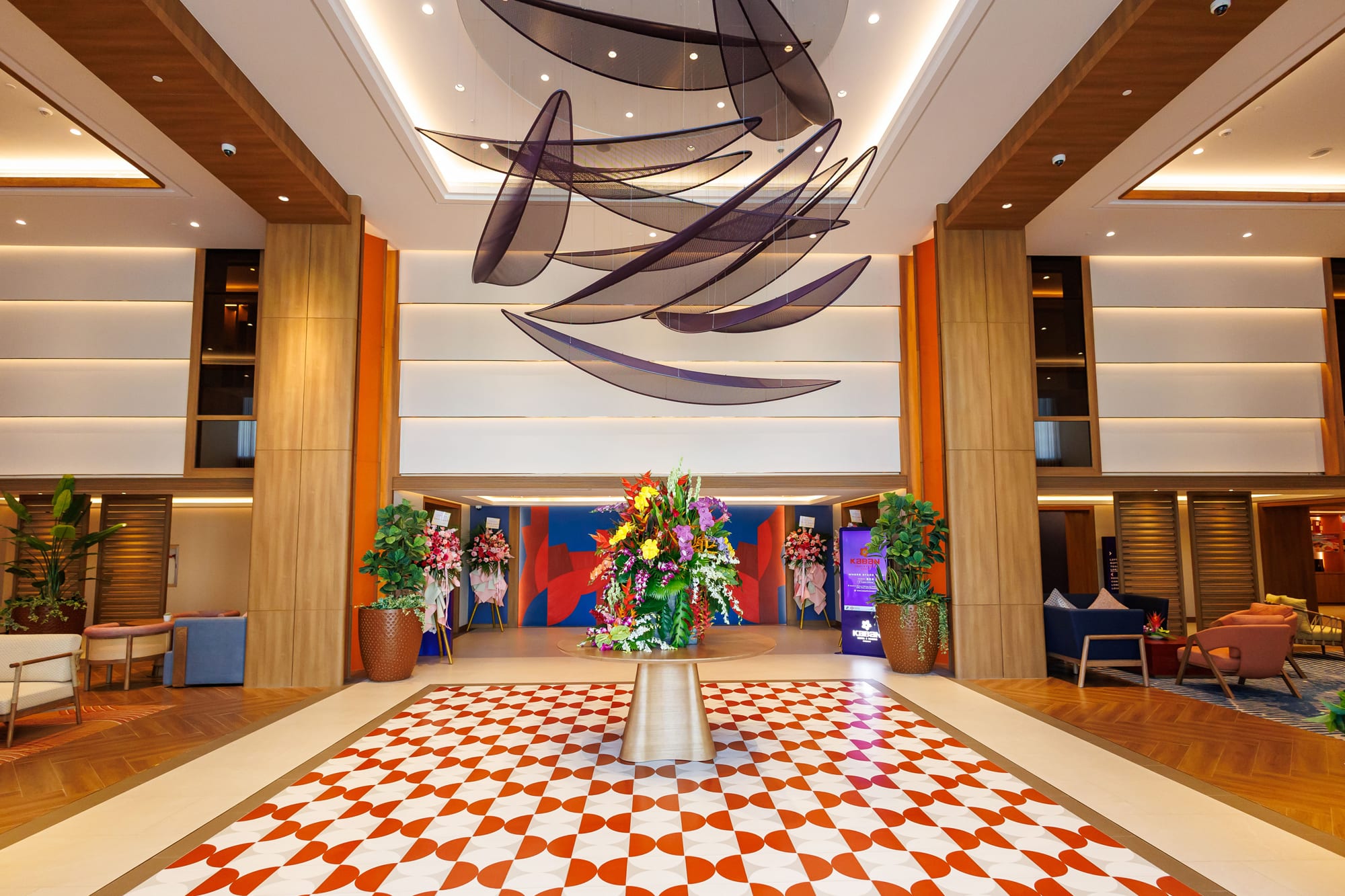
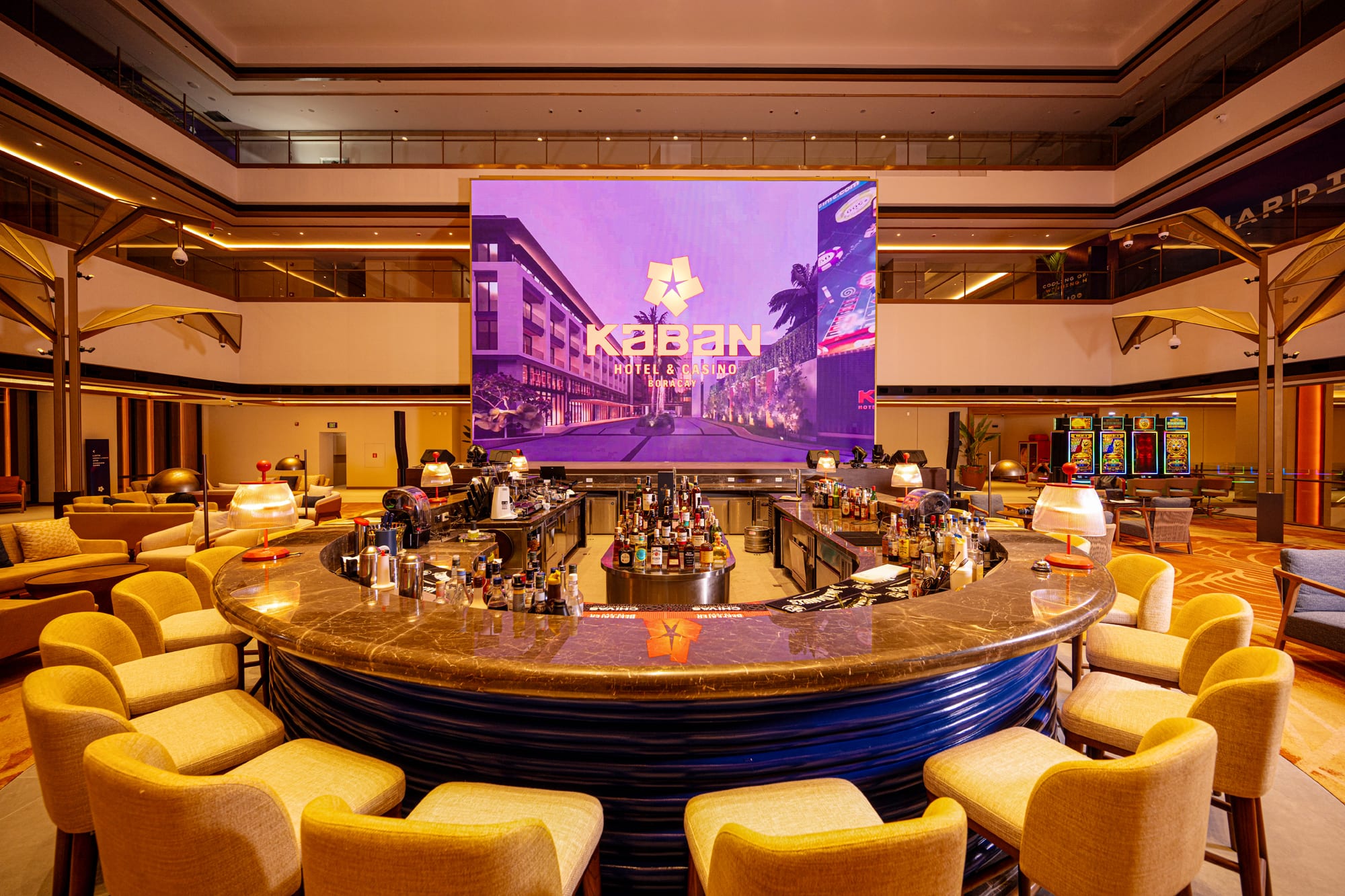
Located in Station 0, the resort brings together upscale accommodations, restaurants, wellness facilities, retail shops, entertainment venues, and a casino licensed by the Philippine Amusement and Gaming Corporation (PAGCOR). Its proposition is built around the idea that a destination can offer more than its natural attractions—that the experience of being in Boracay can extend well into the evening, whether through dining, watching a game at the sports bar, listening to live music, or spending time on the gaming floor.
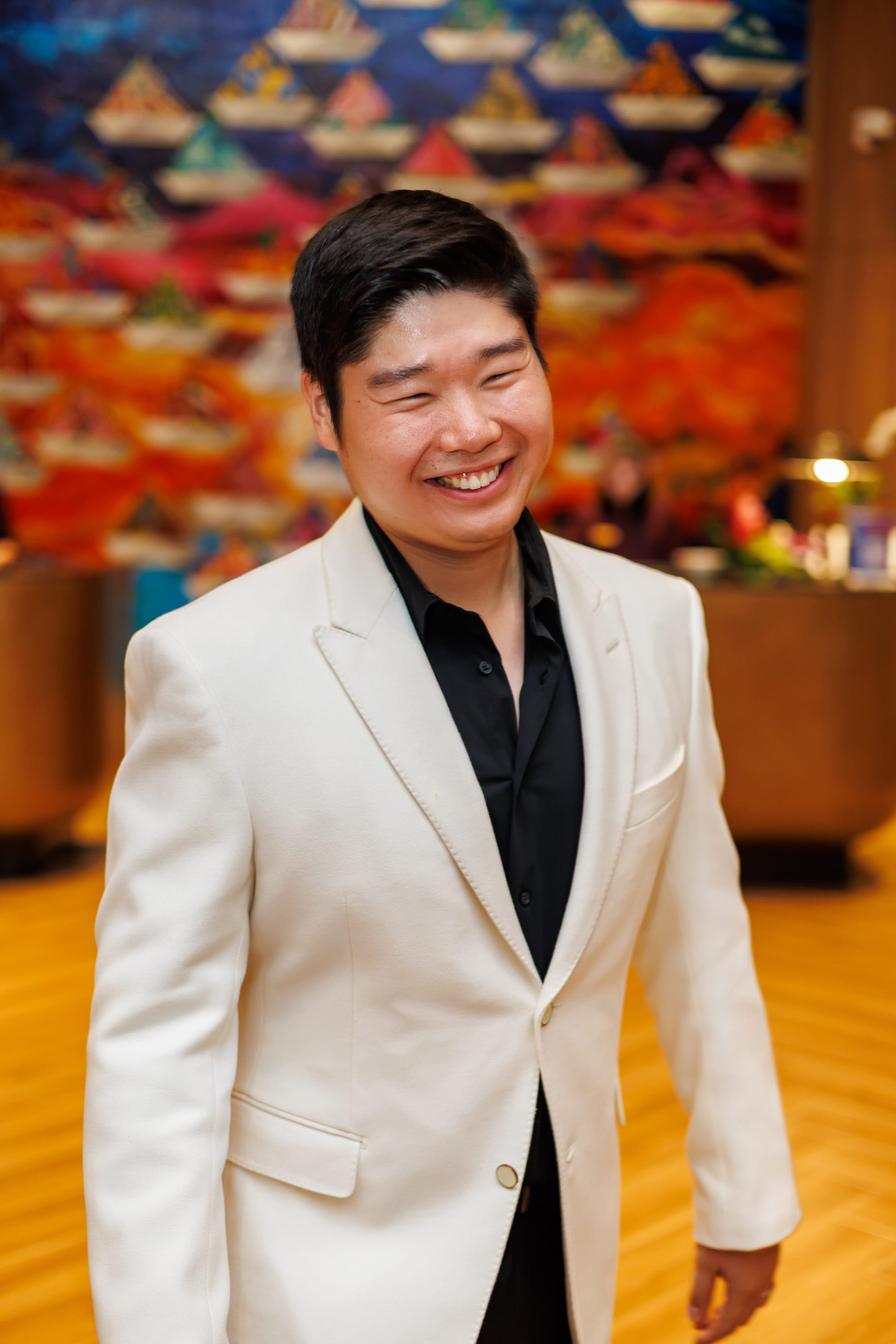
For President and CEO Kevin Wong, the point is not to replace what already draws visitors to the island, but to give them another reason to stay.
“What we have created here is adding another dimension to an already booming and successful tourism industry,” Wong says. He sees the resort’s entertainment offerings as a way to give visitors more to do after dark, particularly those who want an alternative to the usual drinking and nightlife circuit.
It is a proposition that reflects a broader ambition for Kaban: to become a destination in its own right while remaining part of the larger Boracay experience. The challenge, of course, is making the two work together.
Building Beyond the Beach
Kaban Boracay is the centerpiece of a planned 23-hectare mixed-use development by Golden TW Realty and Development Corp. Its opening signals an investment in a more integrated approach to hospitality, where accommodation, food, leisure, and entertainment are brought together within one property.
The thinking is straightforward. Travelers increasingly look at a hotel as more than a place to sleep; the restaurants, facilities, and experiences available within it can become part of the reason to book a stay in the first place. For a destination like Boracay, where visitors already have plenty of options outside their hotels, the challenge is to offer something that feels complementary rather than competitive.
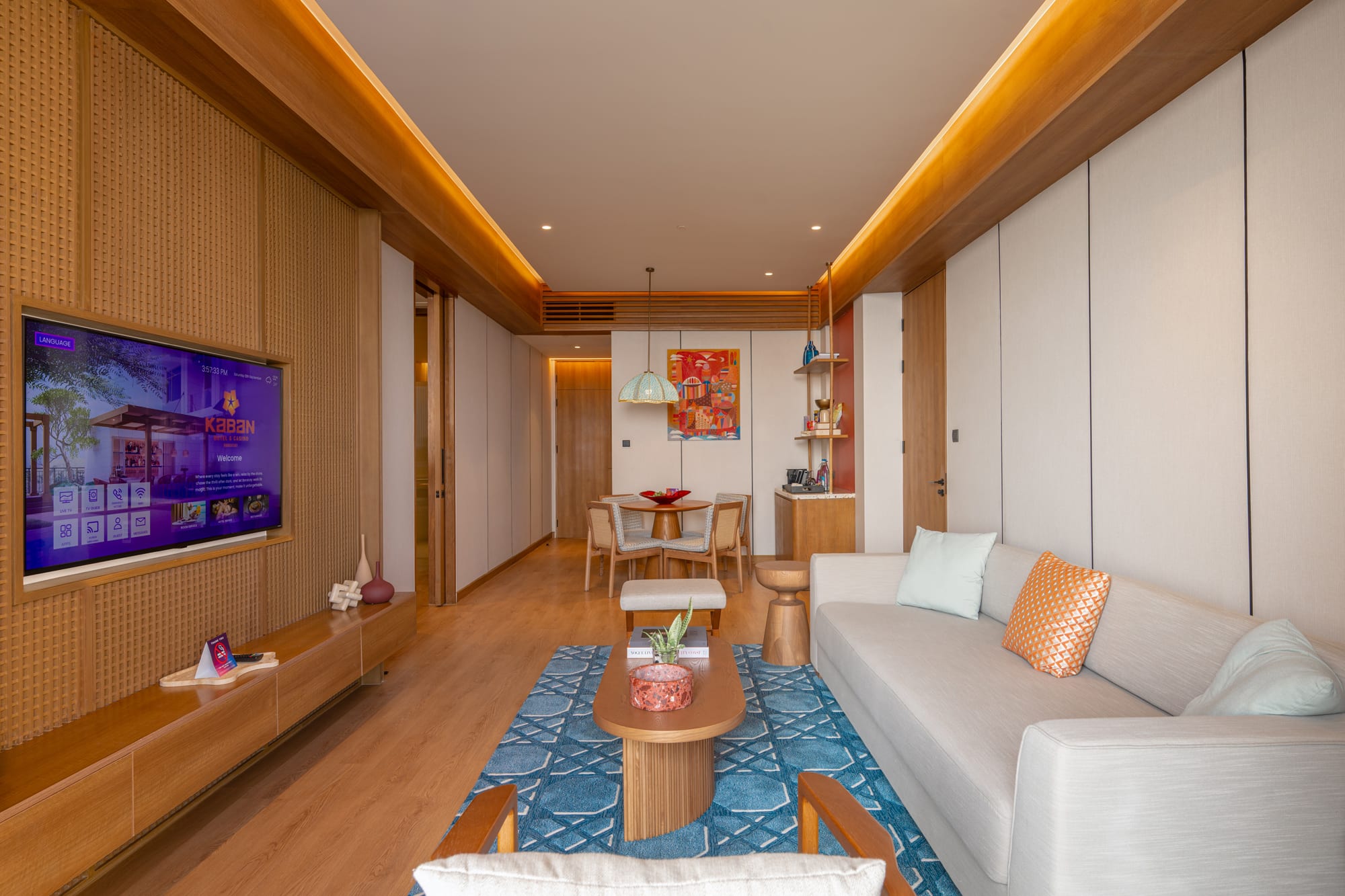
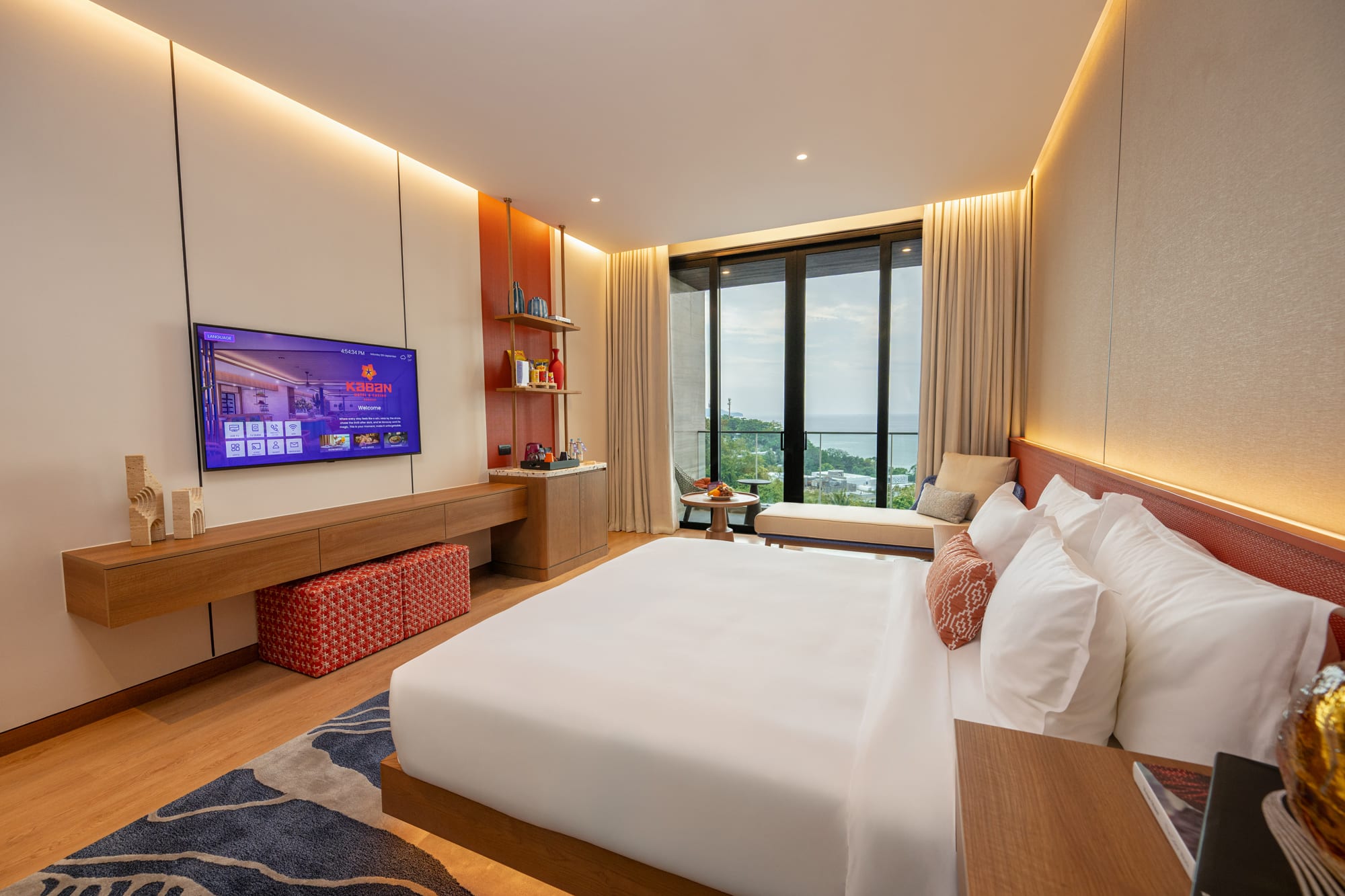
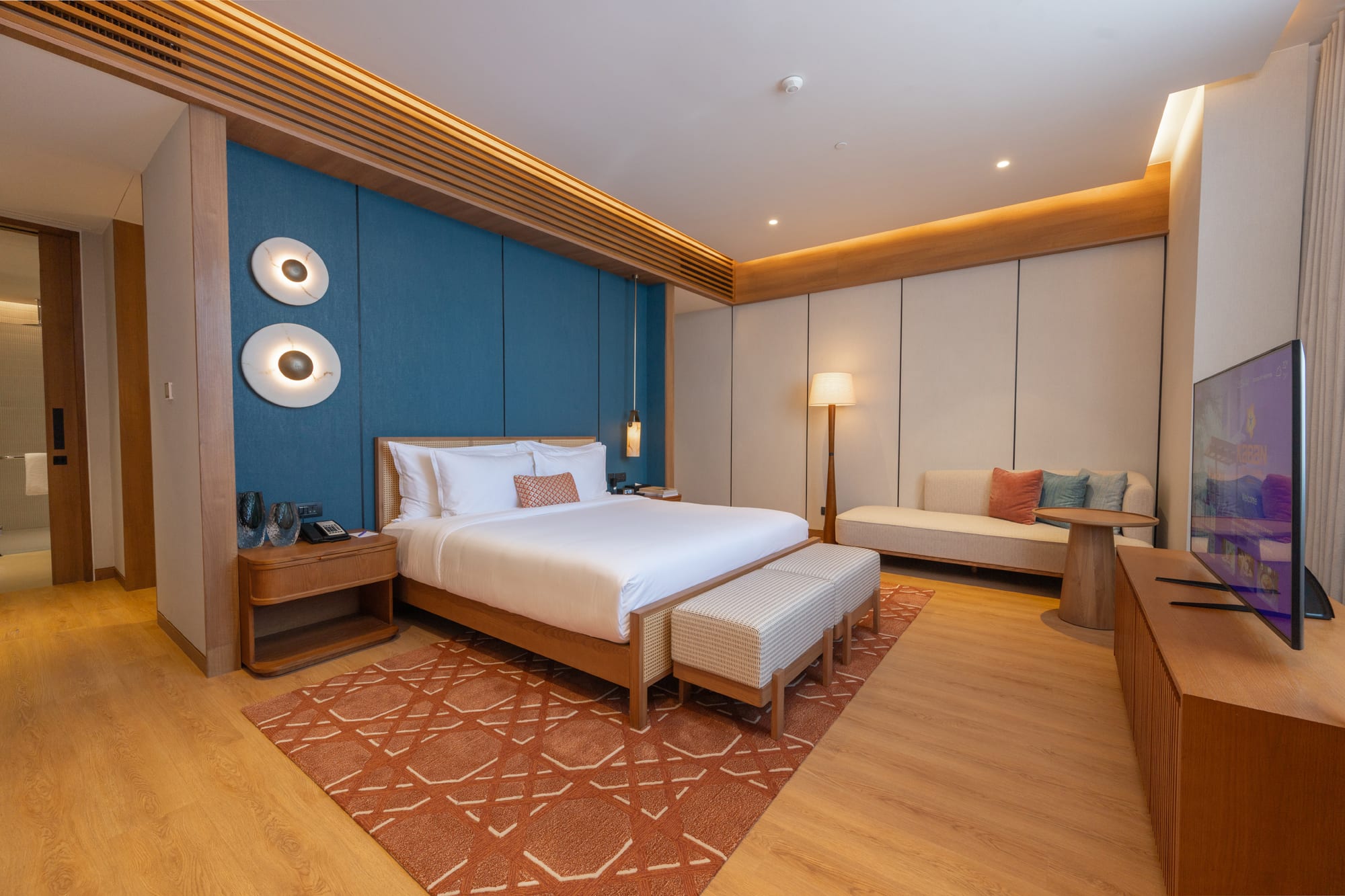
Kaban’s answer begins with its range of amenities. The resort has introduced dining concepts such as Chung Dam Korean Casual Dining and Umi Matsu Japanese Restaurant, alongside its entertainment venues and wellness facilities. Wong has also emphasized the generous size of the hotel rooms, which he hopes will make guests feel more at home.
Dining, in particular, is central to the proposition. As Wong points out, choosing where to eat is often an important part of planning a trip. By bringing established restaurant concepts into the property, Kaban hopes to make the resort an appealing option not only for guests looking for a place to stay, but also for those seeking new dining experiences on the island.

The casino is another part of that equation, although Wong frames gaming as one component of a much larger hospitality offering. The goal is to create a place where people can gather, unwind, watch sports, enjoy music, or dine without necessarily having to drink or follow the usual nightlife routine.
That distinction matters. An integrated resort can easily become a self-contained destination, encouraging guests to spend most of their time within its premises. Wong, however, is clear that Kaban is not intended to keep visitors away from the rest of Boracay.
“We don't want them to also be trapped here,” he says.
The resort does not have a beachfront, which Wong believes will naturally encourage guests to explore the island during the day before returning for dinner or entertainment in the evening. In his view, Kaban should serve as an extension of the Boracay experience, not a substitute for it.
It is a balance that will ultimately be measured by how guests use the property—and whether its offerings encourage them to spend more time and money across the island, rather than concentrating their activity within a single development.
The Business of Staying Longer
Beyond the guest experience, Kaban’s ambitions are tied to a much larger economic proposition.
Hospitality developments of this scale require more than rooms and amenities. They need a workforce, a steady supply of goods and services, and a network of businesses that can support their operations. Their impact, in turn, depends on how much of that economic activity reaches the surrounding community.
Wong says Kaban had already employed close to 600 people at the time of the interview, even though the property was not yet fully operational. He estimated that the workforce could grow to around 800 as additional establishments opened, with a further 400 employees potentially needed for the planned Boracay Central retail strip. That would bring the projected employment associated with Kaban and Boracay Central to approximately 1,200.
These are significant figures for a development seeking to establish itself within an island economy heavily dependent on tourism. They also suggest that the business extends beyond the resort’s immediate hospitality operations, with retail expected to form another part of the larger project.
The figures should be understood as Wong’s estimates at the time of the interview, rather than confirmed current employment totals. Still, they provide an indication of the scale of the operation the company hopes to build.
Wong also says the company prioritizes sourcing goods and services locally whenever possible. He acknowledges that obtaining supplies on the island can be expensive, but maintains that local businesses are its first option when they can meet the property’s requirements.
“If we can get it from here, we'll definitely support,” he says.
For small businesses operating in Boracay, a development of this size could create additional demand for supplies, services, and other commercial partnerships. But the extent of that opportunity will depend on the kinds of goods and services the resort can source locally, the consistency of those arrangements, and how much business is sustained over time.
That is where Kaban’s long-term impact becomes more interesting than its opening-day spectacle. The number of jobs created is one measure of its contribution; the strength of its relationships with local suppliers and entrepreneurs is another.
Wong’s plans also extend beyond the resort itself. Boracay Central, the proposed retail strip he discussed during the interview, is intended to add another layer to the island’s existing retail scene. At the time, he was targeting an opening in early 2027, although that timeline remains a projection.
Taken together, the hotel, casino, dining outlets, entertainment venues, and planned retail component point toward a development that wants to participate in several parts of the tourism economy at once.
The question is whether this integrated model can deliver benefits beyond the property itself.
A Different Kind of Tourism for Boracay
For Malay Mayor Frolibar Bautista, the resort’s entertainment offerings can help broaden what visitors experience on the island.
Speaking from the perspective of the local government, Bautista described leisure and entertainment as additions to Boracay’s established tourism attractions. The island’s beaches remain central to its appeal, but other activities can give visitors more options during their stay.
The mayor also referred to the role of compliance requirements and local government endorsement in the licensing process, alongside PAGCOR’s requirements. His comments point to the importance of regulation as the island accommodates a new category of tourism investment.
That context is particularly important because gaming carries considerations that go beyond the ordinary business of operating a hotel or restaurant. While a casino may provide another entertainment option for eligible guests, its presence also raises questions about the kind of tourism a destination wants to cultivate and how that activity is managed alongside its existing attractions.
Kaban’s opening, therefore, is not simply a hospitality milestone. It introduces a new proposition into a destination whose identity has long been tied to its natural environment and beach-centered leisure.
The resort’s argument is that these experiences do not have to be mutually exclusive. Guests can spend the day exploring the island and return to the property for a meal, a show, or a game. The commercial opportunity lies in expanding the range of experiences available to visitors, potentially encouraging longer stays and more spending.
But the introduction of casino gaming also brings a different set of responsibilities. For PAGCOR, the challenge is to regulate the business while addressing the risks associated with gambling. For Kaban, it means demonstrating that its entertainment offering can operate within clear boundaries, particularly in a destination with its own community considerations.
The Rules Behind the Experience
At Kaban, access to the casino is not open to everyone who walks through the resort’s doors.
PAGCOR Chairman and CEO Alejandro Tengco emphasized that residents of the Municipality of Malay, where Boracay is located, are prohibited from entering the casino premises. He also reiterated the minimum age requirement of 21 and the restrictions that apply to government officials and employees.
According to Tengco, the casino’s entrance process includes a reception area where guests undergo Know Your Customer (KYC) checks before proceeding to the gaming floor. The screening is intended to establish whether an individual is eligible to play.
The distinction between the resort and the casino is important. Tengco said government personnel may use the property’s hospitality facilities, but they are not permitted to participate in gaming. The prohibition on Malay residents, meanwhile, is a specific restriction that reflects the regulatory approach to the casino’s operation on the island.
For a property positioning itself as a broad lifestyle destination, these rules establish a separation between its hospitality offering and its gaming business. A visitor may come for a meal, a hotel stay, or another amenity without being eligible to gamble.
The resort’s commercial proposition will therefore depend on more than the gaming floor. Its restaurants, accommodations, wellness facilities, and entertainment venues must also stand on their own as reasons to visit.
That is a useful distinction in understanding Kaban’s business model. The casino may differentiate the property from other resorts, but the broader hospitality operation is what allows it to appeal to guests with different interests and expectations.

Responsible gaming is another part of that equation. Tengco said PAGCOR has strengthened its self-exclusion and family-requested exclusion programs, which allow individuals or their relatives to seek restrictions on gambling access when a problem is identified.
He reported that the regulator had approved close to 40,000 self-exclusion applications in the preceding six months, spanning land-based and online gaming. That figure is not specific to Kaban or Boracay, but it illustrates the wider scale of the issue confronting the Philippine gaming industry.
PAGCOR has also established a 24-hour hotline and partnered with the Seagulls Flock Foundation, which Tengco described as having expertise in addiction-related support. The regulator is also working on pathways for rehabilitation and assistance.
For an industry that often markets gaming as entertainment, these measures underscore a more serious reality: responsible operation involves recognizing when gambling becomes harmful and ensuring that people have access to support.
Tengco acknowledged that the regulator must balance the interests of licensed operators with the need to protect players and enforce existing rules. The challenge is especially pertinent as gaming becomes part of a destination’s wider leisure offering.
For Kaban, compliance is not simply an operational requirement. It is part of the framework within which the resort must build its reputation and establish its place in Boracay’s tourism landscape.

The Question of Sustainability
Any major development in Boracay must contend with an unavoidable consideration: the island’s natural environment is not merely part of its scenery, but the foundation of its tourism economy.
Kaban says it has taken steps to address aspects of its environmental footprint. Wong cites a partnership with More Power, through which he says most of the property’s electricity comes from renewable energy. He also points to its partnership with Boracay Water, a subsidiary of Manila Water, for the treatment and management of its sanitary wastewater.
These arrangements address two important areas of resort operations: energy use and wastewater management. They are relevant starting points, particularly for a large property with multiple hospitality and entertainment facilities.
But they are also only part of the broader sustainability question. The long-term environmental performance of a development depends on how these systems operate in practice, how resource use is managed as the property expands, and what additional measures are in place to protect the island’s surrounding environment.
That question was also raised with Tengco. Asked about the industry’s potential contribution to Boracay’s ecosystem, the PAGCOR chief acknowledged that there was no concrete project in place at the time of the interview. He said he had begun discussions with Kaban’s management about identifying initiatives that could benefit the island, with the possibility of announcing a project at a later date.
The admission is significant. It establishes that, while conversations about environmental contributions had begun, a defined initiative had yet to emerge from those discussions.
For a destination whose natural assets underpin its appeal, the opportunity is to translate that conversation into measurable action. Whether through environmental protection, community partnerships, or other locally relevant programs, the value of such commitments will ultimately depend on what is implemented and sustained.
For now, Kaban’s stated energy and wastewater arrangements offer a starting point, while the wider question of its contribution to the island’s ecosystem remains a work in progress.

An Ambition Still Taking Shape
At its grand opening, Kaban Boracay presented itself as a new hospitality and entertainment destination for the island. The celebration featured music, dining, performances, and a program headlined by singer Jessica Sanchez, alongside appearances by government and industry representatives.
But the opening festivities are only the most visible part of the project. The more consequential story will unfold over the coming months and years, as the resort develops its operations, expands its workforce, and works toward the next stages of its mixed-use plans.
For Wong, the accomplishment is personal as well as professional. He credits the team behind the property for turning the original vision into reality and points to Filipino hospitality as a defining part of the experience he wants guests to remember.
He also recognizes that the resort is entering a destination with an established identity and an existing tourism economy. Kaban does not need to persuade travelers that Boracay is worth visiting. Its task is to show them what else the island can offer—and to prove that its own contribution extends beyond the walls of the resort.

That is a more demanding ambition than simply opening a hotel or introducing a casino. It requires the property to deliver a compelling guest experience while building relationships with local businesses, providing employment, and managing the responsibilities that come with operating on a globally recognized island.
For visitors, Kaban offers another way to spend an evening in Boracay. For the local economy, it represents a potentially significant new source of jobs, commercial activity, and tourism spending. For the island itself, its success will depend on whether those ambitions can coexist with the environmental and community considerations that shape Boracay’s future.
The beaches will remain the reason many travelers arrive. Kaban is betting that a broader mix of experiences can give them more reasons to stay. Whether that bet pays off will be determined not by the scale of its opening, but by what the resort contributes long after the celebrations are over.
ALSO READ:
This Atelier Almario-Designed Resort in Boracay Has a Fresh Design Inspired by the Sea and Island Vibe
Boracay's Evolving Tide: How Local Tourism Is Reshaping The Lind's Story
View More Articles About: