The Homegrown Hotel Brand Is Betting on Filipino Hospitality
From Boracay to El Nido—and soon Laiya and Siargao—the homegrown hotel group is growing by putting guest experience at the heart of its business.
by Igi Talao
Published on Jul 26, 2026
Every hotel promises a comfortable stay. The harder question is what guests remember after they leave. More often than not, it isn't the room or the amenities, but the people who made the experience feel personal.
"The modern traveler is looking for experience. Not just basic comfort,” Lime El Nido general manager Hitesh Sampat observes.
That shift has redefined the hospitality industry, where service has become just as important as amenities. For local hotel brands, it has also opened an opportunity to compete on something that has long been considered one of the Philippines' strengths: hospitality.
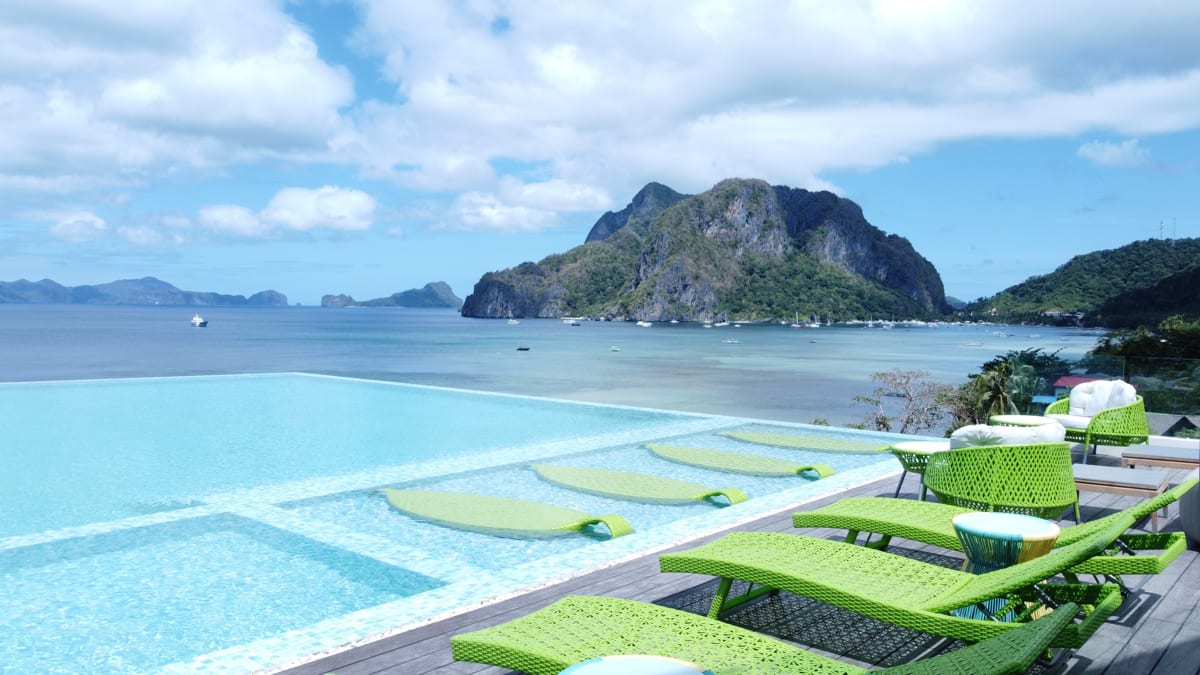
Lime Hotel and Resorts is trying to do exactly that. What began as a 46-room property in Boracay has grown into a five-hotel portfolio over the past 15 years, with new locations in the pipeline. Rather than trying to outspend international chains on lavish facilities, the company has focused on consistency in service and guest experience.
"Everyone can sell accommodation. Everyone can sell food and beverages," Sampat says. "The question is, how are you different?"
At Lime, the team is trained to accommodate guests whenever possible, making service feel flexible rather than scripted. Their internal mindset, Hitesh says, goes beyond the idea of thinking outside the box.
"The idea is not to think there's a box at all," he quips.
Those moments, he argues, are often what people remember more vividly than the rooms themselves—and often the reason they return.
"The first visit is a sale," Sampat says. "The second visit is a returning customer. The third visit—or when guests start recommending you—you've created a brand."
It's a familiar principle in hospitality, although one that's become even more visible in the age of online reviews. Repeat bookings, recommendations, and high ratings can influence a hotel's reputation as much as traditional marketing.
Keeping Pace With Modern Travel
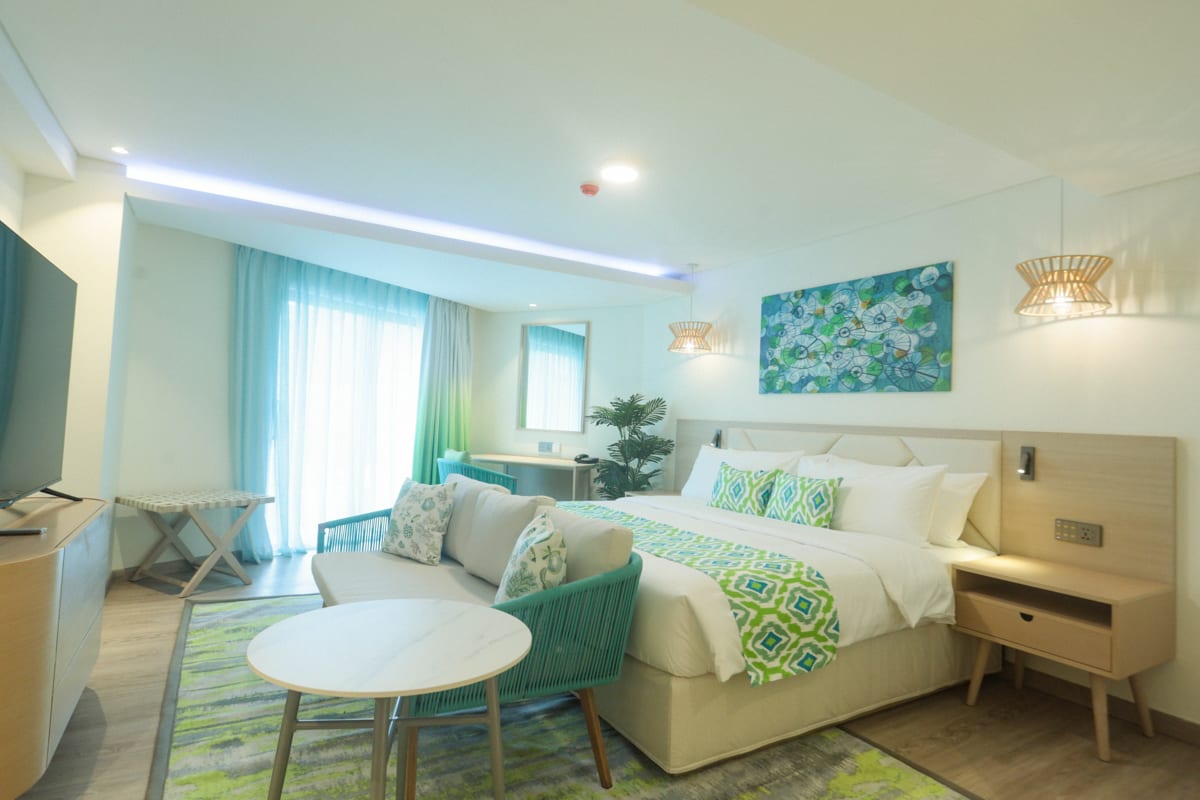
At Lime El Nido, the philosophy of personalized service extends beyond the guest rooms. The hotel's rooftop Sky Lounge has become one of its most popular gathering spots, while amenities such as private KTV rooms reflect the way many Filipinos travel—in groups, with families or friends.
Location also reflects that approach. Situated just outside El Nido's busy town center, it sits in a quieter part of El Nido, yet remains close enough to restaurants, island-hopping tours, and nightlife. As the destination continues to attract larger numbers of visitors, that balance between accessibility and distance has become part of its appeal.
Growth, however, brings new challenges.

For Sampat, sustainability is one of them. Protecting destinations like El Nido, he says, depends not only on environmental initiatives within hotels but also on encouraging visitors to travel more responsibly.
Another issue is staffing. Filipino hospitality professionals remain in demand around the world, creating intense competition for talent at home. While hospitality schools continue to produce graduates, experienced workers often leave for overseas opportunities.
Despite those headwinds, Lime plans to keep expanding. The company expects to open a property in Laiya, Batangas later this year, followed by another in Siargao, with additional developments under consideration.
The goal isn't simply to add more hotels. It's to create a recognizable experience that guests associate with the brand regardless of location.
ALSO READ
This Cebu Escape Just Ranked Among the Philippines’ Best Beach Resorts
The Second Amorita Resort and Spa is Just as Unforgettable as the First
Mandarin Oriental Makati, Manila, Is All Set to Open in December