Philippines Targets $16-Billion Wellness Tourism Boom by 2030
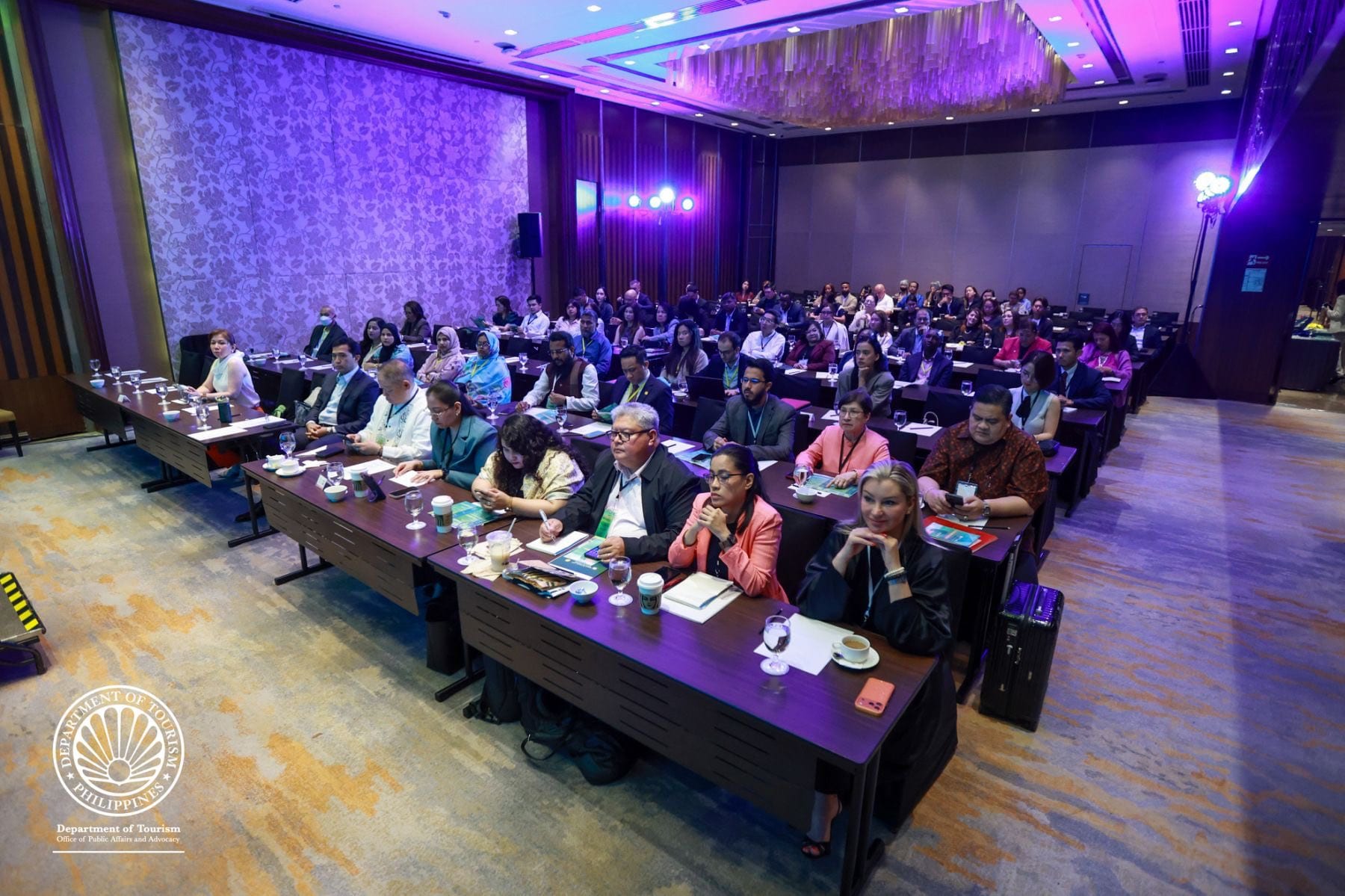
DOT hosted the 3rd International Health and Wellness Tourism Congress as part of its efforts to strengthen the Philippines’ position as a leading health tourism destination.

Published on Jun 6, 2026
The Philippines is positioning itself as a premier global hub for health and wellness, with the sector generating a U.S. $5.5 billion (P330 billion) in revenue in 2024. With this, the country is now eyeing a massive U.S. $16.3 billion wellness boom by 2030.
Speaking at the 3rd International Health and Wellness Tourism Congress, Dr. Paulo Tugbang, the Department of Tourism’s (DOT) Director for Health and Wellness Tourism, revealed that medical tourism is currently making some headway. It accounted for 23 percent of total health and wellness revenue in 2024, pulling in U.S. $1.26 billion (P75.6 billion). This establishes the Philippines as the third top medical tourism destination in Southeast Asia and the 20th globally.
High Growth Projections and World-Class Standards
Driven by a 12.2 percent compounded annual growth rate (CAGR), medical tourism alone is projected to reach U.S. $4 billion to $5 billion by 2034, attracting an estimated 200,000 international visitors annually.
A major driver of this growth is the country’s world-class healthcare infrastructure. The Philippines boasts four prestigious Joint Commission International (JCI)-accredited institutions, namely The Medical Center (TMC), St. Luke’s Medical Center (SLMC), Makati Medical Center (MMC), and Asian Hospital and Medical Center, explained Tugbang. This global accreditation ensures a hospital meets the strictest international quality and patient safety standards, allowing foreign patients to seamlessly use their health insurance to cover procedures in another country.
The cost savings for foreign patients are also significant when coming to the Philippines. For example, a coronary bypass surgery that costs U.S. $100,000 (P6 million) in the United States costs just $17,000 to $19,000 (P1.02 million to P1.14 million) in the Philippines. Currently, cosmetic surgery makes up 35 percent of medical tourism procedures, followed closely by cardiology and oncology, while in-vitro fertilization (IVF) has emerged as the fastest-growing medical procedure.
Potential in Wellness Tourism
While medical tourism brings in the highest revenue today, wellness tourism's potential is being explored. The sub-sector is projected to increase from U.S. $3.28 billion in 2024 to U.S. $16.3 billion by 2030, giving a 29.66 percent CAGR. Global flagships like The Farm at San Benito—which has racked up over 100 international awards since 2002.
Tugbang emphasized that the country holds exclusive, structural advantages that competitors simply cannot replicate. Chief among these is a massive diaspora market of millions of overseas Filipinos returning home, including 4.6 million Filipino-Americans, 2.2 million workers in the Gulf Cooperation Council states, 850,000 in Europe, and 200,000 in Australia. This is complemented by widespread native English proficiency, a global reputation for hospitality, a formal partnership with the Global Wellness Institute, and the promotion of "hilot" as a globally unique, traditional healing art. Other key source markets driving traffic to the country include South Korea, Japan, and Pacific Island territories such as Guam and the Federated States of Micronesia.
End-to-End Patient Experience
Taking advantage of both the demand and the edge in health tourism, the DOT has shifted its focus to creating seamless patient experiences. Tugbang noted that the Philippines now has the infrastructure to manage the patient journey end-to-end.
A core component of this strategy is the NAIA Terminal 3 Medical Concierge, a dedicated desk providing a seamless arrival system in partnership with top hospitals like TMC, SLMC, Asian Hospital, and MMC, alongside premium wellness and aesthetic brands including Belo Medical, Gan Advanced Osseointegration Center (GAOC), Avignon Clinic, NovoDental, and Urban Smiles. Additionally, the DOT has signed its first public-private medical tourism partnership with TMC to aggressively target markets in the U.S., South Korea, Japan, Saudi Arabia, the UAE, the UK, and Germany, while simultaneously running nationwide training for health centers in the "Filipino Brand of Wellness."
The government is also leveraging fiscal policy to boost private sector growth. Belo Nexa recently became the first aesthetic clinic recognized as a tourism enterprise under the CREATE Law (Corporate Recovery and Tax Incentives for Enterprises Act), which grants the facility lucrative benefits like income tax holidays, a special five percent tax rate (in lieu of national and local taxes), and duty-free imports of capital equipment. Other major industry milestones include the GAOC being officially recognized as a top dental tourism destination, St. Luke’s Medical Center becoming the first Philippine hospital to receive Global Healthcare Accreditation, and a new partnership between Japan’s top aesthetics brand, Shinagawa, and Asian Hospital.
ALSO READ:
The DOT is Working on a Blueprint to Develop Medical Tourism in the Philippines
Today I Learned: Sri Lanka Is Home to Luxurious Ayurvedic Retreats
View More Articles About: