Did You Know? The Philippines Is the Only Southeast Asian Country to Impose Travel Tax
Should Filipinos be taxed for traveling outside of the country? Netizens have been up in arms.
Published on Jan 25, 2026
When planning a trip, travelers factor in a range of expenses to ensure a smooth and comfortable journey. For Filipinos heading abroad, this often includes setting aside a few thousand pesos for travel taxes—an added cost many have long accepted as part of the process. Instituted through a presidential decree during the Marcos Sr. administration, the policy has remained a subject of debate, particularly as it significantly adds to overall travel expenses.
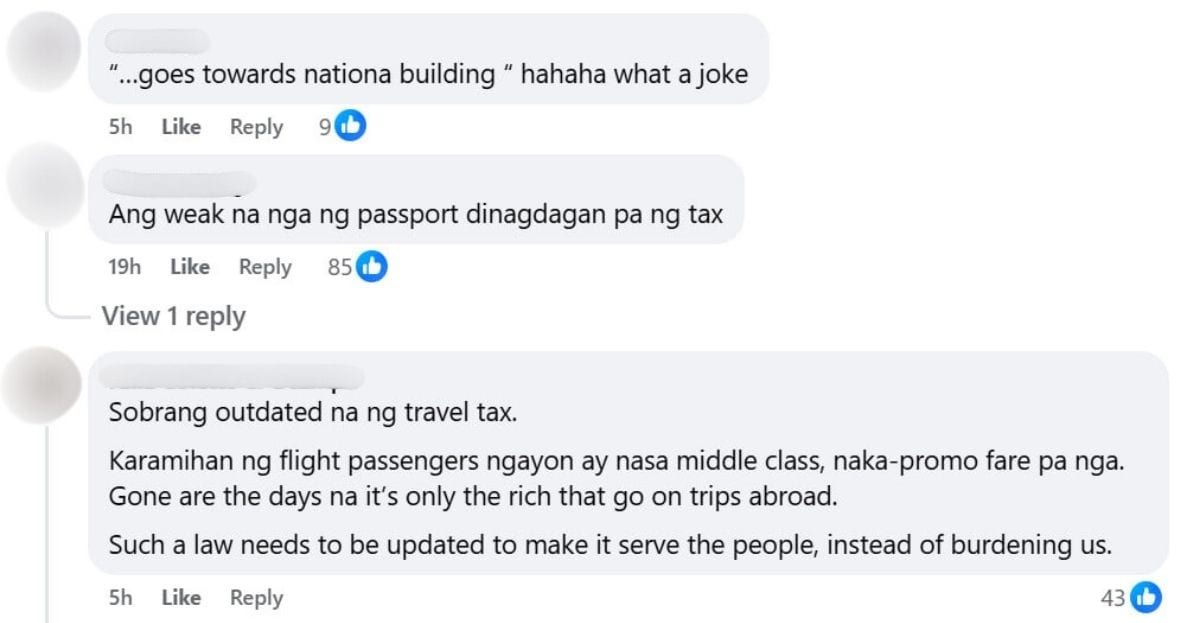
Online, Filipinos have voiced growing frustration over the tax, pointing to the lack of immediate benefits and limited transparency on where the funds are allocated. “Such a law needs to be updated to make it serve the people instead of burdening us,” one netizen wrote.

What may come as a surprise to some is that the Philippines is one of the few countries that imposes a travel tax on its own citizens—in fact, it is the only nation in Southeast Asia with such a mandate.
Here's Why the Philippines Imposes a Travel Tax on Its Citizens
The travel tax traces its origins to Republic Act No. 1678, enacted in 1956, and later revised and enforced through Presidential Decree No. 1183 in 1977. It was intended as a primary funding source for tourism-related programs, with its current framework shaped during the Marcos Sr. administration.
The Tourism Infrastructure and Enterprise Zone Authority (TIEZA) defines the travel tax as “a levy imposed by the Philippine government on individuals who are leaving the country, irrespective of where the air ticket is issued and the form or place of payment.” The tax applies to Filipino citizens, permanent resident aliens, and foreign passport holders who have stayed in the Philippines for more than one year.
According to TIEZA, proceeds from the travel tax are allocated to three main beneficiaries:
• 50 percent goes directly to TIEZA
• 40 percent is allocated to the Commission on Higher Education (CHED) to support tourism-related educational programs and courses
• 10 percent is earmarked for the National Commission for Culture and the Arts (NCCA)
At present, the full travel tax amounts to P1,620 for economy class passengers and P2,700 for first-class passengers. Certain exemptions and reduced rates are available to specific traveler categories and professional groups.
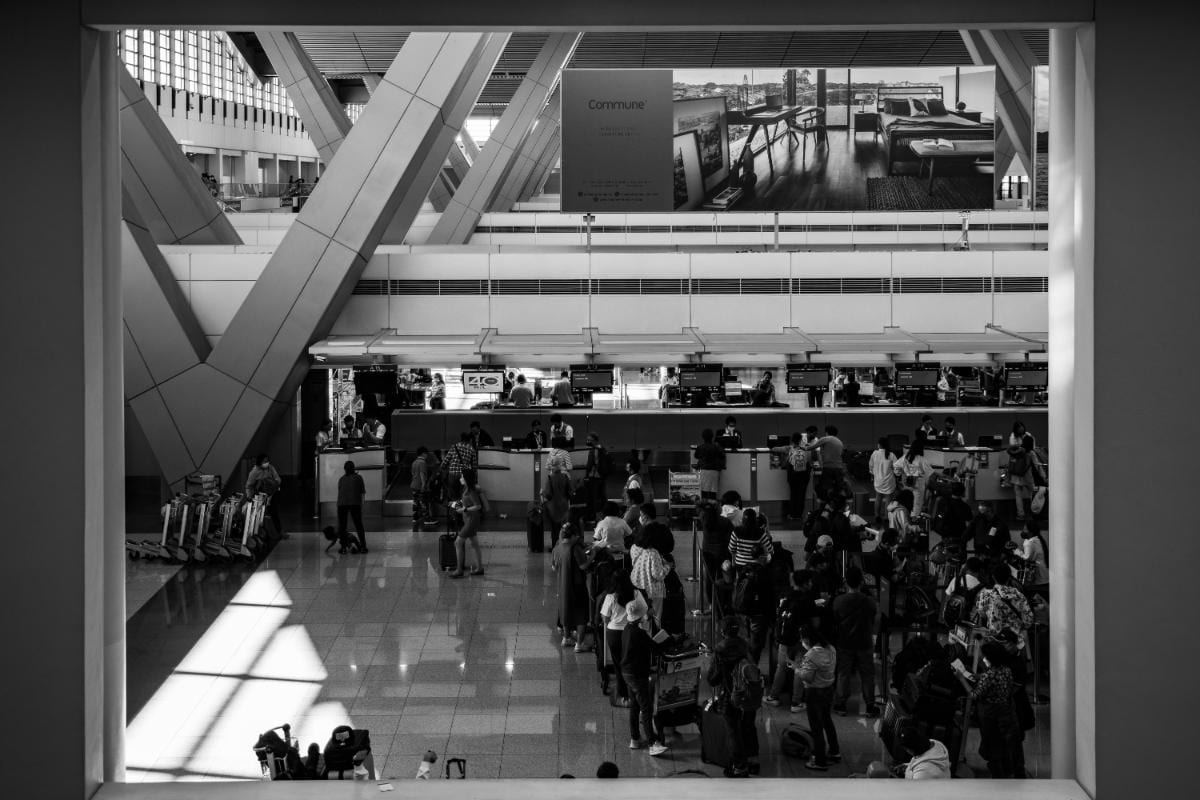
The Philippines remains the only Southeast Asian country that imposes a travel tax on departing citizens. Under the ASEAN Tourism Agreement signed in 2002, Article 2 encourages member states to promote intra-ASEAN travel by “phasing out travel levies and travel taxes on nationals of ASEAN Member States traveling to other ASEAN Member States.” While some countries in the region continue to incorporate exit fees into airline ticket prices, the Philippines stands alone in maintaining a separate and mandatory travel tax.
Despite this regional commitment, the policy has remained in place locally, with the Tourism Infrastructure and Enterprise Zone Authority (TIEZA) frequently citing “nation-building” as its justification. The agency maintains that revenues are allocated toward improving airport infrastructure and funding programs that support local tourism. For many travelers, however, this rationale has become increasingly contentious, particularly amid questions about necessity and impact.
Sen. Raffy Tulfo has since filed a proposal seeking to remove the travel tax for economy class passengers. “It cannot be denied that the ordinary Filipino traveler, particularly those who travel on economy class, bears an undue financial burden because of the travel tax,” the senator said.
Filed under Senate Bill No. 88, the measure seeks to exempt economy class passengers from paying the exit fee, while retaining the tax for business- and first-class travelers. “This is compounded by the already heavy tax obligations imposed on Filipino citizens, including income and consumption taxes," he added.
What do you think? Should the travel tax be removed?
This story originally appeared on Preview.ph.