Probing the Male Gaze at the Heart of Survival Horror Video Games
Leon Kennedy finally looks like he's been through something. A look at how survival horror keeps its men alive only to make them suffer, over and over, for the women who haunt them.
Published on Jul 29, 2026
*This piece contains spoilers for the Resident Evil series, Silent Hill, The Last of Us, The Evil Within, and Alan Wake
While playing Resident Evil Requiem (2026), I was surprised at how its main hero was portrayed. Here I see Leon S. Kennedy, the cool and suave lead of Resident Evil 2 (original 1998, remake 2019) and Resident Evil 4 (original 2005, remake 2023), battered and on the brink of death.
Requiem is a sequel of sorts to the legendary second game. In it, Leon returns to Raccoon City 28 years after its destruction and learns that a conspiracy has taken root, has budded through the decades, and has taken hold of survivors. Narrative-wise, the game recontextualizes well-established lore. Character-wise, it makes a legacy character reckon with the past and his own mortality.
In survival horror video games, lead protagonists are made to face dire consequences. It is what the genre commands, after all. Make a confident hero and you'd get an action game. In survival horror, death is only lurking behind the corridor. Resources are sparse. Direct confrontation with enemies is not always the smartest option. A caveat: Leon's gameplay in Requiem still harkens to the action-heavy tradition of Resident Evil 4. His counterpart Grace Ashcroft leans more to actual survival horror. But the point stands. In 2026, Capcom has given the perennial cool guy vulnerability.
Leon follows a thread of "imperfect" male survival horror protagonists. Mental health issues, unresolved trauma, and toxic masculinity plague them. There are also female survival horror protagonists (Jill Valentine, Claire Redfield, Rebecca Chambers, and Ada Wong in the Resident Evil series; Ellie Williams and Abby Anderson in The Last of Us Part II, 2020; Heather Mason in Silent Hill 3, 2003; Shimizu Hinako in Silent Hill f, 2025; and Saga Anderson in Alan Wake 2, 2023), and they face their own trials and tribulations.
Survival horror is heavily gendered. In this article, I want to take a look at how the genre grapples with the male experience.
From Silent Hill to Union: A Roster of Men Who Never Saved Anyone
James Sunderland, the tragic protagonist of Silent Hill 2
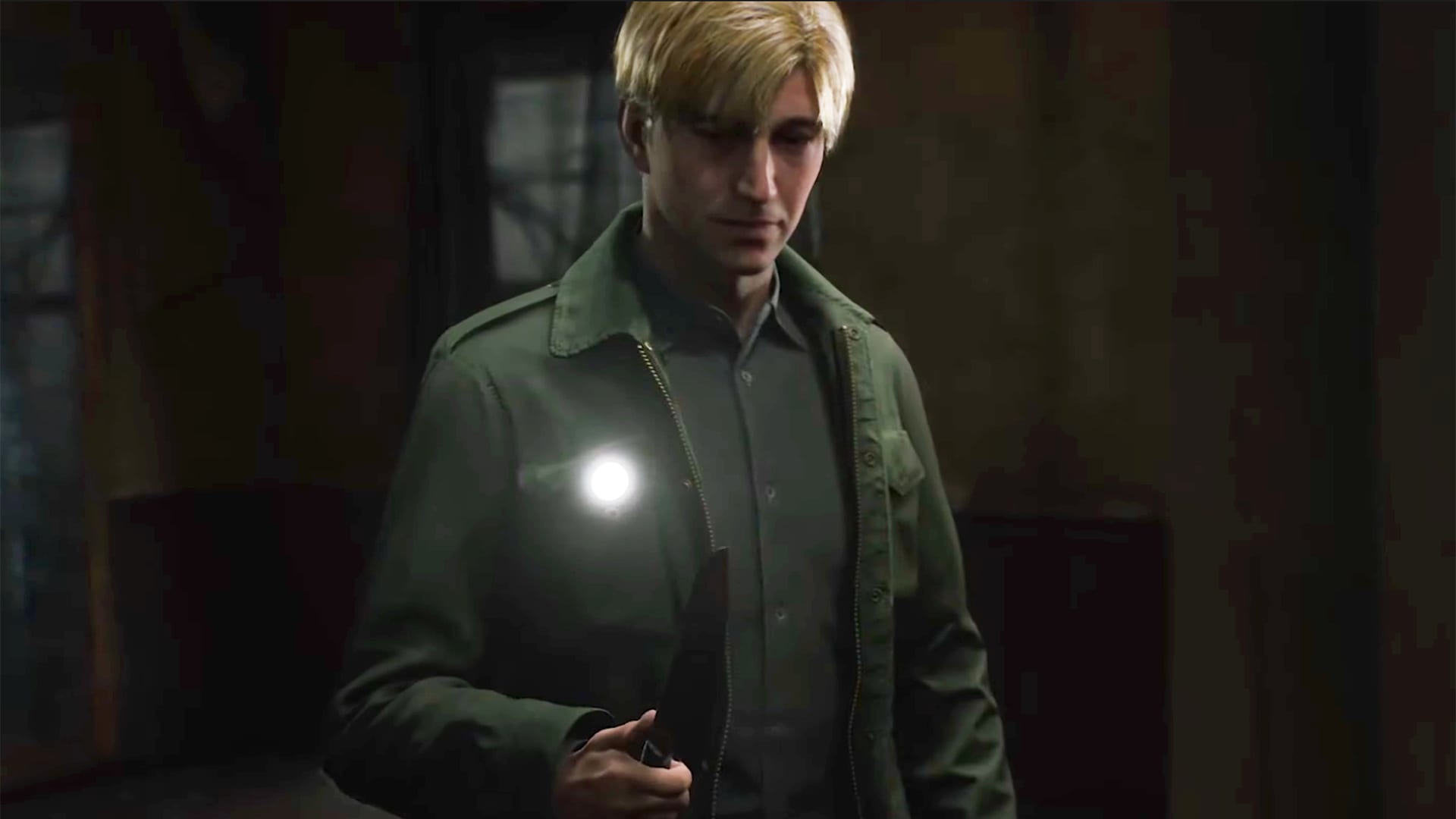
James Sunderland in Silent Hill 2 (original 2001, remake 2024) takes the crown for the quintessential male survival horror lead. He's an unreliable narrator, psychologically unstable, and morally dubious. Silent Hill 2 revolves around James confronting the guilt he carries after murdering his sick wife Mary, believing her to be alive and waiting for him in the eponymous town. His guilt manifests as the monsters inhabiting Silent Hill, and Pyramid Head is but a conduit to realize his need and desire for punishment. He is a far cry from protective father Harry Mason in the first Silent Hill (1999).
Similarly afflicted with delusions is starship engineer Isaac Clarke in Dead Space (original 2008, remake 2023). When the USG Ishimura went dark, Clarke and his crew investigate and find it overrun with Necromorphs. They discover a conspiracy involving a cult and a hive mind controlling the Necromorphs. Similar to James, Isaac is an unreliable narrator manipulated by the Hive Mind into thinking that his girlfriend Dr. Nicole Brennan survived Ishimura and is guiding him. Nicole's actually dead all this time, and Isaac unwittingly becomes a pawn.
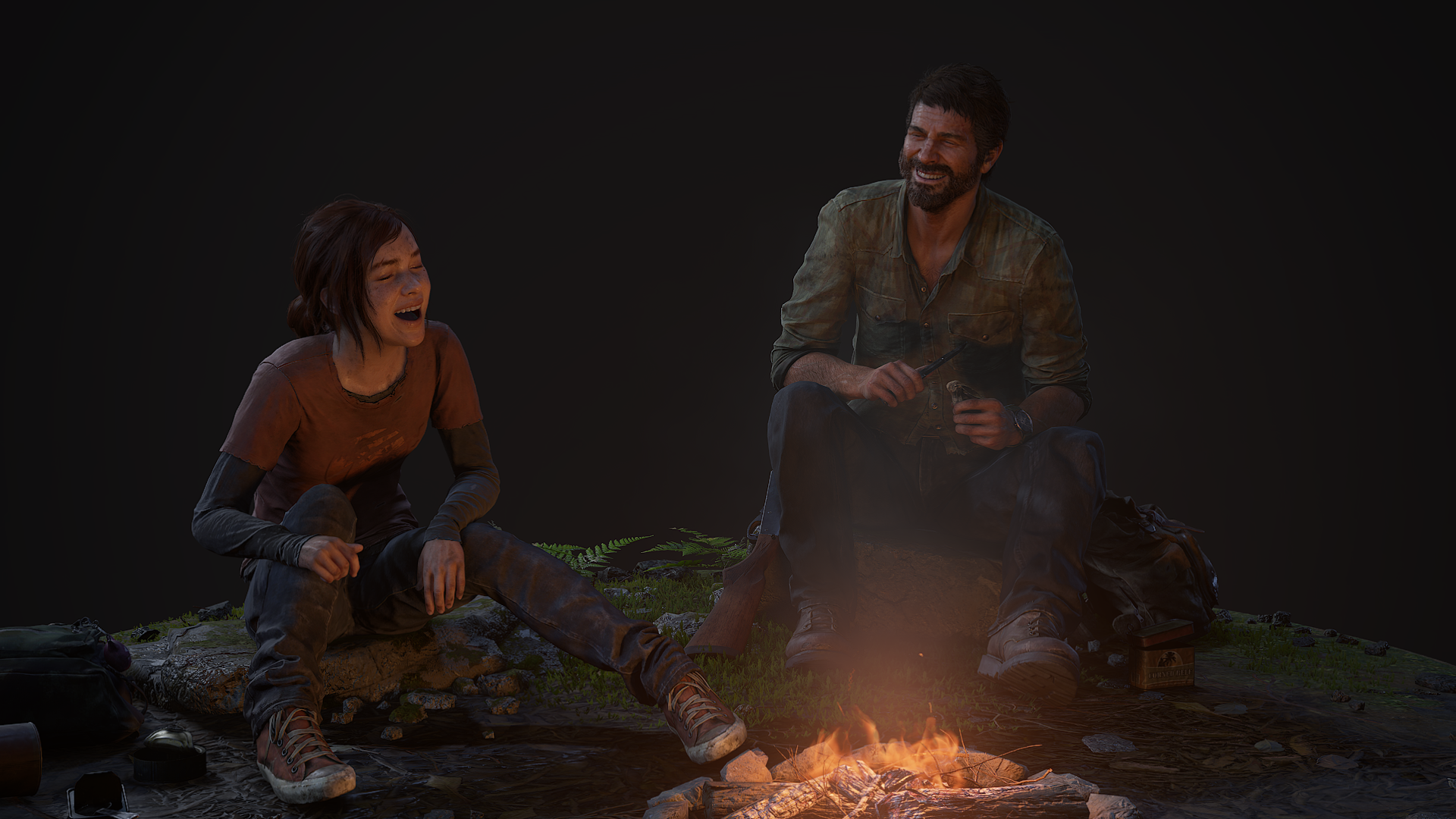
Joel Miller in The Last of Us (2013) wasn't a perfect father. After losing his daughter at the onset of the apocalypse, he found a daughter figure in Ellie. Tasked to deliver her to the Fireflies, Joel quickly formed a bond with Ellie amidst challenges on the road. At the end of his mission, Joel realized the Fireflies' true intentions with Ellie. He killed the survivor group and effectively denied the world a cure when he chose to selfishly save Ellie. Joel then lied to Ellie, and she felt robbed of the chance to save the world with her life.
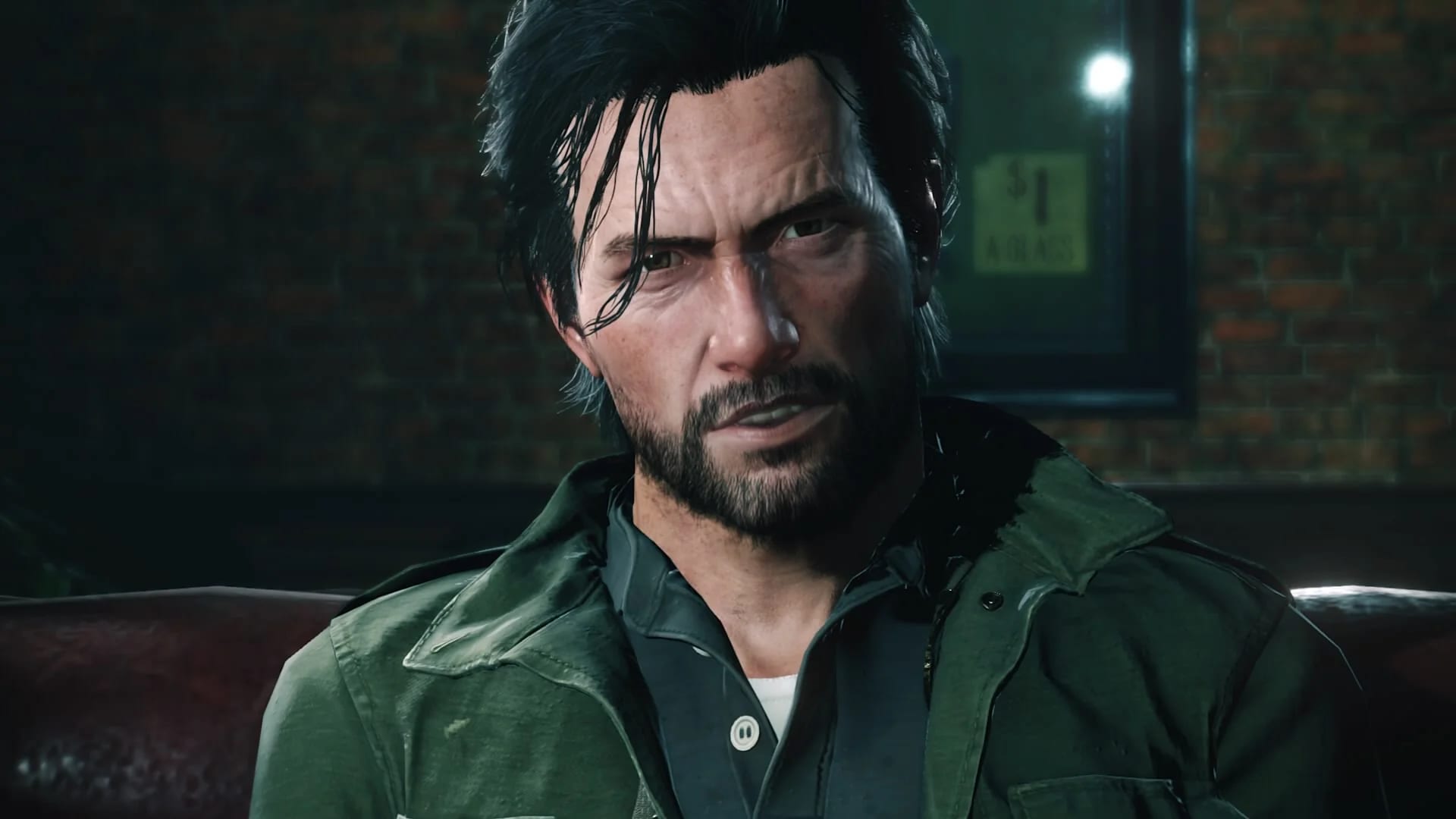
Sebastian Castellanos is haunted by a dead daughter and an estranged wife in The Evil Within (2014). After investigating the scene of a mass murder at Beacon Mental Hospital, reality melts as Sebastian and his partners are plunged into a surreal apocalyptic world by suspect Ruvik. In truth, their brains are hooked up to a STEM machine back in the hospital, where their minds meld into one. The reality they're experiencing is just a fake one created by the machine, which was created by the shadowy organization Mobius. In the sequel The Evil Within 2 (2017), the conspiracy revolving around Sebastian grows as he learns his daughter Lily is still alive and is used to sustain a new STEM system. Sebastian hooks into the STEM-created nightmarish town of Union to save his daughter. He finds deranged foes inside that leverage his own guilt against him, including his own wife Myra, who is seeking to save Lily through her own means.
Joel and Ellie from The Last of Us
Ethan Winters went into separate wife-saving and daughter-saving ventures in Resident Evil 7 (2017) and Resident Evil Village (2021). In the former, Ethan finds himself in the monstrous Baker House in Louisiana after he receives a message from his missing wife Mia. In the latter, he's in a European village filled with vampires and lycans searching for his kidnapped baby daughter. In both games, he learns the true origins of his family and even of himself, who technically died in the first minutes of the first game.
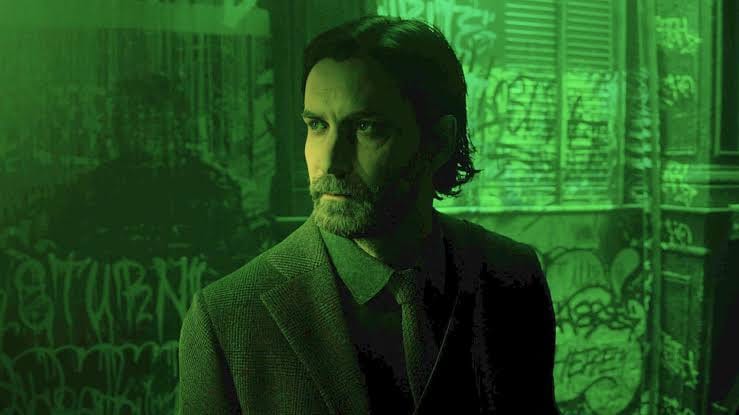
And finally, there is the crime fiction author Alan Wake in Alan Wake (2010) and Alan Wake 2 (2023). In the first game, he and his wife Alice travel to the town of Bright Falls, where Alice is dragged down to Cauldron Lake by a supernatural force known as the Dark Presence. Alan discovers this force is using his writings to warp reality and escape the lake. He ultimately uses his ingenuity to trade himself with Alice in the Dark Place. The sequel, set 13 years later, shows Alan still trapped there.
Dead wives, missing daughters. You see the pattern by now. These male protagonists go through similar arcs of suffering. But if you look closely, the horror does not cause their estranged relationships with their families. If anything, the horror stems from the fracture. So what do these video games say about the male ego? They show what matters most to the heart, yes. But do they espouse a limited worldview where male retribution foregrounds the suffering of others?
Alan Wake
Endings and the Illusion of Choice and Customizable Suffering
Sebastian Castellanos
The way video games work, you get multiple endings based on your actions. Silent Hill 2 shows three main endings: James accepting his wife Mary's forgiveness and leaving the town; James committing suicide upon confronting the reality of him murdering his wife; and James replacing Mary with her doppelganger Maria to start a new cycle of suffering. The endings show that James blamed Mary for falling sick and robbing him of a happy life, leading to the deed. Mary's feelings about her sickness and James' betrayal weren't really given proper focus. What's important to the plot is how James coped with his guilt. Similarly, an alternative ending of Dead Space shows Isaac succumbing to the Hive Mind as he leaves the Ishimura with a comforting hallucination of Nicole. The original ending shows a monstrous Nicole haunting a mentally afflicted Isaac. The real Nicole never appeared in the game.
Joel Miller faces the full consequences of his actions in The Last of Us' sequel as he becomes estranged from Ellie and as Firefly remnants hunt him down to a fatal end. Ethan Winters faced a final death to protect his wife and baby daughter Rose Winters. Conversely, Ellie and Rose are fully realized characters confronting the rocky relationships they had with their father figures as they become leads in The Last of Us Part II and Resident Evil Village's DLC Shadows of Rose. These examples show how female protagonists offer a counterweight to the male gaze.
Sebastian Castellanos gets the happy ending, living with his daughter Lily. Yet it's still realized through Myra's sacrifice. Alan Wake potentially had the best ending for himself. In the finale of the second game, Alan was able to beat the Dark Presence and break the cycle trapping him for 13 years. But to do it, he had to incorporate others, including co-lead Saga Anderson, into his stories, effectively manipulating them for his ends. All that happens in the plot has been written by Alan himself, in disjointed timelines, oblivious even to his own machinations. Moreover, the game points out how Alan's wife Alice has actually been helping him in the background all along. Yet she's physically absent in the game.
Alan can be viewed as an example of the archetypal tortured author. Yet he's the hero of his story. To consider the others, like James and Joel, as heroes may be up for contention. They're more like anti-heroes. What's similar among them, however, is that they're all tortured souls. But are they men tortured by their misaligned masculinity or the lack thereof? Looking at the narratives above, it would point to the former. None of it points to more bullet spraying, more melee smashing, or more violence as the fix. Neither does it mean that termination through sacrifice or retribution would mean vindication. The answer lies somewhere in shedding the chains that make them less than fully human. Survival horror forces these men to confront their humanity. As a line uttered by the paragon of healthy masculinity, David Lynch, as Gordon Cole in Twin Peaks (itself a huge inspiration for the Silent Hill and Alan Wake series), goes: "Fix your hearts, or die!"
View More Articles About: