The Chemical Romance of Manila’s Professional Class
A look at Manila’s high-functioning nightlife, where drugs are less a scandal than an open secret woven into everyday success and social life.
by Molly
Published on Apr 2, 2026
While state forces were busy doubling down on shabu during Duterte’s war on drugs, higher-end substances slipped through law enforcement. Party drugs, often upper-class indulgence, were rarely mentioned in Duterte’s rhetoric, rarely raided in upscale clubs, and almost never linked to the same moral panic. The result was predictable: MDMA smuggling rose by 460 percent (Philippine Drug Enforcement Agency data), and other party drugs quietly flourished in Manila’s gentrified nightlife yet there is little to no coverage of its existence.
They were just things that appeared after midnight, once the table had emptied of polite conversation and filled instead with the confidence of people who knew its consequences were for other lesser zip codes. Meanwhile in Makati, in BGC, in beach houses financed by someone’s prestigious salary or someone else’s family money, it was all talked about in the language of enjoyment. Something to keep you up and feel good. Something to take the edge off. I told myself I was only ever adjacent to it, which was the first lie.
It began the way many compromises do: socially, almost politely. Nobody sat me down and made a pitch. There was no initiation, no dramatic crossing over. Just a sequence of rooms in which the rules seemed to loosen at the exact pace that everyone else’s discomfort disappeared. A pregame in a condo with recessed lighting and a tray of convenience-store-bought liquor. A birthday in Poblacion where the music was loud enough to flatten thoughts. A weekend in Siargao where the afternoons were for wellness recovery and the nights were for pretending to discover a newfound appetite for life. Another underground rave, another liminal refuge in obscurity.
In each place, someone knew someone. Someone always reassured you when you hesitated, with the easy confidence of people who mistake familiarity for safety. That was the second lie: that danger stops being danger once it becomes normal.
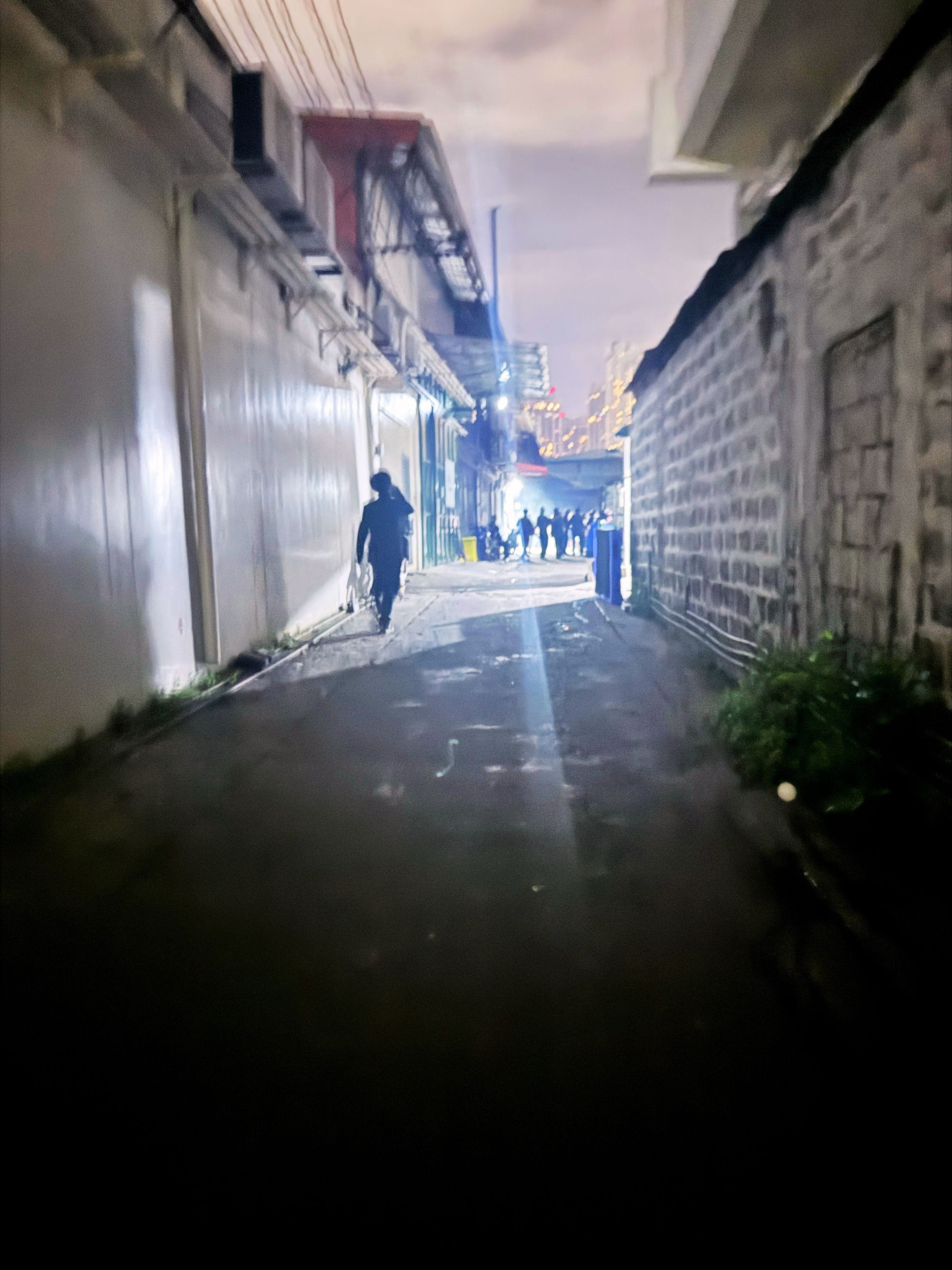
There is a particular kind of urban denial that thrives in Manila, especially among people with enough money, enough English with the right inflections, and enough insulation to believe they are merely elevating experiences and exercising their agency. It is framed as a little chaos for the plot. A little recklessness to prove you are not as boring as your LinkedIn suggests. By day, everyone was hydrated, employed, politically literate, and careful about sunscreen. By night, everyone seemed to know the right words. Consent. Community care. Hydrate, pace yourself, don’t judge. It sounded progressive, tender, evolved.
And the Philippines, for all its conservatism, has always had a talent for parallel realities. Officially, we are a nation of propriety, piety, and family photos. Unofficially, we have long understood the art of concealment. We know how to split a life in two and make both halves look plausible. The same people who will perform moral rhetoric in daylight will give you a location pin by midnight. The same city that punishes this vice often accommodates it architecturally: inside private villages, underground parties, on islands where the guest list is short and the memory is shorter.
The city had its own map after midnight. Not the respectable one of dinner reservations and last calls, but a quieter cartography of underground parties, where the location is revealed to ticket holders only a day before the event. At underground raves, people indulged in a cocktail of substances each carrying its own social function, its own promise of euphoria, stamina, visual and tactile enhancement. Later came the afterparties in rented Airbnbs, hotel rooms, where the glamor thinned out under recessed lighting while everyone kept extending the night.
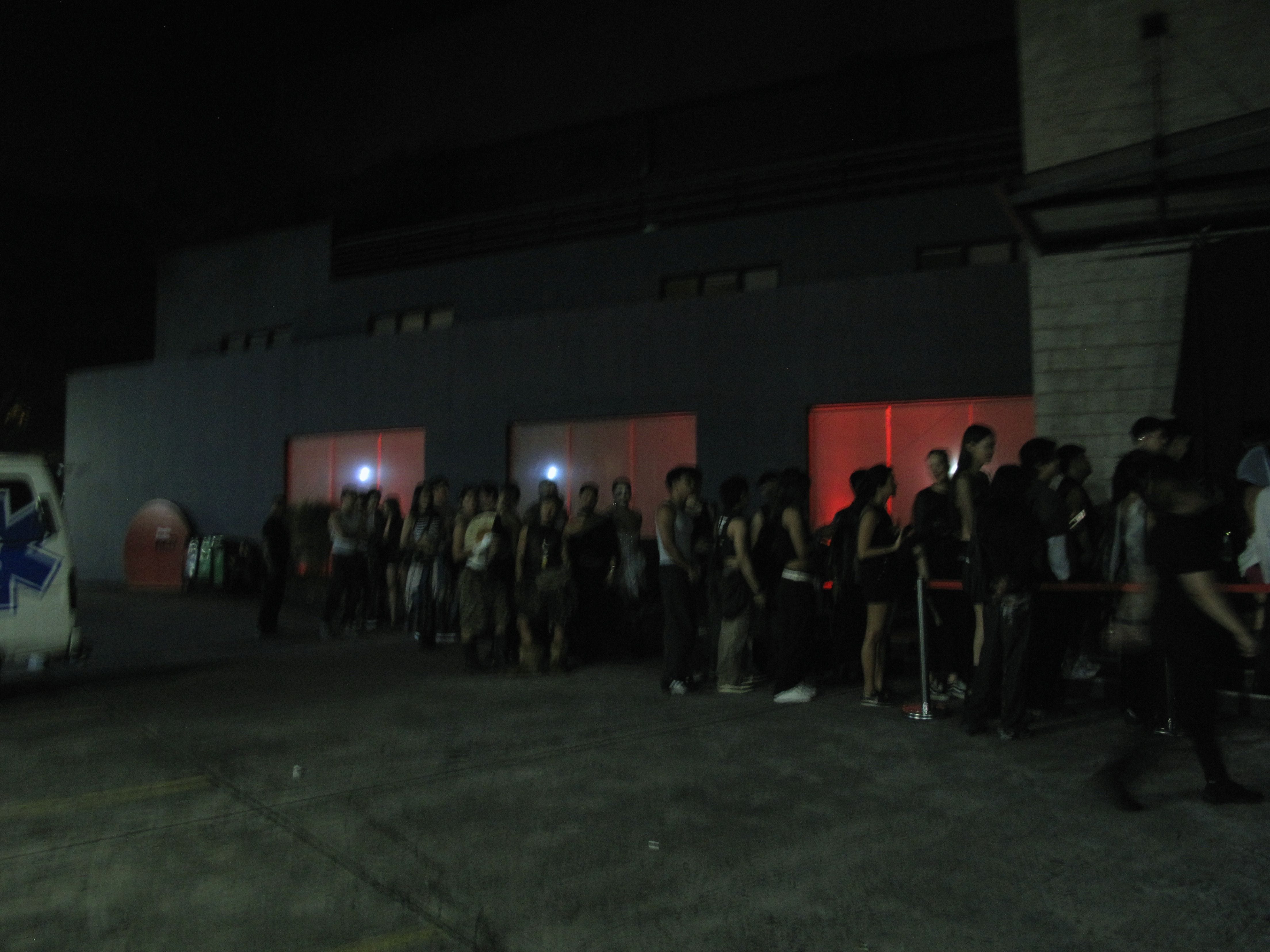
There were other rooms, too, and other scenes, spoken about more quietly but hardly hidden from the people inside them: chemsex circles where even meth and G were tolerated with a casualness that now feels more frightening than transgressive.
Meth (or shabu), long associated with the brutal pragmatism of poverty—a drug used by manual laborers to push through hunger, exhaustion, and long hours—had been repurposed here into something almost grotesquely aspirational, recast as a chemical aid for stamina, libido, and the performance of endless desire. GHB, a substance more commonly known to the wider public as a date rape drug, had somehow been absorbed into the recreational logic of the scene, its menace dulled by familiarity. That was the real appeal of it—not that it looked dangerous, but that it often looked ordinary to the people already in it. Substances with reputations for casualties were folded into the social grammar of the night, passed around with the same shrugging familiarity along with a bottle of poppers.
By the time stories surfaced about somebody not waking up, the shock felt almost dishonest. Alter X accounts (formerly Twitter) with large followings would be full of posts about harm awareness, addiction awareness, boundaries, mental health, looking after your friends. It should have felt reassuring. Instead the discourse often felt patronizing, even dishonest, because it came from the same social ecosystem that kept reproducing the danger. The people warning each other were often the same people hosting, attending, and normalizing the chemsex orgies that happened almost every week, as if disclosure alone had absolved participation.
Everyone knew the right words. The cautionary language was there, but so was the machinery of repetition. It was hard not to feel that the community had developed a polished vocabulary for concern without ever meaningfully interrupting the behavior itself. What made it unsettling was not the absence of awareness, but its coexistence with routine. The strangest part was how fluent the scene had become in the language of care.
Every so often, someone would die, and the news would move through the scene with that familiar mixture of shock and recognition. An acquaintance. A friend of a friend suddenly reduced to a cautionary whisper. But even then, the truth was often softened or hidden completely. Families, crushed by grief and the social embarrassment attached to drugs, would reach for alternate explanations: a heart problem, an accident, suicide, a medical emergency, anything that spared them the humiliation of saying plainly what had happened. Part of it was stigma, and part of it was disbelief—that their child, whom they raised morally upstanding and knew in the daylight, could have belonged to this other life. So the cause of death is often concealed, and what remained was a silence that protected reputations better than it protected anyone still alive.
I wish I could say I was drawn in by despair or pressure; that would make it sound more serious, maybe even more forgivable. But the truth was more shallow. I was drawn in by boredom, vanity, and the desire for novelty outside my uninspiring office job. I liked what it did to the room before I admitted what it did to me. I liked the temporary enhancement of it, the way people suddenly seemed more articulate, more affectionate, more vulnerable yet more certain. The night would stretch and soften, and for a few hours, everyone became the best version of themselves.
One of the hardest things to admit is that many of the people I met in those rooms were not monsters or predators. If anything, they often seemed like the most sincere versions of themselves I would ever encounter, their usual defenses chemically stripped away, their affectations dissolved for a few fragile hours. They could be extraordinarily gentle, almost painfully tender. On nights when I most needed comfort, they were the ones who gave it: holding me through sudden sadness, speaking to me with softness that ordinary life rarely permits, accepting whatever I confessed without recoil, correction, or intrusive curiosity about who I was beyond that moment.
There was a kind of radical acceptance in those spaces that felt more immediate than anything available elsewhere: people who listened without flinching, who understood without requiring translation, who made room for sadness, shame, confusion, and need. That was part of the seduction too. It was not only the drugs, but the feeling of being received so completely. The scene did not survive on hedonism alone, but on the believable promise that you could be fully received.
That was the trap: enhancement. Not collapse, but function with better lighting.
The following day had a particular texture: hotel blackout curtains leaking light at the edges, a dead phone. The body keeps score, people say, but so does the psyche. What nobody tells you about these scenes is how profoundly uncinematic the aftermath is. Not tragedy in the dramatic sense, but depletion. Irritability. Physical exhaustion. A sudden distrust of your own memory. Anxiety so shapeless it attaches itself to whatever is closest: a delayed reply, a racing heart, a knock on the door, a parent asking where you were.
And because shame is rarely glamorous, people learn to narrate around it. They reduce everything to jokes, to coded references, to “grabe last night may nag-Emily sa afters” and “never again, ‘di na papalo ulit” delivered with the exact tone that suggests there will, in fact, be an again.
The most dangerous phase of any habit is the one in which it remains manageable enough to defend. People are still showing up to work after multi-day benders. Still meeting deadlines. Still posting photos, eating clean, and maintaining a disciplined exercise regimen. From the outside, unmistakably fine. If there was damage, it was interior and therefore easy to postpone or ignore.
This is what people miss when they imagine so-called party drugs as belonging only to the reckless, the dysfunctional, the obviously aimless. In reality, they can settle quite comfortably into the lives of the high-functioning and the well-dressed. They are often less about rebellion than about maintenance: staying up, staying charming, staying interesting and relevant.
They thrive in industries and social worlds that reward stamina, sociability, and the appearance of effortless excess.
Confession, if it is worth anything, should cost the speaker something. So here is the truth stripped of style: there were nights I knew better and went anyway. There were people I judged for being too far gone when I was really trying to place a safe distance between their visible unraveling and my own curated version of the same appetite. I was never the worst in the room, which is another useless benchmark people use when they are not ready to tell themselves the truth.
Eventually, the allure wore out before the damage did. The parties became repetitive. The conversations became strangely interchangeable. The glamor, if there had ever been any, started to look like fluorescent fatigue. What once felt like access begins to feel like maintenance of a very expensive emptiness.
The people, too, stopped feeling new. They were often the same sort you would meet anywhere else in Manila: underpaid creatives, mid-level marketing people, freelancers whose day jobs were as ordinary as anyone’s. Once you have heard the same conversations from different mouths, the same declarations of freedom from people bound by the same compulsions. They carried the same world view and opinions from room to room, though most of them were recycled from the same timelines, the same group chats, the same subcultural echo chamber.
That was when the emptiness began to show itself more plainly. Not in dramatic breakdowns, not always in obvious ruin, but in the deadening predictability of it all. The afterparties, the half-lit hotel rooms, the chemically extended conversations that only seemed profound because nobody slept. And yet, I understand why the illusion holds. They provide ease where there is awkwardness, intimacy where there is alienation, transcendence where there is only repetition. They can make a lonely person feel chosen, a timid person feel luminous, a tired person feel inexhaustible. In a city as stratified, performative, and overheated as Metro Manila, that promise can be hard to resist.
Drug dealers, at least in the circles I knew, rarely looked like the figures on television. They were not kingpins in compounds, not caricatures flanked by guns and menace. More often they looked exactly like the rest of us: white-collar professionals, freelancers, people with ordinary lives, people who treated the trade less like a descent into criminal underworld than like another stream of income. They looked, spoke, and carried themselves like people already familiar to us, which made the risk easier to domesticate, and the moral boundary much easier to ignore.
Occasionally, there were people who came back from medical confinement or rehab and already seemed doomed to return, not because recovery was impossible, but because nothing around them had changed. Their entire social life still revolved around parties, drugs, and the same people rehearsing the same behaviors. Recovery, in that setting, could feel less like a turning point than a brief administrative pause. The language around it only grew softer: harm reduction, safer use, no judgment, no stigma. Much of it was humane, even necessary. But it also made it easier for everyone to sound caring while leaving the scene itself untouched.
They were right to say addiction is not a moral failure. But within those circles, that truth could start to do more than relieve shame. It softened the shame, but it also softened the scrutiny. Nobody wanted to sound punitive or unkind, and so the more uncomfortable facts were left untouched: that some people had not been cornered into the cycle by desperation, but eased into it by privilege, boredom, and the belief that their lives could absorb the consequences. Compassion mattered. But sometimes it became indistinguishable from permission.
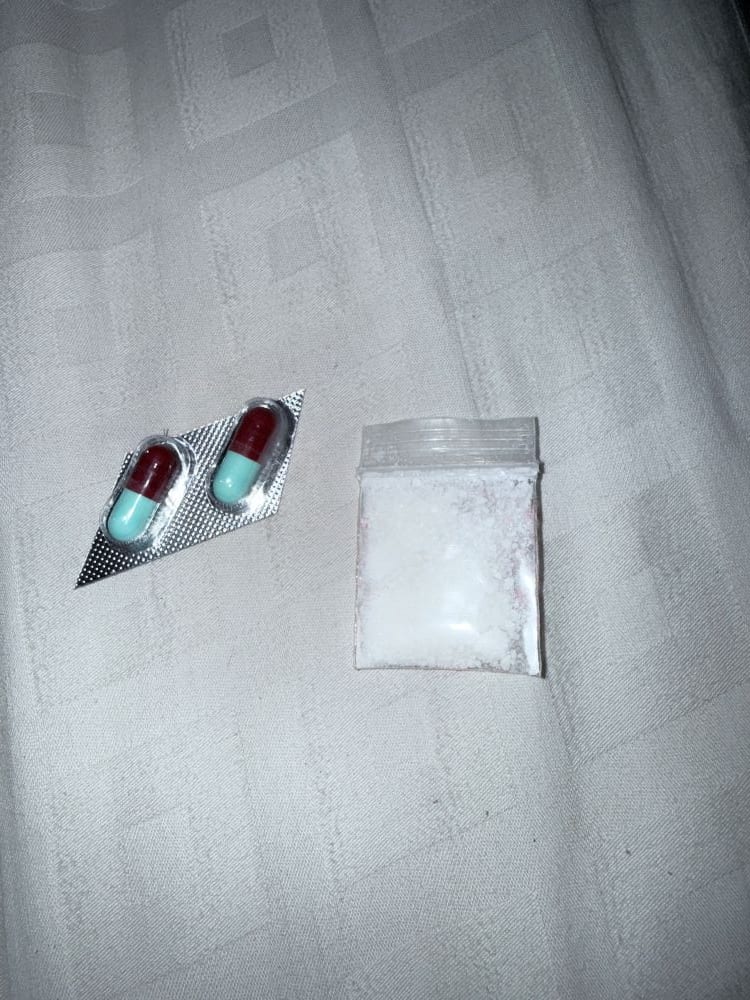
I still think about the language we used. Not because the code words were unusual, but because they were so ordinary. That, more than anything, was what made the whole thing dangerous. Nothing arrived looking like catastrophe. It arrived smiling, sociable, tucked in a cute pink bunny Ziploc. Nobody called it excessive. Nobody ever said: enough. Instead, the advice was always softer, more accommodating: be mindful with dosage, take a tolerance break, as if danger could be managed simply by sounding responsible about it. The language did not deny the risk. It simply made us arrogant enough to think it would spare us.
If you or someone you know is struggling with substance use, help is available. Reach out to the Substance Abuse Helpline at 1550 to speak with someone who can guide you toward support, treatment options, and recovery.
The author is a professional shaped by one of the country’s most respected academic institutions and by professional experience in highly competitive multinational corporations. Writing from within Manila’s ambitious, image-conscious professional class, they are interested in culture, lifestyle, and the social worlds people construct behind respectable public selves. They wrote this piece as a personal reckoning with a milieu they once knew from the inside, having begun to outgrow not only the lifestyle but also the moral evasions that kept it intact.

Editor's Note: In response to this, an essay titled "Exposing Manila’s Nightlife: The Real Score on Party Drugs and the People Who Use Them" was written by Rio Grecia and published on Esquire Philippines on April 9.
View More Articles About: