Today I Learned: Babaylans Still Walk Among Us
Esquire Philippines talks to Binabaylang Ming-un about ancestral wisdom, spiritual responsibility, and what it means to walk between the physical and unseen worlds.
by Igi Talao
Published on Oct 31, 2026
There are certain figures in Philippine history who seem to belong to another time. The babaylan is one of them. Often associated with precolonial communities, these spiritual leaders have long occupied a place in the country's cultural imagination, serving as healers, mediators, and keepers of knowledge. But while history may have relegated them to the past, the babaylan is far from extinct.
For Binabaylang Ming-un, being a babaylan is not about inhabiting an identity from another era. It is a living responsibility—one that exists alongside the ordinary rhythms of modern life.
She began her spiritual journey in late 2017, initially drawn to divination and the occult. At the time, however, much of what she explored was rooted in Western traditions, leaving her feeling disconnected from her own heritage. That changed when she was introduced in 2022 to Binabaylan, a sisterhood and collective of modern babaylans dedicated to practicing, preserving, and educating others about their traditions.
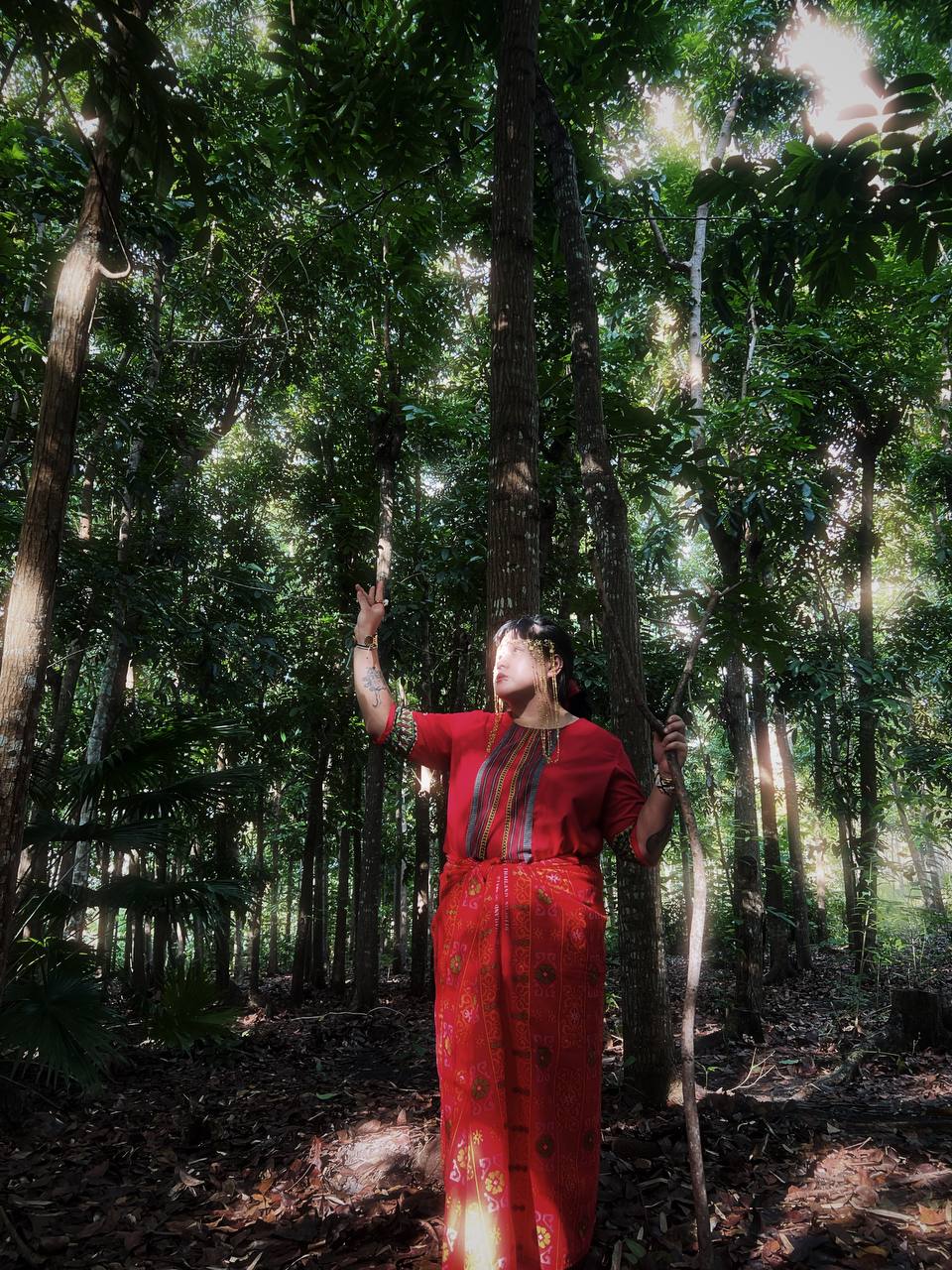
After years of training, Binabaylang Ming-un went through a tupadan (initiation) in August 2025. Today, she considers herself a babaylan, carrying forward a practice that she believes is as relevant now as it was generations ago.
To understand what a babaylan does, one must first move beyond the usual associations with witchcraft and the supernatural. As Binabaylang Ming-un explains, Babaylans have traditionally served as pillars of their communities. They are healers, mediators, knowledge keepers, spiritual guides, and advocates for justice. Their responsibility extends beyond the individual, encompassing the protection and well-being of the people around them.
"Babaylans create a balance and hold everything together for the community," she says.
It is a role that, according to Binabaylang Ming-un, does not necessarily come with public recognition or positions of authority. Much of their work happens quietly, away from institutions and the spotlight. Their responsibility is not to hold power over people but to serve them, particularly those who need guidance and those whose voices are often overlooked.
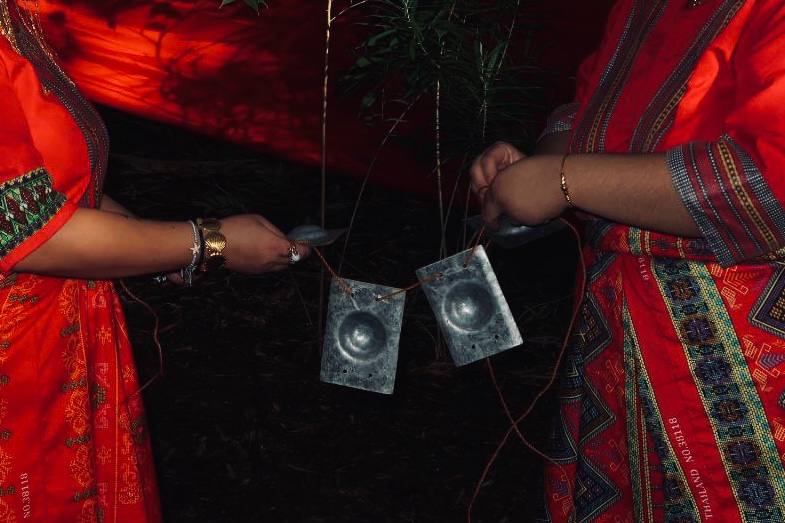
Becoming a babaylan, however, is not simply a matter of personal interest. Binabaylang Ming-un emphasizes the importance of lineage and the passing down of knowledge. In her case, the tradition was not directly inherited through her immediate family. Instead, she learned through her Punong Babaylan, the mother and leader of her collective, who comes from a lineage of babaylans.
This distinction matters because, as Binabaylang Ming-un describes it, babaylan practice is a closed and sacred tradition. Its knowledge is entrusted to those who are taught and guided within its lineage. It is not something that can simply be picked up through casual research or experimentation. There is a responsibility attached to learning it, just as there is a responsibility attached to practicing it.
That responsibility takes different forms. Babaylans who practice healing are collectively referred to as manggamot. These include different modalities such as hilot, pagpag, and suob, which can be performed through dry or wet methods. They are also called albularyos, who practice divination and spell work. Their practice involves addressing spiritual sickness and restoring a sense of balance, not only in the body, but also in the spirit.
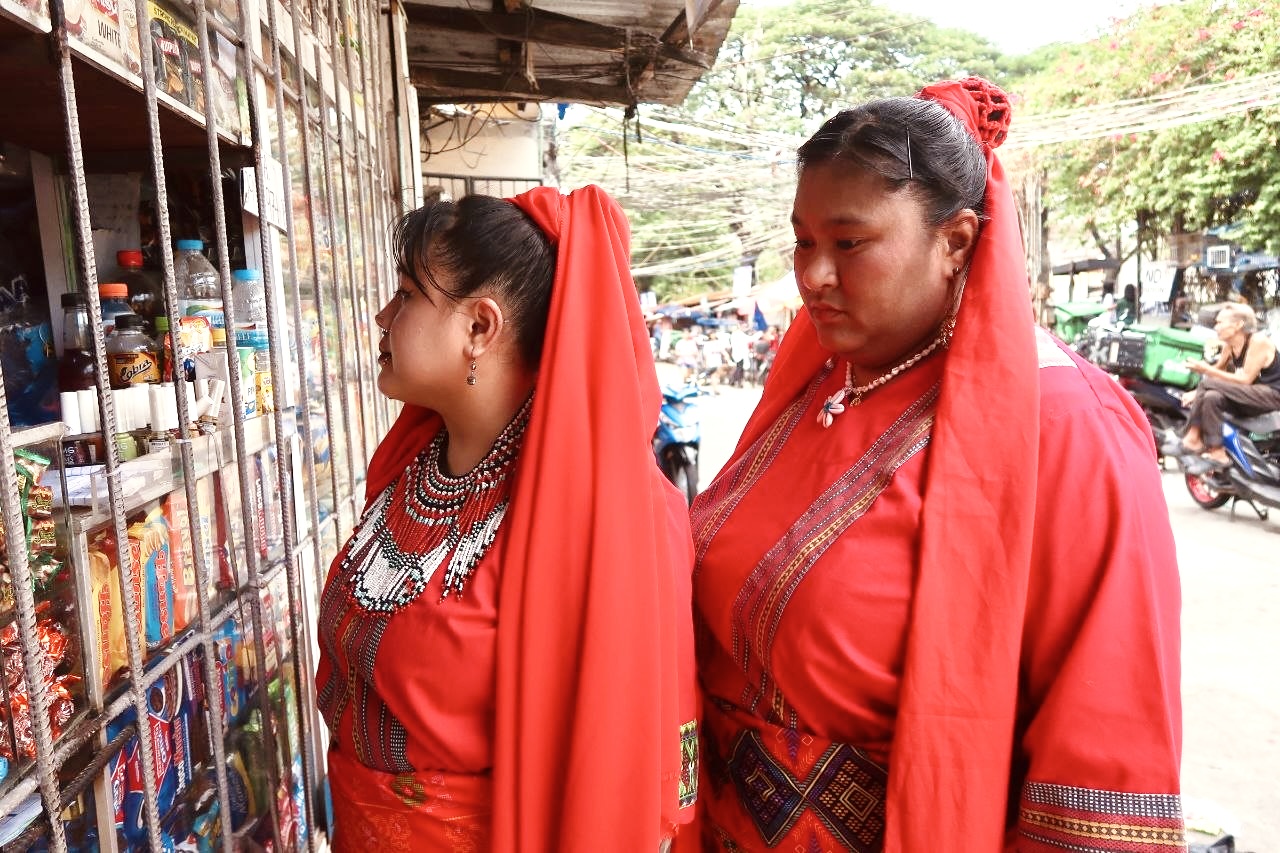
But it also does not mean spending every waking hour immersed in the spiritual world. In fact, Binabaylang Ming-un's everyday life is surprisingly familiar. Outside her practice, she works, pursues her creative interests, makes art, and tends to her personal hobbies. The difference is that the values and beliefs she carries as a babaylan inform how she approaches the world.
"Being a babaylan also functions similarly to working or having a job. We do the work, and then we also go home," she explains. "Whenever someone needs us, or we need to show up for our duty, we're there."
It is perhaps this ordinary side of her life that challenges one of the biggest misconceptions surrounding modern babaylans: that they exist somewhere outside contemporary society. Binabaylang Ming-un notes that many people still view the term as evil—a lingering legacy of colonization, which actively antagonized indigenous spiritual practices. Others assume that babaylans have disappeared altogether, existing only in history books or in remote communities.
Neither, she argues, reflects the reality.
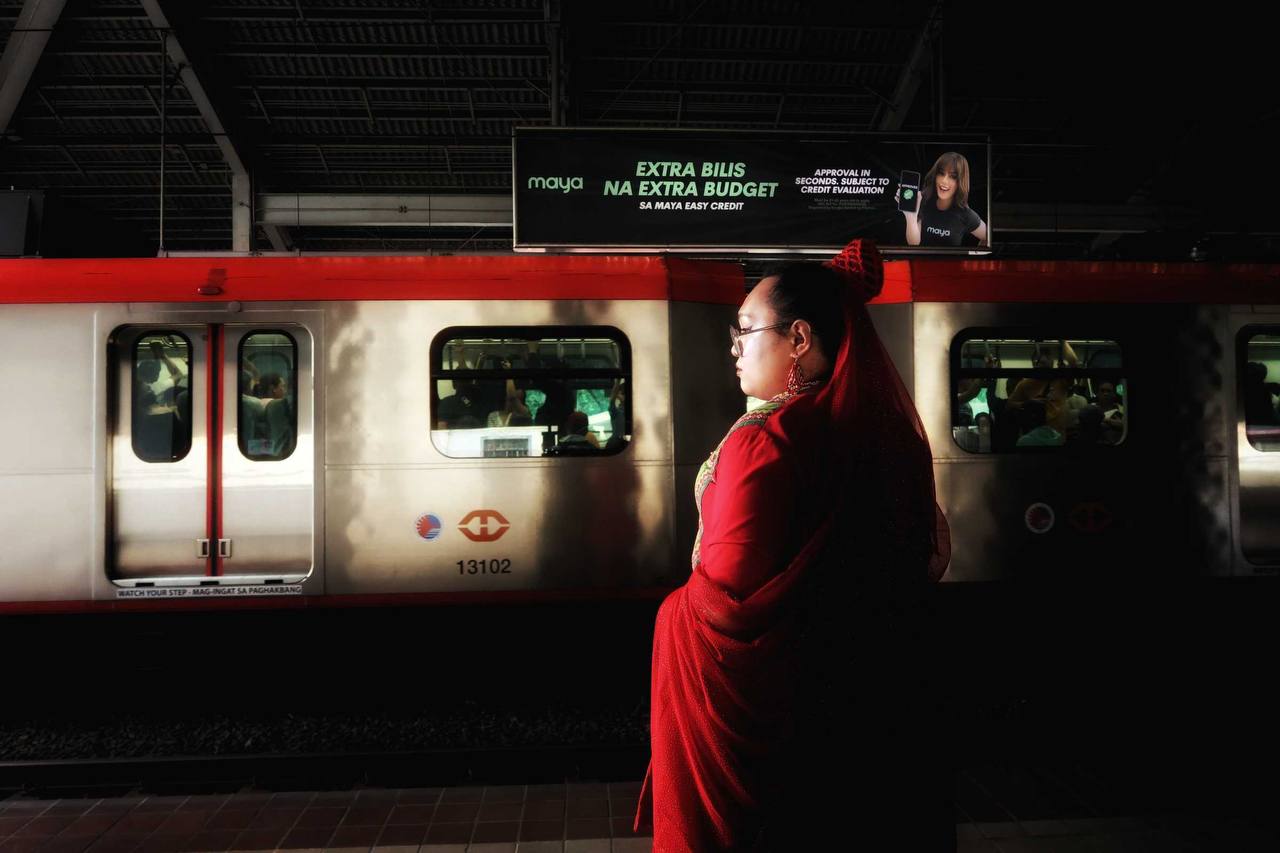
Modern babaylans exist even in urban environments such as Metro Manila. They are not necessarily detached from the world around them; rather, they navigate the same modern realities as everyone else while maintaining a connection to their ancestral traditions.
For Binabaylang Ming-un, that connection extends to the relationship between the physical and spiritual worlds. Babaylans, she explains, understand these as two realms that coexist and mirror one another. Their work involves moving between them, acting as a bridge that allows them to connect with ancestors and spirits, whom she refers to as abyans.
These connections are not merely symbolic. In her practice, ancestors and abyans serve as guides and provide the knowledge behind the work that babaylans do. Without that relationship, she believes, the tradition itself risks losing its foundation.
It has also fundamentally changed how she understands life and death. Before beginning her spiritual journey, Binabaylang Ming-un recalls being fearful of the idea that death meant complete disappearance. Now, through her relationship with the spiritual world, she has come to understand that those who have passed on are not necessarily gone.
"Nothing truly disappears," she says. "Even our loved ones who have passed, they still exist in some way or some form."
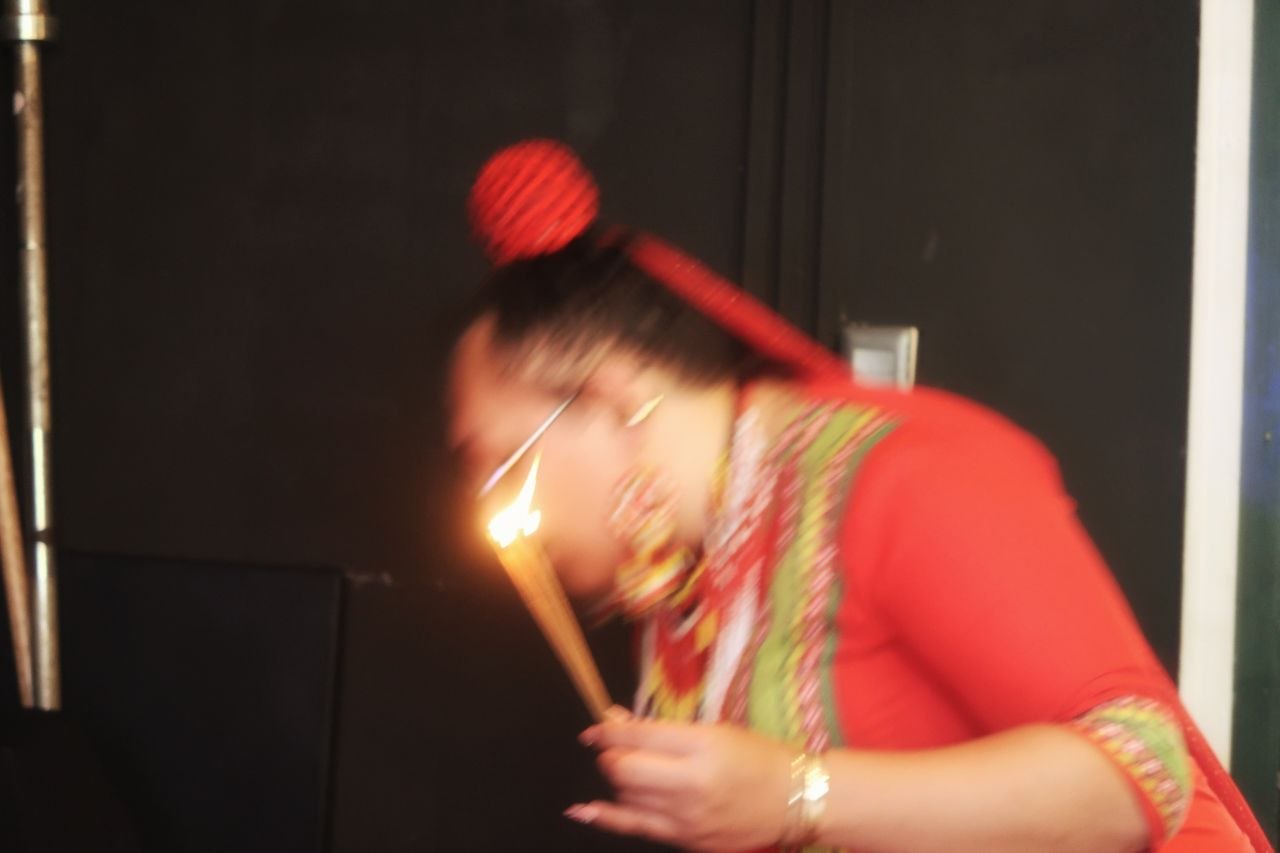
This belief has given her a different appreciation for life, making her more conscious of the people she has around her and the ancestors who came before her. It is also why remembrance occupies such an important place in Babaylan culture.
Binabaylang Ming-un points to the binukot, women who served as oral libraries and keepers of their communities' histories, especially among the Panay Bukidnon people in the mountainous areas of Panay Island (Iloilo and Capiz). They memorized stories, histories, and significant events, preserving them through chants and oral storytelling. Some could recite these accounts for hours or even days. Rather than relying on written records, knowledge was carried through memory, allowing traditions to survive generations.
For Binabaylang Ming-un, this illustrates just how important remembrance is to the survival of a culture. To remember is to honor those who came before, but it is also to ensure that their knowledge does not disappear.
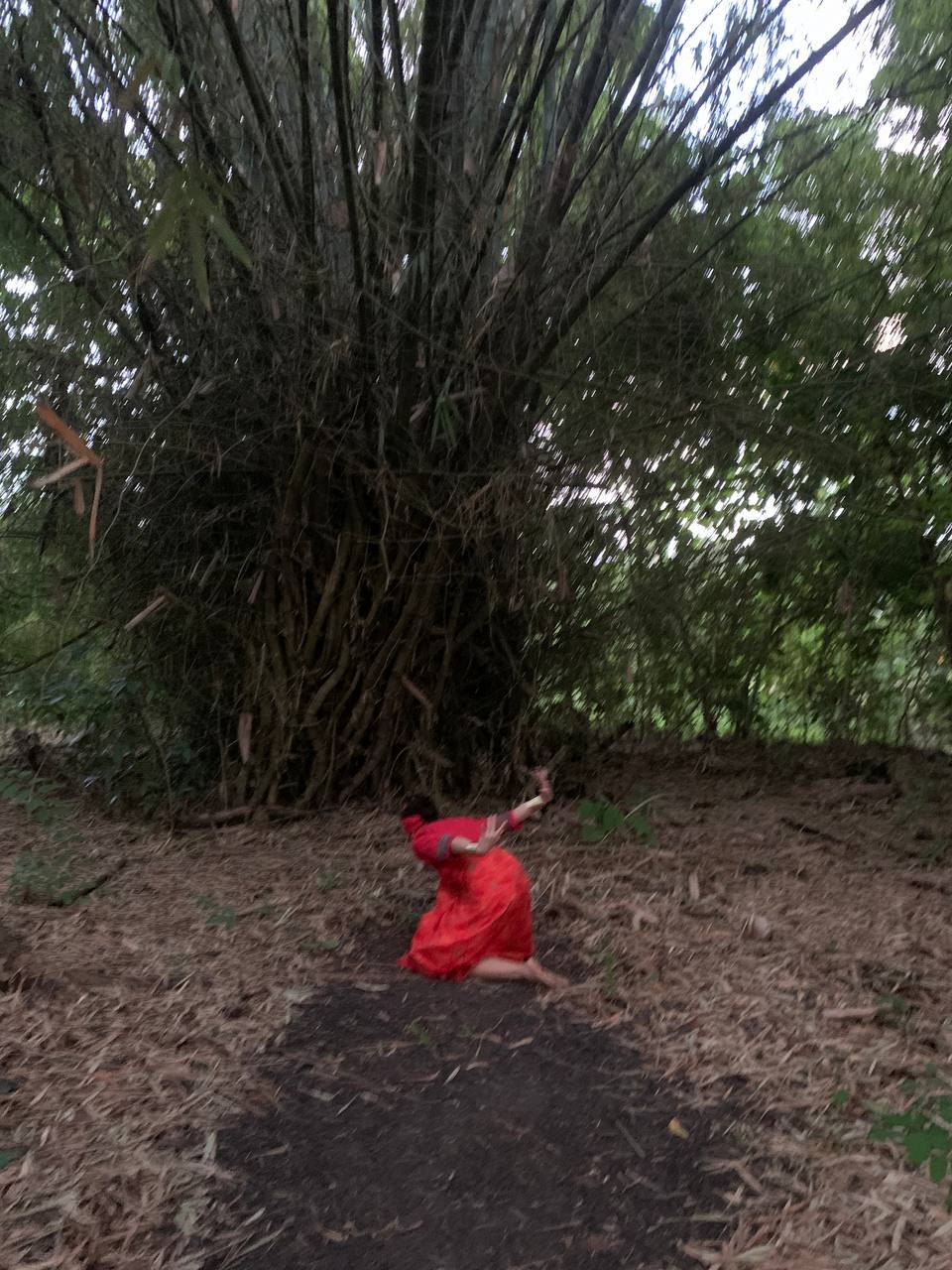
And perhaps this is where the role of the modern babaylan becomes especially significant. In a society increasingly shaped by technology, development, and capitalism, Binabaylang Ming-un believes that Filipinos risk becoming disconnected from their roots. She is particularly concerned about indigenous communities that continue to lose their lands, homes, and cultural spaces as larger interests take precedence.
This is why the responsibilities of a babaylan extend beyond healing and spiritual guidance. They are also activists, expected to stand up for justice and defend the communities they serve. Their work involves advocating for those who are overlooked, protecting indigenous knowledge, and speaking out against the forces that threaten their way of life.
Despite these challenges, Binabaylang Ming-un sees reasons to be hopeful. She has noticed a growing curiosity among younger Filipinos about indigenous spirituality and the country's precolonial traditions. More people are willing to ask questions, explore their heritage, and reconsider what they thought they knew about the babaylan.
For her, that curiosity is encouraging, provided that it comes with responsibility. Learning about indigenous spirituality should involve more than browsing the internet or treating ancestral practices as something to experiment with. It requires understanding where the knowledge comes from, respecting the communities that preserve it, and learning from the people who actually practice it.
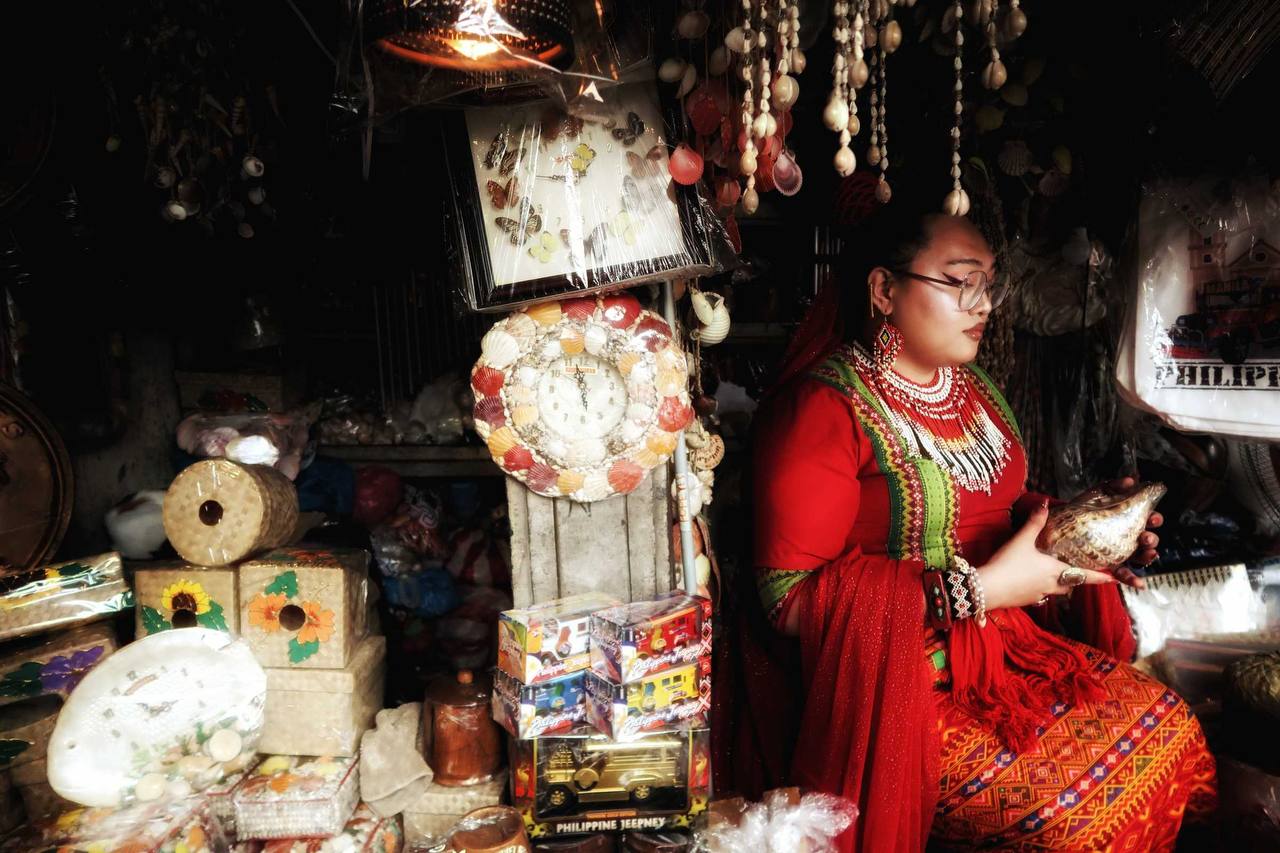
Her advice is simple: start a conversation. Speak with elders, ask grandparents and relatives about family histories, and seek out those who continue to carry these traditions.
"Old traditions and practices can still exist in the modern world," she says. "It's such an honor to be able to keep our ancestors alive by carrying their wisdom and knowledge up to this day."
Perhaps that is the most important thing to understand about the babaylan. It is easy to associate the unseen with fear, particularly during a season when ghosts, spirits, and the supernatural become subjects of fascination. But beyond the mystery surrounding the practice is a much more grounded responsibility: to heal, to protect, to remember, and to serve.
The babaylan is not simply a figure from a distant past, nor is the practice something that exists solely in the realm of folklore. For people like Binabaylang Ming-un, it is a living tradition—one that continues to find its place in a changing world.
And sometimes, the things we think belong to another world are the very things that remind us where we came from.
ALSO READ: The Fall of the Babaylan
View More Articles About: