Today I Learned: The Manila Galleon Trade Linked Three Continents for More Than Two Centuries
This impressive but harrowing chapter in Philippine maritime history is told through an interactive exhibit at Museo del Galeón.

Published on Sep 29, 2026
From 1565 to 1815, Spanish vessels sailed across the Pacific Ocean, essentially connecting three continents in a global trade route: Asia (via Manila, Philippines), the Americas (via Acapulco, Mexica), and Europe (via Spanish ports like Seville and Cádiz). This made Manila one of the world's great ports (and also a major source of revenue for the Spanish empire), especially with the lucrative trade with China for porcelain, ivory, lacquerware, and processed silk cloths; and with other parts of Asia, such as amber, cotton, and rugs from India; spices from Indonesia and Malaysia; and fans and screens from Japan.
The Manila galleons, also known as La Nao de China ("The China Ship") because they carried Chinese goods from Manila, made one or two roundtrip voyages per year. The eastbound voyage took an average of four to six months, while the westbound voyage took an average of three to four months. The journey from Manila to Acapulco may take up to nine months, especially with the severe weather and challenging winds when crossing the open Pacific to California before heading down to Mexico.
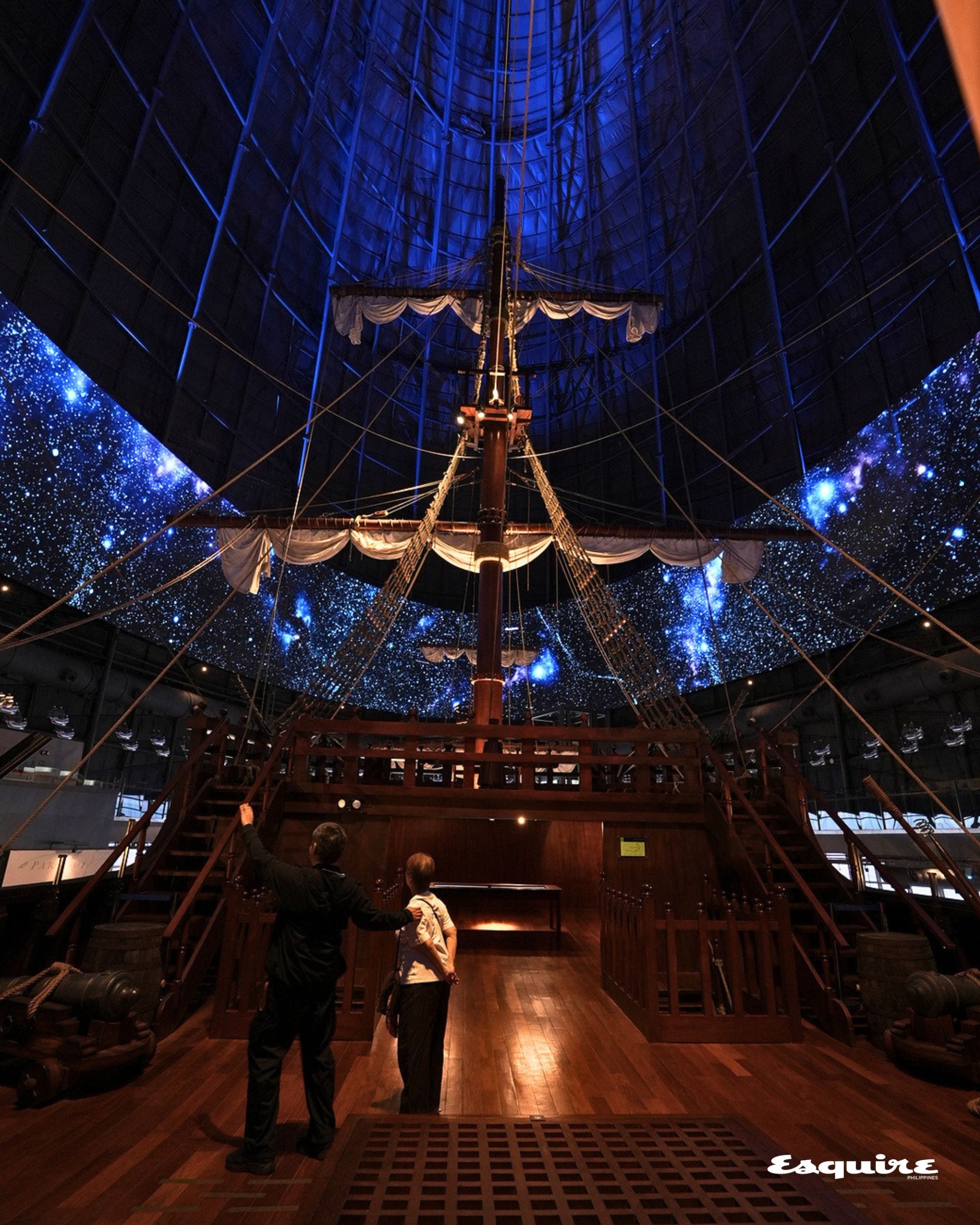
While the Manila galleon trade is an impressive chapter in Philippine maritime history, it's also one that is plagued with harrowing stories.
As if they were goods for trade, people from East Africa, Portuguese India, the Muslim sultanates of Southeast Asia, and the Spanish Philippines were transported from Manila and sold as slaves. Many native Filipinos and others of Southeast Asian origin (also called Indios) made up the majority of the crew, with sailors averaging the ages of 28 or 29 while the oldest were between 40 and 50. But there were also kids, mostly orphans, who were picked up from the streets of Seville, Mexico, and Manila, to work as the ships' pages. These lowest-ranking crew members were responsible for menial tasks like scrubbing decks, cleaning up after meals, and holding the night watch. Other crew members were made up of deportees and criminals from Spain and other Spanish colonies.
No matter the story of how they got there, the majority of them ended up dead when the ships returned to Manila, mostly due to starvation, disease, and scurvy. The mortality rate was 30 percent per voyage.
Stories of these and more are told through interactive exhibits, videos, and a life-sized replica of the Galeón Espíritu Santo at the Museo del Galeón, SM Mall of Asia Complex, in Pasay City.
"This is a land with a great tradition of seafaring, but often under inhumane and degrading conditions," the museum's executive director Manuel Quezon told AFP in an April 2026 interview before the museum officially opened on May 1. "And it is one that we don't flinch from telling."
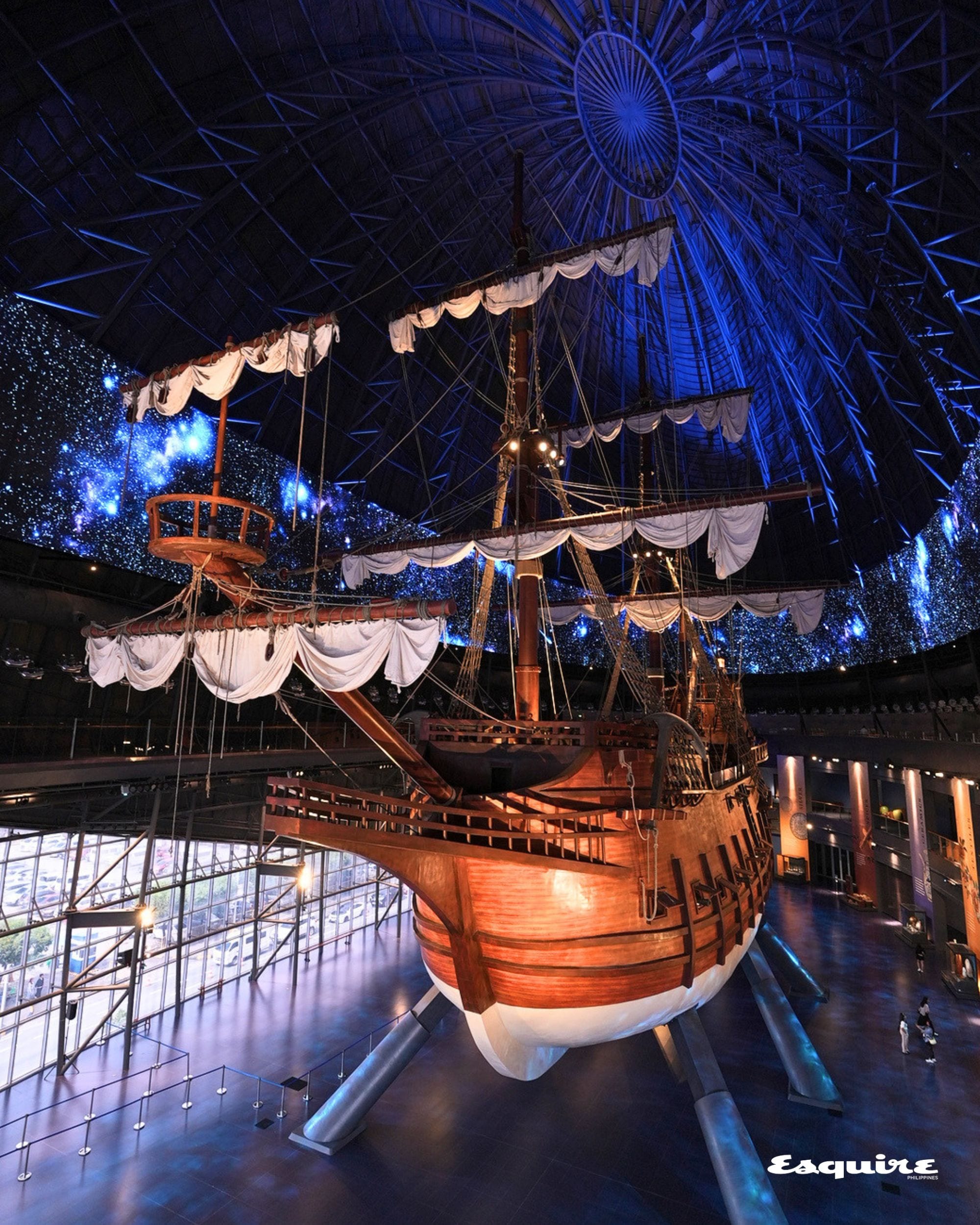
Espíritu Santo as the Centerpiece of the Museo del Galeón
Espíritu Santo, built through forced labor in 1603 in Cavite, was one of the 181 treasure ships that made hundreds of trips between Manila and Acapulco. It completed 10 trans-Pacific voyages until 1618. One of its many notable captains was Antonio de Morga, who was the author of Sucesos de las Islas Filipinas (1609), considered one of the most important works on the early history of the Spanish colonization of the Philippines.
The replica, which follows the original design and dimensions of the original galleon at 30 meters high, 40 meters long, and 10 meters wide, is built largely with fiberglass and other man-made materials. The original hardwood is already unavailable in this lifetime; plus, it would have leveled an entire forest to build one galleon of this size.
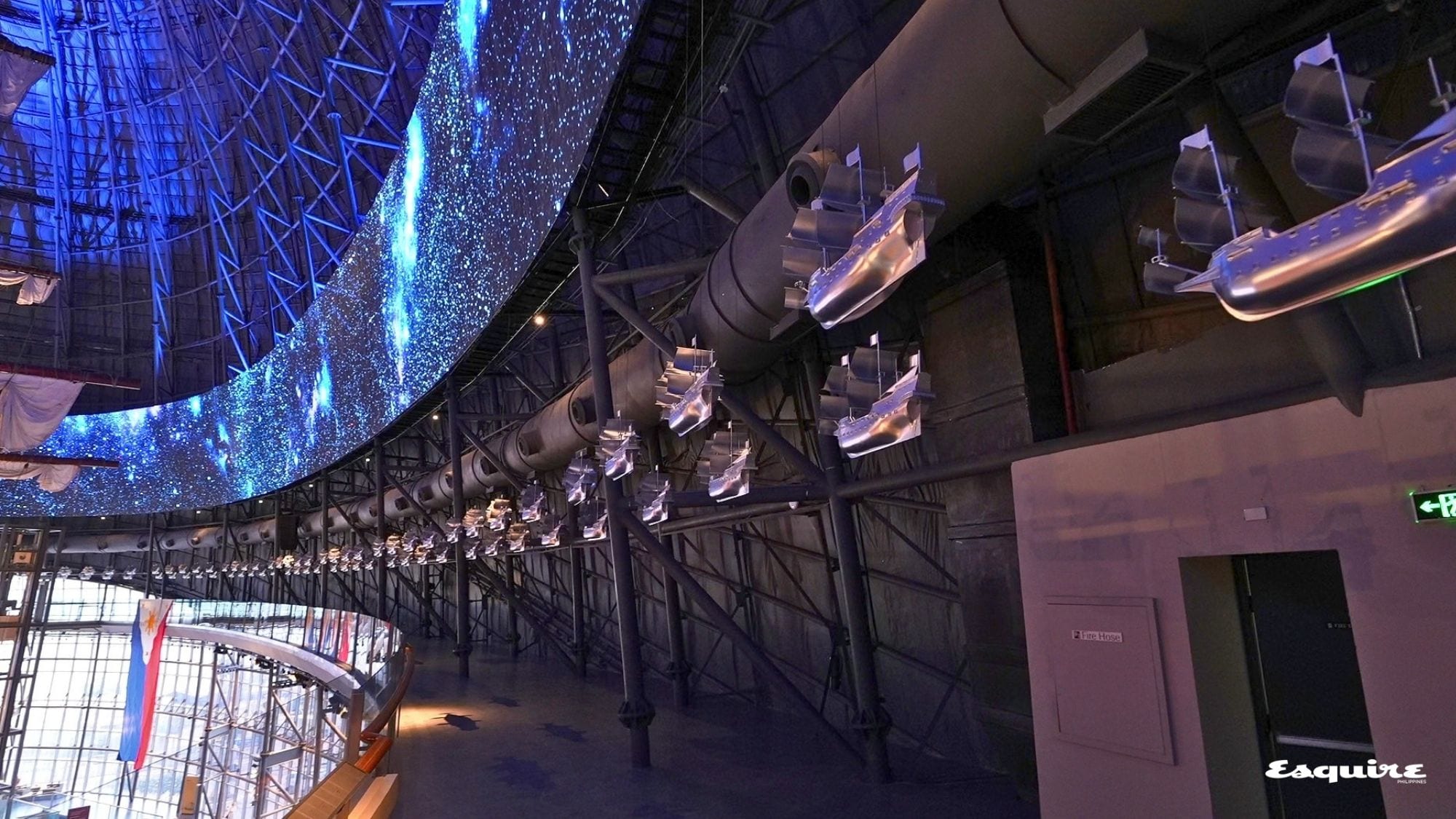
Overhead, a glowing 360-degree LED band mimics a blanket of night stars that guided early navigators across the open seas. It plays an eight-minute clip on Philippine maritime history at regular intervals before the mesh-type installation transforms back into a splash of constellations.
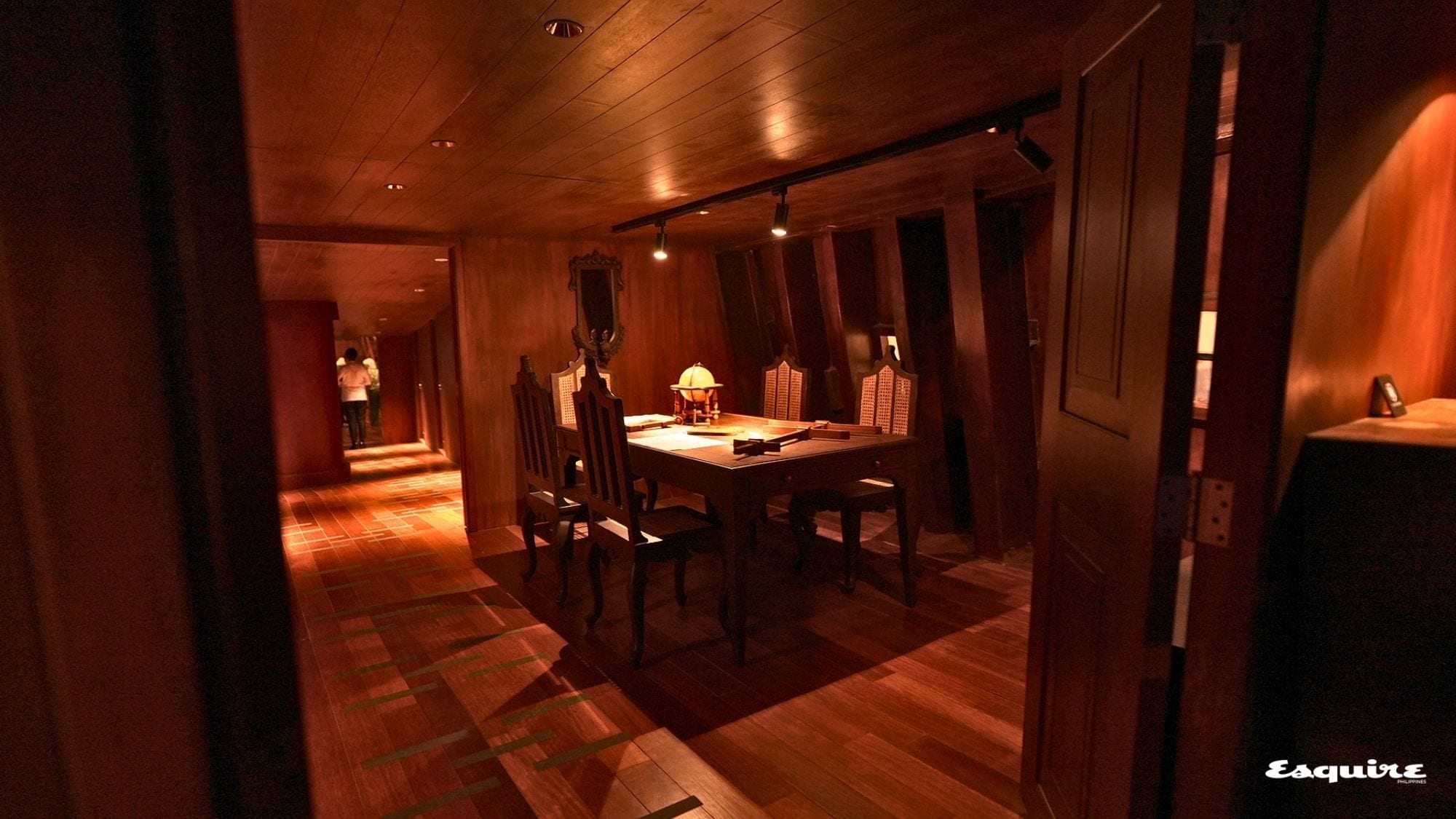
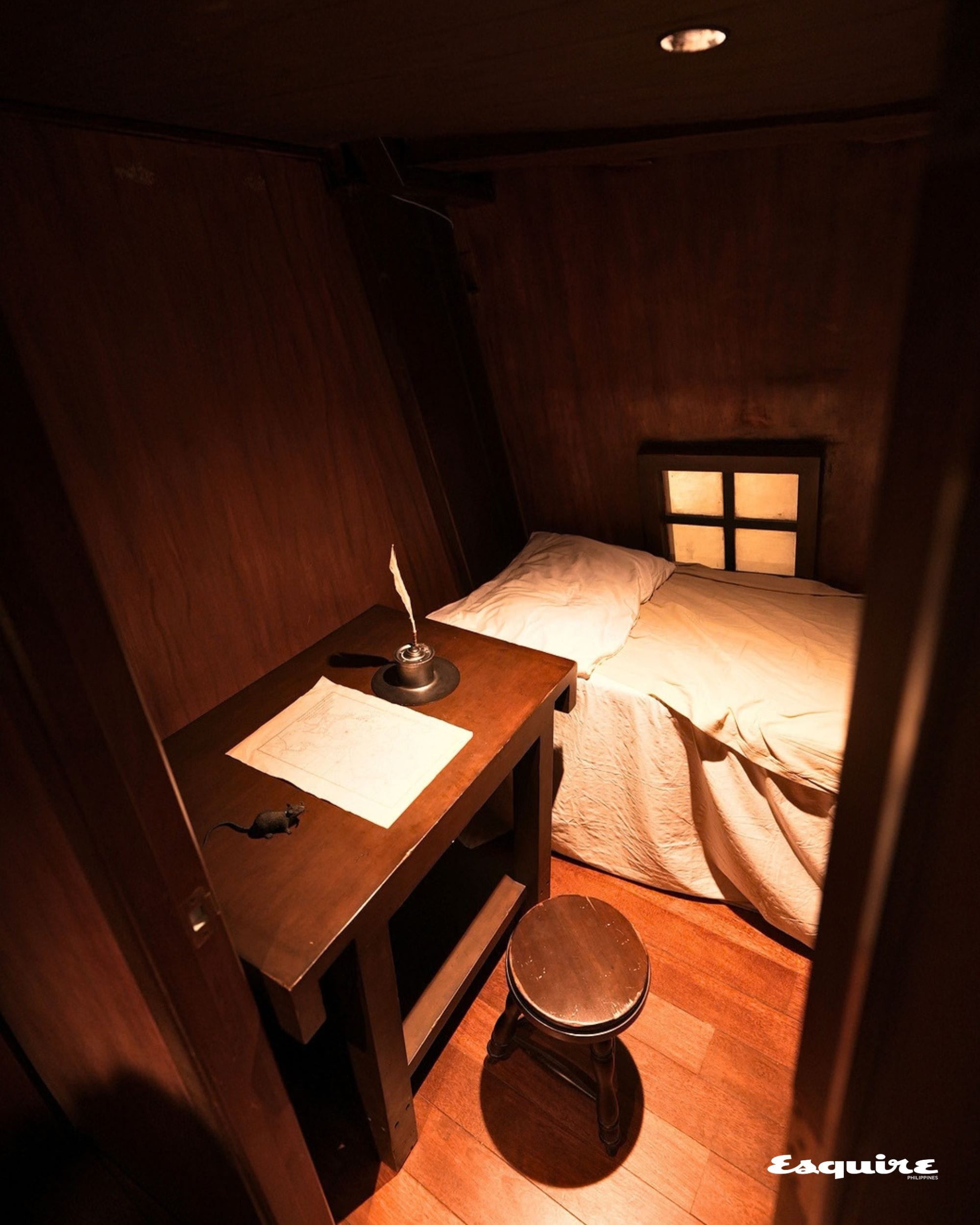
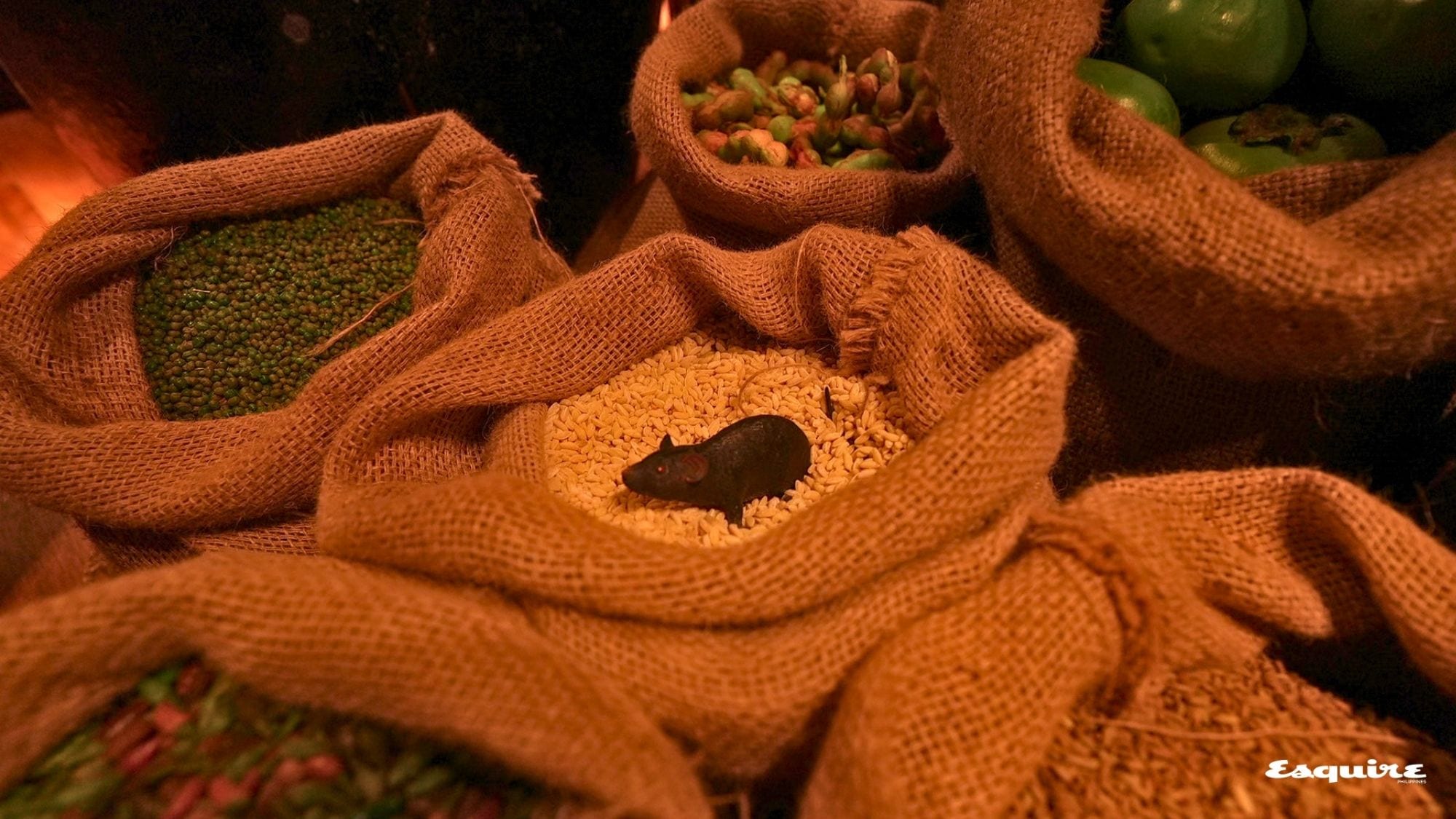
Access to the galleon replica is Museo del Galeón's selling point, particularly appealing to younger audiences accustomed to multi-sensory experiences. Visitors access the ship via a second-floor bridge connecting the museum corridor directly to the deck. On the lower deck, the harsh reality of seafaring is brought to life with displays of grain, bean, and root crop sacks infested with mice, cockroaches, and weevils—the crew's meager sustenance—complemented by an animated video depicting their daily struggles.
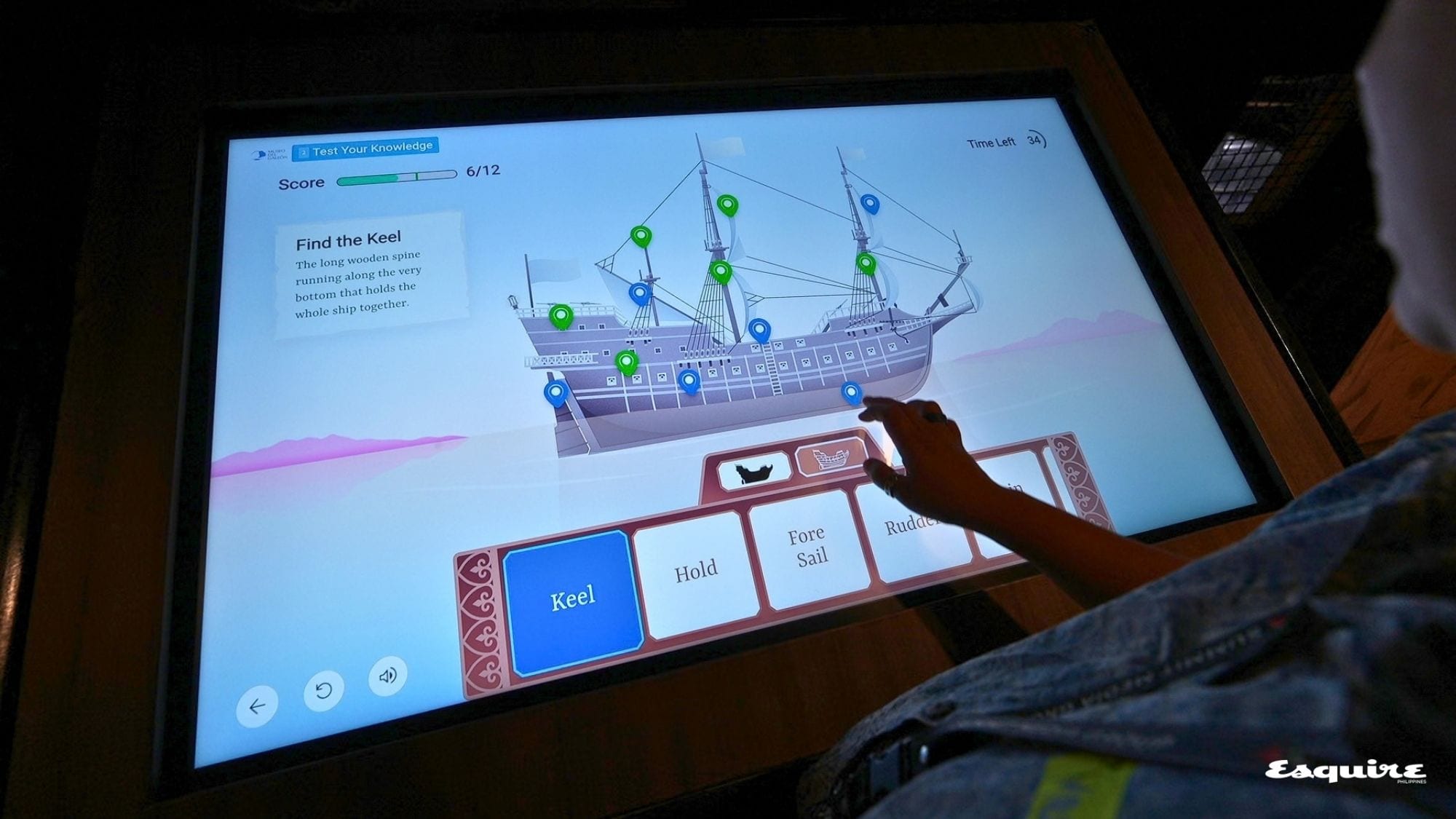
In contrast, the upper deck features spacious quarters for the captain, complete with navigation tools and maps. Interactive screens gamify the process of identifying different ship parts.
Other Exhibits
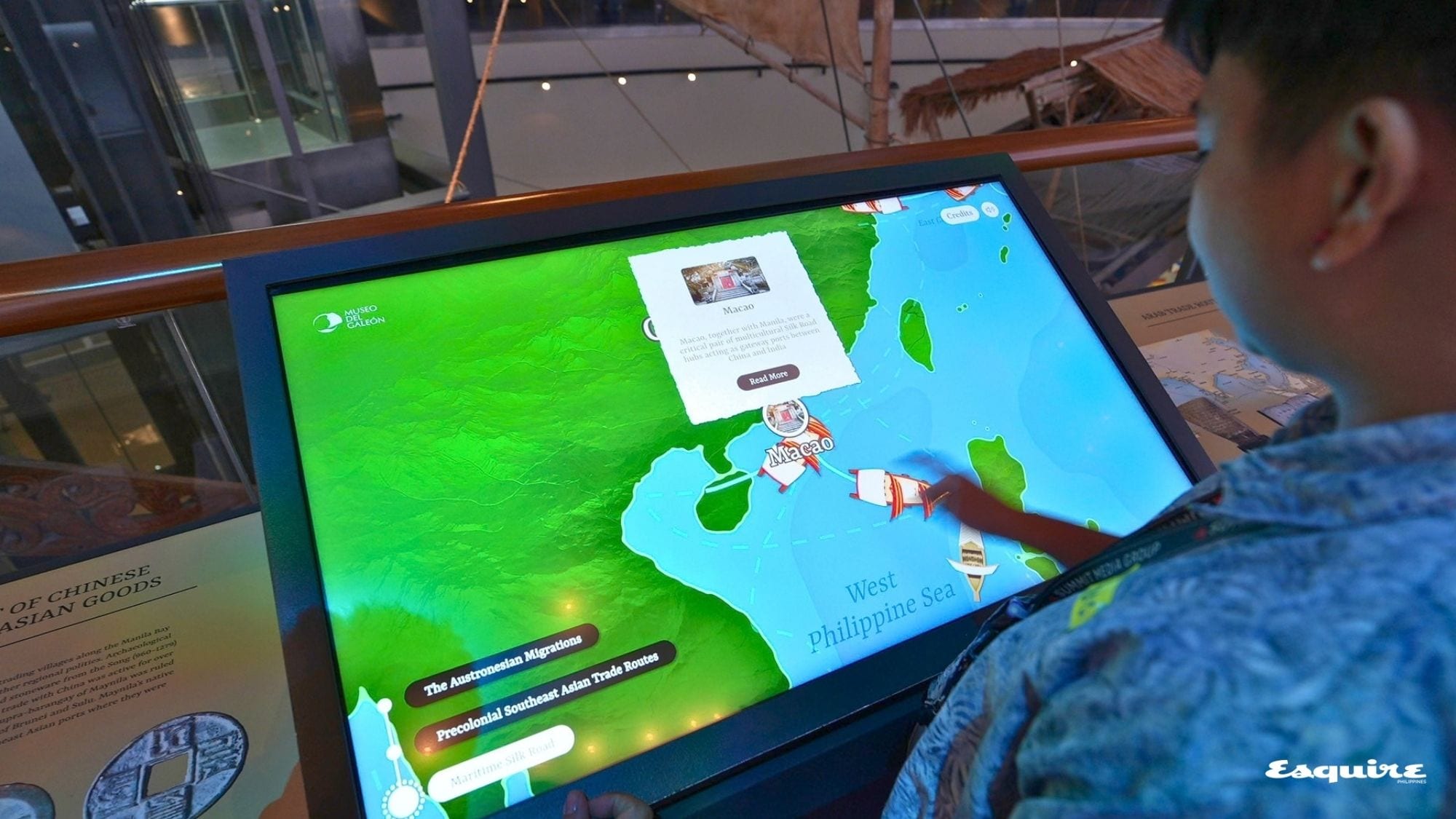
As of writing, two of the four planned galleries are accessible to the public: Ancient Mariners and Their Sea Routes, which features the precolonial maritime culture of the Philippines, and Circling the World and Back, which focuses on the Magellan expedition.
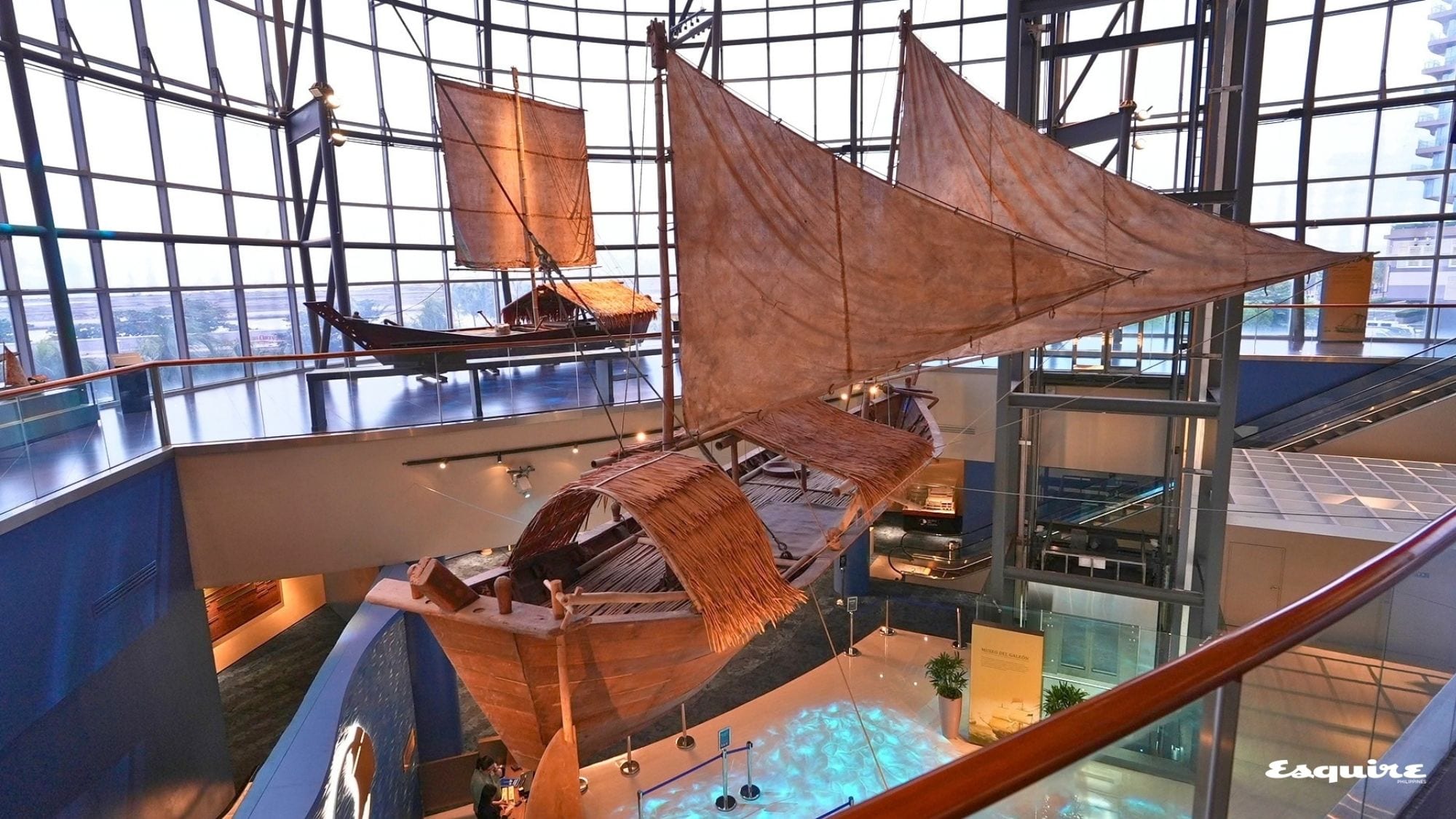
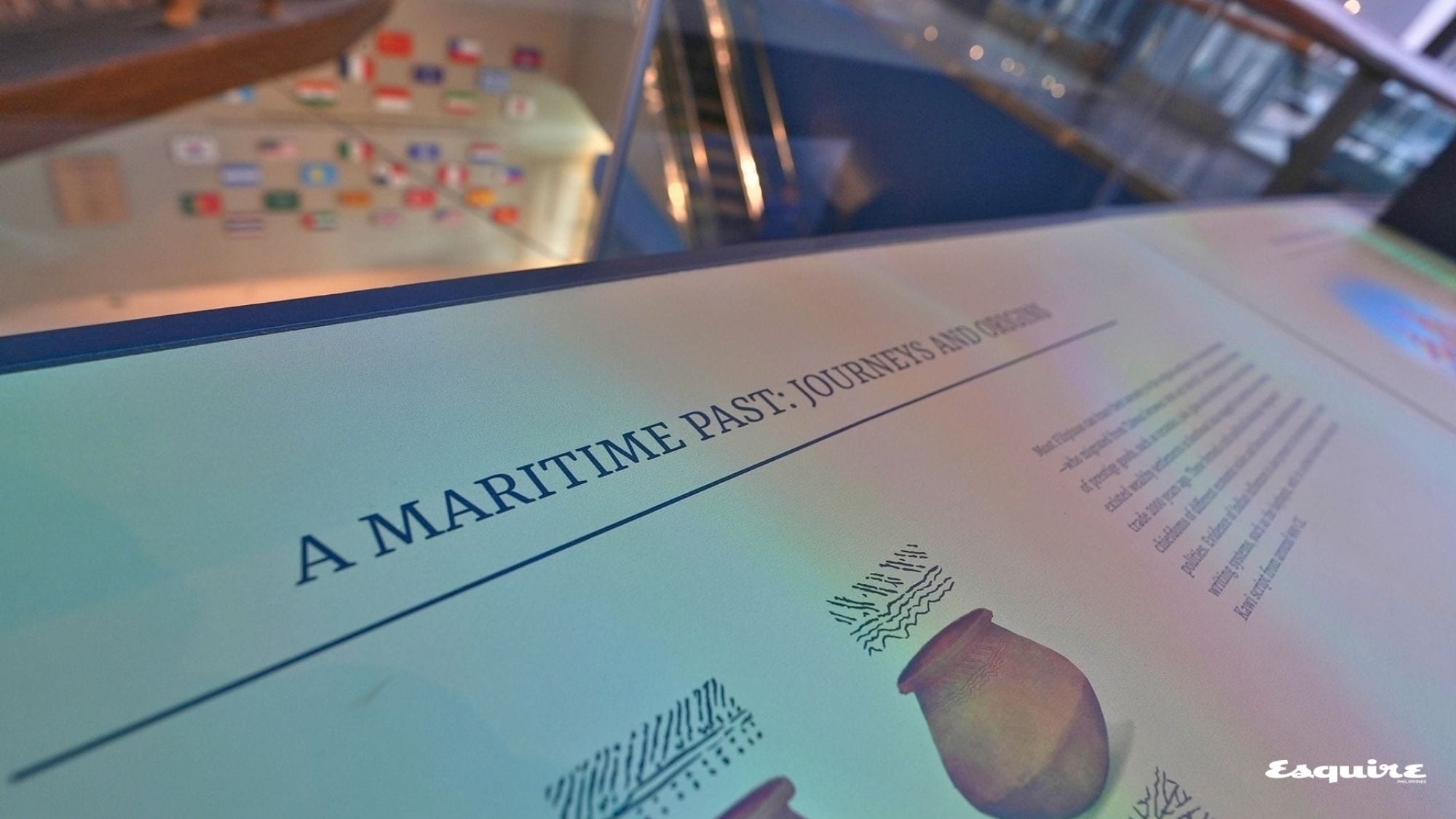
We all know that Magellan did not really "discover" the Philippines—a term that's Eurocentric, inaccurate, and misleading. Even before European explorers came to our shores, our seafarers were already experts in navigating the open seas and were doing inter-island trade. A quick history of this is featured through representations of the balangays by the entrance of Museo del Galeón.
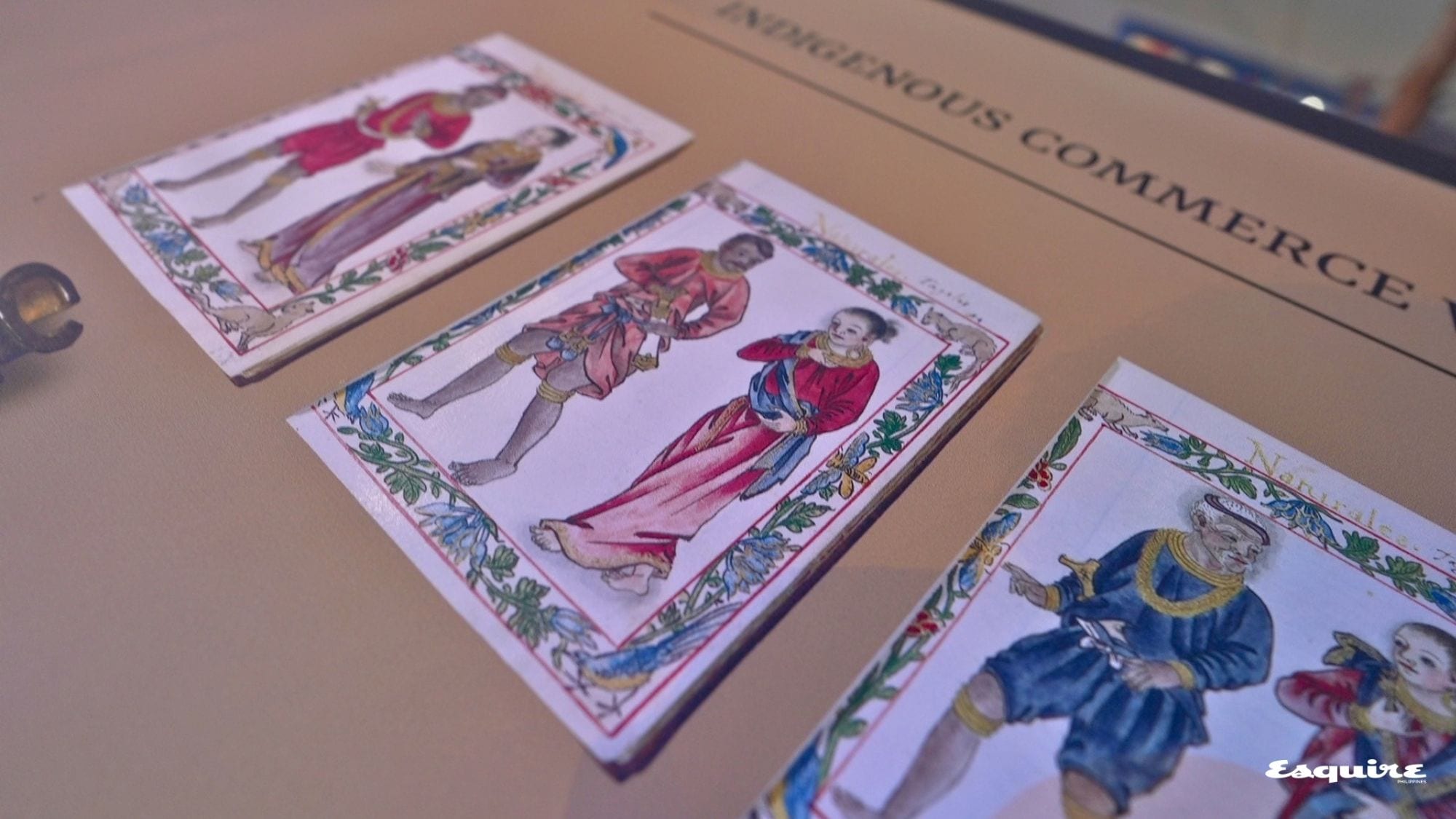
Reprints of ancient maps are also on display on the first floor.
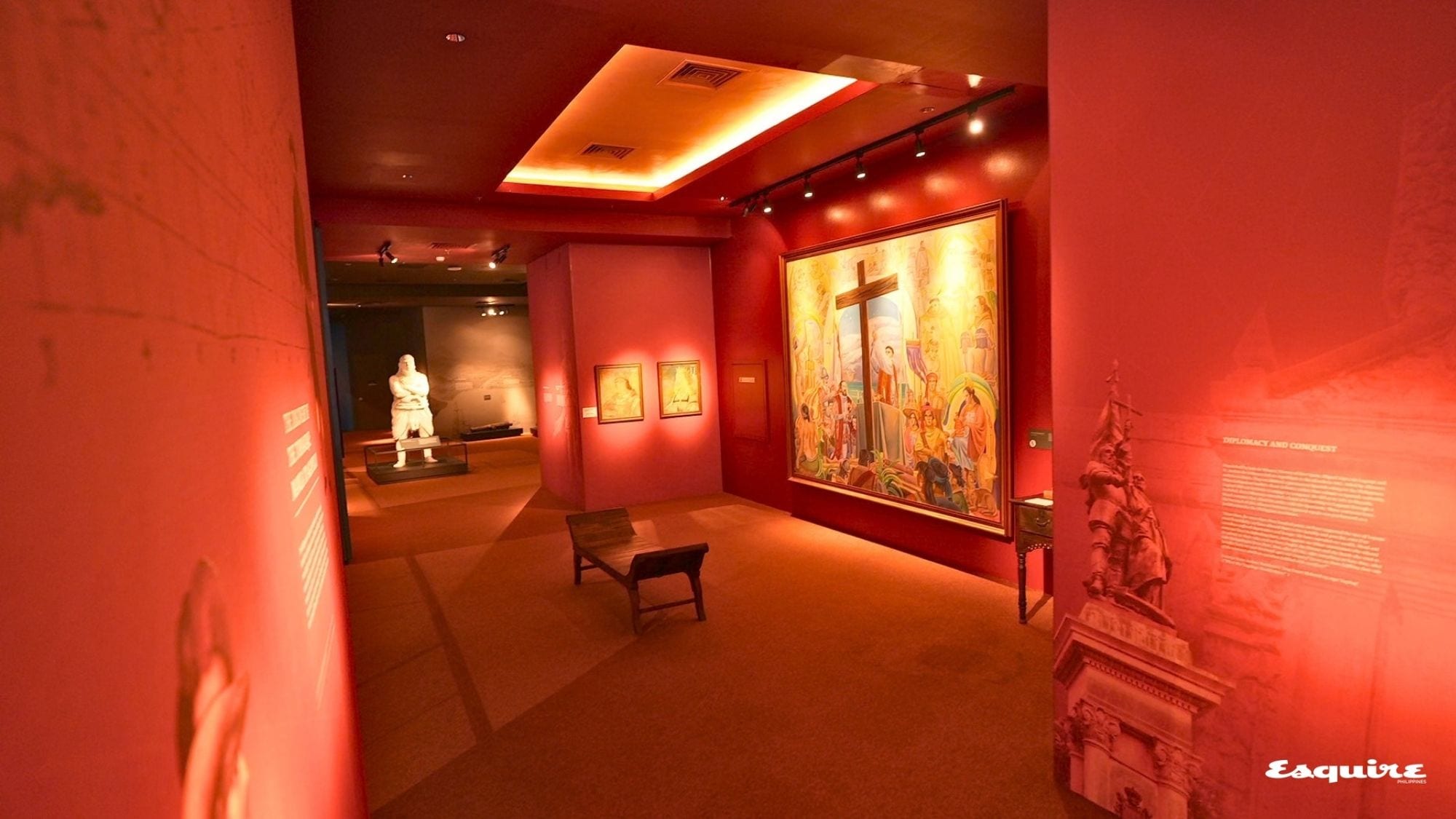
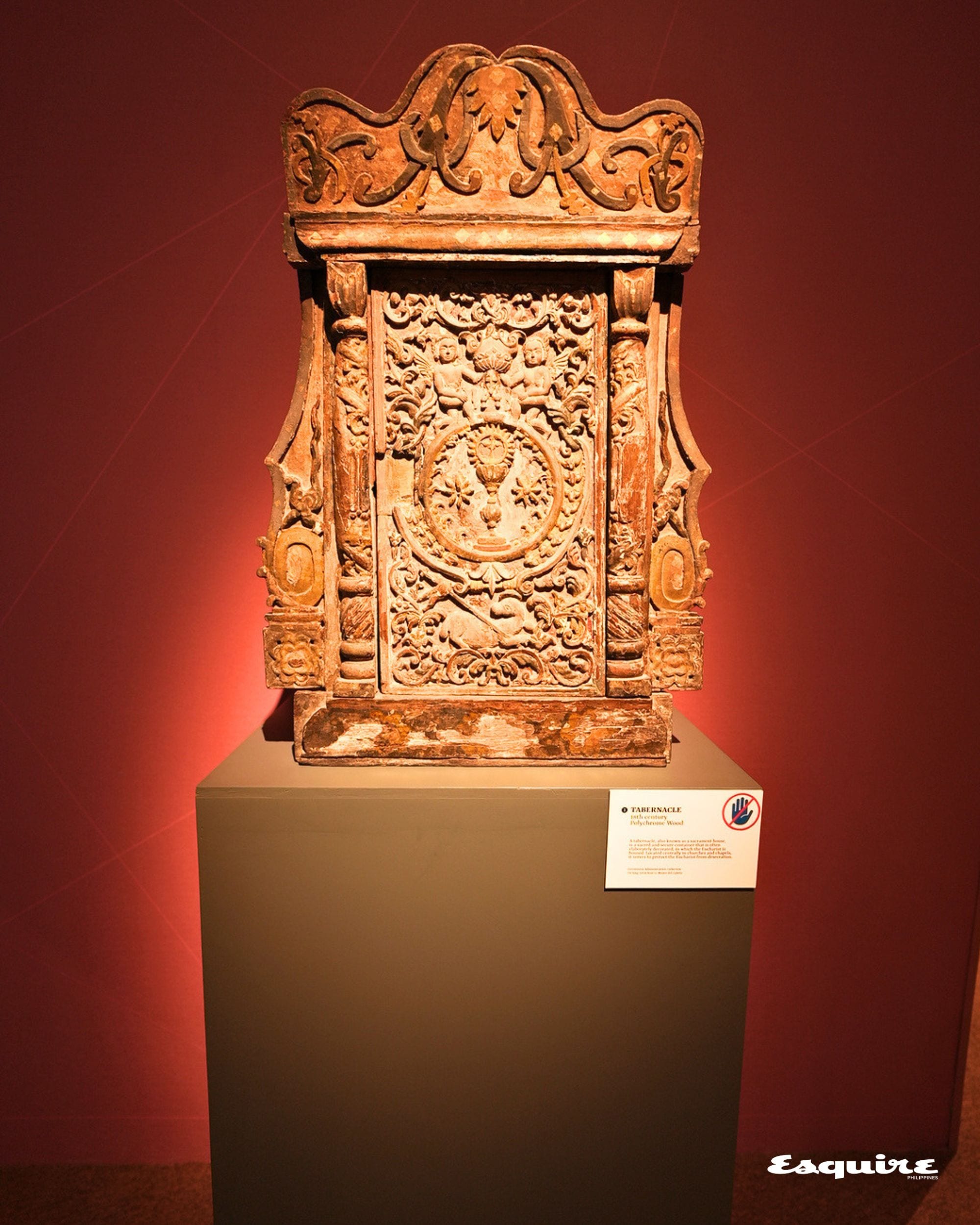
The second floor, meanwhile, features artifacts, both reproductions and originals, from the Spanish colonization period. There's an 18th-century tabernacle made from polychrome wood, sculptures of Lapulapu and Rajah Humabon, and a commissioned painting depicting the first Catholic mass in Limasawa.
Hanging on the third-floor ceiling are small galleons, depicting the hundreds of ships that sailed the trans-Pacific seas, enabling not only the movement of goods but also of ideas and cultures across continents.
Museo del Galeón is located on the corner of Seaside Boulevard and Sunset Avenue at the SM Mall of Asia Complex, Pasay City. It is open from Wednesday to Sunday, from 10 a.m. to 7 p.m. Ticket rates start at P675 for adults, with discounted prices available for children (P375), private school students (P375), public school students and licensed teachers (P275), and PWDs and senior citizens.
ALSO READ:
This Exhibition Shows How the Manila Galleons Brought Distant Worlds Together
First Contact: How Did The Spanish First Interact With The Filipinos?
Christa I. De La Cruz is a Palanca Award-winning writer with over 15 years of experience in feature writing for print and digital media. She earned her Sertipiko sa Malikhaing Pagsulat sa Filipino from the University of the Philippines Diliman and holds an MFA in Creative Writing from De La Salle University. Her poetry collection, "Dáyo: Mga Tula" (2026), is published by the DLSU Publishing House and Grana Books.
View More Articles About: