How The Philippine International Motor Show 2026 Made the Electric Future Real
Seventeen of the auto industry's biggest brands are showing us that electricfied driving was always inevitable.

by Alvin Uy
Published on Jun 11, 2026
For decades, auto shows were about ambition. Concept cars, prototype technology, things that might reach local showrooms in three to five years if the market conditions were right. The 10th Philippine International Motor Show was a different kind of event. What filled the exhibition halls at the World Trade Center weren't promises.
They were vehicles powered by gasoline, hybrid systems, plug-in hybrid technology, and full battery-electric powertrains, most of them available now or arriving in local showrooms before the year is out. They came from brands across every segment and price point. The industry stopped debating what the future will look like. PIMS 2026 was where it started delivering.
Toyota Goes Wide
Toyota Land Cruiser FJ
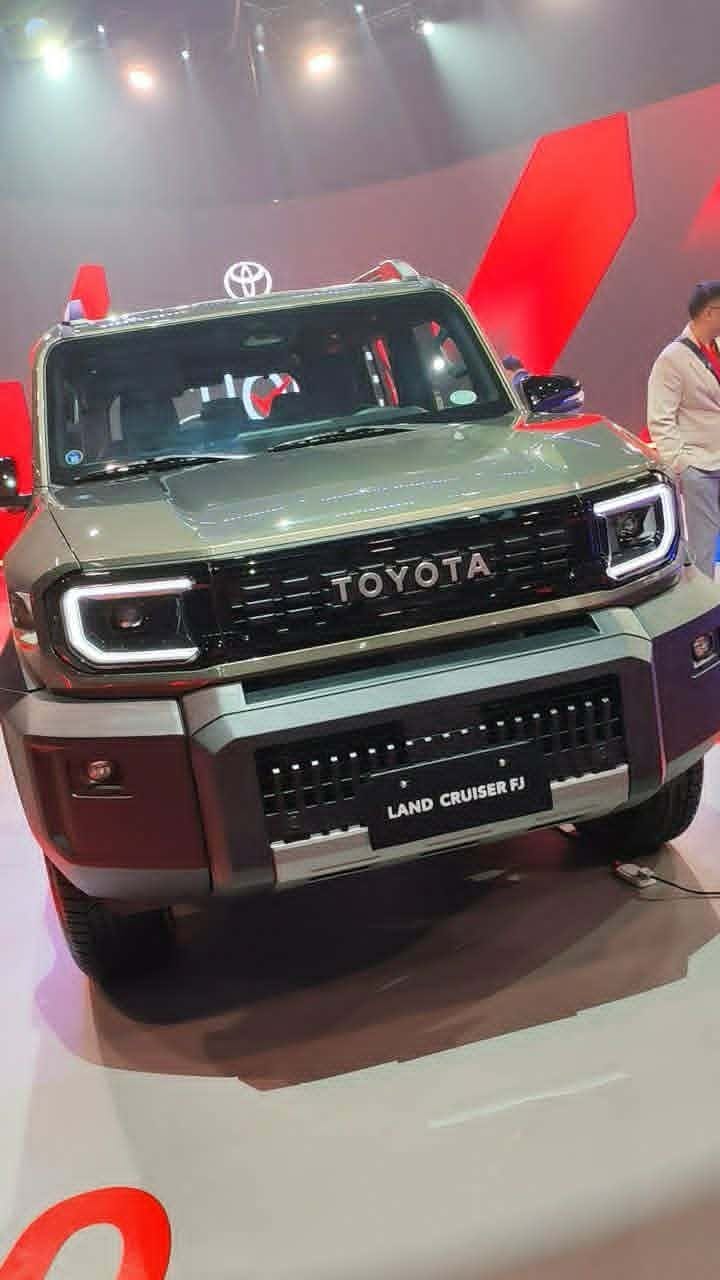
In every Philippine International Motor Show, there is always one brand that you can't help but notice. Toyota Motor Philippines came to the 10th edition with a strong message that no matter what the future of the automotive industry looks like, Toyota will be there in all directions.
Three vehicles anchored the company’s exhibit. The all-new Land Cruiser FJ arrived with one of the most anticipated nameplates in recent memory, bringing classic Land Cruiser toughness in a more compact, accessible package, powered by a 2.7-liter gasoline engine and backed by genuine four-wheel-drive capability, differential locking and advanced off-road systems. The Land Cruiser 300 HEV demonstrated how electrification can enhance capability, not diminish it, merging hybrid technology with the imposing presence the badge has always commanded. And the Hilux BEV turned one of the country’s most familiar pickups into an all-electric workhorse.
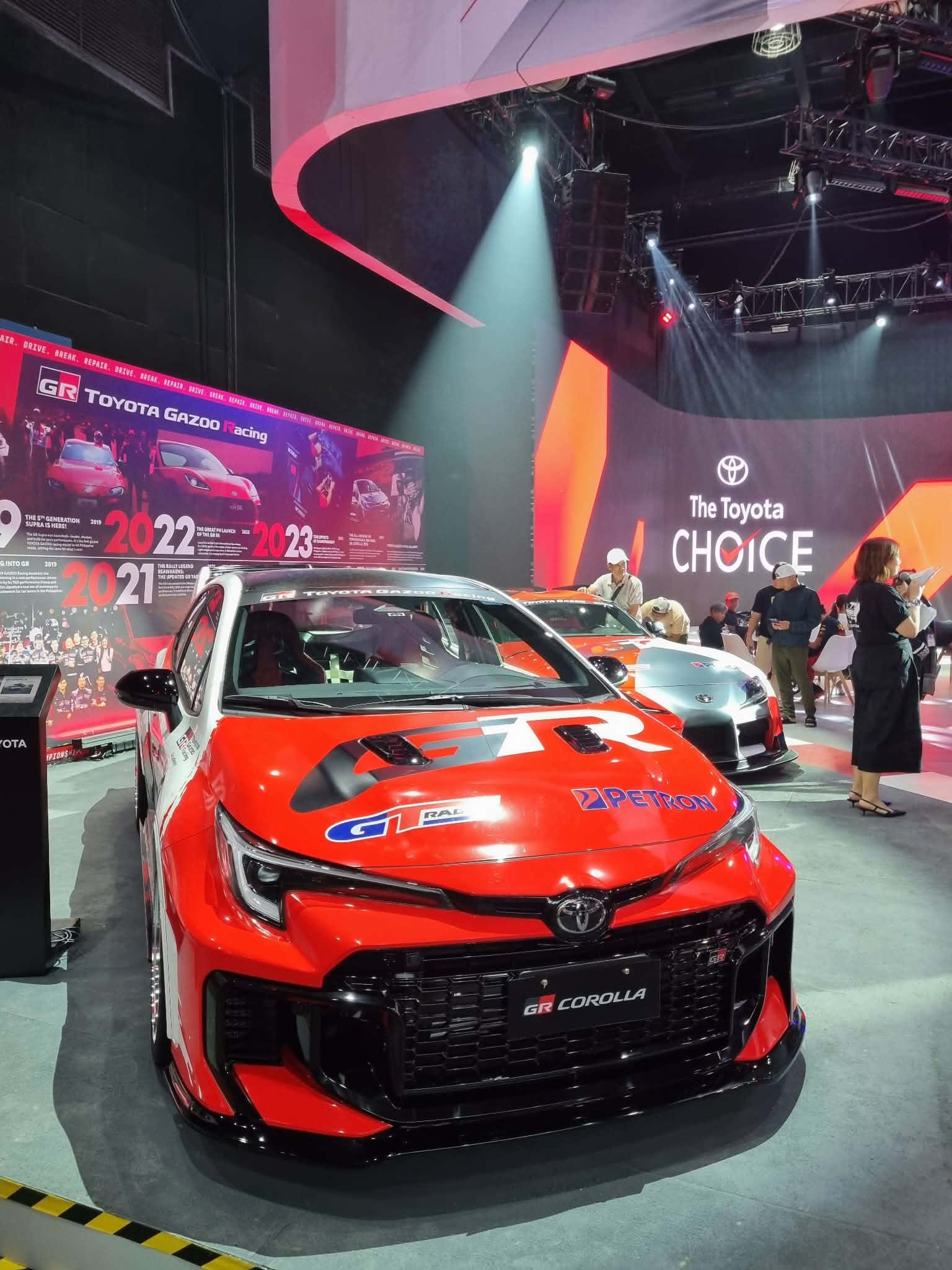
Toyota Gazoo Racing lineup
Nissan Raises the Stakes
If Toyota delivered the broadest showcase, Nissan mounted arguably the most aggressive offensive. The company unveiled four major models, one of the most ambitious single-show product introductions in recent Philippine motor show history.
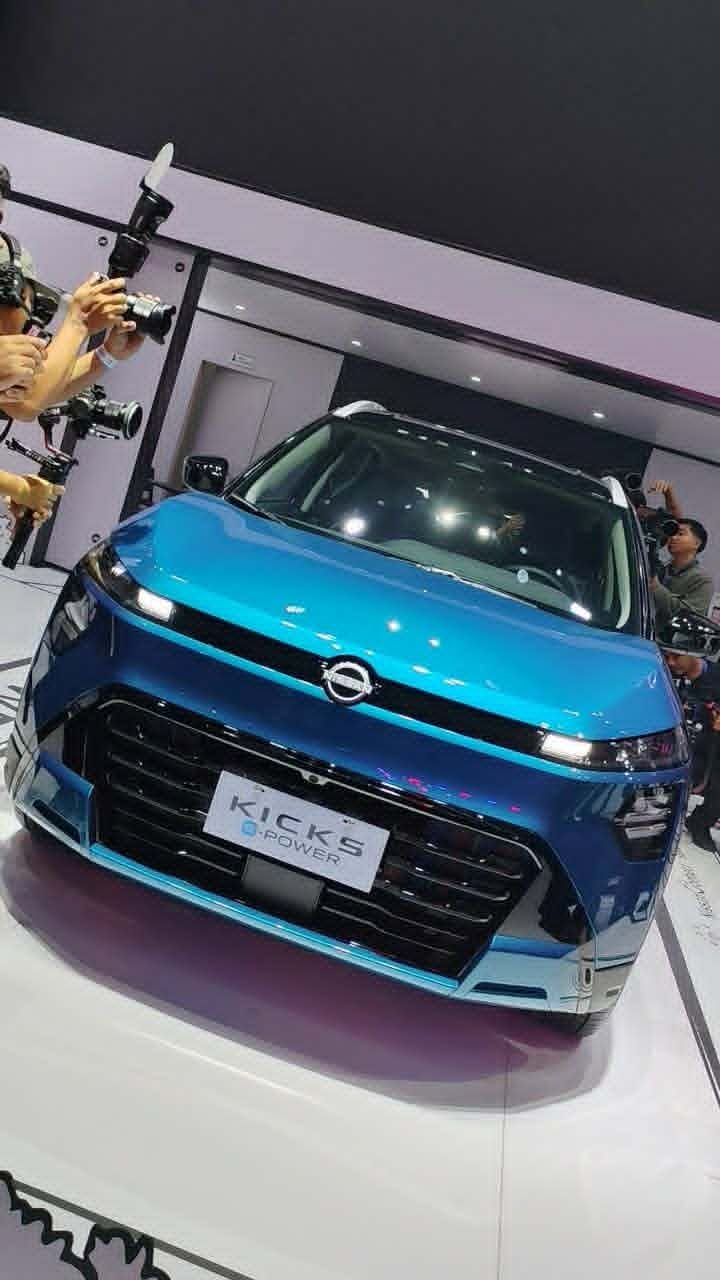
The new X-Trail e-Power and next-generation Kicks e-Power highlighted Nissan's particular approach to electrification: e-Power vehicles use a gasoline engine to generate electricity while electric motors exclusively drive the wheels, producing a driving experience that feels remarkably close to a battery-electric vehicle without requiring any external charging infrastructure.
Nissan Kicks e-Power
Also on hand was the Frontier Pro PHEV, a plug-in hybrid pickup that indicates utility vehicles are heading far beyond diesel, and the Primera EV, resurrecting a familiar Nissan nameplate as a fully electric sedan, a sign of real confidence in where the Philippine market is headed.
The Bridge Gets Shorter
Mitsubishi took a measured but meaningful approach. The long-awaited Outlander PHEV finally arrived on local shores, bringing one of the world's most proven plug-in hybrid systems to a market where PHEVs represent the most practical middle ground between conventional motoring and full electrification. Mitsubishi also expanded its crossover portfolio with the XForce GLX, reinforcing its position in one of the market's fastest-growing segments.
Honda, however, took a different approach to the transition. Instead of battery-electric vehicles, the brand shined a spotlight on its growing e:HEV family, including the Civic RS e:HEV, HR-V RS e:HEV and CR-V RS e:HEV AWD. The Prelude hybrid coupe was a striking halo vehicle for the direction Honda’s electrified lineup is heading. To complete the picture, we had two new electric two-wheelers, a reminder that sustainable mobility does not stop at four wheels.
The Newcomers Aren't Mucking About
Beyond the established Japanese marques, PIMS 2026 made clear how much the Philippine automotive landscape is shifting. BAIC, among the first-time exhibitors, drew considerable attention with the B40e Trailmaster rEV, a plug-in hybrid SUV claiming a combined range of up to 1,200 kilometers.
BAIC B40e Trailmaster rEV
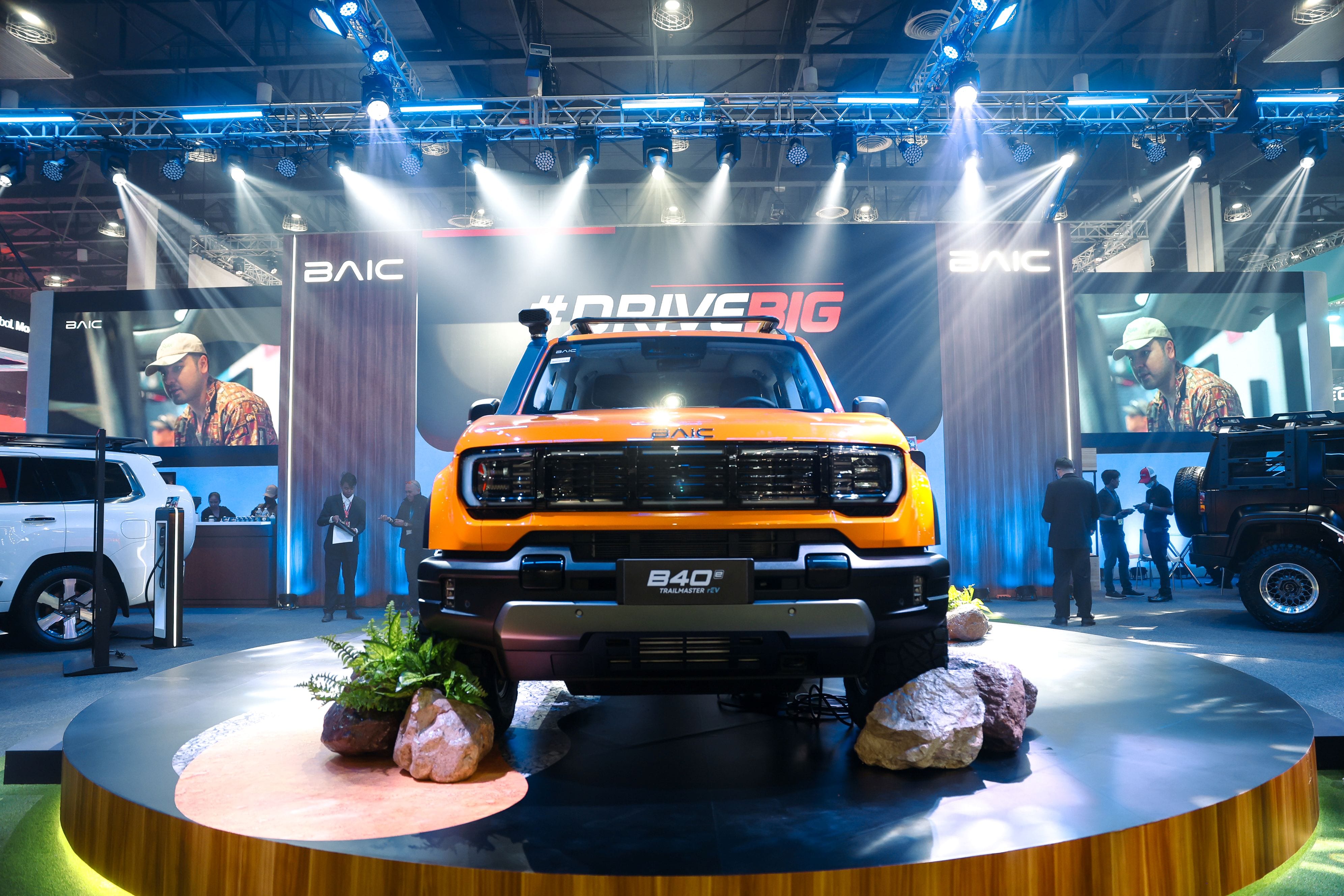
Chery unveiled the QEV, a compact electric city car with a driving range of up to 405 kilometers, DC fast-charging from 30 to 80 percent in just over 16 minutes, and vehicle-to-load capability. Practical specs that position it for everyday urban use rather than aspirational display. MG continued expanding its New Energy Vehicle portfolio with the HS PHEV, RX9 PHEV, and MG4 EV Urban, while reporting that the G50 PHEV has already surpassed 1,000 reservations nationwide. That last number is the important one: electrified vehicles have moved past being niche products.
Suzuki perhaps delivered the show's most historically significant moment with the eVitara, the brand's first production global electric vehicle. With a 61-kilowatt-hour battery, a 174-horsepower electric motor and an official range of up to 475 kilometers, it’s a company long defined by practicality and efficiency taking that logic into the next chapter.
No longer Just Your Private Vehicles
Commercial mobility also had an invite. Foton unveiled the Coach EV, an all-electric bus that can seat 33 people and has a range of 350 kilometers on a single charge, powered by a 200.54-kWh battery pack that can produce 284 horsepower. Electrification is now a topic of discussion around public transportation and fleet operations, not an afterthought.
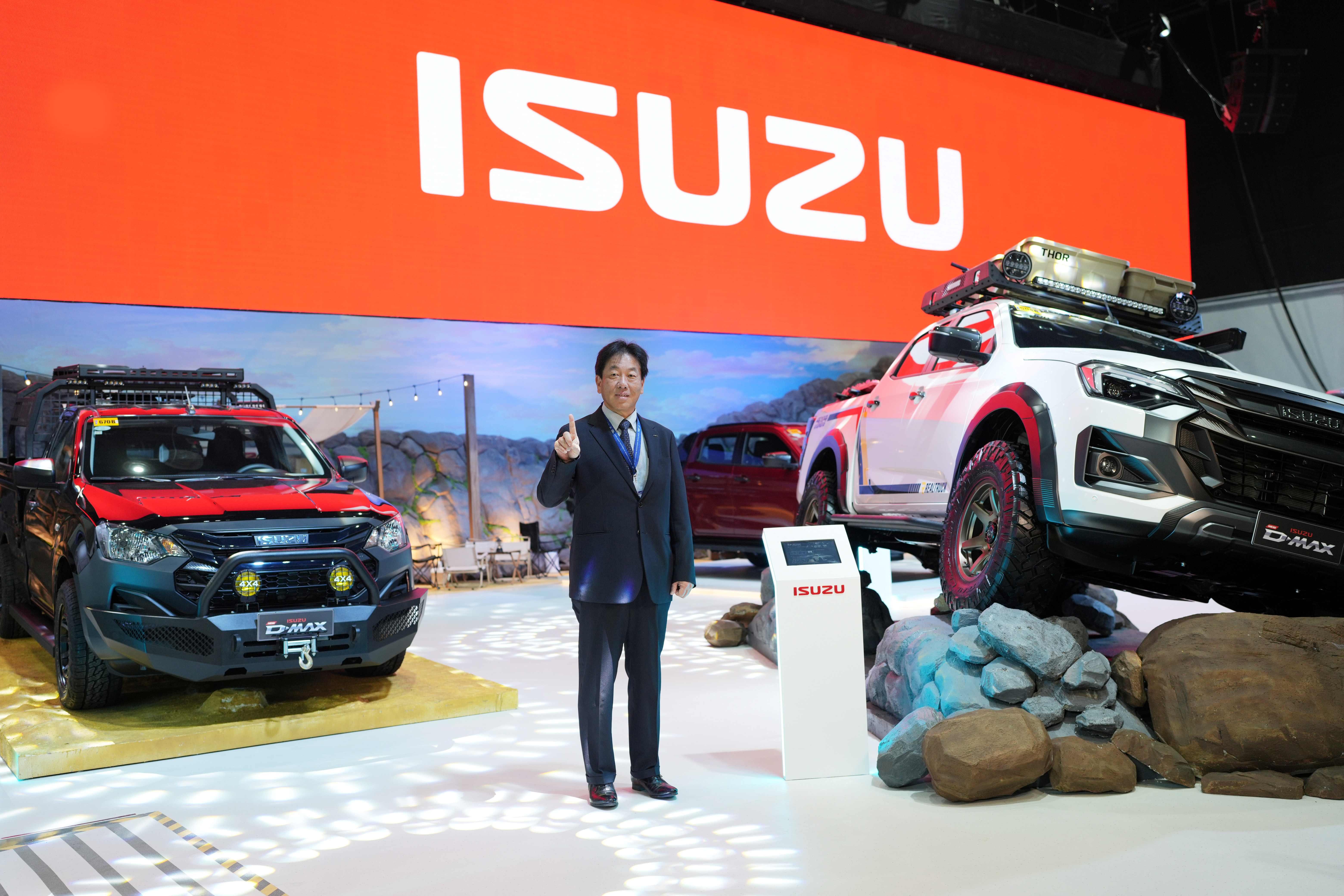
Flexibility of the Isuzu D-Max range was highlighted with a range of bespoke builds from adventure-ready overlanders to city utility vehicles, making it a segment to watch for those not quite ready to go beyond diesel but looking for choices.
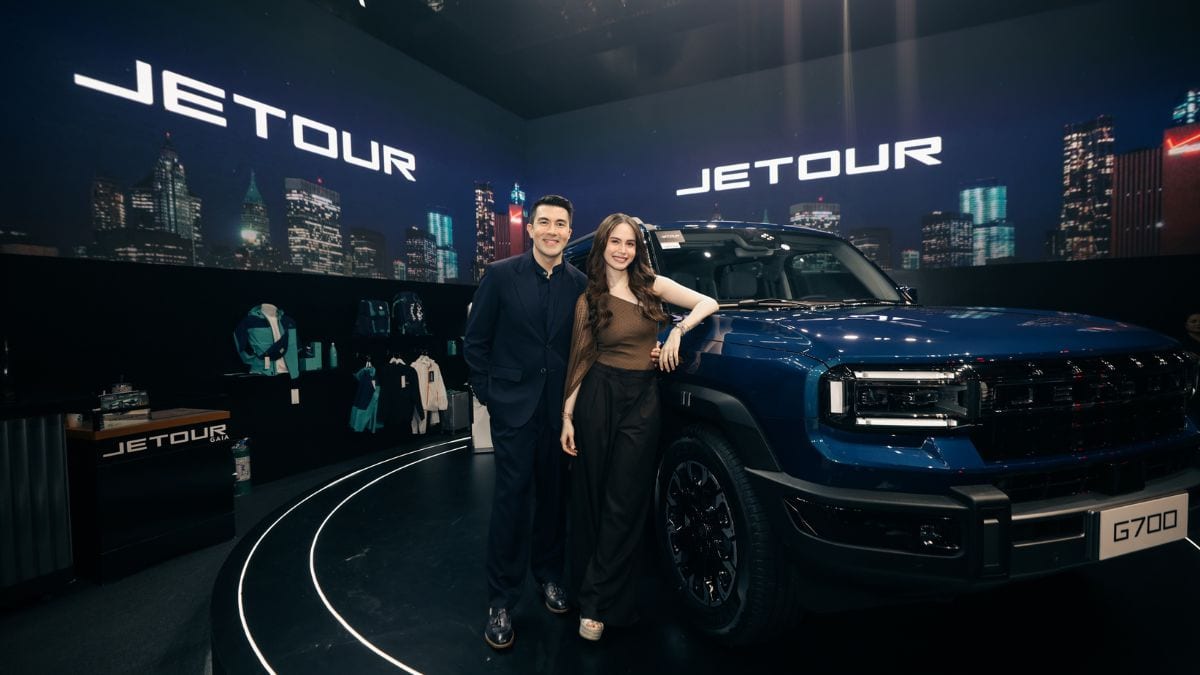
Jetour, meanwhile, leveraged PIMS to formally introduce Jessy Mendiola and Luis Manzano as brand ambassadors, strengthening its push for Filipino family buyers in the value-oriented crossover segment.
New Jetour Brand Ambassadors Luis Manzano and Jessy Mendiola
This year’s show was not about the horsepower numbers or the battery capacities. It was in the sum of what was on the ground. Seventeen brands. Hybrids, plug-in hybrids, battery-electric cars, electric buses, electric motorcycles, and electric city cars are being displayed together in the same exhibition halls and are all available or coming soon. Incumbents protected their turf, while upstarts challenged them with new ideas and aggressive specs.
Japanese brands that had spent decades building trust in this market were suddenly confronted with Chinese challengers arriving with longer ranges, faster charging times, and lower price points. That competition is the most important thing to come out of four days at the World Trade Center for Filipino motorists stuck in EDSA traffic wondering if they should make the switch.
View More Articles About: