

With Toyota Introducing Ultra-Luxury Brand Century, How Will That Alter Lexus' Brand Positioning?

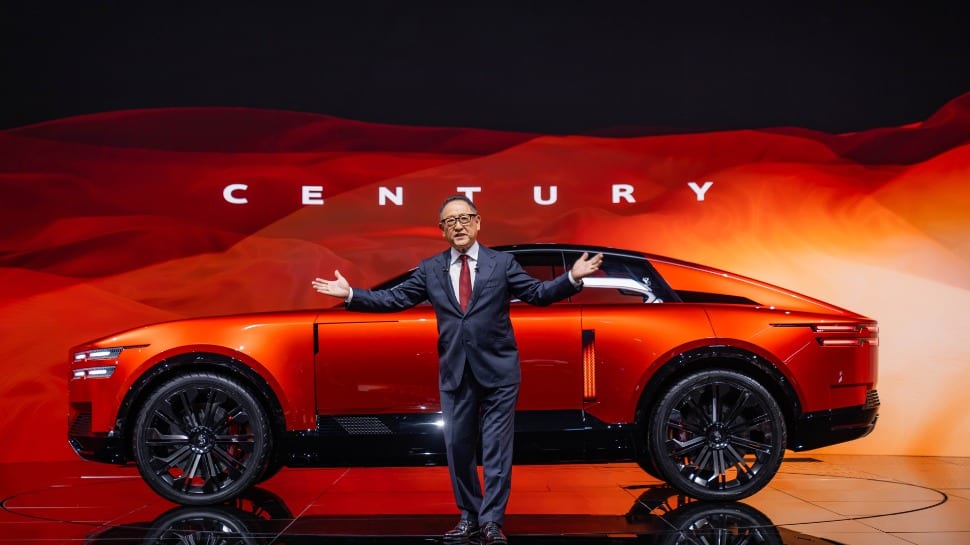
There were plenty of things to see and hear at this year’s edition of the Japan Mobility Show, but there’s one piece of news that everyone seemed to be talking about—the grand debut of Century as the Toyota Group’s ultra luxury brand.
Toyota Chairman Akio Toyoda himself led the formal announcement on Wednesday (October 29) at Tokyo Big Sight, invoking the spirit of his ancestors to turn Century into a formidable brand that will compete with the best of the best in the industry.
Toyota Chairman Akio Toyoda at the media launch of Century at the Japan Mobility Show
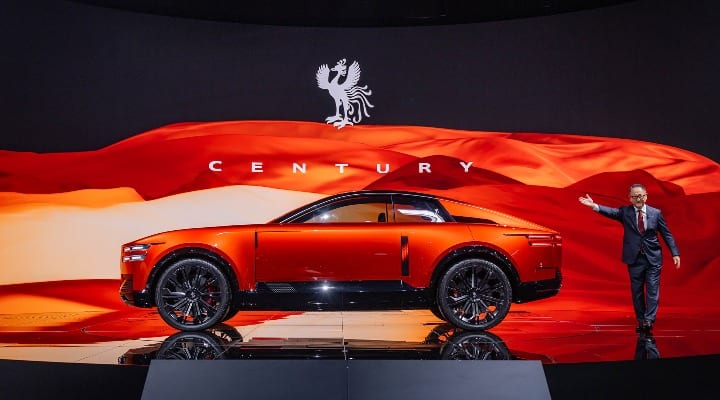
“Century is not just another brand within Toyota Motor Corporation,” Toyoda said. “We want to cultivate it as a brand that brings the spirit of Japan—the pride of Japan—out into the world.”
That left many spectators wondering exactly how this will alter the strategic positioning of Toyota’s other luxury brand—Lexus.
Since it was founded in 1989, Lexus has offered automobiles for the premium segment of the market, beginning with the LS, which originally stood for “luxury sedan.” Through the years the brand established itself as a serious player in the upmarket vehicle space, combining Toyota’s reliability and craftsmanship with sophisticated design and technological prowess.
ALSO READ
Architect Liza Morales, Driven by Sustainability, Breathes New Life Into Elaia by CYMA
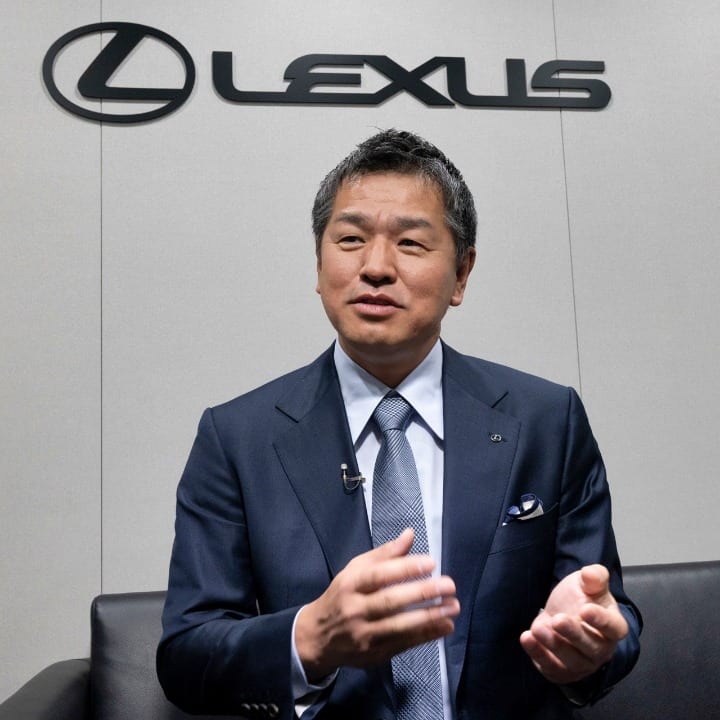
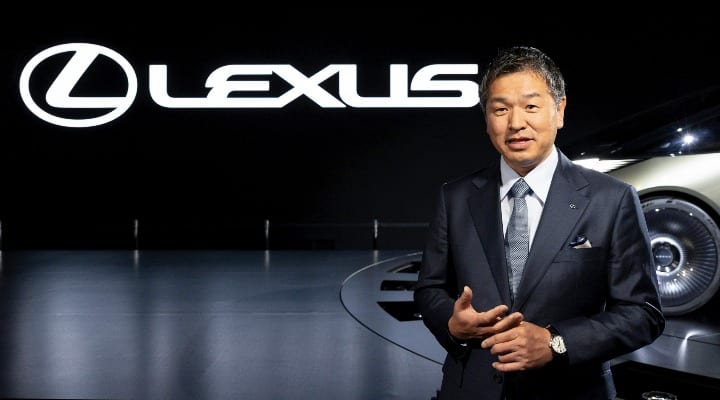
After Toyoda’s announcement, Esquire Philippines, along with two other journalist-colleagues from Southeast Asia, had the opportunity to chat with the president of Lexus International, Takashi Watanabe. The official emphasized that Lexus’s core brand value remains rooted in high quality, quietness and craftsmanship—evocative of the original LS model.
Esquire Philippines had an exclusive chat with Lexus International president Takashi Watanabe
“The LS…that was the vehicle that really set the standard for us—quality, quietness, and really incorporated Japanese craftsmanship,” he said. “And so that became the DNA of our brand, Lexus.”
While Lexus is evolving, Watanabe said it will inherit and preserve that DNA even as it becomes bolder or more adventurous. He did acknowledge that the luxury landscape is changing, so Lexus is not only continuing its prior mission but will undergo a transition.
“Luxury itself is evolving,” he said. “People’s needs are diversifying. We cannot and will not just continue as an extension of what we’re doing up until now.”
Clearly this signals a strategic shift which aligns Lexus with new values, technologies and customer expectations.
Watanabe also clarified how Century’s positioning affects Lexus as a brand. “Century will take the history and the tradition of car-crafting, and they will protect that moving into the future. And that allows us (lexus) now to move much more freely. That will be our relationship together.”
The all-new Lexus LS Concept
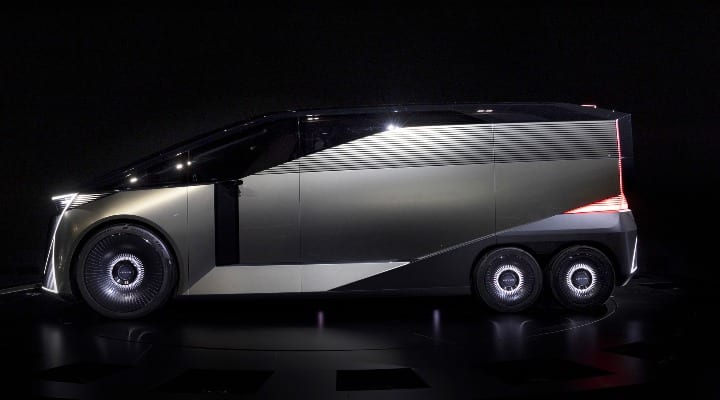
In short: Century is positioned as the Toyota Group’s heritage and ultra-luxury brand, which, in turn, allows Lexus greater freedom to pursue more expressive design, electrification, and younger luxury relevance without diluting Century’s legacy.
On the question of powertrains, Watanabe also outlined Lexus’ focus. “For Lexus, the key access is electrification. How do we use the most effective method of electrification to add value for mobility solutions?”
Similar to how Toyota as a group is following the multi-pathway approach in relation to electrification, the official said Lexus doesn’t intend to blindly follow regulatory mandates or just one powertrain type (e.g., BEV only). Instead, the brand will choose what aligns with brand value, customer needs and convenience (charging, range, behavior). This reinforces that Lexus’s shift is strategic and customer-led, and not merely reactionary to market regulation.
“When you look at a car, customer needs must match,” he said. “If you just follow regulations and make BEVs, usually the car value is not enough.”
Lexus International president Takashi Watanabe
That said, when I asked if Lexus is still keen on pursuing its target of full battery electric lineup in North America and Europe by 2030 and full global switch to EV by 2035, Watanabe said simply, “Yes.”
