Why 'Jesus Christ Superstar' Still Matters in 2026, According to Director Timothy Sheader
The Andrew Lloyd Webber sung-through rock opera is opening at The Theatre at Solaire in May.

Published on Feb 1, 2026
GMG Productions, which brought the international tours of Dear Evan Hansen, Hamilton, and—currently—Les Misérables: World Tour Spectacular to our shores, is also staging the Andrew Lloyd Webber-Tim Rice rock opera Jesus Christ Superstar. It's a 55-year-old musical that's basically about the Passion of Jesus, with Gospel characters included, so forgive me if I'm a bit skeptical about just how engaging this show would be. But like many enduring pieces of art, Jesus Christ Superstar is supposed to cut through generations, beliefs, and sensibilities, especially with this Olivier Award-winning revival from London's Regent's Park Open Air Theatre.
In a quick exchange with Director Timothy Sheader and Musical Supervisor Tom Deering, we find out why and how this musical refuses to be a static historical piece.
Esquire Philippines: What is it about the show and its story that has allowed it to survive for over 50 years?
Timothy Sheader, Director: The show, 50 years on, is contemporary, modern, and thrilling. If this landed on my desk today as a newly written piece, I would be excited and think it was form-bending.
From the first downbeat until the beautiful ending, it is an absolute ride. The show has never dated, and I think the key to that is the form of it—that is sung through Pop Opera with amazing music.
As we listen to the music, we’re getting a story subliminally that any of us raised in the Western world, whatever our faith, or even if we are faithless, we were immersed culturally in this story, and so that is bleeding through the music.
Tom Deering, Musical Supervisor: Jesus Christ Superstar endures because it refuses to close down its questions. It takes a story people assume is fixed and inevitable, then exposes the uncertainty, doubt, and moral pressure inside it. Each generation recognizes its own fears about power, responsibility, and agency reflected back.
What do you feel is the core message of the show?
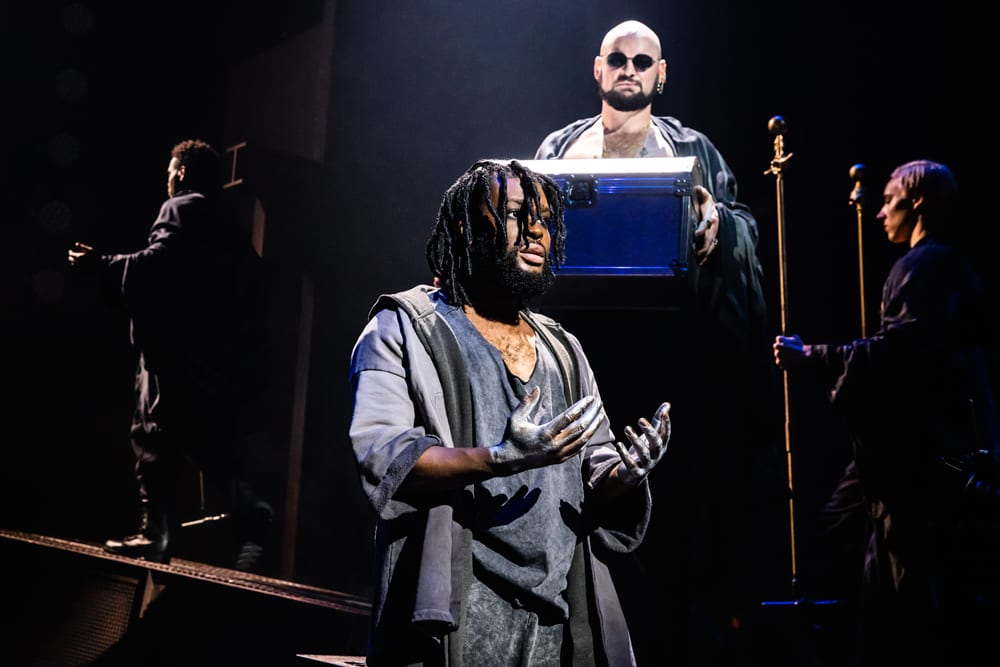
Sheader: I think the show is simply engaging with a magnificent, important piece of art and being thrilled by live entertainment. It’s about coming together in an auditorium with a thousand or more people and hearing this music played and interpreted live in front of you, raising your soul to new heights.
The production is built around the line "He’s a man, he’s just a man," and so I think if it’s to do with anything spiritually—and perhaps our production leans into this—a living, breathing man did live this story and was sacrificed to become this icon, this prophet, this God.
Deering: At its heart, the show wrestles with whether our lives are governed by destiny or shaped by choice. The characters sense that history is pulling them toward fixed outcomes, yet they still carry the full weight of their decisions. That unresolved tension between inevitability and responsibility gives the piece its lasting force.
Why do you think the it appeals to all kinds of audiences?
Sheader: I think there’s such a wide range of people that this show appeals to, from the individuals who bought the album, the ones who learnt guitar and practiced those iconic licks, to the next generation who were introduced to it by their parents when they were young. It’s become nostalgic for that generation, and it’s been handed down over the years.
It can be interpreted so differently by directors, designers, and musicians, and so there’s that ability for it to keep reinventing itself.
It’s also a work of art, and works of art last for many, many decades, if not centuries.
Deering: The piece operates on several levels at once. It can be experienced as a rock concert, a political drama, a psychological portrait, or a spiritual provocation. Because it refuses to dictate a single meaning, audiences with very different beliefs and backgrounds can find their own way into it.
In an era of instant fame and social media, how has the show's exploration of celebrity and the idea of the mob changed in meaning for you?
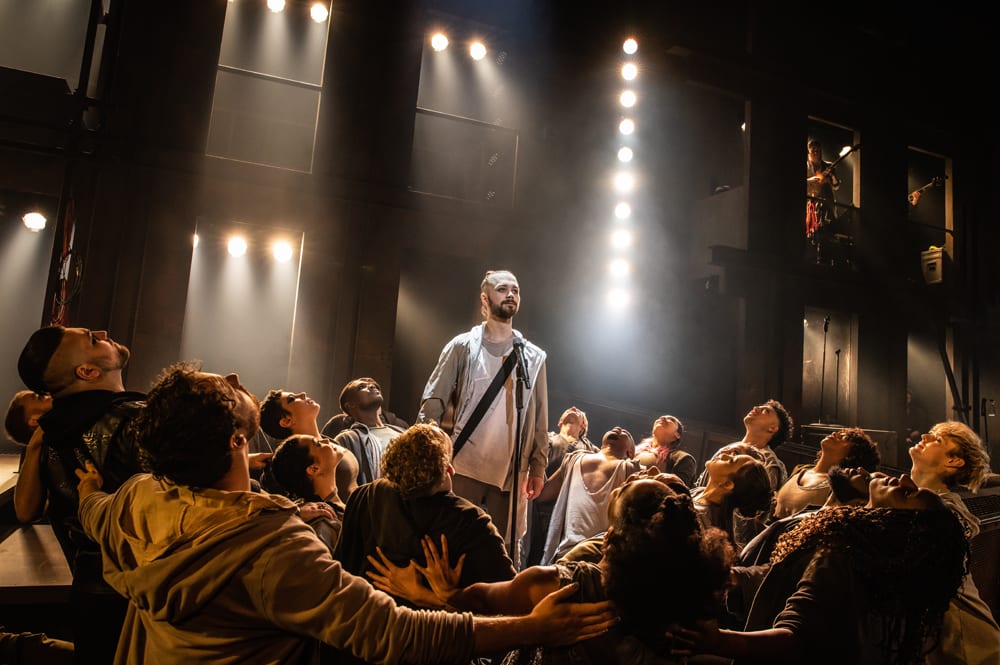
Sheader: I think the aspects of social media and instant fame are indirectly in the piece, but we do lean into that culture of the mob. The ensemble of our version of the show is called "The Mob," and the lead dancer is called the "Mob Leader," which I guess is the choreographic equivalent of a Chorus Leader in a Greek Drama. What we explore is that the Mob helps raise Jesus’ profile; they follow Jesus, making the appropriate amount of noise along the way to elevate him to a celebrity, which helps him become infamous and, in turn, a threat to both Rome and the Jewish Pharacites.
The people of Jerusalem adore him, and we treat them like fans at a music concert, with Jesus metaphorically as a music star, but, like with all celebrities, the tide turns very quickly, and so that Mob, the same group of people who were so obsessed by him in the beginning, are the ones to call for Caesar to crucify him.
Deering: The show’s portrayal of celebrity now feels less historical and more diagnostic. The rapid shift from devotion to suspicion mirrors contemporary patterns of instant elevation followed by collective judgment. What feels newly striking is how quickly responsibility dissolves inside the crowd, and how easily individuals surrender agency once momentum takes over.
What can people expect from Jesus Christ Superstar and what might surprise them about the show?
Sheader: We have been doing this show now for 10 years, all around the world, and are about to have our 10th Anniversary production in London’s iconic Palladium.
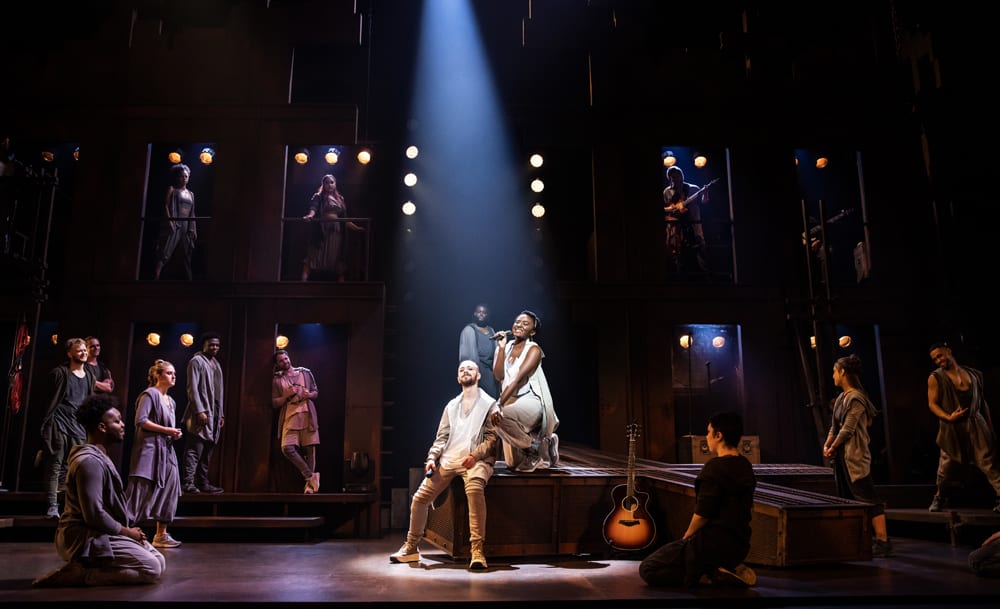
It’s a 90-minute rollercoaster of fantastic music that’s played live in front of you by engaged musicians and a company of performers who are committed to this material in a fantastic, frenetic, emotional, melodic way.
What’s different from other productions is that every beat of the show is choreographed, and it’s treated like a hybrid between a pop opera, music concert, and dance concert. This show is not a traditional book musical; the story is underneath the music, and it’s a visceral music experience, with everyone coming out having had an amazing time.
Deering: People can expect a score of extraordinary propulsion and directness. What may surprise them is how little the music offers comfort or resolution. Harmonic tension, repetition, and rhythmic insistence keep the listener suspended, mirroring the characters’ struggle between choice and inevitability. The music itself refuses to settle, which is central to what the show is really about
Jesus Christ Superstar opens on May 2 at The Theatre at Solaire, 1 Asean Avenue, Entertainment City, Tambo, Paranaque. Tickets are available on Ticketworld.
ALSO READ:
Why the Filipino Struggle Is Written in the Score of 'Les Misérables'
Broadway Musical 'Charlie and the Chocolate Factory' Is Coming to Manila
Christa I. De La Cruz is a Palanca Award-winning writer with over a decade of experience in feature writing for print and digital media. She holds an MFA in Creative Writing from De La Salle University.
View More Articles About: