The Unmasking of Demi Padua
For National Arts Month, Esquire Philippines shines the spotlight on a Mindoro artist’s journey from the dust of construction sites to the halls of the National Museum of Fine Arts.
Published on Feb 16, 2026
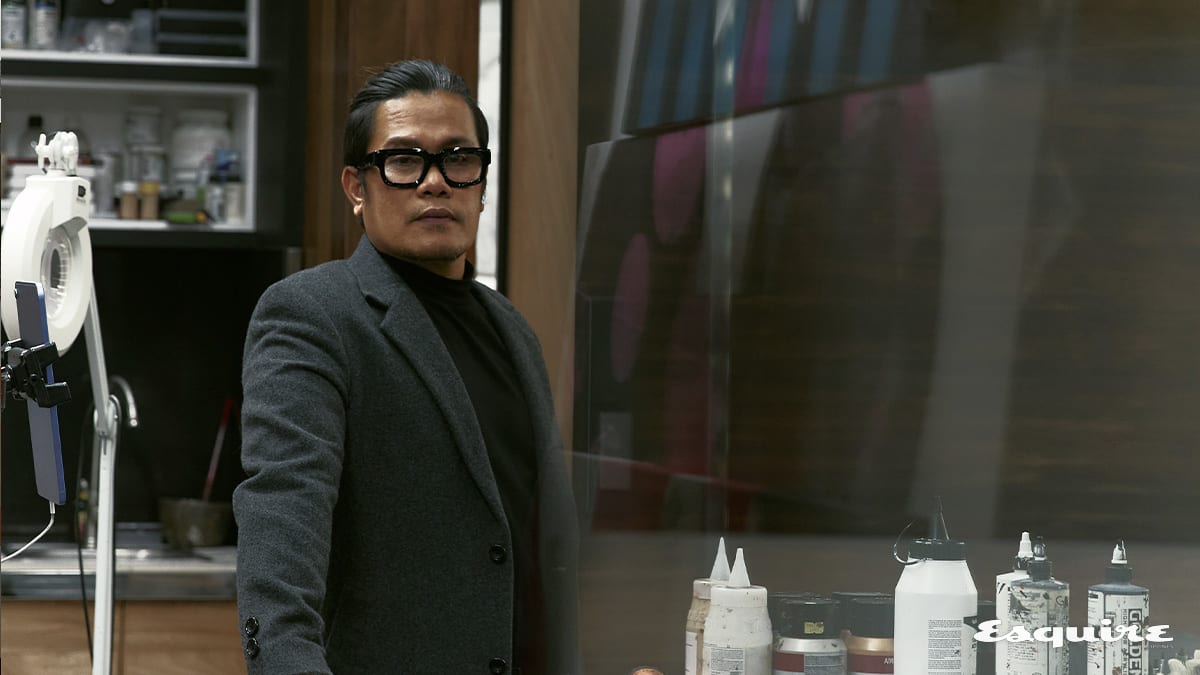
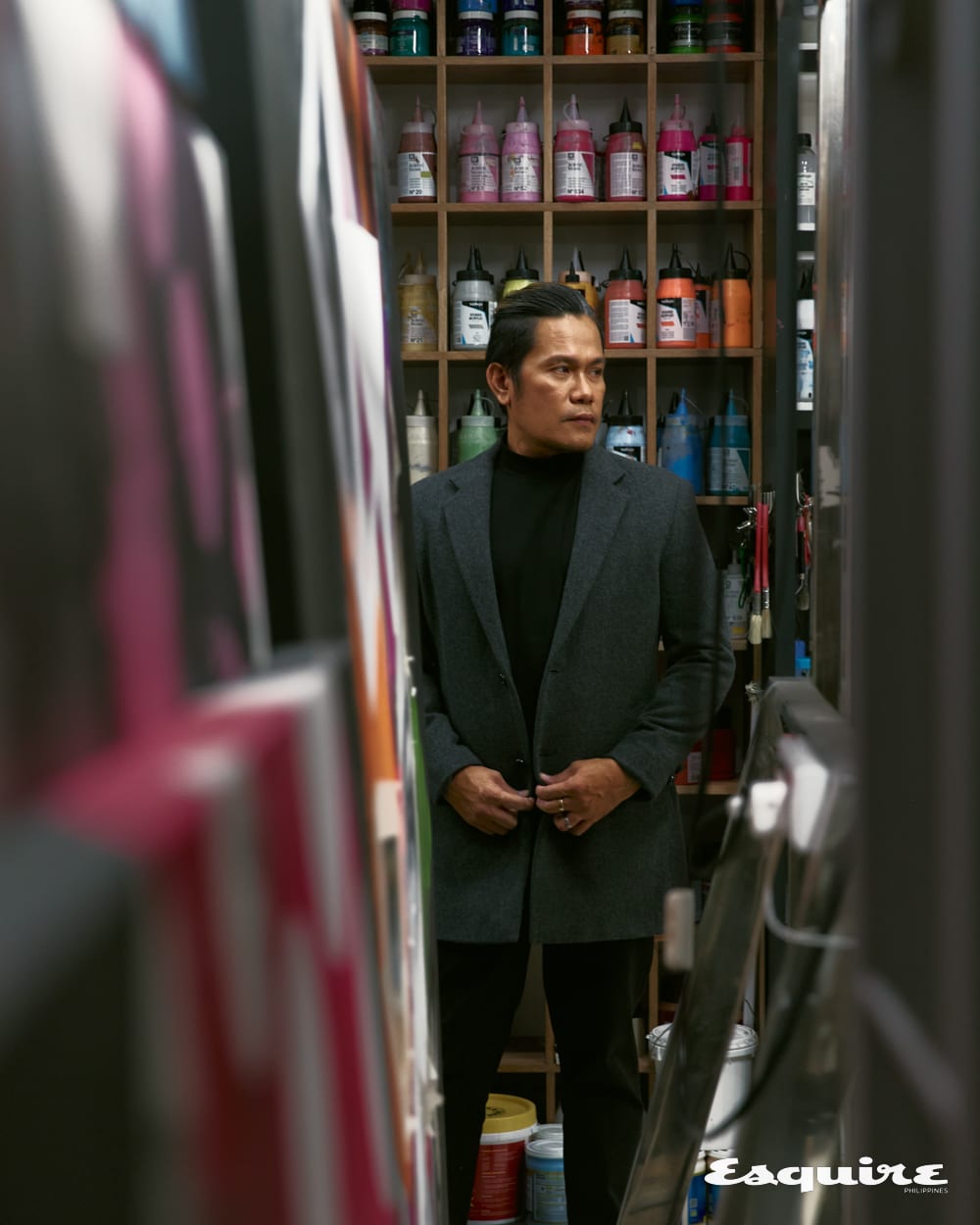
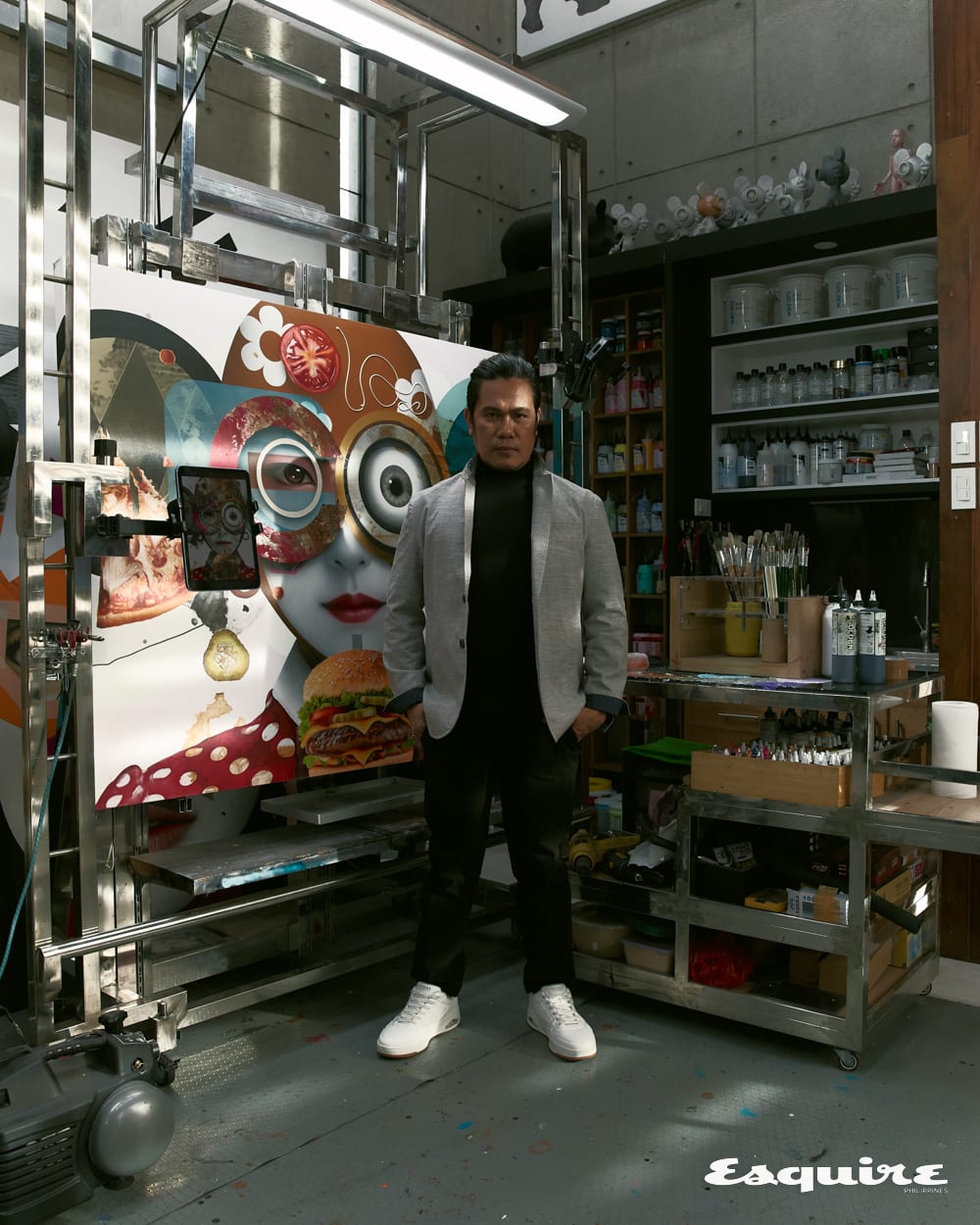
Demi Padua's studio in Bulacan is a black monolith surrounded by plots of tall grass. There are houses a couple of streets away, but it still seems out of place in a quiet and almost pastoral landscape north of Metro Manila. Inside, natural light streams in from the glass windows, filling up the space between the high ceiling and gray floor that's weathered by splatters of acrylic. Bottles and cans of paint are perfectly lined up on the shelves, while brushes are arranged by size in a utility cart. Two contraptions of steel and gear hold huge works-in-progress, with a tablet on one arm and an airbrush in another. On the second-floor quarters, a rack of newly dry-cleaned suits rests, seemingly signaling a readiness for the next exhibit gala or an international art event. With its industrial aesthetic, the structure feels like the curated domain of an artist who always had money and fame, and yet the story is far from it.
Demi's early life hasn't always been easy. His father, who passed away during the pandemic, relied on his assistance during construction work to save costs. While other kids were playing, he was mixing cement or finishing up a wall under the heat of the sun. Still, he found time to draw.
"Art ang nagbigay sa akin ng sigla at comfort nung time na sobrang hirap ng buhay namin. Pag nagugutom kami, drawing lang ako. Pag naiinggit ako sa laruan ng iba, drawing lang ako. Art for me is like a portal—dadalhin ka niya sa isang lugar na hindi realidad, kung saan everything you want to do is possible," Padua said.
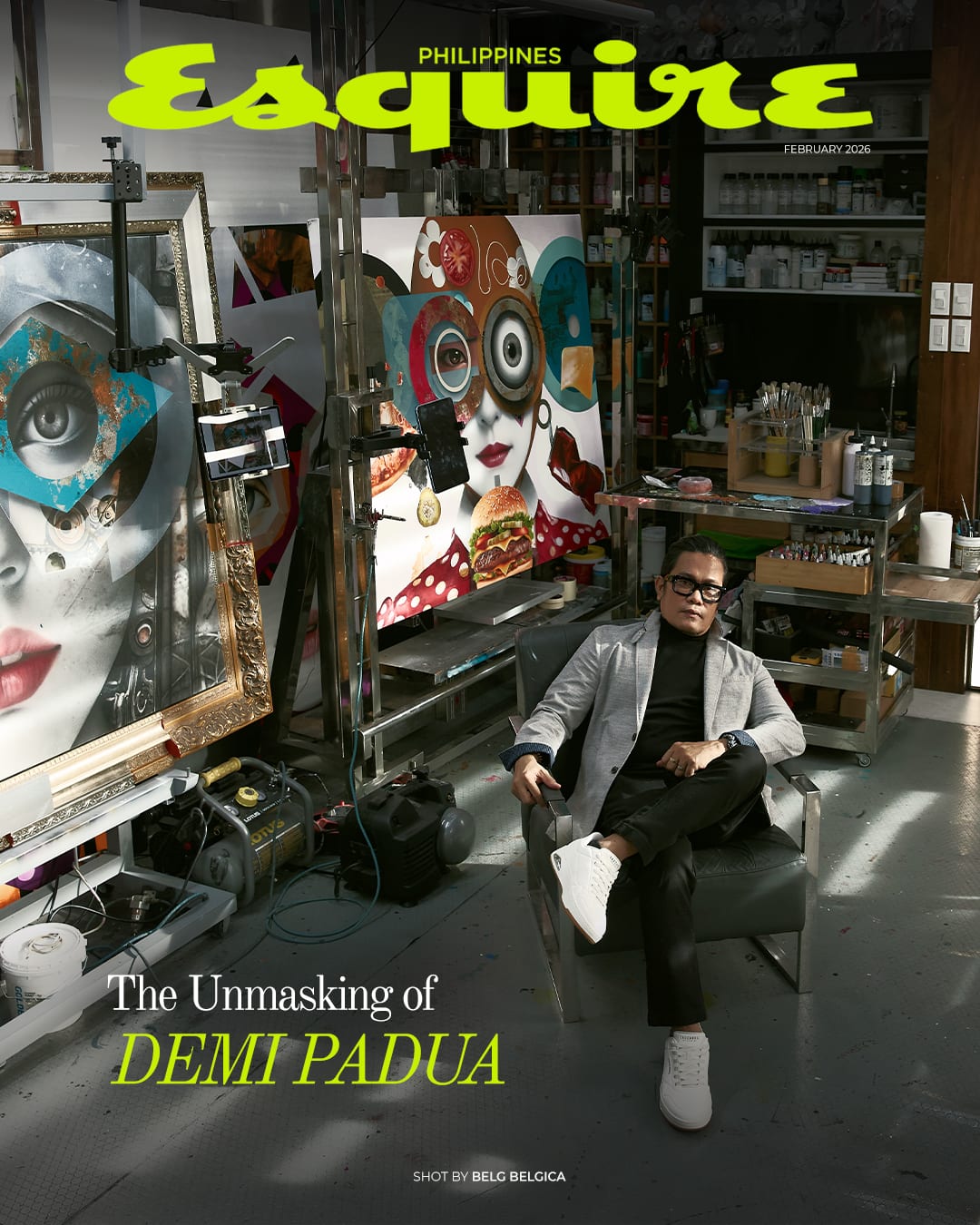
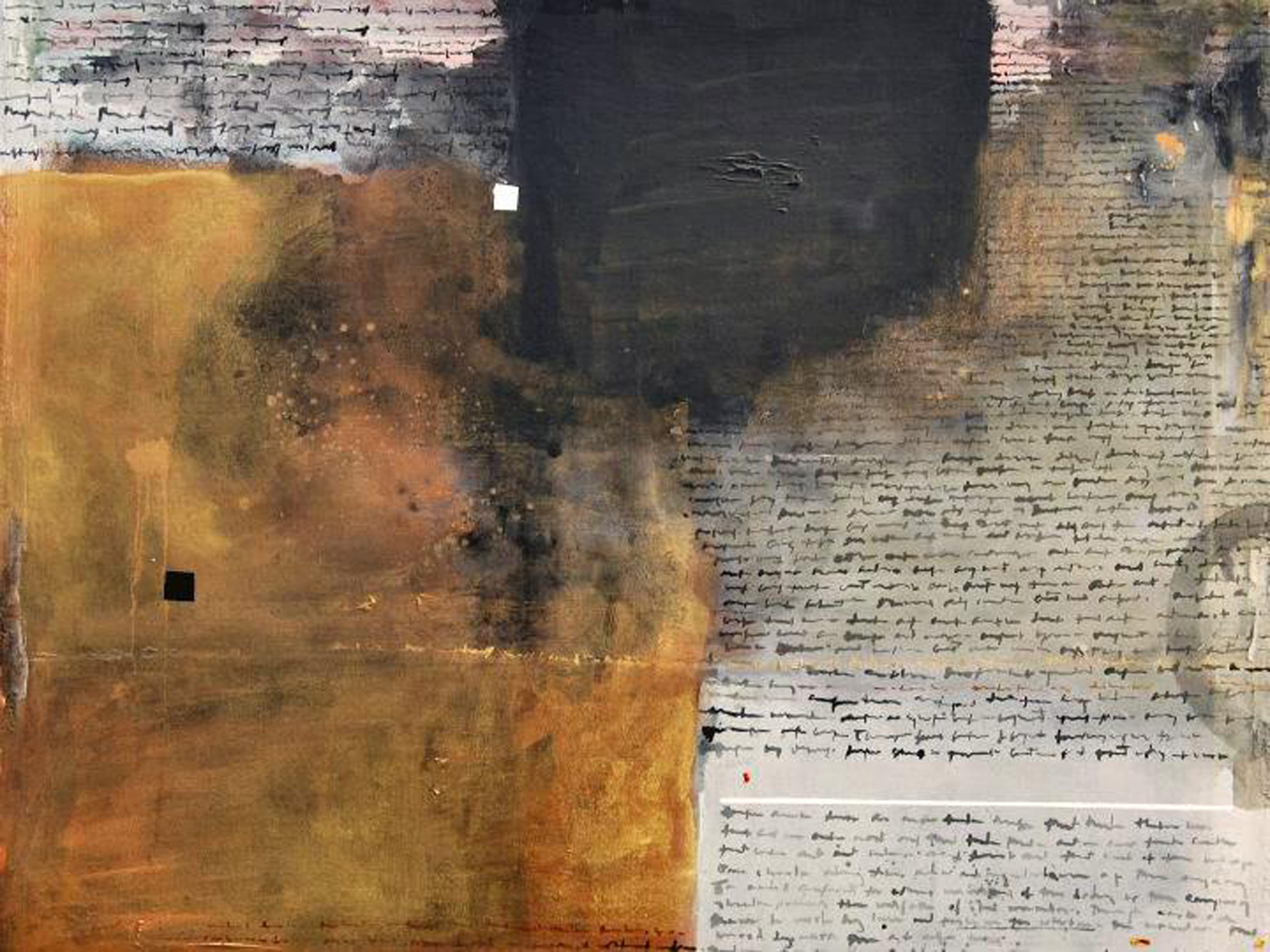
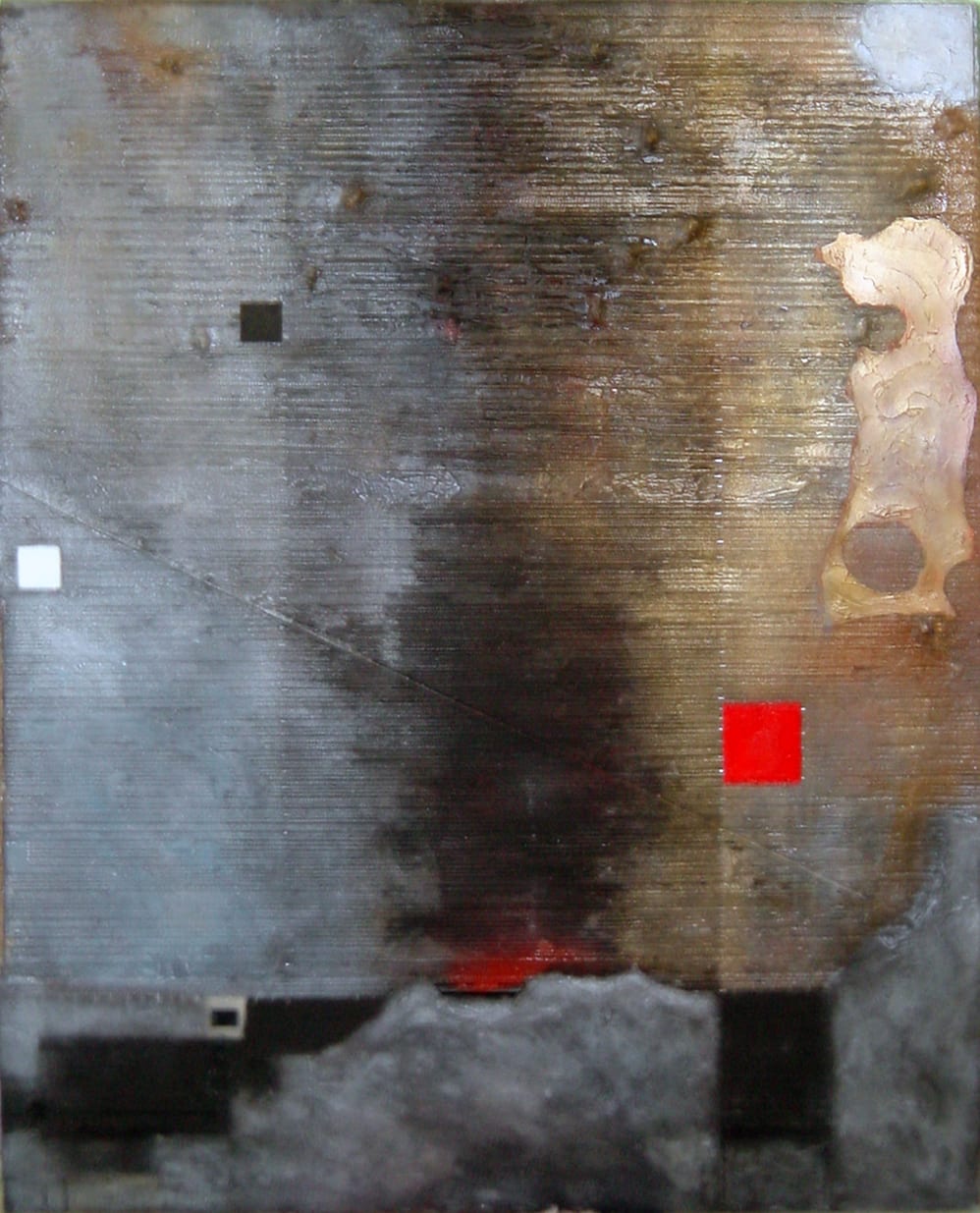
Art changed his life, but he never dreamt of becoming an artist at the start. Fast forward to 2025, Demi opened his Layers & Shadows exhibit at the National Museum of Fine Arts in Manila, the show being one of his biggest milestones—a new auction record being another. His work titled "Water on the Dry Land" went for P10,814,400 (Hammer + Buyer’s Premium) at the Asian Cultural Council Auction in August of the same year.
In a sit-down interview, we talk about his humble beginnings, the discipline of his craft, and why, despite the eight-figure achievements, he still paints with the hunger of that young boy from Mindoro.
Esquire Philippines: You started at six years old. Do you remember that specific moment?
Demi Padua: I don’t know kung six talaga or five. Pero ang isang naaalala ko, kalilipat lang namin noon sa Batangas. Nakita ko ‘yung boyfriend ng pinsan ko na nagda-drawing ng portrait. Siyempre bata ka, lagi namang curious ang bata e. Tinuruan niya ako ng stick figure—bilog, tapos ganyan. Pero habang tumatagal, naisip ko, “Ba’t iba ‘yung sa akin kaysa sa ginagawa niya?” That time, uso ang comics. Doon ako nag-focus sa kung paano ginagawa ‘yung drawings. Nag-start na magkaroon ng laman ‘yung stick figure. Wala pa ‘yung pakiramdam na gusto kong maging artist someday; nag-e-enjoy lang ako.
EP: When did you realize that this was what you wanted to do for the rest of your life?
DP: Ang hirap sagutin niyan kasi once you’re an artist, nasa dugo na ‘yun. Hindi siya ‘yung tipong gusto mong maging doktor o ano. Kusa siyang lumalabas na kahit hindi mo sabihin, alam mong doon ka papunta. Dahil naghahangad ka pa ng mas malalim, nagiging bahagi na ng buhay mo ‘yung sistema na ‘yun. Naka-automatic siya na doon ka papunta kasi nararamdaman mo na doon ka masaya.
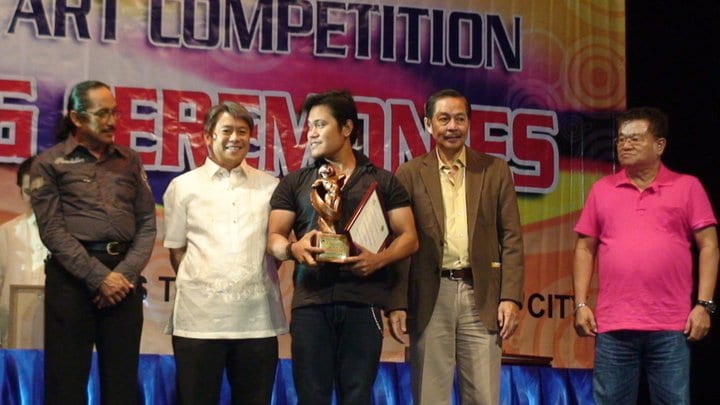
EP: You mentioned your father was a carpenter. Was he immediately supportive of your path as an artist when you enrolled in FEU Fine Arts?
DP: Meron akong hinanakit sa tatay ko noon kasi sobrang strict niya. Minsan papagalitan ka, “Bakit ka drawing-drawing diyan? Bakit hindi ka mangahoy?” Ang focus niya ay survival dahil sobrang hirap ng buhay namin. Imagine, 11 years old pa lang ako, natuto na akong maghalo ng semento. Kung makikita niyo ‘yung kamay ko, baluktot ‘to dahil doon—malambot pa ang buto ko noon e.
Nung mag-aaral na ako, gusto niya Electronics. Sabi ko, “Tatay, ayoko, gusto ko talaga Fine Arts.” Nasunod pa rin ang gusto ko. Nung naging artist na ako at nakita niya ang pagbabago sa buhay namin, siya na ang naging number one fan ko. Minsan tatanungin ko, “Tay, maganda ba ‘to?” Sasabihin niya, “Isama mo ‘yan.” At ‘yun laging unang nakukuha ng collector. Sobrang nami-miss ko ‘yung father ko.
EP: Your family moved from Mindoro to Batangas, then to Tondo and Bulacan. How did that constant movement shape your art today?
DP: Nung nasa Mindoro kami, namumulot kami ng pinsan ko ng fragments ng basag na Buddha piggy banks. Papagandahan kami ng kulay ng fragments. I think doon nag-start ‘yung interest ko sa kulay.
Every time na lumilipat kami, nadadagdagan ‘yung empty spaces sa mind ko ng mga kultura at experiences. Para siyang puzzle. May mga questions ka na nasasagot sa bawat lugar na pinupuntahan mo. Malaking epekto ‘yun sa kung paano ako gumawa ng art—isinasama ko ‘yung experience. Anong ibibigay mo kung wala ka? Kung anong meron ka, ‘yun lang ang kaya mong ibigay.
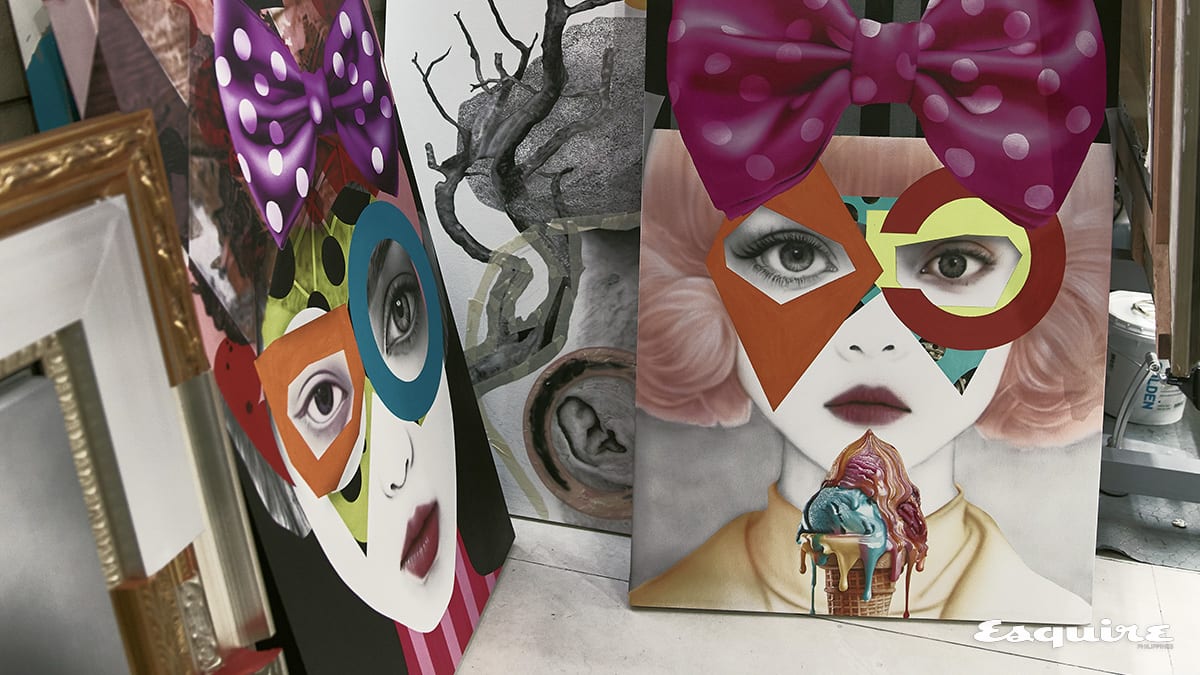
EP: Your signature style is defined by collage-like layers. How did you arrive at this specific look?
DP: Nakukuha ko ‘yan sa puppets at mascots nung nagtrabaho ako sa theater. Isang tao ka lang pero apat ang character mo, kaya patong-patong ang maskara. Na-realize ko na ang tao, isa lang siya pero maraming maskara. Ibang mukha ang pinapakita mo sa Presidente, iba sa kaibigan.
Nung naka-mascot ako, ang daming yumayakap sa akin kasi “cute” ako. Pero nung hinubad ko ang costume, dadaan-daanan lang ako. Naranasan ko ‘yung umiiyak ako sa loob ng mascot habang sumasayaw dahil sa problema, pero tuwang-tuwa ang mga tao sa labas. Ganun ang art ko—layered, bawat layer may kwento, pero iisa lang ang nagdadala.
EP: Could you walk us through your creative process?
DP: Ang pinakamahirap na proseso sa paggawa ay ‘yung pag-iisip ng gagawin. Kasi hangga’t di ka nag-i-start, hindi mo alam kung paano magsisimula. Ang ginagawa ko, naghahanap muna—Ano ba ‘yung interest mo? Ano ba ‘yung gusto mong ipakita o ibahagi? Hahanap ka ng samples, o punta ka sa mga museums at galleries. Then, may makikita ka na isang bagay na mag-i-click—Pak! Once na mag-click ‘yun, kahit maliit na porsyento lang ng gusto mong gawin, lumalaki na ‘yun. Parang baga na unti-unting nag-aapoy.
Kapag naka-focus ka na sa isang bagay, hanggang iniisip mo ‘yun, nadadagdagan nang nadadagdagan hanggang mabuo mo na ‘yung gusto mong gawin. Doon nag-i-start—sa isip ko muna. After that, i-i-sketch ko na ‘yan. Kaya lang, minsan mahirap ilabas ‘yung eksaktong nasa isip mo. Minsan dino-drawing ko pero hindi ‘yun ‘yung nasa loob ng isip ko. Sobrang swerte mo ‘pag eksaktong nakuha mo ‘yun.
Dinadala ko siya sa Photoshop para makita ko visually kung ano ‘yung gusto kong mangyari. Nag-ga-gather ako ng elements para mabuo ‘yung piece. Pero study lang ‘yun. Hindi ‘yun ‘yung final, kasi once na ginagawa mo na ‘yung pyesa, nagkakaroon ng plus-minus. May nararamdaman ka habang ginagawa mo na, “Ito pala ‘yung kailangan ko.” Mag-si-shift ka ng colors. Kaya hindi ako nagbibigay ng studies sa commission work, kasi minsan ‘pag nakita nila at gusto nilang pabago, wala na akong magagawa.
Ang pinakapaborito ko ay ‘yung finishing. Diyan ako nag-di-detail ng every element. Minsan “nabubugbog” ‘yung work dahil sa dami ng nilalagay, minsan nasisira na actually. Pero alam ko na kung paano kontrolin kung tapos na. Pag-isip ‘yung pinakamahabang proseso; ‘yung paggawa, mabilis na sa akin dahil sa skill. Maraming nagtatanong, “Demi, ba’t hindi ka nauubusan ng ideas o portrait?” Kasi habang ginagawa mo ‘yung isang pyesa, may bagong dumadating. Minsan may “fail” o accident na mali ang gawa mo, pero biglang, “Uy, bingo!” Swerte kasi may lumabas na hindi mo in-expect. ‘Pag i-combine mo ‘yung old works at new works, may panibagong darating.
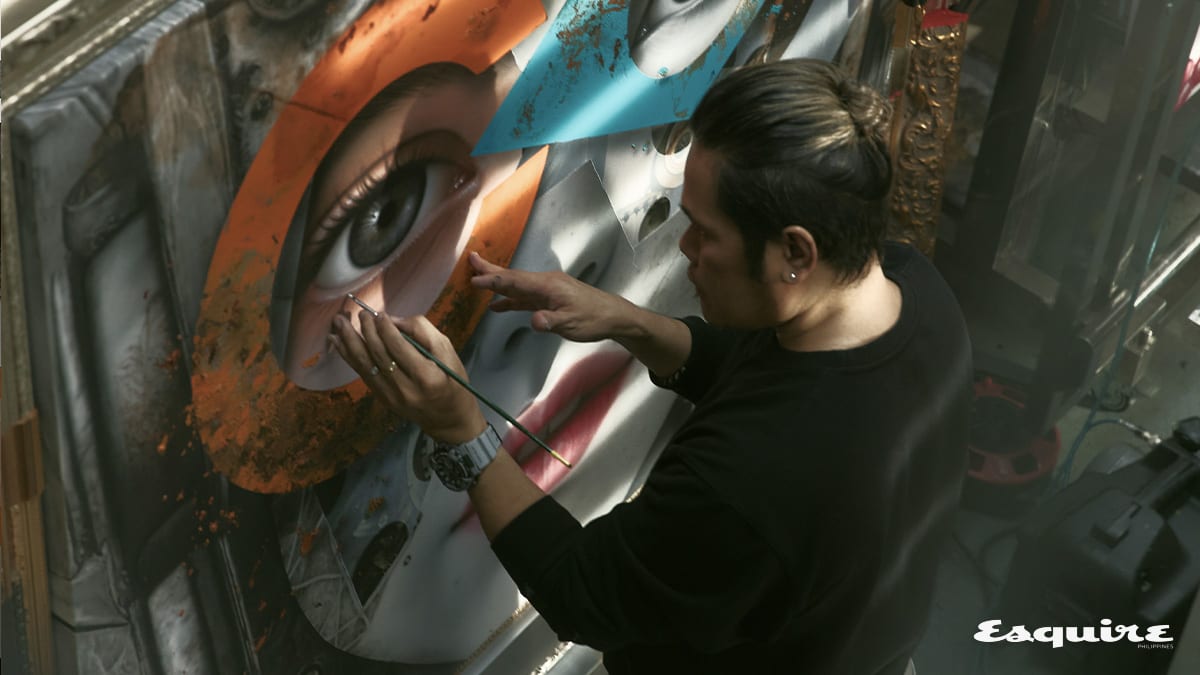
EP: Your portraits feature hyper-realistic eyes. Do you have a particular preoccupation with them?
DP: Pag may ginagawa ka, lagi kang maglalagay ng focal point. Pag tumitig ako sa mukha, ano bang unang tinitingnan ko? Siyempre mata. Kahit naka-face mask nung pandemic, makikilala kita dahil sa mata. Sa mata mo makikita ang iba’t ibang emotions. Gusto ko makipag-connect sa audience para maisip nila, “Ano kaya ang pinagdadaanan nito?” Mata ang pinakamahalaga sa lahat ng part ng mukha.
EP: Can you tell us how your solo show at the National Museum came to be?
DP: Dream come true ‘yun. High school pa lang ako nung first time ko pumunta sa National Museum, nakita ko ‘yung “Spoliarium”, hindi ko pa kilala no’n si Juan Luna. Sabi ko sa sarili ko, “Gusto kong maging katulad nitong artist na ‘to.”
Nung sinabi ni Derek Flores (manager) na may chance mag-show doon through Asian Cultural Council, halo-halong kaba at tuwa. Sabi ko, “Sino ba ako para mag-show doon?” Pero pangarap ko talaga ‘yun. Sabi ko, kahit hindi na ako mag-show sa ibang bansa, basta makapag-show sa National Museum, okay na.
EP: First Lady Liza Araneta-Marcos attended your opening and ribbon-cutting. How do you navigate the balance between state patronage and artistic independence?
DP: Ako kasi, lagi lang ako sa neutral. Kung meron man akong views about politics, hidden ‘yun. Ayokong maapektuhan ‘yung art ko ng pulitika. Ang goal ko ay mag-impart ng saya at hope sa tao gamit ang art ko, kaya ayaw kong magkaroon ng bias. May mga kaibigan akong pro, may kaibigan akong anti. Gusto ko walang kinalaman ‘yung trabaho ko doon.
EP: In terms of government support, how important do you think it is for the local art scene?
DP: Very important. Sa ibang bansa like Japan or Europe, pag sinabi mong artist ka, iba ang treatment nila—parang may special privilege. Dito sa atin, may ahensya naman pero hindi ganoon katutok. Ang gagaling ng Filipino artists, nakita ko ‘yan sa international art fairs. Kulang lang tayo sa support para ma-expose tayo sa labas. Iba ang gawa ng Pinoy—nandoon ‘yung heart at soul.
EP: Your work "Water on the Dry Land" sold for 10 million pesos at the Asian Cultural Council Auction. How does someone who came from nothing process that number?
DP: Ang pagiging artist para sa akin ay hindi profession—it’s inborn. Noong nag-graduate ako, Advertising ang kinuha ko kasi ayaw kong i-compromise ang art ko dahil sa pera. Ayaw kong ‘yung art ang magpapakain sa akin; gusto ko ako ang magsu-sustain sa art ko para mapagpatuloy ko ‘yung paggawa ng obra.
Hindi ako masyadong focused sa auction prices. Ang focus ko ay kung paano ko mas mapapaganda pa ‘yung trabaho ko at paano ko mabi-beat ‘yung dati kong ginawa. Pag maganda ang product mo, susunod naman ang mga kliyente.
EP: What’s the mark of a successful artist?
DP: Success is once you meet your goal—maliit man o malaki. ‘Yung fame at awards, reward na lang ‘yan. ‘Yung makakaalis ka sa kahirapan, success din ‘yun. Pero ang tunay na success ay ‘yung alam mong may na-accomplish ka sa sarili mo.
EP: What do you think the six-year-old Demi in Mindoro would think of the man sitting here today?
DP: Siguro sasabihin niya, “Well done.” Nagpapasalamat ako sa Diyos na naranasan ko ‘yung hirap at failures, kasi dahil doon, na-va-value ko ‘yung blessings na dumarating sa akin ngayon. Hanggang ngayon, parang ako pa rin ‘yung bata dati—marami pa ring gustong matutunan sa art at sa buhay. Ang buhay natin ay parang artwork; God is the creator, tayo ang canvas. Sunod ka lang sa stroke.

Story and Production: Christa I. De La Cruz
Editor-in-Chief: Paul John Caña
Creative Direction: Igi Talao
Photography: Belg Belgica, with Hallvard Cano
Videography: Jo Tamesis and Ford Unciano
Make-up: Xy M. Eugenio
Hair: Mutya Cabrera
Special thanks to Derek Flores and DF Art Agency
ALSO READ:
Manuel Ocampo and the Carnival of Monsters
Movers of Filipino Contemporary Art: 25 Artists We Love
Christa I. De La Cruz is a Palanca Award-winning writer with over 15 years of experience in feature writing for print and digital media. She earned her Sertipiko sa Malikhaing Pagsulat sa Filipino from the University of the Philippines Diliman and holds an MFA in Creative Writing from De La Salle University.
View More Articles About: