10 Must-Try Dishes from Asia’s 50 Best Restaurant 2026 Winners
Asia’s top chefs reveal the personal stories and secret techniques behind their most iconic plates.
Published on Apr 18, 2026
The annual Asia’s 50 Best Restaurants recently announced its winners for the 2026 edition. Expectedly, reservations will surge as diners flock to these celebrated dining spots. But at its core, it’s all about the food. A truly great restaurant, first and foremost, delivers exceptional meals. Curious about which dishes stand out from each winner? Esquire Philippines spoke with the chefs themselves to learn more about their signature creations and the inspiration behind them.
1 | Camphor Wood Smoked Goose
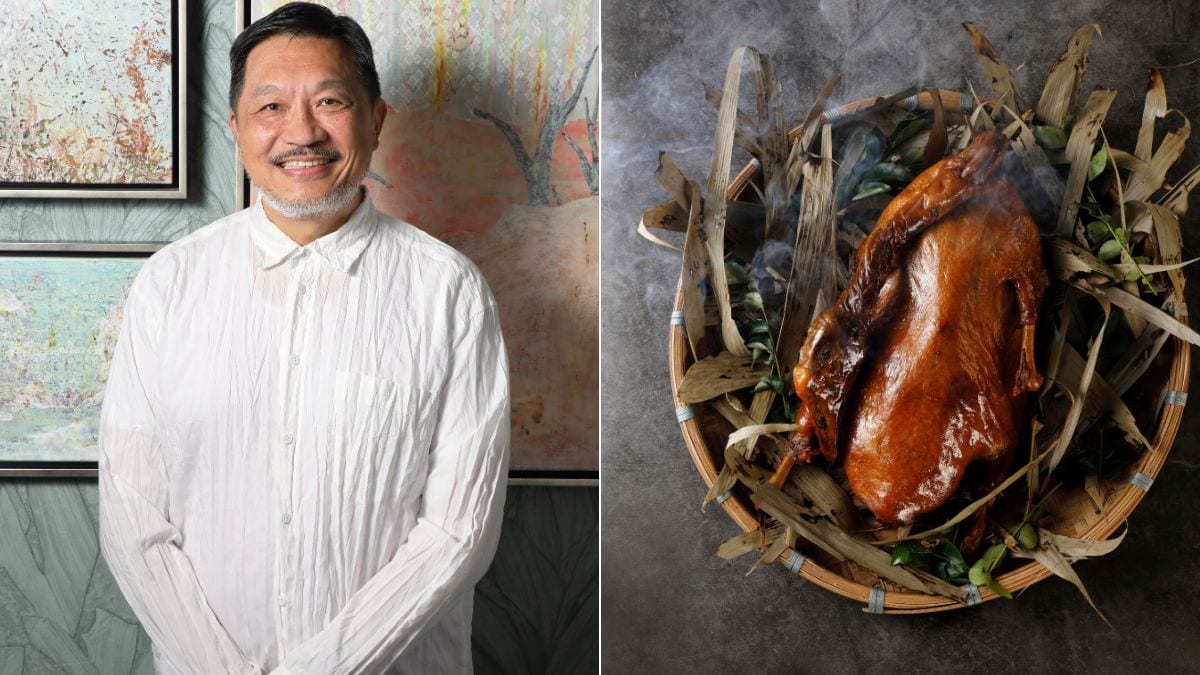
A labor-intensive dish in which a specific variety of small, black-footed goose, custom-ordered from Qingyuan, is marinated for two nights in a blend of goose fat and rich poultry essence. The essence is slowly extracted using a special technique to infuse the meat with concentrated flavors, then it is slow-steamed at a low temperature for five hours. It is followed by three hours of drying and smoking over camphor wood, which has a powerful, earthy aroma with a sophisticated hint of tannin. Just before serving, a splash of hot oil is added to the skin to achieve perfect, glass-like crispness.
"This dish was born four years ago. We were searching for a new poultry creation to complement our chicken and pigeon dishes, and we chose goose for its exotic character and robust flavor. It took our team over six months of trial and error to 'trim away' the unnecessary, and in this case, using only goose, salt, and camphor wood,” Chef Danny Yip shares.
This dish is a signature of The Chairman because it impeccably showcases both the strength and elegance of its flavors. The bold, rich taste of the goose finds its perfect match in the characteristics of camphor wood. Yip adds, “I’ve always been a great admirer of Steve Jobs and his ‘Less is More’ philosophy. Inspired by that vision, we challenged ourselves to create a dish with absolute minimalism, yet one that remains immensely flavorful. While the ingredients are minimal, the process is intensive. It’s a dish where nature’s strength meets human precision.”
2 | Sea Cucumber Spring Roll
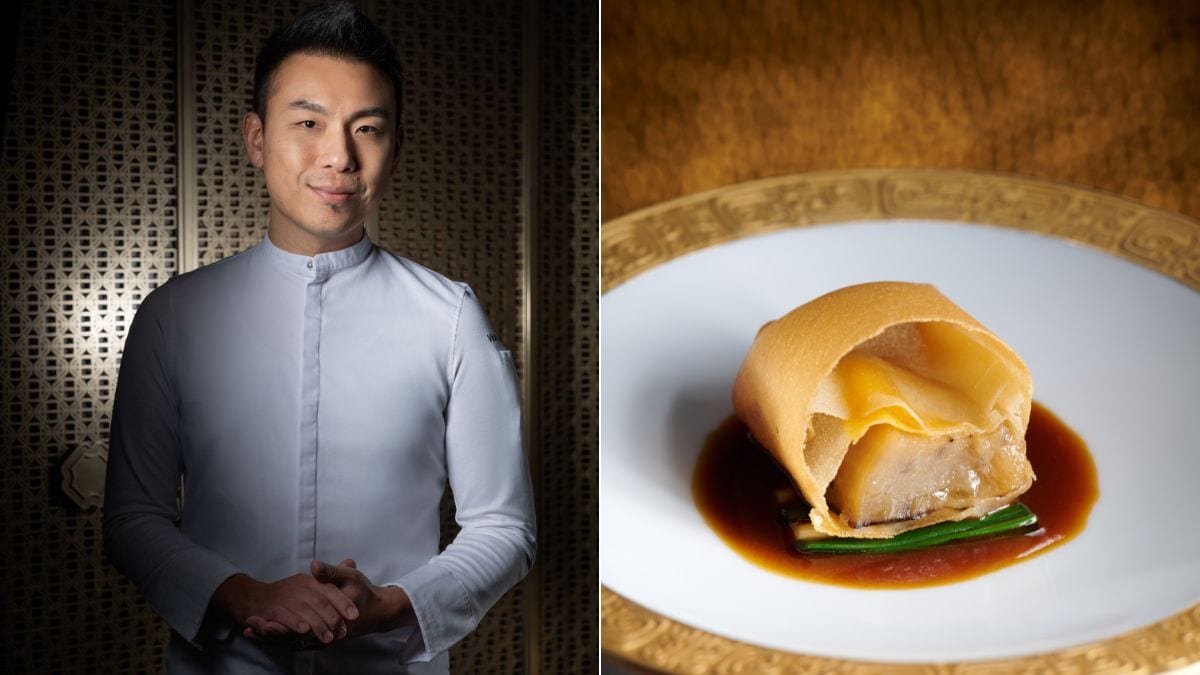
Normally, a spring roll is filled with meat or vegetables, but at Wing, the restaurant’s innovative interpretation features a thin, crispy wrapper encasing a piece of braised Australian sea cucumber, rehydrated from its dried form over the course of a week. To complete the dish, it is plated with charcoal-grilled scallions and scallion sauce. The best way to enjoy it is with your hands—dip it into the sauce, tuck the charred scallion into the spring roll, and enjoy them together.
“It has a very interesting texture, like a layer of pork fat—but in a healthier way, as sea cucumber has great nutritional value,” says Chef Vicky Cheng. “By combining the familiar crispiness of a spring roll, we thought this would be a great way to introduce dried seafood to guests who have never tried it or are unfamiliar with it. The crunch of the spring roll appeals to everyone, making it a gateway to experiencing sea cucumber itself.”
A clear guest favorite, this is just one example of Wing’s approach to creating dishes that are unique while honoring culinary heritage. By weaving traditional flavors into his own culinary DNA, he reinterprets classic Chinese ingredients to create something both respectful and inventive.
3 | Oyster & Beef
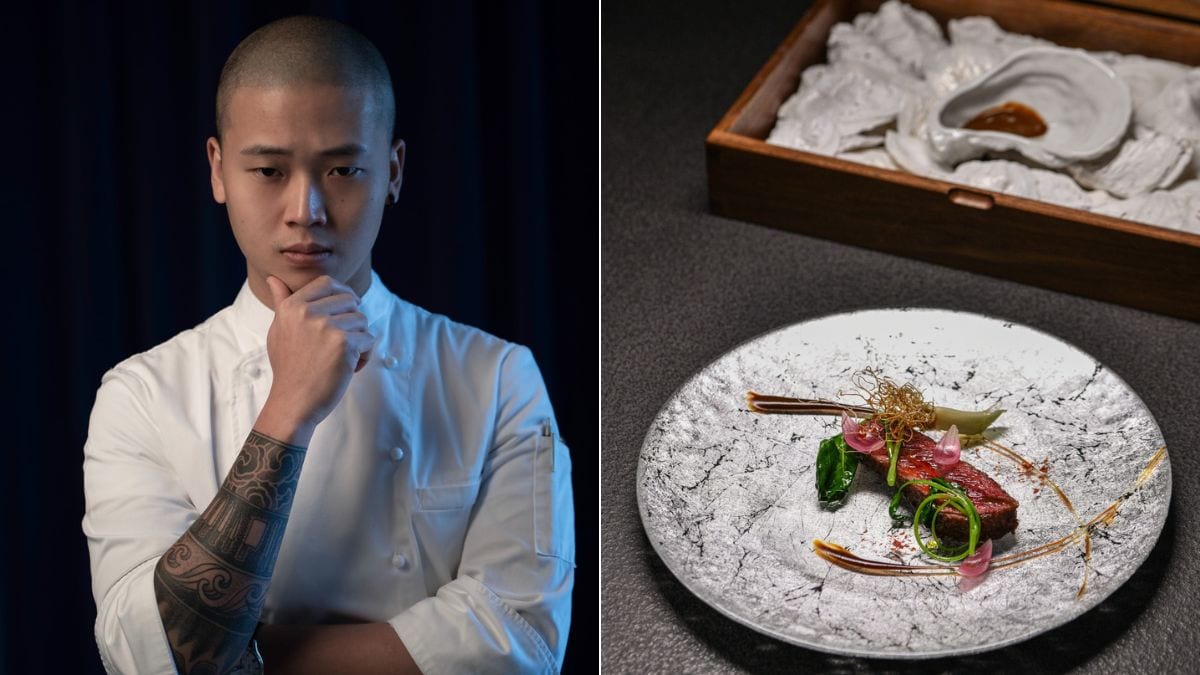
A signature dish since 2019, this expertly crafted beef dish is served with a homemade oyster sauce. While it may sound simple, it is one of the most delicious dishes one will ever taste. First, fresh oysters are simmered for over 14 hours to create a natural, umami-packed sauce. The beef is marinated in a traditional Chinese style, pan-seared and roasted, and then deep-fried to achieve a crispy exterior. The dish is finished with traditional Chinese elements: charred scallions, gai lan, and chili powder.
Chef Jason Liu recalls, “When I was a kid, I used to look at menus in restaurants. I often noticed this dish called ‘oyster sauce beef’, which my family never ordered because the price was a bit higher than others. That made me curious for a long time during my childhood. Years later, the dish I created finally answered that childhood curiosity.”
When asked why he considers this one of the best dishes in the restaurant, Liu says, “It’s an important dish that showcases my culinary philosophy. It’s 70 percent tradition (the origin of the dish, how we extract oyster sauce, the marinade) and 30 percent innovation (the presentation and texture). The second important aspect is localization, and in this dish, the spotlight is on beef from Shandong and oysters from Fujian, both provinces in China. Lastly, the most essential element of Chinese cuisine is Xian (umami), which you can naturally find in both the beef and the oyster sauce.”
4 Kampot Pepper Crusted Pigeon
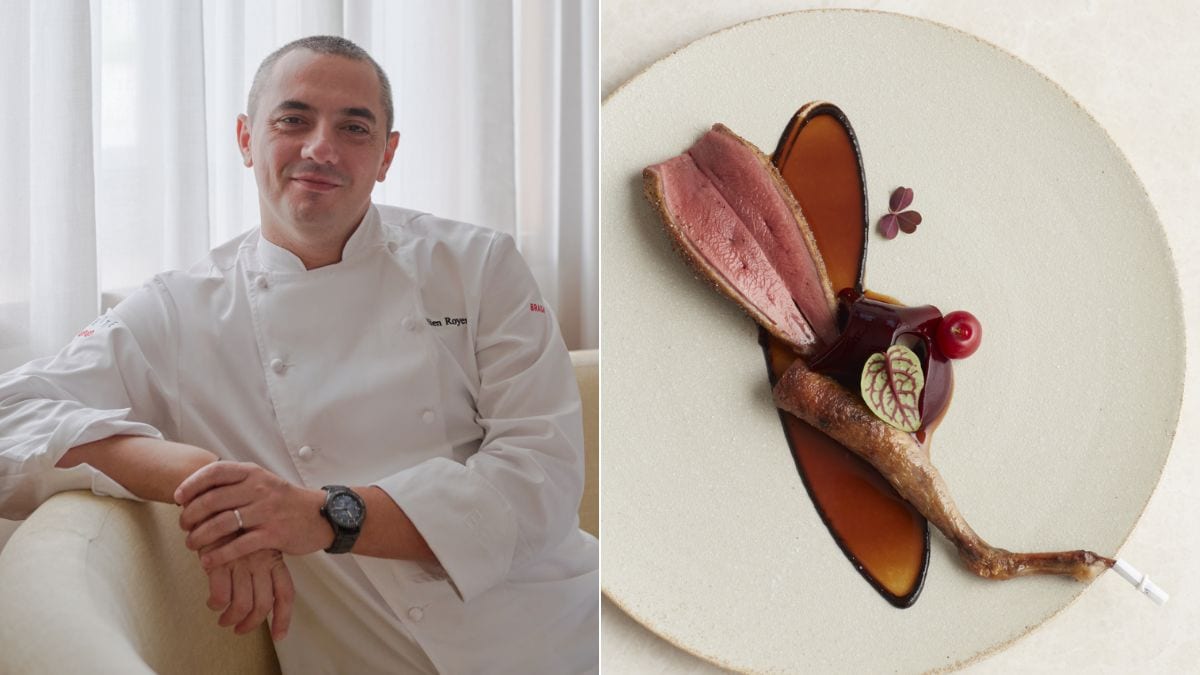
The dish the restaurant considers most representative of its cuisine features the French pigeon. Every part of the bird is used, reflecting a commitment to sustainability, while showcasing a variety of textures and flavors. Its components include a pigeon liver parfait, confit leg, and pan-seared breast, finished with pigeon jus. It is served alongside a soft, steamed, Chinese-inspired bun filled with the bird’s innards. Kampot pepper, sourced from Kampot Jewels in Cambodia, is a defining element of the dish, bringing intense spice, mild sweetness, and a delicate aroma.
Chef Julien Royer shares, “Pigeon is one of my favorite game meats to work with, as it is something I grew up eating. Living in Asia, I wanted to present it with my own interpretation. I knew I wanted a hint of spice in the dish. At first, we used a black pepper sauce, but found it overpowered the pigeon. We kept searching for something more balanced, with a touch of fruitiness. That led to the idea of a spiced crust using peppercorns at three stages of maturity—green, red, and black. The recipe has remained unchanged ever since.”
Royer chose to highlight the pigeon dish because it "reflects our cuisine—French in DNA, yet infused with a sense of place." This formula resonates with Asian guests by thoughtfully adapting French fine dining to the local palate.
5 | Carrot | Carrot | Carrot
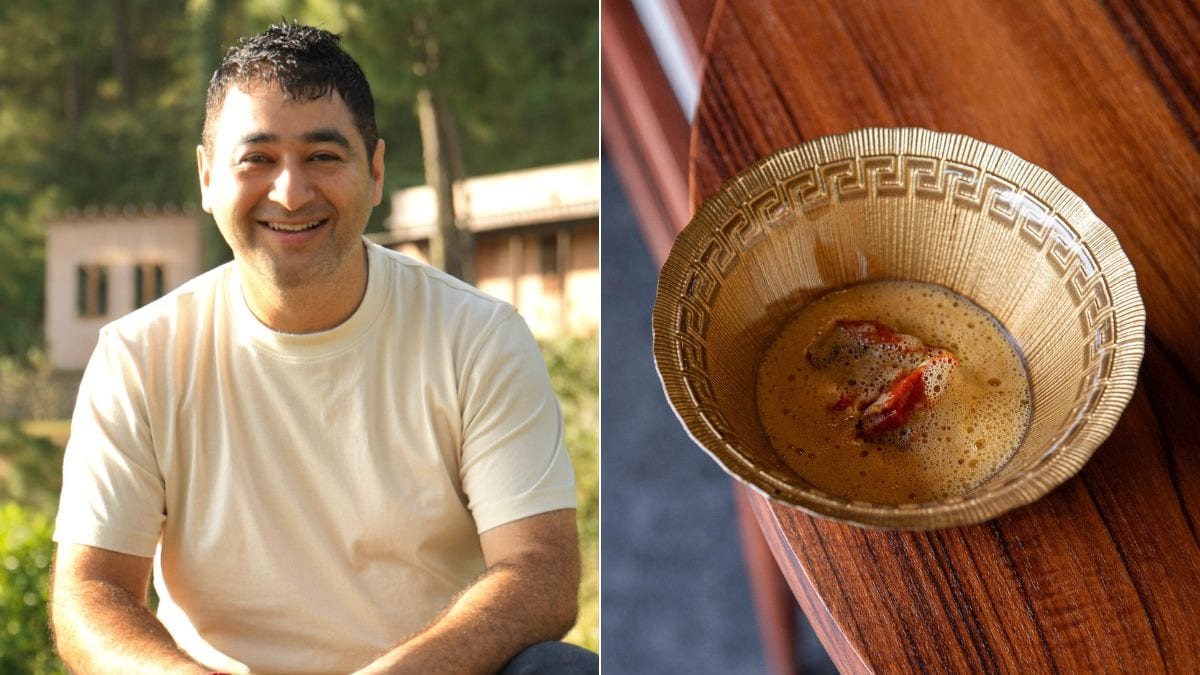
This dish, as straightforward as it sounds, is entirely about carrots. It is a celebration of winter and spring carrots sourced from the mountains, transformed through different processes to explore their full potential. The first element is dehydrated carrots, which are then rehydrated, completely changing their texture and making them almost chewy and more intense in flavor. It is paired with pickled chili for sharpness, a curry made from carrot juice for depth, and a lightly tempered yogurt foam to bring balance.
Chef Prateek Sadhu reflects, “Growing up, there was always a culture of drying vegetables at home. As children, we would eat curries made from these dried vegetables; it was simply part of everyday life. This dish is inspired by those memories and techniques, which have been passed down through generations. At the same time, it celebrates the carrot at its seasonal peak here. It is a very simple idea, but deeply personal.”
The seemingly simple yet comforting dish is a treat for diners as it captures all the flavor notes—sweetness, acidity, heat, and umami—while remaining centered on a single ingredient. Sadhu says, “It feels honest. It is entirely driven by the season and the land, without overworking the ingredients. When a dish can say a lot while doing very little, that is when I feel it is closest to what I want to achieve.”
6 Thosai Bread with Chutney Butter
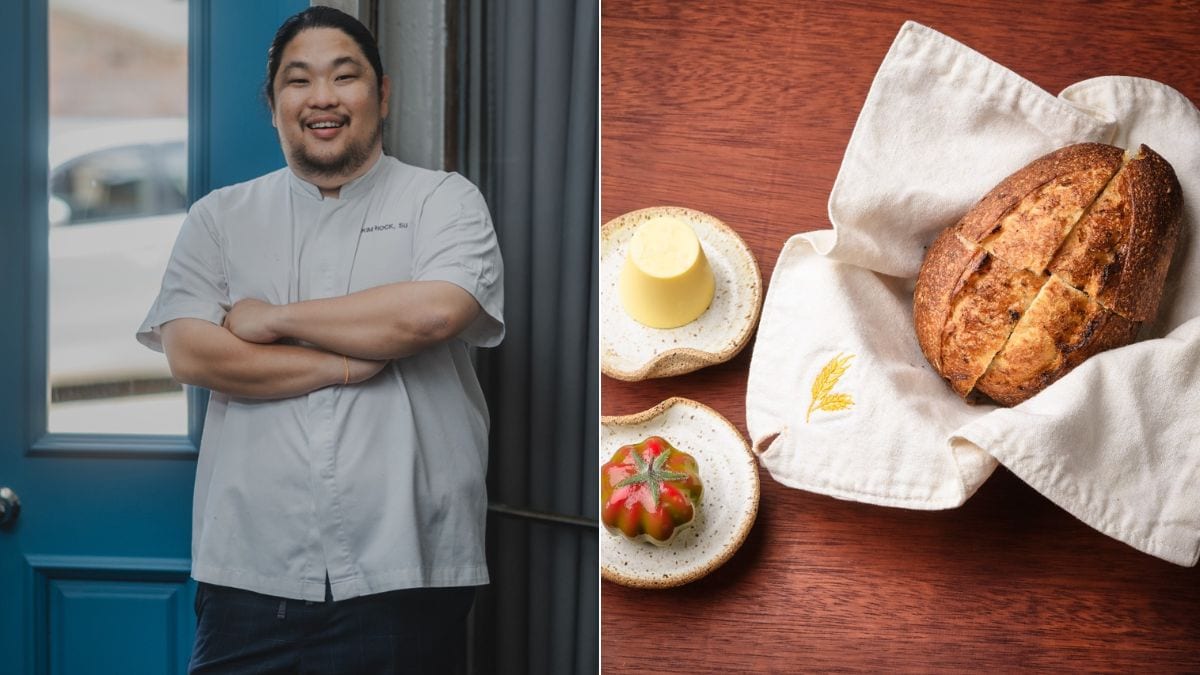
The restaurant’s must-try dish draws inspiration from the local Indian staple thosai, a fermented crepe made from rice and lentils, and is reinterpreted through the restaurant’s expertise in French bread-making. The base is made from rice, fenugreek, and black dhal, and undergoes a careful fermentation process to develop depth and character. It is served with tomato chutney alongside a rich chutney butter, artfully shaped like a tomato. What diners can expect is a refined, crusted loaf of bread with the soul of thosai, with its condiments perfectly complementing the natural acidity and warmth of the bread.
“Thosai is a staple breakfast for many Indian families in Malaysia. Growing up, my father worked in the government sector, and I was exposed to these flavors from a very young age. It became something deeply comforting to me; I could have thosai every single day and never tire of it. This dish is my way of sharing that memory with our diners, translating something humble and familiar into a different context without losing its soul,” says Chef Kim Hock Su.
When asked if this dish may be his best, Su replies, “This dish, in particular, has evolved through the years. Each iteration has taught us something new, and each version has become more refined than the last. For me, that ongoing process of improvement is what makes it meaningful, not the idea of it being the best. The moment we define something as the best, we risk becoming complacent. It suggests an endpoint, and I don’t believe cooking should ever arrive at one.”
7 | French Poulet, Chicken Rice Donabe
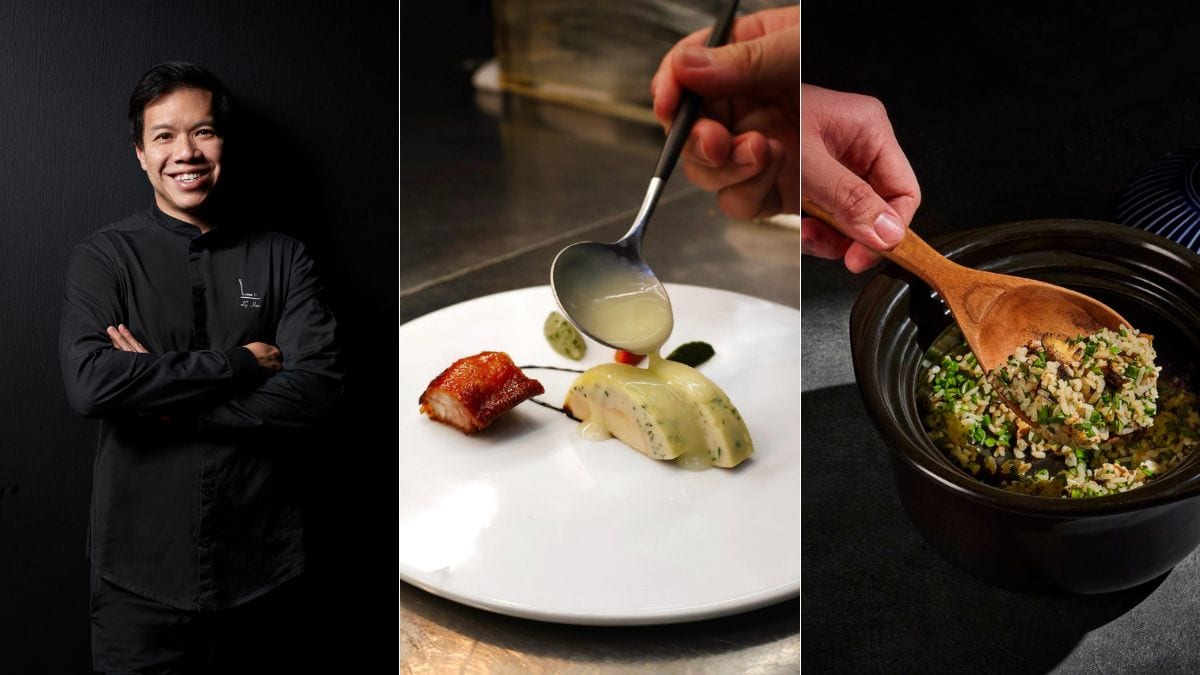
This elaborate, laborious yet comforting dish features chicken cooked in two ways. The first is poached chicken breast stuffed with chicken mousse, served with a velouté of chicken fat and stock, with a touch of verjus for acidity. On the side is a deboned, roasted, crispy wing that adds texture and another layer of flavor to the dish. It is accompanied by a chicken consommé made from the poulet bones and infused with Chinese hairy figs.
For the rice component, the restaurant uses two kinds of rice, Koshihikari and Thai aged Hom Mali, cooked in old mother hen stock, with two kinds of ginger, kombu, and pandan leaves for aroma, then topped with Chinese chives and shredded chicken thigh. It is also served with several condiments such as pickled cucumber relish, the chef’s late grandmother’s chili sauce, and ginger scallion sauce.
“Hainanese chicken rice is not only part of my dialect heritage but also an iconic dish in Singapore, and it is especially close to my heart as my late grandmother used to make her own version every week during family gatherings. At Labyrinth, the dish is refined and elevated by blending global influences with the authentic flavors of Hainanese chicken rice, integrating Japanese cookery alongside French, Cantonese, and Singaporean techniques to present a refined tribute to my heritage and the spirit of Singapore,” Chef LG Han says.
The atmosphere at Labyrinth is also relaxed and unpretentious, mirroring the warmth and comfort of the food it serves. “There is no fixed sequence to the meal. Diners are encouraged to mix and match. I would love for our guests to rediscover the joy of eating chicken rice exactly as I enjoy it,” Han says.
8 | Daikon & Sukun Roll
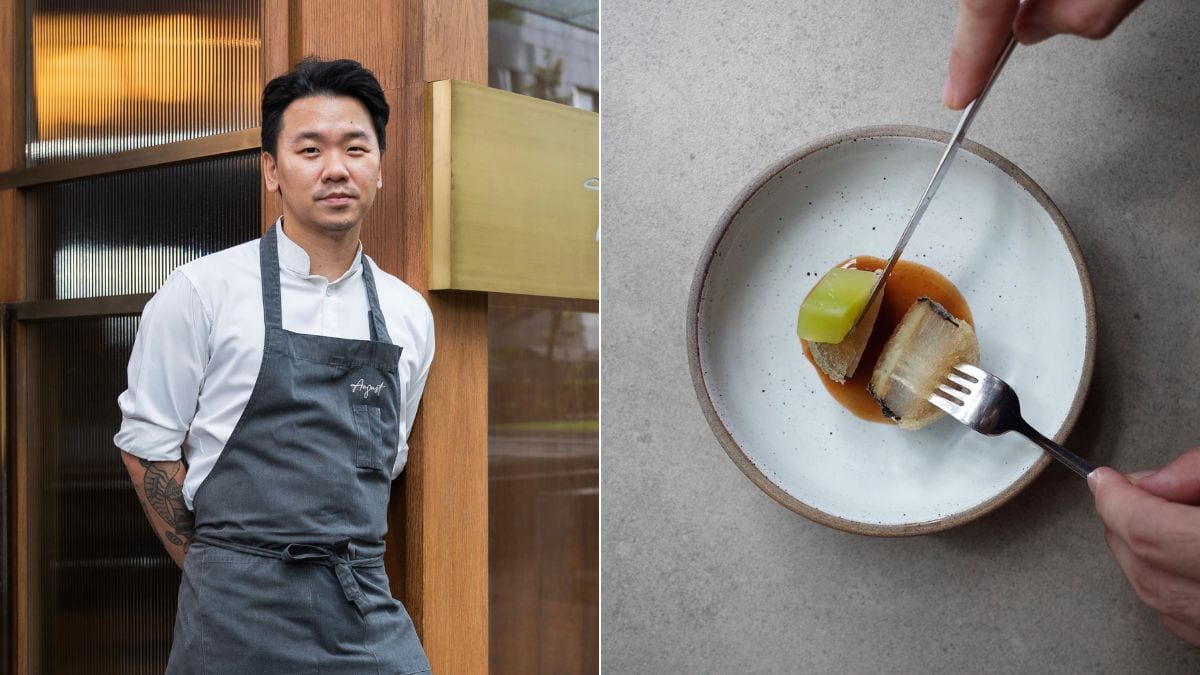
A standout meat-free dish at this restaurant features daikon that is gently braised in a light soy-based broth until tender. Breadfruit, locally known as sukun, a starchy fruit from the jackfruit family, is shredded, slowly confited, and then pressed into a structured layer. The two components are rolled together, lightly coated in tapioca flour, and fried until they achieve a delicate crisp exterior. It is served with a traditional sweet-and-sour sauce called cuko made from tamarind and palm sugar, commonly found in Palembang, a city in South Sumatra. In this version, mushroom stock is added to enhance umami and flavor complexity. The dish is finished with andaliman oil and pickled celtuce to add brightness.
As for his inspiration, Chef Hans Christian shares, “It comes from my appreciation for Agedashi Tofu: the contrast of texture, the lightness, and the way the sauce carries the dish. This is an interpretation through an Indonesian lens, using ingredients that feel closer to home.”
When dining at August, I suggest giving this dish special attention. Served between the protein-heavy courses of the degustation, it offers a pause—lighter, fresher, and more refreshing. “It shows how a dish without meat can still carry depth and identity,” Hans Christian says.
9 | Kilaw
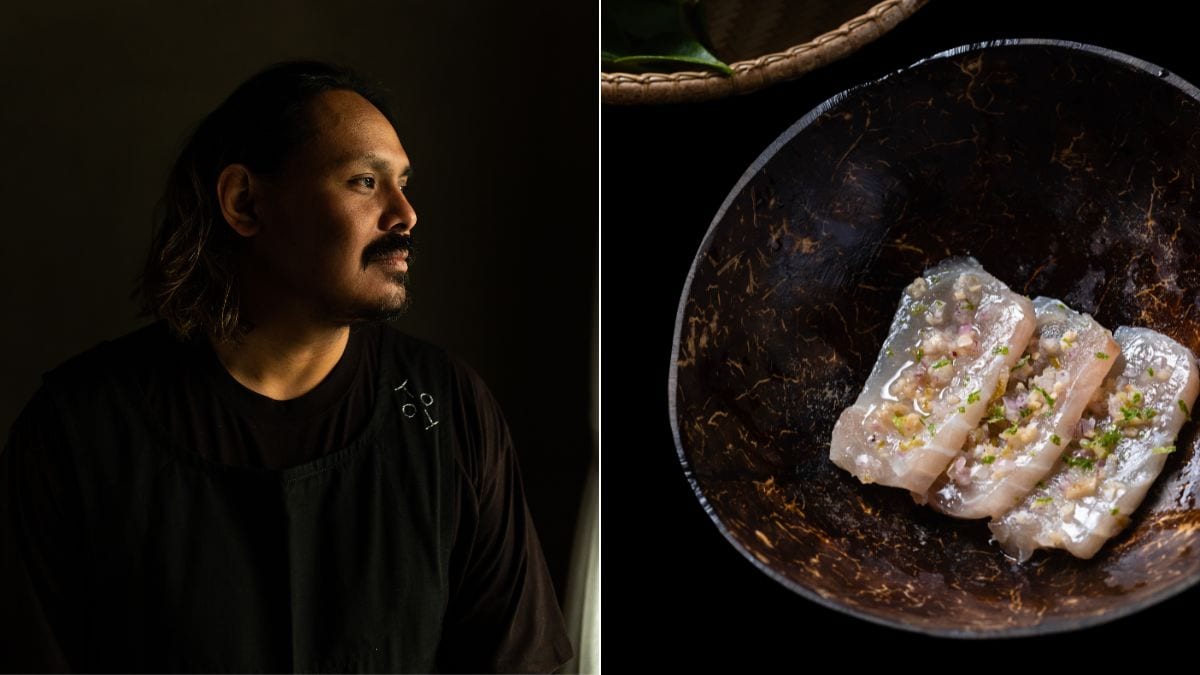
Kilaw is a dish that has been served at the restaurant since day one. The current version uses tanigue and undergoes controlled fermentation. It is cured for two to three days with rice and bubod, a natural yeast culture made from rice, before adding house-made vinegar. Tabon-tabon, a tropical fruit commonly used in the Philippines’ southern regions, is added to reduce the tanigue’s fishiness while giving it a subtle, nutty, round flavor. The dish is finished with pickled ginger, red onions, chili paste, and lime zest.
Though it has gone through many variations and continues to evolve, what remains constant is how Toyo Eatery approaches this dish, showcasing how Filipino cuisine embraces freshness, acidity, and preservation. It is also something very close to Chef Jordy Navarra, rooted in his own experiences. “My dad’s family is from Butuan, where tabon-tabon is something you grow up with. It’s just part of how people prepare and understand raw fish. That memory stayed with me. What drew us in even more is how many versions of kilaw exist across the Philippines. Every region has its own way of doing it—different souring agents, different aromatics, different fish. It’s a dish that resists being singular. Having spent time with fishermen in Batanes also gave us a real perspective on the dish. Kilaw wasn’t something elaborate. It was necessary. When you’re out at sea, you work with what you have. Translating that into our kitchen wasn’t about defining it, but about participating in it.”
This is the dish Navarra feels best expresses their approach to food—simple yet complex, highlighting humble Filipino flavors and traditional techniques while deepening their understanding of the culture.
10 Duck
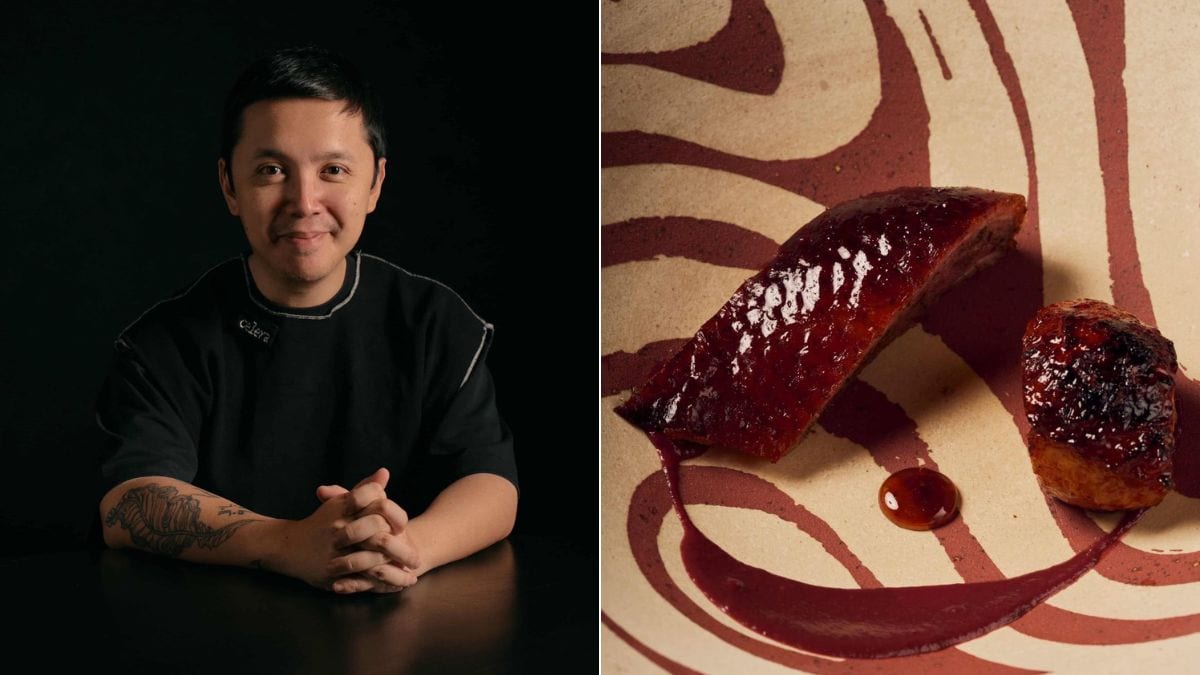
A new course on their tasting menu is a 10-day-aged roasted white Pekin duck breast with a glaze made from fresh lavender and Sichuan chilies, served with a BBQ duck leg farce. The meat is extra moist and tender, the skin remains crispy, and it has deep, elegant flavors.
“This dish draws from my early Cantonese training in Hong Kong, but viewed through where I am now as a cook,” says Chef Nicco Santos. “In my early years, I leaned heavily on bold, assertive flavors, partly out of instinct, but also out of a lack of confidence. It was a way of compensating. Over time, as the technique becomes more internalized, you begin to trust restraint. Now, I find more meaning in precision and clarity, allowing ingredients and methods to speak without excess.”
Santos also feels it’s one of his dishes because it embodies who he is as a chef right now. “There’s less need to prove anything and more focus on clarity—on cooking with purpose rather than excess,” he says. “At this stage, I’m not trying to impress. I’m trying to express—and this dish feels like a clear expression of that.”
View More Articles About: