Beyond the Performative: Women & Tipple
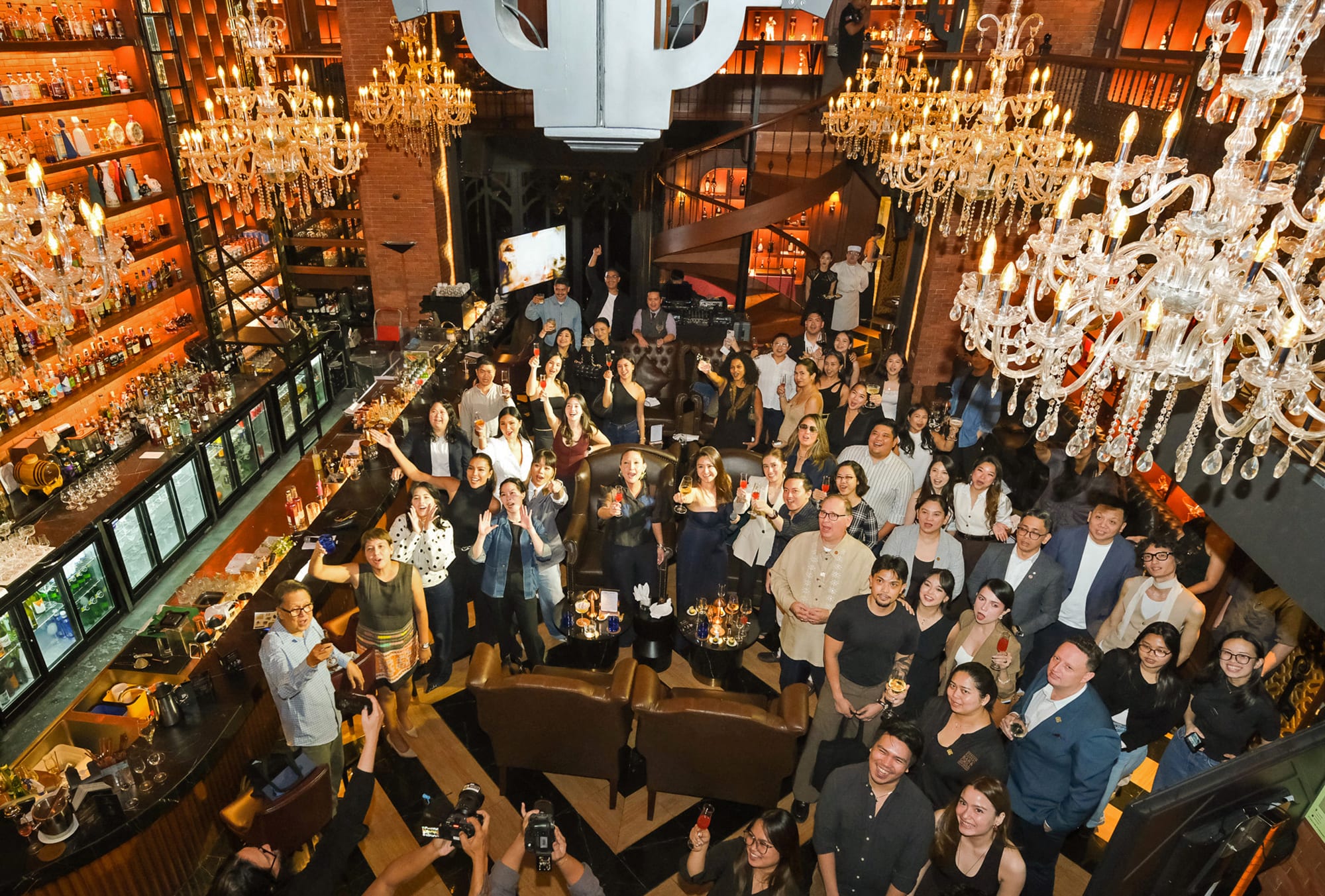
The Whisky Library hosted a one-night-only bar takeover in celebration of Women's Month.
Published on Mar 31, 2026
Back in 2016, as Tatum Ancheta recalls, it wasn’t unusual to see a cocktail competition panel in Manila with only one woman. A decade later, the optics have improved, but not quite transformed. The imbalance is no longer invisible—it’s simply more politely arranged.
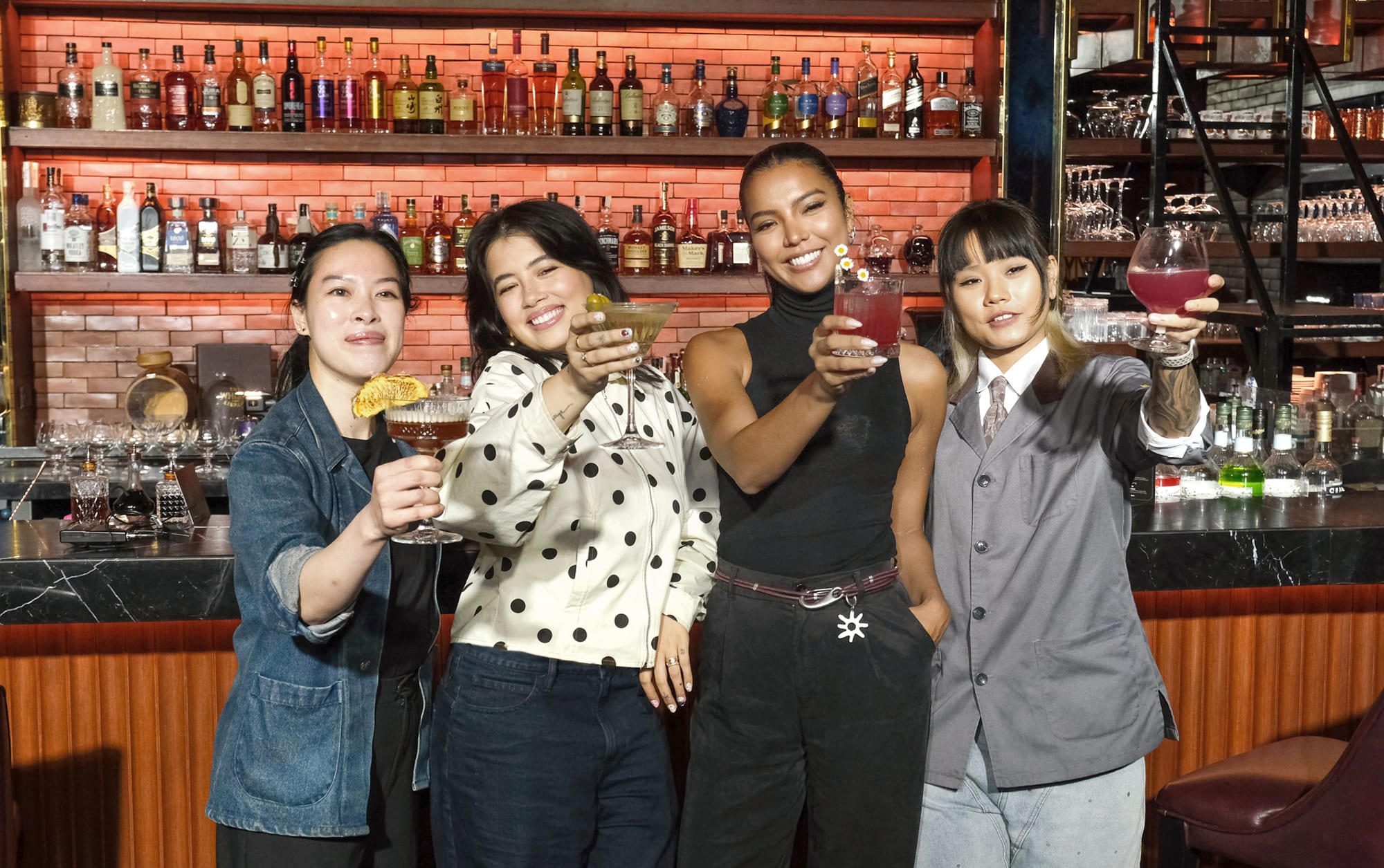
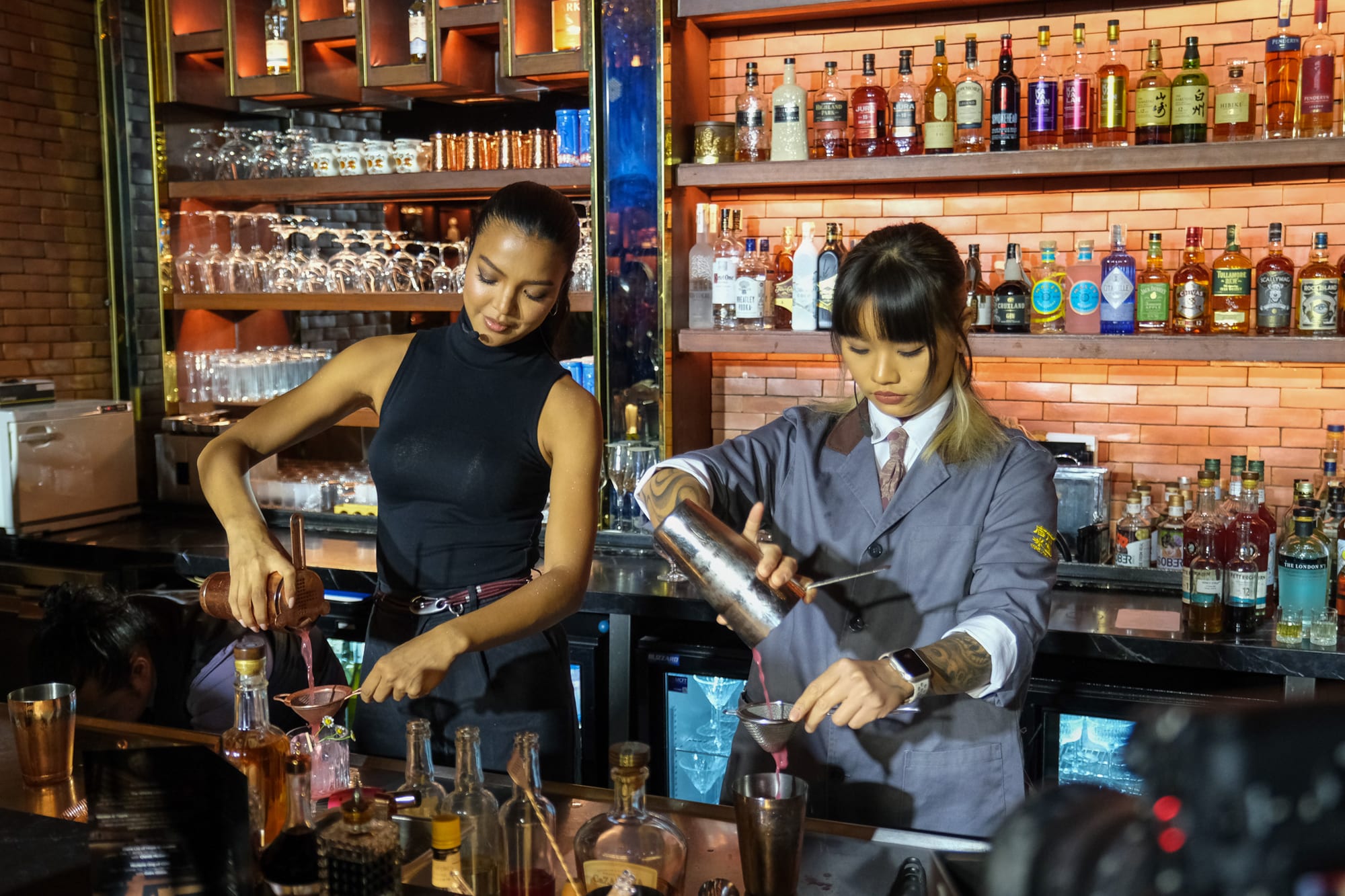
Events like Women & Tipple last March 25 suggest a shift that feels, at first glance, more substantive. The recent takeover at The Whisky Library wasn’t just about putting women behind the bar—it was about letting different sensibilities collide in real time. Drinks weren’t only technical exercises; they carried memory, preference, even contradiction. Claire Liu’s translation of a Cantonese dish into a cocktail. Christi McGarry’s instinct for floral sharpness shaped by time spent elsewhere. Michelle Ong and Gabs Gibbs building something unapologetically savory, even divisive.
These are not just drinks. They are assertions of taste.
And that is where the conversation needs to sharpen.
Because if there is a quiet truth in the industry, it is this: women have long been allowed to participate in making drinks, but far fewer have been allowed to define what counts as good.
A century of bar culture—codified through competitions, rankings, and institutions—has been largely filtered through male preference. Even now, as more women step into visible roles, the frameworks of judgment remain familiar. The palate that decides winners, the standards that shape menus, the invisible checklist of what makes a cocktail “serious” or “innovative”—these are still often inherited, not interrogated.
Which is why “centering women” cannot stop at representation.
To center women in the bar industry is not simply to hand over a shift, or curate a lineup, or even ensure parity on a panel. It is to redistribute authorship. It is to ask: who gets to define balance? Who decides when a drink is too sweet, too indulgent, too unserious—or exactly right?
There is an instructive parallel here in the industry’s ongoing obsession with sustainability. At last year’s Philippine Cocktail Fiesta, one of the more surreal moments came from drinks marketed as “sustainable”—built around techniques or equipment so expensive that they dwarfed the very ingredients they claimed to “save.” When the machine costs more than the waste, sustainability becomes aesthetic. A performance of ethics rather than its practice.
The risk is that gender inclusion follows the same path.
When women are highlighted but not heard, featured but not followed, the industry produces the appearance of progress without its consequences. The bar looks different; the taste remains the same.
And yet, the business case for real change is almost embarrassingly straightforward. Women make up a significant portion—often half—of bar clientele. To exclude them from defining what is desirable, what is drinkable, what is worth repeating, is not just inequitable. It is bad research and development. It is marketing that refuses to listen to its own audience.
More importantly, it flattens the range of what cocktails can be.
Because when different drinkers are allowed to shape the standard, the spectrum widens. Drinks can be softer without apology, or sharper without bravado. They can lean into nostalgia, into comfort, into excess, into restraint. They can be, as the Women & Tipple night suggested, deeply personal without needing to justify themselves against an inherited idea of seriousness.
The point is not that women will redefine taste in a singular way. It is that they will multiply it.
And multiplicity is the one thing the modern bar, for all its innovation, still struggles to fully embrace.
So yes, celebrate the guest shifts. Fill the rooms. Sell out the menu before last call. But if the applause is to mean anything, it has to echo beyond the night itself—into who gets to judge, who gets to decide, and ultimately, who gets to say: this is what a good drink tastes like.
Until then, we may be stirring the sticks—but not yet the system.
DrinkCollectiv’s Women & Tipple closes Women's Month at the Lock & Key Lounge, Jupiter Street, Bel-Air, Makati City, on March 31, Tuesday, at 8 p.m.
ALSO READ:
The PH Cocktail Fiesta Happened—Now Here’s Its Legacy
Finding Poblacion's Best Curated Vibe at Electric Sala
Craft cocktails, social justice, books, board games, and TTRPG. Chopsuey.
View More Articles About: