The PH Cocktail Fiesta Happened—Now Here’s Its Legacy
And why brands should pay attention next year.
Published on Dec 5, 2025
The Philippine Cocktail Fiesta, which ran from November 17 to 23, was not just another week of parties. Between the many Last Word riffs and the innumerable ways to drink ube and pandan, something more substantial was happening. The country’s most interesting bartenders, farmers, hoteliers, creators, and international guests were mapping the future of the Filipino drinking scene.
There were spectacles aplenty, but it is more than the spectacles. It was about systems. Livelihood. Equity. And yes, a few perfectly shaken (or stirred or pulled) drinks.
This year, the fiesta proved it can do something rare in hospitality: get everyone talking about the same hard truths—and imagining the same brighter possibilities. If more brands and businesses are smart, they’ll support it next year, not because it’s fashionable, but because what it advocates is nothing less than the future of Philippine food, beverage, and hospitality.
The Supply Chain Reality Check We Needed
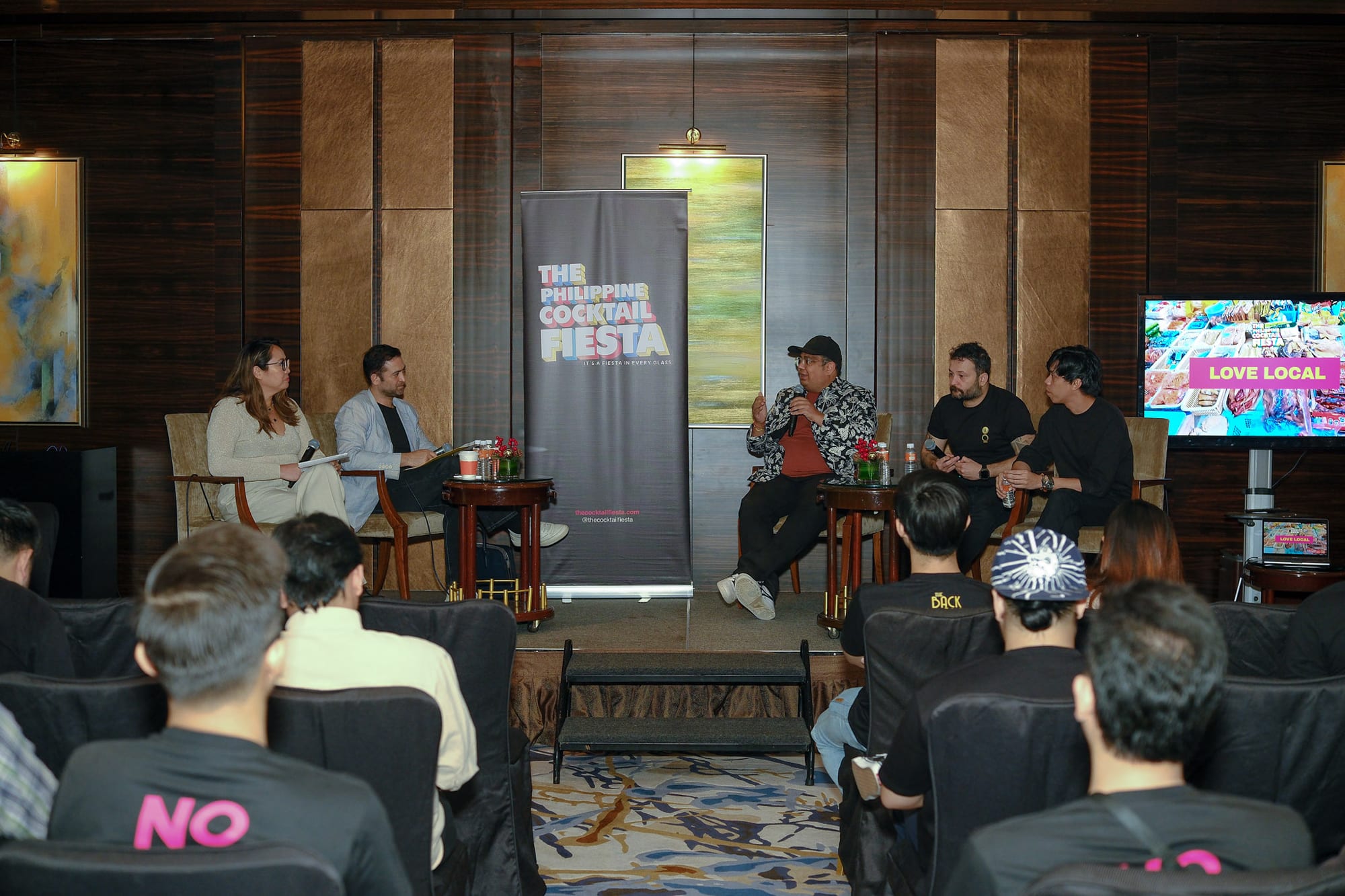
The sexiest conversation of the fiesta didn’t happen at a backlit bar—well, actually, it did. At the Whiskey Bar of Solaire Resort Entertainment City, bar insiders confessed what they rarely say out loud: the Philippine supply chain is broken, and everyone is paying for it.
Local ingredients? Beautiful, yes. But consistent? No. Seasonal? Always. Dependable? Only if you’re willing to gamble your menu on the mood swings of climate, logistics, and middlemen.
Lester Ligon put it bluntly: Filipinos don’t want to pay premium prices for flavors they can recognize from the palengke. And how could they? A calamansi is a calamansi is a calamansi—until you process it, reinvent it, elevate it. But the market isn’t always willing to pay for elevation.
Volkan Ibil, from Shangri-La The Fort Manila, added another dimension: even when bartenders want to go local, hotels have to move at the pace of procurement protocols, safety audits, and accounting departments. By the time the paperwork clears, the guy selling pink guava might’ve gone out of business.
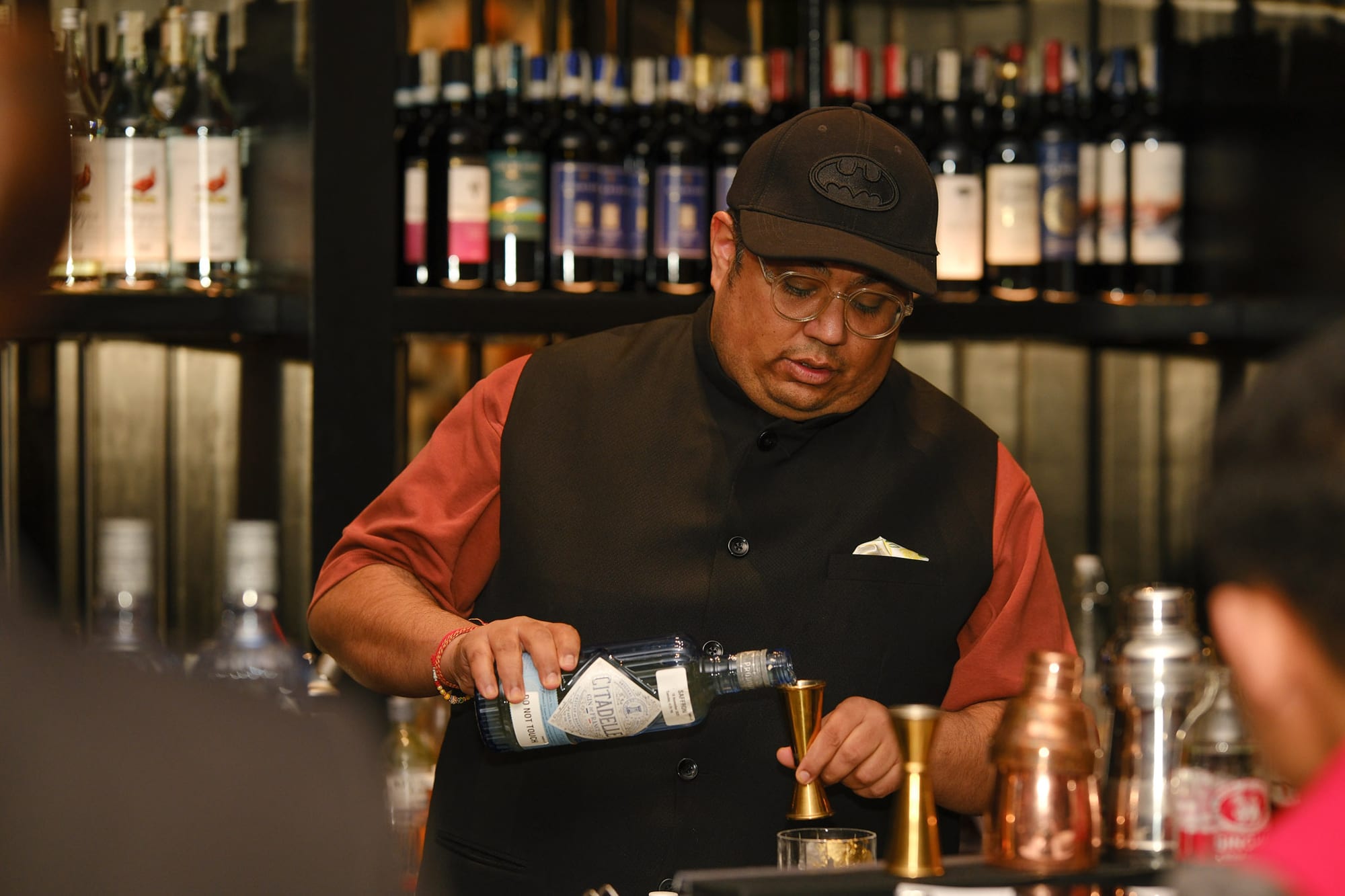
India offered a hopeful contrast. Nitin Tewari—better known as Mr. Bartrender—shared how Indian entrepreneurs built bridges between foragers and farmers to the bars, turning a national inconvenience into a vibrant, profitable ecosystem. It’s not romantic; it’s business. And it works.
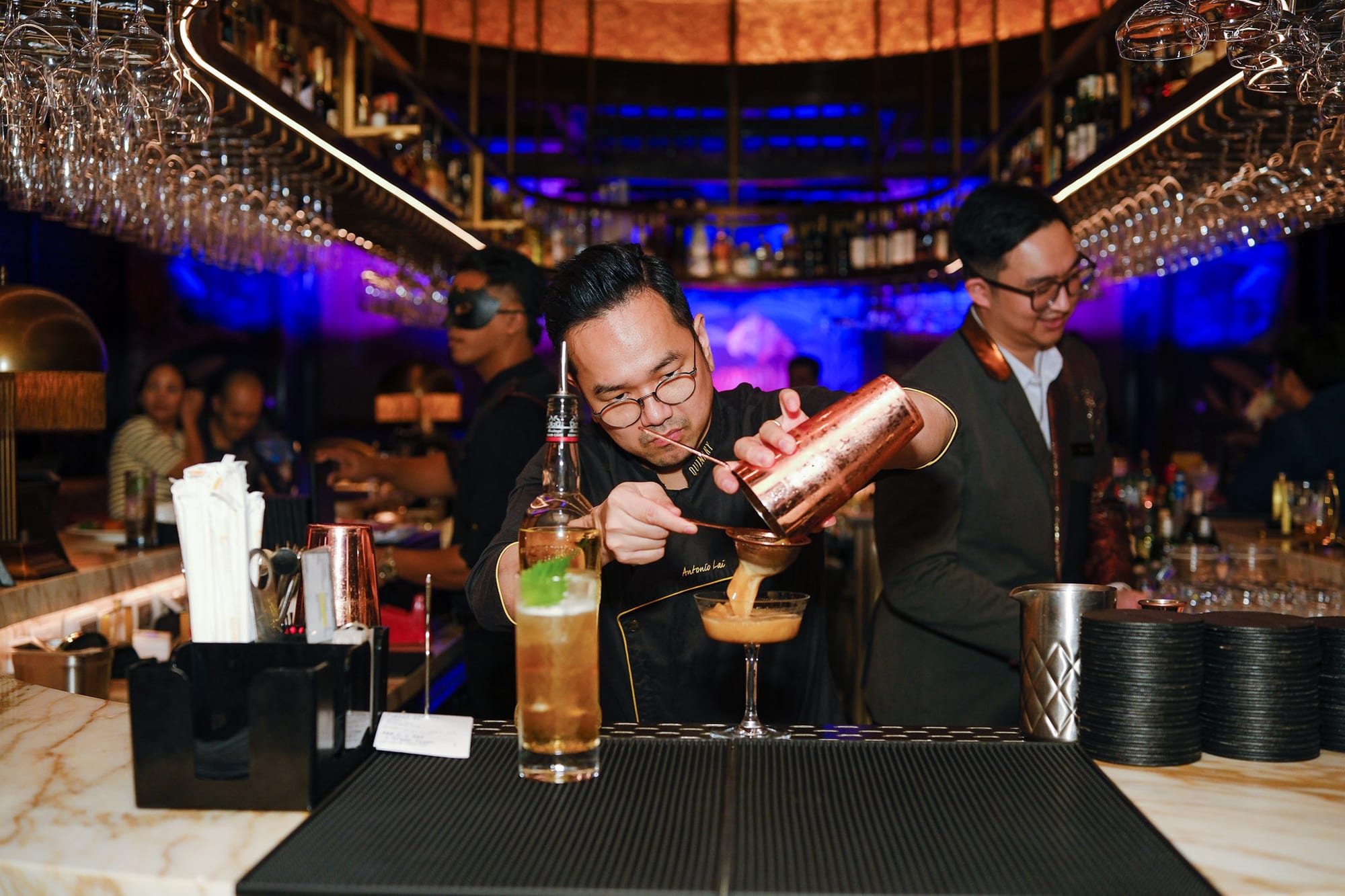
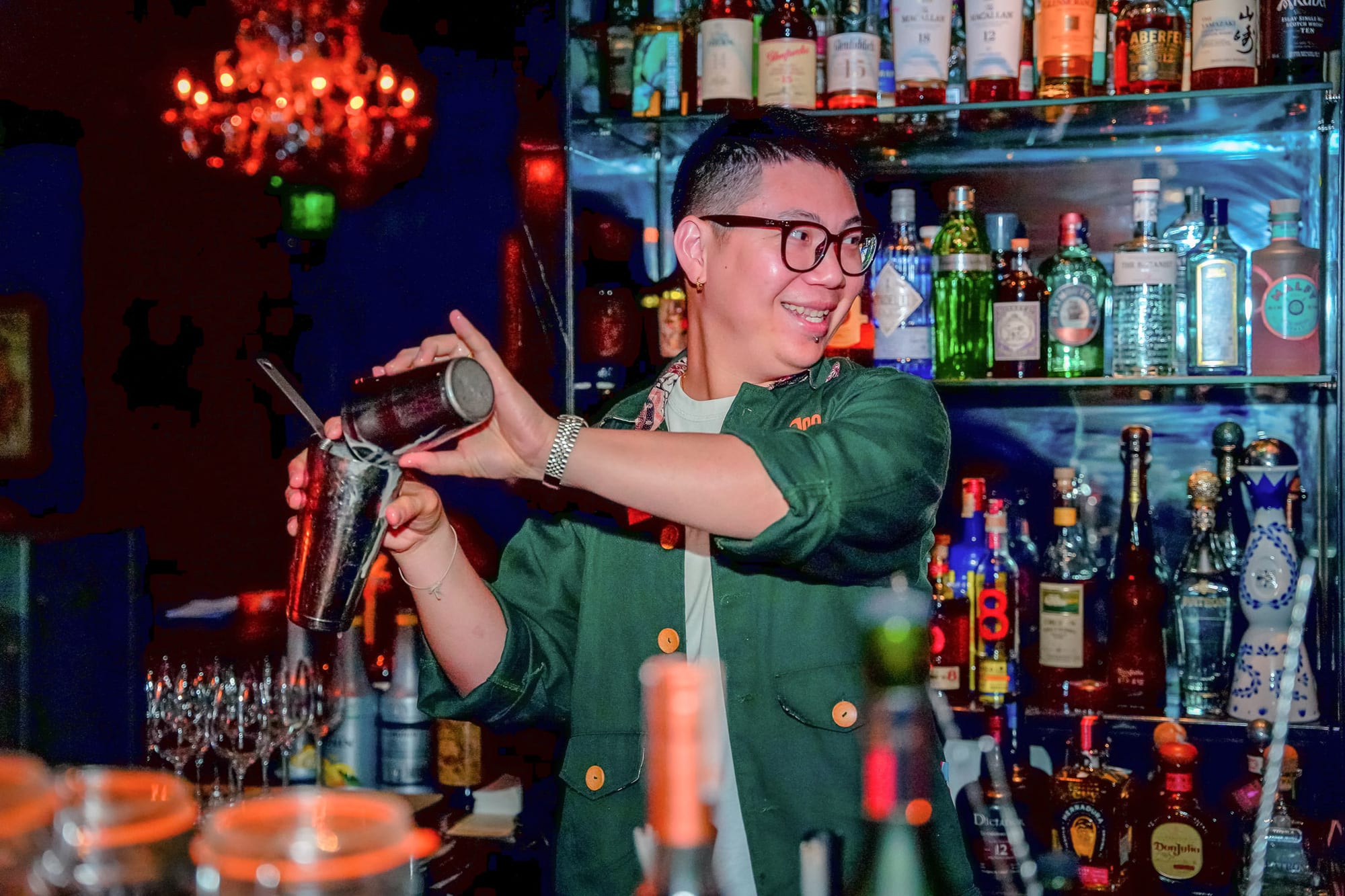
In a separate masterclass, Antonio Lai of Quinary and The Opposite House in Hong Kong was the necessary devil’s advocate. Sustainability? Lovely idea. But if you’re freeze-drying a rescue-bought, overharvested watermelon for four days straight, are you conserving waste—or just performing ethics? His argument landed like a teeter tin on a marble-tiled floor: if sustainability consumes more than it saves, it’s not sustainability, it’s PR.
The fiesta didn’t address the supply chain problem.
But it did something more important: it named it.
And savvy entrepreneurs should be jumping on this opportunity to be that missing link.
A Safer, More Equitable F&B—Finally Within Reach
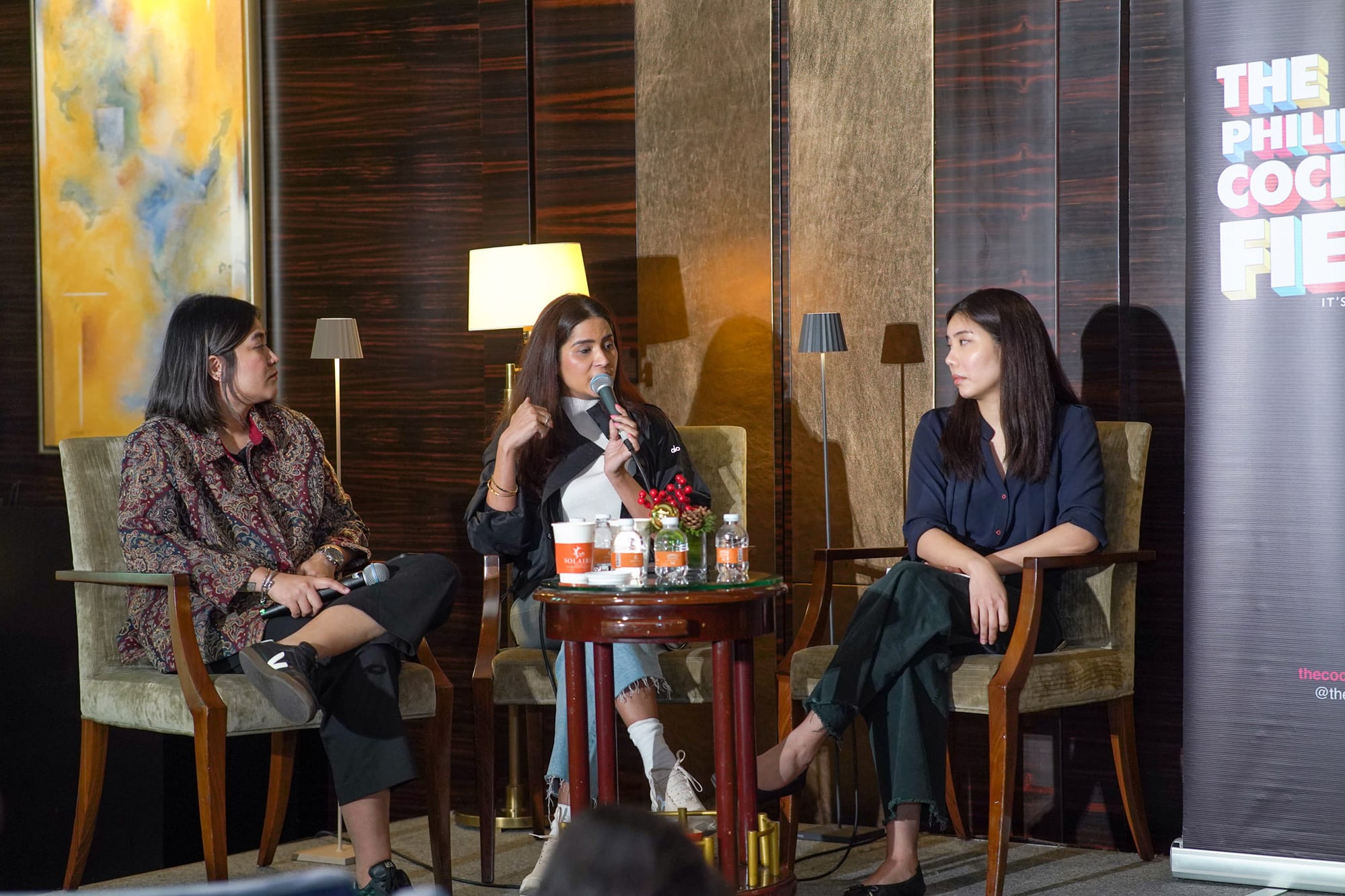
If you were around in the older, darker era of Philippine nightlife, you know exactly what women in hospitality endured. Dress codes that reduced them. Guests who mistook friendliness for availability. A system that demanded smiles. Sheila Clavecillas of Excelsium, who has been in the beverage industry for two decades, happily reports that female-bodied bartenders are now judged by their skill and savvy instead of the amount of skin they are willing to show. Minakshi Singh of the Women Raise the Bar community in India, where women have only begun working in the bar industry as recently as 2007, says, “Inclusion is when you make your team contribute.” She is also the owner of Sidecar (New Delhi), Cocktails & Dreams Speakeasy (Haryana), The Brook (Haryana), and The Old House (Kathmandu).
Women took the stage not as accessories but as leaders—running bars, teaching techniques, running festivals, crafting menus, shaping conversations. The respect was real, not performative. But every woman on that stage would tell you: progress is fragile. It requires vigilance. It requires allies. Not while catcalling and groping in bars is normalized. It requires a community that doesn’t just call out harm, but refuses to let it slide.
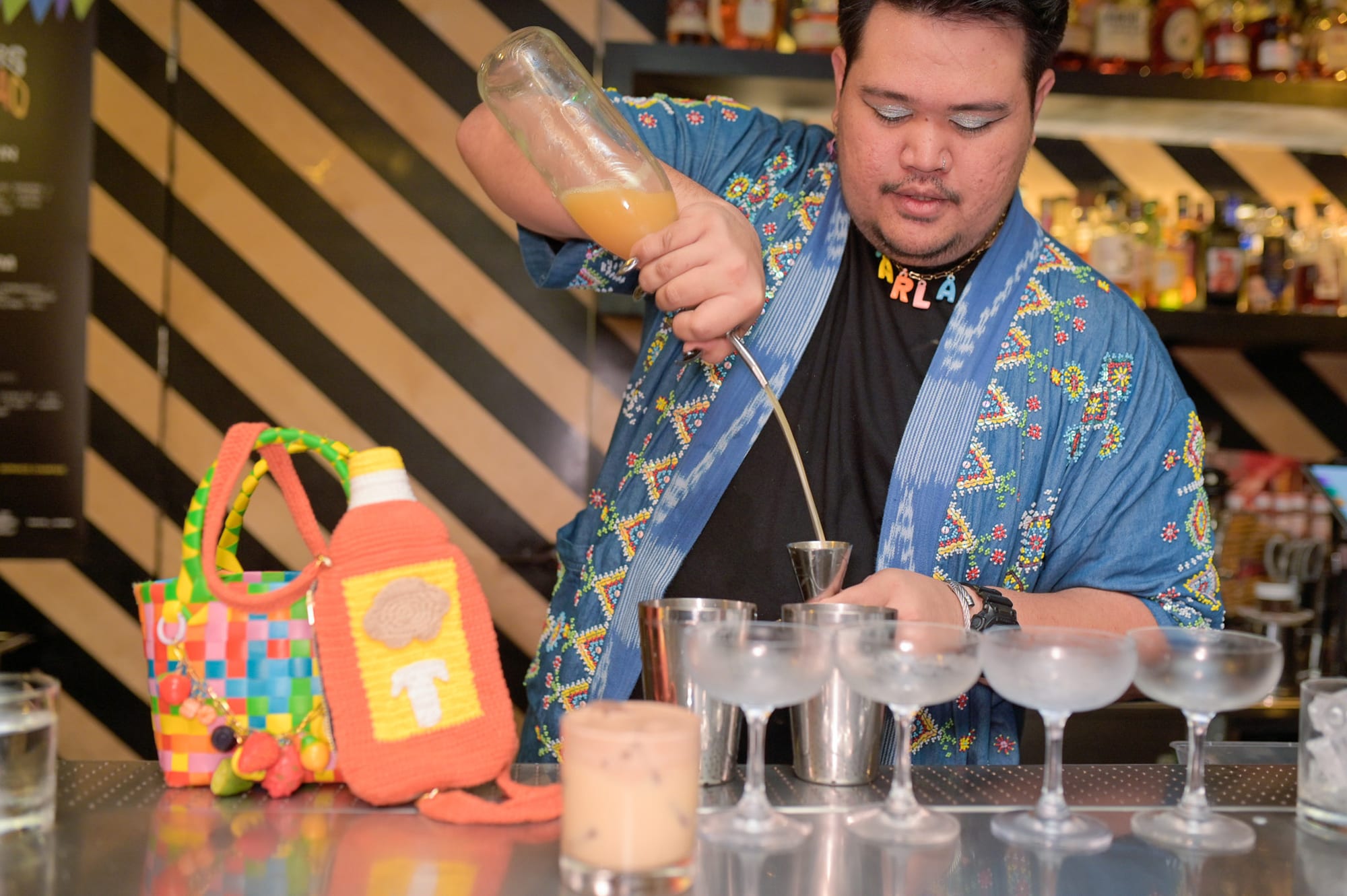
Carlos Mangcupang of Taste of Home in Davao reminded us why this matters. He spoke about queer bartenders reclaiming macho spaces that once shut them out—rewriting narratives that linked queerness to substance abuse and internalized shame. Watching him flaunt glitter shadow in a room full of cheering patrons was proof that the future of Philippine F&B isn’t just diverse—it’s self-aware.
Equity may not be a cocktail ingredient. But when everyone gets to speak, you put real innovation into the mix.
Hospitality Is Bigger Than the Bar Now
The fiesta also revealed something else: cocktails are no longer the domain of bartenders alone.
The industry now includes foragers who trek into forests for wild citrus; farmers whose livelihoods depend on stable demand; logistics people who make ingredients move; photographers who turn drinks into stories; content creators who shape how we talk about spirits; documentarians who give bars cultural memory.
The Philippine Cocktail Fiesta became a place where all these invisible hands suddenly became visible. It wasn’t only about Metro Manila’s neighborhood bars—though they shined, loudly and deservedly. It was about how Philippine cocktails sit in a wider Asian ecosystem, with Taiwan, India, and Malaysia within easy flight range, and La Union, Cebu, and Davao rising as local destinations.
If you want a picture of the future: it’s Filipino bartenders collaborating with Taiwanese daytime cocktail festivals, learning from Indian foragers, and hosting Malaysian innovators—while championing their own local farmers.
Why Brands Should Support This—Before Someone Else Does
Here’s the truth: the fiesta doesn’t just benefit bars.
It benefits every brand with a stake in hospitality.
Support the fiesta, and you’re supporting:
Establishing supply chains — which means more consistent products.
Safer, more equitable workplaces — which means happier, more loyal talent.
Local livelihood — which means better stories and deeper brand credibility.
Regional collaboration — which means new markets, new audiences, new prestige.
The Philippine Cocktail Fiesta is one of the few platforms that can speak to every layer of the industry—from the seaweed farmer in Ilocos to the bartender in Poblacion to the founder of a spirits company in Batangas.
If you want relevance, this is where it’s being forged.
If you want authenticity, this is where it’s being argued.
If you want the future, this is where it’s being imagined.
The fiesta is over for 2025—but its imprint is only beginning to take shape.
It gave the industry a shared language for its challenges.
It gave business-minded entities a path toward profiting from the gap in the supply chain.
It gave producers and bartenders a roadmap for real sustainability.
It gave the community a model for safety and equity.
And it gave the Philippines a shot at becoming a serious player in the Asian cocktail circuit.
This is the legacy of the Philippine Cocktail Fiesta.
Next year, more brands and businesses should support it—not just as sponsors, but as stakeholders in an ecosystem that advocates for livelihood, equity, and a uniquely Filipino way of shaping the cocktail world.
Because the truth is simple:
The fiesta isn’t just about the excellent, excellent drinks (plan a trip to Penang for the mishti doi–enhanced Eugene, Yuzu + Gin = Eugene, from Backdoor Bodega). It’s about who gets to thrive because of them: the community.
Craft cocktails, social justice, books, board games, and TTRPG. Chopsuey.
View More Articles About: