How a Japanese Kissaten Is Finding Its Place in PH's Crowded Coffee Market
Key Coffee relies on Japanese precision, high-end culinary consultants, and the nostalgic charm of the kissaten to stand out from the pack.

by Rhia Grana
Published on Jul 12, 2026
The coffee scene in the Philippines continues to boom, if we are to base it on the number of coffee shops and cafes sprouting up on every street, corner, and mall imaginable. These establishments also have a very strong presence across various online platforms. According to the AI-powered web data extraction and business directory platform SmartScrapers, there are 13,616 coffee shops in the Philippines as of April 2026—a 10.08 percent increase from 2023. It is into this crowded market that the newest branch of Key Coffee Kissaten is making its entry.
The third branch, which features the Ginza Salon concept, was launched recently in Glorietta 2, Makati. Its flagship store located in Mitsukoshi BGC, opened in 2023, followed by another branch at the Opus Mall in Bridgetown Destination Estate, Quezon City in 2025.
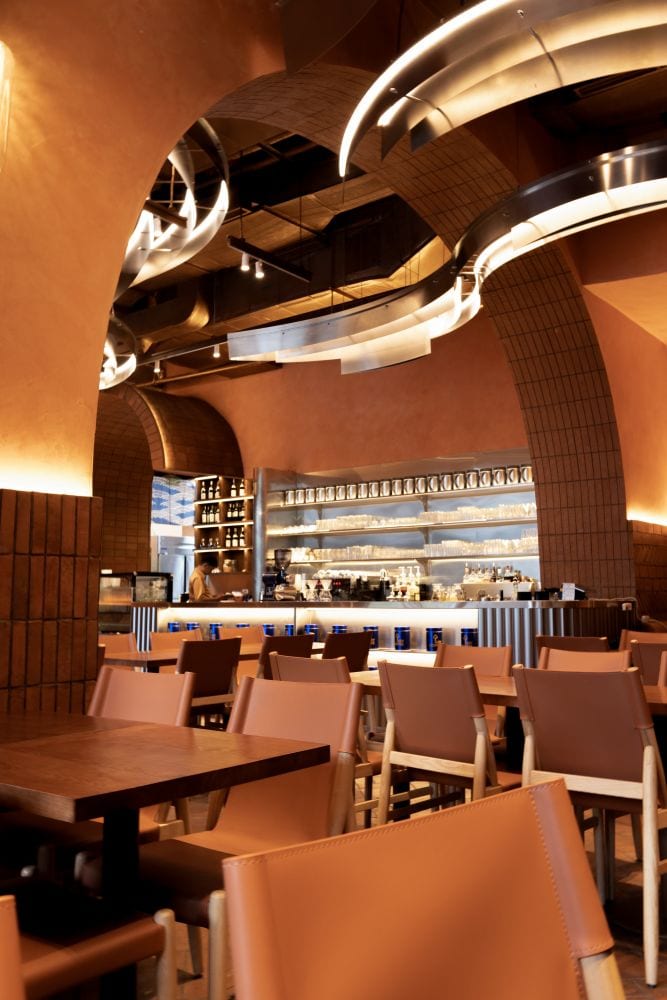
Bryan Chua, president of Boosterfoods Inc., says Key Coffee makes a distinction from other local cafes and coffee shops as it’s inspired by old Japanese kissatens. These are neighborhood cafes where guests can enjoy a cup of hand-drip coffee while savoring a solitary moment, listening to jazz music, or socializing with others. "I imagine it to be kind of like the diners in the U.S. or the local cafeterias in the Philippines. It's a neighborhood place where people hang out,” he tells Esquire Philippines.
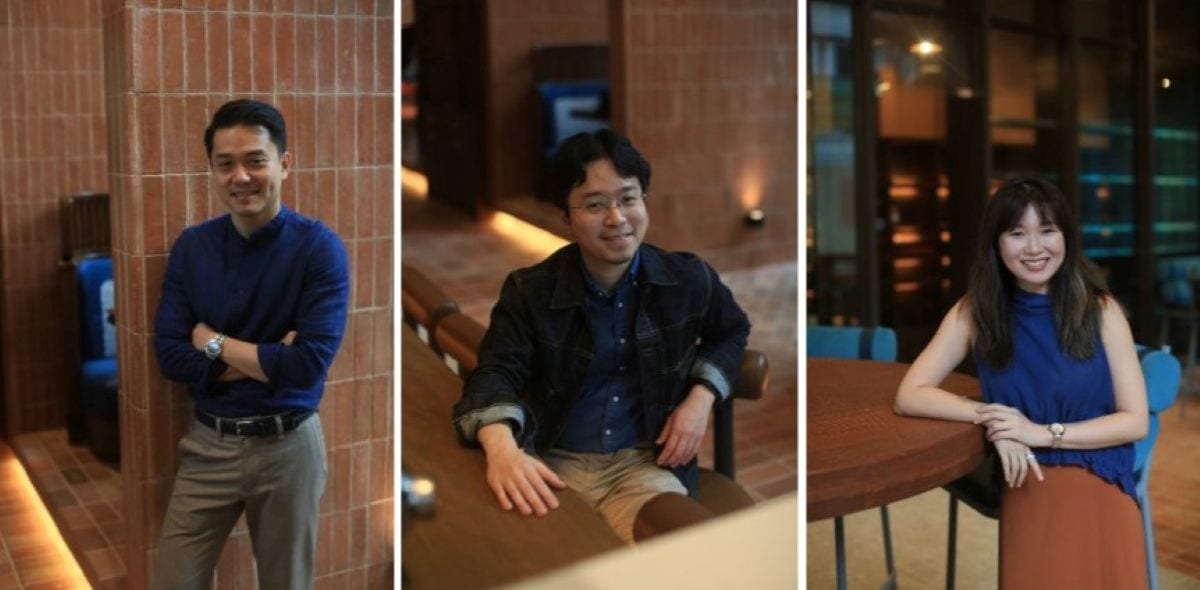
The Chuas—Bryan, his brother Marvin (vice president of operations), and his wife Kathleen (marketing and sales manager)—are huge fans of specialty coffee. They would go on coffee crawls during their trips to Japan, and that was how they discovered Key Coffee, a well-known kissaten in Japan.
“Key Coffee is known for its deliberate way of preparing coffee. It was one of the first shops to start computing the exact coffee-to-water ratio—everything is high-quality, never tsamba-tsamba (hit-or-miss). We wanted to capture that exact philosophy in making coffee as well as that neighborhood spirit, and bring them here,” says Bryan.
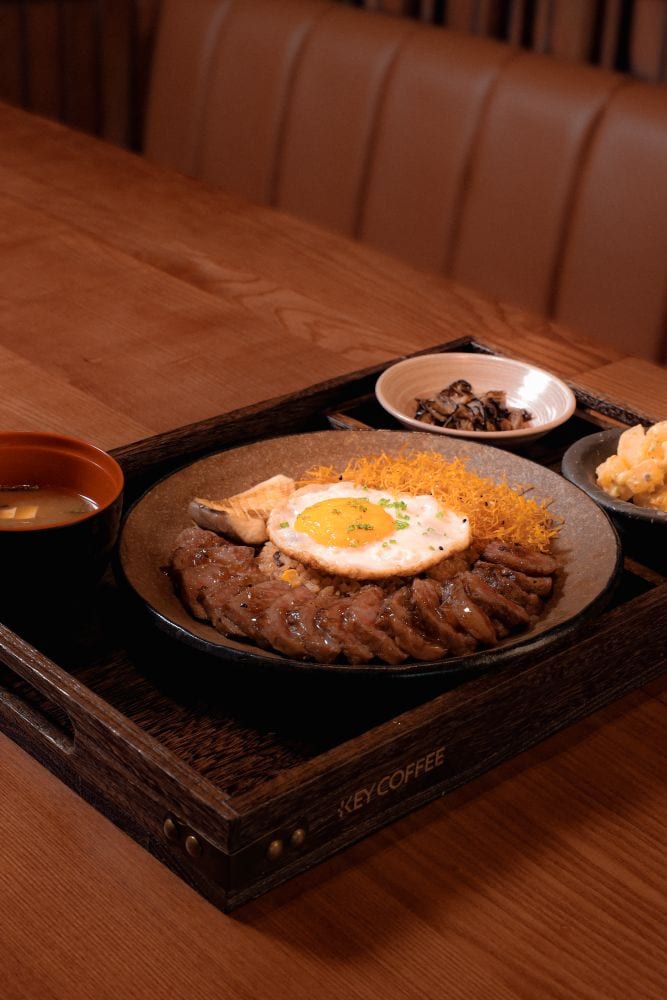
But unlike the branches in Japan, Key Coffee locations in the Philippines are distinctly upscale and modern. “We asked ourselves: if a kissaten were created today, what would it look like? In Japan, these cafes are traditional and have naturally become 'retro cool.' Here, we wanted to capture that exact retro-cool vibe, but execute it in a modern way. Even with the food, we pay homage to classic kissaten dishes, but we prepare them using a more modern style, contemporary ingredients, and contemporary cooking methods. Everything remains very respectful of what true kissaten food should be,” he explains.
That same deliberate approach applies to their growth strategy. The brand remains intentionally conservative when it comes to expansion, a process Bryan likens to community building. “We wanted to find the right space and community where we can share the kissaten experience, because every location we open is tailored specifically to the community we want to build," he says.
For instance, their flagship store in Mitsukoshi BGC blends a modern Japanese kissaten with a Western-influenced Hi-Fi jazz café. Their newest branch in Glorietta 2 draws inspiration from the nostalgic Ginza salons of the Showa era, while the Opus location introduces a distinct itameshi (Japanese-Italian) culinary concept. “We always want to fit into the local community or the specific space, so we look for locations that match that profile,” Bryan adds.
To maintain the same good quality of kissaten coffee, Yasahiro Fujita, Key Coffee’s head trainer, coffee grader, and master barista in Japan personally trains all baristas at Philippine branches to execute flawless Japanese hand-poured coffee.
For the menu of its BGC and Opus branches, Boosterfoods Inc. tapped two of the country’s respected culinary gems as consultants: Thirdy Dolatre of Hapag, and Jorge Mendez—the mastermind behind Mōdan, Makanai, Some Thai, Mugen Ramenya, and Ohayo. Meanwhile, Corporate Executive Chef Mianne Manguiat and R&D Chef Alexa Versoza take the lead at the Glorietta branch.
The goal has always been pretty straightforward: serve up a dining experience that’s all about craftsmanship and paying attention to the little details. Manguiat says this philosophy is baked right into the menu. “Take our sandwiches, where nearly every component is made in-house—from the freshly baked bread to our homemade mayonnaise, sauces, and fillings. We also feature A4 Wagyu prepared three different ways—as tartare, yakiniku, and tataki—with each preparation highlighting a different side of the Wagyu experience.”
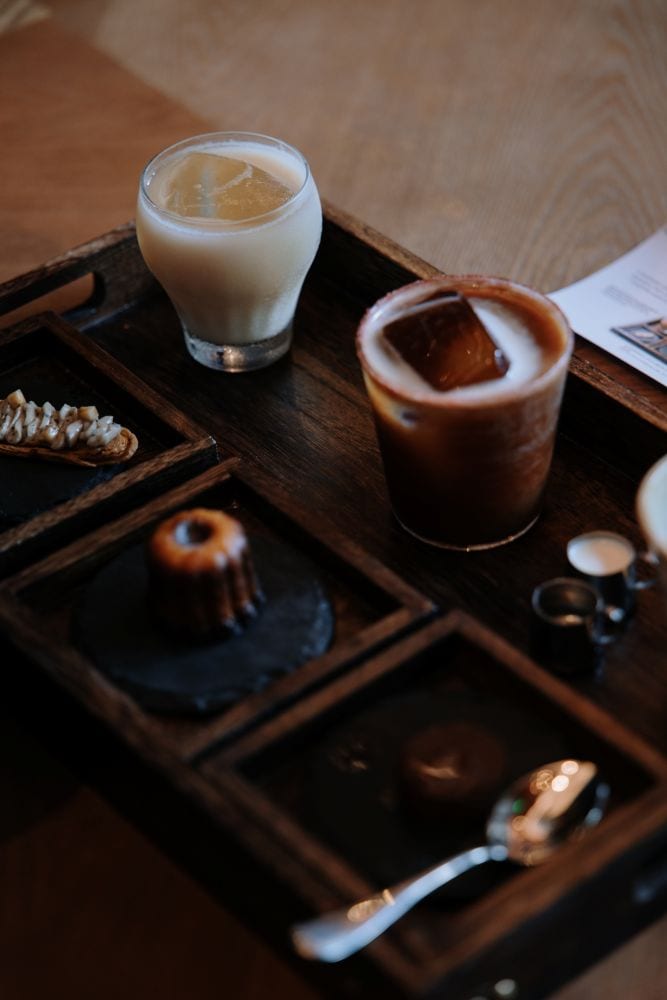
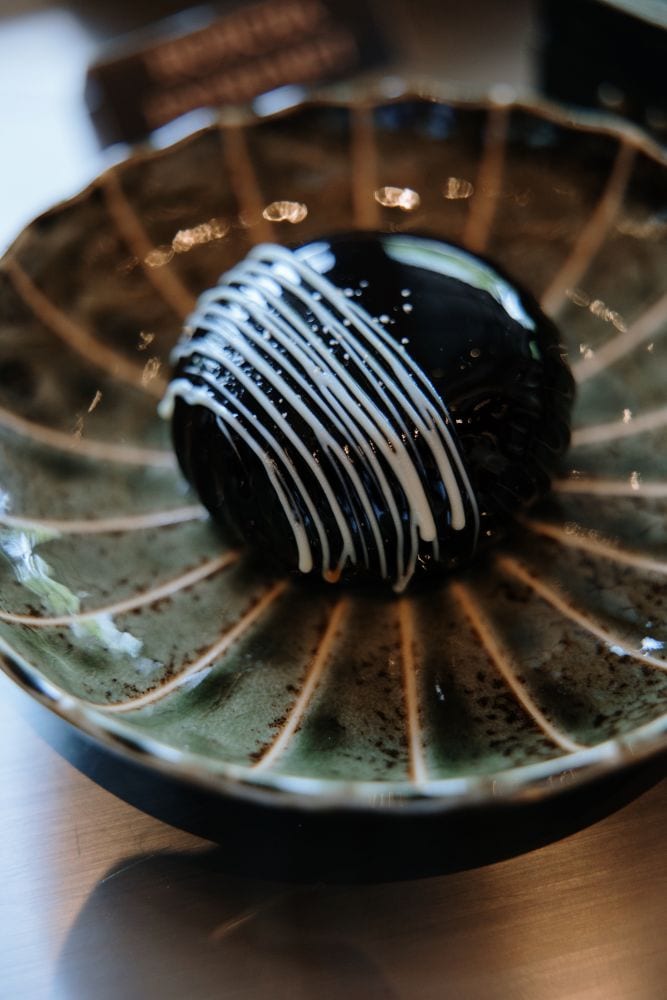
Entrees and desserts are inspired by their trips to Ginza. “Each dessert is designed not only to taste beautiful, but to visually capture the charm that inspired us when we were there,” Manguiat says. Lastly, their signature coffee selections, specialty drinks, and cocktails were thoughtfully developed to complement their menu.
At the end of the day, Bryan views the booming coffee scene through the realistic lens of any seasoned restaurateur: it is a tough, high-stakes business that demands absolute passion. Survival requires constant adaptation and faith in your brand's core identity.
“You have to keep evolving,” he says. “You have to believe in the concept and communicate that to your market. If they don’t get it at first, that's fine. But when they do, they will keep coming back. That is the goal.”
View More Articles About: