When Malagihay Has Become a Place
Cocktail etymology and the modern myth-making of the new neighborhood bar in San Juan.
Published on Jan 12, 2026
The idea of a ‘neighborhood bar’ has quietly drifted from geography toward mythology. It no longer has to be anchored to the streets it physically occupies. In 2025, when Bar Leone was named the World’s Best Bar, it was not celebrated as a definitive Hong Kong bar, but as Lorenzo Antorini’s homage to the neighborhood bars of Rome—those quotidian, convivial spaces from his youth. The bar stood not for a district, but for a remembered way of belonging.
In this sense, ‘neighborhood’ becomes portable. It is less a pin on a map than a sensibility: how people gather, how noise settles into warmth, how conversations are allowed to overlap without competing. A neighborhood bar is no longer where you are, but where you feel at home.
Malagihay Cocktail Club, which opened its doors last November 2025 in San Juan, understands this instinctively.
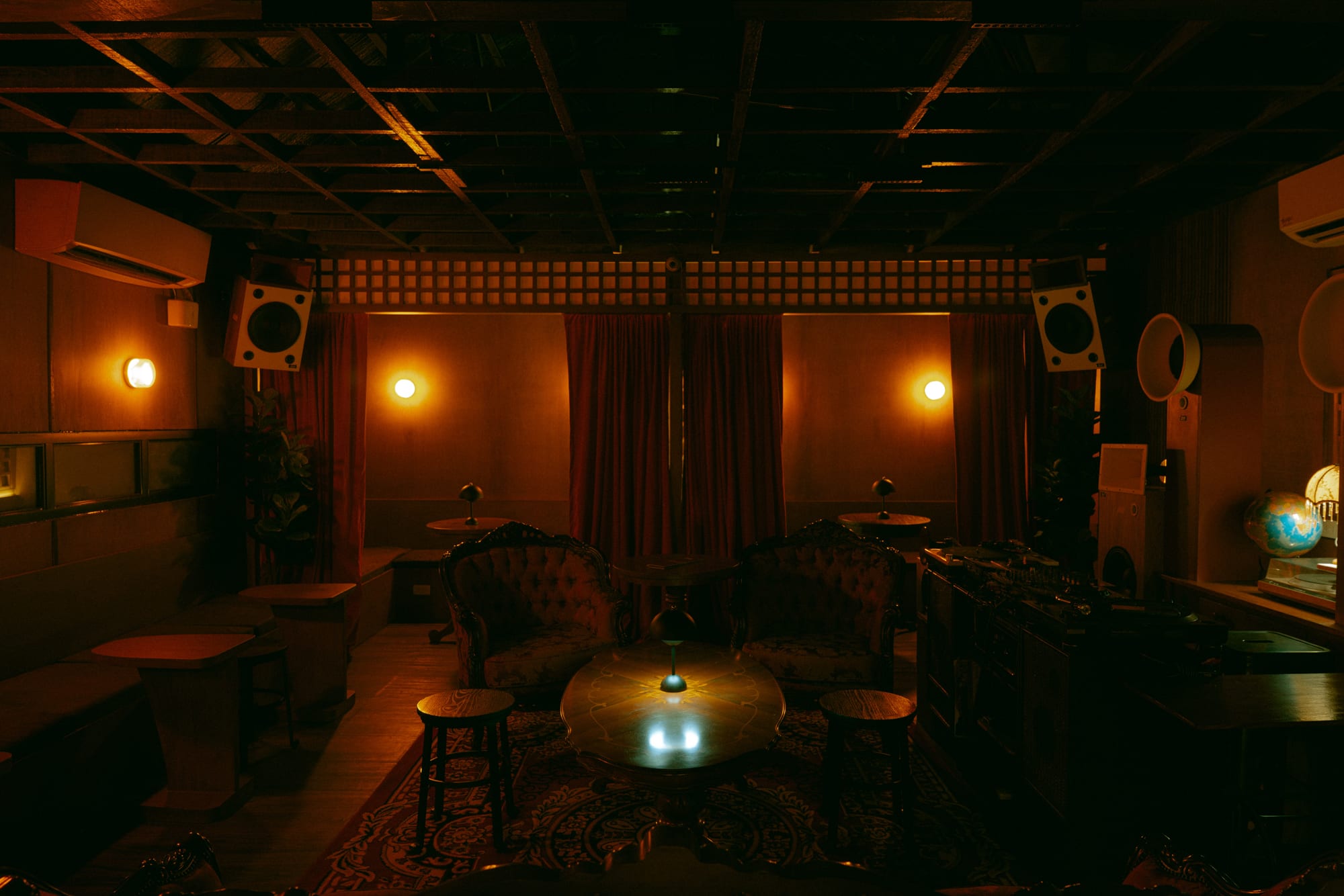
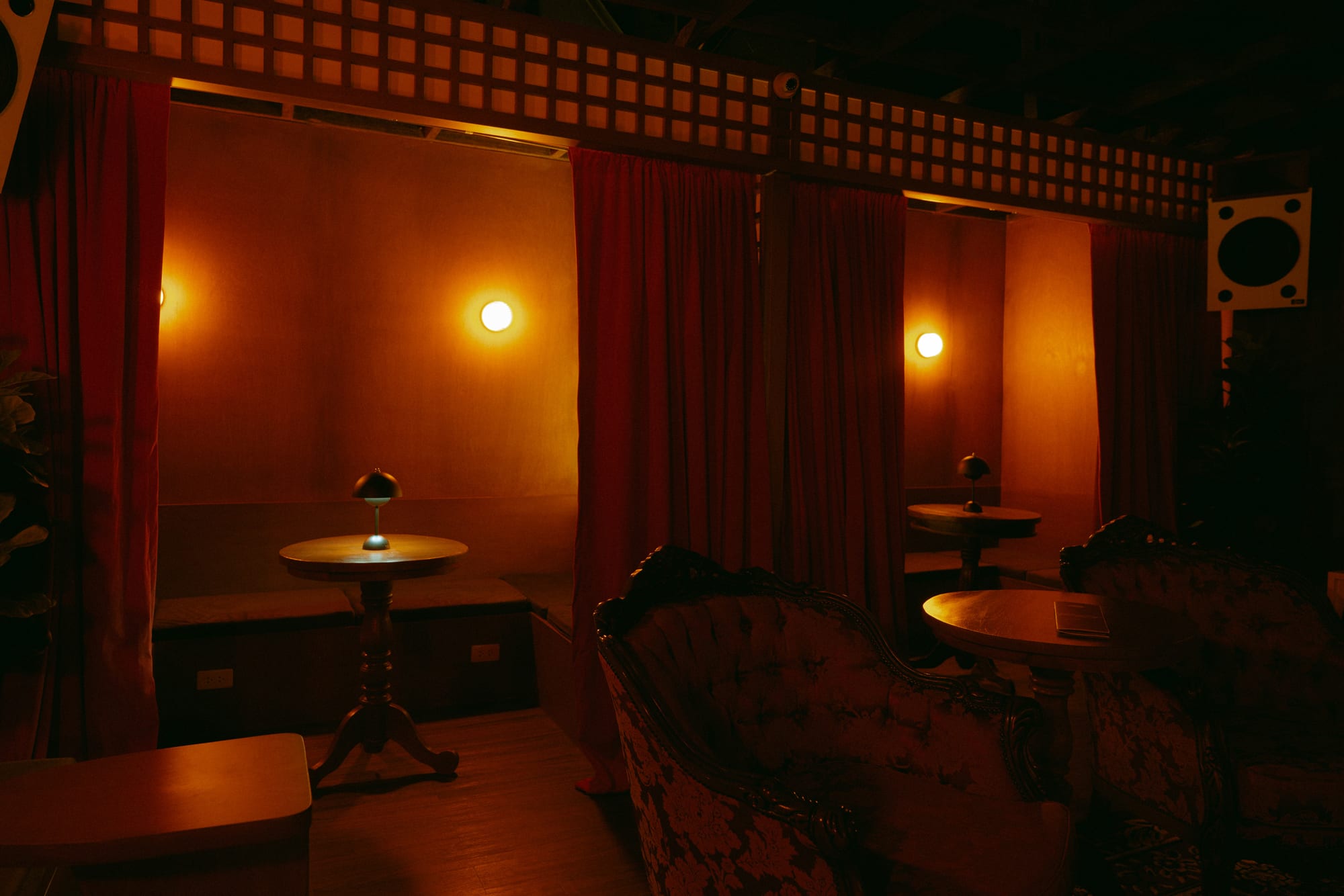
At first glance, Malagihay fits neatly into the local reading of a neighborhood bar. Its lola’s-house maximalist interiors—brass on wood on wood textures, familiar clutter, deliberate excess—immediately signal domesticity. The exposed joists overhead create a generosity of space, and more importantly, a generosity of sound: conversations remain intelligible even as music and crowd swell. This acoustic kindness matters. It tells you that talking, remembering, and listening are not incidental to the experience but central to it.
Yet Malagihay does not merely represent San Juan, even if it does so well. What it ultimately embodies is something more expansive: a global notion of home shaped by Filipino memory. It asks not which neighborhood, but what kind of neighborhood lives inside us.
That question extends into the menu, where drinks are organized not by spirit or provenance, but by Mood, Moment, and Memory. These are not marketing categories; they are narrative anchors. Each cocktail operates as a small act of modern myth-making, drawing from Filipino life without irony or apology.
Consider the Shembot. Dorm-room drinking—cheap gin, a sachet of iced coffee, powdered melon juice—hardly registers as refinement. It is survival drinking, improvisational and communal, usually accompanied by crackers and canned tuna. Malagihay reimagines this assemblage as an elegant riff on Irish Coffee, crowned with a luxurious milk candy foam. It does not erase its origins; it dignifies them.
The same generosity animates the Truffled Tuna: cream cheese and truffle oil elevating what is otherwise a familiar, utilitarian inuman staple. These are not ironic gestures. They are acts of gratitude toward the food and drink that sustained us when abundance was not yet an option.
In classic cocktail culture, names like “Paper Plane,” “Sidecar,” or “Daisy” have become liminal spaces—phrases detached from their original contexts and held together by lore. One can research their etymologies on YouTube channels devoted to cocktail history, but the emotional logic remains elusive. Why should cherry and herbal liqueur equal ‘the last word’? Why should pleasantly soapy taste like aviation?
Malagihay offers a different answer: names rooted in lived experience. Peach Mango P., Magic Gulaman, Dipping Sauce loaded with cucumber and onions. These are not abstractions. They are scenes. Anyone who has survived on kwek-kwek dinners knows the wisdom of piling condiments—not just for flavor, but for fiber, for sustenance, for making do with care.
The evocation is immediate and bodily. The flavors do not merely recall hardship; they reclaim it. They say: those were hard times, but we survived together. They refuse condescension. There is no embarrassment in remembering how joy was found cheaply and collectively. The bar does not aestheticize poverty or resilience; Malagihay allows us to thank ourselves for finding delight in rougher times.
This is where the name becomes crucial.
Conventionally, ‘malagihay’ refers to clothing taken from the line before it is fully dry—still damp, worn because there is no time to wait. In more colloquial usage, it describes a state just above tipsy: loose, buoyant, but not undone. The two meanings are not opposites; they are mirrors.
A malagihay shirt carries a precise pleasure. Too wet and it clings uncomfortably; too dry and the moment has passed. There is a narrow window where the dampness cools the skin, where necessity accidentally becomes delight. Miss it, and kulob sets in. Catch it, and you experience something fleeting and intimate.
To live malagihay is to dwell at that edge—to recognize that precarity sometimes sharpens sensation. That standing at the precipice does not always mean falling; sometimes it means seeing the view more clearly.
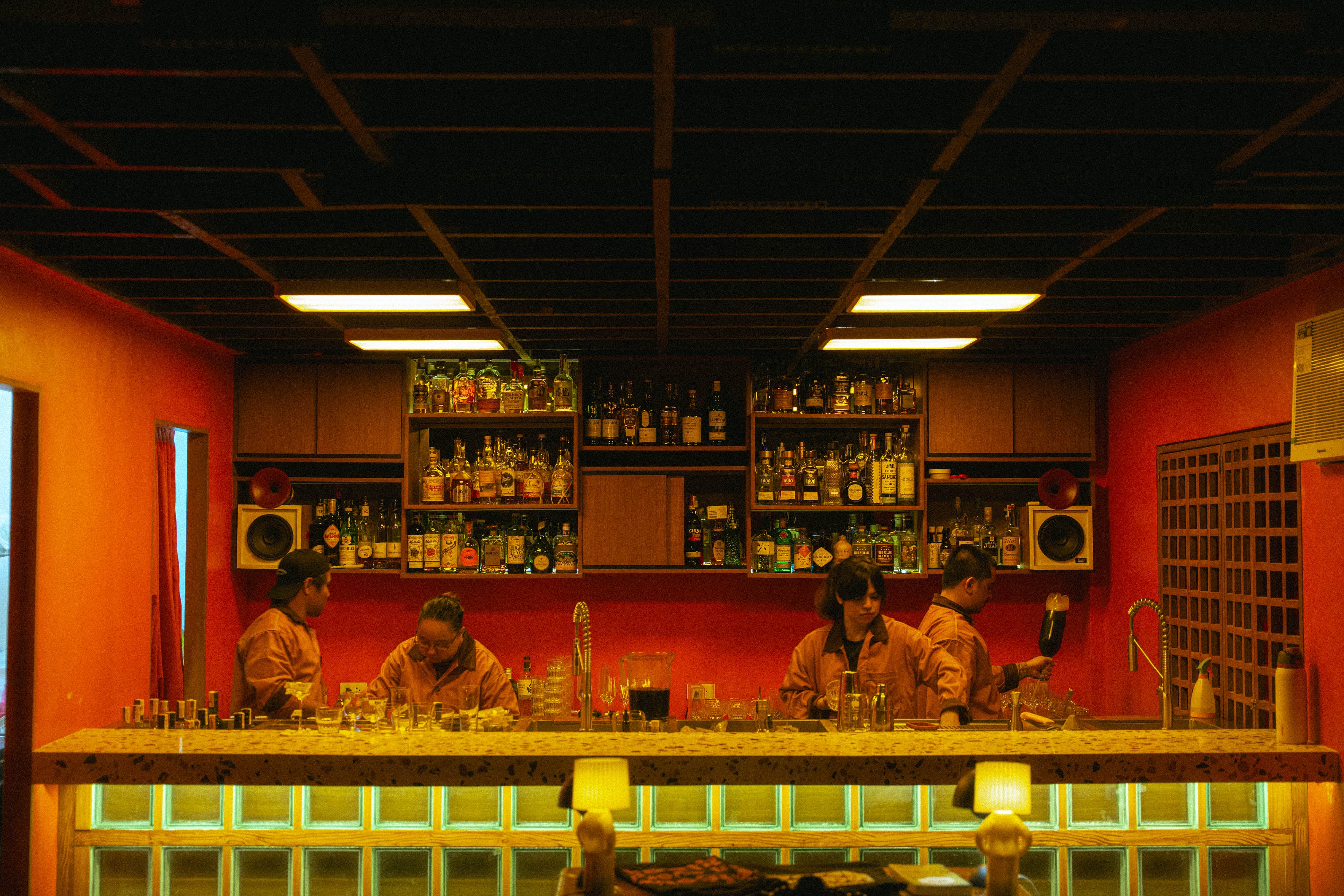
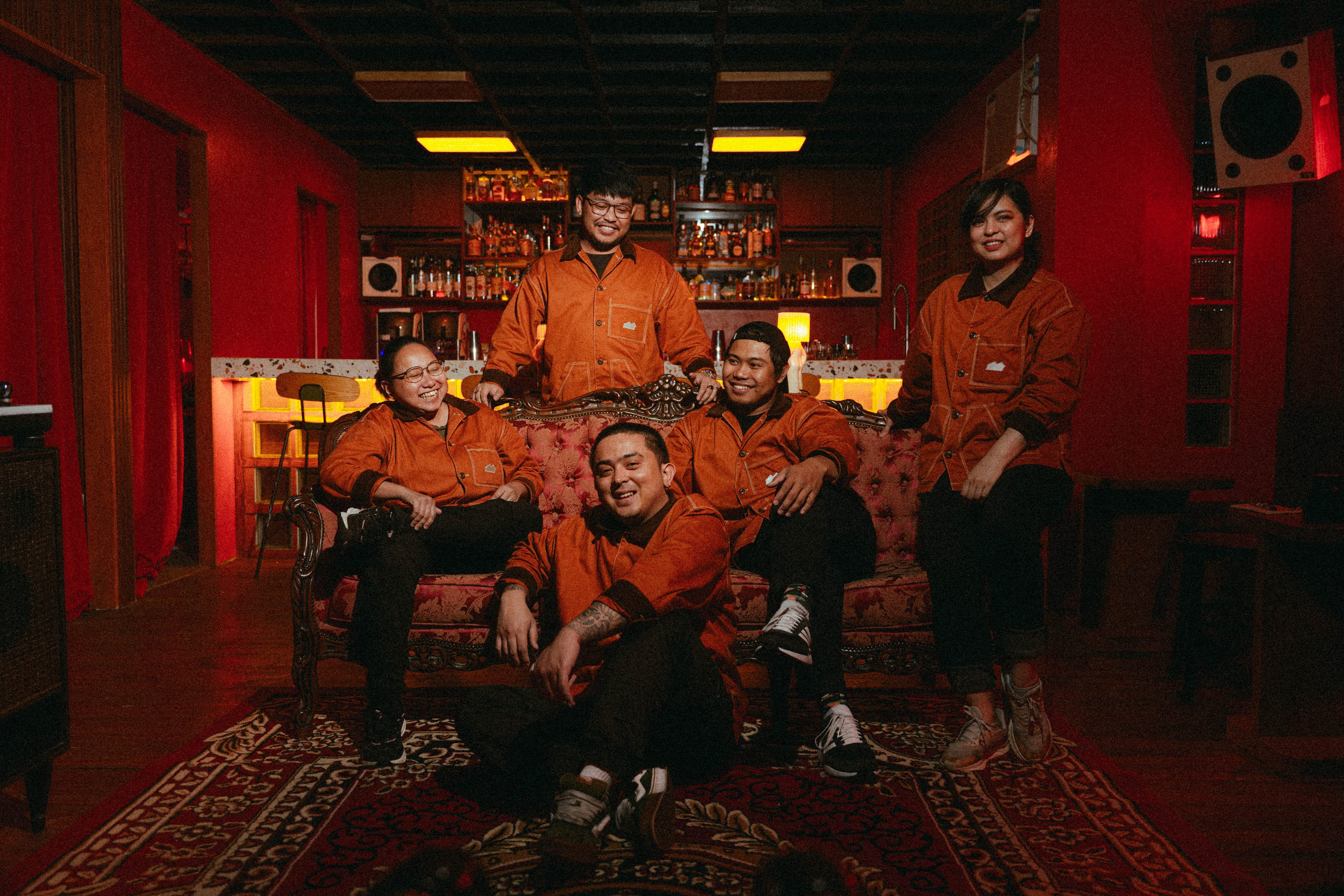
Malagihay Cocktail Club lives in that window. It is not about excess, nor about austerity. It is about just enough: memory without nostalgia, refinement without erasure, pleasure without forgetting where it came from.
Founded by Ian Libang and Mikel Zaguirre—creators behind several successful brands—the space above Mabuhay Craft Coffee was initially imagined as a simple annex for bakeshop overflow. Instead, Malagihay insisted on becoming its own place. Not an extension, not a footnote, but a room where memory is rehearsed and new stories are allowed to begin.
In the end, Malagihay is not merely a bar. It is an argument about naming. About how words, when chosen carefully, can transform survival into story. About how a neighborhood can exist without borders. About how damp shirts, cheap gin, and shared meals become myths—not because they are romanticized, but because they are remembered with kindness.
And perhaps that is what defines home after all: not permanence, but recognizable resonance.
Malagihay Cocktail Club is at 2/F 193 A. Mabini Street, San Juan City.
ALSO READ:
Finding Poblacion's Best Curated Vibe at Electric Sala
5 Bars in Metro Manila Where You Can Actually Hear Your Date
Craft cocktails, social justice, books, board games, and TTRPG. Chopsuey.
View More Articles About: