Today I Learned: Why Ormoc Deserves a Place on Every Food Lover's Map
A cookbook launch offered an unforgettable first taste of a city whose food is as rich as its history.
by Clang Garcia
Published on Jul 28, 2026
What are the cuisines of Ormoc? How does one even get there? For years, my only association with the city was the luminous Lucy Torres—her grace in Lux shampoo commercials, soulful columns on The Philippine Star, and fairy-tale romance with the dashing Richard Gomez. Then, an invitation arrived from Bob Zozobrado, former president of Tourism Congress of the Philippines, to the launch of Homemade: A Taste of Ormoc, a book celebrating the city’s time-honored dishes. I said yes in a heartbeat without researching, wanting the destination to reveal itself in raw, unfiltered form.
Journey to Ormoc
I learned you don’t fly straight to Ormoc, Leyte Province. A pre-dawn flight from Manila lands you in Tacloban City, followed by a smooth 2.5-hour drive (111 km) along the Pan-Maharlika Highway. The road gently winds through a refreshing landscape of mesmerizing scenery: mist-veiled mountains, sweeping valleys, vibrant rice paddies, and dense forests that shift like scenes from a cinematic masterpiece.
That winding scenic drive built a quiet anticipation, making lunch amidst the lush greenery of Highlands BBQ House feel like a well-earned reward.
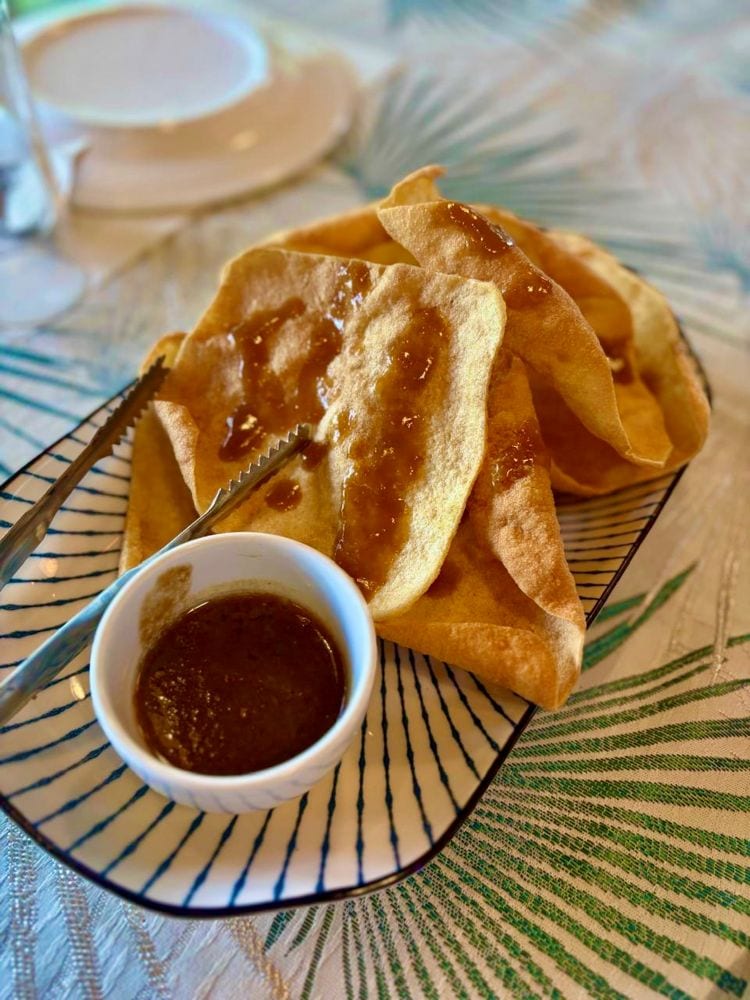
The meal opened with a platter of crispy cabcab (cassava wafers) with runny latik (coconut caramel), allowing you to play to your heart's content: spooning latik to glaze the cabcab or cracking a piece and dipping it in. It was addictive.
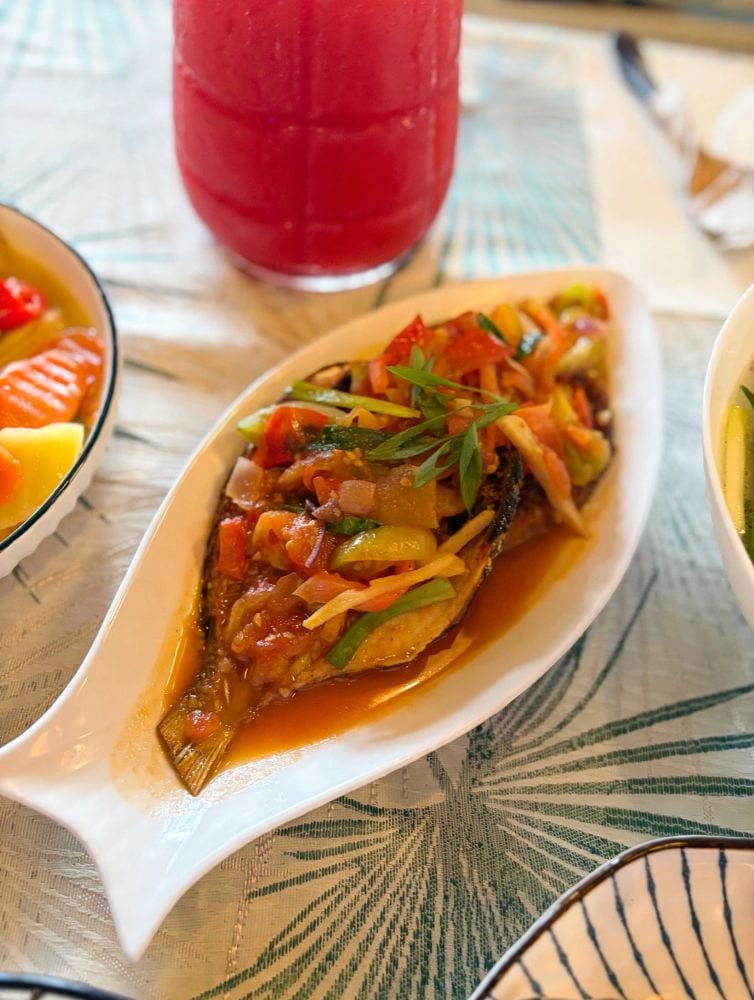
Next came the buwad (salted-sun-dried butterflied fish), fried to a crisp and tossed with sautéed ginger, onions, and tomatoes: an umami explosion of salty, sweet, tangy, and savory that demanded endless rice.
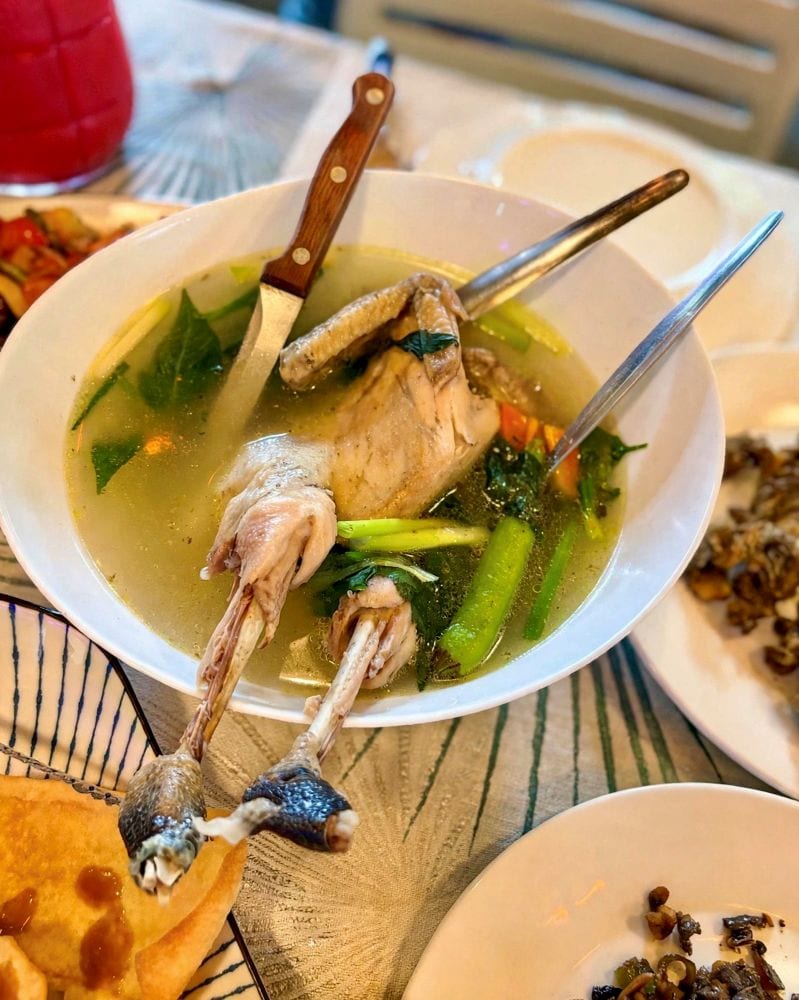
Lake Danao’s tab sisig—chopped Chinese pond mussels, boldly spiced and brightened with calamansi—made perfect sumsuman, food paired with an alcoholic beverage. The hearty Tinolang Bisayang Manok, a soup of native chicken cooked tibuok (whole), simmered in aromatics, tomatoes, green papaya, and chili leaves, was pure comfort in a bowl.
Sweet Notes and Rich Stews
From savory local staples, the tour moved on to Alto Peak Chocolates, an inclusive bean-to-bar business built by couple Noel and Celeste Barquera. Their shop and restaurant felt like a welcoming Filipino home—complete with a toy-filled children’s corner, a Lola Basyang rocking chair, a book nook, and an artists’ gallery frame framed by an elegant arch of salvaged bricks from the historic Ormoc Sugar Company. On one wall, a map of the Manila-Acapulco Galleon Trade (1565–1815) reminded visitors of how cacao first reached Philippine shores and took root in Leyte.
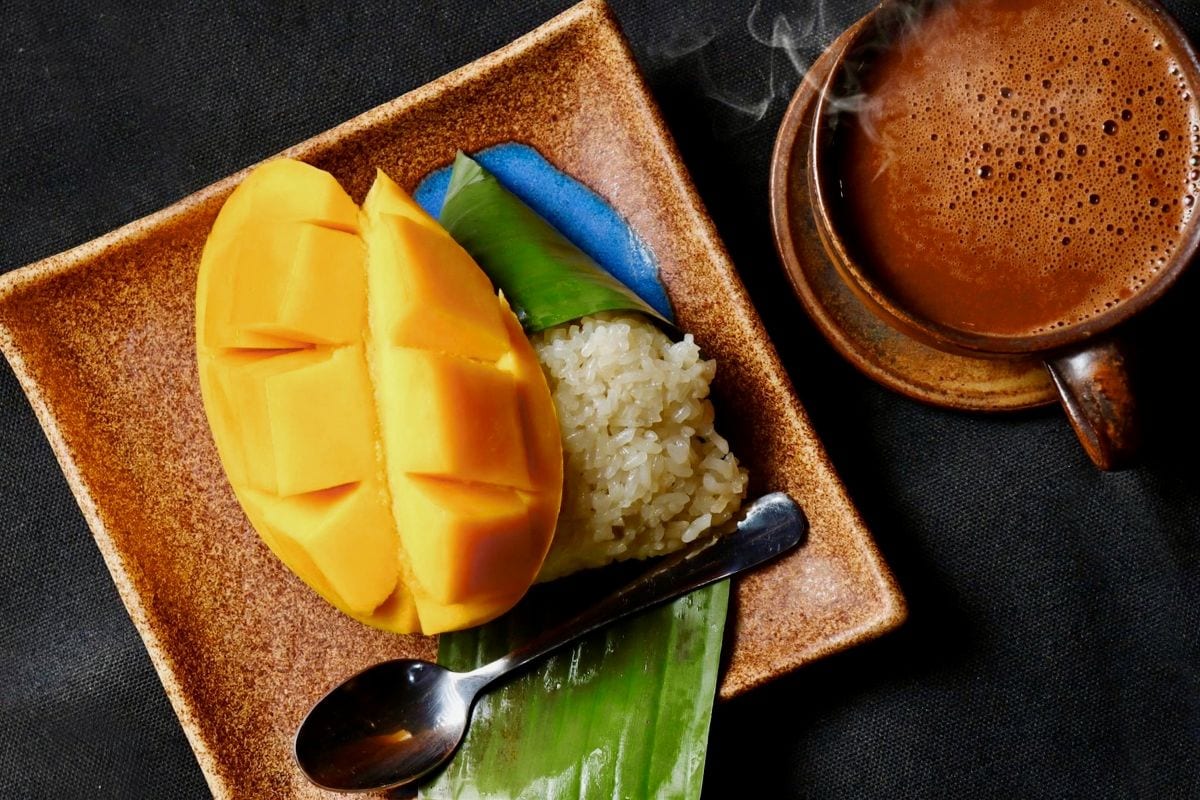
Their sikwate, traditional hot chocolate thick and silky in a generous earthen cup, paired beautifully with puto maya and ripe mango. In their humba, pork belly is braised in soy, vinegar, sugar, and star anise, meeting liquor-infused tablea, which adds bitter-earth notes to balance the caramel sweetness. The standout dish, "Rhapsody"—native chicken sautéed in spices and braised in its blood with coconut extracts—delivered an earthy, creamy symphony.
A Feast of Ormoc's Heritage
The journey peaked at the book launch held inside Barangay Juaton’s transformed sports complex. Guests in elegant Filipiniana attire were welcomed by a lively reception filled with music, a photo booth, cocktails, and enticing bites. I couldn’t get enough of the sugar-dusted shakoy, a braided dough fried to a golden crunch, yet cloud-soft inside. A bite of plump balls of red chorizo exploded with sweet, fatty, peppery goodness.
When the curtains parted, the former badminton court revealed a dramatic fine-dining setup, complete with mood lighting and long tables adorned with miniature local produce.
The buffet spotlighted treasured recipes from the book. Appetizers included fresh lumpia, ensaladang puso ng saging, and pako salad. Mains include Sal’s callos and pansit, from the kitchen of Darol Larrazabal-Canlas; humba by Carinderia Warrior champion, Marissa Tugonon; Lola Moning's legendary fried chicken in a basket by Ingrid Cecilia Tan-Simafranca; Embutido—a mixture of ground beef and pork by Fe Pongos; and succulent Ormoc lechon.
The desserts were equally memorable: bite-sized cassava cakes from the Ayuyao family, Charito Antig’s famed highway bibingka, and Mylane Baluyo’s gooey, peanut-stuffed masi. Noel Barquera’s dukot ice cream stole the show, bringing a smoky, bitter edge inspired by the crispy tutong of his childhood.
Homemade: A Taste of Ormoc
For years, Ormoc City Mayor Lucy Torres-Gomez held on to a dream of creating a culinary book to capture the essence of her hometown, aiming to include 75 recipes to celebrate Ormoc's 75th Charter Day in 2022. After a delay caused by the pandemic, the project gained momentum in 2023 with award-winning journalist Bum Tenorio Jr. as the editor-in-chief. Three years of dedicated work later, Homemade: A Taste of Ormoc was born, expanded to include 77 stories and mostly recipes, with the discovery of twin centenarians enhancing its depth.
This 306-page book is a labor of love and an expression of Ormocanon identity preserved through food. As Mayor Lucy shared, the recipes represent the living heritage of the city, “ensuring that every dish will be remembered, recreated, and passed down through generations.”
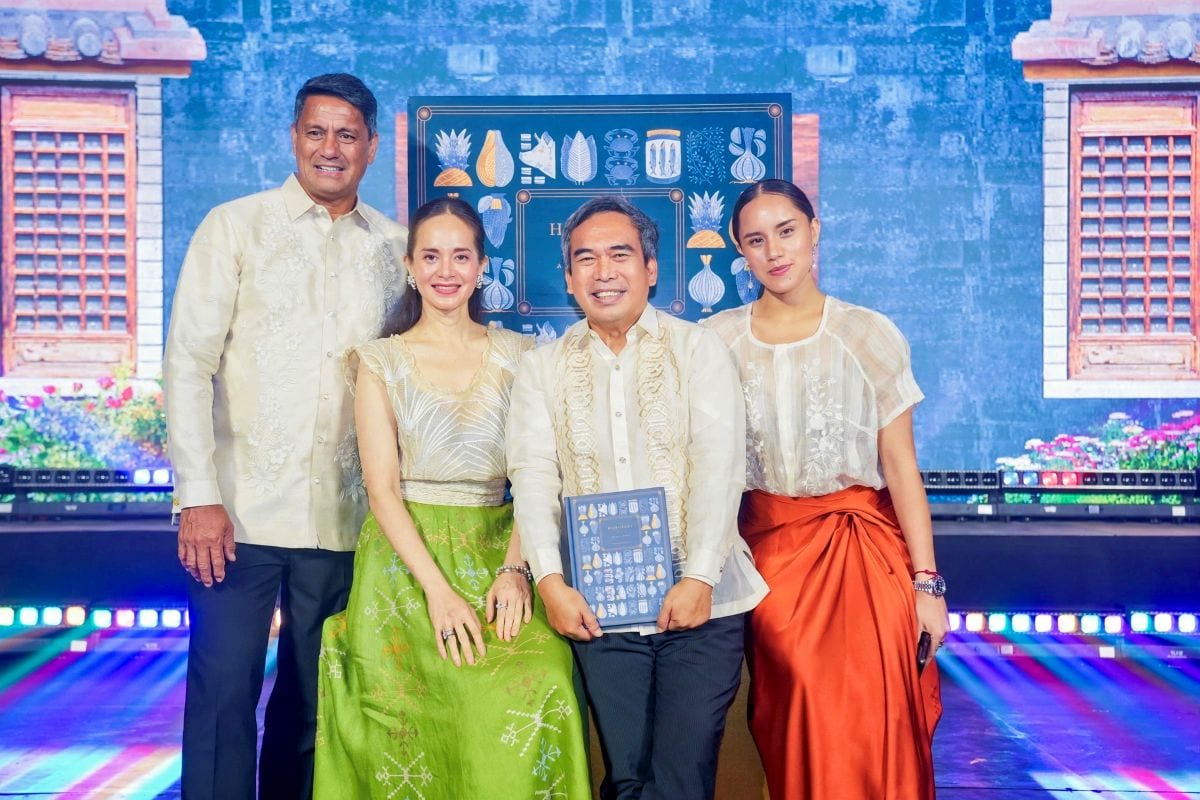
Tenorio recounted the team's journey—knocking on doors and listening to personal stories of sacrifice, survival, and resilience, all conveyed through food as the ultimate language of love.
Congressman Gomez emphasized that traditions do not vanish overnight; they fade gradually when stories stop being told, recipes cease being shared, and people become too busy to remember their roots.
Homemade: A Taste of Ormoc captures the soul of a community through its most intimate medium: food. It preserves recipes and the lived histories, migrations, family bonds, wartime ingenuity, and quiet acts of love that shaped them.
Each page invites readers— whether Ormocanons at home or abroad, and every Filipino—to connect with place, memory, and identity. Preserving this collection of 77 stories is an ode to the past, a gift for the present, and a love letter to future generations.
What does Ormoc taste like?
As a first-time visitor with no preconceptions, Ormoc answered my question beautifully. It tastes like sun-dried fish turned into umami gold, cacao transformed by community hands, and heirloom recipes passed down with pride. It tastes of layered history, generous hospitality, and an unhurried pace that lets you truly savor life. I left restored—scenic drives and warm people as memorable as the meals—and already dreaming of my return. Ormoc revealed itself, one heartfelt bite at a time.
Clang Garcia is a passionate advocate for Philippine culinary heritage and gastronomy tourism. An internationally award-winning author and the host of Cignal TV’s DiscoverEats, she also sits on the Council of Advisers for the Master of Science and Doctorate programs in Tourism and Hospitality Management at De La Salle-College of Saint Benilde. She is the Philippine Ambassador for the World Food Travel Association.
View More Articles About: