Messy, Broken, and Bright: A Review of 'Supergirl' and an Ode to 'Woman of Tomorrow'
Milly Alcock shines as the brightest point of an uneven, flawed, and at times excruciating adaptation of one of the best Supergirl stories ever told.

by Zach Yonzon
Published on Jun 25, 2026
Tom King’s Supergirl: Woman of Tomorrow, illustrated by Brazilian artist Bilquis Evely, is a fascinating tale about Superman’s younger cousin told through the eyes of a young girl seeking revenge for the death of her father. Ruthye Marye Knoll channels Iñigo Montoya as she chases down the ruthless brigand Krem of the Yellow Hills with her sword maker father’s finest armament. She manages to involve Kara Zor-El, who happened to be on a birthday bender on her planet, when the latter’s dog, Krypto, is shot by Krem with a poison dart. The two go on an intergalactic adventure following Krem from world to world and finding destruction in his wake. King’s story paired with Evely’s art is ethereal, otherworldly, emotionally powerful, and the pinnacle of comic book storytelling. Supergirl, directed by Craig Gillespie and written by Ana Nogueira, is an adaptation of Woman of Tomorrow for the big screen, but more than a few things seem to have been lost in translation.
The basic skeleton of the story is the same: Ruthye, played by British-Filipina Eve Ridley, employs the lush Kara Zor-El (House of the Dragon’s Milly Alcock) to chase down Krem of the Yellow Hills (Matthias Schoenaerts) for killing her family. They go from planet to planet, where we see the different effects of different colored suns on Kryptonian physiology, and it’s a cute narrative device that serves to set the stage for each of the film’s effective chapters. Some changes were made to Krem, particularly visually, which is one of the film’s better decisions, because Krem of the Yellow Hills in the comic doesn’t look particularly threatening. Krem is simply a bearded redhead, and it simply wouldn’t do to have Supergirl’s villain basically be Conor McGregor. Visually, the film’s Krem is more threatening, if somewhat generic, but Krem’s menace was never really about his appearance, which seemed to be part of Woman of Tomorrow’s point. Krem was terrible because he did terrible, terrible things, and Supergirl’s Krem is just … a bad person. He kills Ruthye’s family in cold blood, but a killer isn’t anything we haven’t seen before. Even Krem poisoning Krypto is John Wick territory, so it doesn’t really do much to fire audiences up.
Nogueira’s baffling change to make Krem and the brigands be an “all-male” species of sorts that kidnaps young women to breed is so Mad Max: Fury Road-coded, down to the white dresses the women wear, that it feels more like retreading old Warner Bros glory than a pointed critique of men with pedophilic urges (the brigands only target young girls like Ruthye), which seems appropriate in these times. It’s a half-hearted change that doesn’t even make any sense narratively since Krem already saw Ruthye in the beginning but didn’t bother to kidnap her. Woman of Tomorrow is phenomenal because it builds up Krem’s unfathomable depravity over the course of Supergirl and Ruthye’s travels, visiting each planet and discovering the horrific things he’s done. One of the most powerful moments in King’s story is when Supergirl helps to bury the numerous dead in Krem’s genocidal wake. Maybe that scene would’ve been too heavy for what’s supposed to be a family film, but Supergirl’s watered-down Krem isn’t nearly as hateful as his comic counterpart nor even any comic movie villain in recent memory. His biggest crime is that he’s less than mediocre.
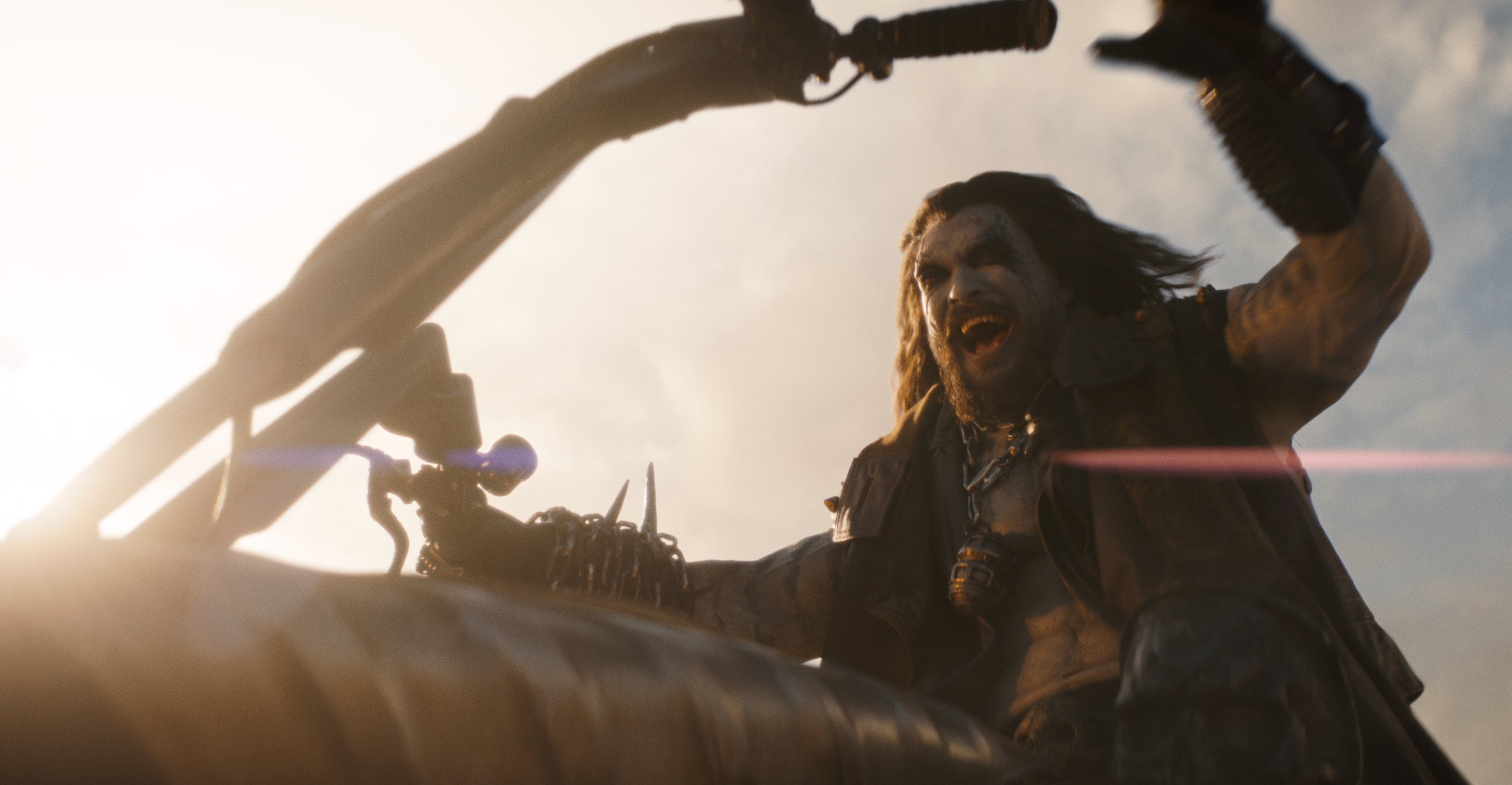
It gets worse with the inclusion of Lobo (Jason Momoa), who isn’t in Woman of Tomorrow, but makes an appearance in the film for reasons unknown. Maybe it’s to sell toys? Who knows. Momoa is perfect as the Last Czarnian, but Lobo could’ve been excised from the story completely, and absolutely nothing would change. In fact, Lobo’s presence dulls the impact of both Krem and Kara because Lobo is chasing down another brigand in his crew, which means that Krem is just another bad guy, not even worthy of Lobo’s attention. Lobo diminishes Kara because he’s clearly at her power level and is never in any danger whatsoever. The Main Man’s inclusion feels like a studio-mandated decision that gives DC fans who’ve seen their cinematic universe implode in crisis in the past a severe case of PTSD. Woman of Tomorrow featured Supergirl’s super horse (yes, a horse), Comet, and if the film had used Lobo in its place, it actually would’ve worked. Instead, we have a glorified cameo that not only adds nothing to the story but also makes its main characters much less special.
Supergirl feels like a missed opportunity for Warner Bros to do something truly brave. Bilquis Evely’s art is so distinctive, magical, and unique that if Gillespie had tried to capture that aesthetic rather than deliver a Temu Guardians of the Galaxy, it might’ve been something truly wondrous. It’s heartbreaking to see the studio that delivered Wuthering Heights, The Bride!, and They Will Kill You in 2026 alone lean into forgettable blandness with Supergirl. It’s a misuse of a stellar Milly Alcock, the bright point of a mediocre entry to the DCU. Alcock and Ridley have chemistry, and if Supergirl had played up a buddy cop dynamic between the two, that might’ve even worked better. That said, one of the film’s better choices was to showcase Superman (David Corenswet) as a concerned big brother figure constantly checking in on Kara. Corenswet’s Superman is ineffably charming, whose kindness radiates through the screen, a hero we truly need and can believe in. It is perhaps this cinematic contrast that doomed Supergirl because its attempt to differentiate the two Kryptonians necessitates a Kara who is messy, broken, and tragic. Everything Clark is not. But Supergirl is all that and more, the only Kryptonian with memories of a dead planet and its people.
In Woman of Tomorrow, King writes:
“You see, what is not well understood about the daughter of Krypton is that her power was not one of action but one of restraint, endurance, and passion. She did not choose to fire a beam from her eyes, or have breath of ice, or run faster than a speeding bullet. Or any of her other well-documented miracles.”
“No, she held back her heat vision to look you in the face. She warmed her breath to converse with you. She slowed herself to walk by your side. Every moment of every day, she suppressed the forces churning inside of her. All the energy of a dead world that strained against her many barriers, eternally demanding to be released.”
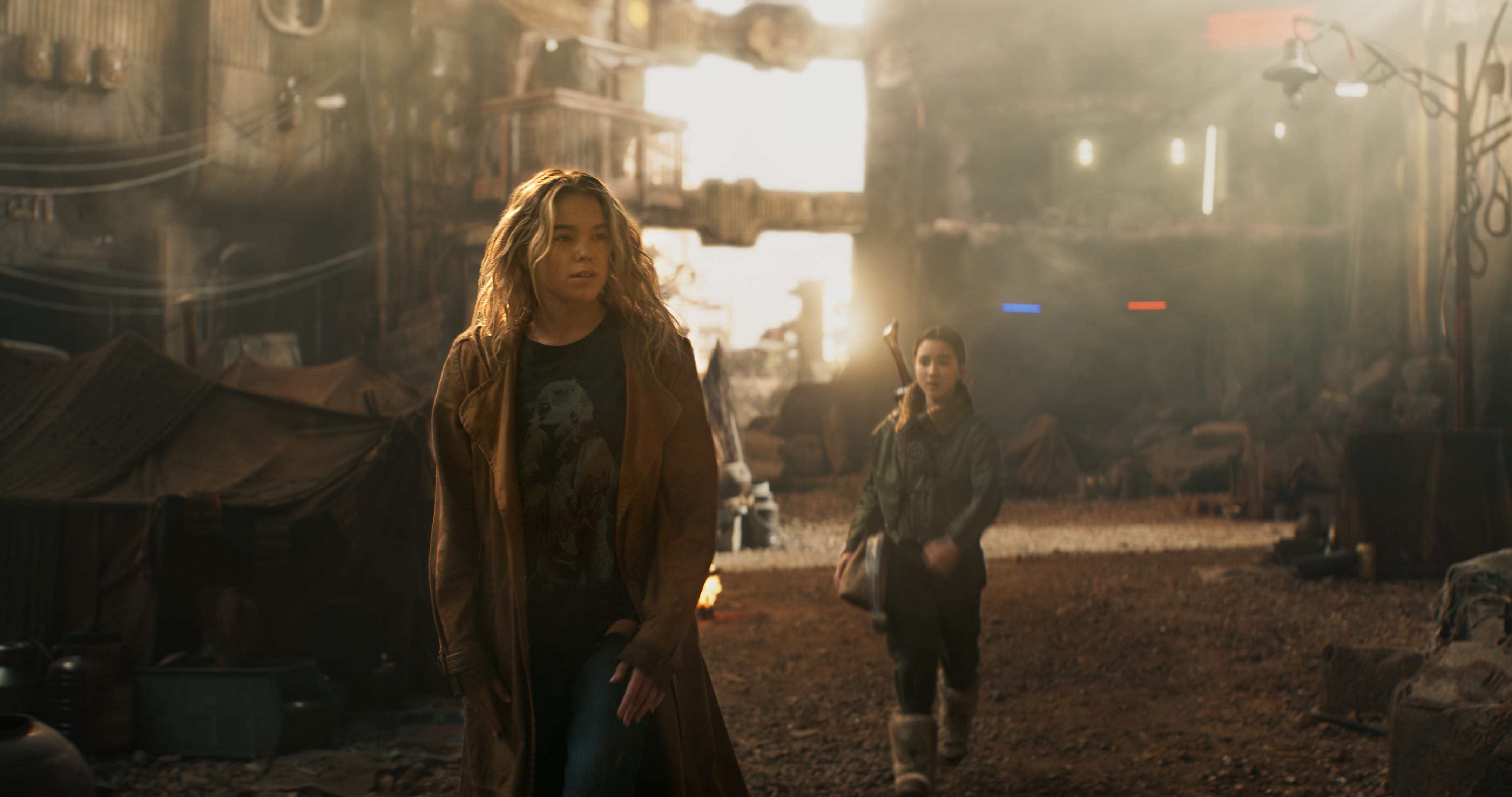
It might have done little good to show Kara’s own restraint and kindness when the film works so hard to juxtapose James Gunn’s Superman innocence and goodness with Supergirl’s scarred cynicism. It’s a shame because this was the entire crux of King’s story. Underneath Kara’s brokenness and grief lay the quiet strength of restraint, enduring kindness, and the belief that no one is beyond redemption.
There’s really no point second-guessing all the decisions behind Supergirl, but the final nail in the coffin for comic book fans is a scene that completely subverts the entire point of King’s story. It’s a Man of Steel moment that undermines Supergirl’s entire character, a scene that might’ve worked if the film followed Woman of Tomorrow’s structure of Ruthye as unreliable narrator. But in Supergirl’s final scene, Nogueira and Gillespie demonstrate a Zack Snyder-level of misunderstanding of Kara Zor-El’s character and an absolute betrayal of the source material. James Gunn’s DCU seems to have sacrificed Supergirl’s character merely to bolster Superman’s, and that’s the greatest tragedy of all.
Supergirl is out in theaters today, and the Supergirl: Woman of Tomorrow deluxe edition is on sale at Amazon for $29 .36 (about P1,800), down from its original price of $49.99 (around P3,000). Go buy the book.
ALSO READ:
This Supergirl Isn’t Like Superman—and That’s the Point
Does James Gunn’s Superman Live Up to the Hype?
Zach really, really, really loves films.
View More Articles About: