The Forgetting Islands: Why '58th' Is Such an Important Animation for Filipinos
This adult animated feature film about the Maguindanao Massacre is a painful but necessary watch for those who easily forget history.
by Zach Yonzon
Published on Oct 23, 2026
On the morning of November 23, 2009, Genalyn Tiamzon, the wife of then vice-mayor of Buluan Esmael “Toto” Mangudadatu, put her husband’s certificate of candidacy into a handbag and boarded one of the family’s Toyota Grandias headed for the COMELEC’s provincial office in nearby Sharrif Aguak. She was accompanied by two of her sisters-in-law, an aunt, and a couple of female lawyers to file Toto’s COC on his behalf, a team of women in one car that was part of a seven-vehicle convoy that included members of the press. The vice-mayor had been receiving death threats from rival politicians who warned him that they would chop him into pieces if he filed his candidacy, so he sent his wife in his stead and invited members of the press to cover the event. The Prophet ordered the men of Islam to be good to women, who shouldn’t come to any harm; and the press — 37 of them in the convoy — were neutral observers considered to be outside of any conflict. It was a reasonable plan, and safe passage to Sharrif Aguak should’ve been all but guaranteed. They never made it.
As the convoy passed by the town of Ampatuan, about 10 kilometers from its destination, it stopped at a police checkpoint where it was then surrounded by over 10 vehicles with heavily armed men who forced everyone in the convoy to exit their vehicles and lie on the ground. Later, they were all forced back into their vehicles, including two unfortunate groups in a pair of cars mistaken to be part of the convoy, and escorted out into a remote area where three mass graves had been prepared using a backhoe belonging to the provincial government with the name Andal Ampatuan Sr. painted on its side. Over 100 men were reported to have then systematically executed all members of the convoy, raped the women, mutilated all the bodies, and buried them along with their vehicles in what is the deadliest election-related event in Philippine history and the single largest attack on journalists in the world. By the end of the day, 58 people were dead, and over the next few days, 57 bodies were recovered. The body of journalist Reynaldo “Bebot” Momay, the 58th victim, has never been found.
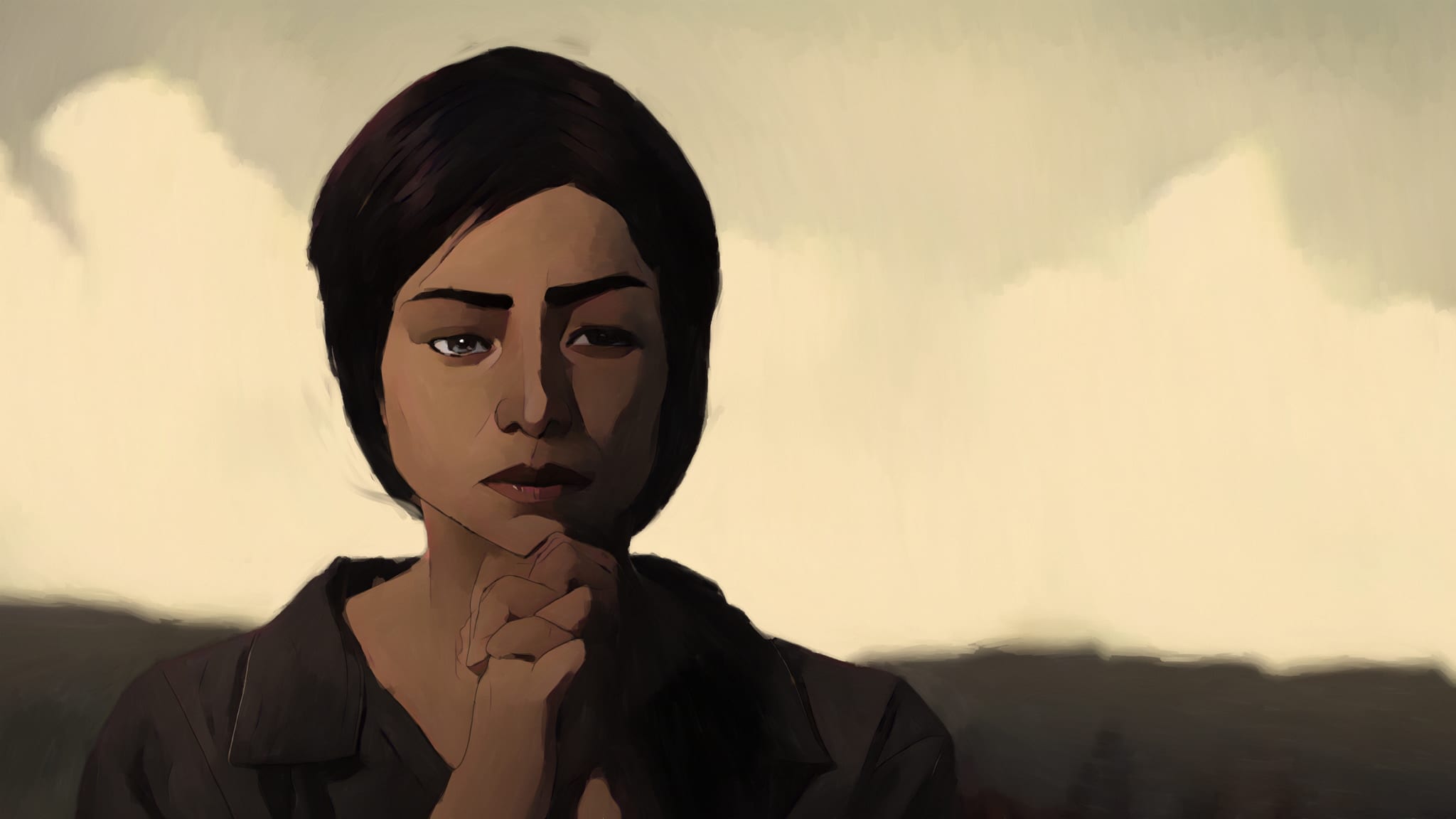
58th is an animated docufiction featuring a dramatized Zoom call between Momay’s daughter Reynafe “Nenen” Castillo (Glaiza de Castro) and a filmmaker (Mikoy Morales) aiming to make a documentary about the events of November 23, 2009. The film interweaves the past and present using a variety of rotoscoping techniques, an animation style that traces over live-action footage that lends it a rough, unpolished realism. Multi-awarded, pioneering director Carl Joseph E. Papa also punctuates the film with archival footage in stark black and white, a gutting inclusion in an already heavy story based on over 600 pages of the case’s promulgation. The filmmaker drops clever subliminal messages in his shots, like the writing on a shirt. Papa uses animation to allow Nenen and the filmmaker to view the events of the past through creative transitions, where both become outsiders in memories that Nenen almost certainly wants expunged. 58th takes audiences back with the pair to relive events that most Filipinos have already forgotten and many young Filipinos don’t even know about.
58th is about the importance of remembering. It’s an interesting coincidence that Forgotten Island, a Hollywood animated feature centered on Filipino culture, focuses on memory. Both Forgotten Island and 58th make it abundantly clear that Filipinos have a forgetting problem, and both films exist as a reminder to us all. It’s a heartbreaking realization because all Nenen has of her father are memories. Seventeen years after one of the most shocking and gruesome election-related events and the single worst attack on journalists in modern history, the country has largely moved on and forgotten, but for Nenen and the rest of the Momay family, it’s the one thing they can’t do.
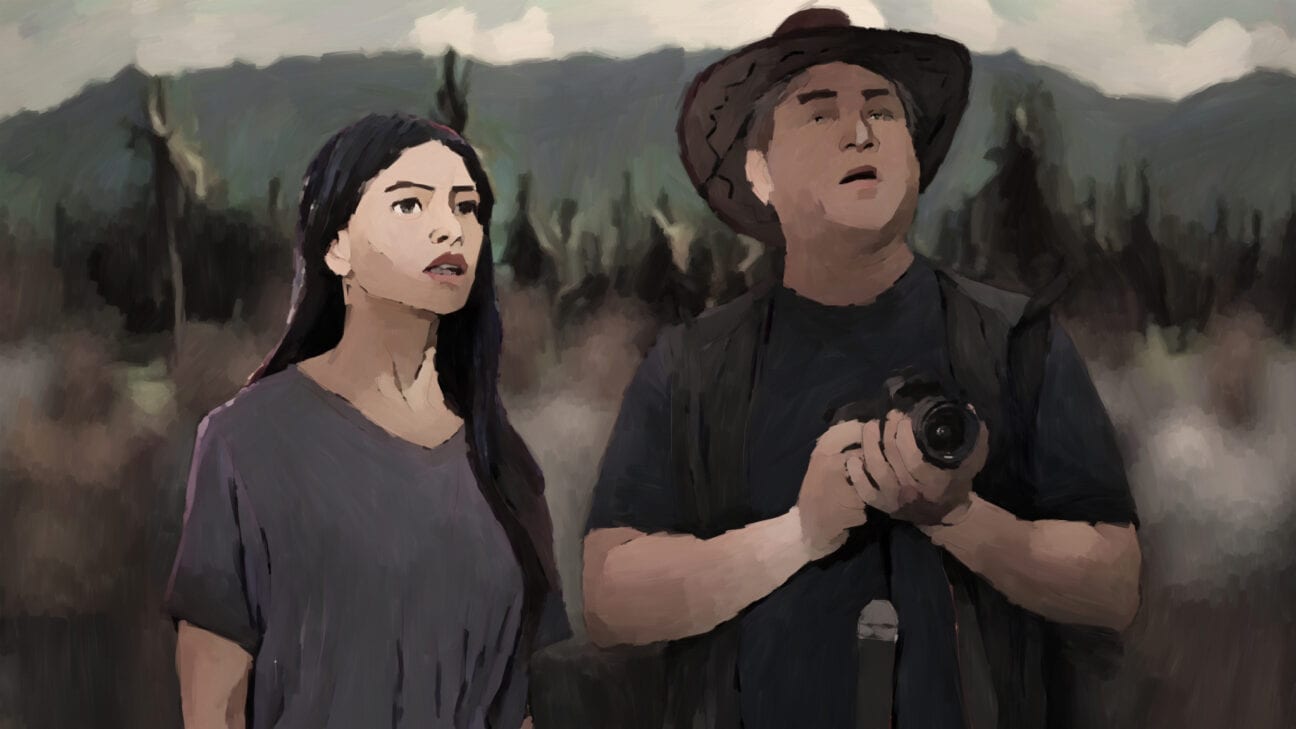
Because Bebot Momay’s (Ricky Davao, in his final role) body was never found, the regional trial court in 2019 convicted the perpetrators of 57 counts of murder, legally excluding Momay, citing a lack of evidence of his actual death. The family received no damages, but more importantly, the resulting judgment legally erases Momay from the annals of history as a victim, a failure of the Philippine legal system that discards the pain of a family and invalidates their grief. Nenen represents the reality of every person who’s lost someone to injustice whose bodies were never found, like the desaparecidos of Argentina’s Dirty War or, closer to home, the Southern Tagalog 10 and many others who went missing during Martial Law under Ferdinand Marcos, Sr.
How can we forget so easily? The political family whose members are responsible for the massacre, the Ampatuans, still hold positions of power in Maguindanao del Sur such as Mayoralties in Shariff Aguak and Mamasapano. When asked what the most difficult part of making the film was, the co-writer Aica Riz Ganhinhin summed it up in a word: “fear.” In a country where political families operate with impunity — where else does one summon the audacity to murder 58 people, including journalists, in broad daylight? — it took exceptional courage to even make something like 58th. But it’s vastly important work, recording and retelling history in a way that can be easily digested, even if the experience is unpleasant. Many Filipinos have forgotten, but 58th is a sobering testament as to why we never should.
58th was approved with a very brief screening window by the MTRCB, a concession allowed the producers of the film in order for it to qualify for the Academy Awards. According to GMA’s Nessa Valdellon, “this MTRCB sincerely believes that the film 58th is in violation of sub judice and that since the 2019 case is still under appeal, we shouldn’t be discussing the Ampatuan Massacre and the case of Bebot Momay publicly. Similarly, MTRCB had the same thoughts regarding The Lost Sabungeros.” The documentary about the disappearance of 34 cockfighting enthusiasts was never given a rating by the MTRCB, preventing it from being screened in theaters or broadcast on television.
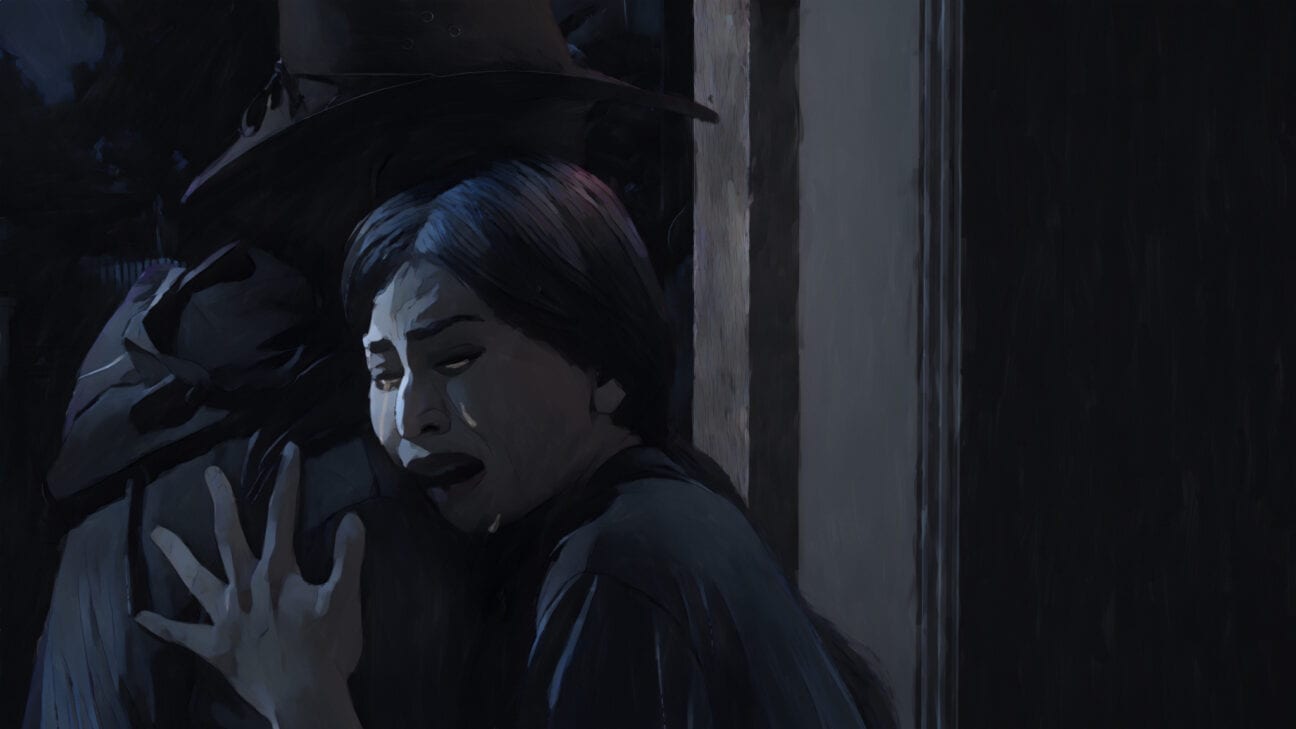
58th faces a similar fate, forcing GMA to take 58th on tour instead of a wide public release. There’s something disconcerting about having such a powerful piece on an important part of Philippine history relegated to film festivals abroad and on campus tours. From November to December, 58th will be shown in several venues worldwide, from Glendale, California to several theaters in Taiwan, as well as private screenings in schools and other venues in the Philippines. Valdellon has a charitable take on the preemptive censorship, saying, “My theory is the board hasn’t had enough experience with the documentary genre to realize that the most important docu stories involve some court case or other. Thirty-four cockfighters went missing recently, and we can’t screen a docu film about them because of sub judice.”
She notes the inexplicable refusal to allow the film to reach a wide audience as odd, “a horrific massacre took place many years ago which took the lives of 58 civilians including so many journalists, and we still can’t show this in a documentary for a younger generation. It doesn’t make sense to me. It’s a case of the already silenced being silenced once again. A double injustice.”
Fifty-eight (58) civilians were killed. Just like that. In 2021, Erik Matti and Michiko Yamamoto came out with On The Job: The Missing 8, a sequel to their 2013 film that was inspired by the Maguindanao Massacre. In it, eight journalists were killed, forcing a journalist on the take to reluctantly investigate the deaths of his colleagues. It’s a work of fiction short of 50 victims, because even the filmmakers must’ve thought that a higher body count would strain credibility, and that’s because it does. Fifty-eight (58) people were killed in a mind-boggling, stomach-turning display of political hubris in a democracy with a supposed free press. The Philippines frequently ranks among the most dangerous countries for journalists in a fluctuating list that features conflict-rife places like Syria and Palestine, with four journalists gunned down in 2026 alone. It’s an embarrassment to democracy and free speech.
This is why 58th is important. We Filipinos easily forget and can never seem to learn the lessons of our past. Efforts like this are an antidote to our collective amnesia, a valiant effort to enshrine in art what our legal system failed to acknowledge: that there were 58 victims, not 57. In the film, the real Nenen Castillo visits the memorial for the 58th, a nondescript garden delineated by a low, unmaintained fence containing markers with each of the victims’ names. Papa reveals that the crew had to clear out the overgrowth, which had all but concealed the standing stones in order to shoot the scene. Even in Maguindanao, people had forgotten. In creating art that details an injustice and speaks truth to power, the filmmakers of 58th hope that Filipinos never do.
ALSO READ:
Forgotten Island Is an Unforgettable Exultation of Filipino Culture
58th Is the Most Empathic Way to Commemorate the Maguindanao Massacre
Zach really, really, really loves films.
View More Articles About: