Don’t Look Now, But Padel Is Coming for Your Weekends
Padel is spreading across the Philippines as sport, style and social life collide. But the real test: can it grow beyond the smart-ring crowd?

by Eric Tipan
Published on Sep 18, 2026
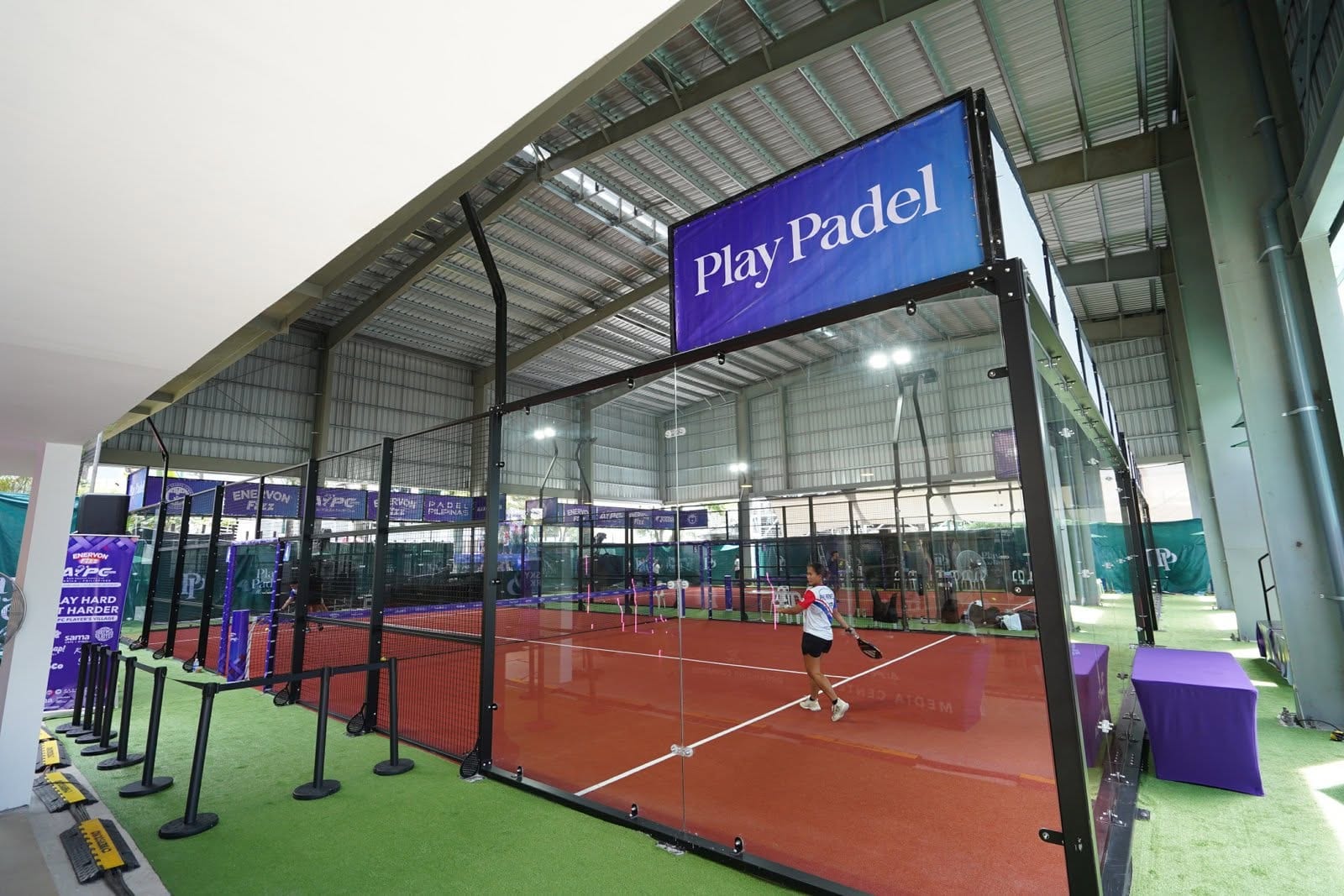
At 9 p.m. on a Friday in Mandaluyong, most people are either heading home or heading out. At Play Padel Greenfield, they are doing both.
Friday Night Socials runs until midnight, with an Americano format for all levels, rotating partners, fresh fruit and post-game refreshments. Drop-in fee: P1,500. You come to play padel. Staying afterward appears to be part of the arrangement.
That tells you almost everything about why the sport is suddenly making sense in the Philippines.
Yes, padel gives you a workout. You sweat, chase balls, learn angles and eventually discover that the glass wall behind you is not your enemy. But it has also figured out something gyms, running clubs and coffee shops have been chasing for years: adults want places where meeting people does not feel like networking.
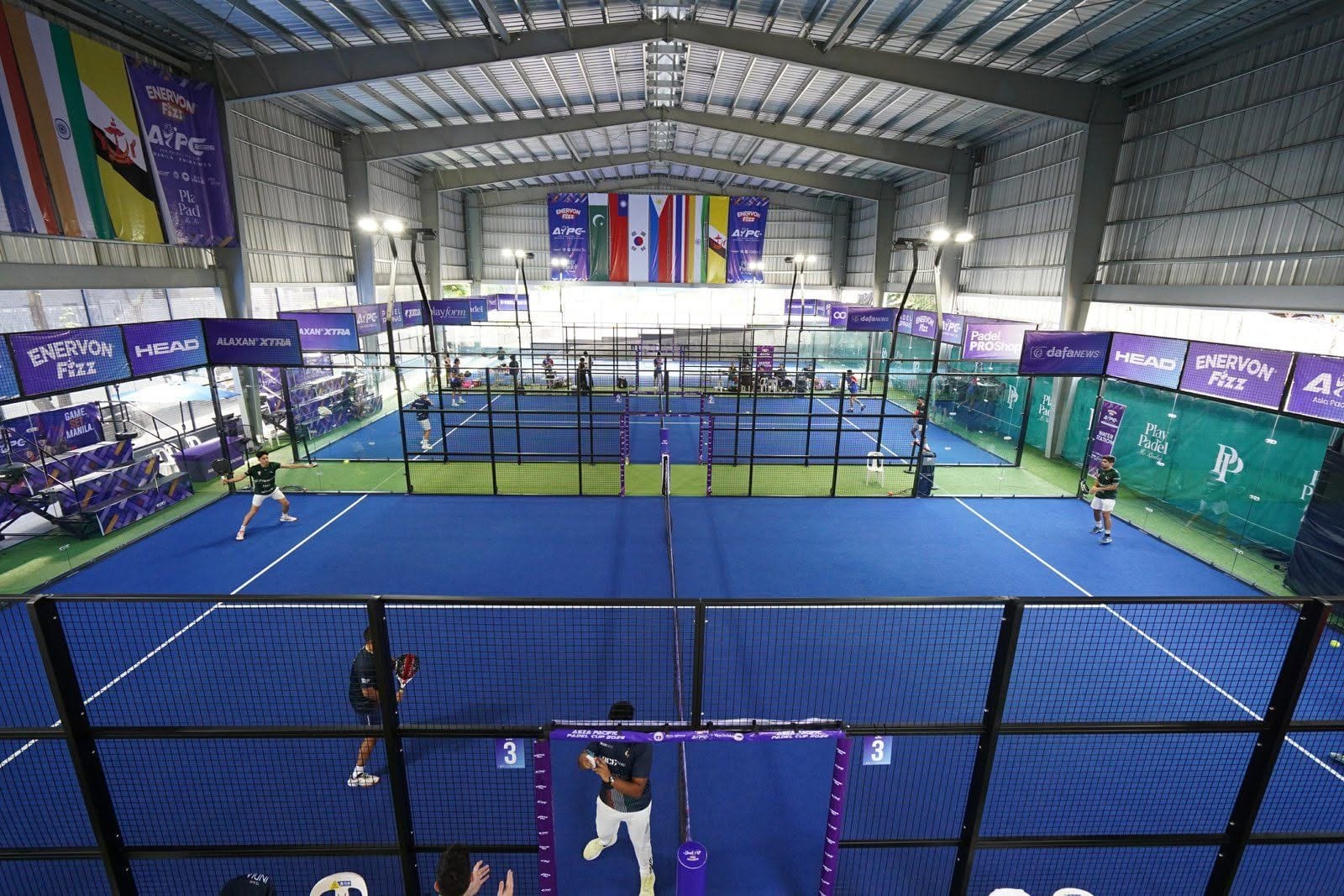
A Manila padel meetup group puts it neatly: “The game ends at the net. Everything else starts there.” And increasingly, that “everything else” is the point.
Easy to start, hard to leave
Padel looks a little like tennis after someone shrank the court and put the whole thing inside a glass box.
It is usually played two-on-two, the serve is underhand, and the walls are very much in play. That last part takes some getting used to. Your first instinct is to watch the ball hit the glass and assume the point is over. It is not. Go get it.
The beauty is that beginners can start having decent rallies surprisingly quickly. You do not need a monster serve, years of lessons or the footwork of Carlos Alcaraz just to avoid embarrassing yourself. Four people can show up, rotate partners, talk between points and actually have fun before anyone becomes particularly good.
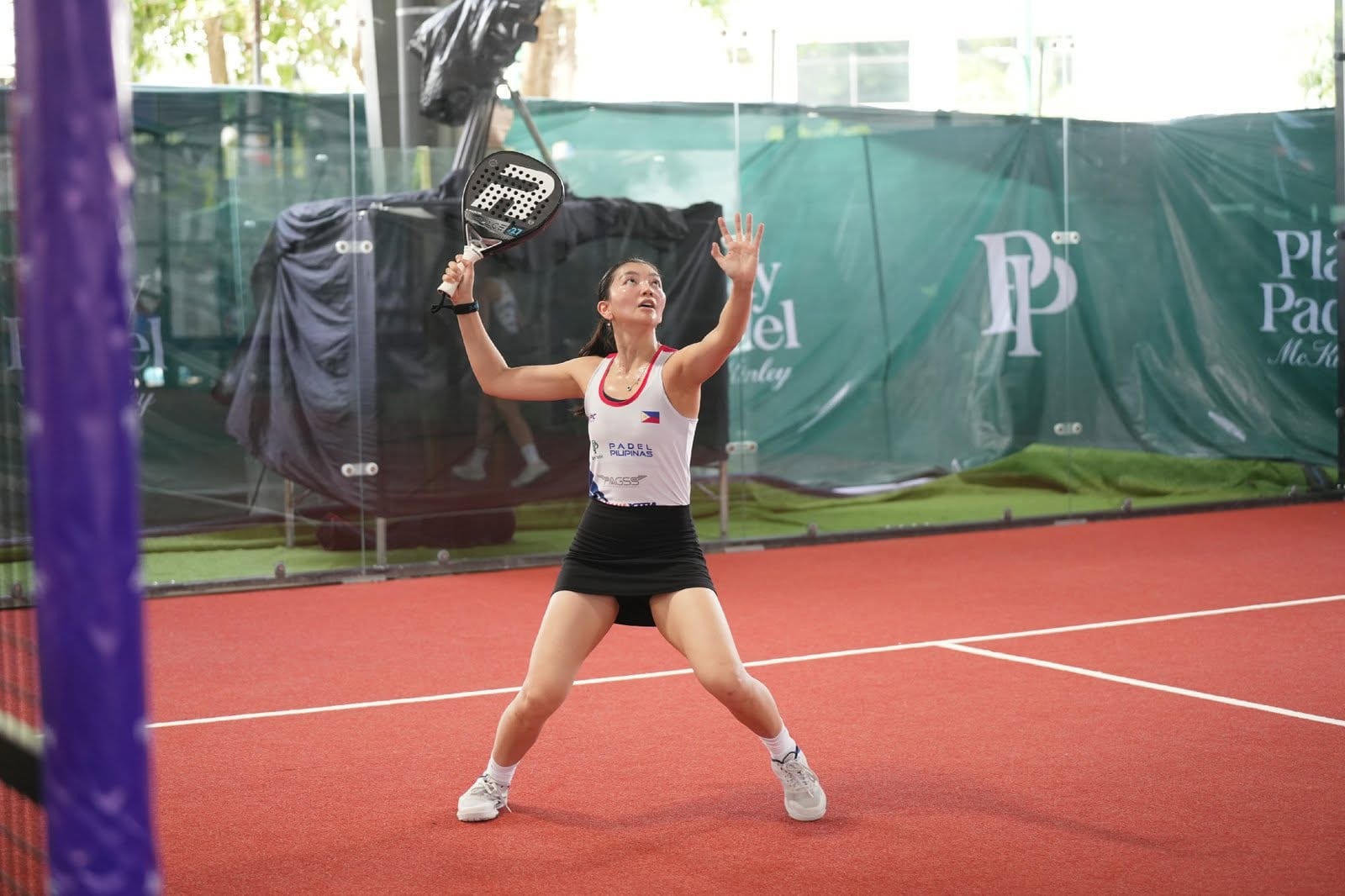
As observers can see, padel is social by design.
The Philippine Padel Association’s current directory lists 33 venues and 80 courts around the country, stretching from Metro Manila to Bohol, Cebu, Davao, Camiguin and Siargao. Some sit inside country clubs and resorts. Others are public courts and more are on the way.
And this is hardly some obscure racket-sport side quest. The International Padel Federation counted more than 35 million players worldwide in its 2025 report.
What makes the Philippine scene interesting, though, is what is being built around the court.
The new generation of padel clubs is starting to look less like a place where you rent 200 square meters for an hour and more like somewhere you would willingly spend half your Saturday. Prosmash, with locations coming to Makati and Alabang, is pairing its courts with a Black Bean café, wellness services, a pro shop and monthly social events. Play Padel Greenfield has its own cafeteria and snack bar. Padel & Palms in Siargao takes the idea even further, putting padel alongside villas, a café, and a bouldering gym.
At that point, the match is almost just the opening act.
You come to hit a ball for an hour. Then somebody orders coffee. Somebody else suggests a drink. Another game starts. Suddenly it is 10:30 p.m., your group chat has three new members and going home feels weirdly premature.
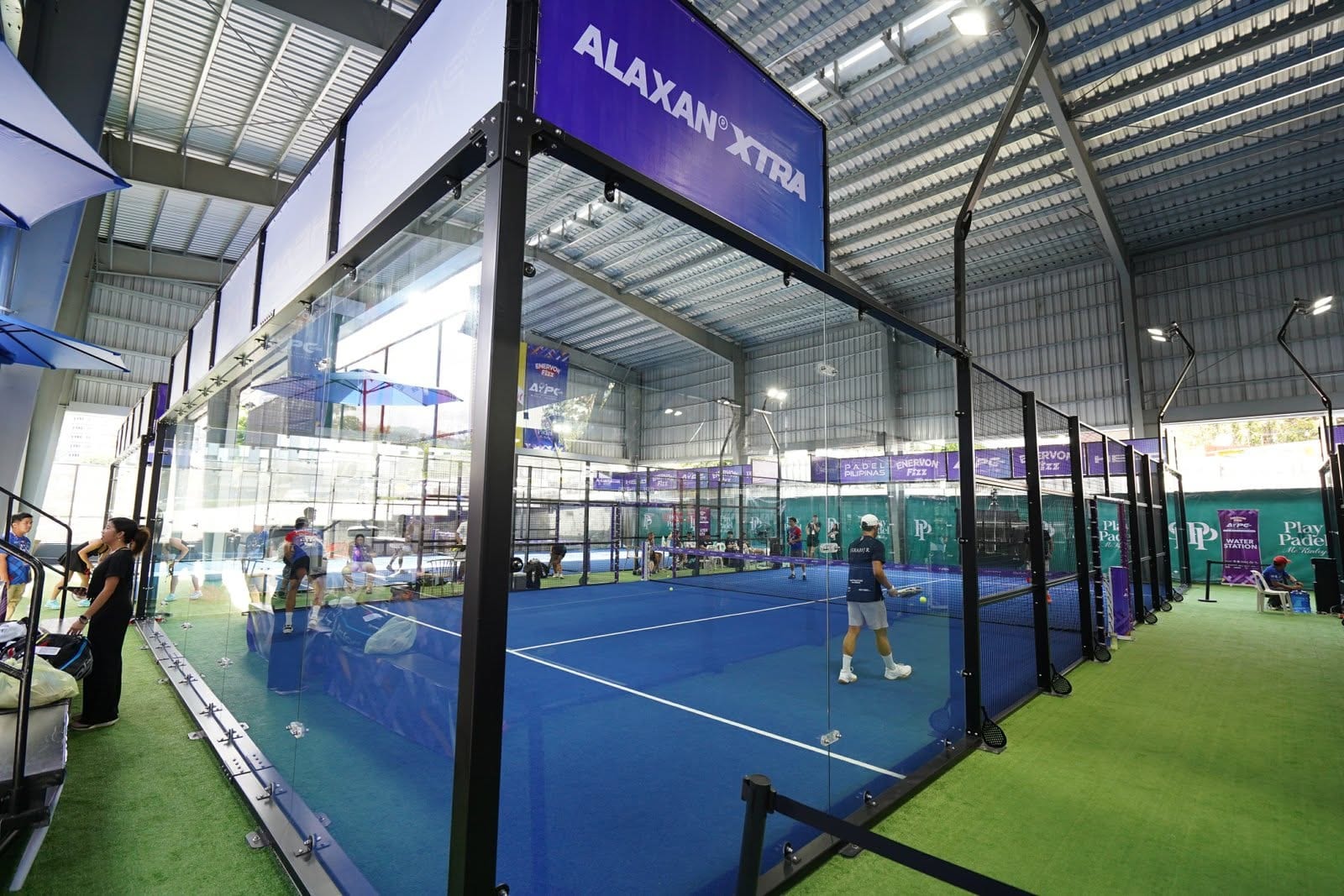
The Ball Is Yellow. The Outfit Is Not an Accident
Naturally, a sport that is equal parts workout, hangout, and photo opportunity was always going to develop a look.
You do not technically need “padel clothes.” A breathable shirt, shorts or a skirt and proper court shoes will do the job. The shoes matter more than the logo because padel involves plenty of quick lateral movement, sudden stops and changes of direction.
But we also know how this works.
If you are spending Saturday afternoon somewhere with glass walls, good lighting, coffee nearby, and a group photo almost guaranteed afterward, there is a decent chance somebody thought about the outfit before thinking about the backhand.
Actress Meg Imperial, for example, has described her weekend padel look as a racer tank and striped skirt: sporty enough to play in, polished enough that you would not look like you accidentally wandered onto the court on the way to brunch.

And dressing the part can add up. Current Philippine retail prices put performance tops at roughly P2,000 to P3,600, court skirts at around P3,200, and padel shoes anywhere from about P4,500 to P7,500 before discounts. So, yes, your OOTD can cost more than the court booking.
There is nothing wrong with that. Part of padel’s appeal is that it fits neatly into the modern weekend. You can exercise without disappearing into a gym for two hours, play with friends instead of beside strangers wearing headphones, then stay for coffee or drinks without looking like you just escaped leg day.
Then there is the racket. A beginner can rent one at many clubs, which is probably the smartest move if you are still figuring out whether padel is a new hobby or simply what you are doing this month. Buy your own and entry-level rackets can already cost several thousand pesos. Move into the enthusiast end and prices climb past P10,000, with premium models reaching P20,000 and beyond.
Add the shoes, the bag, the balls, and maybe another racket because the first one suddenly feels “too defensive.” You know how hobbies work.
None of this makes padel uniquely expensive. Golf would like a word. Cycling is laughing somewhere in the distance.
But beneath the polished courts and matchy-matchy outfits is the less glamourous part: padel can feel open to everyone. Making it affordable and easy to play is the harder shot.
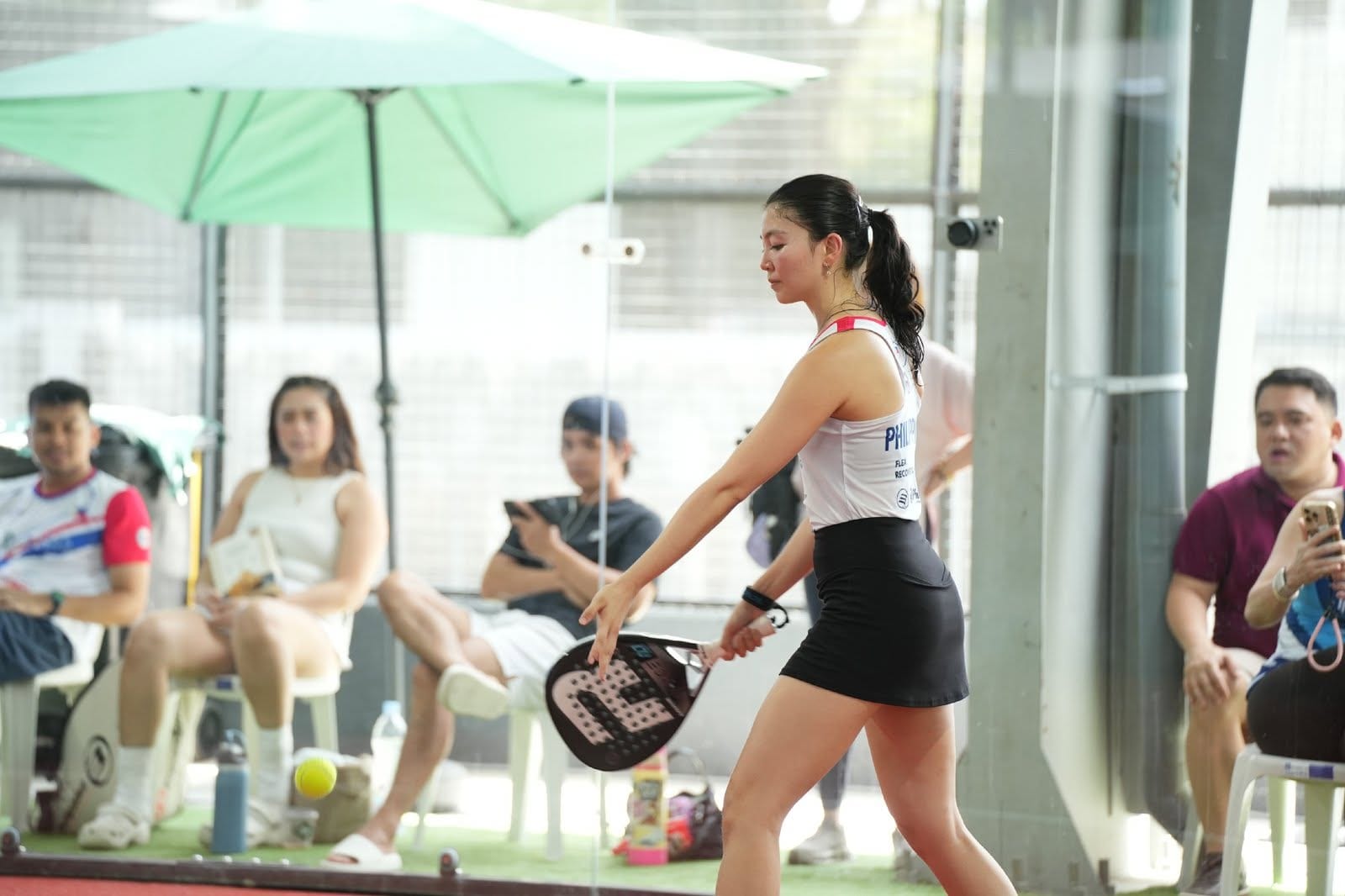
The Real Match Starts Outside the Glass
That may decide how big padel actually becomes in the Philippines.
The sport already has public courts in places including Balanga, Baler and Talisay City, Cebu, and clubs are offering rentals, beginner sessions and open-play formats that allow newcomers to join without first assembling three equally curious friends. But access remains uneven.
Recent Filipino players posting online have asked where they can play in places where pickleball courts are easy to find but padel remains scarce. Enthusiasm can travel through TikTok in seconds but a court cannot.
Then there is the decidedly less social side of padel: two groups claiming different kinds of authority over the sport. Padel Pilipinas has recognition from the Philippine Olympic Committee and Philippine Sports Commission, while the International Padel Federation lists the Philippine Padel Association as its Philippine member. The awkward split became impossible to ignore around the national roster for padel’s 2026 Asian Games debut—hardly ideal timing for a sport making its biggest regional entrance yet.
For the person booking a Saturday court, that dispute probably feels very far away. For athletes trying to compete internationally, it is anything but. And perhaps that is the useful reminder here.
Padel can be fashionable without being merely a fashion. It can have nice cafés, good clothes, sunset drinks and people who know exactly what their recovery score was when they woke up that morning. None of those things are the problem.
The real test is whether the sport can build enough courts, coaches, affordable entry points and beginner communities that somebody does not need to already belong to the right club, live in the right neighborhood or know the right group chat to start playing.
Padel does not need every new player to arrive with a P20,000 racket, a coordinated set and a recovery score before breakfast. It needs more places where four people can show up, afford to play, meet somebody new and decide that one more game sounds better than going home.
If there is good coffee, a cold drink and somewhere nice to linger afterward, even better.
The smart rings are welcome, too.