From Paris 2024 to Aichi-Nagoya 2026: Who Pays the Athletes for the Years in Between?
When athletes walk into arenas, pools and tracks at this year’s Asian Games, what we won’t see are the salaries, plane tickets, medical bills, and years of support that helped put them there.

by Eric Tipan
Published on Sep 11, 2026
For a few days in August 2024, Carlos Yulo was everywhere. He won Olympic gold in floor exercise, then did it again in vault, becoming the first Filipino man to win gold at the Olympics, and the only athlete from Southeast Asia to win two Olympic gold medals. The country suddenly knew his routines, his scores, and the rewards waiting for him back home.
Then Paris ended.
Two years later, the Asian Games are coming to Aichi-Nagoya, followed by the Asian Para Games in October. For athletes, those two years are not an intermission. They are the work.
Coaches still have to be paid. So do physiotherapists. There is airfare, equipment, nutrition, training camps, and competition costs. The athlete who stood on an Olympic or Paralympic stage in 2024 has to stay good enough—or become even better—to matter again in 2026.
Winning happens under the lights. Becoming capable of winning mostly happens when nobody is looking.
The expensive middle
The Olympics and Paralympics are built around a four-year cycle. Public attention is not. It spikes when the Games arrive, falls when they end, then rebuilds as the next edition approaches.
The Asian Games and Asian Para Games sit in an interesting place inside that cycle. Aichi-Nagoya 2026 arrives almost exactly halfway between Paris 2024 and Los Angeles 2028. Aichi-Nagoya 2026 is another medal stop, but its timing also makes it a checkpoint.
For athletes, it can show whether two years of training have produced progress. For sponsors and sports institutions, it can show whether support survives after Olympic attention does.
In the Philippines, government funding remains central. But private institutions are also building programs around a question that matters most between major Games: how does an athlete keep training and competing when public attention disappears?
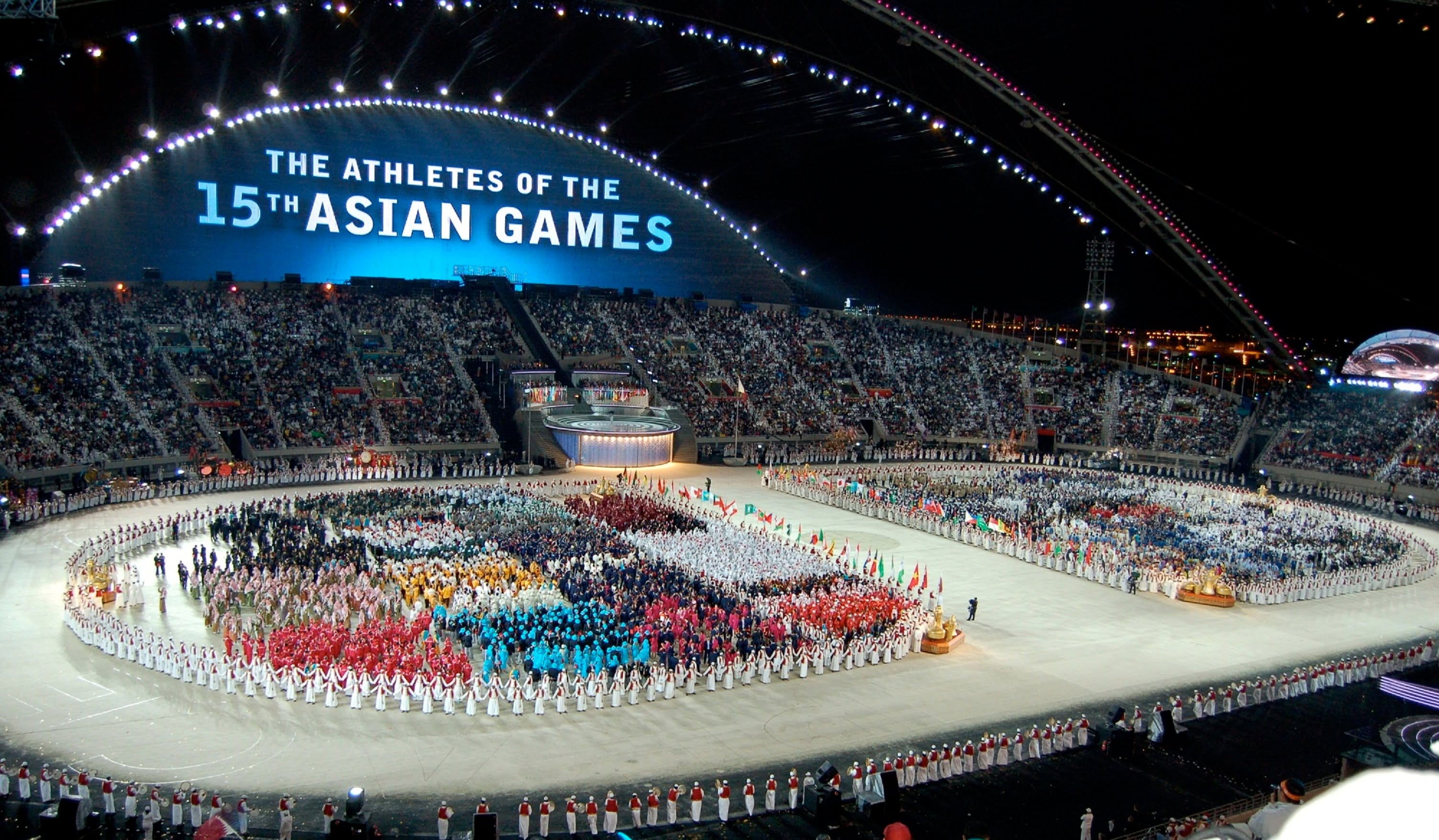
Atletang Ayala, a program of Ayala Foundation and supported by the Ayala Group of Companies, is one of the clearest examples. The program gives athletes salaried employment with flexible work arrangements, funding for international camps and competitions, sports medicine and performance support, access to the Vermosa Sports Hub and continuing-education opportunities.
Read that list again and the interesting part is when those benefits arrive: before the medal. The support is designed to help produce the result, not simply reward it afterward.
The support comes before the result.
That makes it different from the cash bonuses and gifts that dominate the news after a Filipino wins something big. Rewarding a champion is easy to understand. Supporting somebody through the years when a championship remains only a possibility is a different kind of bet.
Sometimes the best sponsorship deal is not a billboard. It is a salary.
What support actually buys
Atletang Ayala's roster includes Paris 2024 rower Joanie Delgaco, two-time Paralympian Allain Ganapin and athletes from sports that rarely command primetime attention. In 2025, Ayala Foundation and MVP Sports Foundation also formed a partnership aimed at elite-athlete support and longer-term pathways for Filipino talent.
None of that means private money has replaced government funding. It has not. What it shows is that the machinery around elite sport can be more complicated—and potentially more useful—than the old image of a sponsor putting a famous face beside a logo.
Corporate support can help fund an overseas camp, recovery, time away from a regular job and competitions where athletes gain experience—and, depending on the sport, ranking points.
And in 2026, we get to see what some of that invisible investment looks like when athletes return to a major Asian stage.
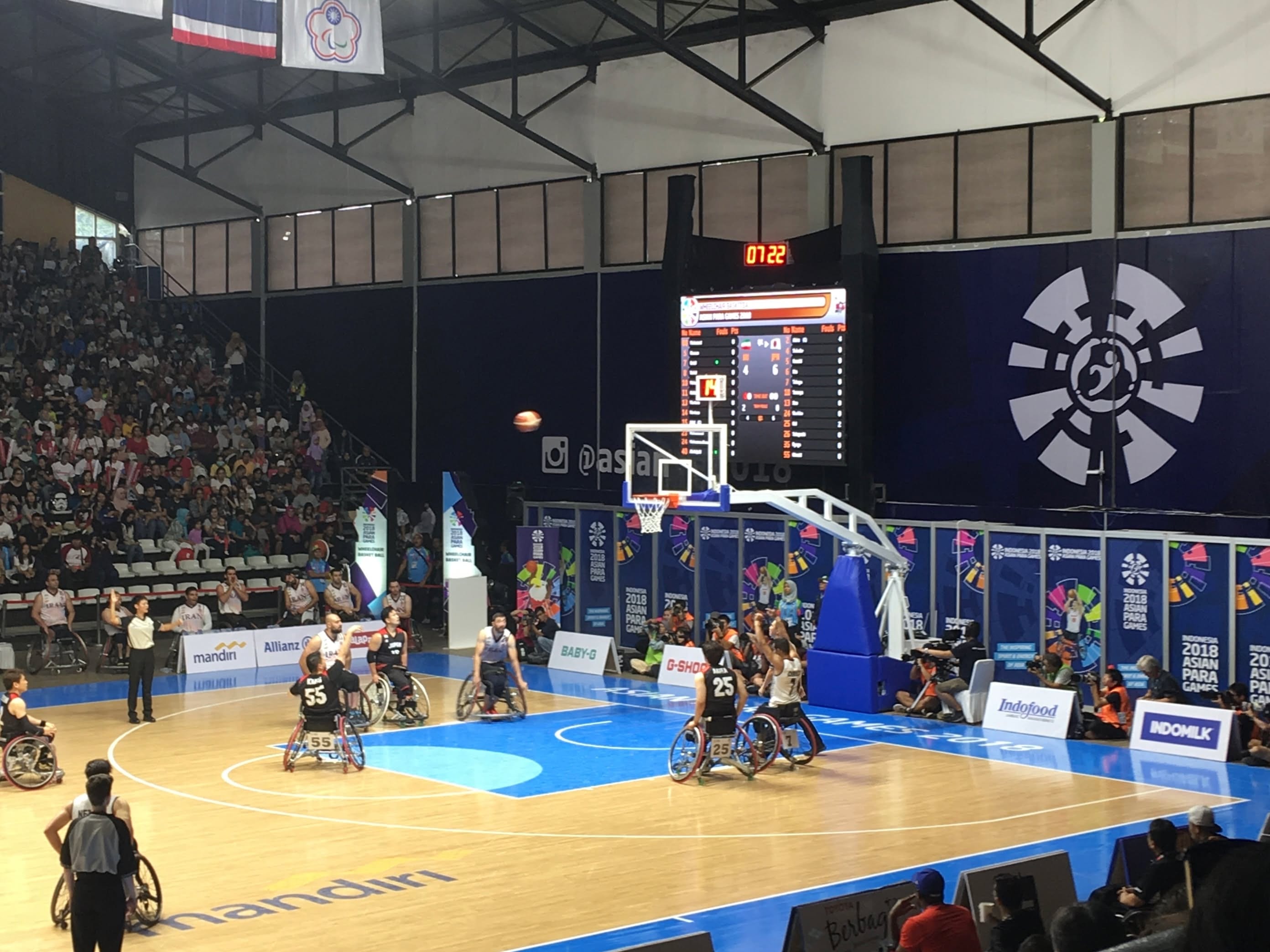
Yulo is, in some ways, the easiest case to understand commercially. Two Olympic gold medals will do wonders for recognition.
Ernie Gawilan is the more revealing one.
The para swimmer has competed internationally for more than a decade. He won the men's 400-meter freestyle S7 at the Hangzhou Asian Para Games and reached the final of the same event at Paris 2024. His competitive résumé is serious, but his celebrity outside Philippine sports circles is nowhere near Yulo's.
Toyota Motor Asia currently supports both Yulo and Gawilan as part of a seven-athlete Asian roster built toward Aichi-Nagoya 2026. Five are returning from its Paris 2024 cycle, and five of the seven are para athletes.
Toyota is only one example, but the timing is useful. Paris is gone. Aichi-Nagoya is here. The athletes are still being supported. This is exactly the space worth examining.
The athletes everybody wants—and the ones they don't
Corporate support is not always charity, and commercial sponsorship certainly isn’t.
Athletes give companies something valuable in return: credibility, national pride, compelling personal stories, social-media reach, and an association with qualities most brands would happily borrow—discipline, resilience, excellence, courage.
Research from Japan after Tokyo 2020 suggests corporate support for para sport can survive the mega-event itself. A 2025 study found continued involvement among more than 60 percent of the companies it examined.
Encouraging? Yes.
But it also raises the harder question: who becomes marketable enough to receive that help?
A double Olympic champion is an easy decision. The harder cases are the fourth-place finisher, the teenager who might be world-class three years from now, the para athlete whose event gets almost no television time and the national-team member who needs an overseas camp more urgently than another congratulatory post on social media.
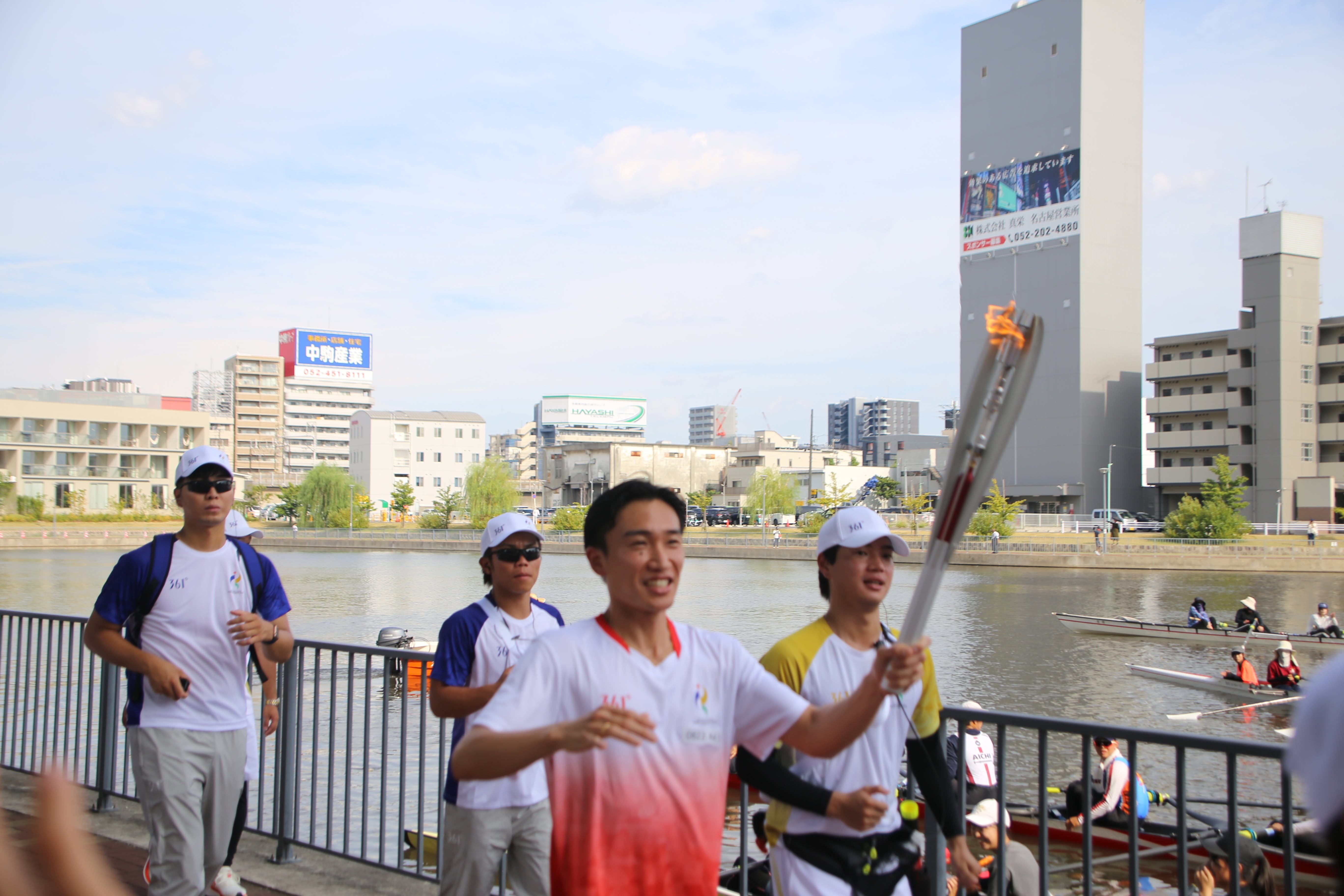
Aichi-Nagoya will not answer all of those questions. It can, however, show us what happens next.
The Asian Games run from September 19 to October 4. The Asian Para Games follow from October 18 to 24. By then, Paris 2024 will be two years in the past and Los Angeles 2028 still two years away.
It is the middle of the cycle, the least glamorous part and maybe the most revealing.
When athletes walk into arenas, pools and competition halls in Aichi-Nagoya, what we will not see are the salaries, plane tickets, medical bills, training camps, and years of support that helped put them there.
That is what the performances do not show.
And in Nagoya, we will start looking for it.
View More Articles About: