Rio de Janeiro: Finding Beauty in a Dark Past
Beyond the postcards of Ipanema and Christ the Redeemer, Brazil's Rio de Janeiro is a city of deep contrasts.

Published on Mar 18, 2026
When I asked people about Rio de Janeiro, I got a combination of different answers:
“It’s one of the most beautiful cities in the world!”
“Be careful when walking out at night, my friend/relative/partner got beaten and robbed (with a weapon at times).”
“When someone tries to steal your phone, just give it to them.”
“The beaches and views are stunning!”
“The people are friendly, and the city is a vibe.”
The list goes on.
I took every precaution I could possibly take during my trip. I stopped and went into any kind of establishment whenever I had to use my phone. I often used Uber, although I found Rio’s metro/MRT convenient to use during daylight hours. I passed through main roads where there are always other people around. It felt a bit like Metro Manila, to be honest. I would often tell foreigners similar things if they decide to spend a day or two in the city. However, I kept an open mind and wanted to experience what the city has to offer.
Rio de Janeiro’s Dark Past
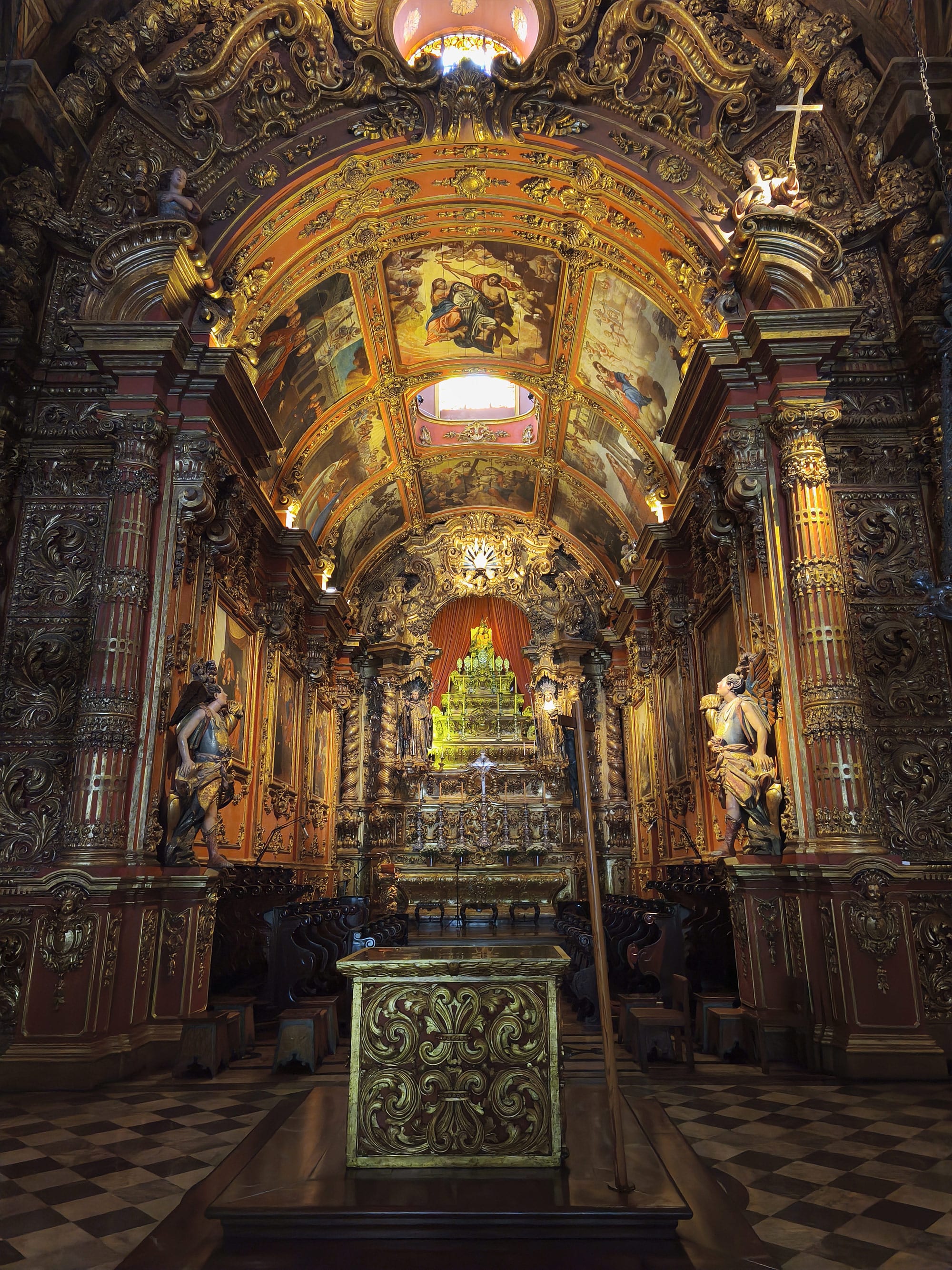
During renovation works in 2011, workers unearthed huge stone slabs and personal items that date back centuries. Archaeologists studied the artifacts and confirmed that these were from the Valongo Wharf. The latter was the disembarkation port of hundreds of thousands of slaves arriving from Africa.
Brazil was one of the hubs of the slave trade in the Americas from the 16th century to the 19th century. The sold slaves were often sent to sugar and coffee plantations or did urban labor. Rio was just one of the few ports of entry. The substantial African population has heavily influenced Brazilian culture since their forced migration centuries ago. The samba music you hear and the capoeira you see are cultural marks that the enslaved people left and developed. They even blended their traditions with Catholicism to form their own religion, namely Umbanda and Candomble.
The Valongo Wharf isn’t just an attraction, but is a reminder of the city’s (and the country’s) dark past.
With Views like These
Rio de Janeiro is a beautiful city.
Visitors would call it a dream destination, while many locals would prefer living in São Paulo.
Rio was the capital of Brazil until Brasilia replaced it in 1960.
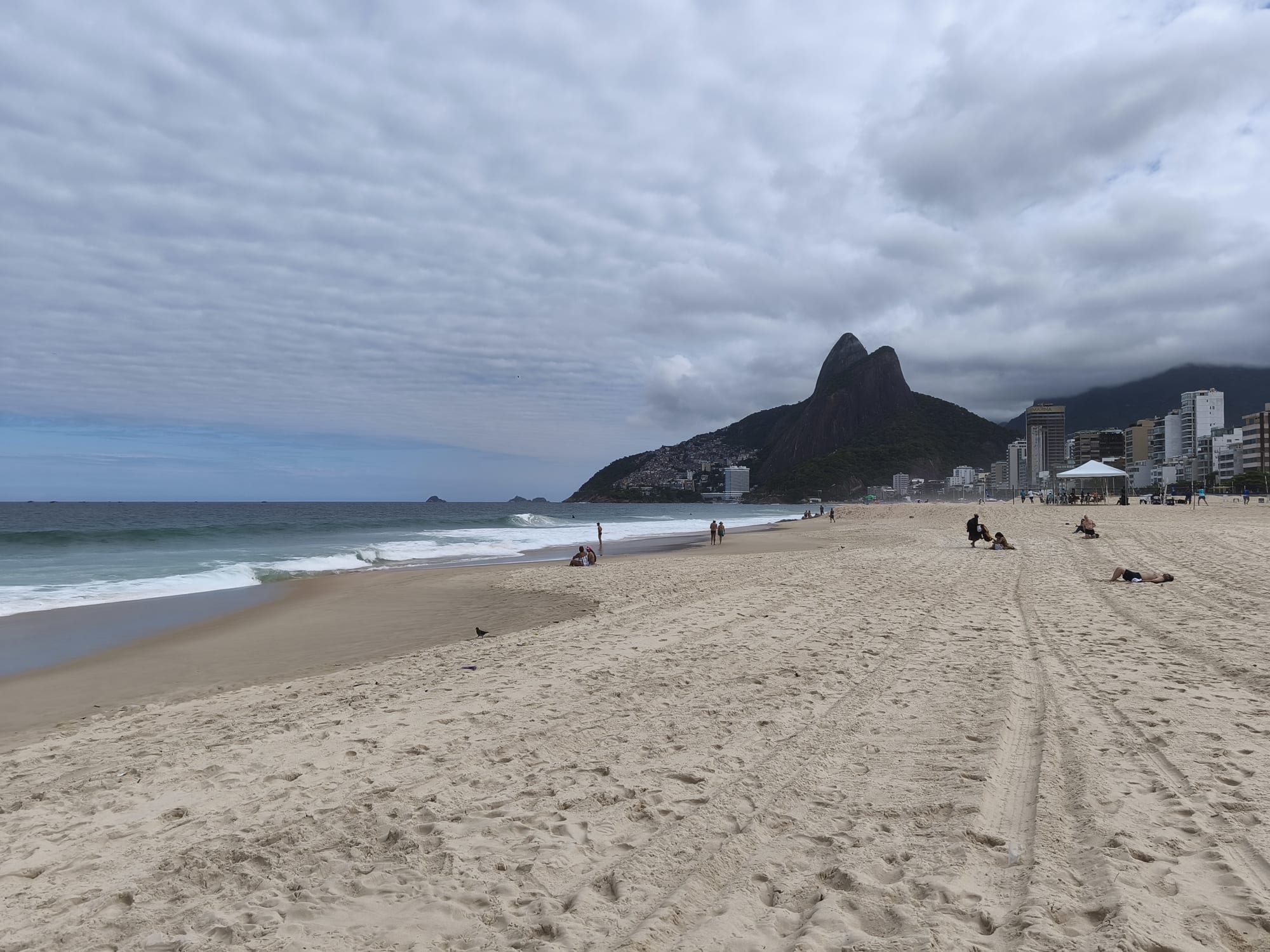
Ipanema and Copacabana are two of the most popular beaches in the city. The cream-tinged shores and the enticing waters draw crowds from around the world. The modern comforts and development of the concrete jungle just beside the two beaches add to its allure. You can walk out of your hotel, and the beach will welcome you with arms wide open. Drink a cup (or two or three) of caipirinha, and you’ll not just hear, but feel the live samba music pulsing through your veins. You might even start humming the tune of “The Girl from Ipanema” while walking along the beach (side note: this song was a huge hit in the 1960s for the girls and boys whose parents might not have been born yet at the time).
Pão de Açúcar, also known as Sugarloaf Mountain, is an iconic attraction in Rio. The lines up the mountain for the cable car are often long, but worth it. The best time to go is more than an hour before sunset. The peak provides the perfect vantage point to get panoramic views of the city and the coast. The sunset and night views from the mountain are spectacular. If you’re looking for more things to do, there are shops, restaurants, sunset DJ sets, and events that often take place.
A trip to Rio would be incomplete without visiting Christ the Redeemer. This gigantic Art Deco statue is a dominant feature of the city’s skyline. Its history dates to the 1920s when the Catholic archdiocese of Rio proposed to build a statue on Mt. Corcovado’s summit. Brazilian engineer Heitor da Silva Costa supervised the construction of Jesus’ statue on the mountain. The statue’s dedication took place in 1931. Visitors have the option to either drive up or use the traditional tram to reach the station before the peak. I found the statue itself underwhelming because of all the hype around it; however, the surrounding views were jaw-dropping. The bird’s eye views were comparable to the ones from Sugarloaf Mountain.
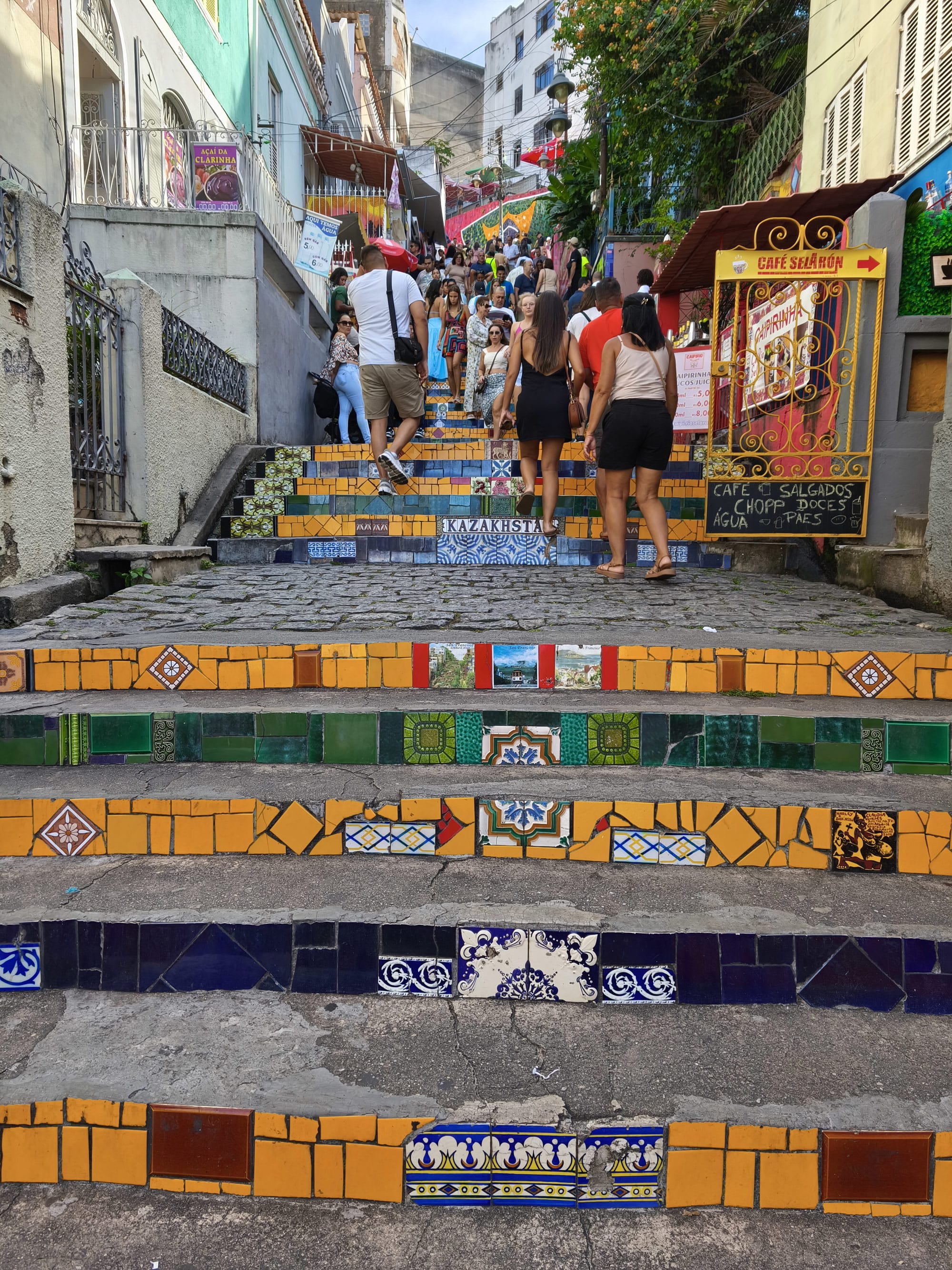
Jorge Selarón, an artist from Chile, dedicated decades of his life transforming ordinary stairs into one of the most photographed and visited attractions in Rio – the Escadaria Selarón. He used colorful tiles and ceramics to cover the stairs. He died in 2013. It gets crowded in this neighborhood throughout the day. It’s almost impossible to get a picture with the stairs with no other people in it unless you use an editing tool.
Colliding Identities
The beautiful beaches (and people) and views of Rio are just one facet of this city. Beneath the surface is an inequality that contrasts with what you see upon first glance. Favelas dot the city amid some of the most expensive properties in the country.
I had the chance to visit one of the most well-known favelas in Rio – Rocinha. Gang wars, police raids, and crackdowns often make headlines when one mentions a Rio favela. Rocinha is no exception; however, humanity is complex with multiple layers. I booked a group guided tour because I wanted to see beyond the news and experience a different side of the city.
Often described as a “city within a city”, our guide took us through back alleys that weaved between narrow paths along rows of houses. Rocinha was home to a tapestry of shops, local restaurants, offices, and infrastructure that serve the community. The chaotic tangles of electric wires and the hustle and bustle of traffic reminded me of some parts of Metro Manila.
I gave a local a fist bump when he smiled and greeted me during the tour. Our guide took us to one of the best spots for overlooking views of Rocinha. We saw rows and columns of houses and buildings surrounded by the mountains and with views of the sea. A highlight of the trip was the performance of a group of kids. Their electric display of athleticism through capoeira made me wish I were a decade or so younger. The eye-opening experience showed me the complexity of Rio’s urban sprawl, beauty, and its many contrasts.
Rio de Janeiro is everything you think it is. Its contradictions of inequality, crime, natural and urban beauty, warm weather, and rich cultural heritage will draw you in. Your imagination of its allure and danger will lure you in and might just entice you to stay a little longer than you’d like.
Main photo from Adobe Stock
ALSO READ:
Driving Through a Dream: Six Days on Iceland’s Open Road
Jeju, South Korea: The Island Forged Twice by Fire
Joshua Berida loves to travel. He's also into writing and watching movies.
View More Articles About: