I Used a Dumbphone for a Week to Get My Life Back From the Tech Overlords
And I hated it.

Published on Jun 1, 2026
While the analog aesthetic may be nostalgic or even aspirational for some, for me, needing to get away from my phone becomes less about the pleasures of a certain look or feel and more about desperately escaping the dystopian Black Mirror episode I accidentally signed up for when I first got a phone plan with a free BlackBerry in 2011. Late as I was to the smartphone game, I—like everyone else, I bet—threw myself wholeheartedly into the various apps and clouds and integrations therein. And when I finally saw the reality that the information and funding we shovel into the tech behemoths’ bellies was being used for actual evil (Silicon Valley’s complicity in an ongoing genocide, for starters), it felt too late.
The following is true even as I’ve spent over a year trying to keep it from being so: there is no part of my life—no thought, no emotion, no secret piece of information—that is free from a digital footprint. Everywhere I go, I leave a mark in the ether. Whether it’s because I outright book a rideshare to the location, scan a QR code to pay for something, or simply open my phone to read a message—some tower has pinged nearby, indicating my presence there. My train of thought, my fears, my interests, even my toddler’s interests, can be tracked through my search engine queries or chats with my husband. The inarticulable secrets I can only explore through art? Boom. Sitting right there in the drafts.
So when I found out I’d be going on vacation with family for a week, I took the opportunity to take a vacation from my phone, too. Boy, was it hard. Here’s what happened.
Preparing to Go Analog
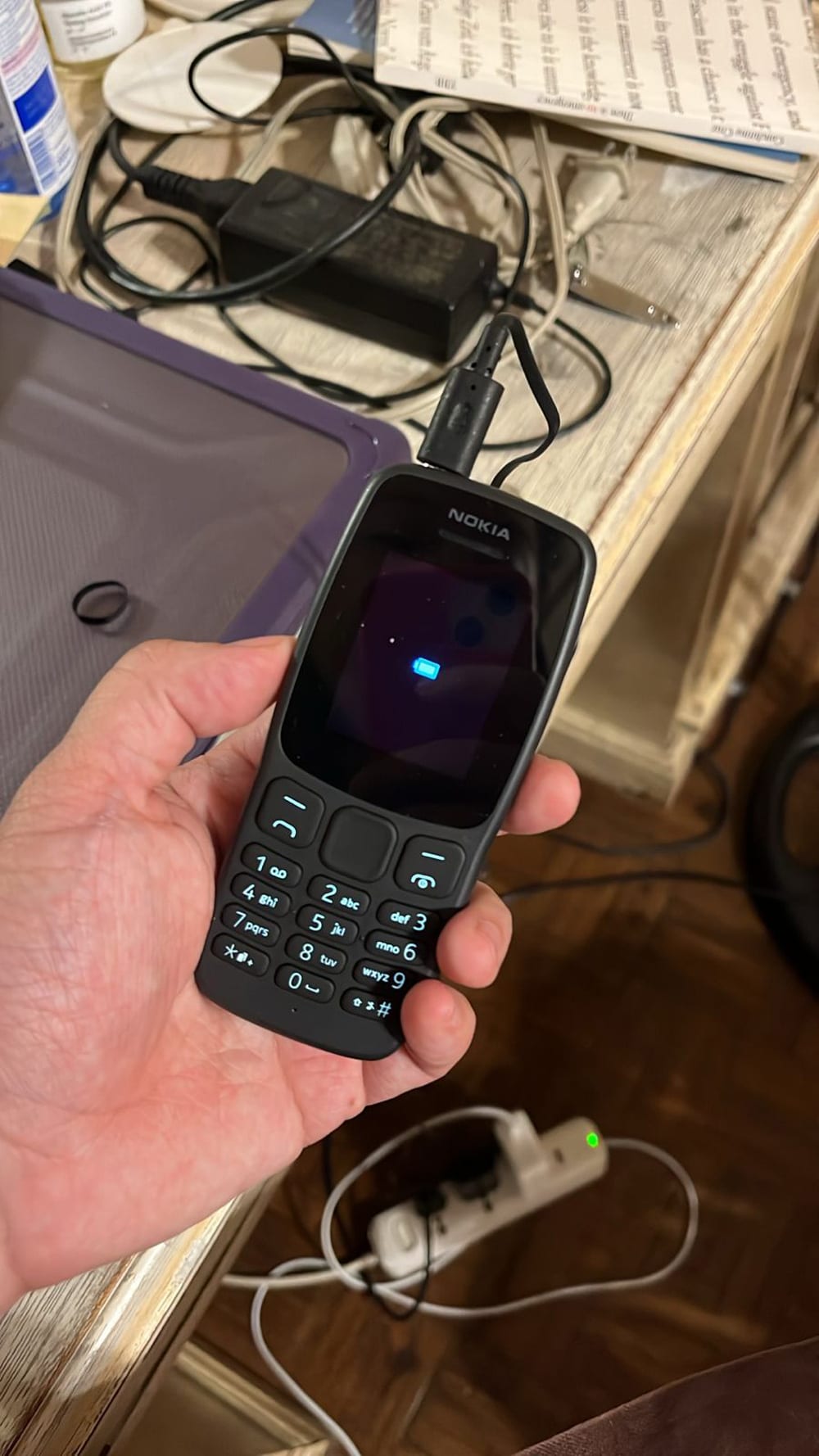
First, I had to buy a brick phone. My oldest phone in storage was an iPhone 8. So I went on an e-commerce site and got the cheapest phone I could: a 300-peso Nokia 106. I have since learned this phone has not been in production since 2013. But even without the knowledge, I could tell I was using an artifact. Some charmingly dated aspects of this phone are that it brags FM radio capability, and to my inner and actual child’s amusement, the Snake game. But its specs are not as important as its limitations: no internet, no camera, no other apps (at least on factory mode) beyond calls, messages, date, and time. Perhaps this phone can do more, but I wasn’t interested in that anyway.
In addition to the phone itself, I had to buy a SIM card. My tiny one just wouldn’t fit in the stamp-sized slot, and—here’s some foreshadowing—I wanted to keep it in my smartphone “for emergencies.”
Some other ways I prepared came naturally to me as a Type A traveler. I printed out my boarding passes, withdrew cash, sent my family my new analog phone number, packed a camera, and told my work to expect slow responses for the week.
Out in the Wild Without a Phone (in Hand)
With my iPhone shut off and packed at the bottom of my carry-on, I was feeling free. Even as a nervous and arguably superstitious flyer, I peacefully forewent sending my usual selfie-and-love-you message to the family group chat at takeoff.
As a seasoned traveler who rarely needs maps or reassurance, navigating the airport and transportation to the hotel was a breeze. The real test came when the quotidian way I use my social media as a diary was disrupted. Discovering the hotel was more gorgeous than expected upon arrival, I snapped a picture with a disposable camera and felt a pang of regret at not being able to post it on my stories for all my friends to envy. I’ll do it once I develop the film, I caught myself thinking. And with that, I decided to put the camera away too.
But then, on the pristine beach, my son, in his Spider-Man bathing suit, ran up to surprise his cousin, also in a Spider-Man bathing suit. It was so cute! Does this count as an emergency? I asked myself, itching to film the moment. I noticed my sister-in-law had her phone pointed at them and trusted she caught it instead.
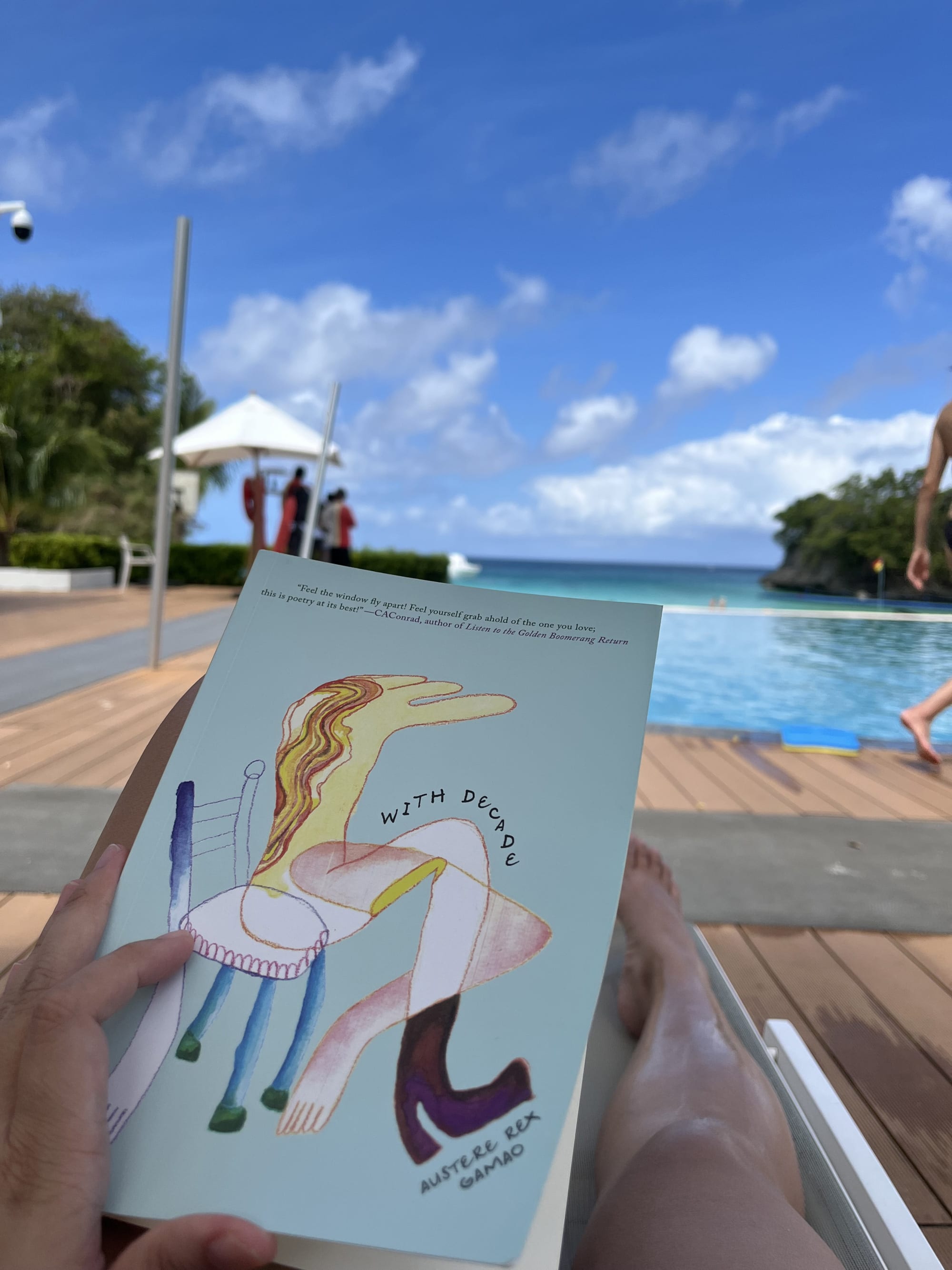
As the kids played, the adults settled into the beach chairs for some uninterrupted screen time. I, with moral superiority, pulled a book—Austere Rex Gamao’s With Decade—out of my tote bag and set it next to my sunblock on the footrest. With the sparkling sea in the distance? What a view! I had to let my husband, who was abroad, know that we’d arrived safely, didn’t I? I pressed my iPhone’s power button and exhaled when the familiar logo appeared on the black screen. And you know what, this book by Austere just won the Best Book of Poetry in English in the 43rd National Book Award. Better post the photo as a kind of congratulations while I have the phone out anyway. I’ll do better tomorrow, I promised myself.
Analog Does Not Equal Freedom
So, of course, on Day Two, my toddler came down with an explosive case of food poisoning.
This little experiment was over before it barely got started. I had to find a doctor, call my husband, and verify if the medicine I had brought was for the symptoms he was exhibiting all over the hotel bathroom. With the cable down in the room, I had to pull up Netflix to keep him from exhibiting symptoms in front of his cousins at the pool. I couldn’t do any of this with my Nokia 106, which—where was it anyway? I hadn’t used it since I’d texted my parents, “I’m using this phone number this week.”
I realized then: of course I didn’t have to use my iPhone as a crutch for remembering, connecting, existing. But neither did I have to transition fully to a dumbphone to do these things more presently. Is mindfulness enough to reset the smartphone’s ubiquity in our lives? Well, we still have to hold Big Tech accountable for its crimes against humanity and the planet. But it’s certainly a start.
I was able to enjoy my vacation screen-free, including the Nokia screen, once my child’s medicine started kicking in. We got a lot of blurry photos when our film developed, but the inside jokes and the memories will stay with us forever. As will everyone else’s photos. Thank god.
ALSO READ:
Analogcore: Another Aesthetic You Can't Afford
The Modern Obsession With Nostalgia Tech In The Vertical Age
Pauline is a contributing writer preoccupied with decolonization, conceptual art, counterculture, and long conversations over flaky pastries. Follow her on IG: @pauline_arnould
View More Articles About: