‘It Was Hard Not to Love Him’: The Extraordinary Life of Marine Biologist Dr. Kent Carpenter
On July 12, American scientist Dr. Kent Carpenter was killed in his home in Sibulan, Negros Oriental. One of his closest friends pens a heartfelt tribute to a man he calls a truly outstanding person.

Published on Jul 17, 2026
Of the people you meet in life, most will naturally be average; some will be more curious, adventurous, funny or smart; and once in a while you will encounter a truly outstanding person. One such outstanding man, as a friend, as an intellectual and as an all-round good guy was Dr. Kent E. Carpenter.
Who Was Dr. Kent Carpenter
Kent was born in upstate New York (not in New York City, as he liked to point out), and initially came to the Philippines in 1976 as a Peace Corps volunteer. As he put it, he had “the best job there ever was and will be” in the Peace Corps, to be in charge of coral reef research. Back then he also became a scuba diving instructor, and trained the first Philippine government agency employees to explore the world below the waves as scuba divers. During this time, general (later president) Fidel Ramos was one of his dive buddies.
After his time in the Peace Corps, he got his PhD from the University of Hawaii with Jack Randall, one of the original pioneers of coral reef fish science. In the following decades, Kent regularly returned to the Philippines for fieldwork together with his Filipino and international students. His science focused both on acquiring basic knowledge, as well as on enabling the conservation of the marine nature of the Philippines. To that end, Kent was active in the International Union for the Conservation of Nature (IUCN), the organization which classifies animals as “endangered” or “critically endangered.” Kent was a professor at Old Dominion University in Virginia, and was associated with Silliman University in Dumaguete. Nearing retirement, he settled down in Sibulan, north of Dumaguete on Negros Island.
Kent is probably best known for his idea about the “center of the center” of marine biodiversity. What does that mean? The oceans of Planet Earth are populated by countless species of fishes, corals and other organisms. But these species are not distributed evenly. Colder ocean regions generally are homes to fewer species than the tropics, and the Caribbean has fewer species than the Indian and Pacific Oceans. The region with most marine species on the whole planet is the “Coral Triangle,” the region between eastern Indonesia, Papua New Guinea, and the Philippines. But where can we find most species within the Coral Triangle?
Together with Victor G. Springer, Kent Carpenter published an influential paper about this question. Compiling data from the distributions of 2983 marine species, both fishes and invertebrates but also of seaweeds, they found that the central Philippines is the region, within the Coral Triangle, with the highest species diversity. It’s the Center of the Center!
ALSO READ
Today I Learned: Why We Should Get Rid of These Strangely Beautiful 'Sea Stars'
Today I Learned: The Helmet Snail is an Imposing Mollusk Ruling the Night in PH Waters
Fluent Tagalog
Another project which Kent completed in the last few years is worth mentioning, because it shows his meticulous approach to science. When the USA took control of the Philippines after victory in the Spanish-American war, the US government sent a research vessel, the USS Albatross to the archipelago. During a cruise lasting from 1907 to 1910, the scientists aboard took many thousands of fishes as scientific samples, which ended up in jars in alcohol in US museums, where they lay to this day.
Many decades later, Kent and colleagues had the idea to re-do this sampling, and then compare the 1907-10 fish with those caught in the 2020s, but this time using modern DNA-sequencing methods. The changes in the fish’s DNA over a century would then provide insights in how the fish populations changed in the face of a hundred years of intensive fishing. Essentially, Kent and team had come up with a biological time-machine.
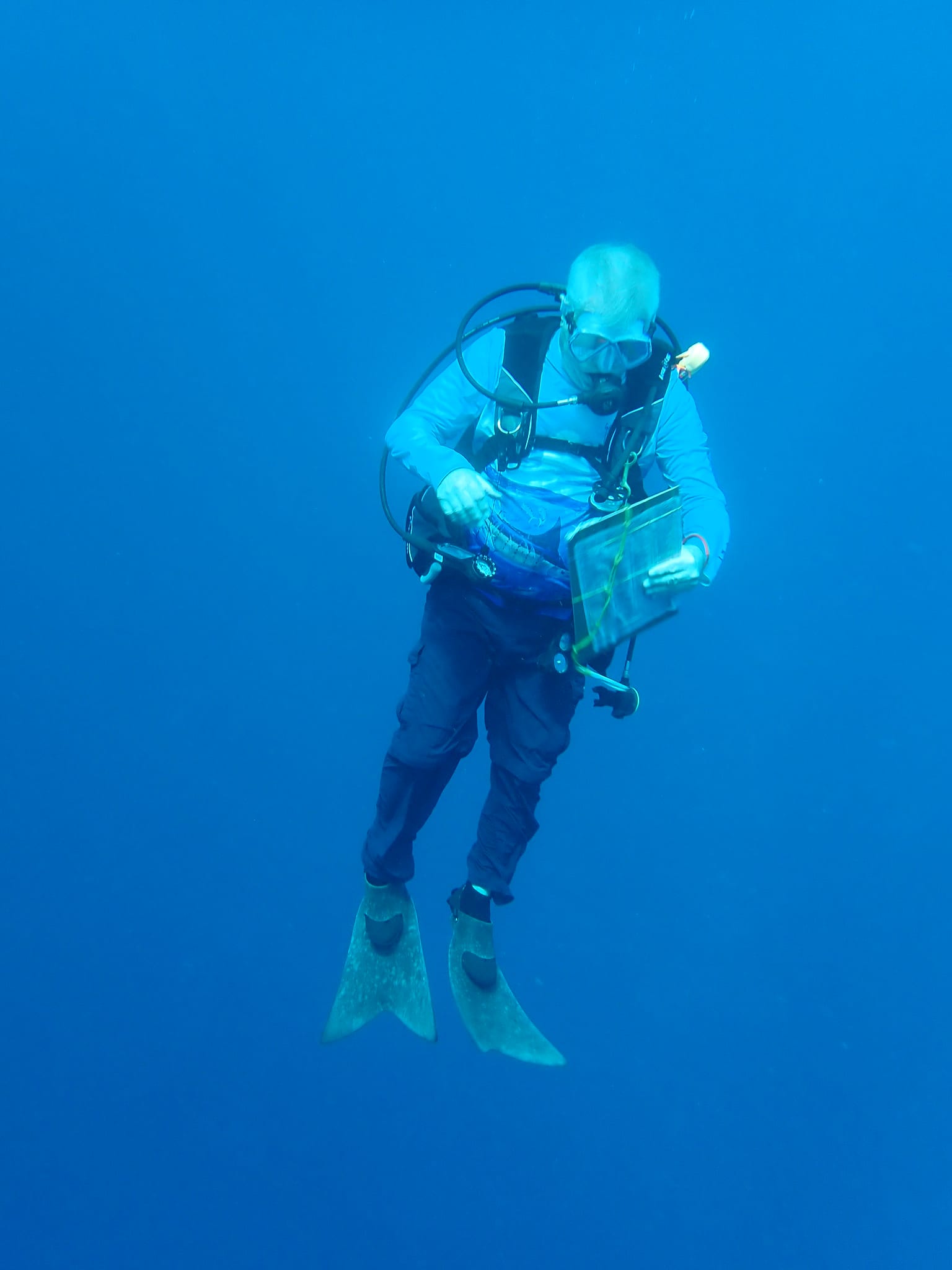
Kent and his colleagues traveled all over the Philippine archipelago, re-visiting the sites where the crew of the Albatross had sampled, collecting fishes from the ocean or from fish markets. Kent’s fluent Tagalog (and improving Visayan), plus his awesome people skills came in handy for these expeditions. Precisely the same fish species, from precisely the same spots had to be procured from the present-day fish markets as were stored in the museum jars.
This kind of meticulous attention to small details, combined with brilliant, wide-ranging thinking about the big picture is what Kent Carpenter as a biologist was about. The results of this study differ between fish species in interesting ways, and are just being published in the scientific literature.
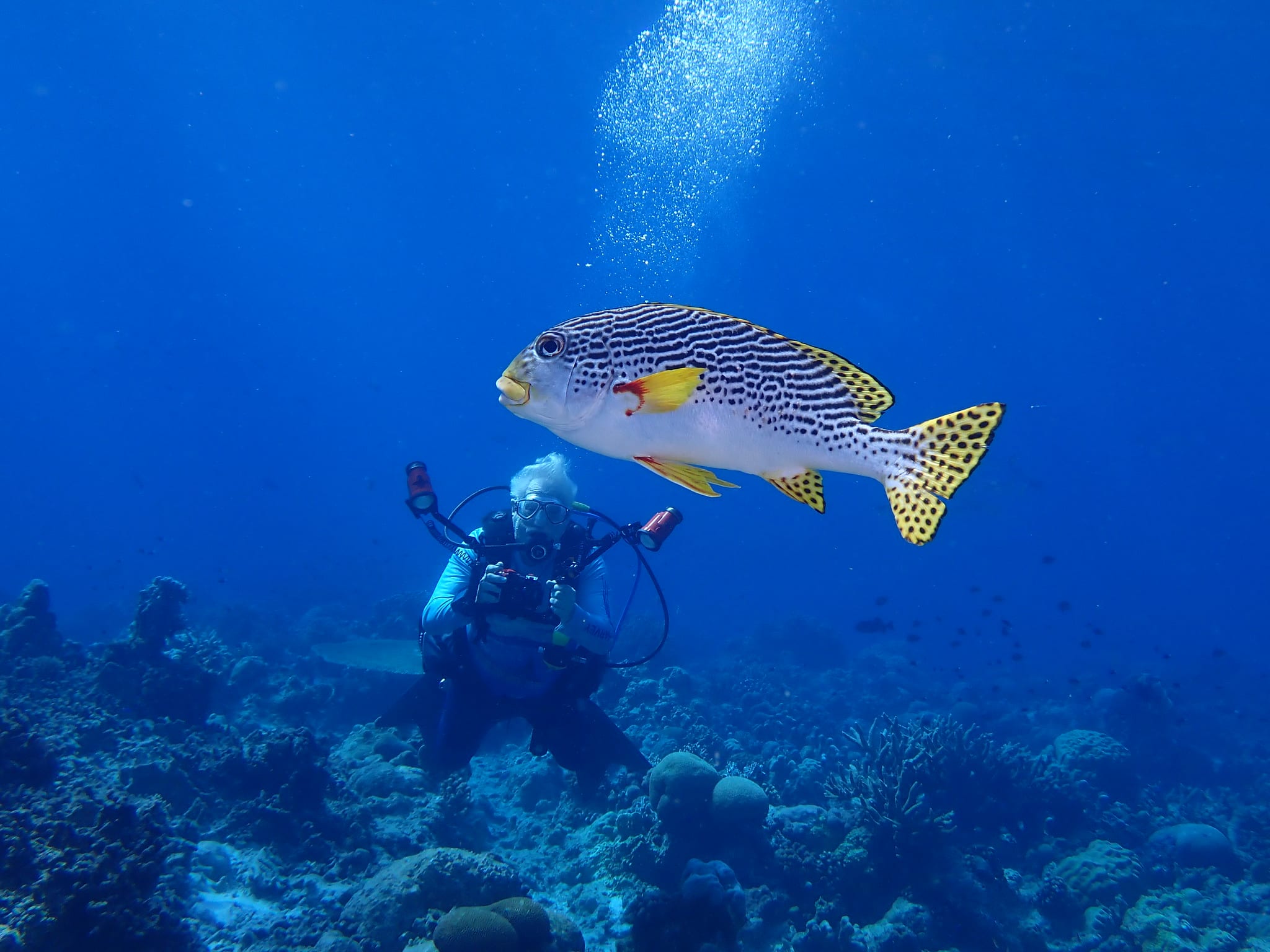
During the last four years, Kent and I surveyed the fish fauna of Tubbataha reefs, the most pristine coral reef in the Philippines (as seen on the backside of the thousand Peso banknote). Together with our collages at the Tubbataha Management Office we analyzed the species composition of different parts of the Tubbataha reef system, a work which gave us detailed insights into a rare case of a coral reef in the Coral Triangle unbothered by fishing and coastal “development.”
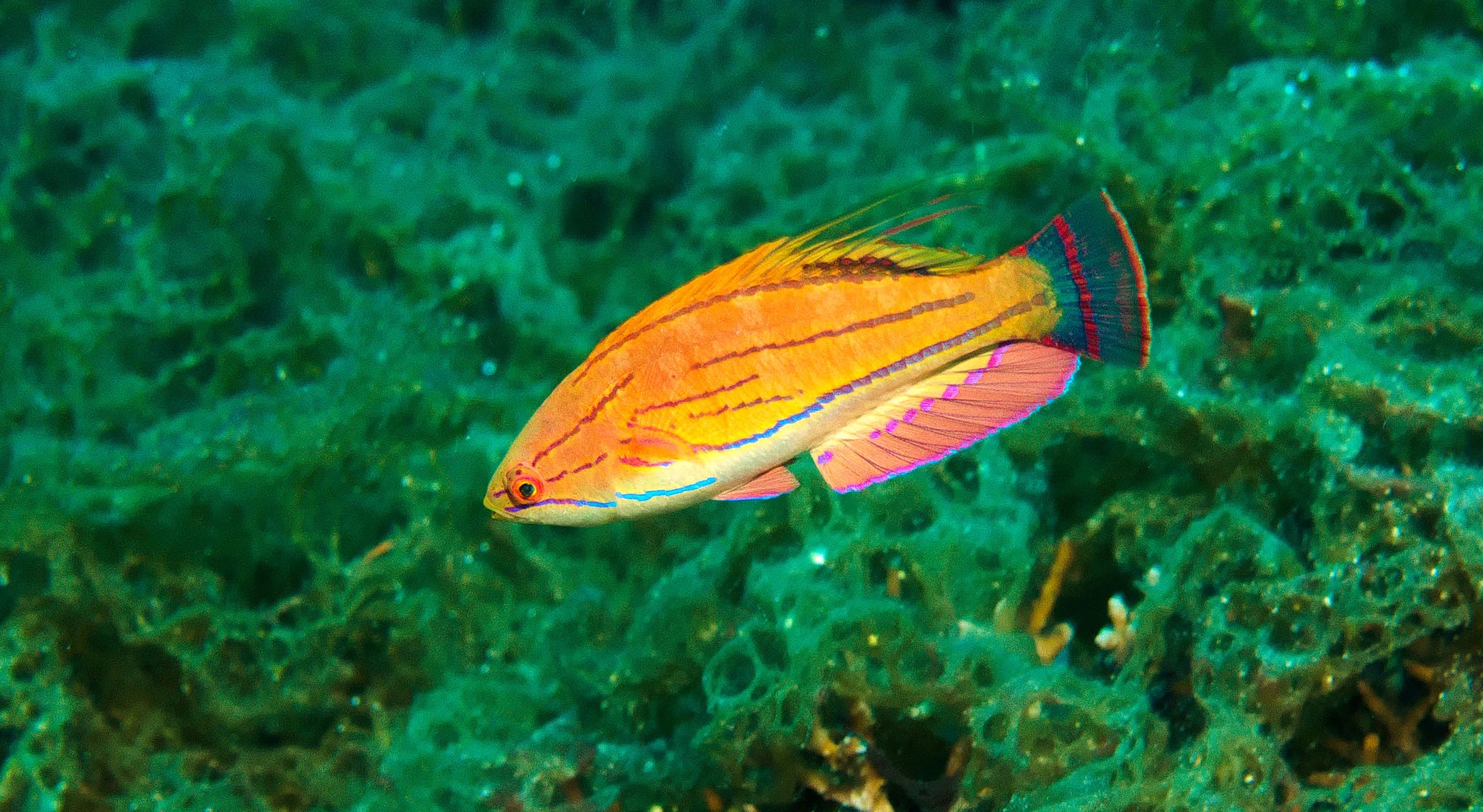
During the course of this work, I was extremely impressed by Kent’s detailed knowledge of the marine fishes of the Philippines. He would answer a hint of mine—"Did you see the yellow wrasse with the large black spot on the hind-body, near the soft corals in the shallows?”—immediately with the scientific name of said fish, picking it out from memory from a few thousand fish observations he had made during the hour spent underwater. He could also do this for really rare species, and for juvenile fish, which often look quite distinct from the adults.
Testifying at the UN Arbitration vs China
His vast expertise in marine science also qualified Kent to testify at the arbitration under the United Nations Convention on the Law of the Sea in 2016, on the side of the Philippines against Communist China. This arbitration regarding the control of the West Philippine Sea was not attended by the Chinese side, but allowed the Philippines to clearly make its point in this important geopolitical issue.
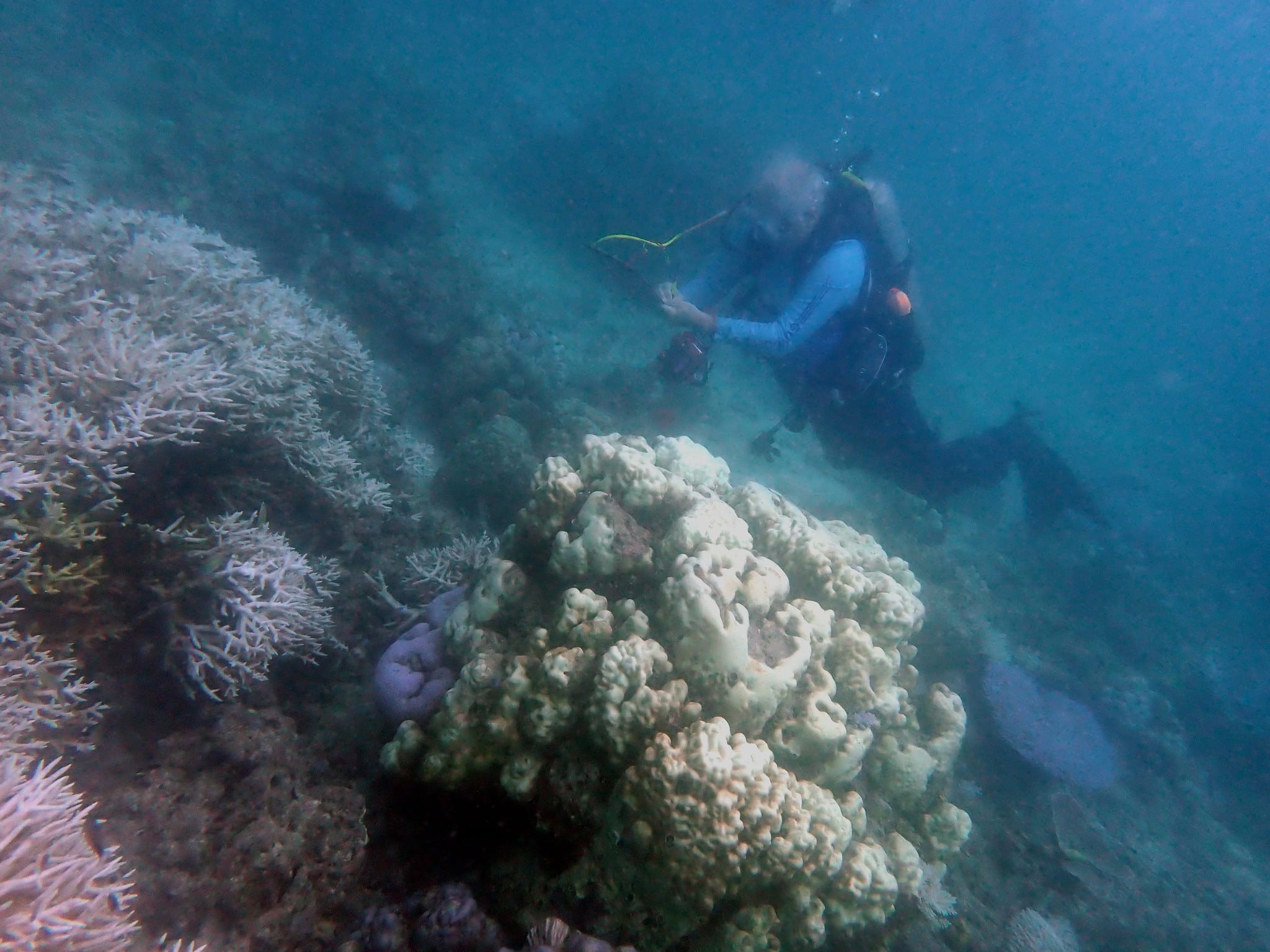
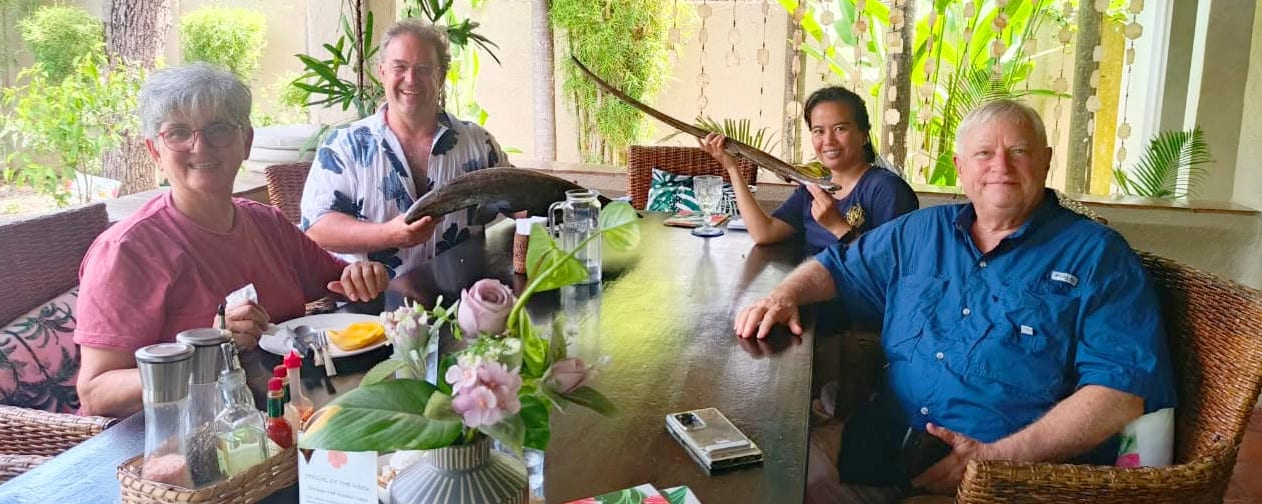
If all of that expertise in marine biology wasn’t impressive enough, Kent was also highly knowledgeable about the history of the US Civil War. But with all his intellectual capacities, he was the furthest from a dry, nerdy scientist as one can be. The ears on every dinner table I shared with him were glued to his words. My favorite story of his was his escape from Kuwait, where he worked for the UN, days after the occupation by Saddam Hussein’s troops.
What doesn’t sound like a fun adventure at all became a piece of great dinner entertainment in Kent’s words. Kent and friends left Kuwait via the desert by car, and then transversed Saudi Arabia into Qatar to “get a cold beer,” which is, of course, unavailable in Saudi.
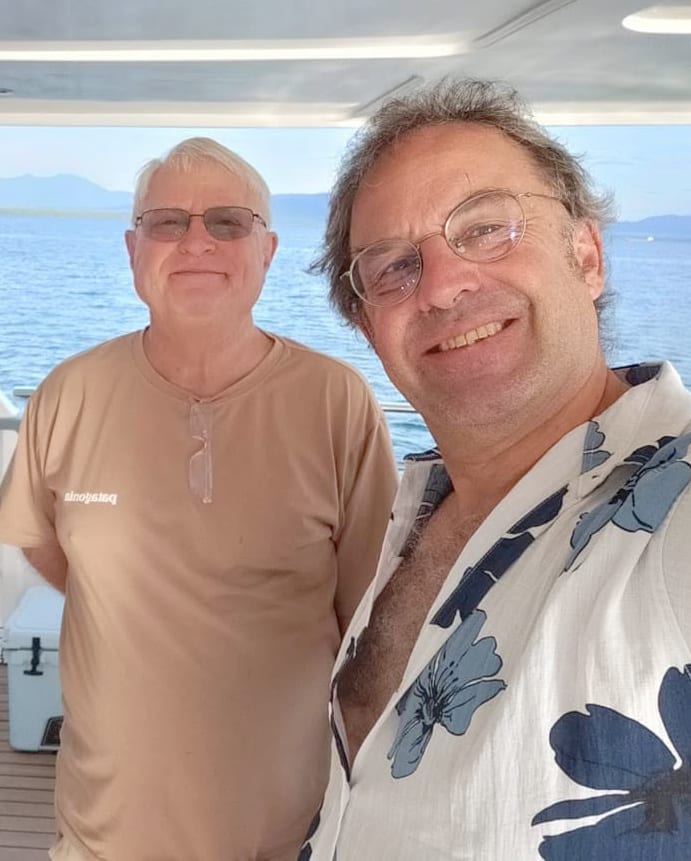
On Sunday evening (July 12), Kent was shot dead by intruders in his own home in Sibulan on Negros Island, seemingly over a minor amount of cash and valuables. Even as an atheist I pray that the evil and immoral people who did this will go to hell. In the aftermath, an outpouring of condolences and sympathies flooded the internet. Philippine and international universities, politicians, Philippine national environmental and fisheries agencies, and marine conservation NGOs all posted how valuable Kent’s work had been, and how he will be missed.
Tourists whom Kent and I had met years ago when scuba diving together contacted me this week, expressing their sadness over his death, and sharing how much they had enjoyed talking to him. It was hard not to love Kent.
Further Reading:
View More Articles About: