The Philippines is one of the world’s prime scuba diving destinations, and Tubbataha reef, in the center of the Sulu Sea between Palawan, the Visayas and north-western Mindanao, is the crown jewel of Philippine diving.
While many diving locations in the Philippines are undoubtedly world-class, they don’t exist in a vacuum outside of the large coastal populations of the country. Many popular dive spots have well-run networks of marine-protected areas where fishing is prohibited or limited; nevertheless, these dive sites are located on the same islands as are intensive fisheries. The dive sites and heavily fished areas are only kilometers apart, and since fish move around during their lifetimes, the fish populations in many diving locations are diminished in this day and age.
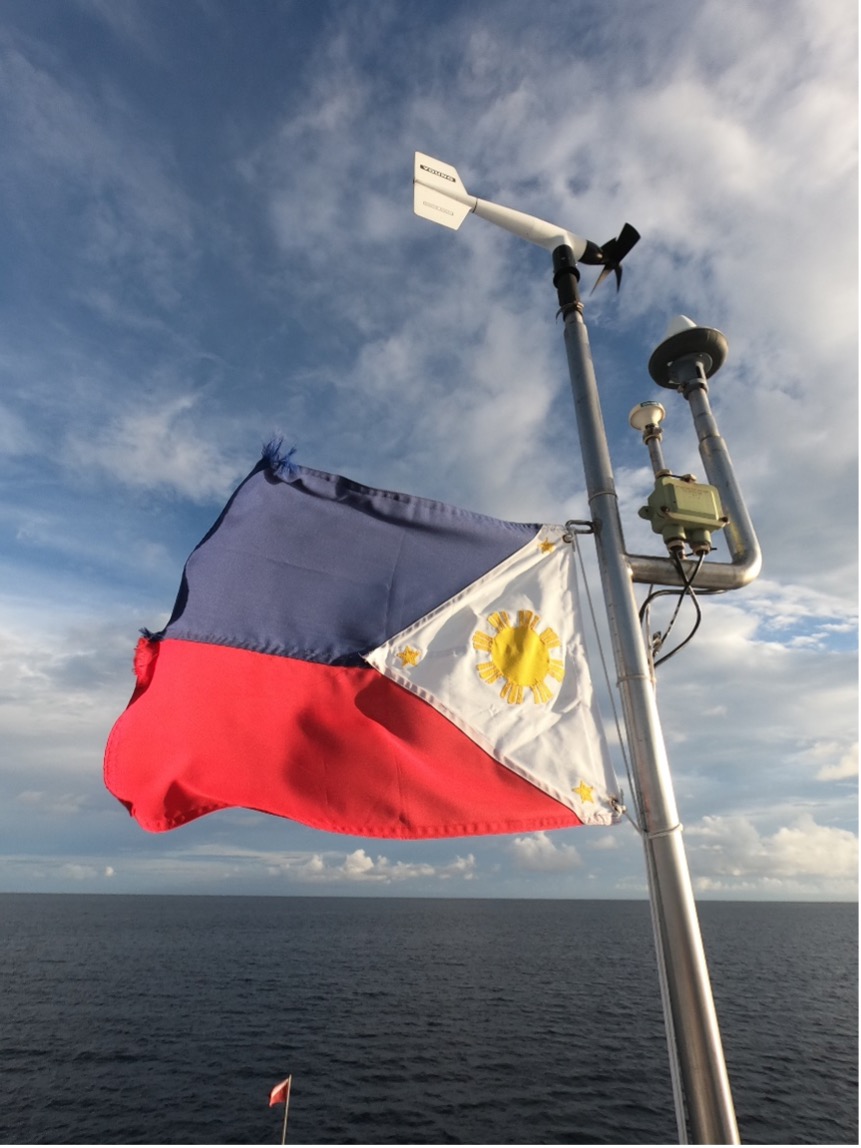
The skies above the waters of Tubbataha
Other human-made stresses, like land-reclamation and run-off of agricultural fertilizer also add to the degradation of coastal ecosystems. The situation is very different in Tubbataha, for two reasons: The reef is remote, in the middle of the ocean a day’s boat ride from Puerto Princessa, and it is very well protected by a highly motivated team of park rangers led by “Mama Ranger” Angelique Songco. The Philippine Coast Guard and Navy also play active roles in the protection of Tubbataha Marine Park. Tubbataha is an example of what a group of well-organized, dedicated people can do in marine conservation.
ALSO READ
Google Earth Has a Street View of Tubbataha Reef
Coral Bleaching Hits Tubbataha Reef
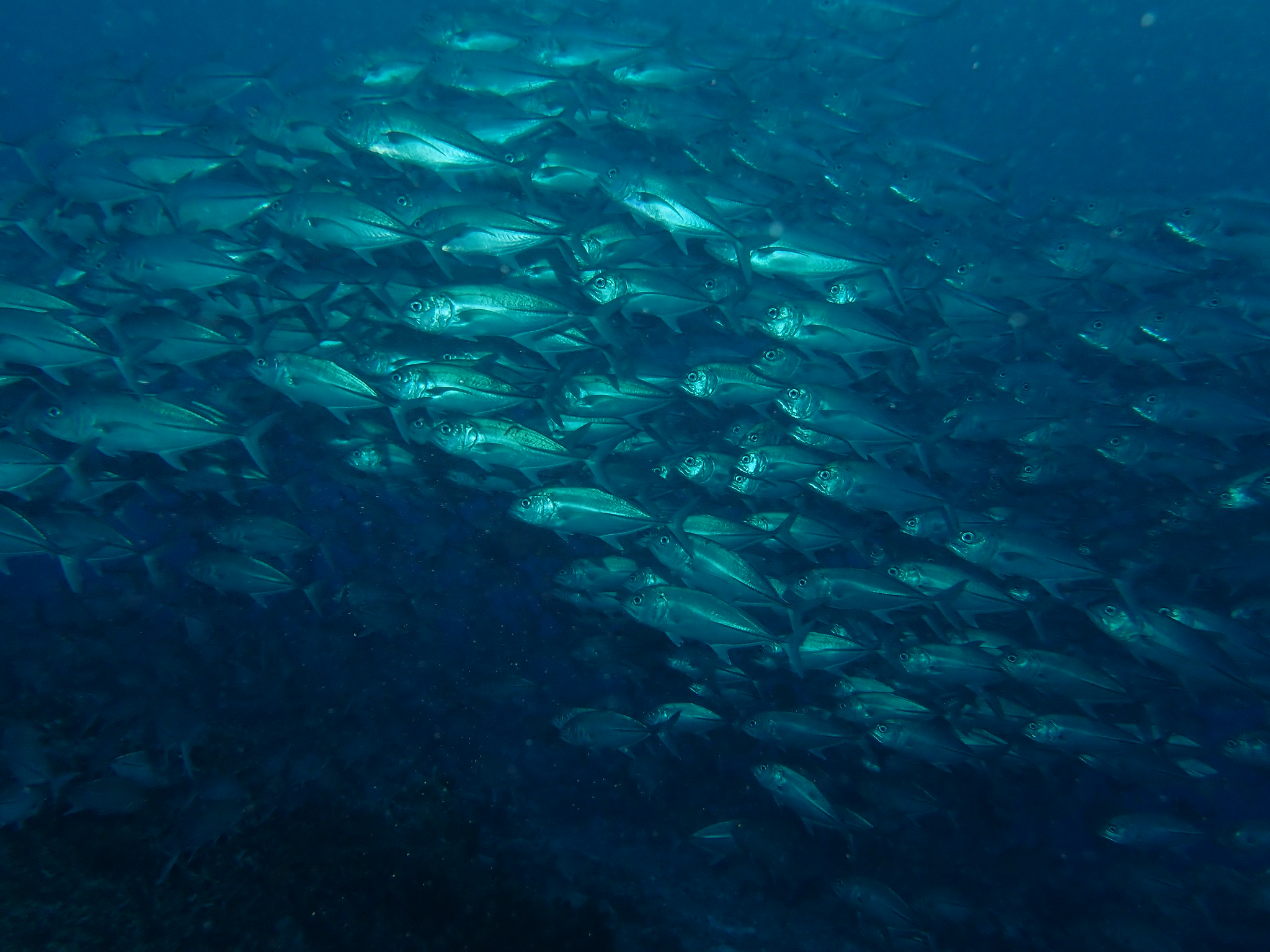
A school of jackfish
None of the citizens of Tubbataha get to vote for a government official like a barangay captain, as all permanent residents are either fishes, corals or other marine animals. The team of about 12 park rangers, naval and coast guard men rotates every two months. The men live on a house built on stilts on one of the sandbanks of the north atoll of Tubbataha. This house, together with a lighthouse and some roosting structures on the aptly named “bird island” are the only artificial structures on Tubbataha. The thriving marine bird colonies on the atoll’s tiny patches of land are definitely a sign to behold, and otherwise rarely seen species like brown boobies thrive in the absence of feral cats or rats which plunder their nests on human-populated islands.
The reef is made up of a north and a south atoll, and a small reef to the north-west called Jessie Beazley reef, supposedly named after a captain who ran his ship aground on this many years ago. What a way to gain timeless fame!
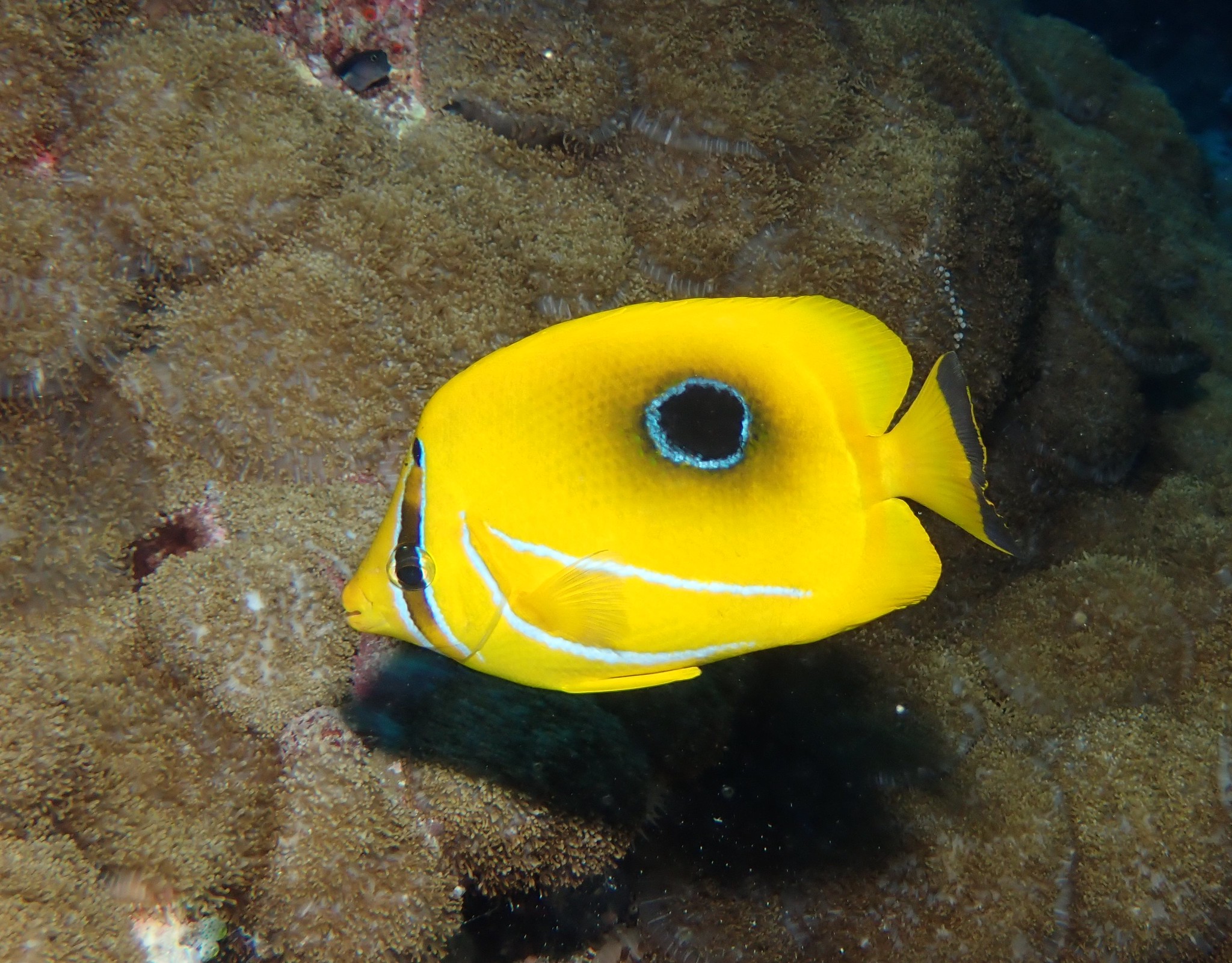
Bennett’s butterflyfish, one of many species of butterflyfishes in Tubbataha
The absolute highlights of a trip to Tubbataha are to be found underwater, of course. The dive sites feature coral-covered reef-tops which transition into steep walls. Beautiful large sea-fans decorate the near-vertical walls, and dense schools of fish frolic in the blue.
The absence of fishing pressure is immediately obvious to the skilled observer: large groupers and snappers which are rare in many parts of the Visayas thrive in schools of hundreds of animals in Tubbataha; massive, dense schools of jackfish are a common occurrence. It’s a spectacle to watch the jacks form circles of fish which rotate above the coral reef. The majestic Napoleon wrasse, a fish the size of a young cow which is locally extinct or close to it in many of the coastal areas of the Philippines, is regularly encountered during dives in Tubbataha. Like in many other wrasses, this fish hatches as a female and turns into a male when it reaches a large size; the truly massive fish are all males.
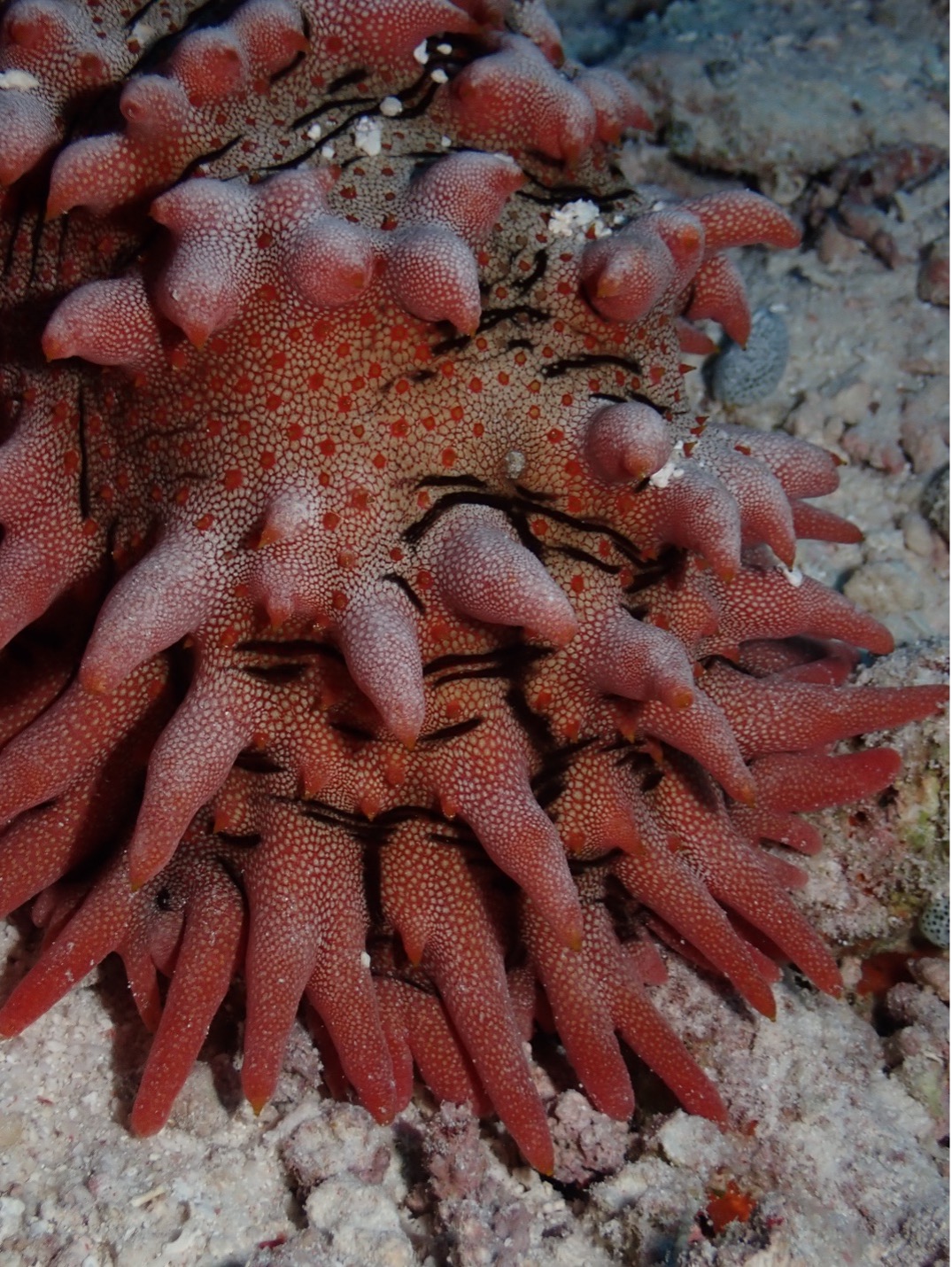
The front end of a sea cucumber. These large invertebrates ingest sand and digest all the edible particles and small organisms in it
Oceanic giants like manta rays and whale sharks show up on almost every trip; and several species of sharks, like grey reef sharks, as well as blacktip and white-tip sharks patrol the steep drop-offs of the reef in healthy numbers. During a recent scientific expedition, I was tasked with surveying all species of small, coral-living fish species, and I missed a tiger shark, which swam right behind my back while I was pointing my camera into a crevice of the reef.
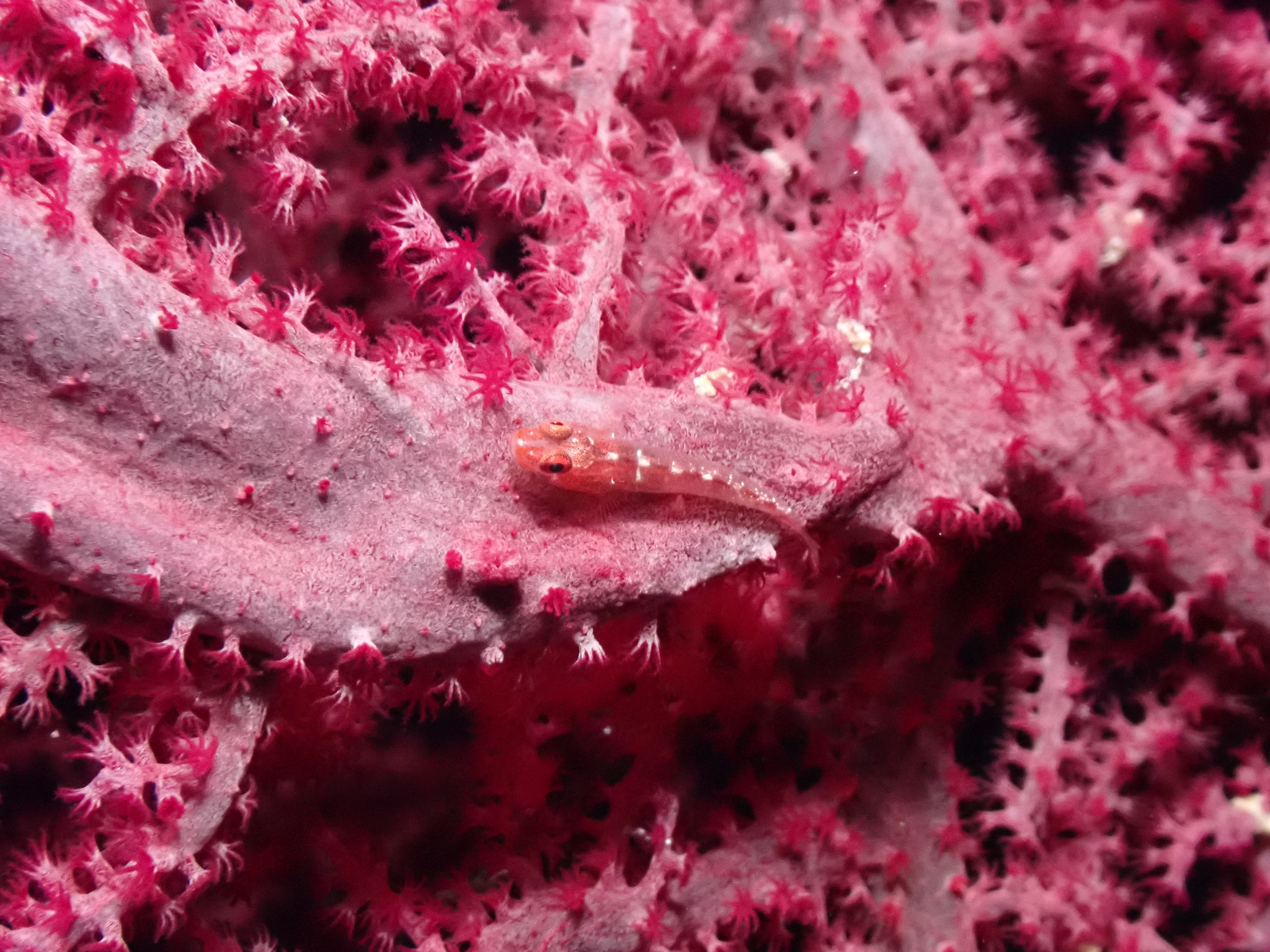
Not only the impressively large fish make Tubbataha an interesting diving destination: there is an impressive biodiversity of tiny animals as well, such as the pygmy seahorse, no larger than a pinky finger nail, which our dive guide spotted on a sea fan.
A tiny fish, a goby, at home on a sea fan, a type of soft coral. Note the amazing level of camouflage of the fish
And not only the fish enthuse the underwater naturalist: A variety of spineless (invertebrate) animals inhabit the reef as well. The reef-building corals themselves are of course animals, and a wealth of other invertebrates has made the reef their home. Standing out among them to me are the sea cucumbers, distant relatives of sea urchins and sea stars, which resemble the giant worms from the movie Dune. While not quite as gigantic, they can grow up to a meter in length, and as thick as a weightlifter’s leg.
Truly, this is a heartwarming place for a scuba diving enthusiast or marine biologist.
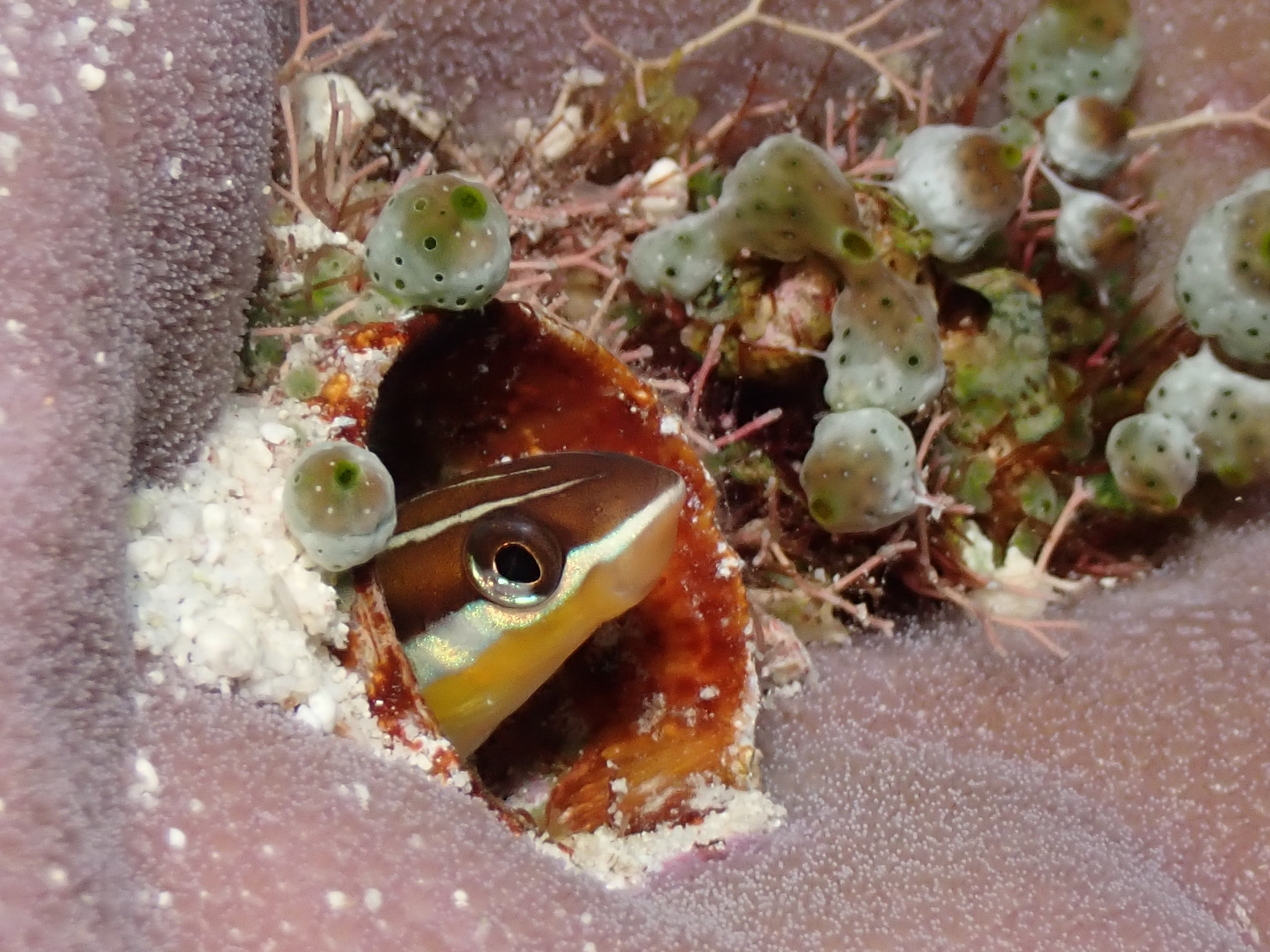
Aspidontus Dussumieri
How to dive Tubbataha
Good things come to those who wait and to those who pay: You typically have to book a trip to Tubbataha about a year in advance; diving season is only between March and June, due to the rough seas the rest of the year. A week-long trip will cost you at least P100,000. It’s not cheap to run a boat which provides lodging, catering and diving operations all on board. I recently dived Tubbataha on board the Infiniti, which is an excellent operation.
You typically fly to Puerto Princessa to start your trip, board your live-a-board vessel there, and sail to Tubbataha overnight, which is a 12-hour journey. What follows is a week exclusively dedicated to diving, eating, and sleeping. Generally, the dive sites are reached via a small zodiac-type speedboat launched from the main live-aboard vessel. Modern live-aboards are floating luxury dive resorts, and you will be pampered when it comes to food and drinks.
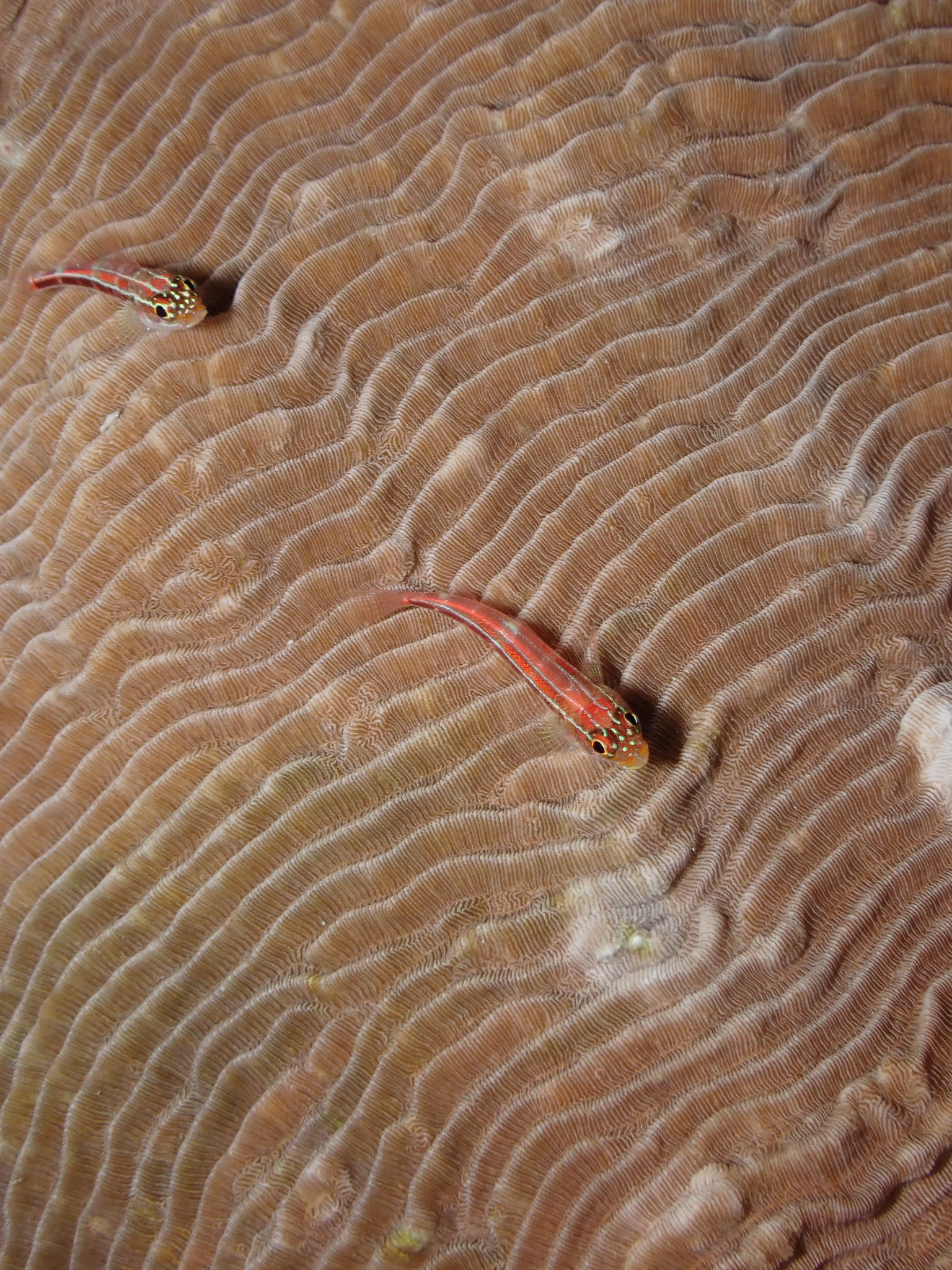
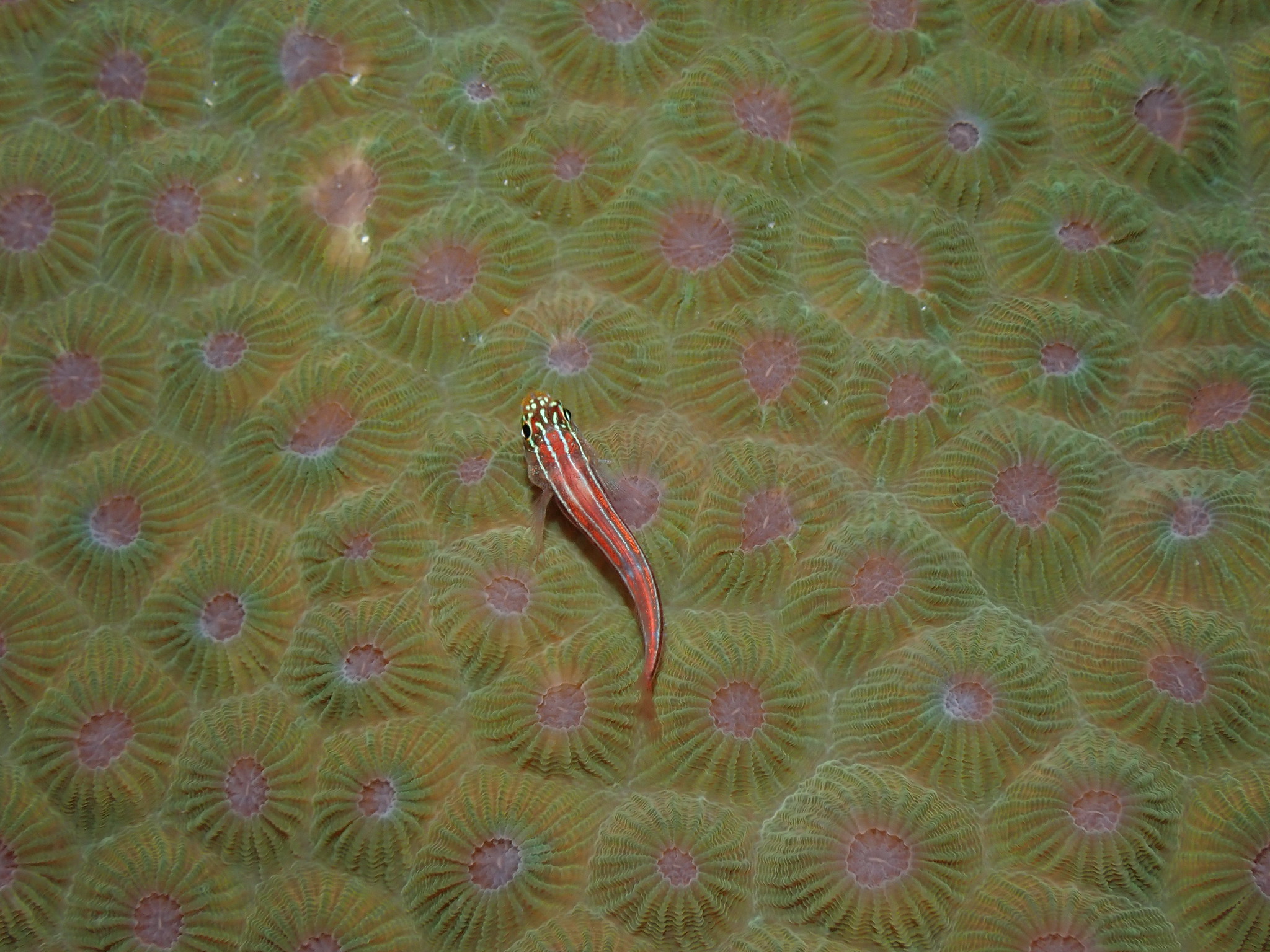
Helcograma Striatum
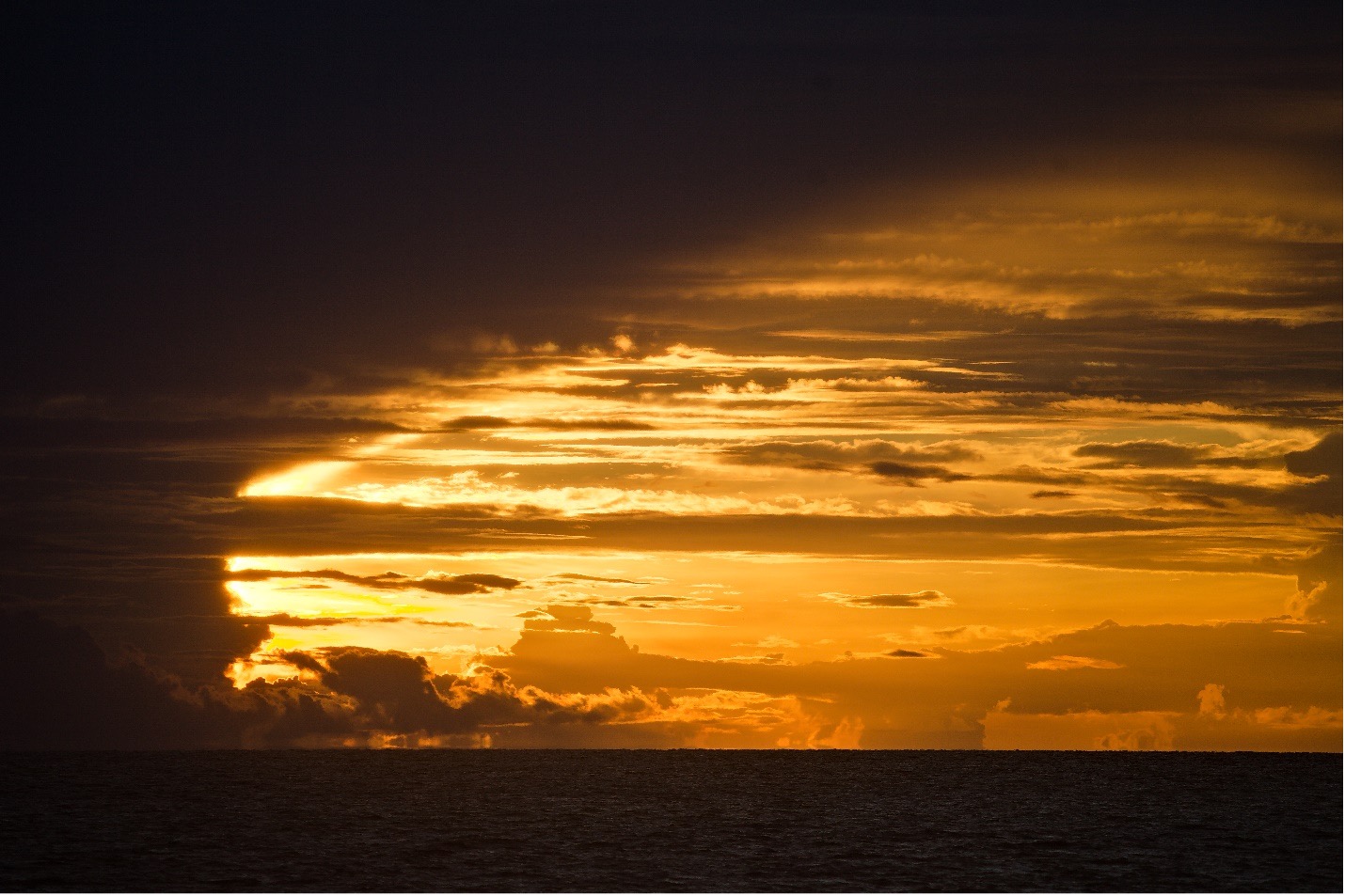
However, a trip to the pharmacy or the convenience store is obviously out of question, so make sure to bring your favorite toothpaste and all the medication you regularly take, or which might have to use in case of minor ailments like a cold or an upset stomach. And, of course, bring your camera! It’s an extremely relaxing experience to spend a week on a boat away from traffic, office worries, and malls. A sunset above the seemingly endless expanse of the ocean, taken in after calming the mind during three dives on that day, works wonders for inner peace.
Here are a few other photos from my most recent dive to Tubbataha:
Helcograma Striatum
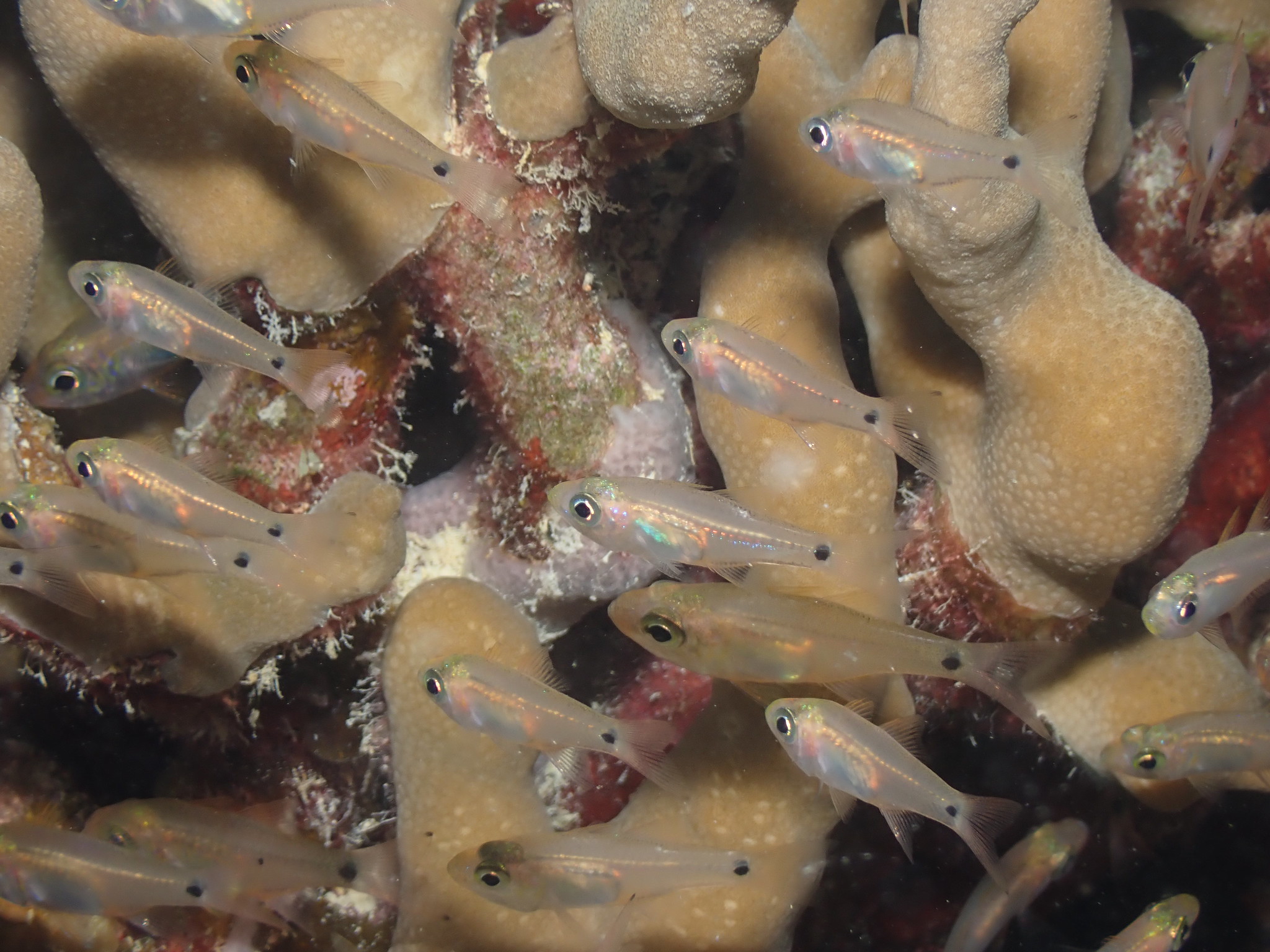
Schooling cardinal fish
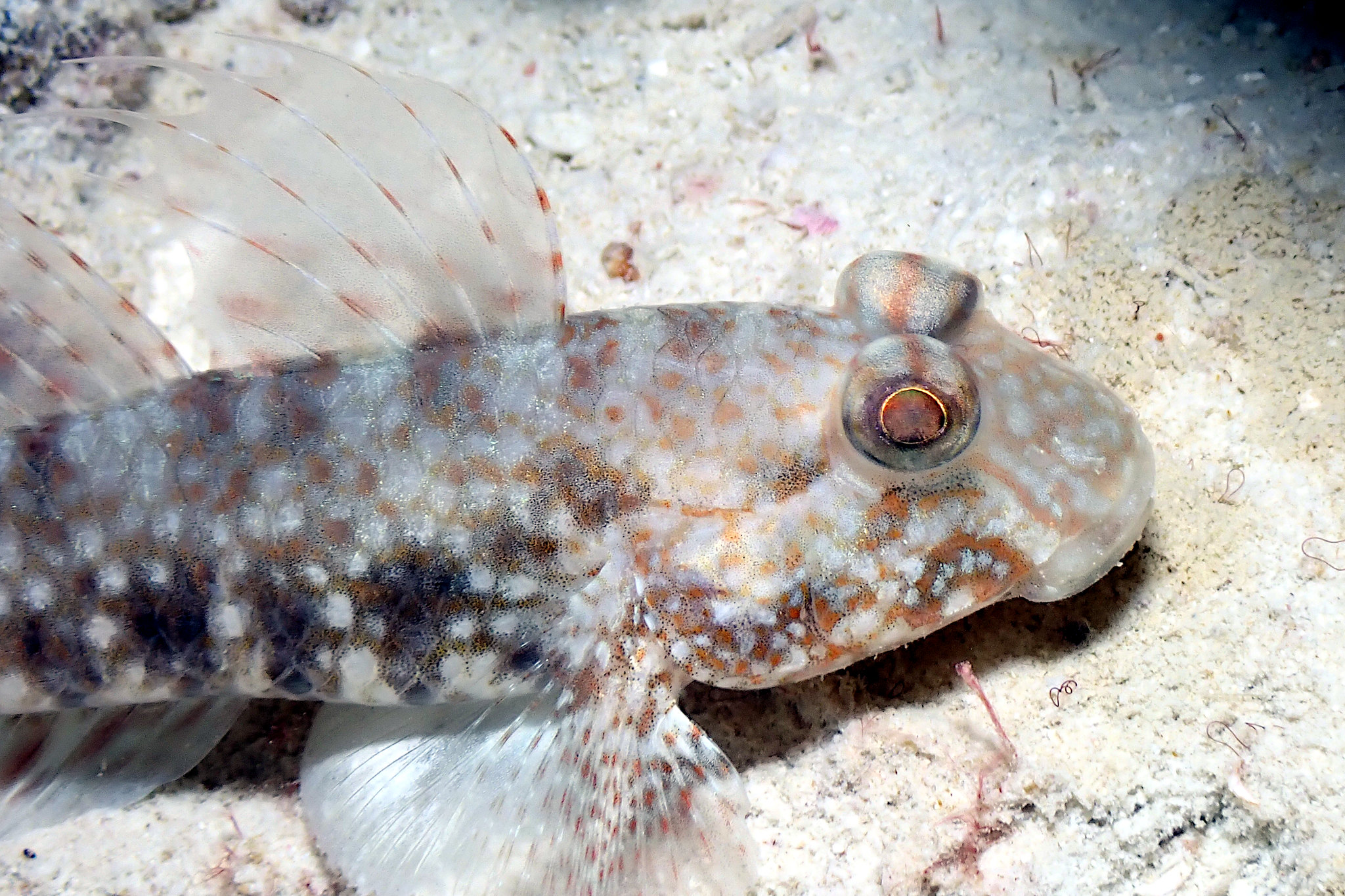
Exyrias Belissimus
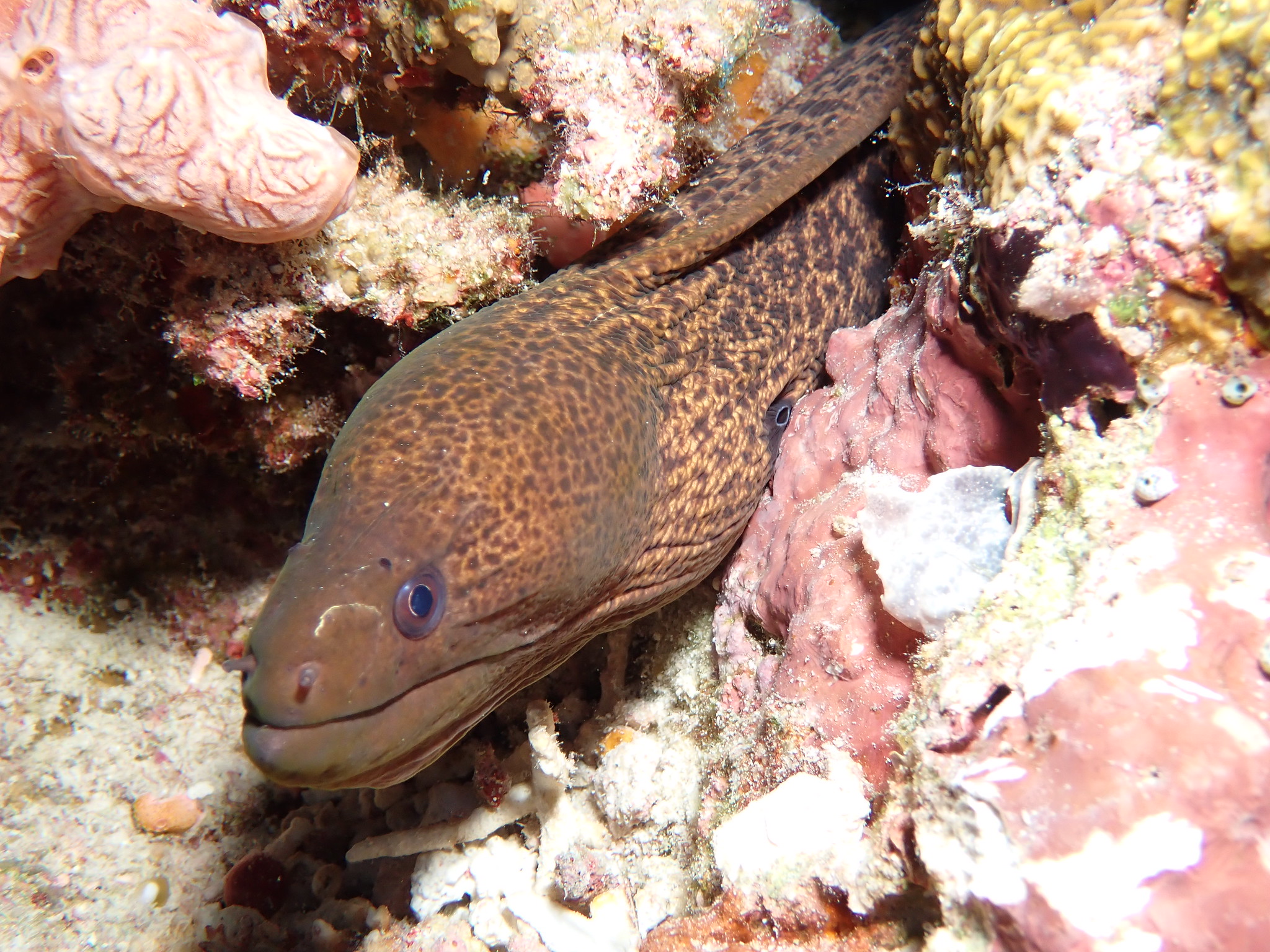
Gymnothorax Javonicus
Sunrise over Tubbataha reef