Today I Learned: Not All Sisig Is Meant to Sizzle
Some of the best versions are cool, bright, vinegary, and straight from history.
by Clang Garcia
Published on Jun 7, 2026
An epiphany emerged at the Philippine Heritage Kitchen’s Sisig Festival—and it completely changed how I think about one of the Philippines’ most iconic dishes.
Chef Reggie Aspiras, a prominent figure in Philippine gastronomy, curated an enriching educational experience in collaboration with the Center for Culinary Arts (CCA) Manila, a pioneering Filipino-owned culinary school. The event took place at the Brittany Hotel in Bonifacio Global City. Leading the gathering was multi-hyphenate talent Ruston Banal—educator, artist, photographer, and author of the acclaimed book Pimamanan: A Taste of Pampanga’s 65 Heirloom Dishes.
The Legend Behind the Plate
Sisig skyrocketed to national fame, thanks to the late Lucia Cunanan, better known as Aling Lucing. In 1974, she opened her humble eatery near the old train station in Angeles, Pampanga, drawing a devoted following from far and wide, earning her the undisputed title “Queen of Sisig.”
In 2009, the late Anthony Bourdain visited Aling Lucing’s with Kapampangan chef Claude Tayag. One bite and Bourdain was hooked, famously calling it “a strangely addictive dish served on a sizzling hot plate” on No Reservations—crispy, chewy, spicy, and savory textures singing in symphony.
But Wait… Sisig Wasn’t Always Sizzling
Go back further—way further. In the 1732 Kapampangan-Spanish dictionary by Augustinian friar Diego Bergaño, “Sising” (or Sisig) is defined as a salad made with green papaya or green guava, tossed with salt, pepper, garlic, and vinegar. The verb “manisig” simply means “to make salad.” So the original sisig was bright, fresh, and vinegary—not the hot plate we know today.
A Buffet of Living History
From pages to plates, Banal transformed selections from his book “Pimamanan: A Taste of Pampanga’s 65 Heirloom Dishes” into a lavish feast buffet featuring fifteen creative interpretations of sisig, incorporating ingredients ranging from fruits and seafood to meat. Students from CCA Manila played a key role in preparing these heritage recipes under the guidance of Cravings’ Kapampangan chef, Audrey Sunglao.
Salad Style
Sisig Matwa (the ancestral style)
• Quilo Asan Danum (cured whitebait)
• Sisig Kapaya (green papaya with tropical fruits)
• Sisig Mangga (beer-macerated green mango)
• Quilo Damulag (citrus-cured water buffalo)
• Sisig Tofu (crispy glazed tofu)
Mains
• Sisig Talaba (oysters)
• Sisig Tanigue (crispy-skinned Spanish mackerel)
• Lagat Itu (turmeric-braised catfish),
• Sisig Tinapa Roulade (smoked fish in cabbage)
Sizzling Station
• Sizzling Lasuc (smoked heritage sisig)
• Sisig Angeles (the iconic version)
• Sisig Pitichan (crispy pork cracklings)
• Sizzling Quilo Paro (shrimp with bilimbi)
• Sizzling Puso ng Saging (banana blossom)
The Masterclass That Changed Everything
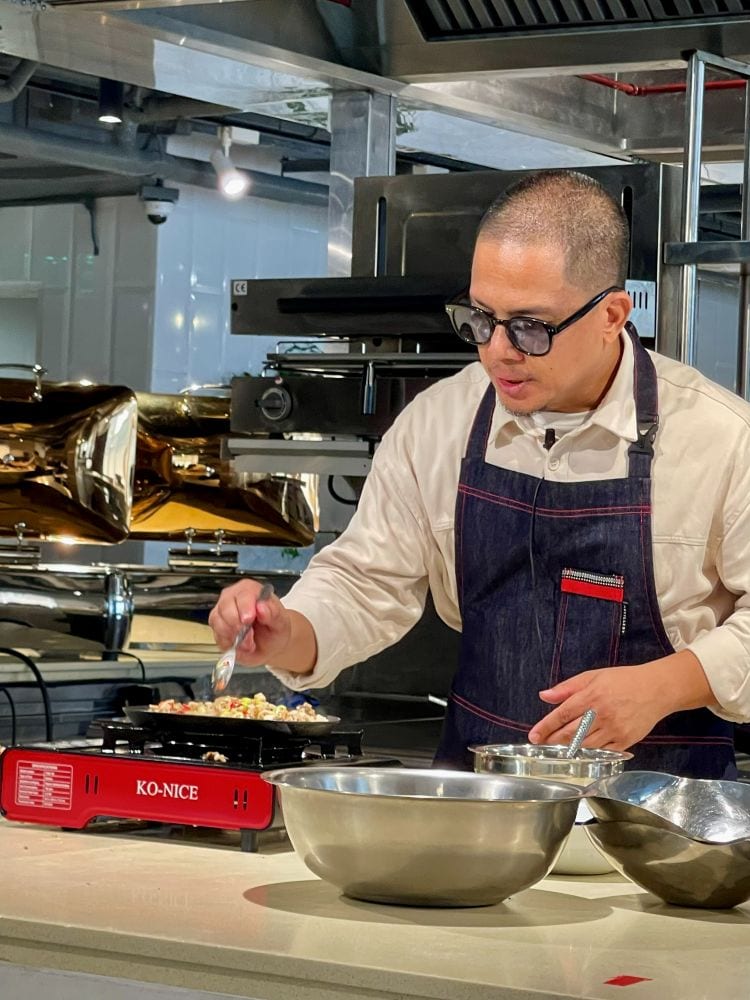
During the cooking demo of some of the served dishes, Banal dropped gem after gem. The biggest revelation?
“Sisig is not sautéed—it’s an assembly of pre-cooked and fresh ingredients.”
Here’s the pro move: Heat the sizzling plate until it's screaming hot, then turn off the heat and place your prepared sisig on it. The plate is for spectacle and to play, tossing ingredients until the desired taste is achieved. Cook on it and risk that metallic vinegar taste (and potentially turning it into adobo).
Banal encouraged everyone to craft with flavors and make it their own—but with a laughing smile, he firmly reminded the crowd:
“No eggs. No mayonnaise, sharing it on Facebook, and labeling it as Kapampangan. We do not do that.”
He also noted that classic sisig uses pork liver (chicken liver often turns soggy and watery), and adding pork brain and egg makes it dinakdakan, an Ilocano dish.
Sisig matwa, he explained, is the true “genesis” of sisig—julienned boiled pork face, jowls and fresh red onions, tossed in aslam sasa (nipa palm vinegar) along with chili slices, freshly cracked peppercorn, a pinch of salt, and a touch of sugar transforms into an umami-rich dish. Banal believes this was born in his hometown, Guagua, along the pampang (riverbank), where early settlements flourished surrounded by a forest of nipa palms; sap was fermented into vinegar, a key ingredient.
Banal emphasized that these variations are not new inventions, but rather traditional recipes that have quietly been passed down through generations in Kapampangan homes and are still practiced today. “What you have now on the table is a living history,” he said.
Sweet Ending
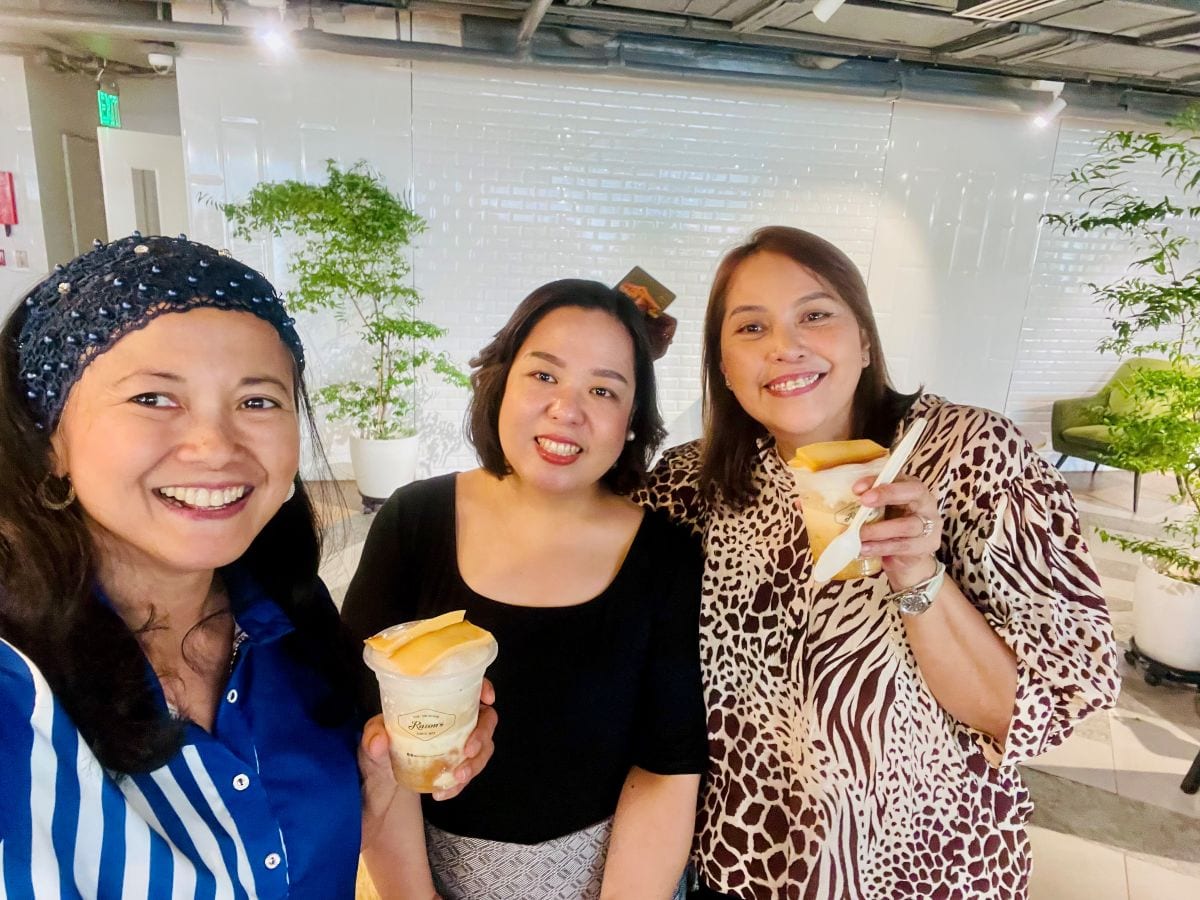
No Kapampangan feast is complete without dessert. Tintin Cabrera, third-generation keeper of the Original Razon’s Halo-Halo from Guagua, came out in full support of her fellow Cabalen. She brought her team and set up a stand to provide a sweet, refreshing finish to the meal, creating excitement as the grand finale to the feast.
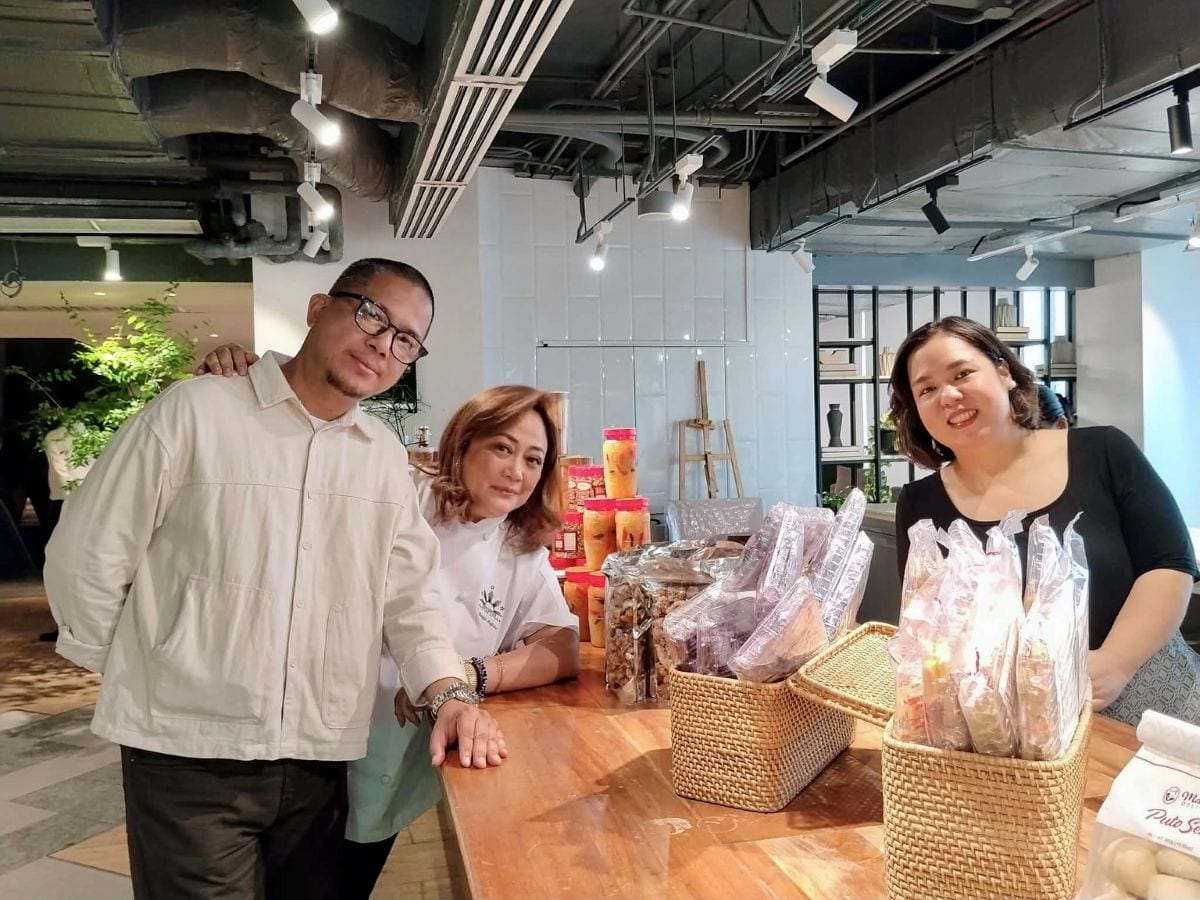
Rustom introduced Tintin and gave a brief background of her family, emphasizing the three Razon sisters as the pioneers of halo-halo in Pampanga. They started selling in front of their ancestral home in 1908, and the delicious dessert became commercially available in 1972. He added, "That’s the only original halo-halo I know."
Guests continued to return for more of that heart-stealing concoction: caramelized macapuno strips and saba bananas, evaporated milk, finely shaved ice, and generous slices of creamy leche flan on top.
Why This Matters
In "Pimamanan," Banal showcases Pampanga's gastronomy and emphasizes food as a powerful unifying element in celebrating our shared heritage. In a time when social media posts often lack credible references, there is a heightened need for accurate ethnographic, qualitative, and quantitative research to preserve and recount our cultural identity and history effectively. "I am not here to promote the dishes merely as a Kapampangan gem, but as Filipino culinary identity."
Seeing students from CCA Manila taking part in the event is moving, as it represents the future of Filipino food. The only way to sustain this ongoing revolution is to train tomorrow’s practitioners, which I observed today. As Chef Reggie put it so beautifully: “Magbayanihan tayo para sa pagkaing Filipino.”
Next time you order sisig, remember: not all of it is meant to sizzle. Some of the best versions are cool, bright, vinegary, and straight from history.
And that’s today’s delicious lesson.
Sisig Matwa (Quilo Babi)
Prepared by Ruston Banal
Typology: Ancestral Meat Salad
Description:
The quintessential ancestral sisig predates all modern sizzling versions. Perfectly boiled, gelatinous pork ears and maskara (pork face) steeped in a heritage marinade of fermented nipa palm vinegar, crisp onions, fiery red chilies, sea salt, and cracked whole peppercorns. Bright, refreshing, and deeply savory—this is where sisig truly began.
Ingredients (Per 1 kg Yield)
The Protein: 1 kg pork maskara and ears
Boiling Matrix: Garlic bulbs, red onions, ginger, whole peppercorns, dried bay leaves, gulgul (marjoram), salt, and sugar
Acid & Aromatic Matrix: 1 to 1.5 cups Nipa palm vinegar, 3 medium red onions (minced), 3 finger chilies (sliced), salt, sugar, and freshly cracked peppercorns
Method
1 | Tenderization: Boil the pork maskara and ears in the boiling matrix for exactly 45 minutes. This ensures the meat is fully cooked while retaining its signature structural crunch and gelatinous plumpness.
2 | Fabrication: Drain the boiled pork completely and allow it to air-dry. Cut the meat into slender, uniform strips.
3 | Acid Integration: Toss the pork strips with nipa palm vinegar, minced red onions, sliced finger chilies, salt, sugar, and freshly cracked peppercorns. Mix thoroughly and serve at ambient temperature.
Pinamanan: A Taste of Pampanga’s 65 Heirloom Dishes by Ruston Banal is available at Fully Booked, Apag Marangle in Pampanga, and online through Philippine Books in the United States. https://www.philippinebooks.com/
About the author: Clang Garcia is a Philippine gastronomy sleuth and tourism advocate, author, TV host, and the official Philippine Ambassador for the World Food Travel Association (WFTA).
View More Articles About: