Today I Learned: The Man Behind PH's Only Analog Music Studio Just Joined the Recording Academy
Marco de Leon of Mix Machine Analog is producing music like how it was intended: through organic analog warmth and raw performance.
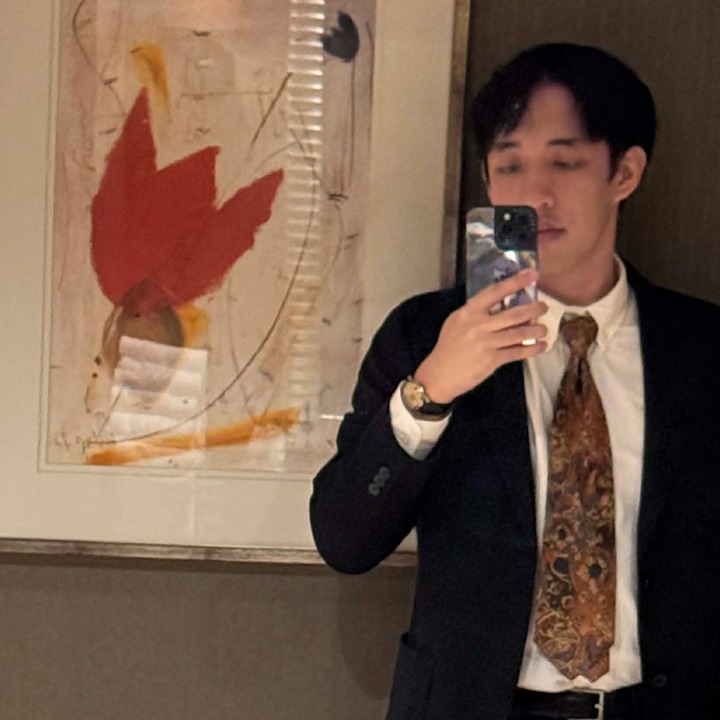
by JV Ordoñez
Published on Jul 25, 2026
It seems that anyone can learn how to finagle a few computer sounds together in a digital audio workspace (DAW), record vocals in a bedroom, and mix on fairly cheap headphones to start a career in the music industry. While all these things are great for music and there has never been more art to listen to than ever before, there was something about organic analog musicianship that made music back then innately transformative.
You may have heard of subcultures obsessed with a return to these physical and analog media as avenues to be more intentional with your music consumption and as quintessential ways to experience albums.
There's one Filipino who runs a studio hell-bent on crafting music with the methods of the classics and maestros of pioneering sonic zeitgeists.
Mix Machine Analog's chief engineer and founder, Marco de Leon in his element: operating a workhorse of a vinyl cutting machine among other tools of the trade.
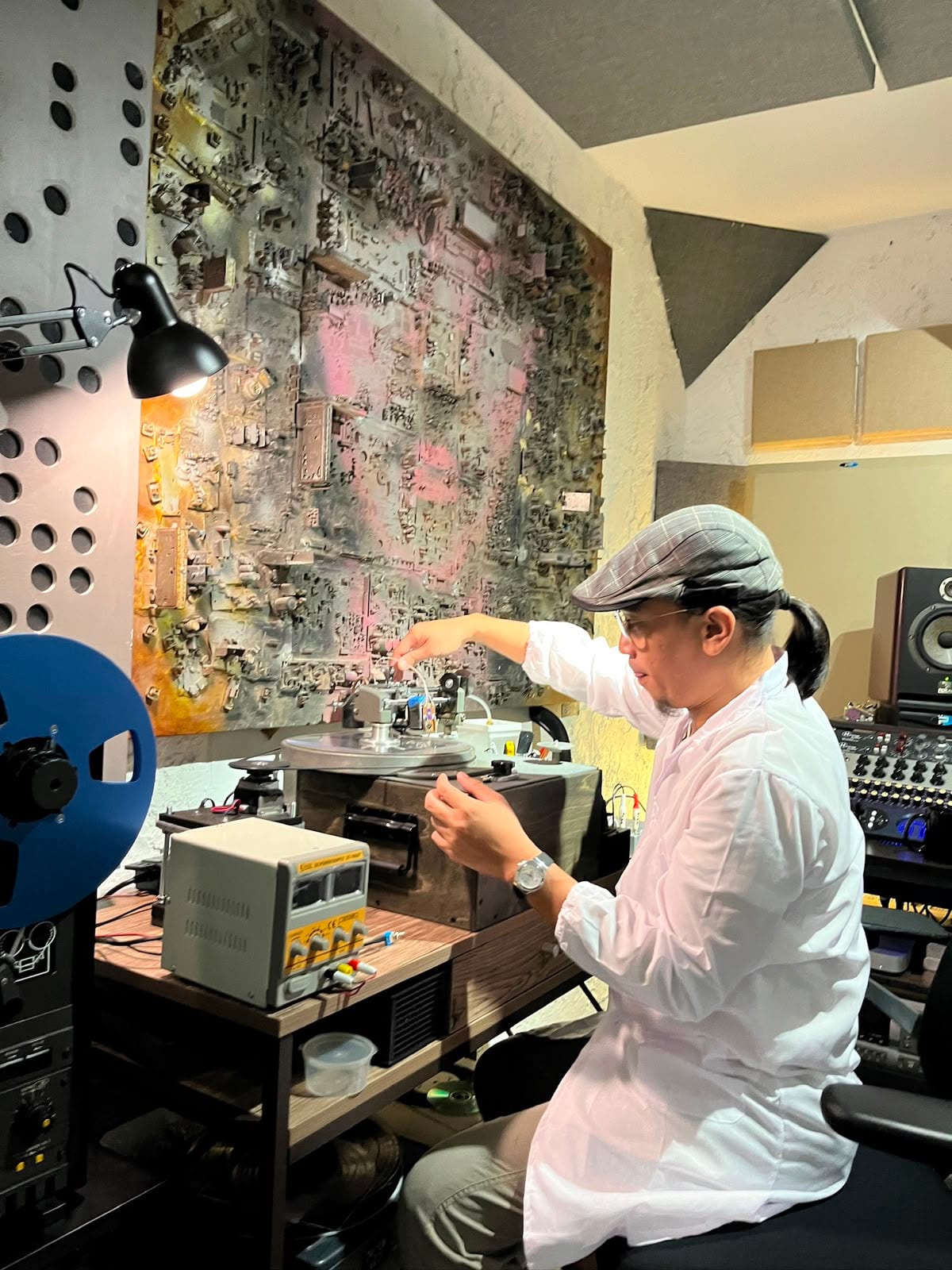
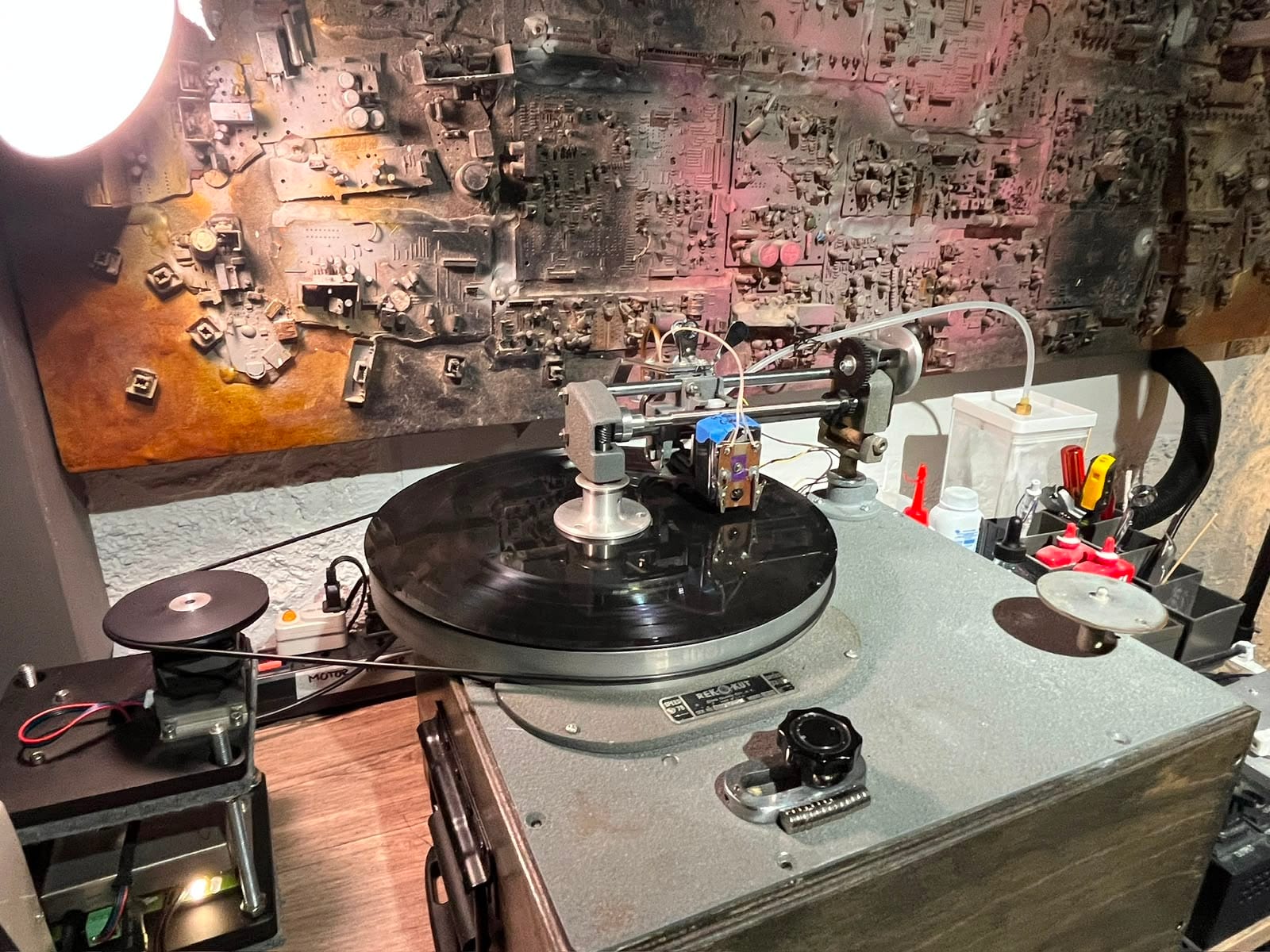
Rek-O-Kut Vinyl cutting lathe with TKV modern cutting head, which is seen as comparable to a Nuemann cutting head
I've unknowingly already stumbled upon De Leon's work in my salad days of being a guitar gear obsessive myself via his "Marco Roboto" YouTube channel and his Tone Quest series of prominent local musicians showcasing their meticulously put-together gig rigs.
Earlier this year, Mix Machine Analog helped us produce a vinyl pressing of King of Sadtown by the mustachioed bedroom pop wonder Peej for the inaugural Esquire Philippines Listening Room.
We got to virtually chat with the newly-minted Grammy Recording Academy member on what fuels his advocacy for all things analog and tape-driven.
"That passion for just making records—I was really a career guitar player; I traveled around the world just playing guitar," he told Esquire Philippines in an online interview.
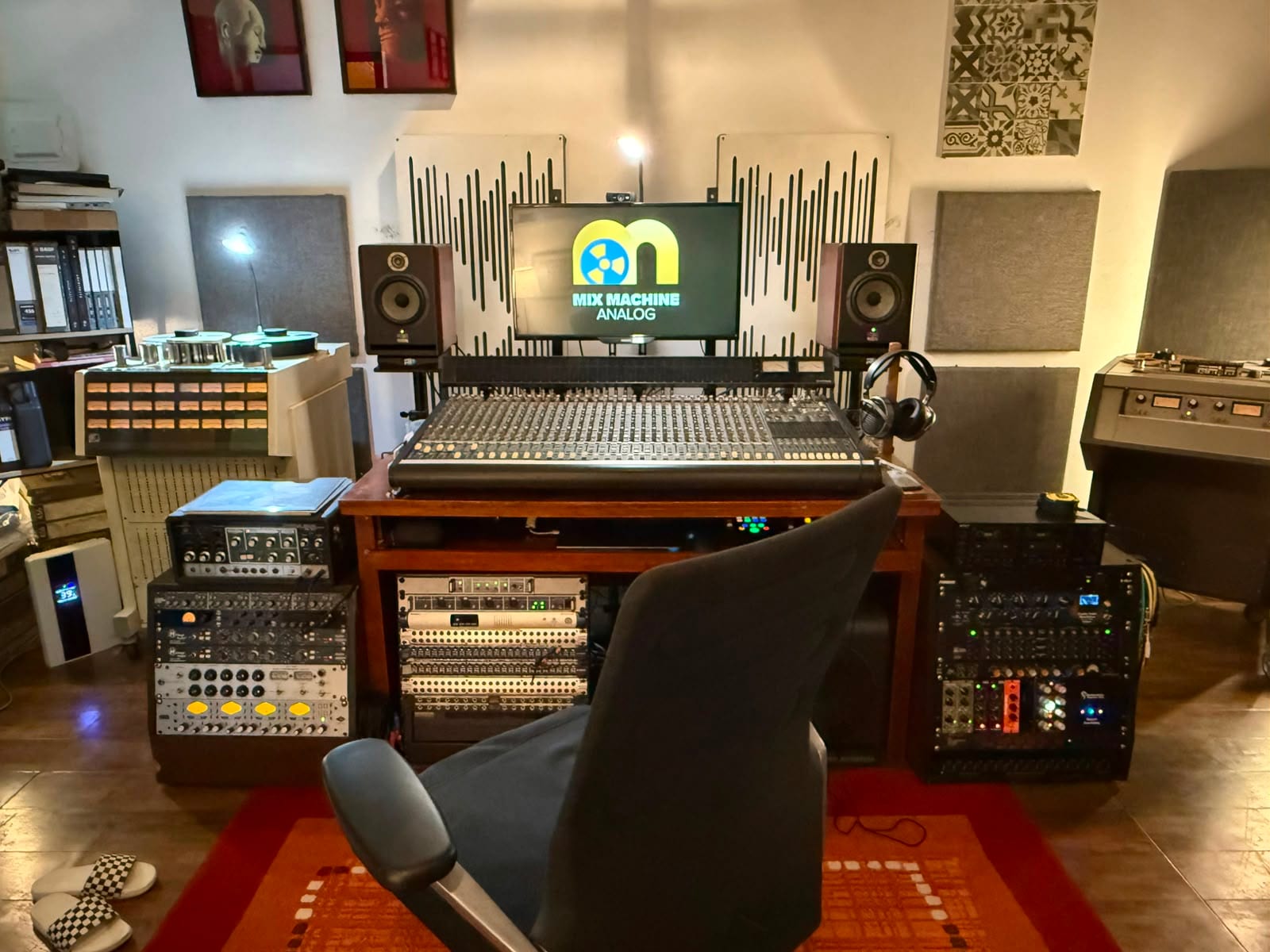
Three machines keep the whole operation running, and De Leon is blunt about what happens if any one of them dies. There's the 32-channel analog mixer, the MCI two-track mastering machine, and a 24-track Otari that has a history longer than the studio itself.
The prolific and legendary Otari MX80 24-track machine from Tracks Studios
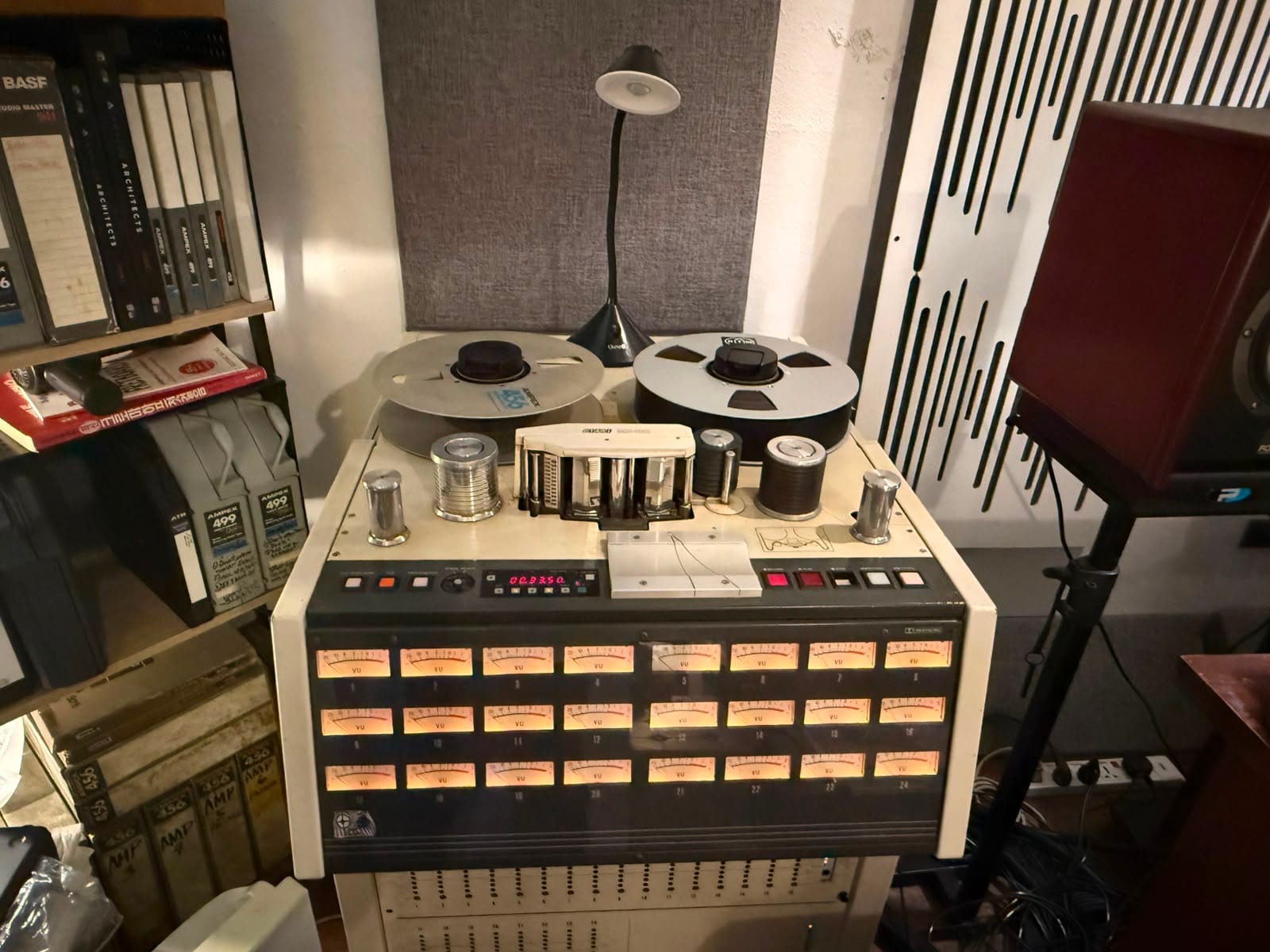
The two-track MCI mastering machine
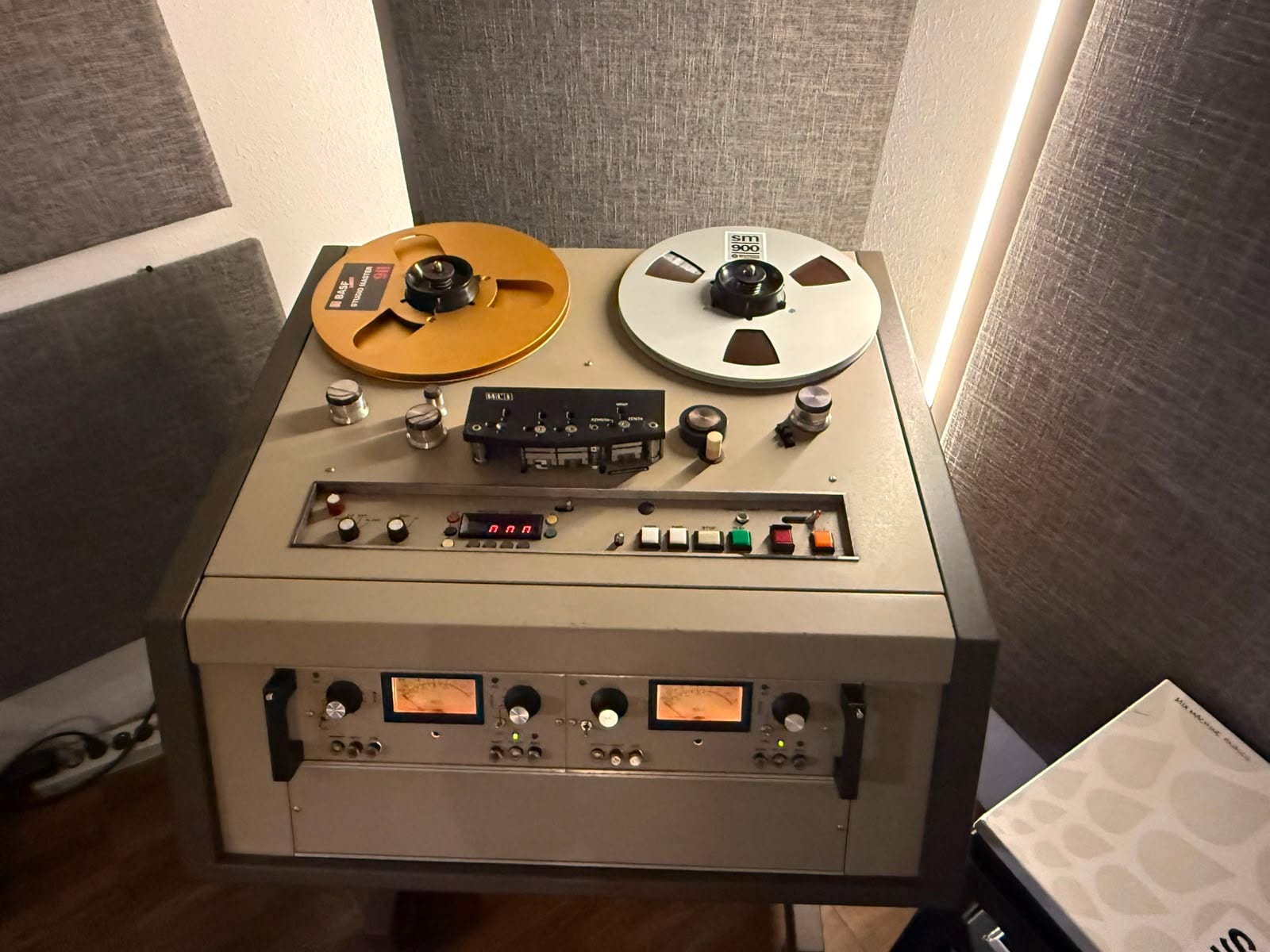
The Otari 24-track was responsible for most of the quintessential '90s hits from the likes of Rivermaya, Dong Abaya, and Eraserheads.
"If any of these broke down, our business would be cut off."
The Grammy invitation traces back to a specific decision: pressing a reference tape reel, an all-analog release that never touched a computer, and mailing it to organizations across France, the UK, and the rest of Europe.
It's an annual release for him now, on its second volume, made up of his own songs and recordings from local bands willing to track live, start to finish, instead of piecing a song together take by take.
"They loved it. They're like, wow, this is from the Philippines," he said. "And then they said, 'You got to get into the Grammys.' They're the ones who pushed me to the Grammys."
"We always get recognition abroad, but not here in the Philippines. Nobody knows what's going on with our practice," he lamented.
A look behind de Leon's workstation
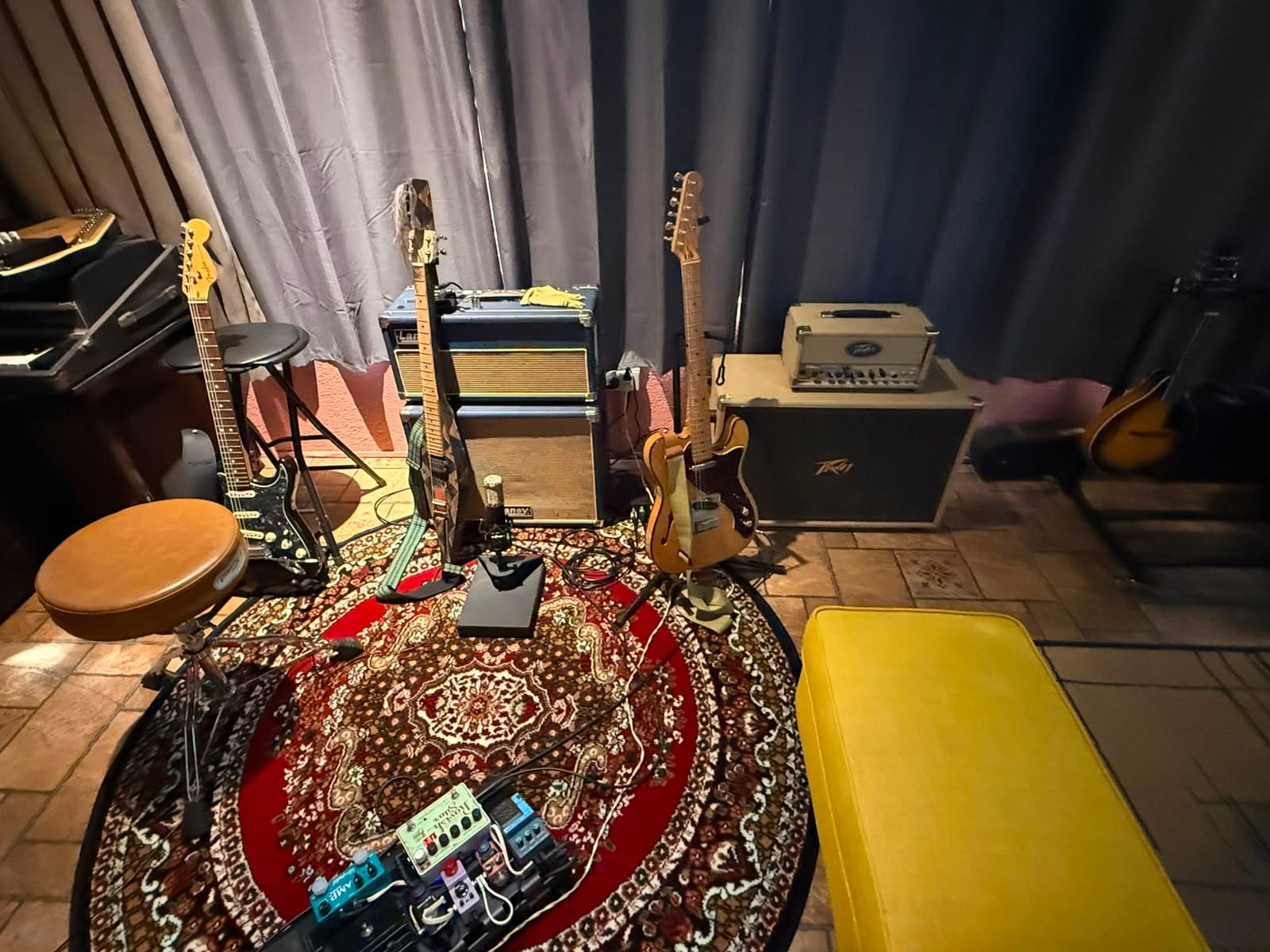
Some of the guitars at the Mix Machine Analog include a Fender Stratocaster and an Offset Telecaster
What the Recording Academy Actually Changes
The Recording Academy is the organization behind the Grammy Awards, where you can't really buy your way into a membership. Voting membership requires peer nomination and a body of work that an internal review panel checks and decides who gets nominated and wins. The Academy has spent the past several years deliberately broadening its electorate, pulling in thousands of new voting members a year and expanding beyond performers into the engineers and producers who put in an absurd amount of work in crafting and executing an artist's vision and then some.
De Leon's invitation puts a Filipino analog engineer inside that new generation of Recording Academy voters, and it happened entirely off tape and vinyl work that barely anyone talks about.
It's not hard to see why Mix Machine Analog got the nod in the first place.
The studio bills itself as the only pure analog production and vinyl mastering setup in the country, with a production honor at the Global Music Awards and nominations at both the Gawad Urian Awards and the Awit Awards already on the board. Underneath it sits Spin Doctors PH, a lathe-cut vinyl service running since November 2024 that the studio says is still the only one of its kind locally, along with its own label, Analog Machine Records.
An upright Kawai piano, an organ, and a shelf of guitar pedals ready at a moment's notice
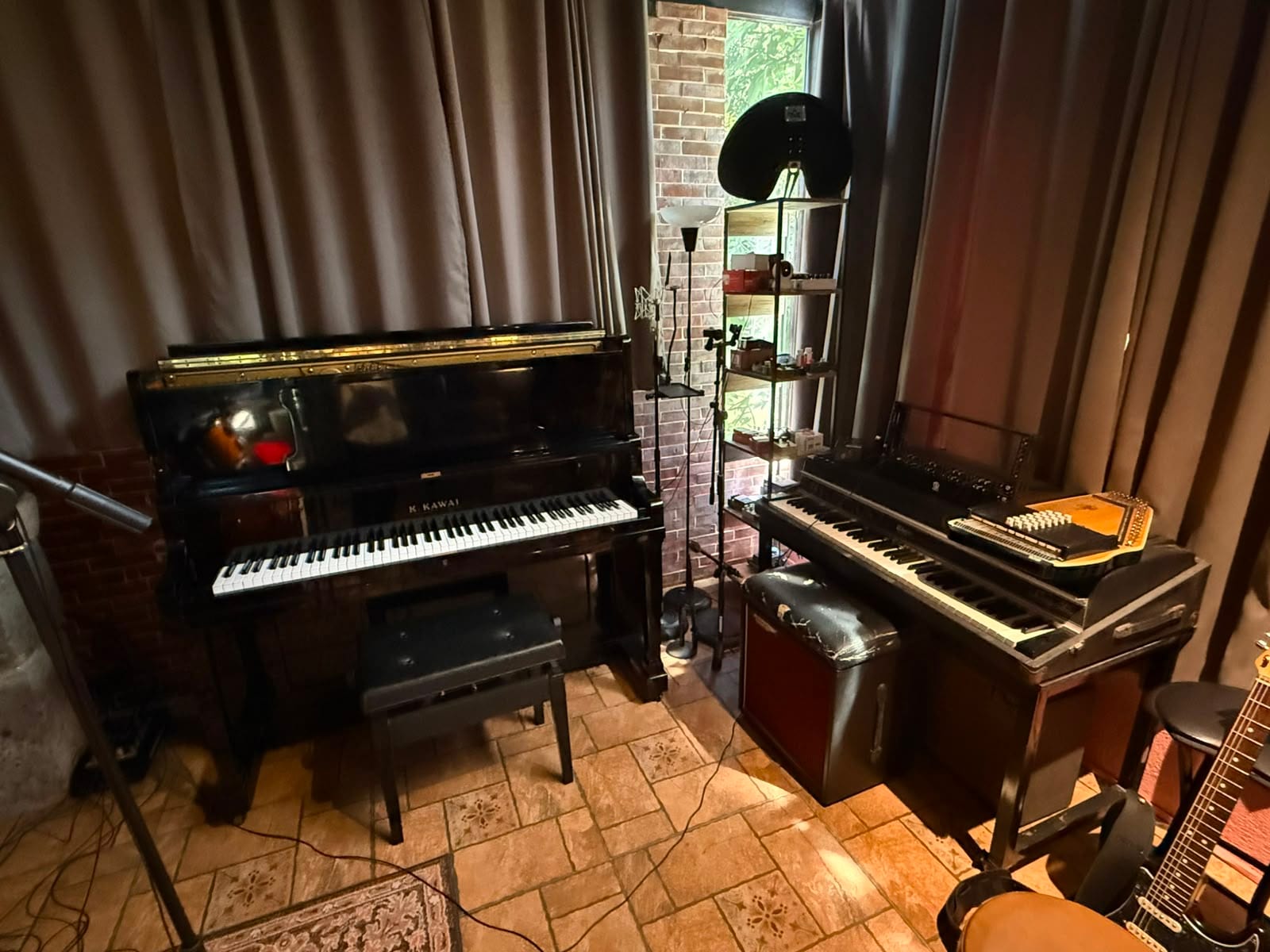
Mix Machine Analog won't have a shortage of strings with a cheeky mandolin, bass guitar, and violin
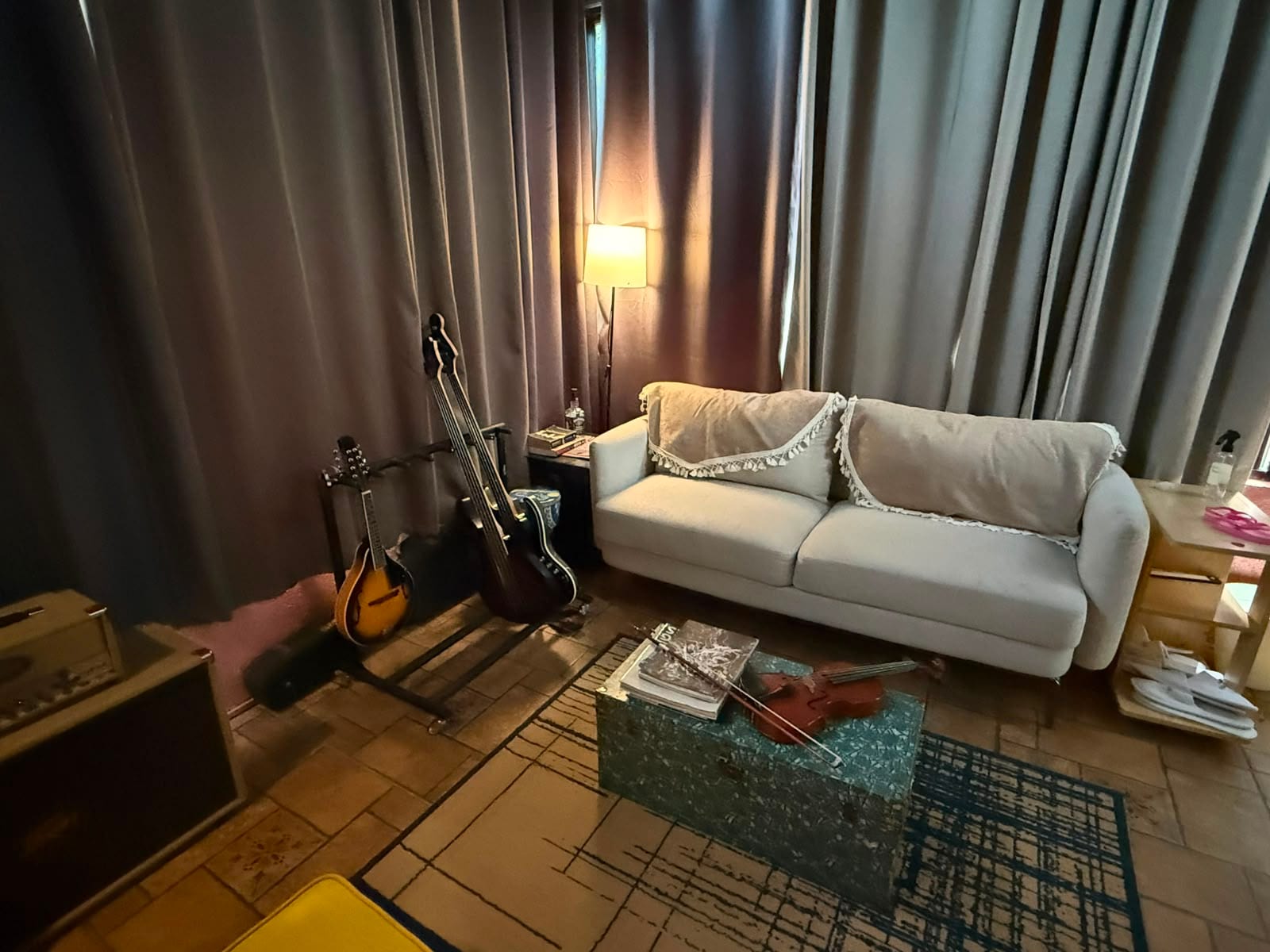
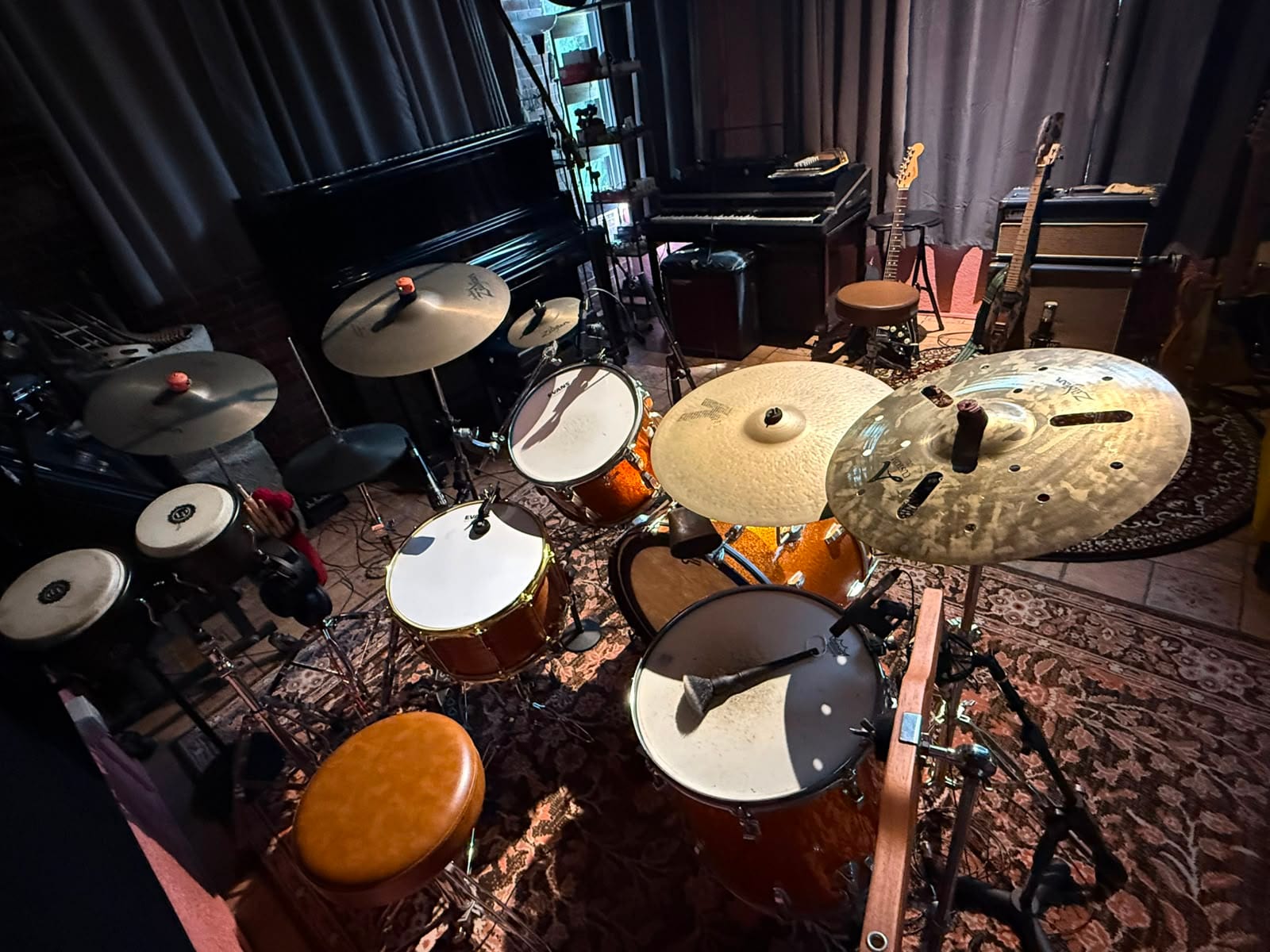
"The reason I'm there (at the Recording Academy) is because of my analog shenanigans," he said. "It wasn't because of what I released digitally. It was always because of what I released on vinyl and tape reel."
More contemporary artists are leaning into the art of harnessing intentional abrasiveness or leaving room for imperfect recordings. The guitar savant Mk.gee is known to stick his guitar straight into a vintage Tascam Portastudio analog recorder instead of using guitar amps on stage, a setup a lot of aspiring axe heads are emulating to get that distinct, warbly, and almost violin-like tone.
"I think the return to analog is actually not really a return. It has always been there; it's only now that it's appreciated," de Leon said. commenting on more musicians trying to sound more organic with analog tones. "There's a counterculture against AI, a counterculture against over-processing your music. Now there's awareness."
Mix Machine Analog's creator wasn't coy about what he thought about what modern recording gets wrong, despite digitally recording music being technically a more accessible and a so-called "perfect" way to put your tracks together.
Piece-by-piece tracking, a verse, then chorus, then bridge stitched together after the fact, doesn't really sit right with him.
"That is fundamentally wrong," he said. "There's no progression on the feeling. When you're playing live, you're singing live, and you're recording live, there's a progression from the intro to the outro. With the style of recording now, it's chopped. The intensity is the same from start to finish."
De Leon won't tell you to ditch digital recording for tape and to be as pedantic as him in recording methods.
"If you want to sound like yourself, there's no other way but to record on tape," he said.
"It will dictate that your character will come out. It will dictate your professionalism. It will dictate how well you are as a musician."
Esquire PH's resident music scribe, wristwatch disciple, and essayist fluent in niche internet subcultures and Philippine politics.
View More Articles About: