18 Months to ROI? How Pickup Coffee Promises Franchise Success Through Data
PickUp Coffee’s Global Managing Director, Francis Flores, tells Esquire Philippines how they plan to make this happen as the business opens for franchising.
Published on May 18, 2026
Pickup Coffee, a homegrown coffee chain brand founded in 2022, now operates more than 500 company-owned stores nationwide. Now more than halfway through its five-year mission to have 1,000 stores, it has opened its doors to franchising, letting entrepreneurs participate in the brand's next milestone.
In a media event at Mireia last May 12, Pickup Coffee Franchising Head Hazel Hernandez Francisco shared that the brand has participated in Franchise Asia Philippines from April 24 to 26, "which means we have officially opened the business to the public." And when they announced this news on social media, they received as many as 6,800 inquiries and applications.
"During the expo, we received a wide range of inquiries—from businessmen, OFWs, OFW spouses, students, and even partners of some of the biggest franchise businesses in the Philippines who want to acquire a franchise. We are ready for any system, and we are ready to ensure that we partner with people who share our goal of building a repeatable, successful business with us," she added.
Francisco shared three points on why it's a good franchise business to explore.
First, they have proven demand after serving around 50 million cups of coffee. "We have also positioned ourselves around quality, meaning our coffee is not just cheap; it is surprisingly affordable but with premium quality."
Second, their payback period is projected at 18 to 24 months. "The CapEx [Capital Expenditures] is highly efficient," she said. Franchise startup costs start at P1.7 million for indoor Pickup Coffee kiosks, and P2 million for outdoor ones.
Finally, their supply chain is "incredibly robust," especially with the hundreds of stores in their system. "This gives us massive purchasing power and very favorable pricing in terms of the supplies and goods we deliver. Because of that infrastructure, we have also progressed the backend systems we offer to our franchisees."
Now, this all sounds good in theory, but what does it mean on the ground?
In an exclusive interview with Esquire Philippines, Francis Flores, Pickup Coffee's Global Managing Director, laid out the blueprint for what the brand calls a scientific approach to franchising.
The Unit Economics of a Kiosk
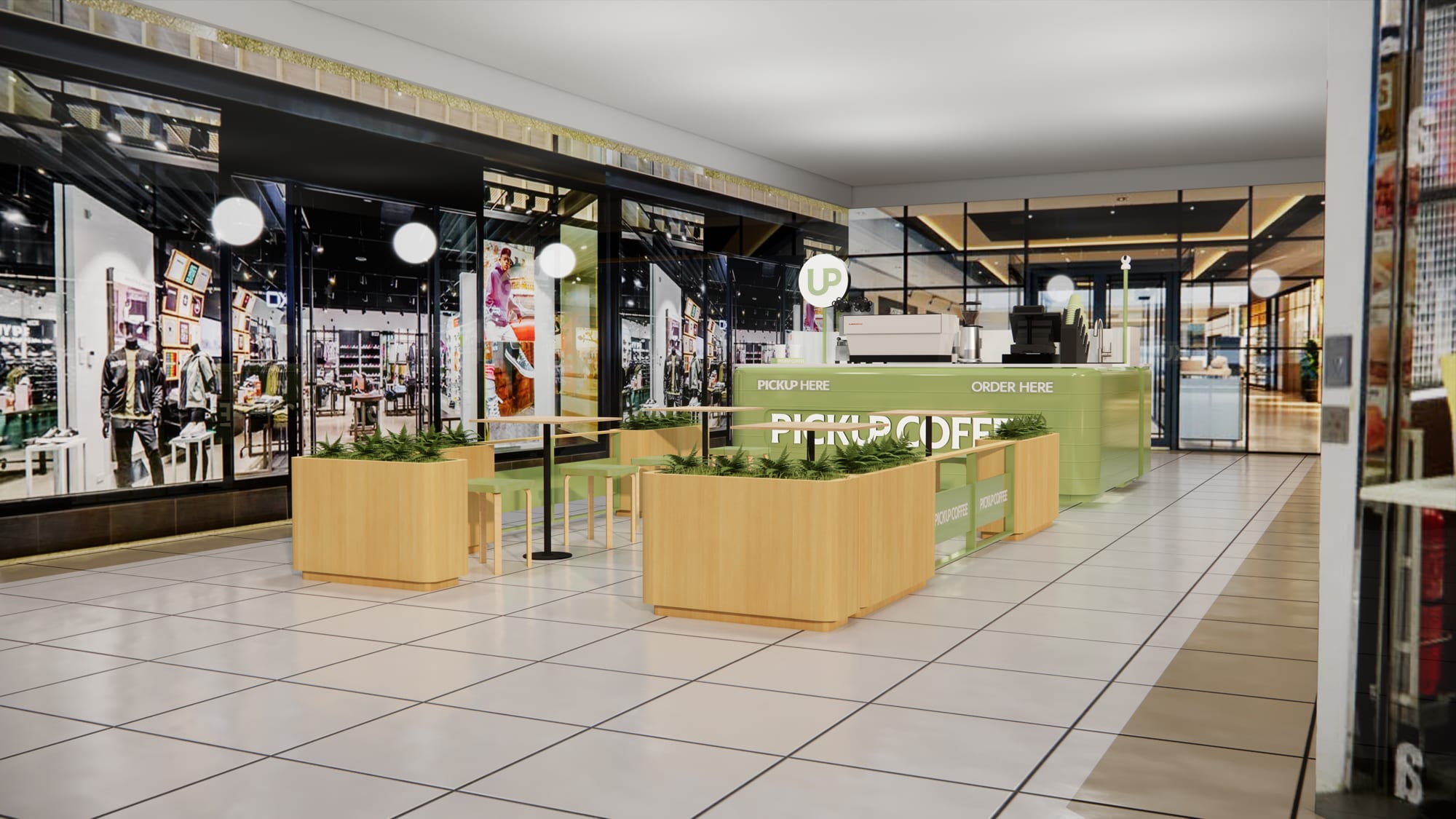
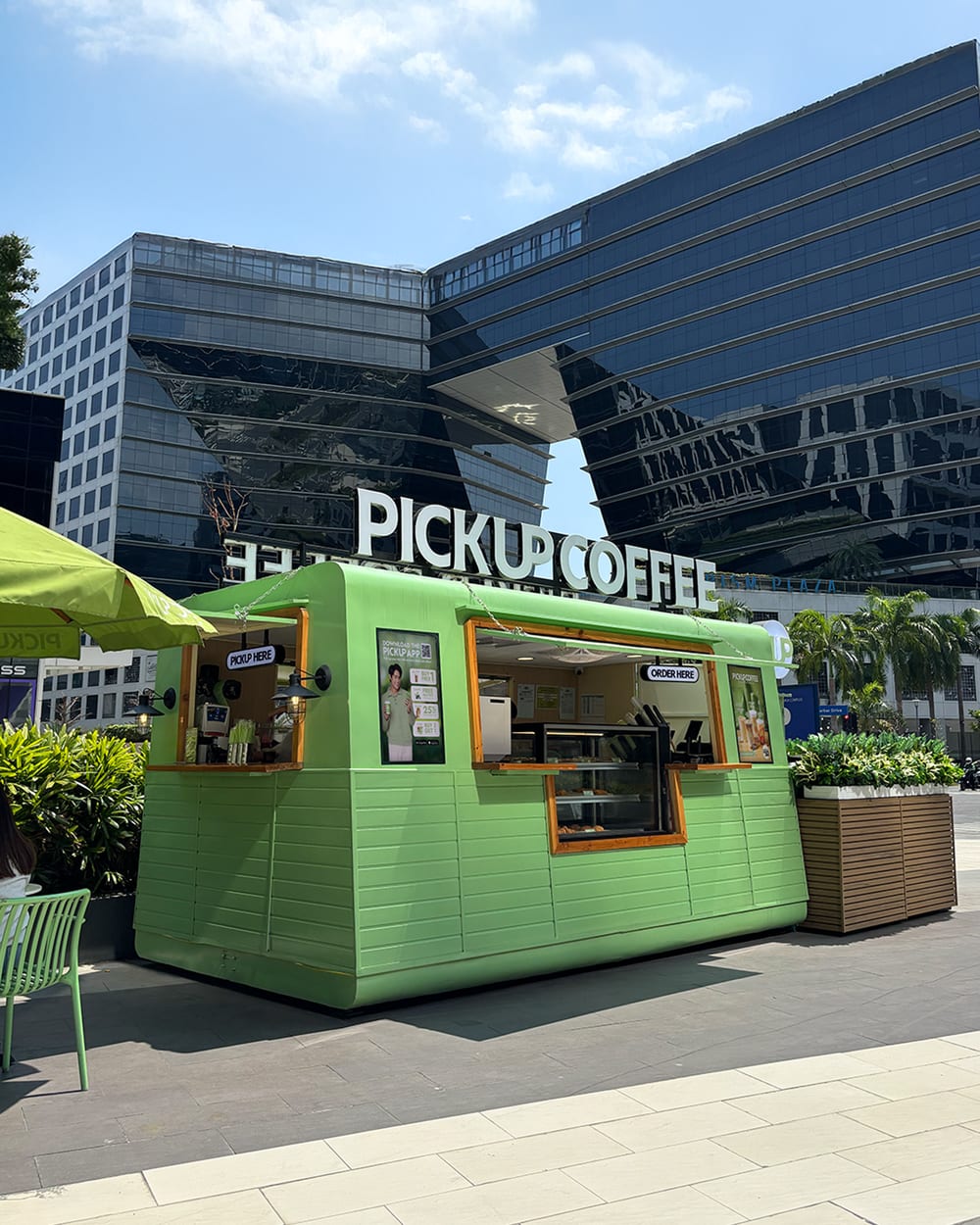
"The carts you see outside are P2 million. The P1.7 million is for indoor kiosks," Flores explains, noting the distinction between standalone outdoor units and those tucked into office lobbies where a roof is already provided.
Included in this investment is the "construction, all the equipment, the initial stocks, tsaka yung one-time franchise fee," Flores adds. Even the initial inventory is calibrated for freshness over volume. "Initial stocks are good for at least one to two weeks. After that, you have to order kasi you also don't want to keep too much stocks sa store dahil maliit lang, para fresh palagi yung beans."
The Payback Period
The payback period of a year and a half to two years sounds ambitious, but Flores insists that this promise is grounded in reality and backed by data.
"When we did those forecasts, last year na-pilot na kami. So we have different pilots and of course, at the start, importante na you're in the right location, and that's critical to be able to deliver that payback promise," Flores says.
For one, rather than having a location based on a franchisee's so-called gut feel or even the simple reason of proximity to their home, Pickup Coffee employs a vetting process.
"We have a very scientific and database system in terms of assessing the space," Flores shares. "So kunyari may franchisee, may space sila na gusto nila doon. Pag-in-assess namin at hindi okay, kami yung sasasabi, 'wag.' Because the ultimate goal is for you to succeed. We want you to be happy with your business."
When asked the ideal place to set up a Pickup Coffee kiosk, Flores says without hesitation: "BPOs. If you can get a space malapit sa BPOs—why? Simple lang kasi pwede kang mag-24 hours doon. Easily double yung profit. Tsaka ang market talaga namin ay mga working adults, yung kailangan ng kape."
Hospitals and office lobbies have also observed high conversation rates. In these places, coffee isn't a luxury, but a necessity. "Offices and hospitals need affordable coffee you can drink every day. So I think those are the top three na in our experience, malakas talaga siya."
What's unique about Pickup Coffee's franchise model is the concept of asset portability, where the kiosk itself is movable.
"In case hindi okay yung location, yung sales di magtaas, di nahit yung sales target, pwede i-move. May cost lang pero at least hindi natapon yung investment mo," Flores says. "Yan ang okay rin sa business natin, the store is very portable." It almost creates a safety net, allowing the franchisee to pivot in the unlikely case that the scientific data fails.
Pickup Coffee's Support System
Aside from the physical store and initial stocks, the franchise package also includes training for employees, who are hired and selected by the franchisee.
"Hiring sa kanya [the franchisee] kasi employee niya 'yon. But we can help," Flores explains. "We will guide you end-to-end. Again, the ultimate objective is for you to be successful."
This support extends to the most critical part of the coffee business: consistency. As the brand eyes 1,000 stores, the risk of brand dilution through poor service or inconsistent brewing is the primary hurdle. "We make sure we’re consistent in training," Flores says. "When you open many stores, that’s new training and new staff, so dapat tuloy-tuloy yung training."
"It’s really just being consistent with our fundamental strength, which is going back to our mission," he summarizes. "We want to offer quality but surprisingly affordable beverages to everyone, everywhere. And when we say quality, hindi lang quality, dapat masarap."
Ultimately, being "very attuned to what the market wants" keeps Pickup Coffee on track with the goal it set back in 2022—to hit 1,000 stores in five years.
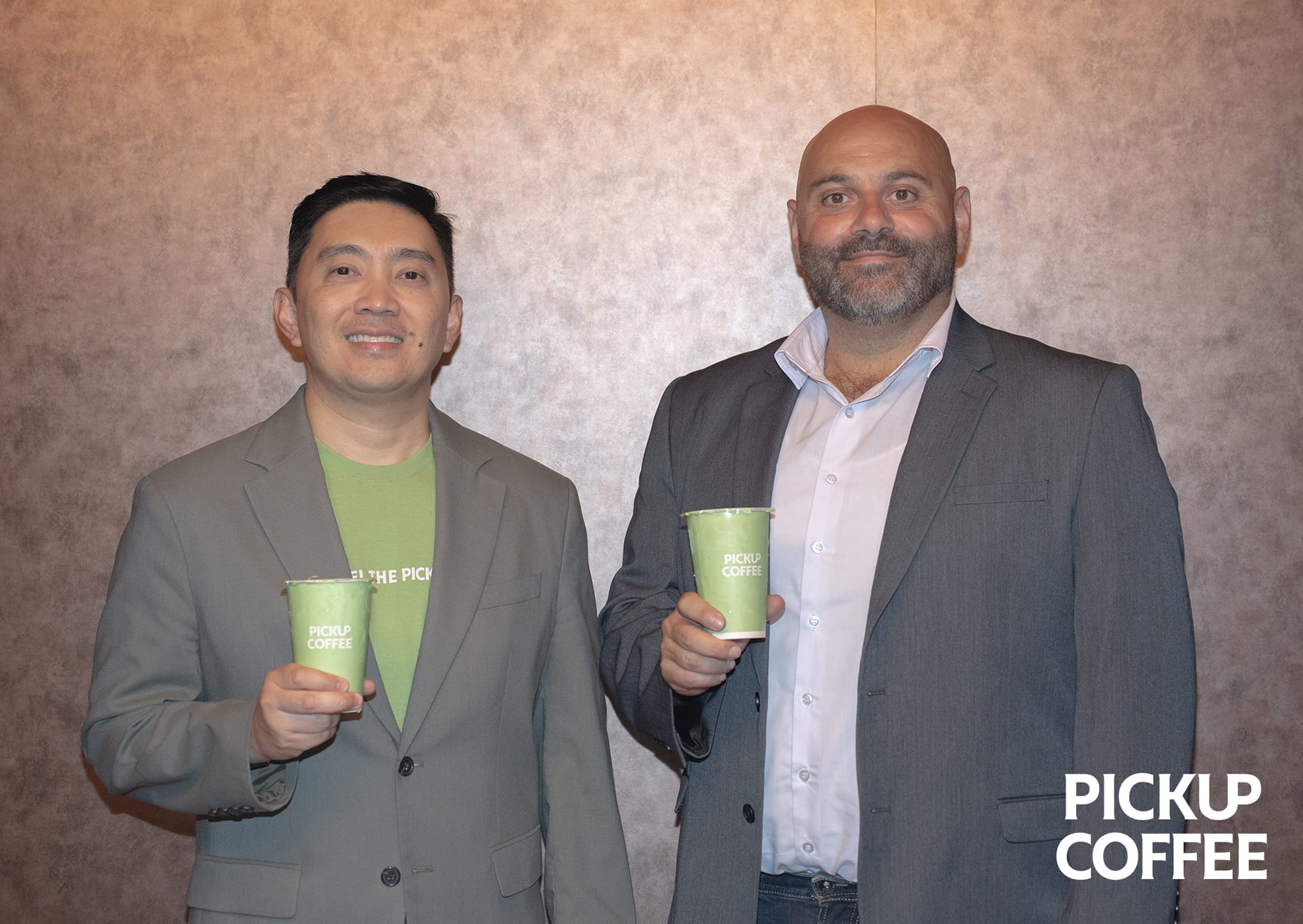
This is echoed in Rami Chahwan's (President and CEO) earlier speech: "[Pickup Coffee] was built by Filipinos, for Filipinos, and we are built to grow. The demand is there, and we've been tested and trialed. Despite being born in a pandemic, we've seen what happened lately with the market in the Middle East, and we're still very privileged to be performing extremely well within and sometimes above our expectations."
ALSO READ:
Pickup Coffee Bags P2.2 Billion in Series A1 Funding
Pickup Coffee Joins Endeavor's Network of Entrepreneurs
Christa I. De La Cruz is a Palanca Award-winning writer with over 15 years of experience in feature writing for print and digital media. She earned her Sertipiko sa Malikhaing Pagsulat sa Filipino from the University of the Philippines Diliman and holds an MFA in Creative Writing from De La Salle University.
View More Articles About: