The Best Vintage Cartier Watches From the Biggest Collection Ever To Hit The Market
A landmark sale of 300 vintage pieces charts Cartier’s century of design.

by Johnny Davis
Published on Apr 12, 2026
This spring, Sotheby’s will offer what it calls the most comprehensive collection of vintage Cartier watches ever assembled – more than 300 pieces spanning a century of design, gathered over 25 years and now set to appear, in stages, across Hong Kong, Geneva and New York.
Titled The Shapes of Cartier, the sale focuses on the maison’s defining idea: the wristwatch as an exercise in form.
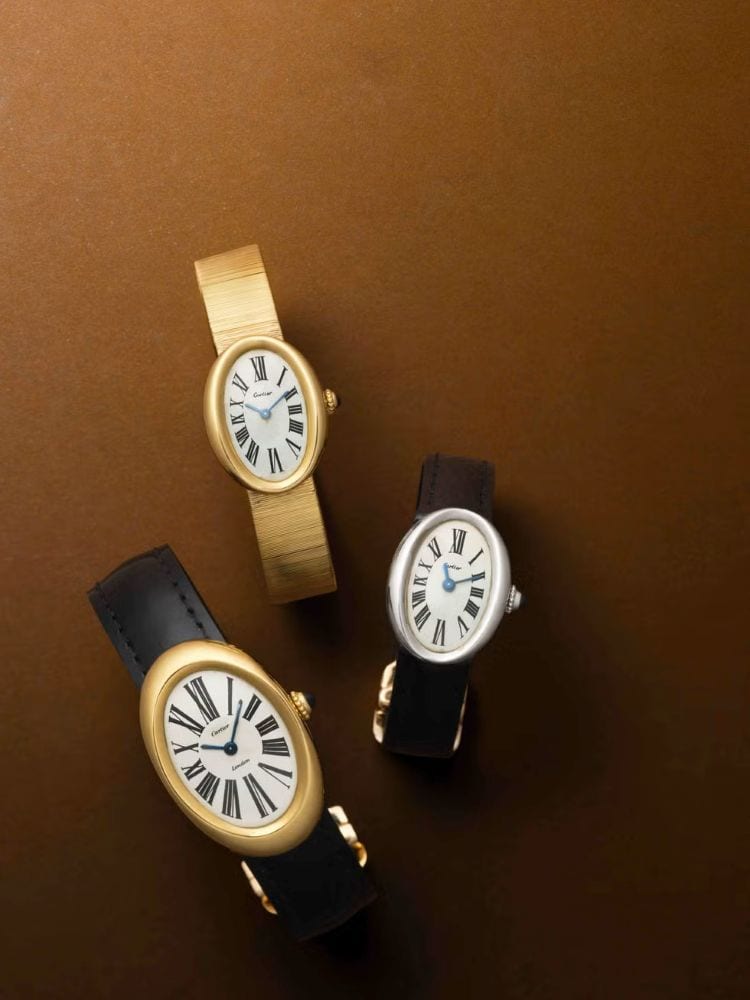
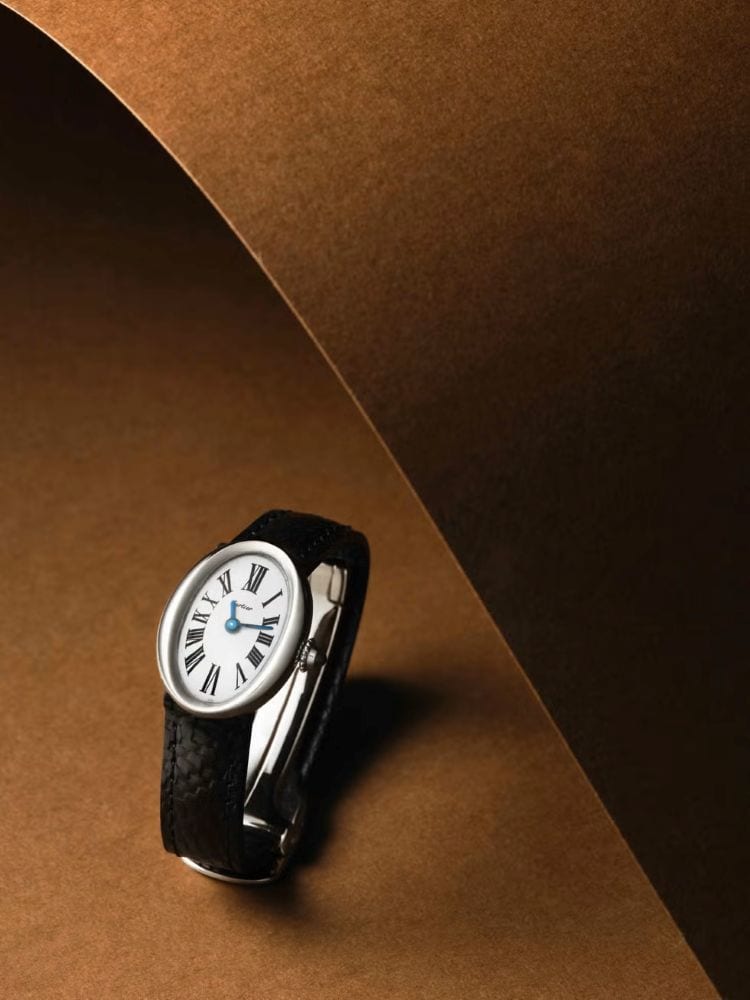
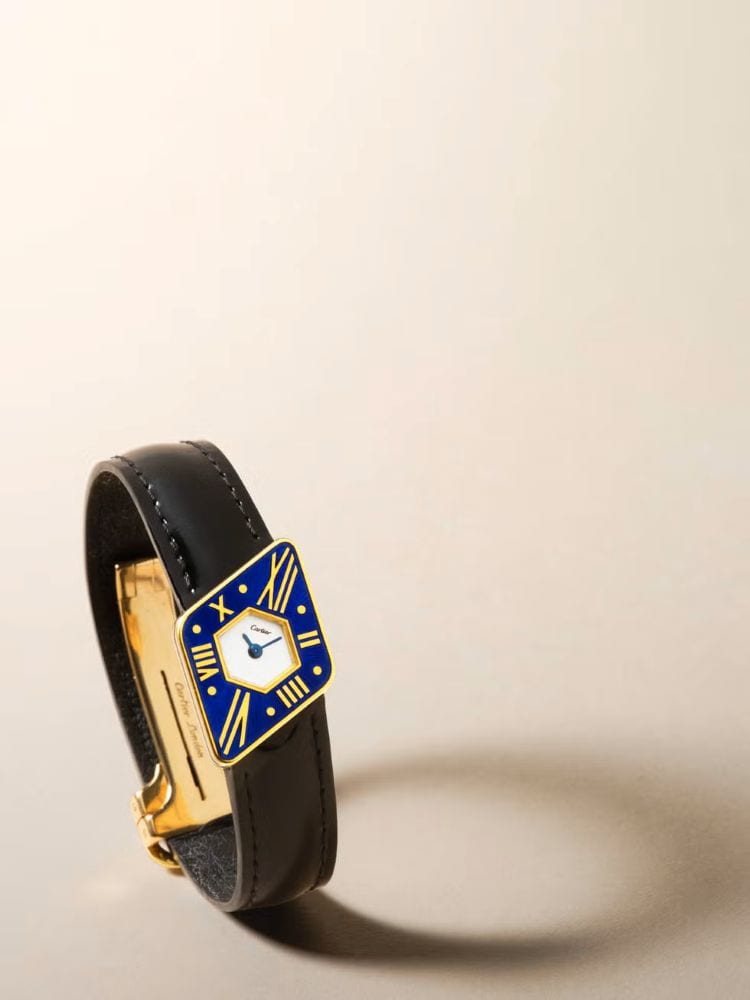
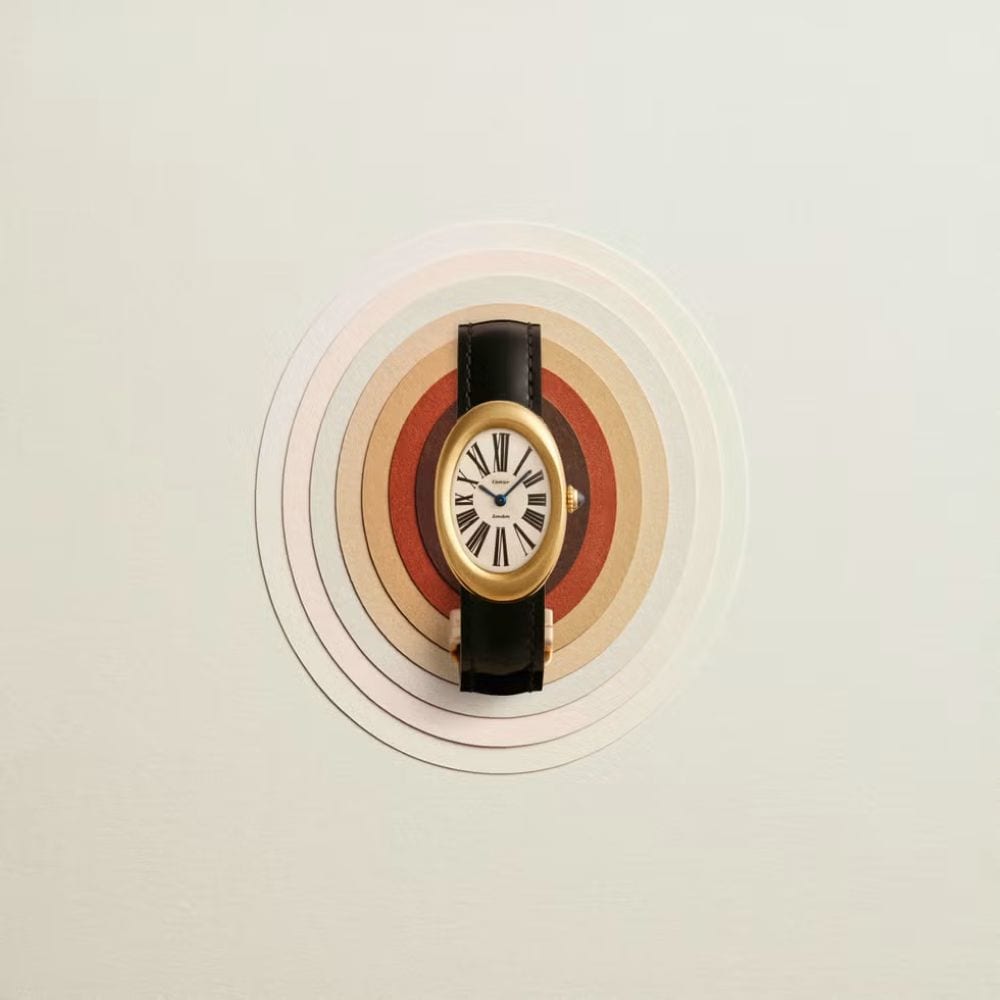
The collection spans key designs including the Tank, Baignoire and Crash, alongside rare variations and pieces produced during Cartier’s most experimental period in London.
Vintage Cartier prices have soared in recent years, driven by the rarity of watches made in small numbers during that London era, when the brand’s UK workshop operated with unusual independence and a more artisanal approach.
At the same time, Cartier has strengthened its modern position by focusing on core designs such as the Tank and Santos, alongside limited reissues of historic models.
Increased visibility on high-profile wrists has broadened its audience, particularly among younger buyers.
Together, this has reinforced demand for both vintage and contemporary Cartier watches, with shaped designs now central to the brand’s appeal.
According to the most recent LuxeConsult/ Morgan Stanley report which analyses Swiss watch sales data, Cartier now sits second only to Rolex as the world's most valuable Swiss watch brand, with profits of CHF 3.5bn in 2025, up ten per cent year-on-year.
From the early 20th Century, Cartier operated as semi-independent branches of the family business, each serving its own market and clientele. Paris – the original maison, run by Louis Cartier, New York, run by Pierre Cartier and London – under Jacques Cartier.
It was the brand's London workshop produced some of the watchmaker's most distinctive pieces, defined by unconventional case shapes and low production numbers.
“Cartier London was the more adventurous of the three branches,” Tom Heap, then deputy director at Sotheby’s London, told Esquire's The Big Watch Book recently.
“They were producing some really fun and exciting stuff.”
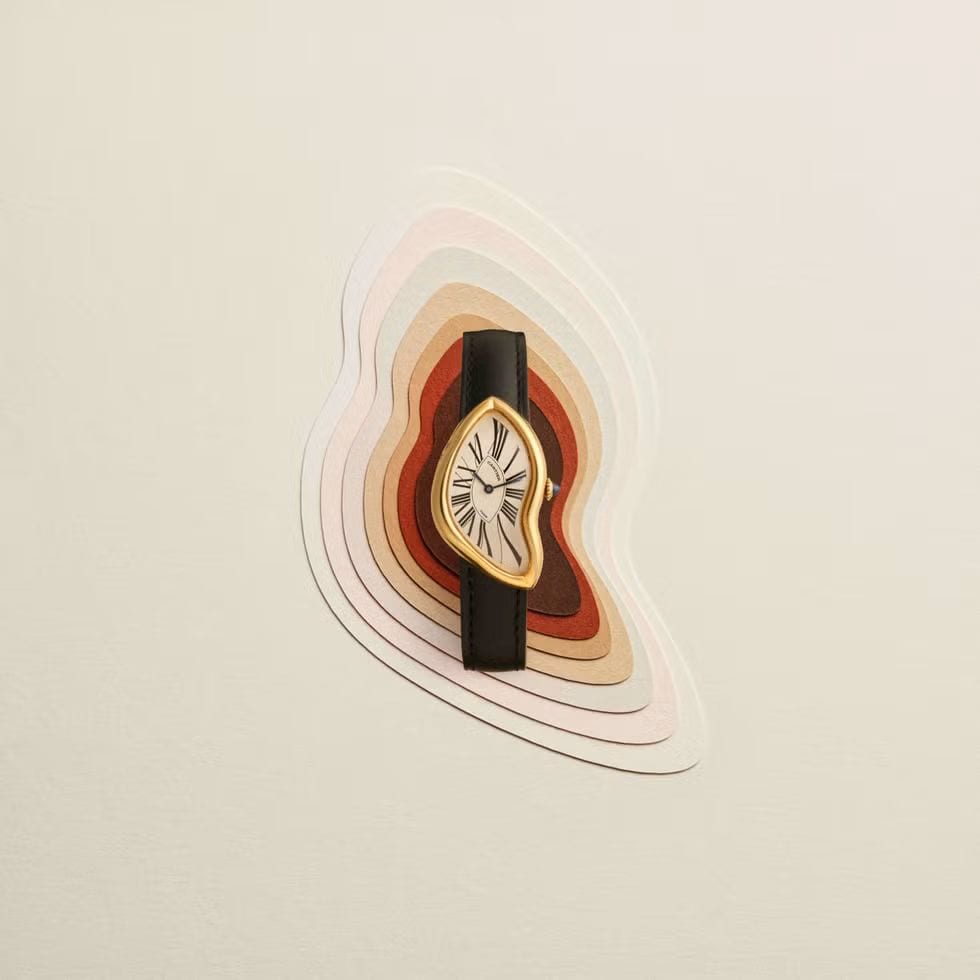
The first sale in The Shapes of Cartier takes place in Hong Kong on 24 April, and is led by a yellow-gold Cartier London Crash from 1987, believed to be one of three examples produced that year, with an estimate of $400,000 to $800,000 (£315,000–£630,000).
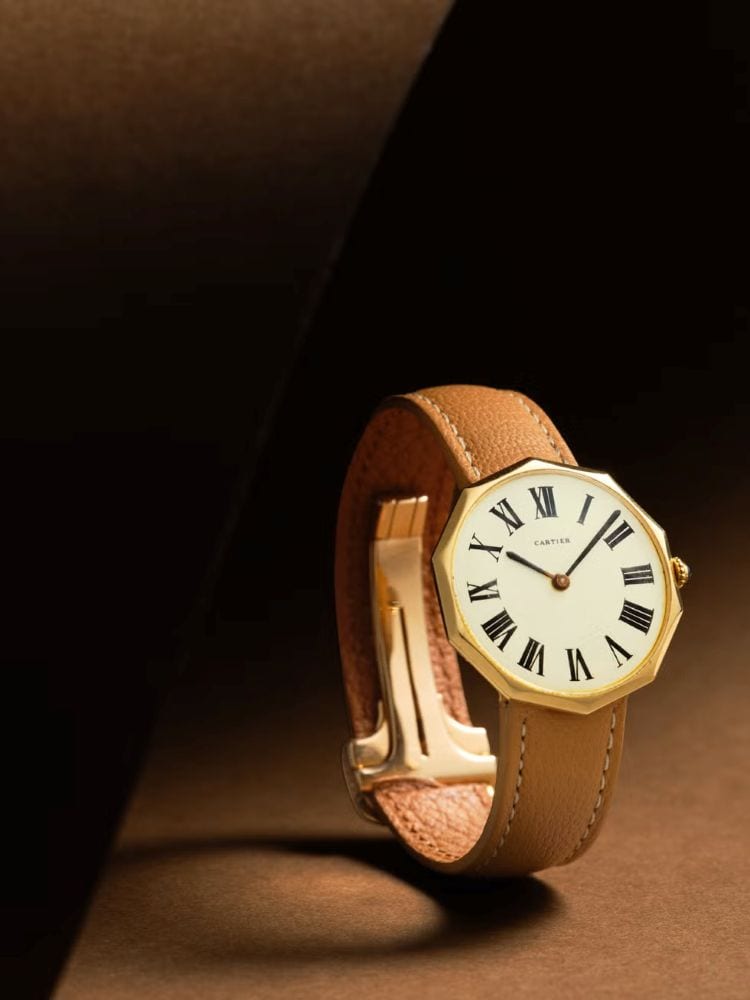
Other highlights include a 10-sided Cartier London Decagonal from the early 1970s (est. $60,000–$80,000 / £47,000–£63,000), a curved Driver’s watch from the late 1960s (est. $50,000–$80,000 / £40,000–£63,000), and a number of sculptural London-era pieces including an Octagonal and Baignoire from the early 1970s.
"To replicate this collection or better it would be, in my opinion, nigh on impossible – especially as so many models it contains are known to be unique," says Sam Hines, Sotheby’s global chairman of watches, of the auction.
"The central issue in attempting such a feast today would be the lack of supply. What we have come to appreciate as the most interesting vintage Cartier watches have historically been produced in small quantities and are scattered across collectors all over the world. You’d have a hard time trying to track those watches down and prising them away from their owners.
"This is especially true of watches produced by Cartier London under the creative leadership of Jean-Jacques Cartier who had the most daring approach to watch design and had the idea of the Crash model, now a truly iconic piece within all Cartier creations. Cartier London only operated between 1955 and 1979 and only produced low volume watch series so every piece issued from that workshop has now become highly sought after."
"Look out for the Oval Maxi (which Jean Jacques Cartier turned into the Crash)," Hines says, when asked which pieces should get more recognition. "Also the Pebble, the Asymmetrical, the Eight Days, and the Stirrup."
The collection is expected to realise more than $15 million (£11.8 million).
It will be offered in stages throughout 2026, beginning in Hong Kong on 24 April, followed by Geneva on 10 May and New York on 15 June.
More information here.
This story originally appeared on Esquire.com/uk.
View More Articles About: